
When it comes to homeownership, embracing the role of a DIY expert can feel both exciting and intimidating. Let’s face it; there will come a day when your sink starts leaking, or you need to patch a hole in the wall from an unexpected indoor soccer match (trust me, I’ve been there!). But fear not! Mastering a few essential emergency repair skills can save you time, money, and even some frantic phone calls to busy handymen. From fixing leaks to learning how to tame unruly bolts and screws, this guide dives into skills every homeowner should have. So grab your tools, roll up your sleeves, and let’s build up your confidence for those inevitable home emergencies!
Essential techniques for home emergency repair include knowing how to use power tools, performing basic plumbing repairs, and repairing drywall. Familiarity with these skills can help homeowners efficiently manage common issues and mitigate damage during urgent situations.
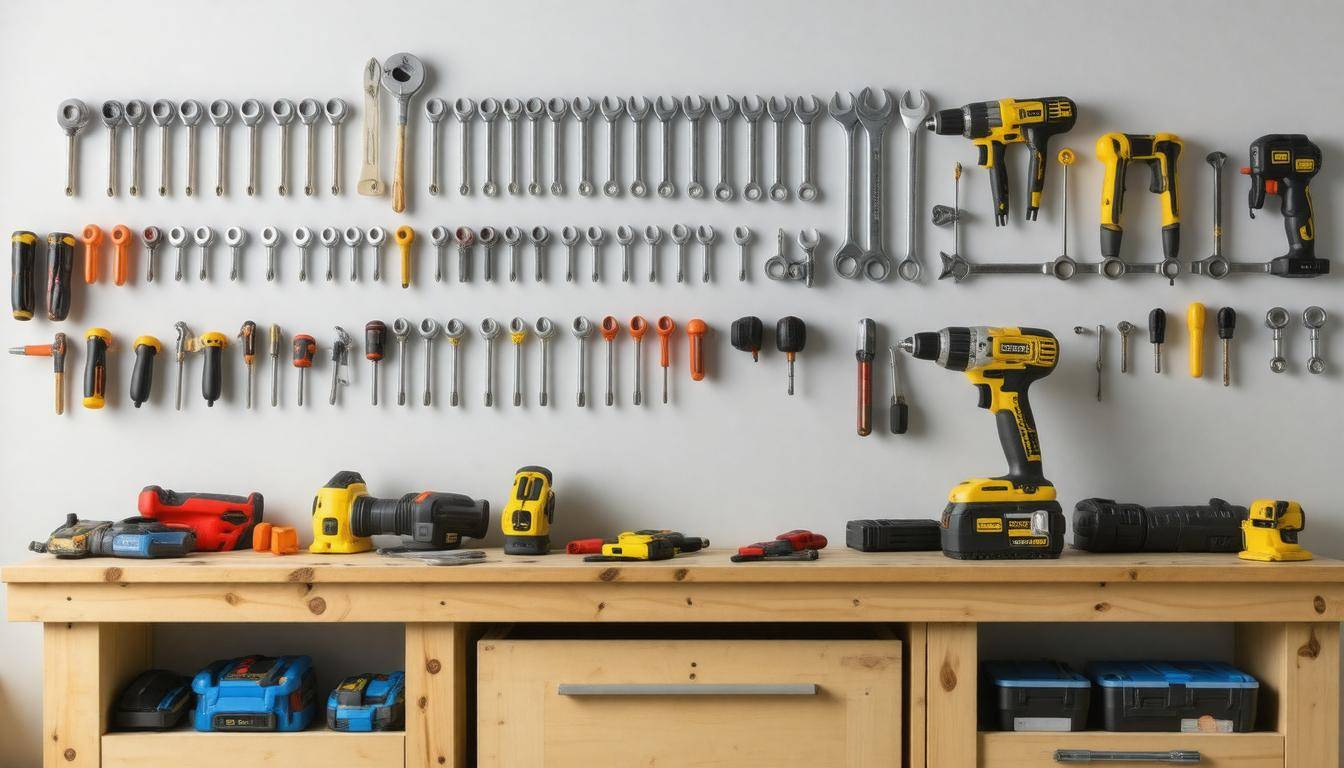
Key Home Emergency Repair Skills
One of the most essential skills every homeowner should possess is fixing a leaking faucet. A simple leak may seem trivial; yet, it can lead to extensive water damage over time and raise your water bills significantly. To tackle a leaky faucet, understanding how to replace washers or cartridges is crucial. It starts with turning off the water supply and then disassembling the faucet gently. From there, take the old washer to the hardware store for an exact match, as small differences can make a big impact on sealing power.
Once you’ve grasped plumbing repairs, let’s transition to dealing with another common household woe: unclogging a toilet.
Unclogging a toilet is a skill that many might find daunting, but it’s simpler than it sounds. Having the right tools—primarily a plunger or auger—can save you from an embarrassing situation while preventing sewage backups. When the toilet is clogged, first make sure to use a flange plunger designed specifically for toilets rather than flat ones made for sinks. This type will form a better seal and give you more leverage. If plunging doesn’t work, that’s where an auger comes in handy; it reaches deeper into pipes and clears stubborn clogs often caused by foreign objects.
Now that we have tackled plumbing issues, it’s time to address another vital skill: repairing drywall.
Wall damage is almost inevitable in any household, especially if you have active kids or pets. I learned this firsthand after one intense indoor soccer game left me with a gaping hole in my drywall. The good news? Fixing drywall is relatively straightforward. It begins with cleaning the edges around the hole and applying a patching compound or a piece of drywall cut to size if it’s substantial. After letting it dry and sanding it down smooth, applying paint to match your wall completes the job beautifully—saving me both time and money by avoiding that unnecessary handyman call.
With these skills under your belt, you’ll find confidence blossoming when handling various emergency repair scenarios around your home.
These hands-on techniques are practical and empower you as a homeowner. They cultivate independence and can lead to significant savings in service calls that might otherwise eat away at your budget. Furthermore, learning these skills can drastically reduce stress levels during emergencies; knowing you have the means to fix things can be comforting in moments of chaos.
Building on these foundational skills allows homeowners to confidently navigate more intricate challenges ahead.
Plumbing Solutions for Emergencies
When dealing with plumbing emergencies, acting quickly is your best defense. Whether it’s a burst pipe or a stubbornly clogged drain, knowing how to respond not only minimizes damage but also gives you a sense of control in a chaotic situation.
Fixing Burst Pipes
One of the most alarming plumbing problems is a burst pipe. The first step is straightforward: shut off the main water supply immediately. This will stop any additional water from flowing into your home, preventing flooding. Once you’ve taken that crucial step, open your faucets to allow any remaining water to drain from the system; this helps reduce pressure and minimizes further leaks.
For temporary fixes, consider using a pipe repair clamp if you have one on hand. If you don’t have access to one, wrap the damaged section with a piece of rubber (like an old bike tire) and secure it tightly with a C-clamp. While these methods can stem the flow temporarily, remember they are just that: temporary solutions. Always contact a professional plumber afterward to address the damage properly and prevent future incidents.
A common issue stemming from minor leaks is wasting water—something as small as a broken washer can lead to incessant dripping, affecting your budget and contributing to unnecessary water wastage.
Handling Blocked Drains
Blocked drains can be frustrating but manageable with the right techniques. Often, a plunger is your first line of defense against solid blockages. Place the plunger over the drain and give it some serious pumps; the suction usually does the trick! If this doesn’t resolve the issue, reach for a plumber’s snake, which is designed to navigate bends in pipes and dislodge stubborn clogs deep within the drainage system.
If you’re looking for more eco-friendly methods before reaching for harsh chemicals, consider pouring a mixture of baking soda and vinegar down the drain. This combination creates fizzing action that can break down minor clogs, providing a natural method of keeping your pipes clear without resorting to potentially harmful substances.
Recognizing these plumbing solutions empowers you to tackle emergencies effectively. Now, let’s shift focus to critical electrical issues that may arise at home and how to handle them safely.
Essential Electrical Fixes
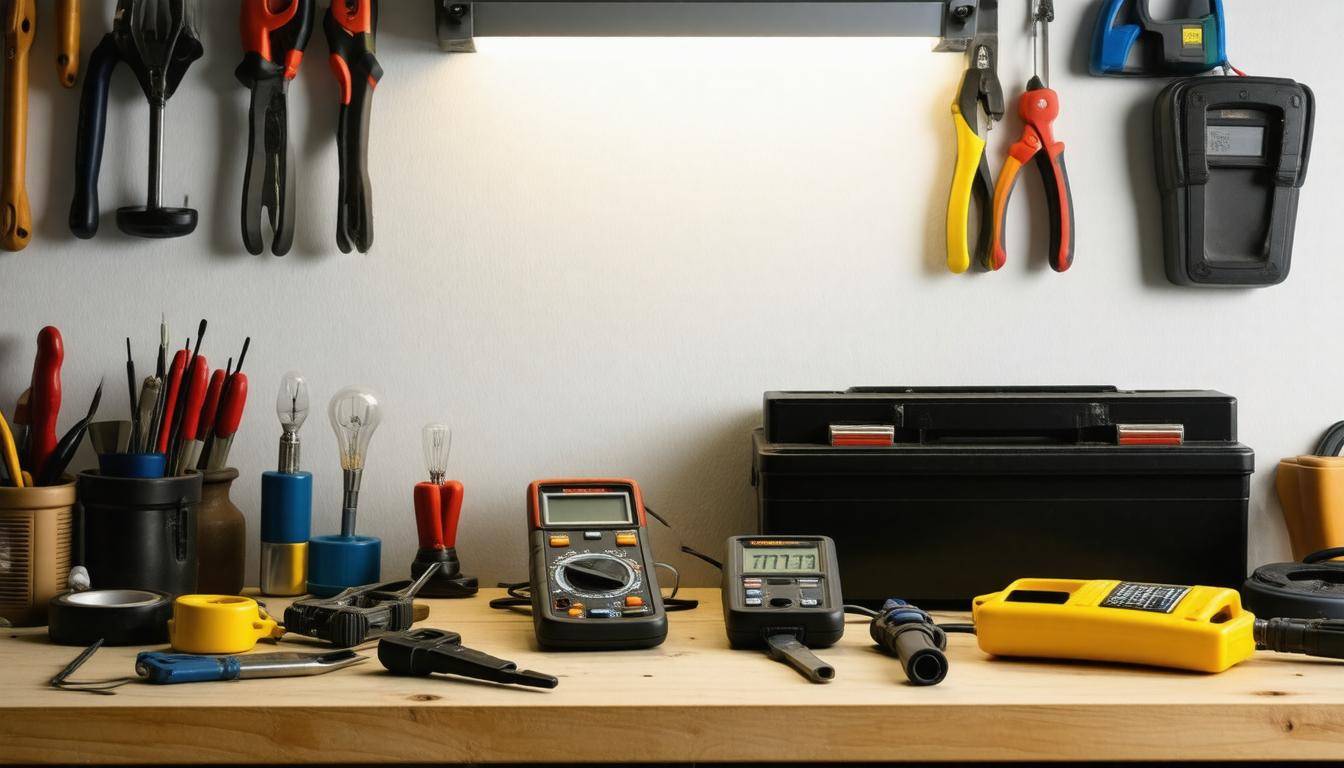
Small electrical issues may seem minor, but they can lead to larger problems if not addressed promptly. Understanding how to tackle these common issues not only empowers you as a homeowner but also potentially saves you from costly repairs. Consider the example of resetting a tripped circuit breaker, which is something that anyone can master relatively quickly with just a little instruction.
Resetting a Tripped Circuit Breaker
To reset a tripped circuit breaker, first, locate your circuit breaker panel—this is usually found in a utility room, basement, or garage. Once there, you’ll see several switches. The tripped breaker will be positioned differently than the others; it typically sits in the “off” position. By firmly pushing this switch back to the “on” position, you can restore power to that circuit.
It’s vital to investigate any potential reasons for the trip, such as overloaded circuits where multiple appliances draw too much power simultaneously. A simple solution is unplugging unnecessary devices to ensure nothing else trips the breaker again shortly after you reset it.
Another important fix is addressing loose outlets. Loose outlets can cause arcing and sparks, posing significant fire risks. If you notice an outlet feels wobbly or won’t hold a plug tightly, it’s time for a quick fix.
Fixing a Loose Outlet
Begin by turning off the power at the circuit breaker dedicated to that outlet—this step may seem tedious, but it ensures your safety while working on live wires. Next, remove the outlet cover with a screwdriver, and you’ll see the screws securing the outlet to the wall plate.
Tighten those screws carefully; sometimes they just need a little extra grip to be secure again. Afterward, put the cover back in place and turn the power on again. A well-secured outlet will not only enhance functionality but also safeguard your home from potential hazards.
Recognizing these essential electrical fixes enhances your ability as a homeowner to maintain safety within your living environment. Now let’s explore more aspects of home repair that focus on creating and preserving your home’s structural integrity.
Wall, Ceiling, and Floor Repairs
When dealing with repairs in your home, it’s easy to overlook how much a damaged wall, ceiling, or floor can affect the overall safety and comfort of your living environment. These elements bear the brunt of daily wear and tear—from furniture bumps to moisture damage—and require attention to ensure they remain intact. Ignoring these repairs might lead to larger issues down the road, both in terms of aesthetics and safety.
Patching Drywall
One of the most common yet manageable repairs homeowners encounter is patching drywall. To start, you’ll need to clean the damaged area thoroughly. This is essential because any dust or debris could prevent the patch from adhering properly. If you’re dealing with small holes, a quick application of spackle will suffice; however, larger holes may require a patch.
After applying your chosen filler, be patient as it needs time to dry. Once it’s fully dried, take some sandpaper and smooth the surface until it’s flush with the surrounding wall—this step is crucial for a seamless finish.
After achieving a smooth surface, you can paint over the repaired area. This final touch not only enhances aesthetics but helps protect the patched section from future damage.
As we move from repairing walls to floors, it’s important to realize that flooring repairs can be more labor-intensive but equally rewarding in their impact on your home’s overall appeal.
Replacing damaged floorboards can feel daunting at first, but breaking down the process makes it accessible. Start by carefully cutting out the affected section of the floor with a saw—this allows you to remove only what’s necessary without causing further damage. Once you have a clean area where the old board was located, align your new board appropriately and secure it using screws or nails. Remember to ensure that the seams fit snugly for stability and visual continuity.
While these repairs may seem straightforward, always consider additional methods and precautions to enhance their effectiveness.
Additional Tips and Methods
When engaging in these repair tasks, one must think ahead about potential future repairs. Keeping spare materials handy—like extra drywall patches or floorboards matching your existing styles—can save you headaches later on when accidents inevitably happen. It’s also a good habit to familiarize yourself with seasonal changes that may impact your home’s features; for instance, temperature fluctuations can cause expansion and contraction leading to cracks in walls or gaps in floors.
Always remember: Proper maintenance and immediate attention to small repairs can significantly prolong the lifespan of your home’s structural elements while also making them more visually appealing.
With a solid understanding of how to tackle these essential repairs on your home’s structure, let’s shift our focus toward ensuring that your appliances remain in prime working condition as well.
Appliance Maintenance Tips
Regularly maintaining your household appliances not only prolongs their life but also enhances their efficiency, saving you money on energy bills in the long run.
When it comes to your refrigerator, keeping those condenser coils clean is vital; this simple act ensures that your appliance operates efficiently and conserves energy. Think of the coils as the lungs of the fridge—when they’re clean, they breathe easy and keep everything cold. You should aim to clean these coils every six to twelve months, depending on your home’s dust levels.
Additionally, don’t overlook the door seals; checking for cracks or tears can prevent cold air from sneaking out and warm air from slipping in, which leads to increased energy consumption.
Switching gears a bit, let’s talk about another crucial appliance: your freezer. Taking a few minutes once a year to defrost it can make a world of difference. Not only does this action help eliminate ice buildup that can hinder performance, it also frees up much-needed storage space for those frozen treats you love. A well-maintained freezer runs efficiently, which is always a goal worth pursuing.
Refrigerator Maintenance
It’s essential to regularly check your refrigerator’s temperature settings too; ideal temperatures are around 37°F for the fridge and 0°F for the freezer. Keeping an eye on these readings ensures that your food stays fresh longer and doesn’t spoil prematurely, saving you money in wasted groceries.
The kitchen is often abuzz with activity, and your clothes dryer plays an equally critical role in helping manage that chaos. One of the simplest yet most effective maintenance tasks you can perform is cleaning the lint trap before every single use. This small step helps prevent potential fire hazards by ensuring good airflow through the appliance, allowing it to run efficiently and effectively dry your clothes.
Also consider cleaning the vent pipe periodically; this practice reduces drying time and further diminishes fire risks associated with lint build-up.
As we look beyond regular upkeep in each appliance, it’s equally important to recognize when professional help is needed. Paying close attention to warning signs like unusual noises or leaks can prevent minor issues from escalating into costly repairs or replacements down the line.
Making sure to stay on top of maintenance not only improves efficiency but also promotes a safer home environment.
With these practices in mind, we can now explore the essential items that empower homeowners to tackle unexpected repair challenges effectively.
Must-Have Tools and Supplies
Every homeowner should invest in some essential tools that will prove invaluable when emergencies strike. These tools can make all the difference between a quick fix and a stressful ordeal. A good quality hammer is indispensable for nailing down loose boards or hanging pictures. After all, it’s remarkable how much difference a properly placed nail can make when you’re trying to build or repair something!
As you venture into home repairs, you’ll find that having a set of screwdrivers—both flat-head and Phillips—is crucial. This simple tool can cover most screws found in everyday items, from furniture assembly to minor adjustments in kitchen cabinets. It’s a small but mighty tool that makes securing parts together much easier than you might expect.
However, there’s more to master than just hammers and screwdrivers—having an adjustable wrench at your side can save you time and headaches.
The adjustable wrench is a versatile ally in your toolkit; it can fit various nuts and bolts with ease. Imagine being able to tighten or loosen fittings without scrambling through multiple tools to find the right size! It’s simple yet effective and often becomes the unsung hero during plumbing fixes or equipment assembly.
Equally important is a plunger, especially for those unexpected clogs that seem to appear out of nowhere during gatherings or holiday meals. Owning a reliable plunger helps you tackle toilet backups or drained sinks before they escalate into bigger issues. Every moment wasted during such emergencies only adds to the stress.
Another necessary item is a tape measure. Precision is key when embarking on any repair or modification project, ensuring that everything fits perfectly where it needs to be. A tape measure allows you to avoid mistakes that may result in wasted materials or time, and trust me, measuring twice leading to cutting once is always good advice.
These foundational tools form the backbone of home emergency repairs, allowing even novice DIYers to tackle problems confidently.
Essential Supplies
Beyond these must-have tools, consider stocking up on common supplies that you’ll need on hand for various tasks around your home. Duct tape is one of those supplies every homeowner should have—it’s incredibly versatile for quick fixes, from patching leaks temporarily to securing loose items in place until more permanent solutions are available.
Another useful supply is wood glue for any woodworking projects or repairs involving furniture. Achieving a strong bond between wood surfaces guarantees durability, ensuring your projects withstand daily wear and tear.
Here’s a glance at some other essential materials:
- Nails and screws: Keeping assorted sizes handy makes it easier to handle different repairs.
- Sandpaper: This is crucial for smoothing surfaces and ensuring professional finishes on crafts.
- Utility knife: Useful for cutting through various materials, including cardboard and plastic sheeting.
With this toolkit at your disposal, you’ll be well-prepared to handle many household repairs effectively. Each tool serves its purpose while also promoting safety, efficiency, and convenience when tackling home projects—making them indispensable investments for every homeowner.
Armed with these skills and resources, you’ll be ready to face any repair challenge head-on as we turn our attention toward practical techniques for troubleshooting common issues around the house.
DIY Troubleshooting Guide
Life happens, and often it throws little curveballs your way in the form of malfunctioning appliances or unexpected leaks. The key to handling these situations efficiently is understanding the common problems that arise around the house and how to address them without panic. A simple identification system can make all the difference—by matching symptoms to potential causes, homeowners can quickly pinpoint solutions.
Common Home Issues
Start by becoming familiar with a few typical household problems:
-
Leaking Faucet: This issue usually points to a worn-out washer. The solution? Simply replace the washer or cartridge.
-
Flickering Lights: If your lights are flickering, it’s often due to a loose light bulb. Tightening the bulb often solves this irritating problem.
-
Low Water Pressure: Are you struggling with low water pressure? In many cases, this is caused by a clogged aerator. Cleaning or replacing it can restore adequate flow.
-
Running Toilet: A worn flapper valve is usually the culprit behind a running toilet. Replacing it is an effective fix.
These quick fixes can save you from unnecessary stress and expense, allowing you to maintain control over minor inconveniences.
Understanding Solutions
By being able to identify these issues quickly, you can feel empowered rather than overwhelmed when repairs arise. For instance, if you hear that persistent drip from your faucet, recognizing that it might just require a simple washer replacement feels far less daunting than fretting about extensive plumbing repairs.
With these essential techniques under your belt, it’s time to focus on developing robust strategies that ensure your safety and promote effective repair practices moving forward.
Safety Measures and Best Practices
When it comes to tackling home repairs, establishing a solid foundation of safety practices can make all the difference between a successful project and an unfortunate mishap. Your goal should be to create an environment where you can work with confidence, minimizing risks and maximizing efficiency.
First and foremost, always view safety as your cornerstone. Whether you’re adjusting an electrical outlet or fixing leaking pipes, having your protective gear at hand is essential. This means grabbing gloves to shield your hands from sharp tools or rough surfaces, and goggles to protect your eyes from dust, debris, or flying metal shavings.
There’s wisdom in preparing not only yourself but also your workspace.
General Safety Tips
Carving out a clean, organized space is equally important as donning safety gear. Make sure you have good lighting—bright, adequate illumination means you’ll see what you’re doing without having to squint through shadows.
And when dealing with electric components, always toggle the breaker off before diving into any repair. It might seem tedious, but it beats the alternative! Additionally, proper ventilation is crucial if your task involves using chemicals or paint. Stale fumes can lead to disorientation or worse; ensure windows are open and fans are running to keep fresh air circulating.
Always have a first aid kit nearby for minor injuries—better safe than sorry!
Once you’ve prepared your immediate environment, think about the tools that will keep you secure while working at elevated spots.
Working at Heights
If your repair requires a ladder, utilizing one effectively is key to avoiding falls. Make sure you choose a sturdy ladder rated for your weight plus any equipment you might be carrying. When you set up the ladder, position it on level ground and never hesitate to ask someone to hold the base for added security. Overreaching can throw off your balance; instead, always move the ladder to keep yourself within arm’s reach of your work area.
Another tip I learned over time is to avoid working alone on significant tasks at height. Having someone nearby not only offers assistance but can be crucial in emergencies. Imagine getting stuck because you lost your grip—who would help you down?
As a precautionary measure during ongoing repairs, place warning signs around the area so household members know to keep their distance. This small step minimizes accidental interference with tools lying around or unexpected falls if family members wander into a busy workspace while you’re focused on keeping everything in check.
While these basic precautions lay the groundwork, continuous education about safety can further bolster your confidence as a DIY enthusiast.
Continuous Learning
Familiarizing yourself with best safety practices doesn’t stop at initial cleanup; invest some time in learning from resources such as local workshops or online platforms like YouTube that teach about home repair safety measures. You’d be surprised how many accidents simply stem from ignorance of proper training—don’t let yours be one of them!
As you accumulate knowledge on safe practices and routinely apply them in your maintenance projects, you’ll find that home repairs become less daunting while radiating competence in handling challenges that may arise along the way.
In conclusion, building a strong foundation of safety measures equips every homeowner with the courage and knowledge necessary for successful repairs. With dedication and the right tools, anyone can tackle home emergency situations effectively.
What specific emergency repairs can homeowners typically handle on their own?
Homeowners can typically handle emergency repairs such as fixing leaky faucets, unclogging drains, patching small holes in drywall, and replacing light fixtures. According to surveys, about 70% of homeowners feel comfortable undertaking these small projects, which can save them an average of $200 per job if they do it themselves instead of hiring a professional. Learning these essential techniques not only empowers homeowners but also fosters a sense of self-sufficiency and cost-saving in maintaining their homes.
What tools are necessary for performing basic home repairs?
Essential tools for performing basic home repairs include a hammer, screwdriver set (both flathead and Phillips), pliers, a utility knife, adjustable wrench, and a tape measure. These tools form the foundation for tackling a variety of common tasks such as fixing leaky faucets, assembling furniture, or hanging shelves. According to surveys, nearly 75% of homeowners believe having the right tools on hand significantly reduces the time it takes to complete household repairs, highlighting the importance of being well-equipped.
Are there any online resources or tutorials that can help improve my home repair skills?
Yes, there are numerous online resources and tutorials available to improve your home repair skills. Websites like YouTube offer thousands of DIY videos, with millions of views on popular channels dedicated to home improvement, making it easy to follow along with step-by-step instructions. Additionally, platforms like Reddit and specialized home repair blogs provide community-driven tips and advice. According to a survey by HomeAdvisor, about 80% of homeowners reported feeling more confident in their repair abilities after using online tutorials, highlighting the effectiveness of these resources.
What safety precautions should I take when performing emergency repairs around the house?
When performing emergency repairs around the house, always prioritize safety by wearing appropriate personal protective equipment (PPE) such as gloves, goggles, and sturdy footwear to prevent injuries. Ensure the work area is well-lit and free of hazards to reduce the risk of accidents; for example, overexertion and falls are responsible for approximately 25% of home-related injuries according to the National Safety Council. Additionally, turn off utilities such as electricity and gas before starting repairs to avoid shocks or explosions. Having a first-aid kit on hand can also be invaluable in case of minor injuries during the repair process.
How can I effectively learn basic plumbing skills for household emergencies?
To effectively learn basic plumbing skills for household emergencies, consider starting with online tutorials and video demonstrations, which have proven to be highly effective, with over 70% of DIY learners reporting success in handling minor repairs after following such guides. Supplement this with a hands-on workshop or community college course to gain practical experience. Additionally, investing in a beginner’s plumbing toolkit can help you practice essential techniques like fixing leaks, unclogging drains, or replacing fixtures, empowering you to tackle most common issues confidently.