
In moments of crisis, we often find ourselves asking: “What happens if something goes wrong in a hospital?” The thought alone can bring a sense of unease, but it’s a valid concern. Planning and preparedness are cornerstones of patient safety, especially during emergencies. Hospitals play a vital role in shielding and caring for the community, and having a comprehensive emergency plan can mean the difference between chaos and calm. This article will take you through the essential components of effective hospital emergency protocols, demonstrating why these plans are not just checklists but lifelines that protect both patients and healthcare workers when they need it most.
A Hospital Emergency Plan is critical for ensuring patient safety during disasters, as it outlines protocols and procedures that integrate public health and medical care to facilitate an effective response. This plan prepares healthcare facilities to manage emergencies effectively, safeguarding patients’ well-being through organized action and resource allocation.
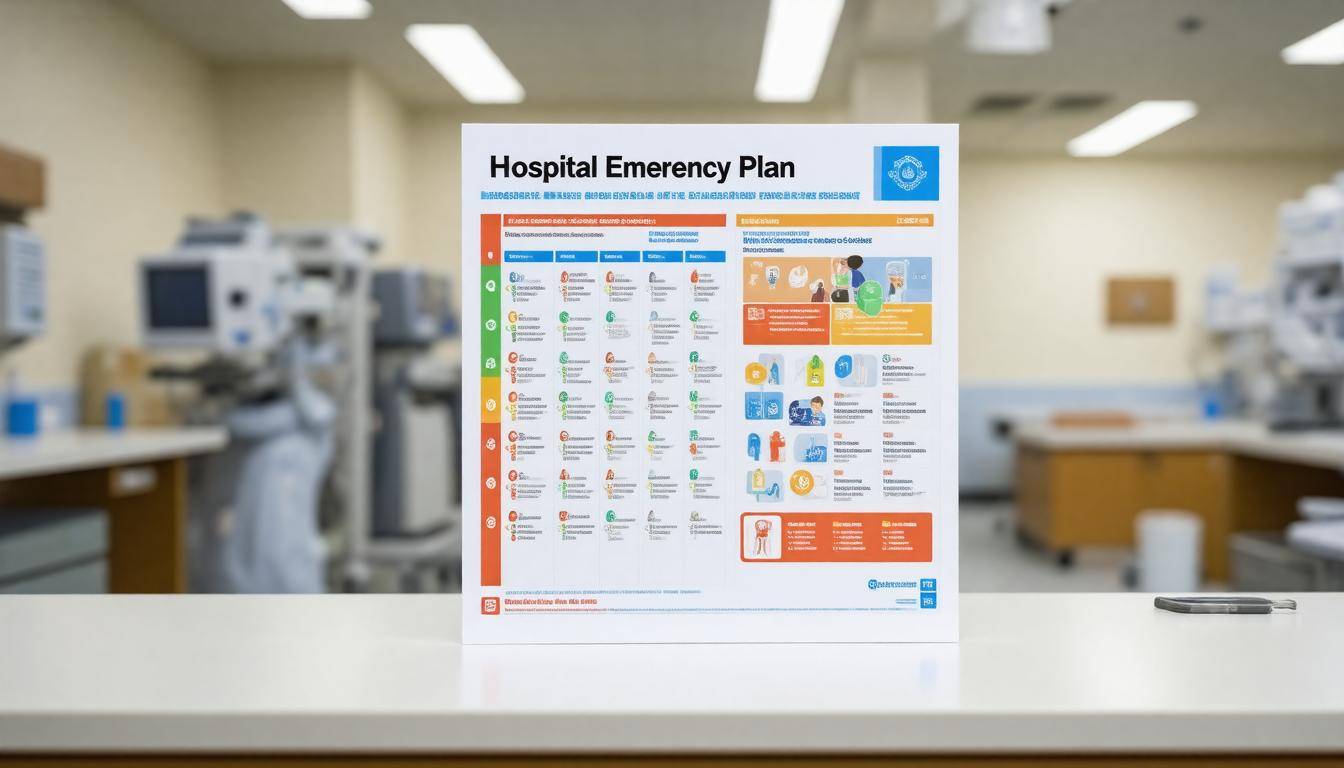
Ensuring Patient Safety in Emergencies
The backbone of any effective hospital emergency plan lies in its ability to safeguard patients during crises. It’s not just about reacting when emergencies arise, but also about being prepared well before they happen. One essential aspect is the importance of clear communication among staff. Without coherent channels for sharing information, chaos can quickly ensue.
For instance, hospitals that use advanced communication systems ensure that every team member receives timely updates during critical situations. This not only enhances their response time but also helps maintain calm throughout the facility.
Similarly, the training frequency for healthcare staff plays a pivotal role in enhancing preparedness. Studies show that over 90% of healthcare professionals undergo emergency response training at least once a year, while around 60% engage in simulations designed to mimic real-life scenarios. These hands-on experiences prove invaluable, as they enable staff to practice their roles and responsibilities, clarifying expectations when the stakes are high.
Imagine a nurse who has practiced evacuating patients with colleagues—when an actual emergency occurs, her confidence and speed will be vital in ensuring safety.
Healthcare professionals must bridge communication gaps and act swiftly in emergencies, making regular training a non-negotiable part of hospital operations.
Another key component is keeping an eye on response times. Hospitals equipped with established emergency plans boast an average patient response time of just 5 minutes during crises, in stark contrast to the 15 minutes reported by those lacking such strategies. This difference can mean life or death; timely care can prevent complications and improve overall outcomes.
Research reveals that hospitals with comprehensive emergency plans report a 30% lower mortality rate during disasters. With these statistics in mind, it’s clear that investing time and resources into developing effective protocols isn’t merely beneficial—it’s essential for patient safety.
Collaborating with External Partners
Moreover, fostering partnerships with organizations like the American Red Cross can further bolster hospital readiness. These collaborations enhance resource availability and provide skilled personnel for shelter management during disasters, which can further streamline efforts to protect patients efficiently.
Lastly, it’s imperative to recognize the need for continuous evaluation and adaptation of emergency plans. Changes in local population dynamics, disease outbreaks, or advancements in medical technology necessitate protocol updates. Hospital administrators should encourage ongoing dialogue about lessons learned from past incidents and incorporate them into current practices.
Through proactive measures of training, collaboration, and continuous improvement, hospitals can create a solid foundation for patient safety during emergencies. This groundwork sets the stage for effective strategies aimed at enhancing overall response capabilities within healthcare settings.
Developing an Effective Emergency Plan
An effective emergency plan acts as the backbone of any hospital’s crisis management strategy, providing clear guidance during unforeseen incidents. This plan must be tailored specifically to address a variety of emergencies—be it natural disasters, disease outbreaks, or mass casualty events—ensuring seamless coordination among staff. The heart of this plan lies in its key components, which serve both as a blueprint and a lifeline in times of crisis.
Key Components of an Emergency Plan
- Detailed response procedures for different emergencies
- Role assignments for staff members
- Communication protocols
- Resource allocation strategies
- Evacuation routes
Each component serves a vital purpose. For instance, having detailed response procedures allows staff to act quickly rather than standing around in confusion when time is critical. Specific guidelines should outline who does what, when, and how—think of them as vital operating instructions under pressure.
Assigning roles for staff clarifies responsibilities and instills confidence, knowing that everyone has a specific duty to fulfill.
Recognizing the importance of communication protocols cannot be overstated. A well-designed communication tree streamlines information flow, ensuring that everyone from frontline workers to administrative personnel stays informed in real-time. Studies have demonstrated that hospitals with robust communication plans significantly reduce response times—one critical moment can make all the difference.
Furthermore, resource allocation strategies are necessary for identifying what supplies and equipment will be needed during an emergency, ensuring that nothing vital goes overlooked. Imagine coordinating a large-scale evacuation without knowing where critical supplies like wheelchairs or stretchers are stored—it could lead to chaos when minutes matter most.
Regular Updates and Revisions
However, developing the plan is just the beginning; keeping it current is equally important. The effectiveness of any emergency plan relies on regular reviews and updates that align with emerging risks and regulatory changes. Think back to your last drill—were there elements in the plan that proved outdated? Adjustments should ensure that each component remains relevant based on lessons learned from past experiences or recent disasters.
By continually refining your emergency response protocols, you enhance your institution’s preparedness for various threats while promoting a culture that prioritizes safety and resilience.
Comprehensive Risk Assessment
A comprehensive risk assessment begins with a clear mapping of the various threats that could impact a hospital’s ability to function during emergencies. This involves assessing everything from natural disasters like earthquakes and floods to public health crises and even man-made catastrophes such as cyber-attacks. Each category of threat requires continuous scrutiny to adapt to new developments.
According to the World Health Organization (WHO), conducting a thorough risk assessment means evaluating both the likelihood of each threat occurring and their potential impact on operations. This dual focus helps hospitals prioritize their resource allocation effectively. The results can be laid out in something like this:
| Type of Risk | Likelihood | Impact |
|---|---|---|
| Earthquake | Medium | High |
| Pandemic | High | Very High |
| Cyber Attack | Low | Moderate |
In this table, different risks are classified based on their expected frequency and severity. For instance, pandemics present a high likelihood along with a very high potential impact; hence they should be prioritized in planning efforts. Conversely, while cyber-attacks may occur less frequently, their moderate impact still warrants attention. These evaluations are only effective if updated regularly because risks evolve as societal conditions change.
Once the risks have been identified and categorized, it’s essential to utilize modern tools for a more nuanced understanding.
Using Data Analytics
Here’s where technology comes into play. Implementing data analytics significantly enhances the accuracy and relevance of your risk assessments. By examining patterns in historical data through electronic health records (EHR), hospitals can glean insights that help predict possible future events—be it an outbreak of infectious diseases or a spike in chronic illness cases that could overwhelm resources.
Recent studies have shown that predictive analytics can lead to informed decisions that streamline responses and allocate resources more effectively before crises escalate.
For example, if a hospital notices an uptick in flu cases reported in nearby clinics through their EHR data, they can proactively prepare for increased patient loads by ramping up staffing or securing additional supplies of vaccines ahead of time. Moreover, utilizing this kind of analytics fosters collaboration among departments, pushing everyone towards a unified approach to tackling emergency situations.
These steps play a crucial role in establishing a robust framework for managing emergencies, enabling hospitals to continue evolving their strategies as they navigate challenges ahead.
Staff Training Programs
Effective staff training programs form the heart of hospital emergency plans, ensuring that every team member knows their specific role during a crisis. It isn’t enough to have a detailed emergency plan; without familiar, well-trained personnel, those procedures may falter when they’re needed most. A well-organized program should encompass not just initial training but ongoing education that adapts to emerging healthcare demands and various types of emergencies.
Importance of Regular Drills
Regular drills are a vital component in this training framework. They not only reinforce knowledge of emergency protocols but also create an environment where staff can practice their responses in a controlled setting. This practical experience helps build confidence and prepares employees for real-life scenarios they may face when genuine emergencies arise.
According to a study conducted by Johns Hopkins University, hospitals that perform quarterly drills see a staggering 75% increase in their effectiveness during actual emergencies compared to those that neglect this critical practice. Considering the high stakes involved in patient care, it’s evident that investing time in regular drills can save lives.
Nurse Anne Williams from Mercy Hospital shared her insights: “Our quarterly drills made the real thing feel like second nature. Everyone knew their role, and we worked as one cohesive unit.” This sentiment reflects a common experience among hospital staff who participate actively in emergency drills—they often discover how natural and instinctual their trained responses become under pressure.
In addition to routine drills, training programs should include targeted workshops that address specific risks associated with various types of emergencies—be it natural disasters, mass casualty incidents, or infectious disease outbreaks. Covering these topics comprehensively equips teams with adaptable skills they can apply in numerous situations.
Continuous Learning and Feedback Loops
Another crucial aspect of an exemplary training program is continuity and receptiveness to feedback.
After conducting drills or real-life emergencies, it’s essential to incorporate lessons learned into subsequent training sessions. This involves gathering input from all staff levels—nurses, technicians, support staff—and analyzing performance during drills or incidents to spot weaknesses or opportunities for improvement.
Nurse Williams emphasizes the importance of these feedback loops: “After each drill, we sit down together and discuss what went well and what didn’t. It’s through that honest conversation that we enhance our team’s readiness.”
Integrating real-time data into staff training not only improves individual competencies but also fosters a culture of accountability within the healthcare team. As a result, each team member feels more engaged and responsible for patient safety.
By prioritizing proper staff training through regular drills and continuous feedback mechanisms, hospitals can create more resilient emergency response systems equipped to handle unpredictable challenges that crises bring.
With a solid foundation in staff preparedness established, let’s now explore the critical strategies employed during actual emergency situations.
Protocols for Emergency Situations
Protocols are like lifelines in the chaos of emergencies; they provide clear instructions that staff must follow diligently to protect both patients and personnel. For instance, take a chemical spill. This is not just any minor incident; a chemical spill can pose severe risks to health and safety if not managed properly. Well-defined steps ensure that everyone knows what to do.
Protocol for a Chemical Spill
The first step in the event of a chemical spill is to immediately alert the emergency response team. This alert activates the hospital’s safety plan, enabling trained professionals to handle the situation efficiently. Quick action is vital, as the longer the hazardous material is left unattended, the greater the risk to everyone in proximity.
After notifying the emergency team, it’s crucial to evacuate and isolate the affected area. Evacuation sounds simple, but doing so effectively means ensuring that individuals not only leave quickly but also stay calm to prevent panic.
Next comes an important task: providing protective gear to all involved personnel. This might include gloves, masks, and goggles. It’s essential that responders are equipped to safely interact with or clean up the hazardous substance without risking exposure. Even seemingly small details matter here; improper equipment can lead to serious health consequences.
Following this, staff must identify the substance and its hazards. Knowing exactly what they are dealing with allows responders to make informed decisions about how to contain and neutralize the situation—even calling in specialized units if necessary. This requires a solid understanding of Material Safety Data Sheets (MSDS) for the chemicals present, which should be readily available within the facility.
In managing these incidents, it’s not enough just to act; following well-outlined decontamination procedures is paramount. After ensuring that responders are safe from immediate harm, focus shifts to decontaminating affected areas using specific protocols designed for handling hazardous materials.
Once any necessary containment is underway and staff are secured and decontaminated, it’s time to transport affected patients to a secure location—preferably away from danger and where medical personnel can provide appropriate care without delay. Speed matters here. Every moment counts when addressing potential contamination or exposure transitions into treatment.
These structured protocols emphasize that training and preparedness can dramatically alter outcomes in times of crisis. Everyone involved needs clarity on their roles and responsibilities during emergencies like chemical spills. As facilities implement these guidelines, patient safety is upheld by minimizing risks from hazardous exposures.
By maintaining rigorous adherence to established protocols in emergencies, hospitals enhance their overall responsiveness under pressure while safeguarding patient welfare. Next, let’s explore how essential tools and systems contribute significantly to reinforcing these frameworks for success.
Essential Resources and Security
In the heart of a hospital’s emergency plan lies an array of essential resources and robust security protocols. These resources ensure that medical staff can deliver immediate care and safeguard the integrity of the environment in which they operate.
Picture this: a power outage during a critical moment. This scenario underscores the necessity for backup power generators to keep equipment running and patients safe. Without these generators, the efforts of healthcare professionals may falter at the worst possible time.
Among these essential resources are:
- Medical supplies such as IV fluids, medications, and personal protective equipment (PPE).
- Backup power generators to ensure equipment remains functional during outages.
- Secure communication devices for uninterrupted coordination among staff members.
- Designated safe rooms that provide protection during emergencies.
Why is this infrastructure so crucial?
Ensuring an adequate supply of crucial resources can spell the difference between life and death during protracted crises. It’s not merely about having supplies on hand; it’s about knowing that you can respond rapidly when every second counts. When a situation escalates—whether it’s an internal emergency like a fire or an external threat like a severe storm—the ability to access necessary medical interventions quickly can be vital for saving lives.
Moreover, security measures such as controlled access to sensitive areas reinforce trust within the hospital community. Imagine how unsettling it would be for patients and staff alike if there were no restrictions on who could enter treatment areas. This is why access control solutions, including keycard systems and surveillance cameras, become crucial elements of hospital security protocols. Robust cybersecurity measures are equally important in this age of digital dependence; they help protect sensitive patient data from breaches that could compromise privacy and trust.
The Interplay Between Resources and Security
An effective emergency response isn’t solely about having supplies handy; it also hinges on how well those supplies are protected. For instance, drugs left unsecured could be misused or stolen, undermining safety efforts. Hence, aligning the availability of essential resources with stringent security practices fosters a more resilient healthcare environment that can adapt to any challenge presented.
Prioritizing resource readiness while maintaining strong security measures enables hospitals to equip their teams to handle any crisis effectively. This multifaceted approach lays the groundwork for a thorough understanding of how to respond in real-world scenarios involving public safety.
Crisis Response Strategies
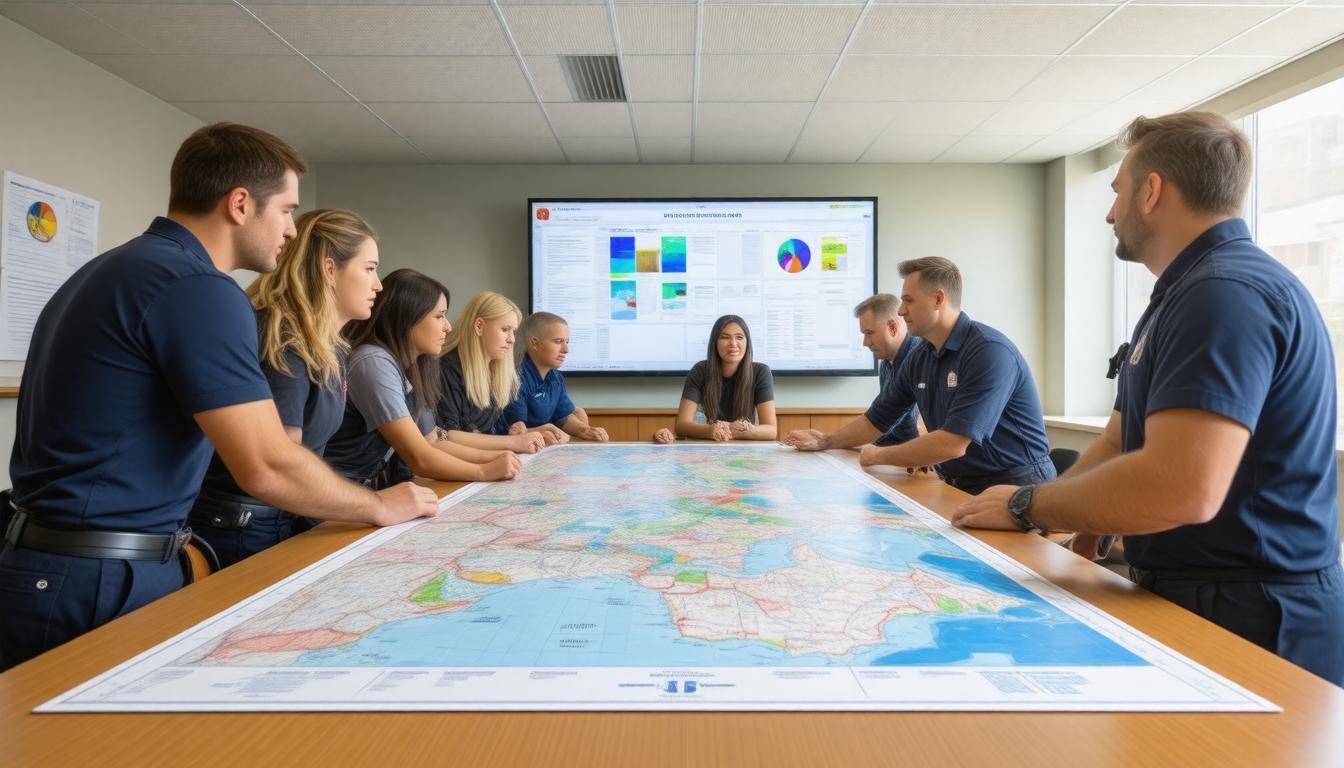
Effective crisis response strategies are not just about reacting to emergencies; they are about having a systematic approach that ensures the hospital runs smoothly during chaos. One of the most crucial frameworks in this regard is the Incident Command System (ICS).
The Incident Command System (ICS)
ICS is a streamlined, standardized methodology designed to handle emergencies efficiently. It establishes a clear hierarchy among responders and delineates specific roles across all involved departments. This clarity becomes vital during complex situations where miscommunication can lead to catastrophic consequences.
For instance, envision a scenario where multiple accidents pile up on a busy highway. Here, the need for coordinated efforts between various hospital departments—Emergency, Surgery, and ICU—becomes paramount. Through ICS, each team knows their responsibilities: emergency responders assess and stabilize victims, while surgical teams prepare for incoming patients needing immediate care. This pre-defined structure prevents confusion and optimizes resource use, leading to better outcomes for patients.
While ICS is fundamental, understanding risk assessments further enhances the effectiveness of crisis response strategies.
Regular risk assessments are essential to identifying potential threats that could disrupt hospital operations. This proactive analysis involves evaluating risks from natural disasters and cyber-attacks to financial downturns, all of which can severely impact patient care and safety. By utilizing tools like a risk register, hospitals can prioritize vulnerabilities based on their likelihood of occurrence and potential impact.
Conducting these assessments annually—or even more frequently if changes occur—ensures institutions remain one step ahead of possible crises, transforming them into agile systems capable of adapting amidst uncertainty.
Moreover, a robust Business Impact Analysis (BIA) complements these assessments by shedding light on how various threats may affect operational continuity.
BIA goes beyond identifying risks; it assesses how these risks would specifically influence hospital functions, reputation, revenue streams, and compliance with regulations. For example, if a power outage occurs due to a storm, what segments of patient care would be affected? Knowing this helps put mitigation plans in place beforehand—perhaps by investing in backup generators or ensuring that critical electronic medical records are regularly backed up off-site.
Defined Response Procedures
Having established response procedures is another dimension of effective crisis management. Hospitals should draft clear action plans tailored to specific scenarios, such as data breaches or natural disasters. When well-articulated responses exist prior to an incident occurring, confusion is reduced significantly when tensions rise.
Tip: Regular drills and training sessions cultivate familiarity with these procedures among staff members, ensuring that everyone knows their role when something goes awry. It also provides an opportunity to refine responses based on real-time feedback.
Incorporating an activation protocol into your emergency plan is crucial. You’ll want predefined conditions that trigger the mobilization of your crisis management team; for instance, serious financial loss might only require action once certain thresholds are reached rather than at the first sign of trouble.
Think of it as setting your alarm clock—a notification at 6 AM might wake you up gently, but if you solely rely on it when you hear the thunderous roar of your kids’ footsteps? Well, good luck!
Clearly defined roles and responsibilities using tools like a RACI chart (Responsible, Accountable, Consulted, Informed) fosters accountability within the response team. Each member must understand what they are responsible for throughout various phases of the emergency response—from initial assessment to post-crisis evaluation—for everything to run seamlessly.
As trends evolve in crisis management planning, the necessity for regular review and adaptation becomes tenfold more critical. This sets the stage for exploring how effective communication strategies play an integral role in maintaining readiness during emergencies.
Evacuation and Communication Plans
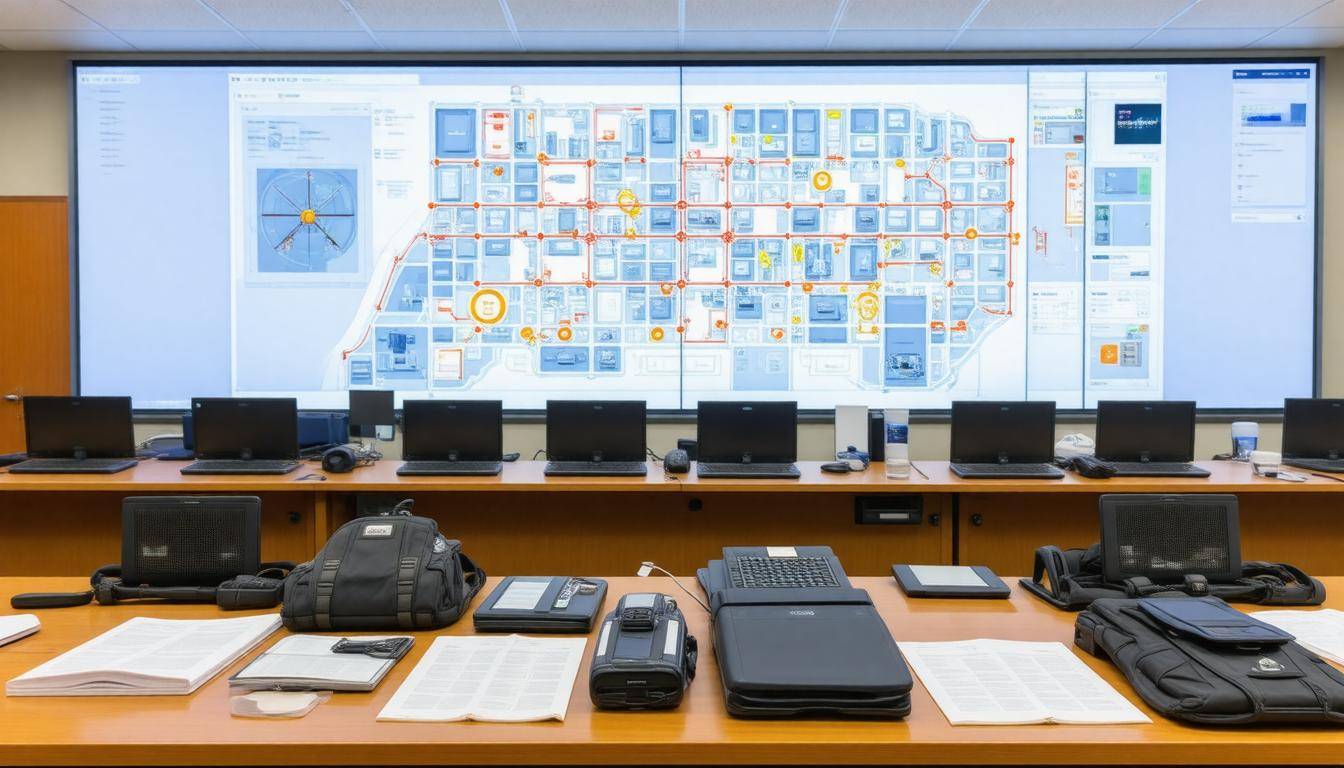
Evacuation and communication plans are like the backbone of emergency preparedness in hospitals. Building these protocols requires careful attention to detail, as they ensure that patients and staff can navigate during crises without chaos or confusion. When disaster strikes, quick and orderly evacuation can mean the difference between calm and catastrophe. Thus, every aspect of these plans must be meticulously crafted, from designated routes to thorough training.
Crafting an Evacuation Plan
The foundation of a solid evacuation plan begins with designing clear and updated routes that everyone recognizes. Hospital layouts can be complex, with winding corridors and multiple floors; hence, identifying the fastest paths for evacuating patients is essential. It’s vital not just to create these routes but also to review and revise them regularly. Incorporating features such as clearly marked exit signs and visible pathways will guide everyone efficiently.
Conducting mock drills is another critical step in ensuring readiness. These rehearsals allow both staff and patients to experience the real-life application of the evacuation plan. Through practice, individuals become familiar with escape routes under pressure, enabling them to act quickly when it truly counts. Evaluating each drill provides insight into what worked well and what didn’t, thus improving future evacuations.
Furthermore, it’s important for all personnel—whether administrative staff or medical professionals—to understand their specific roles during an evacuation. Assigning particular responsibilities for patient transportation and coordination among staff members can streamline processes and eliminate confusion during high-stress moments. Each team member should know precisely what they need to do, which patients they will assist, and how they will communicate throughout the evacuation.
Reliable Communication Systems
A robust communication system is equally essential to support successful evacuations. Investing in multiple lines of communication, such as landlines, two-way radios, and secure messaging apps, ensures that the hospital maintains contact even during power outages or network failures. This redundancy is crucial because when standard communication channels collapse under stress, additional means for information sharing retain command over the situation.
Hospitals have learned valuable lessons from past disasters regarding effective communication strategies. For instance, during Hurricane Harvey in 2017, facilities equipped with redundant communication systems managed to coordinate their efforts better, allowing them to evacuate severely ill patients promptly.
By prioritizing detailed evacuation plans and reliable communication systems together, hospitals create a foundation of safety that helps them combat various emergencies smoothly while protecting everyone involved.
In times of crisis, preparedness is key, ensuring that patient safety remains paramount through effective planning and execution. A well-structured approach not only saves lives but also fosters confidence among patients and healthcare providers alike.