
In the bustling world of hospitality, ensuring the safety of guests and staff isn’t just a box to check—it’s a crucial responsibility. Emergencies can strike at any time, whether it’s a sudden fire or an unexpected natural disaster, and having a solid emergency management plan in place is essential for creating a safe environment. Think of it as a lifeline that not only protects everyone on your property but also builds trust and confidence among guests who want to feel secure during their stay. This article will explore the various components needed to make your hotel’s emergency management strategy effective, covering everything from risk assessments to communication protocols. Ready to dive in? Let’s get started on this important journey toward enhanced safety and preparedness!
A comprehensive Hotel Emergency Management Plan should include protocols for various emergencies, clearly define roles and responsibilities for staff, establish evacuation and shelter-in-place strategies, and incorporate training exercises. Additionally, it is crucial to engage with local emergency management resources, such as FEMA guidelines, to ensure preparedness and effective communication during crises.
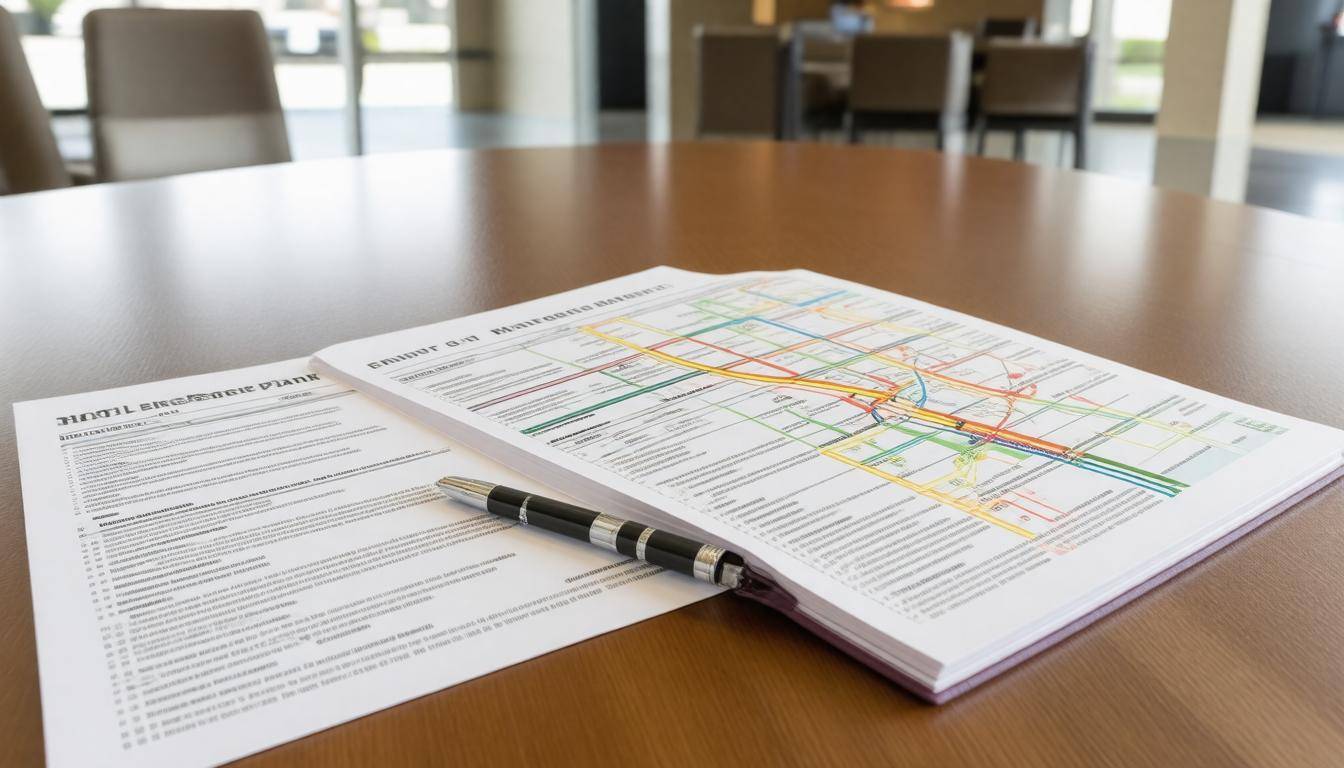
Blueprint for Safety
An effective hotel emergency management plan is not merely a document to file away; it serves as a lifeline during crises. As you organize your blueprint, start with risk identification, where you pinpoint potential emergencies relevant to your hotel’s specific context. This could range from natural disasters—like hurricanes or earthquakes—to human-caused incidents such as fires, vandalism, or even terrorist threats. Understanding the local environment’s vulnerabilities helps shape a more robust response.
Following risk identification, perform a vulnerability analysis to evaluate factors like the building’s structural integrity and occupancy patterns. For example, if your hotel often hosts large group bookings or families with children, adjustments in your emergency plans may be necessary to account for young guests who might require additional assistance during an evacuation. Assess how these factors interplay with the various risks you’ve identified; this analysis allows you to tailor your emergency responses accordingly and create a safer environment for everyone.
Once you have evaluated risks and vulnerabilities, it’s time to focus on resources that can aid in an emergency.
A resource inventory is vital; it’s your checklist of essential items required during an emergency response. Take stock of equipment like fire extinguishers—ensuring there’s one available every 75 feet—as well as first-aid supplies and automated external defibrillators (AEDs). Make sure that security personnel are readily available and that they know where all crucial supplies are located. Keeping this inventory up-to-date enhances readiness and ensures you are not scrambling to find critical resources at the moment of need.
Next comes defining key roles within your team. Assign specific responsibilities to staff members—this includes designating an emergency coordinator who oversees the plan execution, first aid responders who can provide immediate medical assistance, and communication officers responsible for relaying timely updates to guests. Each team member should clearly understand their role prior to any incident taking place; this will streamline actions during emergencies and minimize panic among staff and guests alike.
After establishing roles, standard operating procedures (SOPs) must be created for various scenarios.
When drafting these SOPs, ensure they include thorough details suitable for each identified risk scenario. For instance, in case of a fire, outline specific evacuation routes while providing alternative exits should the primary ones become blocked. Include dynamic elements like signage that clearly marks pathways so guests aren’t left guessing during an emergency. Adjust these SOPs regularly based on drills conducted with staff and feedback designed to optimize procedures continually.
With established procedures in place, the next step involves ensuring that all staff are equipped with effective communication methods during emergencies, maintaining clarity and safety throughout different scenarios.
Communication Protocols
Effective communication is the backbone of any emergency management plan, particularly in a hotel setting where both guests and staff must be informed quickly and accurately. The protocol should establish a clear hierarchy that dictates the lines of communication among staff members and between the hotel and external emergency services.
Imagine a situation where an emergency occurs; confusion can escalate if everyone isn’t on the same page. To mitigate this risk, every employee should be acutely aware of where to find their communication tools—be it intercoms, radios, or smartphones—and how to operate them efficiently.
Internal and External Communication
Internal communication should prioritize immediate access to information. Managers equipped with two-way radios are able to facilitate rapid discussions across various locations within the hotel. For instance, imagine a front desk manager communicating with housekeeping about an urgent evacuation. Regularly updated contact lists and communication trees are imperative to ensure that no staff member gets left behind in crucial moments.
Consider implementing routine drills that include these tools so employees feel confident when real emergencies arise.
On the flip side, establishing robust external communication lines is equally essential. Creating direct connections with local emergency services—such as fire departments and hospitals—ensures that help is just a call away. Furthermore, have pre-scripted emergency messages ready to send out via text or through hotel apps. This proactive approach not only disseminates vital information swiftly but also reassures guests during crises.
In times of crisis, communication isn’t just about information; it’s about control and coordination, ensuring safety for everyone involved.
The Importance of Training
However, having the right systems in place is just part of the solution—training is essential too. Conducting regular training sessions allows staff to familiarize themselves with these processes, as well as instilling clarity on who communicates what and when.
Through simulated emergencies, they can practice using equipment under pressure, which ultimately builds confidence and prepares them for real-life situations.
A great illustration of the effectiveness of preparation occurred during the 2017 California wildfires. The quick thinking of a hotel manager, who had established a communication plan connecting with local fire departments prior to an emergency, undoubtedly saved lives that day. The successful execution of an established protocol made all the difference when time was critical.
Ensuring these protocols are well-established will further bolster the security measures in your hotel, contributing to a safer environment for both guests and staff alike. As we move forward, it’s important to explore how enhanced surveillance systems play a crucial role in maintaining safety.
Security and Monitoring Systems
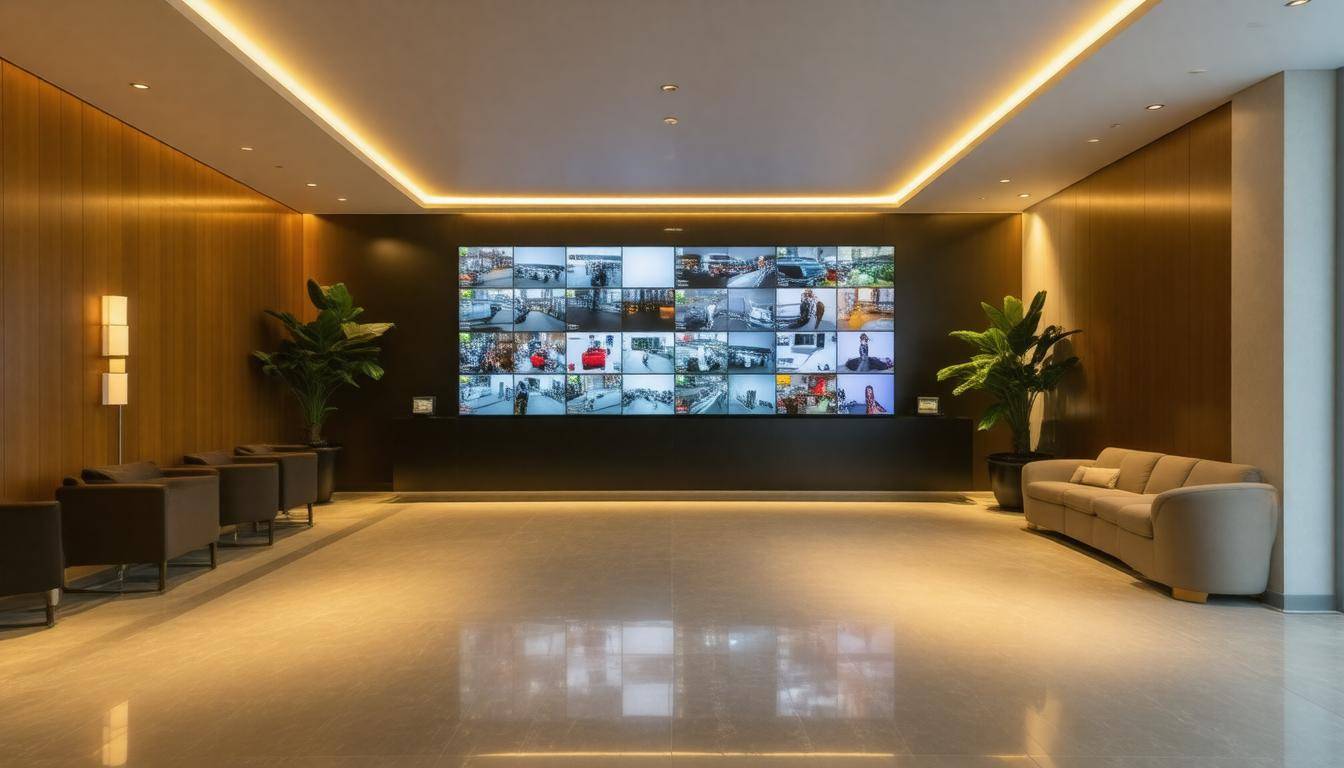
Security and monitoring systems form the backbone of a hotel’s emergency management plan. Installing robust systems is essential for detecting potential threats and responding to challenges swiftly and effectively. Imagine walking through a lobby equipped with high-definition cameras that keep a watchful eye without being intrusive; this sense of safety significantly enhances the guest experience while allowing staff to focus on hospitality rather than worrying about their surroundings.
Essential Features
The foundation of an effective security system includes surveillance cameras. It’s crucial that these cameras cover all entry points, hallways, and public areas within the hotel. Ideally, they should feature motion-sensing technology to highlight unusual activities. This way, they don’t just record the ordinary but alert security personnel when something unusual occurs. A well-placed camera not only deters criminal activity but also monitors guest interactions, ensuring overall safety in communal spaces.
Now, let’s discuss how access control contributes to building a secure environment.
Another vital component of hotel security is access control. Utilizing keycard access systems helps restrict entry to sensitive areas such as service corridors or guest floors during certain hours. However, it’s crucial to ensure that emergency personnel can override these controls when necessary. For instance, in a fire emergency where immediate access is required, having streamlined procedures for quick entry ensures efficiency in response efforts. Conducting routine checks on this system can help identify vulnerabilities before they can be exploited.
Beyond standalone systems, integration plays a pivotal role in creating an effective security framework.
All security features should connect seamlessly to a centralized control room for 24/7 monitoring. This holistic approach allows real-time alerts to notify staff immediately when something suspicious occurs, enabling swift response actions in emergencies. For example, if smoke is detected in an area not typically monitored closely, real-time alerts inform both security and fire response teams, potentially saving lives and minimizing damage.
Effective security systems equip hotel staff with valuable data that goes beyond mere surveillance. They enable officials to analyze trends over time—identifying peak times for certain incidents or noting vulnerable areas. Regular updates to these systems are imperative as vulnerabilities evolve; staying ahead of potential risks ensures continued safety for both guests and staff alike.
With the incorporation of advanced technologies and diligent monitoring practices, a foundation for enhanced safety is established. Now, it’s important to consider how preparedness measures shape overall readiness in managing crises.
Evacuation and Drills
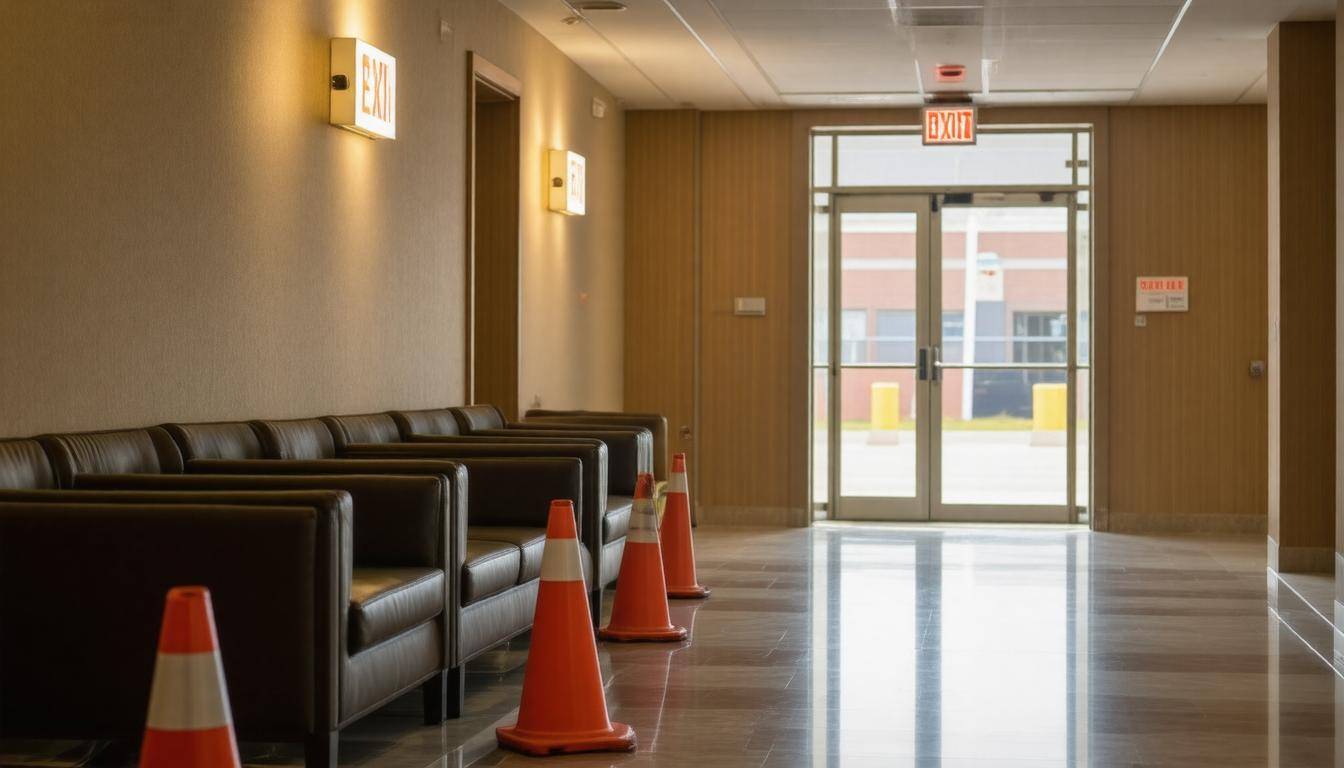
A well-coordinated evacuation plan is essential for quick emergency responses in hotels. Clear and accessible evacuation routes should be established, ideally marked prominently throughout the premises. Moreover, conducting regular drills provides practical experience and familiarity with these routes, solidifying them in the minds of everyone involved. Active participation in these drills fosters a culture of safety and preparedness.
Various types of drills can be conducted to prepare both staff and guests for potential threats. For instance, fire drills are fundamental, with hotels often holding them monthly to ensure that everyone knows the proper escape routes. Another critical drill is the earthquake drill, especially vital in seismic zones; staff should teach guests essential techniques like “Drop, Cover, and Hold On” to protect themselves during tremors. Furthermore, custom drills can be tailored to address specific threats such as chemical spills or active shooter scenarios, which can alter how guests react in crisis situations.
To emphasize the significance of these practices, studies show that establishments conducting regular drills see improvement in their emergency response efficiency by up to 40%, according to FEMA.
It’s also important that evacuation plans account for special considerations such as accessibility for individuals with disabilities. Ensuring that all exits are compliant with accessibility standards can significantly enhance overall safety and make a life-saving difference when it counts most. The average time to evacuate a hotel building should ideally be under five minutes; this requires thorough planning and continuous practice.
Now imagine trying to herd a group of guests out during an actual emergency without prior practice—chaos would reign supreme! That’s why integrating fun into drills helps too; a chef giving treats after a successful fire drill may not only motivate but will also ensure everyone remembers what to do next time.
Incorporating local emergency services into these exercises can further optimize coordination; inviting them to at least one drill each year creates open lines of communication that allows both staff and responders to familiarize themselves with protocols and expectations when emergencies arise. This lays the groundwork for understanding roles and responsibilities in critical situations.
Emergency Response Team Activation
When an emergency arises within a hotel setting, every second counts, making the swift activation of the Emergency Response Team (ERT) crucial. This specialized team, made up of trained staff members, must be ready to mobilize quickly, preferably within five minutes of recognizing an emergency. Timeliness not only involves speed; it ensures that everyone knows their role and that each action taken is deliberate and effective.
For this reason, a minimum of 10% of hotel staff should be trained to join the ERT. This training equips individuals with the skills necessary to effectively respond to various situations—from medical emergencies to fire alarms or security threats. Each member’s understanding of their specific responsibilities helps streamline efforts during chaotic moments when clarity is vital.
But think beyond immediate actions. The resilience built through these trainings means staff can better handle not only emergency situations but also potential aftereffects—such as guest anxieties or disruptions in service. Regularly scheduled drills, ideally conducted at least twice a year, reinforce the plan’s effectiveness and enhance team readiness. These drills allow team members to practice and refine their skills in a controlled environment, helping them react instinctively during real incidents.
“Preparation breeds confidence,” says a hotel manager from California. “Our staff feels empowered knowing they have a plan and are capable through our training programs.”
Beyond drills and training, communication systems should be tested monthly to ensure that all team members can reach each other instantly during times of crisis.
An effective communication protocol during an emergency can make all the difference. Using a multi-channel approach—such as walkie-talkies for immediate verbal updates and text messaging services for non-urgent information—ensures crucial information flows where it needs to go rapidly. It’s not enough to have these systems; they must function seamlessly when they are most needed.
Essential components of a reliable emergency communication system include:
- A list of ERT members with up-to-date contact information.
- Functional walkie-talkies or radios distributed among team leaders.
- An established group text message system or alert service for quick notifications.
As we explore further, preparing your staff isn’t just about equipping them with tools; it’s about empowering them with knowledge, confidence, and teamwork spirit to face any challenge head-on. Regular assessments ensure that plans remain current, allowing the hotel community to adapt and integrate new approaches based on evolving threats or changes within the environment.
By actively investing time into training and regular evaluations, hotels cultivate robust safety nets that protect guests while creating peace of mind amongst staff members working tirelessly behind the scenes.
Transitioning from these foundational preparations, it’s essential to consider the ongoing evaluation and enhancement of these measures to maintain optimal safety standards.
Plan Evaluation and Updates
An emergency management plan must undergo regular evaluations and updates to remain effective and relevant to changing circumstances. This proactive approach ensures that hotels can adapt to new threats and refine their response tactics, thereby enhancing guest and staff safety. For instance, having a strategy for different types of emergencies—like fire, earthquake, or even health-related crises—will keep staff prepared for any situation that may arise.
Evaluation Steps
The evaluation process should begin with post-drill reviews. After conducting emergency drills, it is crucial to hold debrief sessions where team members discuss what went well during the drill and identify areas that need improvement. These conversations not only foster a culture of continuous learning but also bolster teamwork as everyone becomes more familiar with the protocols.
It’s not uncommon for participants to realize redundancy in procedures during these debriefs. Sometimes we cling to outdated methods because they are “what we’ve always done.” Stopping to reflect on our practices might reveal more efficient alternatives.
Following this, engaging in thorough incident analysis after any real emergencies is essential. Investigating what transpired will illuminate weaknesses in the response protocol and highlight strengths worth championing. For example, examining the timeline of actions taken during an incident can help determine if there were delays due to miscommunication or whether certain procedures were unclear. Each analysis serves as a valuable case study for future preparedness.
According to data from the Red Cross, approximately 60% of businesses that neglect to update their emergency plans after significant incidents struggle during subsequent emergencies. Hence, the stakes are high for maintaining current protocols.
A practical recommendation is to execute an annual review of the entire emergency management plan. This should encompass updates to contact lists, procedural adjustments, and protocol modifications based on any new regulations—from Cal/OSHA compliance changes to incorporating lessons learned from recent incidents. Using a checklist during this process can ensure nothing falls through the cracks; all components should be examined thoroughly.
Engaging local authorities plays a vital role in enhancing your emergency management efforts by aligning your hotel’s procedures with community resources while ensuring a coordinated response during crises.
Collaborating with Local Authorities
Engaging with local emergency services is not just a procedural formality; it’s a vital lifeline that enhances safety and preparedness. By establishing strong partnerships with police, fire departments, and health services, your hotel can create a solid foundation for comprehensive crisis management.
One practical step is organizing regular meetings. These quarterly gatherings provide an invaluable opportunity for open dialogue. It helps ensure that all parties understand their roles during an emergency and clarifies procedures to follow when crises arise. In these discussions, topics can range from communication strategies to logistical challenges.
Moving beyond meetings, it’s essential to put theory into practice through joint exercises.
Participating in simulated emergencies allows hotels and local authorities to test their response plans against real-world scenarios. For instance, imagine your staff working seamlessly alongside firefighters during a full-scale fire drill. These exercises can reveal weaknesses in existing protocols and give everyone involved the opportunity to adjust their tactics accordingly. They help cultivate familiarity among teams, which can be crucial when adrenaline starts pumping during an actual emergency.
“The best learning often comes from experience,” notes one seasoned safety consultant, emphasizing the importance of drilling regularly with local responders.
As relationships deepen and channels of communication open up, your hotel should consider information sharing as a hallmark of effective collaboration.
Sharing critical information such as building layouts, evacuation routes, and contact lists can significantly streamline emergency responses. Having access to reliable and timely data enables both your team and local agencies to make informed decisions quickly, ultimately saving lives and resources. Furthermore, inviting experts from the fire department or health services to conduct training sessions gives fresh insights—not only does this augment your hotel’s emergency strategy, but it also demonstrates your commitment to safety.
A Commitment to Safety
With rigorous planning and collaboration ingrained in your hotel’s culture, the commitment to safety transcends beyond compliance—it becomes a mindset shared by all staff members. An engaged team knows protocols inside out, ready to act decisively when necessary.
These relationships don’t exist in silos; they weave into the fabric of the local community, building trust and mutual support that is invaluable during emergencies.
As you strengthen these connections and enhance communication pathways, it’s equally important to focus on honing practical skills through engaging practice scenarios that build real readiness.
Training and Simulation Exercises
Frequent training and simulation exercises are essential for ensuring that every employee at the hotel knows precisely what to do in case of an emergency. Think of it as a well-rehearsed performance where everyone has a role, from housekeeping staff putting their skills to the test in an emergency scenario to management leading the charge with confidence. These exercises not only enhance individual preparedness but also cultivate teamwork, building a culture of safety within the organization.
Types of Exercises
Understanding the different types of training exercises can help hotels create an effective and comprehensive preparation strategy.
First, consider tabletop exercises. These sessions are discussion-based and allow staff to engage in hypothetical scenarios where they brainstorm potential actions and responses to various emergencies. It’s like sitting around a table to strategize before the game starts—everyone shares insights, discusses responsibilities, and hones their decision-making skills.
Moving to functional drills, these exercises simulate emergency conditions without executing a full-scale response. Imagine this as a dress rehearsal where the stakes feel high but without actual chaos. Staff members practice their roles while understanding how equipment and communication systems work in real-time, further solidifying their knowledge.
Finally, there are full-scale simulations. This is as real as it gets, involving actual equipment use and personnel activation. Full-scale simulations can be daunting yet invaluable, mimicking real-life situations to see how staff performs under pressure. After all, there’s no substitute for experience, and nothing prepares your team better than practicing under lifelike conditions.
By regularly participating in these exercises, hotel staff become more confident and efficient during real emergencies. Imagine walking into a crisis feeling calm rather than panicked; that’s what consistent training offers.
This proactive approach enhances the hotel’s overall preparedness and serves as a unique opportunity to identify areas needing improvement. Each training session acts as a diagnostic tool—highlighting strengths while revealing weaknesses that can be addressed before they matter most.
As former United States President Dwight D. Eisenhower famously said, “Plans are nothing; planning is everything.” This rings particularly true when it comes to emergency preparedness in hotels.
To illustrate, consider Hilton Worldwide’s commitment to safety: they conduct bi-annual full-scale simulations at major properties. This persistence ensures that their staff remains sharp and ready for any threat, whether it’s a natural disaster or an unexpected cybersecurity incident. They understand that these measures support guest safety and foster trust and loyalty among customers who appreciate knowing they are in good hands.
Regular training and simulation exercises embedded into a hotel’s emergency management plan reflect a profound commitment to guest safety. This approach transforms potential uncertainties into manageable situations—empowering staff with knowledge while safeguarding patrons from harm.