
When emergencies strike, the last thing you want is to feel unprepared or helpless. It’s surprising, but the tools to handle minor injuries might already be within arm’s reach—in your own home! Everyday household items can quickly become lifesavers in critical moments, whether it’s using a simple dish towel as a bandage or duct tape for securing dressings. By thinking creatively and knowing how to repurpose these common objects, you can effectively respond to cuts, burns, and sprains without rushing out for professional supplies. In this article, we’ll explore how resourcefulness and a little ingenuity with basic items around your house can make all the difference when it matters most.
Household items such as a clean dish towel can serve as a makeshift bandage, while duct tape is useful for securing dressings or holding skin flaps in place. Other examples include using frozen vegetables as cold compresses for sprains and old t-shirts for creating secure wraps, showcasing the resourcefulness that everyday objects can provide during medical emergencies.

Everyday Objects as Bandages
When you find yourself facing a medical emergency without traditional supplies, everyday cloth materials can be lifesavers. For instance, a clean dish towel or an old t-shirt can be transformed into effective makeshift bandages. It’s crucial to ensure that any fabric you use is clean; this helps create a sterile environment and reduces the risk of infection.
Imagine cutting a cotton t-shirt into strips; the breathability of the fabric absorbs blood while allowing air circulation over the wound—promoting healing. To begin, simply cut the cloth into a size that fits your needs, wrap it gently around the wound, and—if available—secure it with duct tape for added stability. Duct tape is incredibly versatile and can hold the bandage in place while providing some pressure to any bleeding.
Securing your makeshift bandage effectively is just as important as the material you choose.
Securing the Bandage
Now that you’ve created your bandage, think about how to keep it on securely. Here’s where common household items shine. If you don’t have medical adhesive products on hand, rubber bands or hair ties make excellent alternatives for securing your improvised bandage. Not only do they provide a snug fit, but if applied correctly, they shouldn’t cut off circulation.
However, it’s important to monitor for signs of restricted blood flow, such as tingling or excessive swelling beyond the bandage. If you notice these symptoms, loosen the bandage immediately.
Using household items as medical tools underscores creativity in emergencies. It encourages us to think outside the box and utilize what we have at our disposal while reinforcing preparedness.
With a little ingenuity, simple objects from your home can play critical roles during accidents or injuries. Transitioning now to explore what essentials from your kitchen can further aid in first aid situations.
Kitchen Supplies for First Aid
It may surprise you how many everyday items in your kitchen can double as effective medical tools during emergencies. One of the most simple yet versatile items is the ever-reliable aluminum foil. It’s surprisingly strong and malleable enough to create a makeshift splint. To do this, fold several layers of foil into a thick strip, which you can mold around the injured limb. For added security, consider wrapping it in cloth or taping it down to ensure it stays in place while providing necessary support.
Beyond aluminum foil, let’s talk about plastic wrap, often found in almost every kitchen. Cling film has remarkable properties that can be beneficial in the case of burns. Rather than letting the burn expose itself to potential infection, clean the area gently with cool water and pat it dry before loosely covering it with plastic wrap. This technique helps keep dirt out while also protecting the sensitive skin underneath from further injury.
Household items can be your best friends during minor medical emergencies.
But don’t overlook the medicinal possibilities of honey, a natural remedy known for its antibacterial properties. Applying honey directly to minor wounds can promote healing and prevent infection, thanks to its ability to create a moist healing environment while warding off bacteria.
Another common kitchen staple is salt. A simple saline solution made by mixing one teaspoon of salt with two cups of water can effectively cleanse minor wounds or serve as a nasal rinse for congestion relief. Salt is an age-old remedy that demonstrates how household items can come together beautifully for first aid.
Speaking of versatile ingredients, don’t forget about olive oil. Beyond cooking, its moisturizing properties make it excellent for soothing minor burns and skin irritations. A little dab on irritated skin can significantly alleviate discomfort and promote recovery.
Having unraveled the potential of kitchen supplies, we now shift our attention to another vital space in your home filled with emergency items that are easily overlooked.
Bathroom Items for Medical Use
When you think about first aid supplies, your mind might jump to elaborate kits filled with gauze and antiseptics. However, the truth is that your bathroom houses numerous everyday items that can come to your rescue in times of need.
Take tampons and sanitary pads; these absorbent marvels are not only designed for their intended purpose but also play a critical role in managing wounds. If you encounter a deep cut resulting in heavy bleeding, a tampon can act as a makeshift bandage. Gently insert it into the wound—this provides pressure while absorbing fluids—but remember not to apply too much pressure as that could worsen the injury.
Similarly, sanitary pads can effectively cover larger injuries, creating a barrier against dirt and bacteria while promoting healing. Their adhesive backing ensures they stay in place, which can be vital during emergencies when every second counts. So next time you’re in a chaotic situation, don’t underestimate the value of items you typically reserve for personal use.
Now, let’s talk about some familiar shampoo and conditioner. You may think of them only in terms of self-care routines, but surprisingly, they harbor more utility than meets the eye.
Shampoo and Conditioner for Cleaning Wounds
In moments when traditional antiseptics aren’t readily available, diluted shampoo can serve as an alternative cleaning solution for minor wounds. The mild surfactants present in shampoos allow it to effectively remove dirt without causing excessive irritation.
To utilize this resourceful tool, mix a small amount with water to dilute it before applying gently around the injured area. This helps clear away any debris or grime that could lead to infection.
It is crucial, however, to rinse thoroughly after cleaning to ensure no residue remains behind—after all, we don’t want any bubbly surprises! Conditioners too can provide soothing relief; should you find yourself suffering from minor burns or skin irritations, applying a bit of conditioner may help hydrate the area and minimize discomfort.
As we consider common items around us, let’s shift our attention towards another versatile aspect—how clothing can also step up in emergency situations.
Common Clothing Items as First Aid Supplies
Your everyday clothes have untold potential in various first-aid applications. For instance, a clean dish towel can become an improvised bandage for larger wounds or even serve as direct pressure on bleeding areas.
If you find yourself without actual bandages or wraps during an emergency, why not repurpose an old t-shirt? Simply tear it into strips and use them for tying off dressings or securing splints made from household items like cardboard or wooden dowels.
It’s interesting to note how these simple fabrics—so common yet often overlooked—can provide immediate assistance when formal supplies aren’t accessible.
From utilizing hair ties as makeshift tourniquets to employing shoelaces for binding injuries together, creativity knows no bounds when addressing an emergency. Each moment spent understanding these diverse materials enhances your preparedness and strengthens your ability to react effectively under pressure.
Next, we will explore the unique ways certain fabrics are specifically tailored for care during unexpected situations.
Clothing for Emergency Care
Beyond merely being a cover for our bodies, clothing can become an invaluable resource in times of need. For instance, old t-shirts can transform into makeshift slings, allowing someone with an injured arm to maintain support while waiting for professional help. The beauty of this simple solution lies in its accessibility—almost everyone has an old t-shirt lying around the house.
To create a sling, simply cut the fabric into a long strip, ensuring it’s at least two to three inches wide. Place the injured arm across the chest and tie the ends securely behind the neck, thereby keeping the arm immobilized and reducing further strain.
Another clothing item that demonstrates finesse in first aid is a sock. It’s incredible to think that this ordinary item can double as a compress for heat or cold therapy. When filled with rice and microwaved for about 30 seconds, a sock can quickly provide soothing warmth to relieve sore muscles or cramps. Alternatively, you can fill it with ice cubes or crushed ice, securing it tightly with a knot. This can then serve as a cold pack to reduce swelling on sprained joints or bruised areas. Just be sure to wrap it in a thin cloth before direct application to avoid frostbite.
T-Shirt as Tourniquet
In some situations where bleeding needs to be controlled urgently, an old t-shirt can be fashioned into an effective tourniquet. By cutting it down into a wider band approximately 2-3 inches thick, you can twist and tie it around an extremity to apply firm pressure on the wound. The key here is not just to tighten but also to monitor circulation—ensure that the dressing does not cut off blood flow completely.
Pants as Bandages
If you’re facing a bleed that requires more substantial coverage, consider utilizing fabric from a pair of pants. You can cut strips of fabric that are about one to two inches wide; these strips work effectively as bandages over wounds when there are no commercial options available. Just like that, your wardrobe may save someone’s day.
Hoodies for Shock Victims
And let us not forget about hoodies; their utility extends beyond fashion into emergency care as well. If someone is in shock due to injury or trauma, draping a hoodie over them provides comfort and warmth during those critical moments as you wait for help. It’s a small gesture but provides significant reassurance.
Tools from your garage or toolbox can also be lifesavers in the right hands. Now imagine having access to everyday items that could bring immediate assistance in emergencies; that’s where household objects truly shine in first aid situations.
Tools for Splints and Immobilization
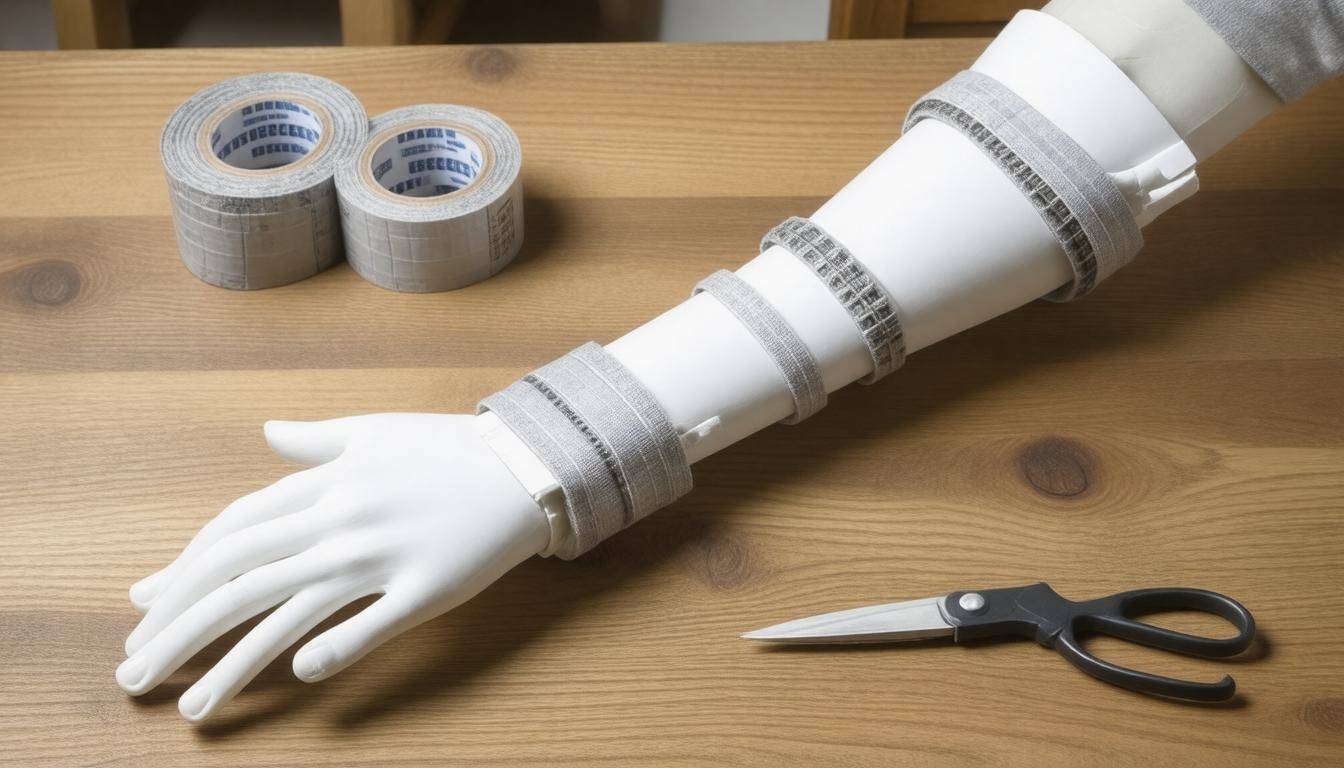
When dealing with an injury, it’s essential to stabilize the area as best you can before professional help arrives. Fortunately, the common items found around your home can become invaluable allies in this process. Take a moment to look around and consider how versatile everyday objects can be when it comes to first aid.
Using a Hammer and Heavy Book
A claw hammer is not just for hanging pictures; it can also be a helpful tool in emergency situations. For instance, if someone has a splinter embedded deeply, the hammer can gently tap around the area to help dislodge it without causing further injury.
But let’s think broader: if you need to create a quick splint, grab a heavy book. Lay that book alongside the injured limb to provide rigidity. The key here is stabilization; you want to immobilize the injury as much as possible to prevent additional damage.
To secure this makeshift splint, use belts, scarves, or even old t-shirts. Anything that wraps snugly without cutting off circulation will do.
Ruler for Finger Splints
Next up is the classic ruler, which can serve an important purpose if someone suffers a broken finger. Its straight edge provides excellent support, making it perfect for stabilizing the digit until medical treatment can be sought.
Here’s what you need to do: firmly place the ruler alongside the affected finger. Wrap the entire setup with bandages or adhesive tape to ensure it stays in place. This method keeps the bone from moving and allows any swelling to take its course, minimizing potential pain and discomfort.
Although these tools are effective, they aren’t the only resources available in our homes that can assist with injuries—strangely enough, even food items in your pantry have surprising healing properties.
Food Items with Healing Properties

Certain food items not only nourish the body but can also provide medicinal benefits during emergencies. For instance, honey, often relegated to a simple sweetener, boasts antibacterial properties that make it an excellent option for treating wounds. If you find yourself with a minor cut or scrape, apply a thin layer of honey directly onto the affected area. Remember to cover it with a clean cloth or bandage afterward. This remedy reduces the risk of infection and promotes faster healing thanks to honey’s natural enzymes and antioxidant components.
Using Honey for Wounds
Honey has been used for centuries due to its wound-healing capabilities. Research indicates that it can significantly cut down infection rates in burns by around 50%. The viscous nature of honey creates a barrier over the wound, protecting it from external bacteria while providing moisture that aids in healing. I’ve personally witnessed its effectiveness when treating kitchen mishaps; nothing beats a bit of honey for a sweet and healing touch!
Moving on to another kitchen staple, onions can provide relief for pesky bug bites. Imagine coming back from an outdoor adventure, only to find yourself tormented by itchy welts. The next time this happens, try this simple remedy: take a slice of raw onion and rub it directly on the bite. You’ll quickly find that the compounds within onion work wonders in reducing inflammation and soothing that relentless itch.
Onion for Bug Bites
In my own experience, I’ve found this method surprisingly effective. After a long hike where I was ruthlessly attacked by mosquitoes, I tried out the onion remedy as soon as I got home. The relief was almost instantaneous! It’s remarkable how something as basic as an onion—likely just sitting in your pantry—can become your go-to solution when faced with bothersome bug bites.
Another often overlooked food item for emergency treatment is garlic. Known for its potent antibacterial and antifungal properties due to the compound allicin, garlic can be beneficial when you’re feeling under the weather or facing minor infections. You could crush a garlic clove and mix it into honey, creating a powerful elixir that helps bolster the immune system while providing additional antibacterial effects.
Just as food items can heal, they can also be complemented by household supplies in maintaining health and safety during unforeseen circumstances. Next, let’s examine various cleaning agents that play crucial roles in disinfection and disease prevention.
Cleaning Products for Disinfection
Among the most common household items, hydrogen peroxide stands out for its versatility and effectiveness. This powerhouse not only serves as a cleaning agent but is also an excellent option for wound care. When applied directly to a wound, hydrogen peroxide releases oxygen bubbles that help lift dirt and debris from the affected area while simultaneously preventing infections. For best results, simply pour a small amount directly onto the wound and watch the bubbles work their magic.
However, it’s essential to remember that while hydrogen peroxide is effective, it should be used sparingly; overuse can damage healthy tissue. So always follow up with a proper dressing after cleaning the wound.
Vinegar as an Antiseptic
Moving on to another household hero: white vinegar. While vinegar may not boast the same level of effectiveness as medical-grade disinfectants, it holds its own in cleaning minor cuts and scrapes. Its acidic properties allow it to combat some bacteria, thus reducing the chances of infection. It’s important to note that vinegar shouldn’t replace medical treatment for substantial injuries; however, having it at hand for less severe cases can be beneficial, making it a go-to solution in many households.
Always apply vinegar cautiously and avoid using it on more serious wounds, as it may cause unnecessary irritation.
| Household Item | Medical Use |
|---|---|
| Hydrogen Peroxide | Wound Cleaning |
| Vinegar | Antiseptic for Minor Cuts |
| Dish Soap | Basic Wound Cleaning |
| Bleach (diluted) | Disinfecting surfaces |
Another underappreciated gem is plain dish soap. While it primarily lives in our kitchens and bathrooms, mild dish soap is useful for basic wound cleaning by removing contaminants when water isn’t available or convenient. It works wonders for cleansing the area around a minor cut before applying any topical treatments.
It’s worth mentioning bleach here, especially when diluted correctly; this powerful cleaner can become an effective disinfectant for surfaces that might harbor germs. Proper dilution—generally between 0.1% and 0.5%—ensures that you’re targeting harmful microorganisms without causing damage to surfaces or yourself.
By understanding how these everyday products can serve dual purposes, we empower ourselves to respond effectively during unexpected emergencies without missing a beat. As you gather these household items, consider what additional essentials are necessary to build a robust toolkit for any emergency scenario.
Preparing a Home Emergency Kit
A well-prepared emergency kit can be a lifesaver during critical times. It should be a collection of essential supplies that cater to potential injuries or ailments your household may encounter. Imagine facing an unexpected situation, whether it’s a minor cut, an allergic reaction, or a sudden fever; having the right tools on hand can make all the difference. Picture being able to tend to your family with confidence rather than scrambling through drawers looking for necessary items.
Essentials for Your Kit
-
Bandages and Gauze: Your first line of defense against cuts and scrapes. Opt for various sizes to accommodate both small wounds and larger injuries.
-
Antiseptic Wipes: Critical tools for cleaning wounds, helping to prevent infections before you apply bandages.
-
Basic Pain Relievers: Items such as ibuprofen or acetaminophen should be stocked for pain management, ensuring relief is just an arm’s reach away.
-
Thermometer: Monitoring fevers is vital, especially for children. A reliable thermometer is indispensable for assessing health needs accurately.
-
Tweezers: Invaluable for extracting splinters or debris from wounds, which can otherwise lead to infection if left unattended.
Each item plays a fundamental role in treating common ailments or injuries, making it important to check your kit regularly and ensure everything is up-to-date and replenished as needed.
Personalized Items
Don’t forget about customizing your kit to cater to your household’s unique medical needs. This means including personal medications such as allergy pills, insulin for diabetes management, or even specific items like asthma inhalers. Each family member may have different requirements, so consider involving everyone while assembling the kit — this ensures everyone knows where things are located and strengthens preparedness as a group effort.
Being prepared just takes a little planning; this proactive approach can significantly help in mitigating panic during emergencies while allowing you to focus on what matters most – caring for yourself and your loved ones.
Conclusion
Having a well-stocked emergency kit not only empowers you to handle unexpected situations with ease but also reinforces a sense of security within your home. Make it a habit to review and update your kit regularly to ensure you’re always ready when it counts.
What common misconceptions exist about using household items for emergency medical care?
A common misconception is that household items will always be effective substitutes for professional medical tools; however, while creativity can solve minor issues, improper use may lead to more harm than good. For instance, the idea that duct tape can adequately treat wounds overlooks potential infection risks and skin irritation. According to a study published in the Journal of Emergency Medicine, improper first-aid practices involving common items led to complication rates of up to 30%, highlighting the need for proper training and caution even when using accessible solutions.
What specific household items can be used for first aid in an emergency?
Common household items that can serve as effective first aid tools in emergencies include duct tape for securing bandages or splints, honey for its antibacterial properties in treating wounds, and ice packs made from frozen vegetables to reduce swelling. According to a study, acetaminophen found in common pain relievers can be used to manage minor aches and pains effectively when specialized medications are unavailable, showing that improvisation with familiar household products can provide immediate care while waiting for professional assistance.
Are there any precautions to consider when using household items as medical tools?
Yes, there are several precautions to consider when using household items as medical tools. It’s crucial to ensure that the item is clean and sterile to prevent infections; for example, a common household item like a pair of tweezers should be sterilized before removing splinters. Misuse can lead to complications—studies show that 30% of self-treatment attempts with non-traditional tools result in adverse effects. Therefore, always prioritize safety and consult medical professionals when uncertain about using an item in a medical context.
How do you effectively use everyday items to treat basic injuries at home?
Everyday items can be ingeniously repurposed for treating basic injuries at home; for instance, a clean kitchen towel can act as a makeshift bandage for cuts, while ice wrapped in a cloth serves as an effective cold compress to reduce swelling. According to recent studies, nearly 60% of minor injuries can be treated effectively at home using common household items, which promotes quicker recovery times and reduces the need for emergency visits. Always ensure that items are clean and suitable for the injury type—proper application is key to effective treatment.
How can you prepare a first aid kit using items typically found around the house?
To prepare a first aid kit using common household items, you can gather bandages (old cloth or torn T-shirts), adhesive tape (masking or duct tape), antiseptics (rubbing alcohol or hydrogen peroxide), pain relievers (like aspirin or ibuprofen), and essential tools like scissors and tweezers. According to the American Red Cross, nearly 80% of emergency situations can be managed with basic first aid supplies, making it crucial to have a well-stocked kit ready at home. By creatively repurposing everyday items, you can ensure you’re prepared for minor emergencies without needing special medical equipment.