
As hurricane season approaches in Houston, many residents might find themselves grappling with anxiety over how to prepare for potential storms. The thought of facing powerful winds and relentless rain can be overwhelming, but the good news is that preparation can make all the difference. By gathering essential supplies and creating an emergency plan, you can protect yourself and your loved ones when the weather takes a turn for the worse. This article will guide you through building a comprehensive hurricane supply checklist tailored specifically for Houston’s unique climate and challenges, so you’ll feel more secure before, during, and after a storm. Let’s dive into the items that should top your list!
A Hurricane Supply Checklist for Houston, Texas should include essentials such as bottled water (at least one gallon per person per day), non-perishable food items, a first-aid kit, flashlights with extra batteries, and necessary medications. Additionally, don’t forget important documents, cash, a multi-tool, and supplies for pets if applicable, to ensure you’re fully prepared ahead of a hurricane event.
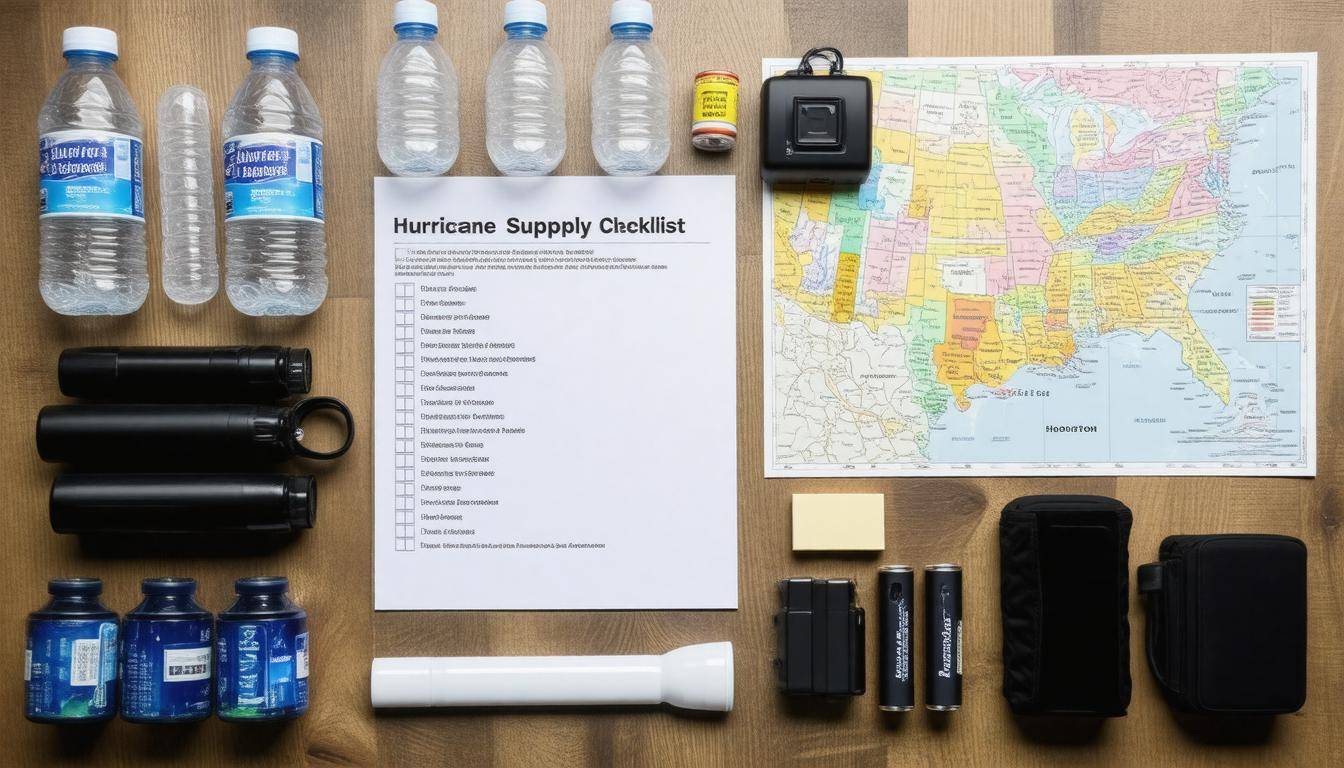
Preparing Your Emergency Kit
One of the often-overlooked aspects of preparing for a hurricane is ensuring that you have all critical documents organized and accessible. This can make a significant difference if a storm displaces you from your home, as you’ll need to prove your identity, access insurance claims, or contact loved ones.
To begin with, gather key identification items such as driver’s licenses, passports, and any school or work IDs. These foundational documents confirm who you are during emergencies when time matters most.
Next, consider your insurance papers—home, health, and car insurance. In the aftermath of a hurricane, navigating the claims process can be overwhelming; having these documents readily available will help expedite necessary actions. Keep them together along with an emergency contact list containing names, phone numbers, and addresses of family or friends who can provide support. Update this list regularly to ensure it contains current information.
Cash may not be top of mind during storm preparation; after all, online transactions and cards seem convenient today. However, during transportation disruptions caused by storms, ATMs may become inoperable or cash registers could be down. Therefore, keeping cash in small denominations tucked safely within your emergency kit can prove invaluable when you’re seeking supplies quickly.
The importance of safeguarding these documents cannot be overstated—they should not only be easily accessible but also protected against the elements.
A simple yet effective strategy is to store everything in a waterproof bag or container, providing protection against both floodwaters and unexpected spills. By using strong resealable bags or a small plastic bin fitted with a tight seal, you create an additional layer of security for those vital papers.
It’s about being prepared and proactive so that if the worst happens, you’re ready—not scrambling to remember where you placed important documentation.
As you compile your important documents thoughtfully into your emergency kit, consider also what supplies you’ll need for sustenance during potential disruptions and power outages.
Essential Food and Water Supplies
In Houston, where hurricanes can hit hard and disrupt daily life for days on end, having an adequate supply of food and water can make all the difference between comfort and desperation. The key is to stock up on non-perishable items that’ll sustain you through any storm. FEMA suggests a minimum of a three-day supply for food, which translates to enough sustenance to keep you energized and nourished during a stressful time.
When thinking about food choices, remember that nutrient-rich options like canned beans, peanut butter, and energy bars can serve dual purposes: they are satisfying and provide essential proteins and fats. It’s not just about filling your belly; it’s about fueling your body with the right nutrition when it may be challenged.
Water is equally vital—indeed, FEMA recommends stocking one gallon per person per day. This ensures hydration for drinking as well as preparation of meals. Given Texas’ sometimes sweltering conditions, hydration can easily become a concern.
Water Storage Solutions
Adequately storing your water is crucial. Use clean plastic containers, but exercise caution: avoid anything that once held chemicals. The right containers can lead to trouble if they leach harmful substances into your water supply.
| Container Type | Duration | Capacity |
|---|---|---|
| Commercial Bottles | 5 years | 16.9 oz |
| Food-Grade Plastic | 6 months | Up to 5 gallons |
| Stainless Steel | Indefinite (without exposure to chemicals) | 1-2 gallons |
Each container type has its pros and cons, depending on how much space you have and how long you plan on storing the water. For instance, while food-grade plastic containers are readily available and easy to fill, their water needs replacing every six months—a task that can quickly slip from our minds in everyday life.
As we ensure our supplies are ready for the storm’s impact, it’s equally important to consider what will keep us comfortable during potentially long stretches without normalcy. Let’s turn our attention to the essentials for personal comfort during such times.
Necessary Clothing and Bedding
When preparing for a hurricane, layering your clothing becomes vital. Start with base layers that wick moisture away from your skin to prevent getting cold. A sturdy pair of pants and lightweight shirts will keep you comfortable and able to move around easily. Don’t forget about rain gear; a water-resistant jacket can make the difference between staying dry or getting soaked in the elements. Waterproof boots or shoes should also make their way into your pack since flooding can happen rapidly.
If you’re planning to hunker down for an extended period, think about the activities you might engage in while waiting out the storm. Bringing along some extra t-shirts or lounge wear helps you stay comfortable during downtime. Incorporating sweatpants or joggers provides warmth while still being easy to move in when necessary.
Bedding Requirements
Let’s shift our focus to bedding requirements. It’s easy to overlook this aspect in the hustle of preparation, but adequate bedding can significantly improve your comfort level during stressful times. Packing sleeping bags offers excellent versatility—they’re easy to carry and usually come with built-in insulation properties designed for warmth. Don’t forget travel pillows, which can be a small luxury that helps you catch a decent amount of sleep amidst the uncertainty.
Additionally, thermal blankets can offer further warmth if temperatures drop unexpectedly, which can happen even in Houston during storms. These lightweight items provide excellent insulation, so carefully consider how many blankets you’ll need depending on your family or group size.
Remember that keeping bedding items clean is essential too; consider bringing items that are machine washable and can withstand repeated use.
As hurricane conditions change unpredictably, ensuring that you’re well-prepared on all fronts—with clothing and bedding—supports your overall safety and comfort.
In preparation for storms like these, understanding which tools and gear will serve you best can enhance your readiness even further.
Tools and Equipment You Need
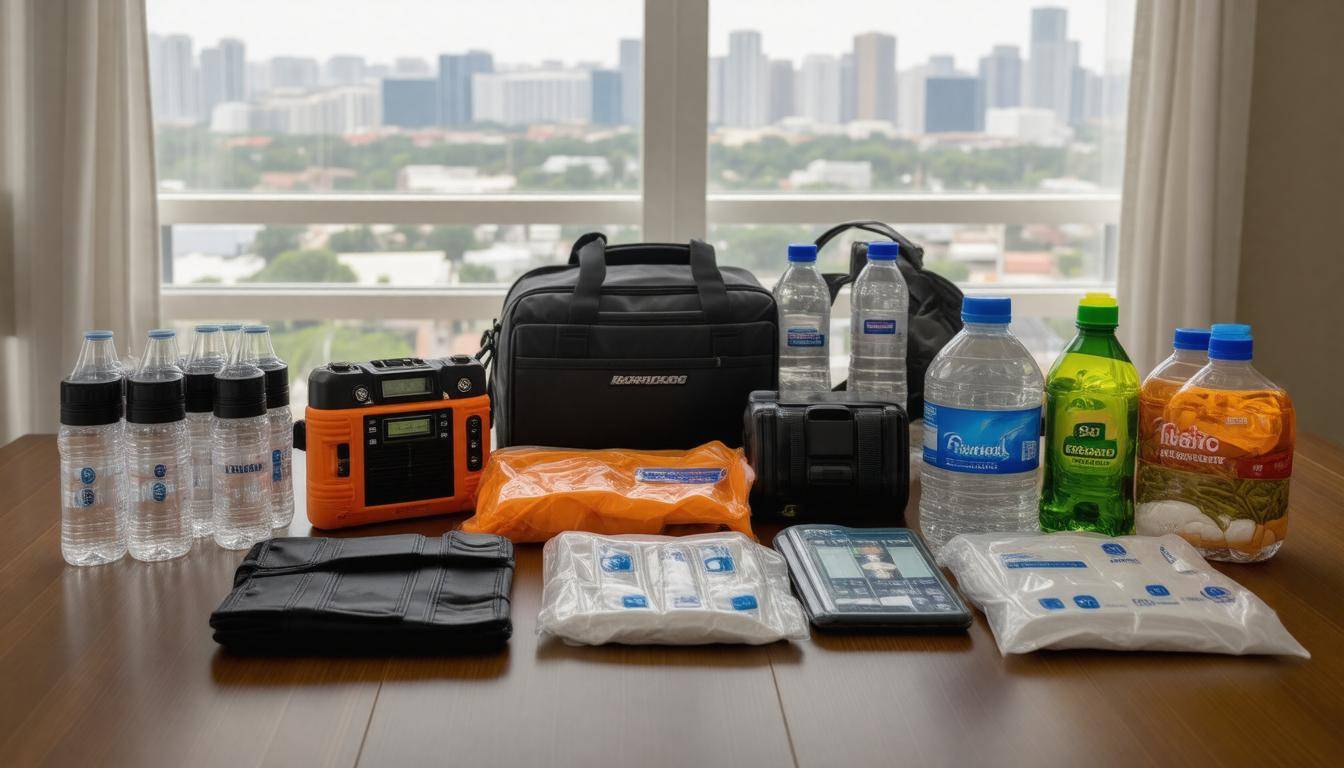
First on the list should be flashlights with extra batteries. When the power goes out, darkness envelops your environment, making it challenging to navigate safely. A reliable flashlight will illuminate your path and ensure you can check on loved ones. Having multiple flashlights on hand is a clever idea; it minimizes confusion when locating them in an emergency.
Alongside flashlights, consider a battery-powered or hand-crank radio. This device keeps you connected to updates and warnings from local authorities, providing crucial information about evacuation routes and storm status. Hand-crank radios are especially valuable because they don’t rely on batteries—just a few minutes of cranking can give you hours of vital information.
Once you have light and communication sorted out, it’s time to think about food provisions.
You’ll definitely need a manual can opener if you’re stocking up canned goods. In the hustle of preparing for a storm, it’s easy to forget that not all cans come equipped with pull-tabs. A sturdy manual can opener ensures you won’t be searching hurriedly for one when the storm rolls in.
Next up is a multi-tool or Swiss Army Knife. These tools pack multiple functions into one compact design. From opening packages and cutting rope to tightening screws or performing minor repairs, having a multi-tool on hand can streamline your efforts in managing unexpected challenges.
The last element may be small but is undeniably vital.
Don’t overlook the necessity of having a fire extinguisher within reach. In times of disaster, safe cooking practices might become critical, especially if using alternative methods like propane stoves due to lack of electricity. A fire extinguisher ensures that you’re prepared to handle any small fires quickly before they escalate into something more dangerous.
By gathering these essential tools ahead of time, you can alleviate stress and increase your chances of staying safe and self-sufficient in the aftermath of a hurricane.
Investing a bit of time now in acquiring these items means less chaos and worry later when faced with unpredictable circumstances. Properly equipping yourself isn’t just about collecting physical tools; it’s about setting yourself up for success when facing nature’s fury.
Equipped with these vital tools, you’ll be one step closer to ensuring safety during unforeseen events. Now let’s examine how to protect yourself further through essential gear.
Safety Gear and Protection
When a hurricane strikes, safety gear is not merely optional; it’s your first line of defense against various threats, from flying debris to potential flooding. Equip yourself with essential items that can shield you from injuries. Start with N95 masks to guard against inhaling dust, mold spores, or other harmful particles that may be stirred up by high winds and heavy rainfall. Coupled with that, a pair of goggles will protect your eyes from flying debris and water spray, which can obscure your vision and lead to accidents.
Heavy-duty gloves are necessary as well; they provide a barrier between you and hazardous materials, whether it’s sharp branches or slick surfaces. If your home is in a flood-prone area, life vests become crucial. They not only keep you afloat but can also give you peace of mind as you navigate through potentially flooded streets or evacuation routes.
Having the right gear is important for immediate safety but consider what knowledge you’ll need in an emergency as well.
First Aid Knowledge
It’s vital to go beyond just having gear—knowledge is equally essential. Enrolling in a basic first aid and CPR course should be a priority. Organizations like the Red Cross offer local training sessions where you can learn how to assess injuries, apply pressure to wounds, or carry out CPR on someone who may be unconscious. Knowing these skills enables you to treat minor injuries effectively and can prevent complications while waiting for professional help to arrive.
Taking this step ensures that when you’re faced with challenging circumstances, you’re prepared not just physically but mentally too. This dual preparation—having safety gear at hand and knowledge of first aid—can truly make the difference in an emergency situation.
As we explore further, it’s essential to consider how these preparations fit into your overall strategy for navigating emergencies and finding safe havens when the storm hits.
Emergency Plans and Shelters
Having a well-thought-out emergency plan can be the lifeline you need when a hurricane approaches. It is crucial for every member of your household to know how to respond when severe weather hits. Just like any successful team has a strategy, your family should have clear protocols for emergencies. Make sure to sit down with your family and discuss what actions to take if a hurricane warning occurs.
Start by drafting a family communication plan. This plan should outline who will communicate information, where everyone will meet if separated, and the best way to contact each other. Even designating an out-of-state contact person can simplify communications during hurricanes, as local lines might become congested or unavailable. For families with children, practice these plans; it can help alleviate anxieties when unexpected storms roll in.
Of course, once the weather gets dangerous, knowing where to seek shelter becomes vital.
Next, it’s essential to identify local shelters well in advance. The City of Houston’s emergency management website provides updated lists of shelters that open in anticipation of storms. Each year might bring changes regarding which facilities are used, so checking for updates before the hurricane season begins is wise.
However, keep in mind that not all shelters are pet-friendly. If you own pets, finding suitable accommodations is critical. Some people may face difficult choices if they cannot bring their furry family members along; researching alternatives such as pet-friendly hotels or friends who can help care for them is essential. Plan now rather than wait until storm warnings are issued.
Lastly, consider including basic supplies in your shelter pack—non-perishable food items, water, flashlights, medications, and other essentials should be on hand. Ensure that everyone knows where these supplies are located as part of your broader safety plan.
Being prepared translates into having comprehensive plans around communication and shelter arrangements. Taking these steps ahead of time fosters confidence amid chaos—a crucial buffer against the storm’s fury.
As we focus on storm readiness, there’s also a unique set of considerations specific to those living in this vibrant city amidst these natural challenges. Let’s explore some of those special needs that cater specifically to local residents.
Special Items for Houston Residents
Being in Houston comes with its own set of requirements when preparing for a hurricane. The city’s infamous flood risk necessitates the inclusion of sandbags in your supply kit. These are your first line of defense against water intrusion, helping to redirect flooding away from your home. A sump pump can also prove invaluable, providing an effective way to remove standing water from your basement or crawl space if flooding occurs.
Moreover, we can’t overlook the typical weather conditions during a hurricane. Houston’s heat and humidity reach their peaks in late summer, often exceeding 90°F. This is where the addition of battery-operated fans becomes crucial; they can help keep you cool during prolonged power outages. Feeling comfortable when conditions outside are chaotic is decidedly a luxury but also essential for maintaining your well-being.
To make sure you don’t end up swatting insects away while trying to stay calm, including insect repellent in your supplies adds an extra layer of comfort, allowing you to focus on safety rather than discomfort from mosquito bites.
In light of this, preparing doesn’t just stop at the basic essentials; incorporating these localized items will enhance your safety and overall experience during hurricane events. Consider packing multiples of each item; after all, any disruption could lead to frustration and panic—and preparedness can significantly reduce those feelings.
Did you know that according to the National Weather Service, Houston experiences several days above 90°F during hurricane season? This statistic alone should underscore just how critical these additional supplies are. Waiting until the storm arrives to gather them may leave you empty-handed when it matters most.
By keeping these particular needs in mind and acting ahead, you’ll not only safeguard your home against flooding but also create a more manageable situation should a storm arise.
With these essential items in place, you’re setting a strong foundation for effective storm preparedness and resilience. Now, let’s explore the comprehensive items necessary for weathering the entire season smoothly.
Complete Hurricane Season Checklist
When a hurricane is looming, it’s essential to be equipped and organized. Having a detailed checklist not only streamlines your preparations but also provides peace of mind knowing you have everything covered. This checklist should encompass essential items for every member of your household and specific measures tailored for Houston’s unique environment.
Start with an Emergency Kit: An often-overlooked but crucial component includes first aid supplies, indispensable tools like a flashlight and batteries, and any important documents pre-packed in a waterproof container.
Further down this path of preparedness, it’s equally vital to stock up on Food and Water.
For food, plan for at least a three-day supply per person. Opt for non-perishable goods like canned vegetables, grains, and protein sources such as nut butter or jerky. Don’t forget to include a manual can opener—because in the event of power outages, your electric can opener won’t do you much good!
While you’re organizing your supplies, think about Clothing and Bedding as well.
Layered clothing is ideal since temperatures may fluctuate during a storm. Consider having sleeping bags or warm blankets ready for everyone in the family. Hydration is key after all the food prep; ensure you have ample bottled water—aim for at least one gallon per person each day for drinking and sanitation needs.
As we continue through the checklist, Tools become an essential focus.
Gather necessary tools like flashlights and radios to stay updated on weather conditions when the power goes out. A portable battery pack can save your phone from dying amidst critical communication times. Don’t forget extra batteries!
Safety cannot be overstated during severe storms; hence having appropriate Safety Gear is pivotal.
Masks and gloves come in handy if debris management becomes necessary after a hurricane passes through. If flooding is expected in your area, life vests are helpful to keep you safe if water levels rise unexpectedly. Don’t overlook insect repellent either—it can shield you from post-storm pests that thrive in wet environments.
The final pieces of this puzzle lie in Emergency Plans—a vital aspect often neglected during planning.
Develop clear communication plans among family members; make sure everyone knows where they will meet if things go awry. Research available shelters ahead of time so you can direct those who might need assistance or cannot stay home safely. This ensures that all basics are covered, reducing chaos during an already overwhelming situation.
By consolidating all these recommendations into a thorough checklist, you create an organized strategy that enhances both safety and survival during hurricane season in Houston. With this checklist in hand and regular updates to its contents, you’ll find yourself better prepared to face whatever nature may throw at you.
In preparing for hurricanes, each step taken today can significantly impact your safety tomorrow. Stay vigilant and prioritize your preparations; it’s better to be over-prepared than underprepared when disasters strike.
Are there any local resources or organizations that provide help with hurricane preparedness in Houston?
Yes, in Houston, organizations like the Houston Office of Emergency Management and the Red Cross provide valuable resources for hurricane preparedness. The City of Houston offers a comprehensive guide on emergency preparedness, including planning tips, evacuation routes, and supply lists. Additionally, local shelters and community centers often host workshops on storm safety. According to FEMA, families who prepare in advance are 50% less likely to be unprepared during a disaster, underscoring the importance of utilizing these local resources.
How much water should each person store when preparing for a hurricane?
Each person should store at least one gallon of water per day for at least three days when preparing for a hurricane, which totals to a minimum of three gallons per person. This guideline, recommended by the Federal Emergency Management Agency (FEMA), ensures adequate hydration and sanitation needs during potential disruptions in water supply. In emergencies, access to clean drinking water is critical, as dehydration can onset quickly under stress or heat conditions typical during hurricane scenarios.
How can I effectively store my supplies to maximize space and accessibility during an emergency?
To effectively store your supplies for maximum space and accessibility during an emergency, consider using clear, labeled containers to categorize items like food, water, first aid, and tools. Stacking containers vertically can maximize limited floor space while ensuring that frequently used items are easily accessible at the top. According to the Federal Emergency Management Agency (FEMA), adequate preparation can reduce chaos by up to 80% in an emergency situation; thus, a well-organized supply system not only saves space but also enhances response time when every second counts.
What are some critical documents I should have on hand during a hurricane?
During a hurricane, it’s crucial to have critical documents on hand including identification (driver’s license, passport), insurance policies (home, health, and auto), medical records, and any emergency contacts. According to FEMA, 40% of small businesses never reopen after a disaster due to lack of preparation; having these documents readily accessible can expedite recovery efforts and ensure you receive necessary assistance. Organizing them in a waterproof container ensures they remain safe during the storm.
What specific types of food are best to include in a hurricane supply kit?
When assembling a hurricane supply kit, prioritize non-perishable foods such as canned goods (like beans, vegetables, and fruits), granola bars, dried fruits, and ready-to-eat meals, as these items have a long shelf life and require minimal preparation. According to the FEMA guidelines, it’s recommended to have at least a three-day supply of food per person, emphasizing high-calorie options that can sustain energy levels during extended periods without power or access to fresh groceries. Additionally, including comfort foods like nuts or chocolate can help boost morale during stressful times.