
When it comes to heading into the wilderness for a hunting trip, preparation is your best friend. Whether you are a seasoned hunter or just starting out, having a solid emergency supply kit can turn a challenging outing into a safe and enjoyable adventure. Imagine finding yourself miles away from civilization during an unexpected storm or realizing you’ve run low on essentials while deep in the woods; in moments like these, being well-prepared can make all the difference. As someone who has spent countless weekends in rustic cabins and rugged terrains, I know firsthand how critical it is to have the right supplies on hand. So let’s dive deeper into the essential emergency supplies every hunting cabin should be equipped with, ensuring your next adventure is not only thrilling but also safe.
Essential emergency supplies for a hunting cabin include a first aid kit, non-perishable food, portable water filters, fire starter kits, and navigation tools such as GPS devices and maps. Additionally, seasonal preparations should be made, like stocking thermal blankets for winter and insect repellent for summer to ensure safety during your hunt.
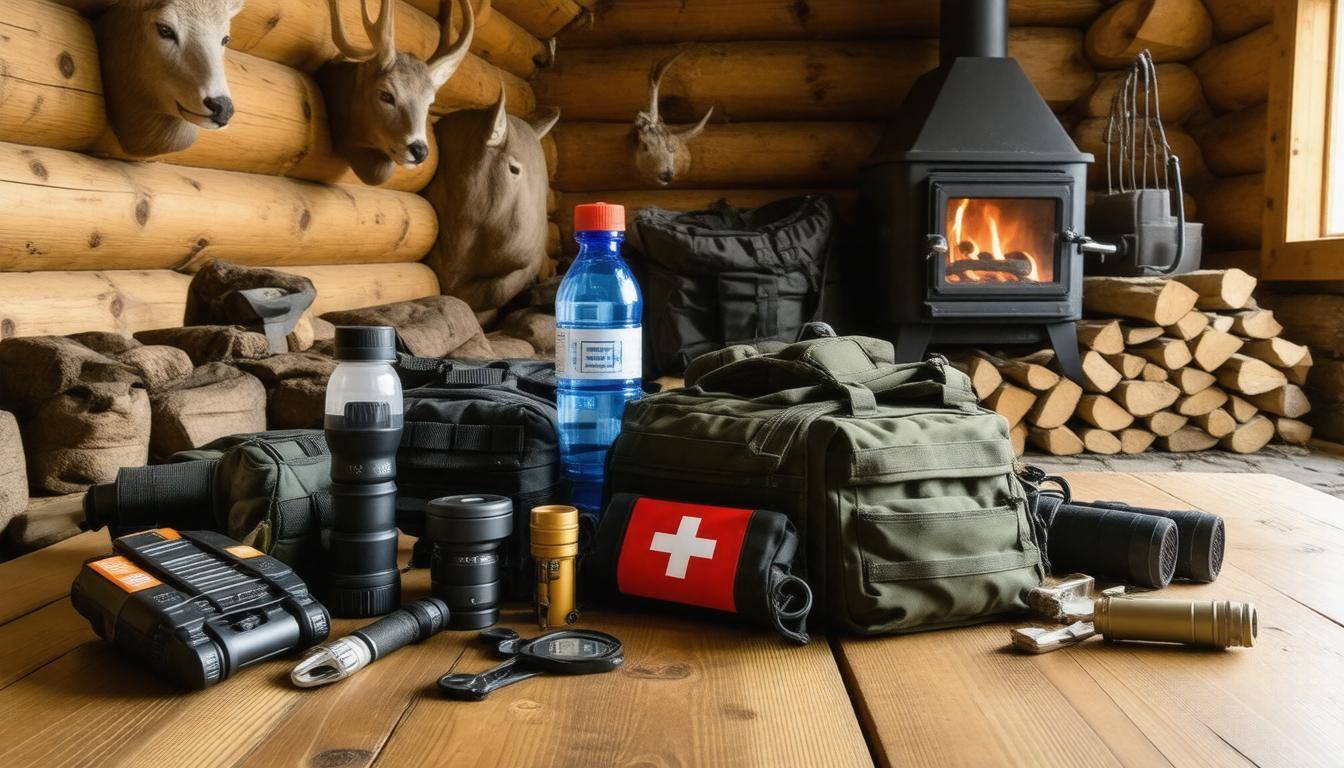
Essential Emergency Supplies
Having a well-stocked hunting cabin supplies you with more than convenience; it equips you to handle emergencies effectively. One of the cornerstones of preparedness is a First Aid Kit. This should be comprehensive enough to address various situations. From bandages and antiseptics to scissors and splints, it’s tailored for treating injuries that may occur in the rugged outdoors. Imagine slicing your hand while preparing food or tripping over a rock—having the right medical supplies at your fingertips can mean the difference between a minor scrape and a more serious injury.
Never underestimate the power of preparedness; it can transform an emergency into a manageable situation.
Next up are the Fire Starting Tools. Picture this: you’re out there, it’s chilly, and dusk is rapidly approaching. The last thing you want is to fumble with unreliable fire-starting methods. Having waterproof matches, lighters, and magnesium fire starters ensures you can ignite a blaze quickly, regardless of damp conditions or strong winds. Fire isn’t just about warmth; it also serves as a reliable cooking source and a vital tool in signaling for help if necessary. Remember, when it’s cold and dark outside, a roaring fire brings both safety and comfort.
Equally vital is ensuring you have enough Non-Perishable Food stocked for your stay in the wild. Think hearty canned beans, nutritious freeze-dried meals packed with calories, or quick energy bars ready for consumption on-the-go. The key here is not just sustenance but making sure these items require no refrigeration and minimal preparation. The wilderness doesn’t always comply with our hunger pangs, so having food that’s ready-to-eat provides peace of mind during unexpected delays or emergencies.
And while food is essential, securing safe drinking water cannot be overlooked either.
Which leads us to Water Filtration systems—these are crucial lifelines when you’re surrounded by nature. Whether through portable water filters or purification tablets, these items ensure that you’re not relying on potentially unsafe water sources such as streams or lakes. Dehydration can set in quickly during physical activities like hiking or hunting, hindering your ability to think clearly and act decisively in emergencies. A reliable method of obtaining clean water alleviates one of the most pressing survival concerns during your outdoor escapade.
Finally, don’t forget about the indispensable Multi-Tool. This versatile companion is invaluable—it’s designed to perform numerous tasks such as cutting rope, opening cans, or making repairs on-the-go. Imagine needing to fix an emergency tarp setup to ward off rain; having a multi-tool means access to several needed functions without hauling around an entire toolbox.
With these core items ready at your hunting cabin, you’re laying down the foundation for a safe and enjoyable experience in the wilderness. As we continue exploring vital elements for your trip, let’s turn our focus toward essential medical supplies that ensure you’re prepared for any health-related scenario.
Medical and First Aid Kit
In unpredictable outdoor settings, having a well-stocked medical kit can be a game changer. Think of it not just as an assortment of supplies, but as a vital resource that can safeguard your health and well-being should an emergency arise. In addition to essential items like adhesive bandages, gauze pads, antiseptic wipes, and adhesive tape, consider including several other supplies tailored specifically to the unique challenges of a hunting cabin.
Beyond the basics, enhance your kit with specific items. For instance, pain relievers like ibuprofen or acetaminophen are essential for managing discomfort after a long day of trekking through the woods. Including burn treatment supplies such as burn gels and dressings is also crucial, as cooking over an open flame or accidentally touching metal surfaces can lead to burns.
When it comes to personal care, don’t overlook prescription medications. If anyone in your hunting party relies on specific prescriptions for conditions like allergies or chronic illnesses, ensure you bring along extra doses. Similarly, a bug sting kit becomes indispensable in areas where pests are prevalent. Antihistamines and EpiPens can be lifesavers if someone suffers an allergic reaction from insect stings.
“The antihistamines in our kit saved my friend from a severe allergic reaction to a bee sting,” recalls an avid hunter.
Each item in your medical kit serves a purpose and contributes to the overall safety of your group while away from civilization. Consider specific scenarios that might occur during your trips; for example, if someone twists an ankle? Having elastic bandages handy will help provide support until you can get back home or seek further medical attention.
As you prepare, make sure to recheck all supplies periodically. Some items may expire or run low when they’re needed most. Regularly updating your first aid kit keeps everything fresh and ready for action.
With your medical supplies secured, it’s time to explore the essential equipment that will complement your preparedness and enhance your survival capabilities out in the wild.
Tools and Survival Gear
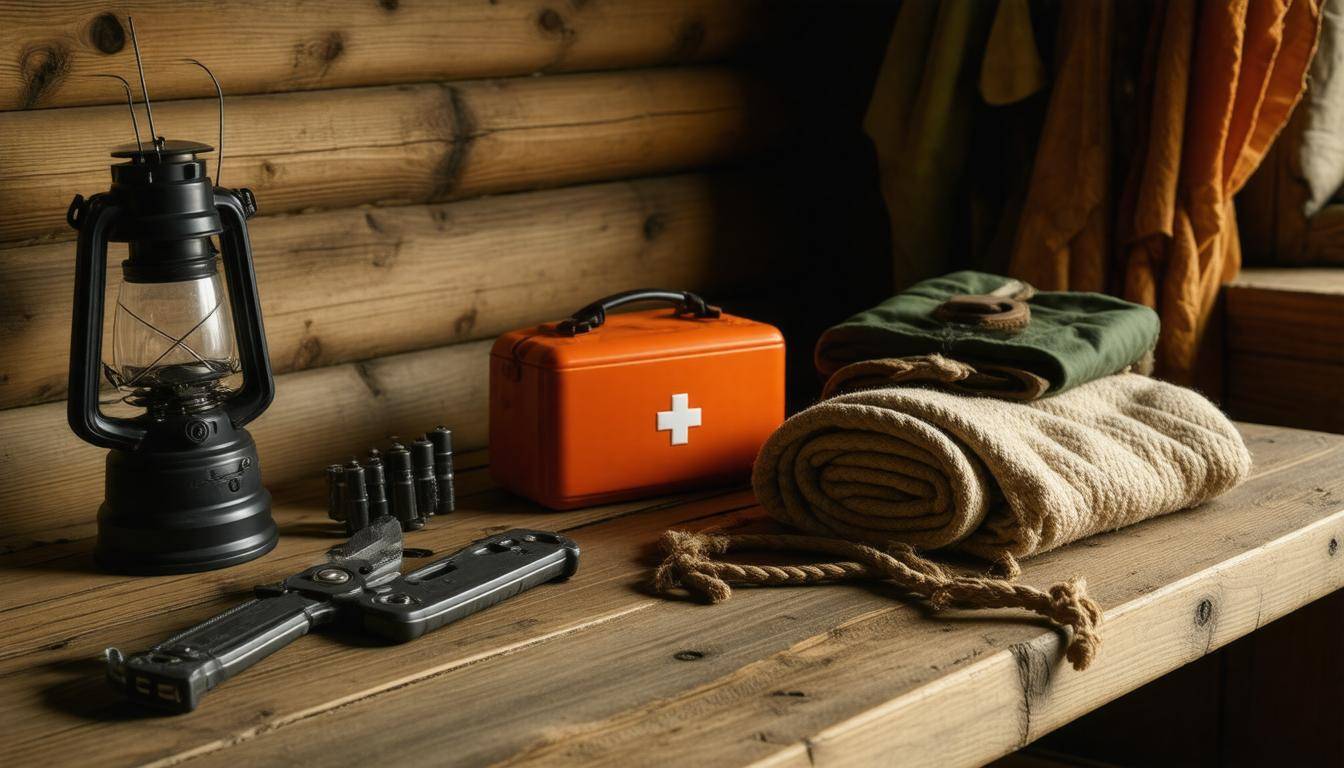
Practical tools and survival gear might seem like a luxury until you face an unexpected situation where they’re needed. A well-equipped tool kit not only enhances your readiness but also instills confidence as you embark on your adventures in the great outdoors.
Must-Have Survival Tools
Let’s start with a survival knife, which is essentially the Swiss Army knife of outdoor activities. This versatile tool can be used for cutting rope, preparing food, or even in self-defense scenarios. It’s more than just a blade; it can be your lifeline in various situations. Whether you need to construct a shelter or defend yourself against a wild animal, having a durable knife at your side is invaluable.
Next on the list is a flashlight paired with extra batteries or a hand-crank model. High-lumen flashlights provide the brightness necessary to illuminate dark trails or find gear when dusk sets in unexpectedly. Imagine being lost in the woods without any light; it’s unsettling, to say the least. A reliable flashlight can mean the difference between feeling anxious and navigating safely through challenging terrain.
Rope is another essential item—specifically, at least 50 feet of strong, versatile rope. This simple yet effective tool allows you to set up shelters, make repairs, or even aid in rescues if needed. I’ve found it invaluable on trips when sudden weather changes require quick shelter solutions; a sturdy length of rope can tie together branches or create makeshift gear storage.
And while we live in an age dominated by technology, don’t underestimate the value of compasses and maps. Even if you have GPS, bringing a compass and physical maps serve as invaluable backups that can greatly assist when technology fails you. Picture this: you’re deep in the woods, and suddenly your phone dies. The comforting presence of old-fashioned navigation tools can bring peace of mind.
As a personal anecdote from my own adventures, I once faced a daunting moment when my GPS device gave out due to dead batteries deep in the woods. Had I not packed my compass and a detailed map of the area, I wouldn’t have managed to find my way back before nightfall.
Moving from these essential tools, it’s imperative to explore how proper shelter can safeguard you during unpredictable outdoor conditions.
Protection and Shelter
The wilderness can be unpredictable, so having a secure refuge is not just a luxury—it’s a necessity. It’s vital to understand that choosing the right shelter impacts how well you can endure the elements as well as safeguard your wellbeing during emergencies. While a weatherproof tent is often ideal, keep in mind that an exceptionally durable tarp can also serve as a reliable substitute if space or weight is a concern. Many seasoned outdoor enthusiasts have learned this lesson, discovering that even in dire straits, a bit of ingenuity can provide comfort and safety.
Shelter Essentials
A solid foundation for your camping experience includes several essential items. Start with a tent or tarp; both should possess weatherproof capabilities to shield against rain and wind. If opting for a tent, ensure it is easy to set up so that you aren’t fumbling around in less-than-ideal circumstances. For tarps, select one that is heavy-duty and has reinforced grommets for strength and versatility.
Next on the list are sleeping arrangements. Invest in a four-season sleeping bag capable of tolerating extreme temperatures down to -20°F (-29°C). While summer nights may be balmy, suddenly dropping nighttime temps can leave you wishing you were better prepared. Plus, insulated sleeping pads offer additional warmth by preventing cold from seeping through—the ground can sap your heat quicker than you realize.
Beyond basic shelter needs, consider incorporating thermal blankets into your inventory. These lightweight blankets are crucial during frigid nights as they effectively retain body heat. You’ll find that their compact nature makes them easy to pack alongside other equipment.
However, living in the wilderness isn’t just about keeping warm; we also need to think defensively. Bring along your firearm(s) for protection against potential wildlife threats. Adhering to local laws concerning firearms is non-negotiable, as is mastering safe handling practices. Many campers carry pepper spray or bear spray as alternative self-defense measures when engaging with wildlife encounters.
Yet even with shelters established and protection considered, ensuring proper nutrition and hydration remains fundamental for navigating through wild terrains.
Food and Water Supplies
When it comes to your food supplies, planning ahead can be a game changer. You want to ensure that you have enough sustenance to last through any unexpected situation, be it bad weather or an extended stay. It’s essential to choose items that are easy to pack, lightweight and have a long shelf life.
Think about packing long-life foods like jerky, canned meats, dehydrated meals, and energy bars. Not only do these items last for years, but they also provide the necessary calories and nutrition needed for those demanding outdoor activities.
Don’t forget about hydration. Having access to clean drinking water is essential for survival. The general rule of thumb is at least 2 liters of water daily per person under moderate activity conditions. This means stocking up on water should be a top priority before heading out.
A practical approach includes investing in collapsible water containers; they save space when not filled but can carry substantial amounts of water when needed.
Additionally, employing a reliable water filter allows you to refill from natural sources like streams or lakes—just make sure to familiarize yourself with how it works ahead of time.
Beyond just ensuring you have food and drink, consider the emergency food rations as well. These typically come in the form of bars, which have a significantly extended shelf life of around five years and offer about 400-500 calories per bar. They can be perfect for times when cooking isn’t feasible or if you’re short on energy.
Furthermore, it’s wise to think about the caloric intake you’ll need based on your planned activities during your stay. Experts suggest aiming for a daily intake of 2,000-2,500 calories per person depending on your level of exertion. This will help keep your energy levels up whether you’re trekking through the woods or just trying to maintain warmth in colder months.
In winter months, prioritize packing high-calorie foods such as peanut butter and energy bars which provide warmth and sustain you during the chill. During summer trips, opt for lightweight hydrating foods like fruits or vegetables that can stay fresh with some good cooler management.
By ensuring you have both proper food storage techniques and sufficient hydration strategies in place, you contribute greatly to your safety and overall experience while enjoying nature. It’s all about being prepared so that you can fully immerse yourself in the beauty surrounding your hunting cabin without worrying about unforeseen challenges regarding food and water.
As we consider the importance of staying nourished and hydrated in the wilderness, it becomes equally vital to address how technology seamlessly integrates into our outdoor pursuits, enhancing our communication and safety.
Technology and Communication Gear
In today’s age, technology can be a lifeline in emergencies, especially when adventuring in isolated areas. A well-chosen communication setup not only enhances safety but also enriches your outdoor experience.
Picture this: you’re miles from civilization when suddenly, you notice the weather turning. The clouds darken ominously, and the wind begins to pick up. This is where having the right tech gear can make all the difference between panic and calm.
One of the most vital pieces of equipment you can have is a satellite phone. Unlike standard mobile devices that rely on cell towers, satellite phones connect directly to satellites orbiting the Earth. This allows for reliable communication in remote areas where cell service is non-existent. When you’re deep in the woods or high up in the mountains, staying connected can provide not only peace of mind but also a crucial line to seek assistance if necessary.
Another excellent tool to have in your arsenal is two-way radios. Perfect for coordinating with fellow hunters or family members spread out over a large area, these radios allow instant communication without relying on cellular networks. Imagine being able to effortlessly relay your location or any changes in plans to other members of your group; it’s a game-changer in ensuring everyone’s safety.
Additionally, consider adding an emergency beacon like a Personal Locator Beacon (PLB) to your checklist. These compact devices are designed specifically for emergencies; they transmit your location via satellite so that rescuers can find you swiftly. Whether through harsh weather conditions or challenging terrains, PLBs send distress signals that could potentially save lives.
“I remember hearing stories of adventurers stranded during severe snowstorms who were rescued thanks to their trusty PLB,” someone once recounted around a campfire—highlighting just how valuable this device can be.
Having effective communication tools is only one side of the coin; understanding how to utilize them efficiently is equally essential for ensuring safety during your hunting trips. Regularly check battery levels, keep devices charged, and practice using them before heading off into the wild. Next, we will explore gathering all necessary gear and organizing it systematically for your adventure.
Packing and Preparing Your Kit
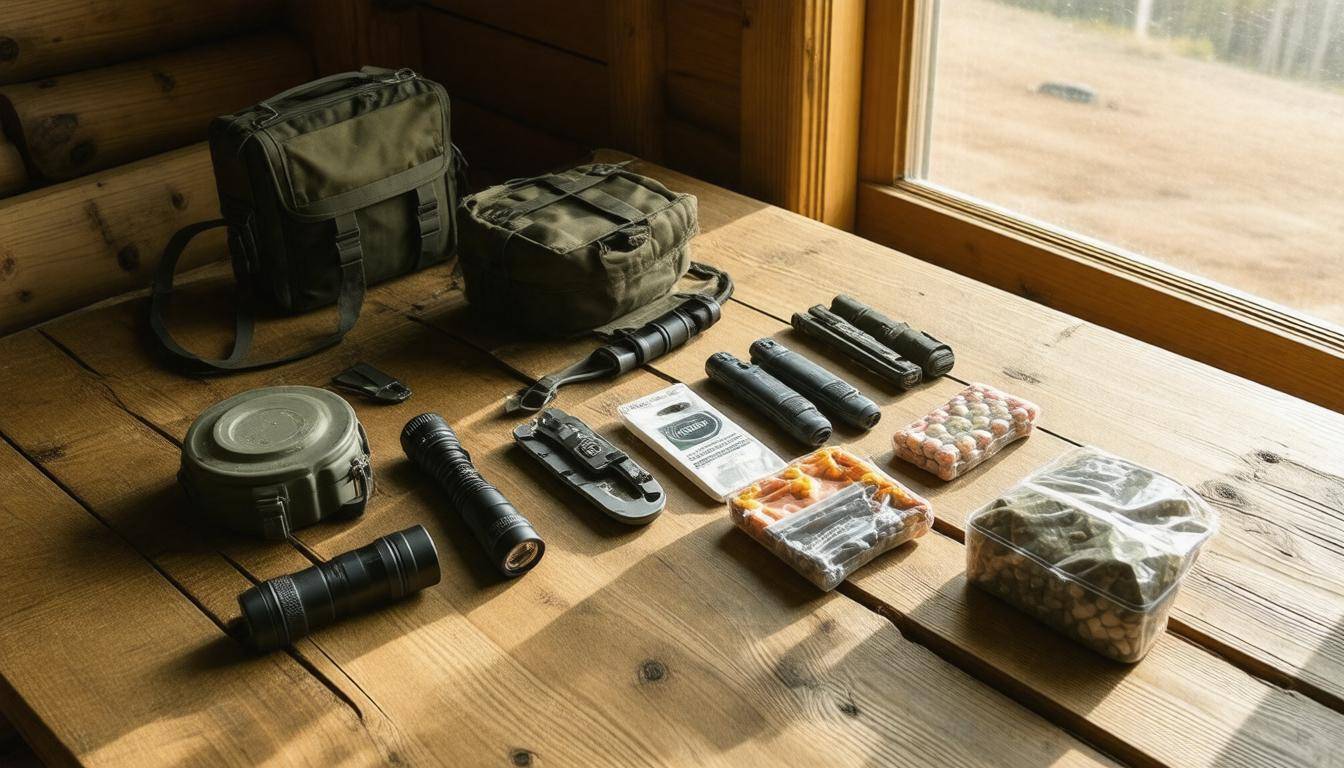
Proper packing ensures everything is accessible when you need it. When you’re in the great outdoors, every second counts, especially during emergencies. Having your essentials organized can be just as crucial as the supplies themselves. Picture this: you’re out in the wilderness, and suddenly, an unexpected situation arises. Wouldn’t it feel reassuring to quickly know exactly where your first aid kit or water purification tablets are?
Step-by-Step Packing Guide
The first step is to categorize your supplies. Separate items into clear groups such as medical, food, fire-starting materials, and tools. This strategy not only saves you time but also helps reduce stress when you’re in a high-pressure situation. Each category should be easily identifiable—perhaps with labels or different colored bags—so there’s no fumbling around when you’re searching for that all-important item.
After categorization comes waterproofing. Don’t underestimate how quickly weather can turn in the wilderness; rain can come unexpectedly even in seemingly perfect conditions. Use ziplock bags or waterproof containers for those items that are most susceptible to water damage, like matches or electronic devices. It’s better to be prepared than to have soggy supplies when you need them the most.
Next is implementing a layered packing strategy. Place commonly used items on top of your kit for easy access, while stashing infrequently needed items like backup filters or additional food supplies deeper inside. This organization allows you to grab what you need quickly without having to dig around. You might think it’s trivial, but knowing your gear is layered correctly can mean the difference between staying cool under pressure and feeling flustered and overwhelmed.
As one seasoned hunter recalls, “Having my first aid kit on top saved valuable minutes during an emergency.” These are the moments when your preparation pays off and can ultimately affect outcomes in critical situations.
While proper packing impacts your readiness significantly, understanding your surroundings plays an equally important role in staying safe and effective in outdoor challenges ahead.
Staying Prepared in the Wilderness
The essence of wilderness survival lies in anticipating potential challenges before they arise. One key aspect of ongoing readiness is regular maintenance of your emergency supplies. This means taking time to inspect your kits, ensuring everything is in working order, and promptly replacing expired items. Whether it’s medications, food, or batteries for your flashlight, consistent checks can prevent potential mishaps when you’re far from home.
Imagine needing a crucial piece of equipment only to discover it’s outdated or missing—this could lead to dire consequences.
Alongside regular inspections, simulating emergency situations through practice drills is another pillar of preparedness.
Ongoing Readiness Tips
Implementing routine practices like first aid training or fire-starting techniques helps engrain essential skills into your memory. Think of it as a rehearsal for a performance; the more you practice, the more instinctive your responses will become during real emergencies.
Engaging with your companions during these drills not only builds camaraderie but ensures everyone knows what steps to take if an unexpected situation arises.
“Stay prepared, stay alive,” emphasizes an experienced ranger, highlighting the importance of constant vigilance.
However, knowledge extends beyond just practicing scenarios; staying informed plays a crucial role too.
Keeping abreast of weather changes and local wildlife information can significantly impact your experience in the wilderness. For instance, knowing a cold front is moving in allows you to prepare for potential frost or snow, altering your packing choices accordingly.
Additionally, being aware of any wildlife activity in the area—such as bear sightings—will enable you to adjust your plans, whether it’s hiking routes or food storage methods. Technology offers various tools to monitor conditions and alerts, but even simple acts like checking local bulletin boards can keep you ahead of potential issues.
Ultimately, embodying this proactive mentality also encourages those around you to adopt a similar attitude towards preparedness.
Leading by example creates an environment where everyone contributes to safety and readiness. Consider forming a small group dedicated to outdoor excursions; collectively maintaining ready-to-go kits not only shares responsibility but strengthens connections between peers committed to safe adventuring.
Each outing becomes both practice and preparation—an opportunity to reinforce skills learned through drills while enjoying nature’s bounty with friends.
In summary, by regularly checking supplies, practicing emergency drills, and staying informed about conditions and hazards, you cultivate a culture of preparedness that empowers you and enriches every adventure spent in the great outdoors.
As you venture into the wilderness, remember that a willingness to prepare today can safeguard your adventures tomorrow. By staying vigilant and proactive, you’ll ensure every excursion is not only enjoyable but also safe.
How can hunters ensure they regularly check and update their emergency supplies?
Hunters can ensure they regularly check and update their emergency supplies by setting a seasonal reminder to perform inventory checks before each hunting trip. Studies show that 60% of hunters feel more secure when they know their gear is up-to-date, which highlights the importance of preparedness. By creating a checklist of essential items and reviewing it every three months, hunters can identify any expired materials or missing tools, ensuring they are always ready for emergencies regardless of the season.
Are there any unique considerations for storing emergency supplies in a hunting cabin?
Yes, unique considerations for storing emergency supplies in a hunting cabin include the need for waterproof storage to protect against moisture and wildlife access, as cabins are often situated in remote, environmentally exposed areas. It’s crucial to keep supplies organized and easily accessible, especially during unpredictable weather conditions. A survey indicated that 60% of hunters experienced at least one emergency situation while out, emphasizing the importance of well-stored emergency kits that can be quickly retrieved when needed.
How does the location of a hunting cabin affect the type of emergency supplies needed?
The location of a hunting cabin significantly influences the type of emergency supplies needed due to varying environmental conditions and potential hazards. For instance, cabins in remote, wooded areas may require additional first aid kits for wildlife encounters and tools for navigation, while those near water might need extra items for drowning prevention or rescue gear. According to statistics, 40% of hunting accidents occur in isolated locations, highlighting the importance of being prepared for emergencies specific to that setting. Therefore, evaluating geographic risks is crucial when compiling an emergency supply checklist.
What specific first aid supplies should be included in an emergency kit for a hunting cabin?
A well-stocked emergency kit for a hunting cabin should include essentials such as adhesive bandages, antiseptic wipes, gauze pads, medical tape, scissors, tweezers, and a comprehensive first aid manual. Additionally, including items like a splint for fractures and an emergency blanket can be crucial in wilderness situations. Statistics show that 33% of outdoor injuries are related to cuts and scrapes, emphasizing the need for these supplies. Having these items readily available can significantly improve response times and outcomes in case of an emergency.
What items should be prioritized on an emergency supply list for winter hunting trips?
For winter hunting trips, prioritize items such as a reliable first-aid kit, thermal blankets, extra food (high-calorie snacks), water purification tablets, and a portable heating source. These essentials ensure warmth and hydration in frigid conditions where hypothermia risks can escalate rapidly, with statistics showing that exposure to temperatures below 50°F can lead to severe health complications if proper precautions aren’t taken. Adequate supplies not only enhance safety but also improve overall experience during harsh weather conditions.