
Hurricanes are one of nature’s most powerful storms, and understanding their categories is key to being prepared. Each category is more than just a number; it speaks to the level of danger that residents in affected areas face. As we dig into the details of hurricane categories, it’s important to recognize how each grade impacts safety measures, property damage, and recovery efforts. We’re not just talking about wind speeds here; we’re discussing real risks that can disrupt lives and communities. With so many storms threatening various regions, knowing what each category means could make all the difference when it comes to protecting yourself and your loved ones. Let’s break down what these categories entail and how they affect both homes and families during hurricane season.
The Hurricane Category Guide outlines the different categories of hurricanes based on their wind speeds, ranging from Category 1 (74-95 mph) with potential for minor damage, to Category 5 (157 mph and above) which can cause total destruction of buildings. Understanding these categories is crucial for implementing appropriate safety measures and home preparations to minimize risk during hurricane events.
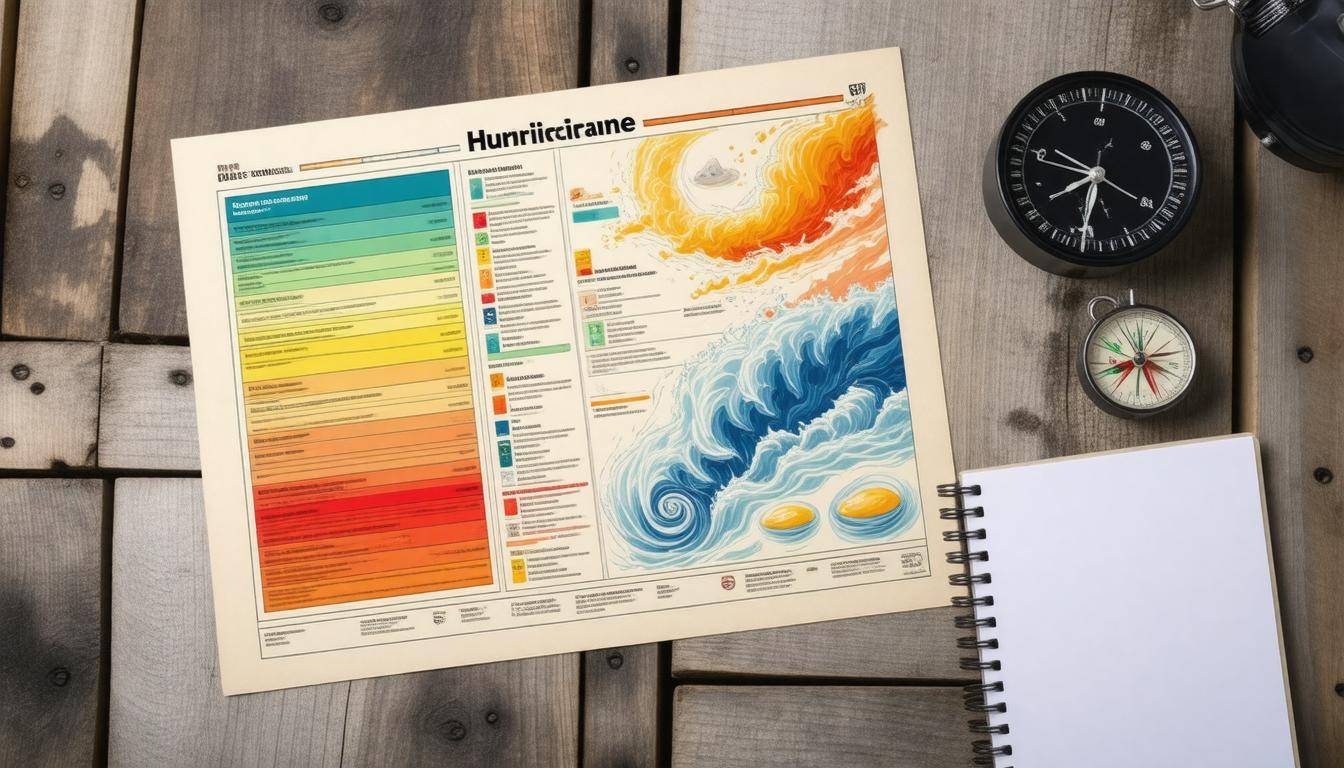
Overview of Hurricane Categories
Hurricanes are serious storms that can cause extensive damage depending on their strength. The Saffir-Simpson Hurricane Wind Scale allows us to classify these storms into five distinct categories based on sustained wind speeds. Each category indicates the storm’s strength and provides a glimpse into the potential damage residents may encounter in its path.
Saffir-Simpson Hurricane Wind Scale
| Category | Wind Speed (mph) | Damage Level |
|---|---|---|
| 1 | 74-95 | Light |
| 2 | 96-110 | Moderate |
| 3 | 111-129 | Extensive |
| 4 | 130-156 | Extreme |
| 5 | >157 | Catastrophic |
When a hurricane reaches Category 1, it has wind speeds between 74 to 95 mph. This level typically results in minor damage primarily to unanchored mobile homes, trees, and power lines—though still dangerous, many well-built structures generally remain unharmed.
As we move up to Category 2, with winds ranging from 96 to 110 mph, there’s a moderate risk of structural damage, especially to roofs and siding, along with potential disruptions to utilities.
Understanding these escalating categories highlights the growing intensity of each storm as they increase in wind speed.
A Category 3 hurricane is classified with wind speeds of 111 to 129 mph and falls under the category of “extensive damage.” Structures may experience significant harm, including roof loss or even walls collapsing in less resilient buildings.
The destruction becomes much more severe as one approaches a Category 4 storm, where winds can reach speeds of 130 to 156 mph. In this scenario, catastrophic damage occurs; most trees will be uprooted, houses can lose roofs entirely, and power outages may last for weeks.
Finally, a Category 5 hurricane, with wind speeds exceeding 157 mph, signifies total destruction. Homes simply cannot withstand such powerful winds—walls may be completely torn off and very few structures might remain standing. This devastating level demands utmost caution and thorough preparation.
Recognizing the potential for destruction equips us better for self-protection during hurricane season. Now let’s dive into the specific impacts of a storm that causes light damage.
Light Damage: Category 1
When we talk about Category 1 hurricanes, we’re discussing storms with sustained wind speeds ranging from 74 to 95 mph. While these winds are considered relatively mild compared to more severe categories, they can still inflict light damage on structures and landscapes. Typically, you’ll find that well-constructed homes endure only minimal harm; however, the landscape can tell a different story—think broken branches, uprooted trees, and power outages that can stretch on for days.
It’s not just about gusty winds; it’s also about how those winds interact with your surroundings. Even strong trees struggling to stand tall can suffer under these forces. If you have healthy trees near your home, heavy winds might lead them to shed branches or even be uprooted entirely. Watching the weather report for strong storm warnings can save your prized garden—or worse yet, your roof—from unnecessary damage.
Hurricane Florence in 2018 serves as a poignant reminder; although it started as a Category 1 storm upon landfall in North Carolina, it caused extensive flooding due to heavy rains that accompanied the winds, resulting in widespread power outages.
Practical Precautions
To minimize potential damage when a Category 1 hurricane approaches, there are several practical precautions you can take. The first step is to secure outdoor furniture and loose items; anything that can become airborne in high winds poses a risk not only to your property but also to your neighbors’. You wouldn’t want a chair from your backyard crashing through someone’s window during the storm.
-
Secure outdoor furniture and loose items: Think of cushions, planters, or anything that could turn into a projectile.
-
Trim branches of healthy trees: Keeping trees trimmed encourages them to grow strong while reducing the chances of weaker branches breaking off in the wind.
-
Install storm shutters on windows: Protecting your windows with storm shutters or even plywood will help reduce the likelihood of glass shattering if debris was to hit them.
Taking these simple steps demonstrates not just preparedness but also responsibility towards your home and community. With proper precautions in place, you pave the way for weathering these storms with resilience and safety.
As we look deeper into hurricane categories, let’s now focus on what happens when gusts reach higher levels—where the stakes get dramatically bigger.
Moderate Damage: Category 2

When you find yourself in the path of a Category 2 hurricane, it requires a careful reassessment of your preparedness strategy. The potential for moderate damage means that well-constructed homes can face challenges they’re not typically designed to withstand. Roofs can sustain significant damage, including missing shingles or even partial removal, allowing rain and debris to enter the structure. It’s crucial to realize that while many homes may seem sturdy, the intensity of these winds can still cause havoc if they aren’t secured properly.
As John Milner shared from his experience during Hurricane Frances in 2004, “We underestimated Hurricane Frances, thinking it was only a Category 2. The wind tore off half our roof and left us without power for a week.” His story illustrates just how important it is to address vulnerabilities before a storm hits.
Impact on Structures
A Category 2 hurricane wreaks havoc not only on roofs but also has the capacity to shatter windows, peel siding away from houses, and uproot trees that were once firmly rooted in the ground. In such storms, expect to see trees snapping like twigs, causing further blockage to roadways and posing additional hazards. Those power outages—sometimes lasting up to two weeks—can leave families scrambling for resources and worrying about perishable items in their refrigerators.
For homeowners, being proactive is key. One important task is reinforcing roofs with straps or bracing them better against high winds. Beyond roofs, windows should be equipped with storm shutters or impact-resistant glass when possible; this not only aids in retaining structural integrity but also protects against flying debris.
Each small step you take—like securing outdoor furniture or trimming any overhanging tree limbs near your home—can make a world of difference during heavy winds.
Indeed, focusing on roof reinforcement and ensuring all windows are adequately protected become critical actions leading up to these weather events—and could ultimately save both money and headaches in the long run. As we explore the next level of impact from hurricanes, it’s essential to understand what awaits when winds escalate further.
Extensive Damage: Category 3
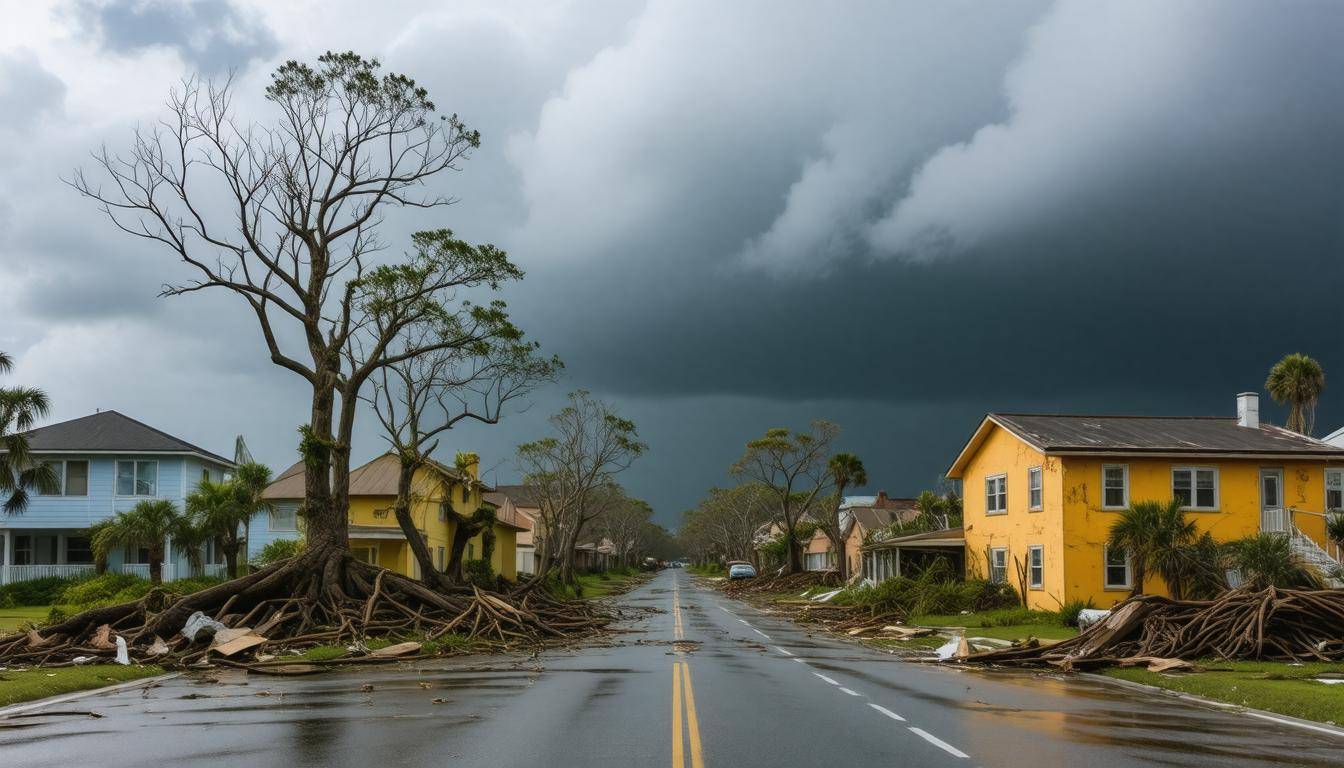
Category 3 hurricanes are where the intensity escalates significantly, with wind speeds clocking in at between 111-129 mph. The destructive capability of these storms becomes evident as they wreak havoc on both man-made structures and natural landscapes. Studies from NOAA suggest that over 30% of the hurricane-related damages reported in the United States fall into this category. This isn’t just theoretical; anyone living in areas prone to hurricanes understands the ramifications of such powerful winds.
For instance, well-built framed homes might suffer more than cosmetic damage—they could lose roofs and gable ends, leaving families exposed to additional elements and creating further risk of internal water damage.
Alongside this, many trees succumb to the fierce winds, uprooting and blocking roads in their wake. The infrastructure can bear severe strain; power outages can last for weeks as utility companies struggle to restore services amidst the wreckage.
Recommended Actions
If a Category 3 hurricane is imminent, immediate evacuation becomes a crucial first step—heeding advisories from local authorities isn’t just wise; it’s necessary for your safety. In addition to evacuation plans, consider preparing your home for the storm while you can. Installing a generator for backup power may provide relief during prolonged outages.
Moreover, reinforcing garage doors is another smart precaution because standard models are remarkably vulnerable to high winds that come with such hurricanes. By taking these steps before a storm approaches, homeowners can bolster their defenses against wind incursion—an essential move when such extreme forces threaten your property.
As you brace for these storms, awareness of wind impacts and preparation strategies will be vital. Understanding the threshold for extreme effects can shape your readiness as conditions worsen.
Extreme Damage: Category 4
A Category 4 hurricane brings with it winds ranging from 130 to 156 mph, capable of causing widespread destruction. These winds create a force that many buildings—especially those not engineered for such conditions—simply cannot withstand. Roofs may be completely torn off homes while walls suffer severe damage. Even well-constructed buildings can experience major structural failure.
The aftermath of Hurricane Charley in 2004 serves as a stark reminder; it left Florida reeling with an estimated $15.1 billion in damages. This kind of devastation highlights the need for robust building standards and individual preparedness.
Recovery Times and Efforts
The recovery process following a Category 4 hurricane can stretch on longer than one might anticipate. Residents caught in the storm often face power outages lasting weeks, sometimes even months, in areas where infrastructure is severely compromised. On top of that, water shortages can persist much longer, making access to clean drinking water a priority.
This is why having an extended emergency supply kit isn’t just recommended; it’s vital. A well-prepared household should stockpile not only non-perishable food and adequate water but also medications, flashlights, batteries, and important documents kept secure and waterproofed.
As we consider what these storms mean for communities, it’s essential to recognize that planning ahead can drastically lessen the turmoil when disaster strikes. The effects of missing supplies during recovery can lead to unnecessary panic, yet when families plan ahead—creating a comprehensive evacuation strategy combined with emergency kits—they replace chaos with control during catastrophic weather events.
Understanding the severity of these storms lays the groundwork for effective action. As we further explore the implications of more extreme weather phenomena, the impacts on homes and lives become ever more apparent.
Catastrophic Damage: Category 5
With wind speeds exceeding 157 mph, Category 5 hurricanes represent the pinnacle of destructive potential on the Saffir-Simpson scale. When one strikes, the sheer force has the capability to obliterate structures in its path, tearing apart homes and uprooting trees as if they were mere twigs. To illustrate just how severe this can be, think of Hurricane Katrina’s storm surge in 2005, which reached heights of up to 28 feet and wreaked havoc across New Orleans. This isn’t just about numbers; it’s about lives disrupted, communities torn apart, and landscapes forever altered.
Interestingly, while fewer than 4% of hurricanes achieve this ominous Category 5 status according to NOAA, their rarity does not diminish the devastation they inflict. The damages attributed to such storms can reach into the billions—Hurricane Andrew serves as a stark reminder of this reality. In 1992, it left behind a staggering $27.3 billion in destruction, showcasing the complete annihilation of entire neighborhoods.
Safety Measures
In preparation for such violent events, there are safety measures that everyone should prioritize. The first and foremost step is to evacuate if you are ordered to do so because sometimes, staying put is simply not an option. Make sure to secure essential documents in waterproof containers; whether it’s your insurance papers or personal identification, these items need protection against flooding and chaos. Another proactive approach is ensuring you have a solid communication plan with family members—knowing where to reconnect post-storm is crucial when traditional lines of communication may fail.
Fortifying your home won’t save everything; therefore understanding that preparation extends beyond just your immediate surroundings to encompass potential rebuilding efforts makes a significant difference.
As storms increase in intensity due to climate change, building practices must adapt accordingly. Homes designed with reinforced materials and structures can withstand higher winds more effectively, reflecting an investment in safety over time. It’s not just about waiting out the storm; it’s about proactively safeguarding what matters most—the lives within those walls.
As we consider the larger implications of these natural disasters, the importance of strong construction methods becomes clear in protecting our communities from future threats.
Building Stronger Homes
When it comes to hurricane preparedness, sturdy construction plays a pivotal role in safeguarding lives and property. One of the most effective ways to mitigate damage is to build homes capable of withstanding extreme wind forces. This starts at the ground level and extends through the roof, encompassing every element of a house’s structural integrity.
Key Construction Techniques
The foundational techniques can mean the difference between a house standing strong or becoming a casualty of nature. To bolster wind resistance, hurricane straps and clips should be installed strategically throughout the roofing framework. These metal connectors ensure that your roof remains firmly anchored to the walls below, preventing it from being ripped away in high winds.
Another significant upgrade involves impact-resistant windows, which are designed to withstand harsh impacts from flying debris—a common hazard during hurricanes. Unlike traditional windows that shatter easily upon impact, these resilient options utilize advanced materials, providing peace of mind when storms approach.
In coastal regions particularly vulnerable to hurricanes, using reinforced concrete or metal frames instead of typical wooden structures can dramatically increase durability. Steel or heavy-duty concrete may require a higher initial investment, but they offer long-term benefits that far outweigh their costs. The longevity and strength of these materials stand up against nature’s fury much better than conventional wood framing.
Implementation of these construction techniques has yielded remarkable benefits.
For instance, Florida’s stringent building codes, enacted after the devastation wrought by Hurricane Andrew in 1992, serve as an outstanding example of proactive measures that can save homes—and lives—during subsequent storms. Since these regulations were put into place, studies have shown a notable decrease in damage severity during hurricanes impacting the state.
“Our home’s design saved us during Hurricane Irma,” says Miami homeowner Carla. “We’ve never felt more secure.” Her words highlight how investing in proper construction translates to enhanced safety and diminished worry during hurricane season.
Considering the lifecycle cost of homeownership in hurricane-prone areas reveals that prioritizing resilient construction methods not only protects your immediate assets but also bolsters community safety. As increasingly severe weather patterns emerge due to climate change, robust building practices will become vital in ensuring that homes endure future challenges effectively.
Choosing resilient construction methods today lays the foundation for protecting lives and properties tomorrow. With an understanding of how solid structures can withstand fierce storms, attention turns to fortifying those structures against relentless winds that accompany such disasters.
Effective Wind Barriers
Natural and man-made barriers can provide an additional line of defense against hurricane-force winds. They play a vital role in reducing the impact of high winds, helping to protect both homes and personal safety. A well-placed wind barrier acts as a shield, mitigating the force with which winds hit structures. Think about it: just like clustering around a sturdy tree provides shelter from heavy rain, the right wind barrier can absorb much of the hurricane’s wrath before it reaches your home.
Types of Wind Barriers
-
Planting Wind-Resistant Trees: Selecting trees that are both strong and flexible can be particularly beneficial. These species allow winds to pass through while breaking their force. Consider native varieties that are equipped to withstand local weather conditions.
-
Constructing Windbreaks Using Walls or Fences: Building wooden or stone walls at strategic angles can redirect wind away from key areas. This tactic is often used in agriculture but is equally advantageous for residential properties. The materials should be durable enough to withstand intense forces.
-
Utilizing Geographical Features: Hills, ridges, and other natural formations can serve as significant buffers against wind. When planning properties or assessing safety measures, consider these features. Living at the foot of a hill can offer a fortified position against storm winds.
Coastal regions have long recognized the value of plant life as a natural wind barrier. Dense mangrove forests are not just beautiful; they also serve as effective shields that absorb energy from strong winds while reducing storm surge impacts. These ecological defenses highlight how we can harness nature to amplify our protective efforts.
Employing these strategies lowers the risk of damage and contributes to overall community resilience. However, no barrier is foolproof, and one must always heed evacuation orders when issued. Being prepared does not negate nature’s power but certainly equips you better for its visit when it happens.
As we explore hurricane preparedness further, recognizing that every precaution counts will lead us toward greater safety in our homes and communities.
Incorporating these proactive measures ensures we’re better equipped to face the unpredictable nature of hurricanes while fostering community solidarity.
What specific preparations should be made for each level of hurricane intensity?
For a Category 1 hurricane, secure loose outdoor items and have an emergency kit ready. At Category 2, board up windows and plan evacuation routes. With a Category 3 or higher, reinforce your home’s structure, stockpile food and water for at least 72 hours, and evacuate if advised; statistics show that preparedness can significantly reduce injuries and fatalities during such storms—over 75% of casualties occur in homes unprepared for hurricane impacts.
How do different hurricane categories affect structural integrity in buildings?
Different hurricane categories significantly impact the structural integrity of buildings, with higher categories exhibiting greater wind speeds that can lead to severe damage. For instance, a Category 1 hurricane has sustained winds of 74-95 mph, which may cause minor damage, while a Category 5 hurricane, with winds exceeding 157 mph, can result in catastrophic destruction to well-built homes. Research indicates that houses designed to withstand a Category 3 storm (111-129 mph winds) can still suffer extensive damage in even lower category storms if they are not built or retrofitted to code, emphasizing the importance of adhering to strict building codes that factor in potential hurricane forces.
Are there regional differences in how people respond to hurricanes based on their categories?
Yes, there are significant regional differences in how people respond to hurricanes based on their categories. For instance, residents in coastal areas that frequently experience hurricanes often have established protocols and greater awareness compared to those in inland regions where hurricanes are less common. According to a survey conducted by the National Oceanic and Atmospheric Administration (NOAA), approximately 75% of individuals living along the Gulf Coast have an evacuation plan for Category 3 storms and higher, while only about 40% in more northern states consider evacuation necessary even for Category 2 storms. This difference highlights a variance in experience, preparedness, and response strategies influenced by historical encounters with hurricanes.
How has the categorization of hurricanes changed over time, if at all?
The categorization of hurricanes has evolved with advancements in meteorological science, particularly since the introduction of the Saffir-Simpson Hurricane Wind Scale in 1971, which classifies hurricanes from Category 1 (74-95 mph winds) to Category 5 (157+ mph). Over time, a greater emphasis has been placed on the potential impact of hurricanes beyond just wind speed, leading to improved forecasting and public safety measures. For instance, Hurricane Katrina in 2005 prompted discussions about storm surge and rainfall impacts, influencing how hurricanes are evaluated today. As a result, while the scale remains the same, the understanding of hurricane risks has broadened significantly, enhancing preparedness efforts.
What are some common misconceptions about hurricane categories and their impact?
One common misconception about hurricane categories is that a higher category always equates to greater destruction, whereas the damage potential also depends on factors like storm size, speed, and terrain. For instance, a Category 2 hurricane can cause significant damage, particularly if it makes landfall in densely populated areas, while a Category 4 hurricane affecting less populated regions might result in fewer impacts. According to NOAA, each category reflects a range of wind speeds but does not fully encompass the total risk posed by associated storm surge or rainfall, illustrating that preparedness should consider more than just the category number.