
As hurricane season approaches, homeowners in at-risk areas are left to grapple with a pressing question: how well are you really protected? For those living in regions frequently battered by storms, the answer often lies beyond standard homeowners insurance. Hurricane insurance riders—and what they cover—become crucial players in this safety net. Understanding these riders isn’t just about adding an extra layer of protection; it’s about ensuring that you’re not left stranded with hefty repair bills when the winds start howling and the skies turn dark. In this article, we’ll break down what hurricane insurance riders are, why they’re essential, and how they can keep you financially secure when nature unleashes its fury. So grab a cup of coffee, and let’s dive into how you can safeguard your home against the storms that could come your way.
Hurricane insurance riders are additional endorsements that enhance a standard homeowners policy by providing coverage specifically for damages caused by hurricanes, such as wind and flooding. These riders are essential for homeowners in hurricane-prone areas, as standard policies often have exclusions or limits regarding these perils, ensuring proper financial protection during the storm season.

What Are Hurricane Insurance Riders?
At their core, hurricane insurance riders are add-ons designed to fill the gaps in standard homeowners policies, specifically addressing damages from severe weather events like hurricanes. While most homeowners insurance covers basic damages from fire, theft, and some natural disasters, it often leaves out significant threats such as extreme winds and flooding that come with hurricanes. These riders effectively expand your policy to ensure you’re financially protected when storms strike, providing critical peace of mind.
A rider acts as an amendment to your existing policy, offering additional coverage for those unique, hurricane-related perils. However, it’s important to note that while these provisions enhance your protection, they also come with increased premiums. Thus, understanding their nuances is essential for maximizing your investment in your home. This means assessing not just the cost of the rider but also what specific scenarios it protects against—because when a hurricane approaches, the last thing you want is ambiguity around your coverage.
Various Types of Riders
Several types of hurricane insurance riders are available to homeowners. Each serves a distinct purpose tailored toward potential losses incurred during and after a hurricane event.
| Type of Rider | Purpose |
|---|---|
| Personal Effects Endorsement | Modifies coverage for personal belongings damaged during a storm. |
| Structural Damage Coverage | Protects against extensive damage to the physical structure of your home. |
| Additional Living Expenses | Covers costs related to temporary relocation after a hurricane strikes. |
For instance, Florida residents frequently opt for structural damage coverage due to their vulnerability to powerful Category 4 or 5 hurricanes. This proactive approach ensures that if they suffer severe damage to their roofs or walls, they won’t be left grappling with exorbitant repair bills.
Knowing what types of damages are covered by these riders is crucial for any homeowner living in a hurricane-prone area. With hurricanes becoming more unpredictable and intense due to climate change, having robust coverage can mean the difference between recovery and financial hardship following a disaster. Assessing these factors is vital as we explore how protection against wind damage plays a pivotal role in safeguarding homes from storm-related risks.
Wind and Storm Damage Coverage
Wind and storm damage coverage plays a crucial role in safeguarding your property from the unpredictable elements of nature. This type of insurance specifically addresses harm caused by heavy winds, hail, and other storm-related conditions. However, many standard homeowners’ policies often exclude these significant threats, making it necessary for homeowners to consider additional riders to fully protect their homes.
Breakdown of Coverage
| Type of Coverage | What It Covers |
|---|---|
| Basic Homeowners Insurance | Limited to modest wind damage |
| Windstorm Rider | Severe wind-related damage to property |
| Hail Damage Rider | Covers damages due to hailstones |
| Hurricane Rider | Comprehensive coverage for hurricane-induced wind and storm destruction |
Each type of rider provides a different layer of protection, allowing you to tailor your policy according to your specific needs. The windstorm rider typically covers extensive damage resulting from severe winds not addressed by basic homeowners’ insurance. Having this rider can be pivotal, particularly as storms become more intense.
For homeowners living in areas frequently affected by hail, a hail damage rider becomes indispensable; it acts as a safety net against those unexpected hailstone injuries that can significantly impact roofs and outdoor structures.
It’s essential to highlight that the National Oceanic and Atmospheric Administration (NOAA) reports that hurricanes have increased in frequency and severity by 45% over the past decade. This staggering statistic underscores why investing in comprehensive coverage specific to wind and storm damage is necessary.
Consider the implications once a severe storm strikes. Imagine waking up to find your property battered and bruised, yet discovering your insurance policy offers little to no assistance due to inadequate coverage. Avoiding this situation starts with understanding your specific risks and ensuring comprehensive protective plans are in place.
While we can’t control the weather, we CAN manage potential financial repercussions through thoughtful investment in windstorm coverage.
Choosing the right coverage doesn’t end at just acquiring these riders; it also involves familiarizing yourself with deductibles associated with each type of insurance. Typically, these deductibles range anywhere from 1% to 5% of your property’s value, which can add significant costs during loss assessments.
As you think about safeguarding your home from natural disasters, it’s vital to explore other essential coverage options tailored to flood-related risks that may also threaten your property.
Flood Insurance Options
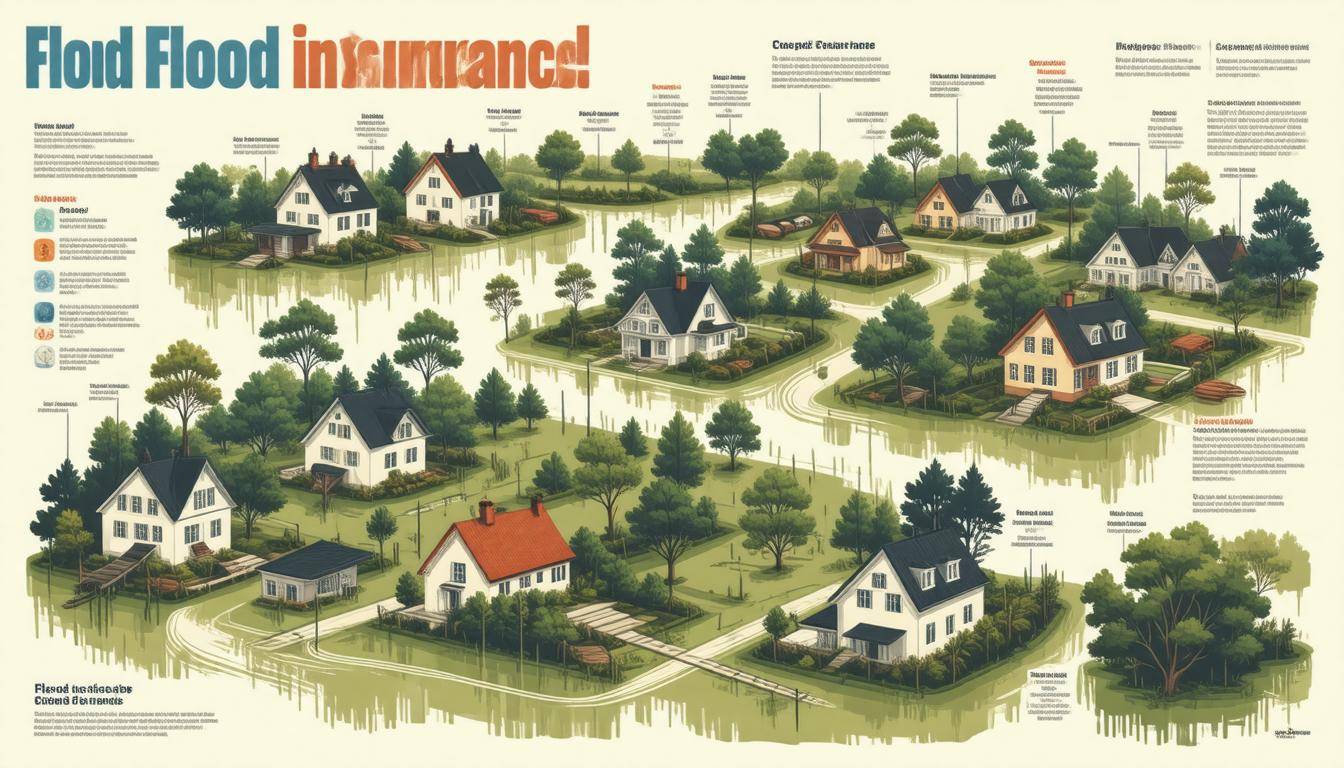
Most standard homeowners policies do not include coverage for flood damage, making separate flood insurance a critical step for those living in at-risk areas. Many people are unaware of the comprehensive options available, but being informed can provide peace of mind as hurricane seasons approach.
National Flood Insurance Program (NFIP)
The National Flood Insurance Program (NFIP) is a federal initiative that offers flood insurance to homeowners, businesses, and renters. One important consideration is the 30-day waiting period before coverage activates. This means if you purchase a policy just before the storm hits, you may find yourself without protection when you need it most. Early planning and understanding this waiting period can save you from unexpected losses.
Moreover, coverage limits under NFIP cap out at $250,000 for buildings and $100,000 for contents—constraints that might be insufficient for many homeowners.
When choosing NFIP, it’s essential to evaluate whether these limits will cover potential damages to your property. Homes located in high-flood-risk areas often face significant financial burdens during deluge events. Therefore, assess the value of your home and belongings carefully to gauge if NFIP coverage meets your needs or if additional options should be pursued.
Private Flood Insurance
Private flood insurance has become more popular among homeowners living in coastal regions. These policies typically offer higher coverage limits, ranging from $500,000 to $1 million for buildings and substantially higher contents coverage as well. Another attractive feature of private plans is their shorter waiting periods—some can take effect immediately after purchase—which can be crucial in emergency situations.
However, keep in mind that private flood insurance often comes with higher premiums compared to NFIP. A discerning homeowner must weigh these costs against the benefits of broader coverage and immediate protection.
For example, Lisa from New Jersey shared her experience: “When Hurricane Sandy hit, my NFIP policy fell short. I wish I had opted for private flood insurance for better coverage.” Her story underscores the importance of choosing a flood insurance plan that aligns with your specific risk profile.
Each homeowner’s situation regarding flooding will be different; thus, it’s vital to consider both NFIP and private options while also evaluating personal risk factors when selecting the proper flood protection policy. With this understanding laid out, we can shift our focus towards assessing property specifics and climate considerations that might influence your overall insurance strategy.
Evaluating Property and Risk Factors
Each property has its own strengths and weaknesses when it comes to weather-related vulnerabilities, especially in hurricane-prone areas. Understanding these factors is key to choosing suitable coverage that fits your home and lifestyle.
Take for example a lovely seaside cottage that seems charming—until a storm brews on the horizon. Recognizing the specific threats your property faces can make all the difference in effective insurance planning.
Risk Assessment Steps
To begin with an effective risk assessment, start by conducting a thorough inspection of your property. Look for potential weak spots such as foundation cracks and roof stability issues. A well-maintained roof can be more resistant to heavy winds, and addressing any minor cracks might save you from larger problems during hurricane season.
Building on this assessment, consider your property’s location. Calculate its distance from coastlines and flood zones. Homes situated too close to shores often bear the brunt of hurricane forces. The proximity to known hurricane paths also plays a significant role; it’s not uncommon for some regions to see multiple hurricanes over decades, which can drastically influence insurance needs.
Engaging in this comprehensive review will empower you to identify what adjustments need to be made to mitigate risks before natural disasters strike.
The next step involves reviewing historical data about past hurricanes impacting your area. This can give insights into typical wind speeds, flooding levels, and resulting damage types seen in previous storms. Sharing experiences from other homeowners can provide valuable lessons too; for instance, many have discovered that homes closer to the Gulf Coast frequently need both windstorm and flood insurance due to dual threats.
All these factors contribute significantly not only to selecting the appropriate riders but also to understanding the cost elements associated with these decisions, including any deductibles related to hurricane coverage. As we look deeper into these financial aspects, you’ll gain a clearer perspective on how best to safeguard your investment against upcoming storms while managing expenses effectively.
Cost Implications and Deductibles
Adding riders to your home insurance will indeed raise your premiums, but it’s critical to grasp the cost implications associated with them. In hurricane-prone areas such as Florida or Texas, homeowners may face significantly higher premiums due to the increased risks. On average, the cost of hurricane insurance riders in the U.S. ranges from $1,000 to $3,000 annually, with figures varying based on property value and proximity to the coast.
To provide a clearer picture:
-
Personal Effects Endorsement: Typically costs about $50 to $100 per year, offering additional protection for individual belongings.
-
Structural Damage Coverage often ranges from $300 to $500 yearly, tailored to cover repairs caused by wind and other storm-related impacts.
-
Flood Insurance (NFIP): This can average around $700 annually for coverage limits up to $250,000.
These figures illustrate how adding layers of protection can increase your expenditure but also provide you with peace of mind.
It’s interesting to note that properties in high-risk areas may see premiums spike by as much as 50% during peak hurricane season. This increase highlights the need for homeowners to plan ahead and review their insurance options before storms approach.
Now let’s turn our attention to deductibles. Hurricane insurance riders typically have different deductible structures than standard homeowners policies. Often, these deductibles are percentage-based, which means they are calculated based on the insured value of your home rather than a flat rate. This could mean that if your house is valued at $300,000 and you have a 5% deductible, you’ll need to cover $15,000 out-of-pocket before your insurance kicks in.
High deductibles might lower your premium, which can be tempting in tight economic times; however, they can also lead to significant out-of-pocket expenses when filing a claim after damage occurs. Therefore, it’s crucial for homeowners to carefully analyze their ability to cover these costs should a disaster strike.
As homeowners consider these factors, understanding how various elements interplay may influence financial decision-making regarding their property coverage. The balance between premium payments and potential claims will play a pivotal role in managing risks effectively.
Impact on Insurance Premiums
Adding a hurricane rider to your homeowners’ insurance policy indeed causes fluctuations in your annual premiums. Generally speaking, this increase may range from 5% to 15%, depending on several key factors. The location of your home plays a critical role; if you’re sitting right on the coast, you can expect higher premiums due to the elevated risk of hurricane impact. The size and value of your property also significantly influence costs because larger homes or those valued higher have greater replacement costs associated with potential damage.
Another factor that tends to fly under the radar is the type of construction your home has. For instance, homes made with more durable materials face lower premiums than those built with less resilient options—like wood—because they are better able to withstand hurricane conditions.
Additionally, your claims history comes into play here as well. If you’ve filed multiple claims in the past, insurers may view you as a higher-risk client and adjust your premium accordingly. Continuing with our exploration of potential pricing influences, the coverage limits you choose for your rider can also affect your overall costs. The higher your selected coverage limits, the steeper the premium will generally be.
Despite the additional costs associated with these riders, there exists a prevailing debate among homeowners about whether these premium increases are justified. Some people firmly believe that investing in comprehensive coverage is not merely an expense but rather a smart financial decision that safeguards their peace of mind during hurricane season. On the flip side, others contend that these premiums can be prohibitive, especially if they are already stretched thin financially or don’t see a significant risk for hurricanes in their area.
As you weigh these factors regarding hurricane riders and their impact on premiums, it’s equally important to explore the necessary steps one should take when it’s time to file a claim in the event of a loss.
Steps to Make a Claim
Making a hurricane insurance claim involves following certain procedures to ensure you receive the compensation you deserve. The first step is perhaps one of the most crucial: documenting the damage. As soon as it is safe, take detailed photos or videos of all affected areas and items, capturing both wide angles and close-ups. This preserves evidence for your claim and helps illustrate the full scope of the damage. Avoid cleaning or making any repairs until your insurance adjuster has inspected the site—this could affect your coverage.
Once you’ve documented everything, the next step is to promptly notify your insurance company.
You’ll want to contact them as soon as possible, ideally within 24 hours of the damage occurring. Be ready with your policy number and details about what happened. This information allows your provider to process your claim swiftly. It’s imperative that you record the date and time of your calls, as well as the names of representatives you speak with. This will provide a communication trail should you need to follow up later.
Now that you’ve reported the loss, it’s time to think about any immediate necessary actions.
While waiting for an adjuster to assess the damage, take care to make temporary repairs to prevent further deterioration. This could involve covering broken windows with plastic or tarping a damaged roof. Keep all receipts related to these repairs, as they can often be reimbursed under your policy. It’s essential to document even minor efforts; diligence here showcases your commitment to minimizing damage.
After those immediate steps are taken, you’ll need to schedule a strategic meeting with an insurance adjuster.
When the adjuster visits, they’ll evaluate both the damage and loss of personal property. Make sure you’re available during this assessment, and prepare yourself by gathering documentation supporting your claims—like receipts for expensive items or proof of maintenance if applicable. This face-to-face interaction can be pivotal; feel free to ask questions or clarify anything you’re unsure about while they’re there.
Finally, you’re almost at the finish line, but don’t forget about submitting necessary paperwork.
After meeting with the adjuster, complete and submit all required claim forms as soon as possible. Ensure that every detail is accurately filled out; double-check against your policy’s requirements. The sooner these documents reach your insurance company, the quicker they can move forward in processing your claim. If possible, follow up after submission to confirm receipt and inquire about next steps.
“During Hurricane Irma,” reflects Mark from Florida, “following a clear claims process helped me get the needed payout quickly.” His experience underscores how vital understanding these steps can be during stressful times.
Mastering this claims process is crucial when navigating disaster recovery; knowing how best to approach it maximizes your chances of securing timely support for rebuilding and moving forward into assessing whether you truly need hurricane protection in place.
Is Hurricane Insurance Essential for You?
Determining the necessity of hurricane insurance isn’t a one-size-fits-all answer; it revolves around a blend of personal circumstances and geographic realities. The key is to understand that while hurricanes may seem distant for some, the impact and unpredictability of climate change can bring such storms closer than anticipated. Thus, assessing your environment, along with your financial situation, is crucial.
Regional Necessity
For residents in highly vulnerable areas like Florida, Texas, and Louisiana, purchasing hurricane insurance is typically seen as a mandatory safety net. These states have historically experienced frequent storms, meaning people often rely on this insurance for peace of mind. On the other hand, if you live further inland—perhaps in regions where hurricanes have less direct impact—you might feel that purchasing additional coverage is optional.
Yet remember that flooding can still affect even the most central locations during heavy storms, so it’s wise to keep potential weather patterns in mind.
It’s not just your immediate environment but also the surrounding ecosystems that can heighten risks. As wildfires in California have prompted changes in insurance laws—like those introduced by Senate Bill 824—it shows how natural disasters influence regulations and consumer protection policies. These insights underscore that we live in a changing world where disaster preparation can’t be underestimated.
Financial Considerations
Now let’s talk finances. It’s important to weigh your ability to recover from hurricane damage without the safety net of insurance. Think about it: if your home sustains significant damage requiring thousands to repair, will you be able to manage those costs out-of-pocket? If potential expenses outweigh the premium payments for coverage, acquiring hurricane insurance could be economically sensible.
Statistical data supports this notion. According to the Insurance Information Institute, hurricanes resulted in $54 billion in insured losses across the United States in 2020 alone. This figure serves as a stark reminder of the financial implications of these catastrophic events and reinforces how critical it is to assess your vulnerability accurately.
In summary, evaluating your specific needs involves looking beyond simple statistics. It requires an honest appraisal of both your geographical risks and financial preparedness to confront the aftermath should a hurricane strike your area.
By taking these perspectives into account, you’ll be equipped to make an informed decision about whether hurricane insurance fits into your risk management strategy.
With careful consideration of both regional vulnerabilities and personal financial landscapes, you can navigate your choices regarding hurricane insurance effectively. Understanding these elements can ultimately help safeguard your future against unexpected weather-related events.
How do I determine if I need a hurricane rider for my home?
To determine if you need a hurricane rider for your home, consider your geographic location, as areas prone to hurricanes are at a higher risk. For instance, the National Oceanic and Atmospheric Administration (NOAA) reports that 30% of all U.S. hurricane landfalls occur in the Southeastern states. Additionally, evaluate your current insurance coverage; standard homeowners’ policies often do not cover flood damage caused by hurricanes. If you’re in a high-risk zone or have valuable assets, acquiring a hurricane rider can be essential to safeguarding your home against potentially catastrophic losses.
How can one compare different hurricane insurance riders from various insurance providers effectively?
To effectively compare different hurricane insurance riders from various providers, start by reviewing the coverage limits, deductibles, and exclusions associated with each rider. Utilize online comparison tools and gather quotes to assess cost variations; studies show that homeowners can save an average of 20% by comparing multiple options. Additionally, check customer reviews and ratings for insights into claims processing and provider reliability, ensuring you’re not only paying attention to price but also the quality of service.
Are there any exclusions typically found in hurricane insurance riders that homeowners should be aware of?
Yes, there are several common exclusions in hurricane insurance riders that homeowners should be aware of. Typically, these may include damage due to flooding, wind-driven rain, and mold growth, which are often not covered unless specifically included in the policy. According to the National Association of Insurance Commissioners (NAIC), approximately 60% of homeowners do not have flood insurance despite living in hurricane-prone areas, making it crucial for them to understand these exclusions. Moreover, any pre-existing damage or lack of proper maintenance could also lead to claims being denied, highlighting the importance of diligent home upkeep and comprehensive policy review.
What specific protections do hurricane insurance riders offer that standard policies do not?
Hurricane insurance riders offer specific protections such as coverage for wind damage, additional living expenses during evacuation, and higher limits on personal property protection that standard homeowners’ policies typically exclude or limit. For instance, while a standard policy may cover certain damages under a general peril clause, riders can provide tailored protection for severe hurricane-related events, which accounted for over $20 billion in insured losses in the U.S. in 2020 alone. By adding these riders, homeowners enhance their financial security against devastating storm impacts that might otherwise lead to significant out-of-pocket costs.
What factors influence the cost of hurricane insurance riders?
The cost of hurricane insurance riders is influenced by several factors, including the property’s location, construction type, elevation, and the coverage limits chosen. For instance, homes in coastal areas often face higher premiums due to increased risk of storm damage. Additionally, houses built with more resilient materials may qualify for lower rates. According to the Insurance Information Institute, properties in high-risk zones can see premium increases of up to 50% compared to those in safer areas, reflecting the need for tailored coverage based on individual risk profiles.