
When the weather channel warns of an ice storm headed your way, it’s time to start preparing. Ice storms can be more than just a pretty sight; they often lead to major power outages that can last for days. If you’ve ever found yourself sitting in the dark with frigid air creeping through your home, you know how important it is to have a plan in place. While snowmen might be fun, icy roads and downed power lines are not. So, let’s dive into how you can ensure your safety and comfort during these chilly events—because being prepared isn’t just smart; it can also make a tough situation feel a little less daunting.
To effectively plan for a power outage during an ice storm, ensure you have flashlights and a battery-powered radio with extra batteries ready for emergency updates. Additionally, stock up on non-perishable food, fill containers with water for sanitation, maintain sufficient heating fuel, and prepare alternative heating sources to stay warm and safe throughout the storm.

Assessing the Situation and Risk
Understanding the risks associated with ice storms is the first critical step in your preparation. Ice storms can wreak havoc by downing power lines and trees, leading to unexpected and lengthy outages that may last for days. Significant ice accumulation can easily cause power outages due to damaged infrastructure or fallen branches. As you’re tracking weather forecasts from reliable sources like the National Weather Service, consider evaluating your local area’s history with severe weather. This isn’t just about being aware; it’s about knowing how your region typically responds to icy conditions and what has happened in the past.
Statistics show that certain regions, particularly the Northeast and Midwest, experience more frequent ice storms than others—up to two to three significant ice events each winter season. These areas are prone to lengthy outages during such events, impacting everything from transportation to utility services. Recognizing these patterns enables you to predict likely scenarios and plan accordingly.
But acknowledging the risk is only half the battle, as you need to create a plan that addresses those vulnerabilities head-on.
Understanding Local Risk Levels
Take some time to check how climate changes impact your area. Is it increasingly common for ice storms to hit? How often have they caused damage in your neighborhood? Understanding this localized risk level is key. It informs not just your personal preparations but also helps you understand community resources that may be available during emergencies.
The NOAA reports that significant weather events result in approximately 1.5 million people facing power outages annually. Being among those who are well-prepared is invaluable when others might struggle.
Now that you’ve assessed both current and historical risks, it’s essential to think strategically about how to protect yourself and your property.
Creating a Risk Mitigation Plan
Start by identifying specific vulnerabilities surrounding your home. For instance, look for overhanging tree branches or limbs that could pose a threat if weighed down by ice. Pruning those back can be a preventative measure against potential hazards during such storms.
It’s a good idea to reinforce your living area, making sure doors and windows are sealed properly against any drafts or freezing air.
Building a robust mitigation plan includes checking larger structural components like roofs and gutters. Ensuring they are securely attached can prevent damage from falling debris. In addition, investing in storm windows or strong plastic coverings provides extra insulation while also reducing potential window breakage from hail or heavy ice.
- Inspect overhanging tree branches regularly.
- Reinforce doors with heavy-duty locks.
- Use weather stripping on windows.
- Install storm windows where possible.
By methodically evaluating these aspects of safety ahead of an impending storm, you’ll set yourself up for greater resilience when conditions get tough. The path forward involves gathering essential supplies to further enhance your readiness for any impending weather challenges.
Stocking Up on Essential Supplies
One of the keys to surviving an ice storm is having a well-stocked supply kit ready to go when disaster strikes. When I experienced my first major winter storm, I quickly learned a lot about what essentials to gather. Your emergency supplies should encompass not only food and water but also various tools and resources that ensure your safety and comfort while waiting out the storm.
Emergency Kit Basics
Start by creating your emergency kit with guidance from reliable sources like the American Red Cross, which recommends having a minimum three-day supply of essential items—aim for a week or more for added peace of mind. Think about your family’s specific needs including dietary restrictions or medical supplies; customization is key.
As you gather items, focus on non-perishable foods that will last through the waiting period without compromising nutrition. Canned goods such as soups, beans, and vegetables can be lifesavers, providing balanced meals without requiring refrigeration. Imagine opening a can of hearty vegetable soup after a long day without power; it warms both the body and spirit.
In addition to food, don’t forget bottled water; aim for at least one gallon per person per day, covering hydration and sanitation needs. It’s wise to fill up bathtubs or large containers ahead of time in case the water supply is disrupted. This extra effort can save you a lot of hassle when you’re in the thick of things.
As you build your emergency kit, consider including items such as:
- Canned food (soups, beans, vegetables)
- Dry goods (rice, pasta, cereals)
- A portable camp stove with fuel
- Personal hygiene items like soap and hand sanitizer
- A multi-tool or duct tape for quick fixes
While these supplies sustain you through daily needs, maintaining warmth during the freezing temperatures brought on by ice storms is equally important. This leads us to examine strategies for ensuring adequate food and water availability throughout your emergency preparations.
Ensuring Food and Water Availability
First and foremost, as you prepare for the onslaught of an ice storm, it’s essential to think about how you’ll secure sufficient food and water supplies. Ice storms can disrupt regular supply chains, so having a well-thought-out plan in place will ensure your family remains safe and nourished throughout the duration of any outages.
Start by considering your daily needs—on average, each person requires about one gallon of water per day. This includes not only drinking but also sanitation purposes. As challenging as it may be, it’s crucial to stock up before the storm with enough water for at least three days.
Water Storage Strategies
One of the most effective strategies for storing water is filling large containers or barrels ahead of time. When possible, fill your bathtub as a last-minute reservoir—this method can hold a significant amount of water. Make sure to have lids or coverings for these containers to prevent contamination.
Remember the saying: “An ounce of prevention is worth a pound of cure.” Ensuring your water storage solutions are clean and covered will save you from unforeseen trouble later on.
Don’t forget to also consider alternative water options! Think about investing in purification tablets or filters; these can serve you well if your primary sources run dry or become contaminated. Additionally, plan for non-drinkable uses like flushing toilets when plumbing is out by setting aside extra filled containers.
Food Safety Measures
Now that you’ve tackled your water supply, it’s time to focus on your food situation. Non-perishable items like canned goods, dried fruits, nuts, and granola bars are your best friends when preparing for an extended outage. As you start stocking up, keep an eye on expiration dates to ensure freshness. Store your emergency rations in a cool, dry place to prolong their shelf life. Setting a reminder to check these supplies regularly can help avoid surprises when you need them most.
If you have perishable items—like dairy products or meats—consider using coolers and ice packs during short outages to keep those items fresh longer. It’s important to maintain proper storage techniques; especially if you’re dealing with refrigeration issues from power outages, keeping perishables at the right temperature can mean the difference between good meals and spoiled goods.
Securing basic supplies is crucial, but ensuring warmth after the storm demands additional preparation. With adequate nutrition and hydration in hand, you’ll be better equipped to face challenges that lie ahead.
Maintaining Warmth and Personal Protection
In freezing conditions, your ability to keep warm can mean the difference between safety and discomfort. The best strategy involves layering your clothing. Rather than throwing on one thick sweater, start with a moisture-wicking base layer. This type of fabric pulls sweat away from your skin, keeping you dry. Next, add an insulating layer like fleece which traps warm air close to your body. Finally, top it off with a windproof and waterproof outer layer to shield yourself from the elements. The combination creates an effective barrier against cold temperatures while maintaining comfort.
Another critical piece of advice: don’t forget your extremities! Approximately 10% of body heat escapes through the head, so wearing a wool hat becomes essential. Thermal socks also play a vital role; your feet are prone to getting cold quickly, and insulated socks help retain heat. A pair of good gloves can make all the difference in keeping your hands warm since they often get neglected.
Now let’s discuss heating alternatives in case you lose power. Utilizing a fireplace or wood stove can provide that much-needed warmth during an outage, but never forget the importance of ventilation. Improper use can lead to dangerous situations, including carbon monoxide poisoning. In fact, statistics show that approximately 430 people in the U.S. die each year from CO poisoning, underscoring the need for proper ventilation when using alternative heating sources.
While ensuring warmth is crucial, we must also prepare for other challenges that come with winter storms.
Understanding how to manage your personal surroundings will create a more efficient winter storm readiness plan. Keeping blankets and sleeping bags on hand is another easy yet effective step; ensure at least one thermal blanket per person for sleeping arrangements if temperatures dip significantly overnight. Additionally, seal any gaps around windows and doors with duct tape or even towels to prevent drafts.
Always have an emergency kit prepared as part of your overall strategy. This kit should include hand warmers, extra socks, gloves, hats, and even fuel for stoves if they are battery-operated or safe for indoor use. These supplies can help maintain heat and comfort without electricity.
As we continue exploring ways to stay safe during extreme weather events, it’s vital to focus on strategies specifically tailored for enduring prolonged disruptions to power supply.
Preparing for Extended Power Outages
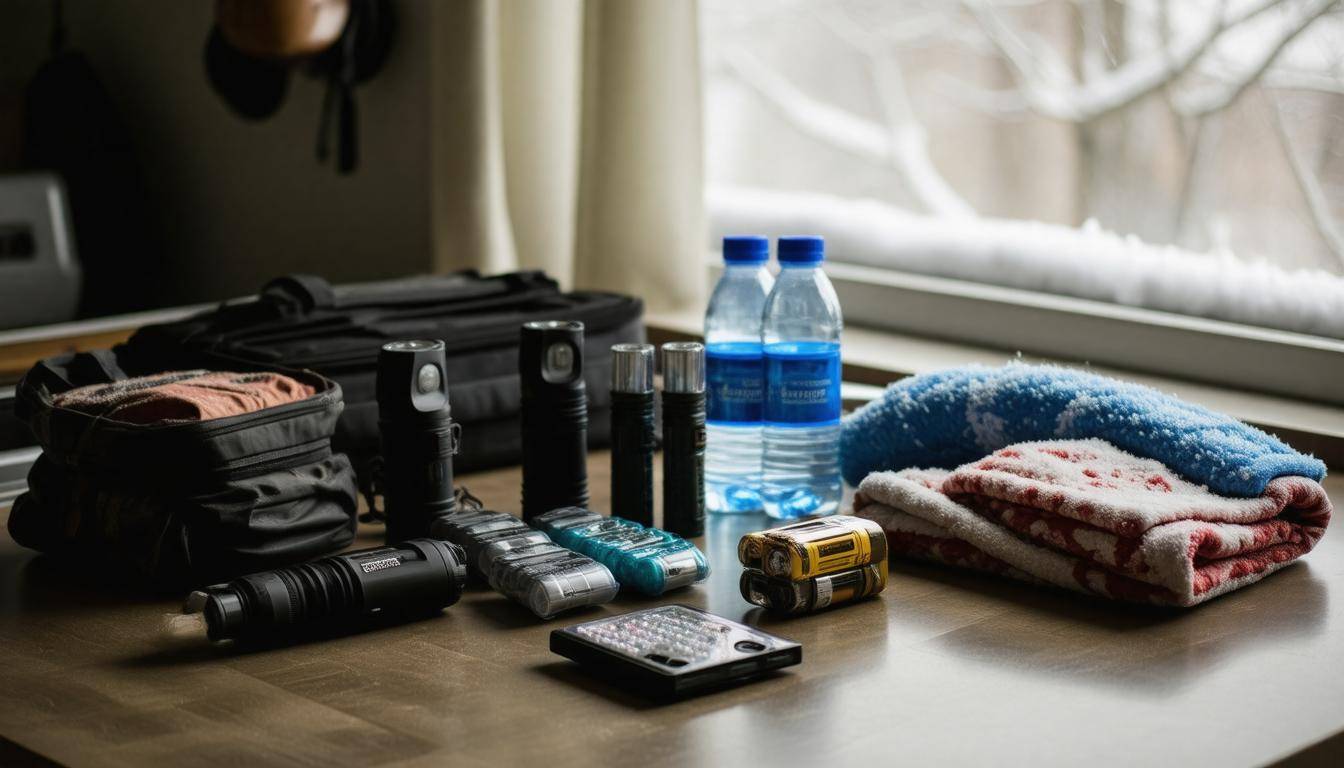
Extended power outages demand a shift in mindset as you transition from relying on conveniences to embracing self-sufficiency. Being prepared is not just about having enough food and water; it also involves ensuring your heating, lighting, and communication systems remain operational. You will feel more secure knowing that you’ve taken the necessary steps to safeguard yourself and your loved ones.
Long-term Strategies
When planning for a two-week outage, start with the essentials. First, stock up on batteries; they power everything from flashlights to radios. Keep a variety of sizes—AA, AAA—handy because they’ll be crucial when you need light or updates on storm conditions.
Have you ever found yourself fumbling around for batteries during an outage? It’s frustrating. By preparing ahead, you’ll never be left in the dark—literally.
Next up, grab a manual can opener if you haven’t already. There’s something so reassuring about being able to open a can of food without needing electricity. When I bought one before my first winter storm, it felt like a small but significant investment in my autonomy; it’s freedom in a can!
Now let’s talk technology: make sure all your devices are charged up, using portable power banks for phones and tablets. Life doesn’t stop during an outage, and you’ll want your phone to reach out for help or connect with others. In times like these, those tiny gadgets become lifelines rather than luxuries.
“During the Texas ice storm, our battery-operated radio was a lifeline. It kept us informed when everything else failed,” recalls Jane Doe, a storm survivor.
While stocking up on supplies is critical, having alternative power sources can greatly extend your capacity to cope.
Backup Solutions
Generators are a fantastic backup solution that can keep essential appliances running during an extended outage. Before investing in one, however, consider where you’ll place it—safety is paramount because generators emit carbon monoxide and should always be operated outside away from windows and doors. A well-placed generator doesn’t just provide power; it provides peace of mind too.
Additionally, don’t forget about fuel reserves—gasoline doesn’t last forever, so consider storing propane or natural gas if your generator has that flexibility. Making sure you have enough fuel will give you the choice to power your home independently for longer stretches while others might be struggling.
Remember: Safety first! Make sure you understand how to operate any generators safely and maintain them well.
Investing time upfront offers not only security but the peace of mind required during challenging weather conditions.
With the right preparations in place, exploring various methods of maintaining your home’s energy supply becomes increasingly important as we face unpredictable weather patterns.
Generators and Backup Power Solutions
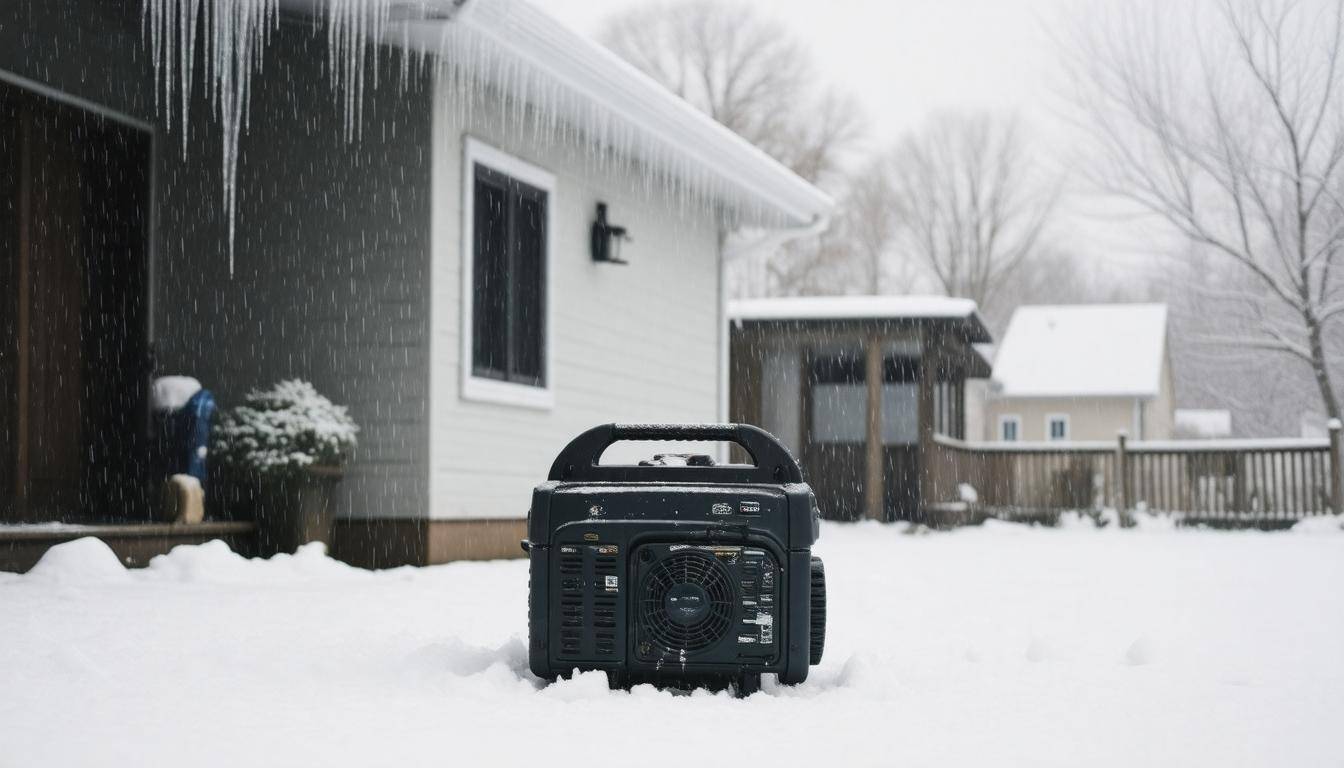
Generators are essential tools for maintaining comfort and safety when severe weather strikes and utility services are interrupted. Having a solid backup power solution in place can mean the difference between enduring a minor inconvenience and facing major disruptions in daily life. Imagine being without heat during freezing temperatures or dealing with food spoilage because the refrigerator has gone dark; these situations highlight just how crucial generators can be.
Choosing the Right Generator
When selecting a generator, it’s vital to evaluate your power requirements carefully. Portable generators offer flexibility but typically provide limited wattage—enough for essentials such as your refrigerator, a few lights, and perhaps a heater. In contrast, standby generators provide much higher output and can support your entire home during prolonged outages; they kick in automatically if the grid goes down, which is highly advantageous in emergencies.
According to Consumer Reports, around 7,500 watts is generally sufficient for most homes, covering critical appliances without overloading the system.
Installation and Safety
Installation plays a significant role in ensuring safe operation. Always follow the manufacturer’s instructions closely when setting up your generator, and don’t hesitate to consult professionals if you are unsure about specific steps. It’s crucial to position the generator outdoors, away from windows and doors to prevent carbon monoxide buildup—a silent killer that can easily infiltrate your home. Installing a carbon monoxide detector near sleeping areas can offer an additional layer of safety.
Furthermore, ensure any electrical connections adhere to local codes and regulations—this not only protects your home but also enhances generator longevity.
While having a generator is fantastic for maintaining power, complementary solutions like adequate lighting and communication tools are equally important during an outage.
Effective Lighting and Communication
During power outages, such as those caused by ice storms, having effective lighting and a solid communication plan in place is crucial. It not only brightens up dark spaces but also keeps you connected to vital information. Imagine sitting in a dark living room, listening to the wind howling outside, and suddenly feeling a sense of calm because you’ve already set up reliable light sources and communication devices.
Portable Lighting Solutions
First things first: stock up on LED flashlights, lanterns, and headlamps. With their minimal energy consumption and impressive battery life, these LED options can last far longer than traditional bulbs. You might be surprised at how reassuring it is to have lights that won’t flicker out in just a few hours when you need them most.
As an added touch, consider solar-powered lanterns or hand-crank flashlights. These are not only great alternatives when battery supplies may run low, but they also promote sustainability by using renewable energy sources.
| Device | Battery Life (hrs) | Best Use |
|---|---|---|
| LED Flashlight | 50 | Basic navigation |
| Solar Lantern | Unlimited | General lighting |
| Hand-crank Radio | Unlimited | Emergency communication |
It’s also wise to think about your communication needs. A battery-powered or hand-crank emergency radio is essential for receiving weather updates and alerts during severe conditions. Many of these radios can last anywhere from 20 to 30 hours on a single charge, making them reliable for prolonged outages. If you combine this with a portable charger to keep your mobile devices powered, you’ll ensure that you’re always informed and able to reach out for help if necessary.
While lighting and communication tools are indispensable assets for navigating power outages, it’s crucial to consider how to maintain safety amidst the potential hazards posed by severe weather.
Home Safety Measures During Ice Storms
Safety is paramount during an ice storm; the unpredictable nature of winter weather can create hazardous situations both indoors and outdoors. It’s essential to take a proactive approach towards home safety measures that will mitigate risks, ensuring your home is secure and ready for whatever Mother Nature throws your way.
Indoor Precautions
Start with indoor safety by ensuring you have fire extinguishers readily available. This preparation is crucial if you rely on candles or portable heaters, which are common sources of heat during power outages but can also pose fire hazards. Make sure these extinguishers are easily accessible and check them periodically to confirm they’re fully charged and in working order.
Additionally, it’s essential to childproof your space effectively. Heavy furniture and décor items can become dangerous if moved during high winds or shifting temperatures that cause structural instability. Secure these items using wall anchors or straps, especially in areas frequented by children or pets to minimize the chance of injury from falling objects.
Regularly inspect your smoke detectors and carbon monoxide detectors to ensure they function correctly. These devices are your first line of defense against potential emergencies caused by heating devices or even cooking hazards when electricity goes out. Monthly testing ensures you’re prepared for unforeseen issues.
Outdoor Precautions
Step outside and survey your property before the storm hits. The best advice is often simply to stay inside whenever possible during an ice storm. Falling branches can break through windows, and icy surfaces increase the risk of slips and falls; both accidents can lead to severe injuries. Thus, limiting trips outside enhances your safety.
If you must go outdoors—perhaps to check on neighbors or clear pathways—wear appropriate gear such as non-slip boots, heavy coats, and insulated gloves. Dressing in layers protects you from frostbite while adding warmth. Consider carrying a sturdy stick or walking poles for enhanced balance on slick surfaces; these tools provide additional support when navigating uneven or icy terrains.
Prepare for power outages by clearing snow away from vents and outdoor heating units to ensure they remain functional when needed most. Frosty conditions can quickly obstruct critical exhausts or intakes, leading to heating systems malfunctioning.
Taking these precautions ensures that your home remains a safe sanctuary during ice storms and provides vital knowledge for maintaining safety while respecting nature’s powerful forces. By being prepared both inside and outside, you greatly enhance your resilience against the harshness of winter storms.
What steps can I take to protect my home’s plumbing from freezing temperatures during a power outage?
To protect your home’s plumbing from freezing temperatures during a power outage, insulate exposed pipes with foam sleeves or heating tape, let faucets drip to keep water flowing, and open cabinet doors under sinks to allow warm air circulation. According to the American Society of Home Inspectors, frozen pipes can cause significant damage, with repair costs averaging over $5,000. Additionally, maintaining the home’s temperature above 55°F is crucial in preventing pipe freeze-ups.
What essential supplies should I stock up on for a power outage caused by an ice storm?
For a power outage caused by an ice storm, essential supplies to stock up on include non-perishable food items, bottled water (at least one gallon per person per day), flashlights with extra batteries, blankets for warmth, and a battery-powered or hand-crank radio for updates. According to the Red Cross, having these supplies can make a significant difference in safety and comfort during prolonged outages, especially since ice storms can leave communities without electricity for several days.
How do I safely store perishable food during an extended power loss from an ice storm?
During an extended power loss from an ice storm, safely store perishable food by keeping the refrigerator and freezer doors closed as much as possible to maintain a cooler temperature. Food in a full freezer can stay frozen for about 48 hours if unopened, while a half-full freezer lasts approximately 24 hours. Use coolers with ice packs for additional items, and prioritize consuming perishables first. Always check the temperature of the food before consumption—if it exceeds 40°F (4°C) for more than two hours, it’s best to discard it to prevent foodborne illnesses.
How can I create an emergency plan for my family in the event of a prolonged power outage during an ice storm?
To create an effective emergency plan for your family during a prolonged power outage due to an ice storm, begin by identifying a safe, warm location in your home and designate it as the family’s gathering point. Ensure you have backup power sources such as portable chargers for devices and a generator, if possible. Stock up on non-perishable food, bottled water (at least one gallon per person per day), and essential medications. Create a communication plan that includes an out-of-area contact, as local lines may be down; statistics show that nearly 75% of ice storms lead to power outages lasting more than 24 hours. Regularly review and practice your plan with all family members to ensure everyone knows what to do in case of an emergency.
What types of portable generators are recommended for use during ice storm-related power outages?
For ice storm-related power outages, inverter generators and traditional portable generators are highly recommended. Inverter generators are quieter, more fuel-efficient, and provide stable power suitable for sensitive electronics, making them ideal for homes with modern appliances. Traditional portable generators offer higher wattage output, making them effective for running multiple heavy-duty devices simultaneously. According to a 2022 survey by the American Red Cross, families using generators experienced 30% less inconvenience during extended outages. Always ensure generators are used outside to prevent carbon monoxide buildup.