
Traveling to Iceland can be an unforgettable adventure, but it also comes with its fair share of surprises—especially when it comes to nature’s unpredictable ways. Imagine standing in awe of a volcano or gazing at the Northern Lights one moment, then suddenly facing a snowstorm or ash cloud the next. That’s why being prepared is essential if you want to enjoy your trip while staying safe. Over the years, I’ve learned that having the right emergency supplies can make all the difference between a wonderful experience and a stressful one. In this guide, we’ll explore what you should include in your Iceland Volcanic & Winter Emergency Kit to ensure you’re ready for whatever Mother Nature throws your way.
An Iceland Volcanic & Winter Emergency Kit should include a comprehensive first aid kit, warm clothing layers, non-perishable food, water purification tablets, flashlight with extra batteries, a collapsible shovel for snow, and a map of the region. Additionally, consider including portable chargers for your devices and hand warmers to ensure you are adequately prepared for any emergencies that may arise in these extreme conditions.
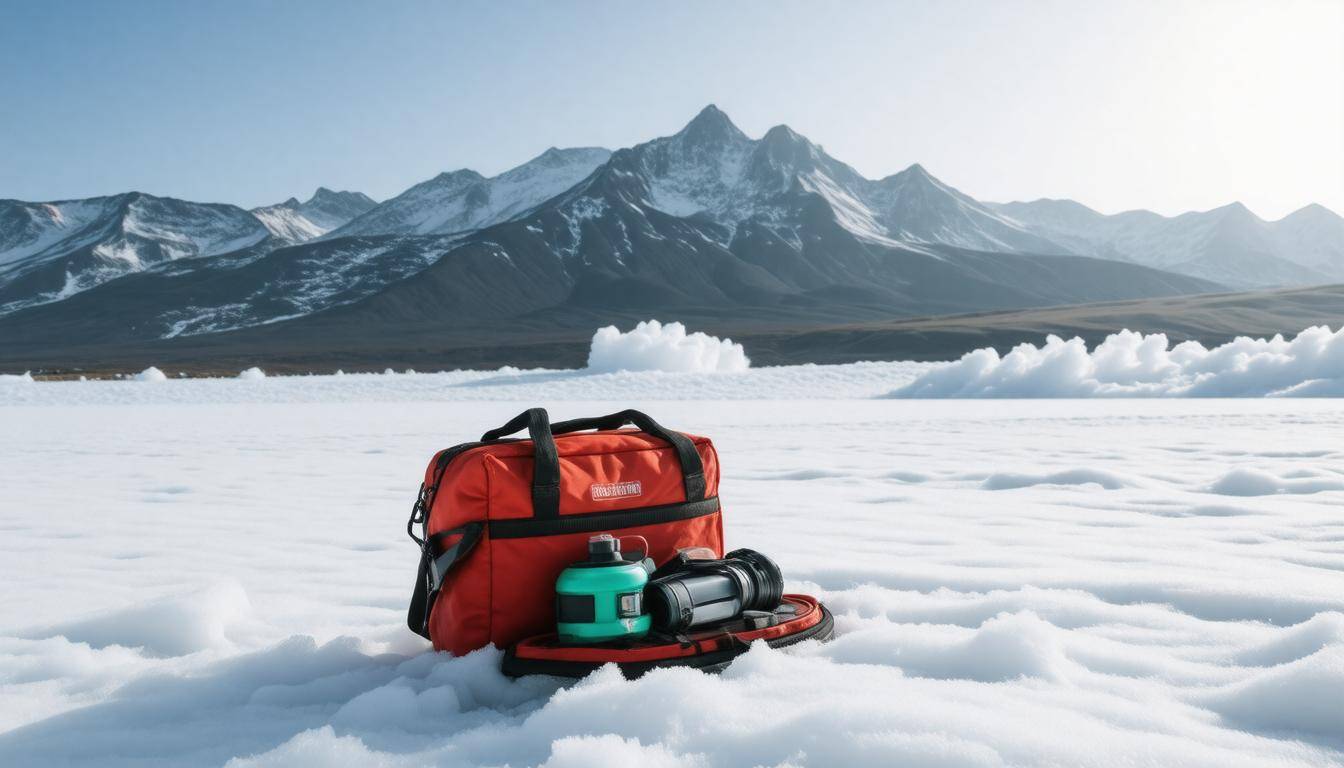
Preparing for Icelandic Emergencies
The unpredictable nature of Iceland’s environment, including volcanic activity and harsh winter weather, necessitates a good amount of pre-planning. When thinking about emergencies, one should consider both natural and logistical difficulties. A sudden volcanic eruption may sound far-fetched while enjoying the scenic beauty, but ash clouds can disrupt travel plans and pose serious health risks if inhaled. Furthermore, winter storms can blanket roads with ice, creating hazardous conditions that even the most capable drivers can struggle to navigate.
Let’s revisit Anna’s story. Her experience during a ferocious blizzard wasn’t merely a stroke of luck. It was born from awareness and preparation. She not only had a collapsible shovel but also brought extra blankets and non-perishable food in her kit. This foresight proved critical when she found herself waiting out the storm until help could arrive. Having provisions ensured her safety and comfort, even in an uncomfortable situation.
One of the prime ways to stay ahead of these challenges is through a comprehensive emergency supplies checklist. Essential items include:
- A first aid kit stocked with butterfly stitches and pain relievers.
- A flashlight with extra batteries for times when daylight dwindles rapidly.
- Portable phone chargers to keep devices alive for navigating in remote areas.
- A whistle to signal for attention in emergencies.
- A multi-tool or Swiss Army knife capable of handling unforeseen tasks.
The importance of this preparedness can’t be overstated; having these basic supplies on hand allows travelers to safely manage crises as they arise rather than find themselves vulnerable without resources.
Another crucial aspect of preparing for emergencies in Iceland is being informed about the local resources available to you.
Local support networks are invaluable. Travel tips suggest having emergency contact numbers easily accessible—such as the general emergency number 112—and keeping information for local medical services handy. Pharmacies may not always open late at night, making personal medical supplies essential too. Communication can be difficult; some people have found that traditional methods using eSIMs or messaging apps sometimes fail in remote areas. Being prepared with alternative methods like hard copies of maps or personal GPS devices can prevent you from feeling lost if technology fails.
Preparation isn’t just about what you carry but also understanding potential risks that come with traveling through such beautiful yet volatile landscapes. Familiarizing yourself with the likelihood of volcanic eruptions—high when considering historical activity patterns—empowers you to respond proactively rather than reactively. Awareness helps ensure safety as you traverse Iceland’s rugged beauty.
With all these considerations, taking time before your trip to prepare adequately becomes one of your most rewarding endeavors while exploring this magnificent land.
Now that we’ve covered the essentials for navigating potential emergencies, let’s turn our attention to specific items that will enhance your preparedness while out in the wild.
Essential Items for Your Emergency Kit
First and foremost, consider including a first aid kit in your emergency supplies. This should not just be a basic collection of random supplies but rather a thoughtful arrangement of essentials. For instance, adhesive bandages, antiseptic wipes, and pain relievers are the bare minimum. You might also want to add items like butterfly stitches and gauze pads, which can be invaluable if you find yourself with an unexpected injury in a remote area. As one traveler shared after experiencing a medical emergency in Vik: having these items on hand made all the difference when seeking care.
Next up on your list should be high-energy snacks such as nuts or energy bars. These are crucial for maintaining your stamina if you get stranded, and let’s face it: hiking on an empty stomach isn’t fun. They’re lightweight, easy to pack, and require no preparation—perfect for those moments when you’re stuck without access to food sources.
While sustenance is vital, tools are equally important in emergencies. A multi-tool should be a cornerstone of your emergency gear. This versatile gadget can assist with various unforeseen circumstances, from repairing gear to even cooking if needed. Its compact nature means you won’t have to sacrifice precious space while carrying it.
When thinking about keeping warm during an emergency situation, reflective blankets are a lifesaver. They can play a critical role if your car breaks down in cold weather or during winter storms; they help retain body heat efficiently. Easy to pack and incredibly effective, these little blankets offer warmth when every degree counts.
Don’t overlook the importance of a whistle either; it’s a small item that can be a big deal in emergencies. If you’re lost or need to signal for help, using a whistle is far more effective than shouting—your voice gets tired quickly, but a whistle can carry across long distances.
Additionally, you should include waterproof matches or fire starters in your kit. Being able to start a fire offers warmth, light, and the ability to cook if necessary under adverse conditions. Fire has always been an essential part of survival, so don’t leave home without these necessary tools.
According to the Icelandic Red Cross, road flares are also highly recommended for increasing visibility in case you need to make an emergency stop on icy roads. An astounding 85% of stranded travelers found having road flares and high-energy snacks crucial for maintaining safety and visibility during their unexpected situations.
As you compile your emergency kit with these thoughtful items, being proactive can make all the difference when faced with unexpected challenges. By understanding what risks lie ahead, you can enhance your preparedness for navigating Iceland’s rugged landscape. Having this knowledge is vital before addressing how nature’s unpredictable elements may impact your journey.
Volcanic Eruptions and Storms Precautions
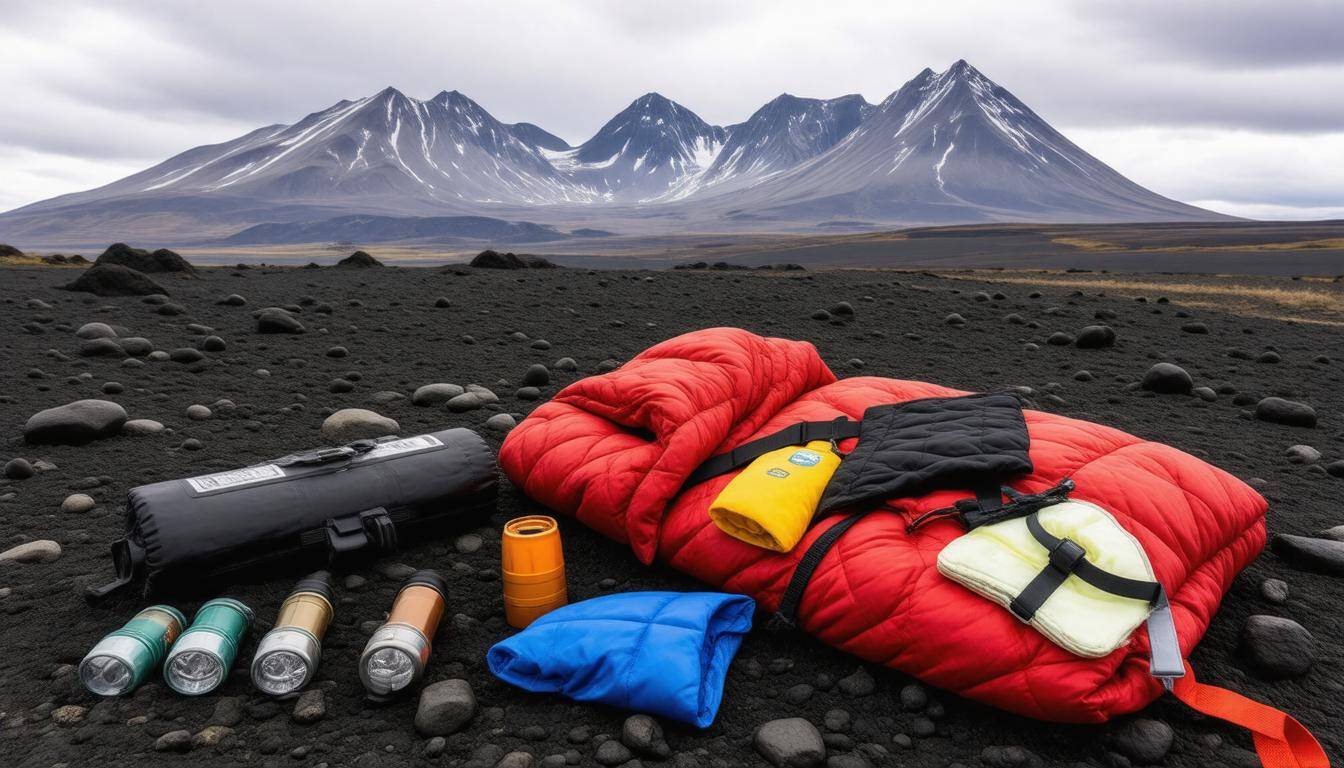
Understanding how to navigate potential threats in Iceland begins with vigilance. Regularly monitoring volcano alerts is crucial, as the unpredictability of these natural phenomena cannot be overstated. The Icelandic Meteorological Office provides comprehensive updates through their website and mobile app, making it easy to stay informed. Imagine deciding to explore the breathtaking terrain of Iceland only to find yourself caught off-guard by a sudden eruption. Accessing real-time information could mean the difference between disaster and safety.
Taking proactive steps ensures that you’re not merely reacting to situations but instead anticipating them, fostering a greater sense of security during your travels.
Just envision it: you’ve been hiking and suddenly, fine ash particles begin spilling from the sky. Keeping a dust mask and safety goggles in your kit is paramount—not only can they protect your respiratory function, but having them readily available can significantly ease discomfort from ash inhalation. Survivors of past eruptions learned firsthand that immediate access to masks made all the difference; some even carried extra filters due to how rapidly conditions can deteriorate. This isn’t just preparation; it’s about creating a safety net for your adventure.
Winter Storm Preparedness
When you think of Iceland’s winter landscape, you might picture serene snowy vistas—but beneath that beauty lies peril, particularly when it comes to driving. Always travel equipped with snow chains for your tires during winter months. Statistics show that vehicles using snow chains experience a staggering 40% lower risk of accidents on icy roads. The simple act of attaching these tools can dramatically enhance your grip on treacherous terrain.
Furthermore, equipment failures are often side effects of extreme weather, making it wise to have a backup power source on hand.
A portable battery pack can keep critical devices operational during power outages or unforeseen emergencies, ensuring that you remain connected with navigation resources and emergency contacts should something go awry. Lost power isn’t merely an inconvenience; it can lead to disorientation if GPS fails when you need it most. Being stuck in an unfamiliar location without any way to contact help makes backup options feel like carrying an extra insurance policy for your adventures.
While we all love the picturesque views that come with winter storms, nobody imagines themselves caught behind the wheel struggling against nature! Being prepared can bring peace of mind even as you’re soaking in Iceland’s incredible sights.
By acknowledging these elements—keeping abreast of volcanic activity, preparing for ash fallout, maintaining vehicle safety during winter, and ensuring power sources—you empower yourself against unpredictability and danger while exploring this fascinating region.
With such preparation firmly established as a priority, we can now shift gears to discuss how appropriate clothing and gear can impact your experience during these adventures.
Protective Clothing and Gear
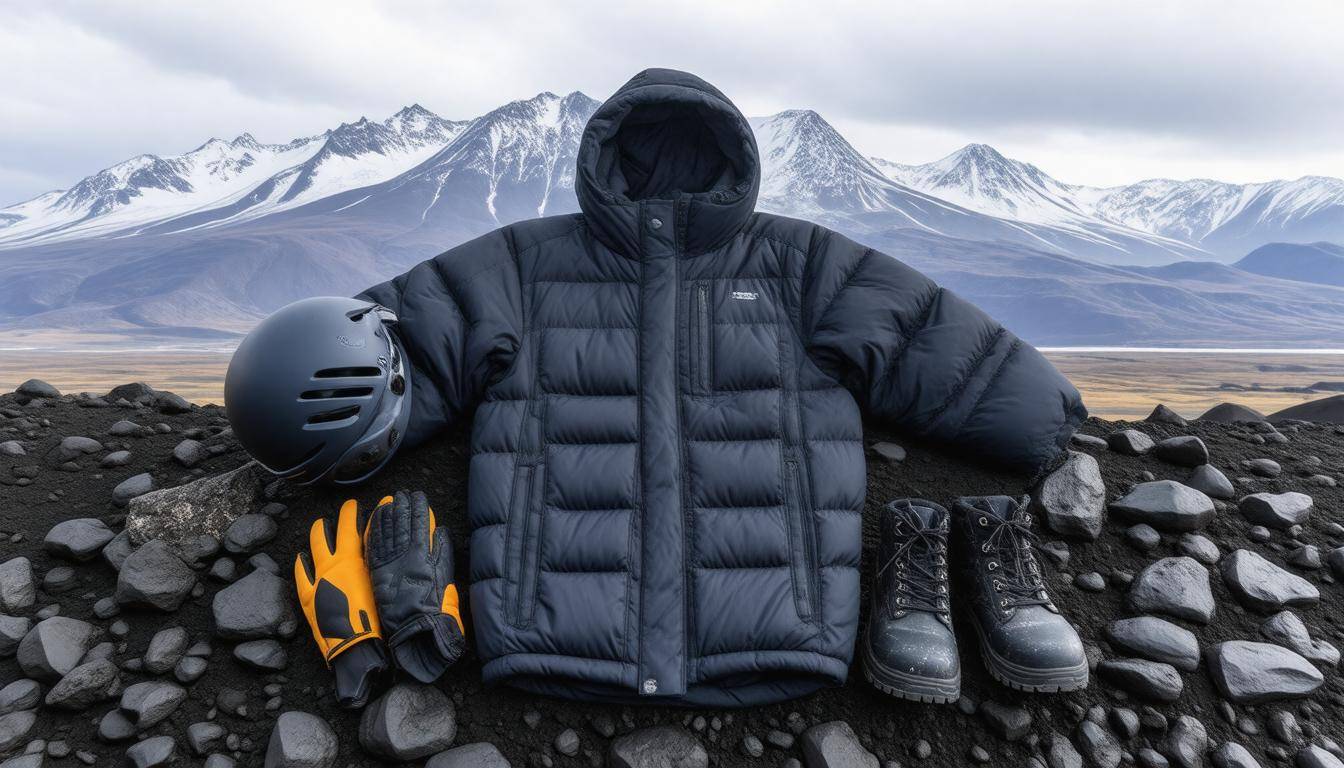
In Iceland’s unpredictable weather, a proper layering system can make all the difference. It’s more than just a fashion statement; it’s a carefully designed strategy to keep your body warm, dry, and safe. Start with moisture-wicking base layers that sit close to your skin. These thin fabrics are designed to draw sweat away from your body, preventing chills from that moisture as the temperature drops. Remember, it’s not just about warmth; it’s about keeping yourself dry too.
Next comes insulation, which is key to maintaining body heat. I recommend choosing mid-layers made from materials like fleece or down—these create an excellent barrier against the cold. The outer layer should be waterproof and windproof, protecting you from snow and icy winds. This combination works in harmony, allowing you to stay outside longer without feeling uncomfortable.
Embracing this layering concept is crucial for anyone traveling through Iceland’s wilderness, where conditions can change in a heartbeat.
As you venture outdoors, don’t underestimate the importance of durable, waterproof boots. These boots need to not only keep your feet dry but also provide good traction. Remember anecdotal stories from fellow travelers who slipped while navigating icy pathways—slips can lead to serious injuries! Proper footwear with adequate support significantly reduces this risk while maximizing mobility.
For those trekking through deep snow, consider investing in gaiters. They act as a blockade against those pesky snowflakes creeping into your boots, ensuring that your feet remain dry during adventures. And while we’re on the topic of extremities, insulated gloves are non-negotiable for adventurers intent on exploring icy terrains. They help prevent frostbite by cradling your hands in warmth while allowing enough dexterity for gripping tools or equipment.
Did you know frostbite can set in shockingly fast? It occurs within minutes when exposed to extreme cold without proper protection! Knowing this urgency encourages thoughtful preparation. Travelers who heed warnings often share positive experiences after using thermal socks in tandem with insulated gloves—these two items work together to shield against frostbite symptoms effectively.
Speaking of shared accounts, John—a seasoned traveler—narrates his trek across Skaftafell with enthusiasm but expresses how crucial insulated gear was for a successful journey amid freezing gusts and biting temperatures. His experience illustrates that these small items are as integral as any main piece of gear.
Another essential item that should never be overlooked is a portable phone charger. In emergency situations or unexpected delays due to weather or volcanic activity, keeping communication devices powered can be paramount for navigation and safety alerts. Moreover, knowing local emergency service locations equipped with proper trees is something every adventurer should commit to memory.
Equipping yourself with suitable gear goes beyond mere readiness; it’s about adapting to the changing conditions of Iceland’s breathtaking landscapes. Let’s now explore how effective layering contributes directly to maintaining optimal body temperature amidst such variable environments.
Layers for Temperature Regulation
When preparing for a trip to Iceland, understanding how to layer your clothing effectively is crucial for maintaining comfort amid fluctuating temperatures. The primary goal of layering is to create a system that allows you to regulate your body temperature easily. As conditions change—from brisk winds and wet weather to sunny breaks—a well-thought-out layering system enables you to adapt quickly.
Base Layer
The first layer, or base layer, plays a vital role in moisture management. This layer should ideally be made from materials like merino wool or synthetic fibers, which excel in wicking away sweat while providing insulation. Think of this layer as your first line of defense; it directly touches your skin and needs to keep you dry and comfortable. A good base layer fits snugly without being too tight, allowing for ease of movement during activities like hiking or exploring caverns.
This leads us to the middle layer, which builds upon the solid foundation provided by the base layer.
Middle Layer
The insulation you choose for your middle layer is equally important; this layer should trap heat and provide warmth without adding unnecessary bulk. Materials such as fleece or down jackets are excellent choices here. They not only offer superb heat retention but also allow for breathability, ensuring you don’t overheat while you’re on the move. Having a lightweight fleece jacket as my middle layer made traversing the icy landscapes much more comfortable—it’s surprising how much warmth these layers can offer without feeling cumbersome.
However, even with a solid base and insulating middle layer, you’re not entirely protected from Iceland’s formidable elements without an outer layer.
Outer Layer
The outer layer acts as your shield against wind and water, crucial in Iceland where sudden weather shifts can occur. Look for a shell that is both windproof and waterproof, featuring sealed seams and a hood for added protection. Materials such as Gore-Tex are highly effective as they keep moisture out while allowing sweat and heat to escape from within. Imagine standing at the edge of a majestic waterfall, with icy mist in the air—your outer shell ensures that you remain dry and warm in such conditions.
Layering doesn’t just help keep you warm; it also gives you flexibility—for instance, if it’s sunny while you’re out hiking, you can remove the outer shell without losing the insulation of your middle layer.
By following this three-layer approach—base, middle, and outer—you equip yourself with the ability to tackle varying climates effectively. Each layer plays its part to keep you comfortable as you immerse yourself in the breathtaking beauty of Iceland’s rugged terrain.
With the essentials of temperature regulation covered through layering techniques, it’s time to explore other vital components to enhance your travel experience.
Key Travel Accessories
When journeying to a place as unique and unpredictable as Iceland, having the right gear can make all the difference. Think of these accessories as your backup plan—situations arise that call for more than just a camera and a sense of adventure. For instance, a reliable GPS device combined with physical maps is a must-have. Electronic devices, while convenient, can often fail or run out of battery power in extreme temperatures.
Having a physical map not only gives you peace of mind but also allows you to explore without worry. Knowing where you’re headed enhances your confidence and safety on those winding glacier paths.
Among these essentials, consider bringing along a high-quality headlamp. In Iceland, winter days are short and daylight hours are limited, making a dependable source of light invaluable. Look for a headlamp that offers long battery life and features waterproof capabilities; after all, rain and snow are part and parcel of Icelandic exploration. You might find yourself hiking or setting up camp well after sunset, so this gear ensures you won’t be left fumbling in the dark.
Surveys indicate that travelers equipped with both electronic and physical navigation aids are 60% less likely to get lost. This statistic underscores the importance of being dual-prepared while traversing remote areas filled with breathtaking views yet equally formidable challenges.
As we discuss essential gear further, it’s crucial to consider others like emergency kits—they play an imperative role in ensuring your health and safety. Being proactive versus reactive can prove immensely beneficial during your travels in Iceland’s rugged landscapes. Let’s now shift our focus to how best to prepare for any unexpected situations.
Packing Strategies for Safety
Efficient packing can be a lifesaver when you’re out exploring Iceland’s wild landscapes. By thoughtfully organizing your gear, you not only make travel easier but also ensure that you’re prepared for any situation that may arise during your adventures. For instance, envision the difference it would make if you didn’t have to fumble around in a messy backpack looking for your first aid kit amidst an urgent need.
Step-by-Step Guide
When packing, prioritize the items you’ll use most frequently. This includes easily accessible essentials like your first aid kit and emergency road flares. Imagine needing quick access to your first aid supplies after a minor mishap while hiking; fumbling around to find them can be stressful and unnecessary. Keep these vital tools at the top of your bag or within reach in your vehicle to ensure they are available when you need them.
But accessibility isn’t the only consideration—how you distribute weight also plays a key role in maintaining comfort and safety.
Pack heavier items toward the bottom of your backpack or in your car trunk. This method not only helps with stability but prevents strain on your back while carrying. A well-distributed load makes it easier to maneuver, especially over the uneven terrain typical in Iceland. For example, keeping heavier supplies like water bottles and food at the bottom allows lighter gear, such as clothing and snacks, to be easily reachable at the top.
As we consider organization further, let’s look at how to effectively manage smaller items.
Utilize clear plastic bags to separate smaller items such as batteries, snacks, or repair tools. This simple yet effective tactic significantly speeds up what could become a frantic search for necessities. By seeing at a glance what’s in each bag, you’ll save precious moments during emergencies when every second counts. Picture yourself in a sudden downpour looking for dry socks—you don’t want to waste time digging through layers of gear!
One traveler named Sam recounted how having a well-organized safety kit enabled him to navigate a snowstorm near Myvatn quickly. Instead of panicking and rummaging through his things, he effortlessly reached for his emergency gear thanks to thoughtful packing—sparing him valuable minutes that could have made all the difference.
Implementing these packing strategies enhances safety during unexpected situations when traveling through Iceland’s breathtakingly unpredictable environment.
With these practical organization methods in mind, it’s essential to examine tools that will keep you connected even in the most challenging conditions.
Emergency Communication Tools
In a land where cell service can be as unpredictable as the weather, having reliable emergency communication tools is essential. Satellite phones are your best bet for dependable communication in remote areas, allowing you to connect with the outside world even when you’re hundreds of miles from the nearest town.
These phones can be expensive, but when you’re exploring Iceland’s rugged terrains, their value goes far beyond financial cost. Imagine being on a breathtaking hike and suddenly realizing you have no cell coverage; a satellite phone becomes your lifeline.
However, depending solely on one device can leave you exposed in dire situations.
Backup Devices
That’s where Personal Locator Beacons (PLBs) step into the limelight. These compact devices can send distress signals along with your GPS coordinates directly to rescue services, making them invaluable companions during outdoor adventures.
According to research from the Icelandic Association for Search and Rescue, using a PLB increases the chances of quick rescues by an astounding 75%. This statistic represents peace of mind that you can carry in your pocket.
Take Emily’s story, for example. As a solo traveler navigating Iceland’s breathtaking but challenging hiking trails, she encountered a serious accident. It was her trusty PLB that facilitated her safe return to Reykjavík. After activating the device, she felt an immediate sense of relief knowing that help was on the way, putting her anxiety at ease despite the precarious situation. This firsthand experience highlights how crucial these tools can be when you find yourself alone in unforeseen circumstances.
Remember, preparation isn’t just about what you pack; it’s also about ensuring you have reliable communication in times of need.
The combination of satellite phones and PLBs creates a safety net that helps mitigate risks associated with solo travel in Iceland’s remote areas. As you plan your journey, consider including both devices in your emergency kit. By doing so, you’re not only preparing for potential hazards but also enhancing your overall adventure experience.
With these tools at your disposal, you can explore Iceland with confidence, knowing that connectivity—even in its most remote forms—is just a click away.