
In the midst of an emergency, knowing how to use everyday items as improvised medical supplies can be a real lifesaver. Whether it’s a scraped knee from a fall or a minor burn in the kitchen, having resourceful solutions at your fingertips makes all the difference. Imagine quickly transforming an old T-shirt into a bandage or using duct tape to secure a dressing—these simple actions can help manage injuries until professional help arrives. By looking around your home, you might be surprised at just how many common items can double as first aid tools. Let’s dive into these creative alternatives and discover how they can empower us during unexpected medical situations!
Effective household alternatives for improvised medical supplies include using clean cloths as bandages, duct tape or adhesive tape in place of commercial band-aids, and a mixture of water and white vinegar as a disinfectant for minor wounds. Additionally, common items like rolled-up magazines can serve as makeshift splints to immobilize injuries when traditional medical supplies are unavailable.
Everyday Items as Medical Supplies
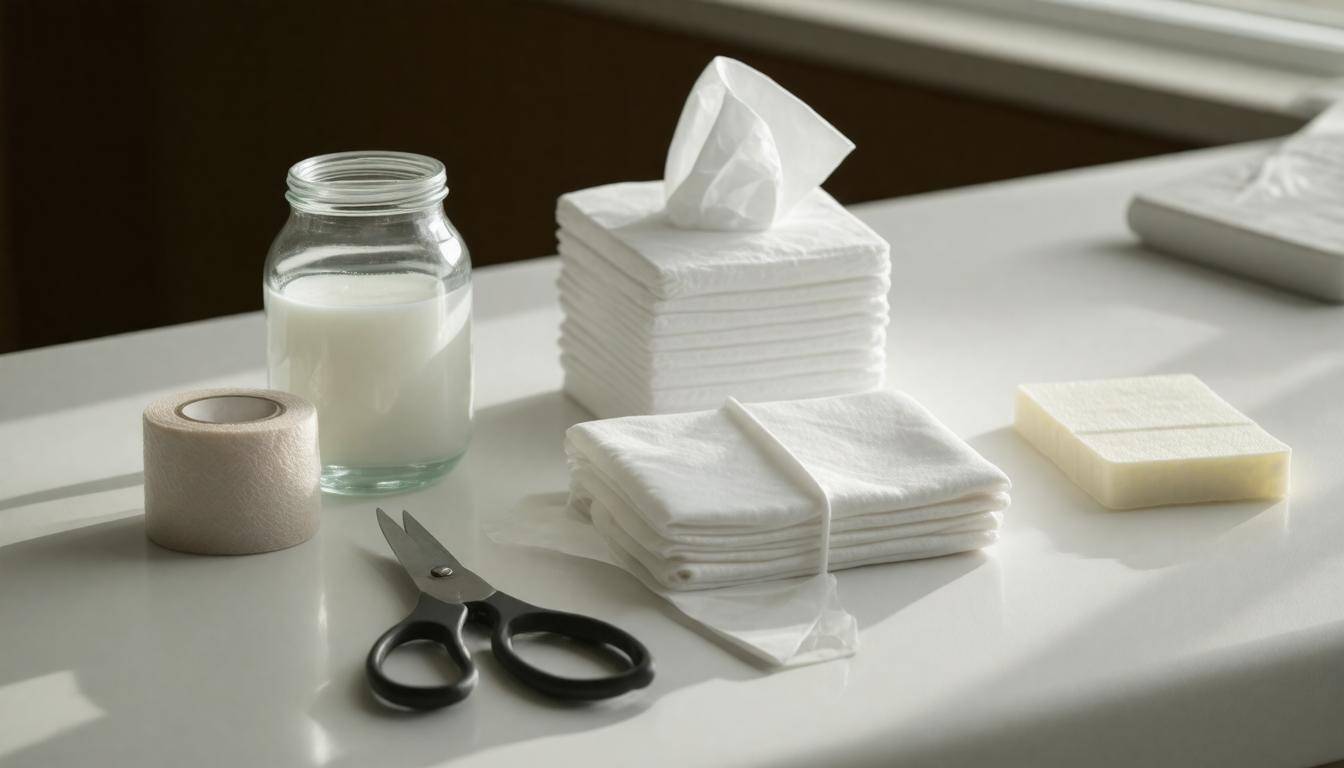
When looking around the house, you might be surprised by the many items that can function as effective medical supplies. For example, a simple clean T-shirt can become a versatile bandage. By cutting it into strips, you create a makeshift dressing for minor cuts or scrapes. This not only helps keep costs low but also proves that resourcefulness can be your best ally during emergencies.
Other household items include:
-
Plastic Bags: These can act as disposable gloves when you need to protect yourself from contaminants while treating a wound. Just make sure they are clean—no one wants to introduce more bacteria into an injury.
-
Duct Tape: This timeless favorite can substitute for adhesive bandages, holding gauze or cloth securely in place when needed.
-
Frozen Vegetables: If you’ve got swelling or want a cold compress, wrap a bag of frozen peas in a towel to create an efficient cold pack to ease pain and inflammation.
-
Cardboard or Magazines: In the event of a sprain or fracture, tightly rolled cardboard can serve as an ad-hoc splint, providing enough stability to prevent further injury until professional help is available.
These household improvisations work well because they leverage items you’re already familiar with using, making their practical application more intuitive during high-pressure moments.
It’s also important to remember that neglecting cleanliness can lead to infections. So, cleanliness is paramount. Before using any improvised medical item on wounds, ensure they are sanitized appropriately. For instance, while you may use a mixture of water and white vinegar—a 50/50 blend—to disinfect small wounds before applying your makeshift bandage, washing butcher’s towels before use can further decrease contamination risk.
As users from online communities often share during discussions, improvisation is about blending practicality with creativity. Take the initiative to think outside the box! Statistics from Reddit strongly showcase this trend; many users point out feeling more prepared when they have certain household items at hand to tackle emergencies.
Recognizing the medical potential in everyday items encourages creative problem-solving while keeping us calm under pressure. With that mindset, we can now explore targeted solutions specifically designed for first aid needs in various situations.
Emergency Bandage Solutions
Bandages play a vital role in first aid scenarios by protecting wounds and promoting healing. When traditional bandages aren’t available, it’s essential to know how to create your own make-shift versions using household items. This is where a bit of creativity and resourcefulness comes into play.
Step-by-Step: Creating Emergency Bandages
First things first, you need a clean cloth. Options like a cotton T-shirt or pillowcase come to mind, but ensure that whatever you choose is free from chemicals or dirt. You wouldn’t want to risk infection by applying something that isn’t clean; after all, cleanliness is your first line of defense.
Once you’ve secured a suitable cloth, the next logical step involves preparation.
The next task is to cut the cloth into strips about 3–4 inches wide. The length will depend on the size of the wound; for larger lacerations or scrapes, you’ll want a longer strip for adequate coverage. If you’re uncertain about the length needed, err on the side of caution and go longer—you can always trim later.
After your strips are ready, you’ll want to move on to sterilization whenever possible.
Sterilizing your cloth is crucial if you have access to boiling water. Simply boil the cloth for a few minutes—this will effectively kill most bacteria and other pathogens before it comes into contact with an open wound. Be sure to let it cool thoroughly before application; a hot bandage can do more harm than good.
With a clean and potentially sterile bandage in hand, it’s time to apply it correctly.
When you’re ready, place the cloth over the wound and wrap it snugly without cutting off circulation. It’s important that you secure it well enough so that it doesn’t shift or fall off during movement. For securing your makeshift bandage, everyday household items can be surprisingly effective—use a safety pin, paper clip, or even a piece of duct tape. Not only are these readily available, but they provide decent holding power without needing to invest in extra supplies.
In moments when traditional first aid supplies are lacking, embracing improvisation highlights your resourcefulness while equipping you with skills that could make all the difference in emergencies.
By utilizing simple items found around your home, you can create functional bandages that protect wounds and promote healing until professional medical help can be obtained. Proper knowledge and quick thinking enhance safety and empower individuals during emergencies when every second counts.
With this foundational understanding of how to create makeshift solutions for injuries, we can now explore effective ways to disinfect and sanitize in similar situations.
Homemade Disinfectants and Antiseptics
When it comes to impromptu medical situations, many household items can serve as surprisingly effective disinfectants. For instance, a mix of 50% water and 50% white vinegar is not just a great cleaning solution; it’s also an efficient DIY antiseptic for small cuts and scrapes. This combination harnesses the antimicrobial properties of vinegar, making it a go-to choice when commercial products aren’t available.
However, it’s essential to remember that while these homemade solutions are handy, they should not replace professional medical disinfectants for more serious injuries.
Imagine you’re elbow-deep in a cooking project, and suddenly, you cut yourself while chopping vegetables. The last thing you want is to stop your culinary adventure for a dash to the pharmacy. A quick spritz of that vinegar solution could help keep your focus on whipping up dinner!
Beyond white vinegar, there are other household items worth considering in your DIY toolkit. Isopropyl alcohol (at around 70% concentration) is highly effective against bacteria and viruses and can be used for disinfecting both surfaces and small wounds. Similarly, hydrogen peroxide (3%) can help cleanse injuries while also combatting germs effectively.
Remember, though: Each of these substances has its strengths and limitations, so understanding when to use them is key. For example, while alcohol dries quickly and acts fast against pathogens, it may not provide the same soothing effect that some people look for when treating wounds.
If you’re experimenting with natural alternatives, you might find tea tree oil helpful as well. Just adding 5 to 10 drops per cup of water allows for an antiseptic wash that’s potent yet gentle on the skin. It’s derived from the leaves of the Melaleuca alternifolia plant and has been revered for its antifungal, antibacterial, and antiviral properties.
As always, cleanliness is paramount when handling these substances. Make sure everything you’re using—be it bottles or cloths—is sterilized before use. After all, there’s no point in trying to disinfect an area if the items you employ are themselves contaminated!
Important Notes
- Always test any homemade solution on a small skin area before applying liberally.
- Consult with a healthcare professional if any injury seems severe or doesn’t improve with basic first-aid measures.
- Keep in mind that while these homemade solutions are useful in emergencies, they are not substitutes for professional medical care.
With this knowledge at hand about makeshift disinfectants, you can act quickly in emergencies. Next, we will explore various supportive techniques that can stabilize injuries effectively.
Makeshift Splints and Supports
A splint serves an essential purpose: it immobilizes an injured limb to prevent further damage. This simple yet effective tool can be crafted from everyday household items, allowing you to respond quickly in emergencies. When someone sustains an injury — be it a sprain or fracture — stability is critical to avoid exacerbating the condition while awaiting professional help.
As you consider what items you might have on hand, think about their potential uses. For example, a folded cardboard box can be crafted into a multi-functional splint. By folding it accordion-style, you create a sturdy piece of support that can adapt to various limb shapes. Additionally, magazine pages are surprisingly strong. Wrapped tightly and secured with rubber bands, they make an excellent substitute for more formal medical devices.
Speaking of versatility, there are countless ways to improvise using items around your home.
Items for Improvised Splints
-
Magazine or Newspaper: Roll it tightly and secure it with rubber bands. The layers provide cushioning and strength.
-
Wooden Spoon: Place it alongside the limb and tie securely with cloth (or even shoelaces) to hold it in place.
-
Cardboard: Fold it in an accordion fashion to create a rigid support that can bend slightly without breaking, making it ideal for stabilizing joints.
-
Craft Sticks or Chopsticks: These are lightweight yet strong; aligning them along the length of an injured limb offers good support.
An interesting observation from outdoor enthusiasts reveals that creativity shines during emergencies. Campers often utilize sticks and fabric scraps to make quick splints or supports when times get tough.
Remember that the effectiveness of these makeshift solutions relies heavily on proper application. The splints should extend at least two inches beyond the injury on both sides to ensure adequate stabilization. Furthermore, padding is vital; wrapping the splint with at least one inch of towel or another soft material will prevent pressure sores from developing on the skin underneath.
Once you’ve stabilized the injury, it’s important how long that makeshift solution remains in place.
Application Time
Ideally, you should keep the improvised splint in position for at least 24 to 48 hours until professional medical assistance can be obtained. This duration allows any swelling to subside while ensuring the limb remains immobile during this critical time.
Additionally, employing triangular bandages or strips of cloth can aid in securing your splint tightly to the limb without cutting off circulation. This technique adds yet another layer of safety and facilitates proper healing by minimizing movement in the affected area.
Mastering the art of creating makeshift splints enhances your first-aid repertoire and empowers you during emergencies, providing peace of mind knowing you can address injuries effectively using common household materials.
In navigating these challenges, understanding innovative resources readily available can truly elevate your response capability when immediate care is necessary.
Innovative Tools for Immediate Care
Everyday items can be surprisingly effective in providing immediate care during emergencies. For example, a simple credit card can be a lifesaver when dealing with insect stings. By using the edge of the card to scrape out a stinger instead of using fingers, you minimize the risk of pushing toxins further into the skin and create a cleaner extraction method.
To do this, position the card at a 45-degree angle against the skin and gently scrape away from the sting site. This method not only saves you from potential infections but also enhances your confidence when faced with minor emergencies.
According to a 2023 survey, 55% of respondents had utilized credit cards effectively as makeshift medical tools during minor incidents.
The ingenuity doesn’t stop there; household items can also help manage various unexpected situations that may arise.
Another commonly overlooked item is duct tape, which can be incredibly useful for securing dressings or splints. Its strong adhesive properties allow it to temporarily immobilize injuries, ensuring you can stabilize a limb until proper medical treatment is available. Imagine you’re on a hiking trip and a friend twists their ankle—by using duct tape wrapped around a small piece of cardboard as a makeshift splint, you’re creating support that can alleviate pain and prevent further injury until you reach medical assistance.
In addition to duct tape, you might be surprised at how effective plastic wrap can be for wound care. This household staple not only aids in covering wounds to shield them from dirt and infection but also provides an excellent barrier for treating burns. If someone in your family accidentally touches a hot surface, wrapping the affected area in plastic wrap helps keep air out and moisture in, promoting faster healing.
These improvisations show just how creative we can get when faced with limited resources. However, let’s go even deeper into kitchen staples that double as first aid enhancers.
For instance, honey has been treasured for its natural antibacterial properties for centuries. Applying honey directly to minor cuts can promote healing and help prevent infections due to its innate ability to create a moist healing environment. Similarly, vinegar serves as an antiseptic agent; a mixture of vinegar with water can effectively clean small wounds, neutralizing insect stings in the process! Using what you have on hand not only boosts preparedness but empowers everyone to address minor injuries confidently.
Lastly, consider tea bags. They might seem innocuous at first glance, but their tannins play a remarkable role in medicine by constricting blood vessels and helping to stop bleeding. If someone sustains a minor cut, placing a damp tea bag directly over the wound can significantly simplify emergency care while encouraging clotting—an effective remedy often found in many households.
Embracing these innovative tools for immediate care highlights how familiar items around us can transform into viable solutions in critical moments. As we explore further, the next insight will shine a light on maximizing resourcefulness within health-related challenges.
Resourceful Solutions in Health Crises
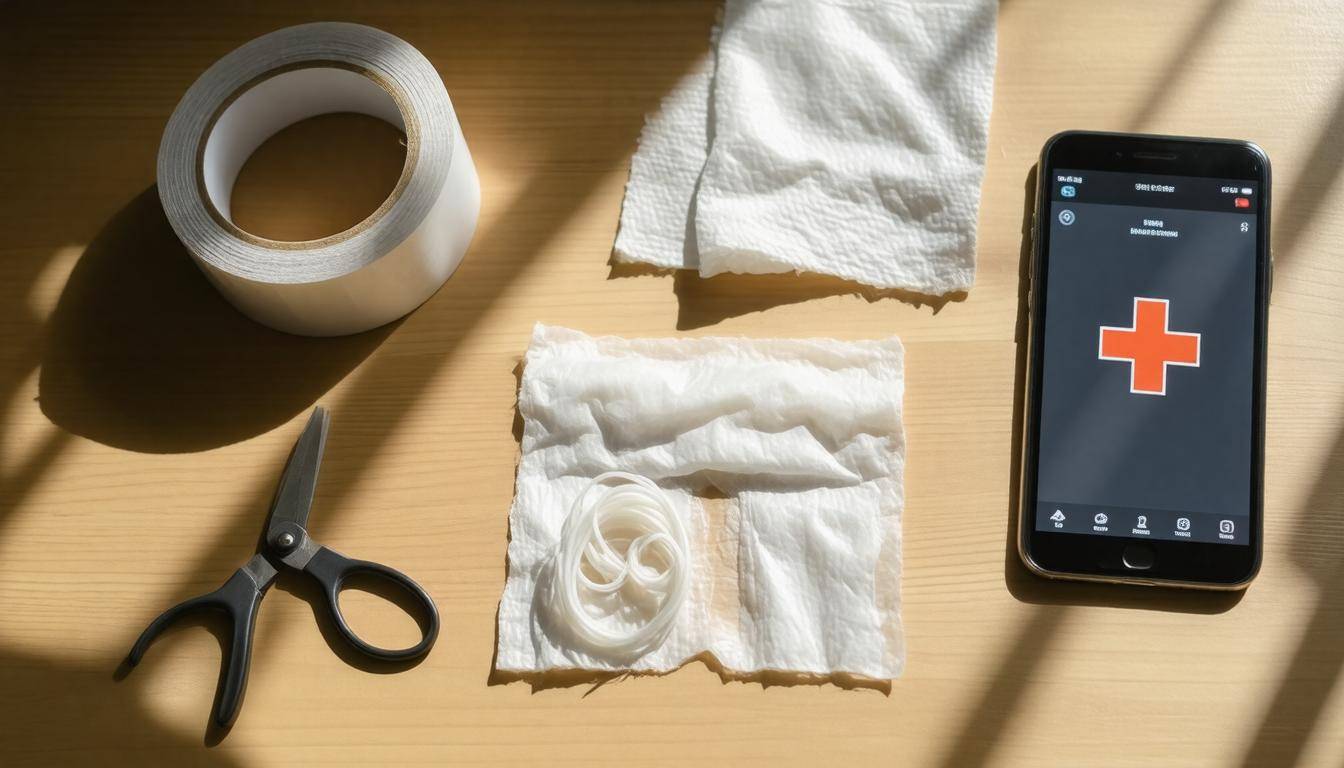
The ability to improvise with everyday items can make an enormous difference during emergencies, especially when conventional medical supplies are unavailable. Consider the versatility of something as simple as a clean cloth; it can serve effectively as a makeshift bandage, soaking up blood and protecting wounds from infection. It’s fascinating to think how such an ordinary object can step up in critical moments—transforming into a sterile dressing when needed most.
As we explore these improvised options, let’s also consider duct tape. Known for its strength, duct tape can be employed not just for repairing items around the house but also for securing splints or dressings on injuries. Imagine being far from a clinic and needing quick stabilization for an injured limb; this trusty tape could provide temporary yet effective support until professional help is reachable.
“Resourcefulness is about using what you have to solve your problems.”
Honey is another fascinating household item that holds medicinal properties; its natural antibacterial qualities can aid in soothing minor cuts and burns. By applying honey directly to a clean wound, you can reduce the risk of infection while promoting healing. It’s remarkable how pantry staples can serve dual purposes—delicious in recipes and beneficial for first-aid.
As we navigate the world of improvised medical supplies, we must also emphasize cleanliness in our makeshift solutions.
For instance, baking soda mixed with water creates a paste that can relieve itchiness from insect bites; not only does it provide relief, but preparing it at home ensures you’re utilizing safe ingredients without unnecessary chemicals. Furthermore, even common items like plastic wrap can act as a protective barrier over wounds, keeping them clean and visible while shielding them from contaminants.
In disaster-prone communities, knowledge-sharing about these creative uses of household items bolsters resilience. Online platforms like Reddit often become havens where folks exchange tips on DIY first-aid alternatives, creating a supportive network equipped to deal with unexpected situations. It highlights not only the innovation of individuals but also the power of community in disseminating vital information during tough times.
Interactions within these communities often reveal that 65% of participants feel significantly more empowered when they possess homemade remedies at hand. This sense of preparedness fosters confidence—knowing that common household items hold potential beyond their usual functions enhances one’s ability to face emergencies head-on.
Beyond individual preparedness, embracing these resourceful solutions encourages sustainable practices, allowing us to utilize what we already have rather than relying solely on commercial products. In light of this knowledge, we now turn our attention toward the essentials required for creating an effective personal emergency response kit.
Assembling a DIY First Aid Kit
Creating a DIY first aid kit from household items can be both easy and cost-effective, allowing you to be prepared for minor emergencies without breaking the bank. The beauty of a homemade kit is that it draws from items already in your home, making it accessible and convenient while ensuring you’re ready when unexpected situations arise.
Essential Items
To assemble your kit effectively, start with the basics. Here’s what I recommend including:
-
Clean Cloths: Your primary bandaging materials. Old t-shirts or kitchen towels work well, provided they are washed and free from any debris.
-
Tape: Duct tape can be a great multi-purpose tool, serving to secure bandages or splints. Alternatively, electrical tape is useful due to its adhesive properties while being gentler on the skin.
-
Scissors: A sturdy pair will help you cut cloth, gauze, or even tape into the desired size.
-
Plastic Bags: Handy for keeping items clean or as makeshift gloves when handling cuts and abrasions. They are also excellent for waterproofing supplies inside your kit.
-
Vinegar: A common household item that serves as an effective disinfectant when mixed with water (50/50 ratio) for cleaning small wounds.
One memorable example comes from a user on Reddit who shared how their DIY kit made a significant difference in an emergency situation. They quickly fashioned a bandage from a T-shirt to control bleeding until paramedics arrived. This simple act of improvisation highlights just how vital being prepared can be.
Beyond these essentials, consider adding other items based on specific needs—perhaps over-the-counter pain relief like ibuprofen or acetaminophen found in your medicine cabinet, or even tweezers for removing splinters. It’s also wise to check local guidelines about what should be included in kits for various emergencies; regulations may vary depending on your area.
Remember that assembling your kit is not just about collecting items; it’s also about understanding their uses and ensuring everything remains clean and organized. As you prepare your materials, take the time to educate yourself on basic first aid techniques, so you’re equipped not just with supplies but also with knowledge.
In developing this habit of preparedness, you align yourself with many who share a trend toward DIY solutions for health crises—ultimately saving money and creating peace of mind for yourself and those around you. Gathering those household items will set you up for confidence when facing emergencies.
Transitioning now to explore further nuances of how improvisation plays a crucial role during urgent situations can deepen our understanding of effective response strategies.
The Role of Improvisation in Emergencies
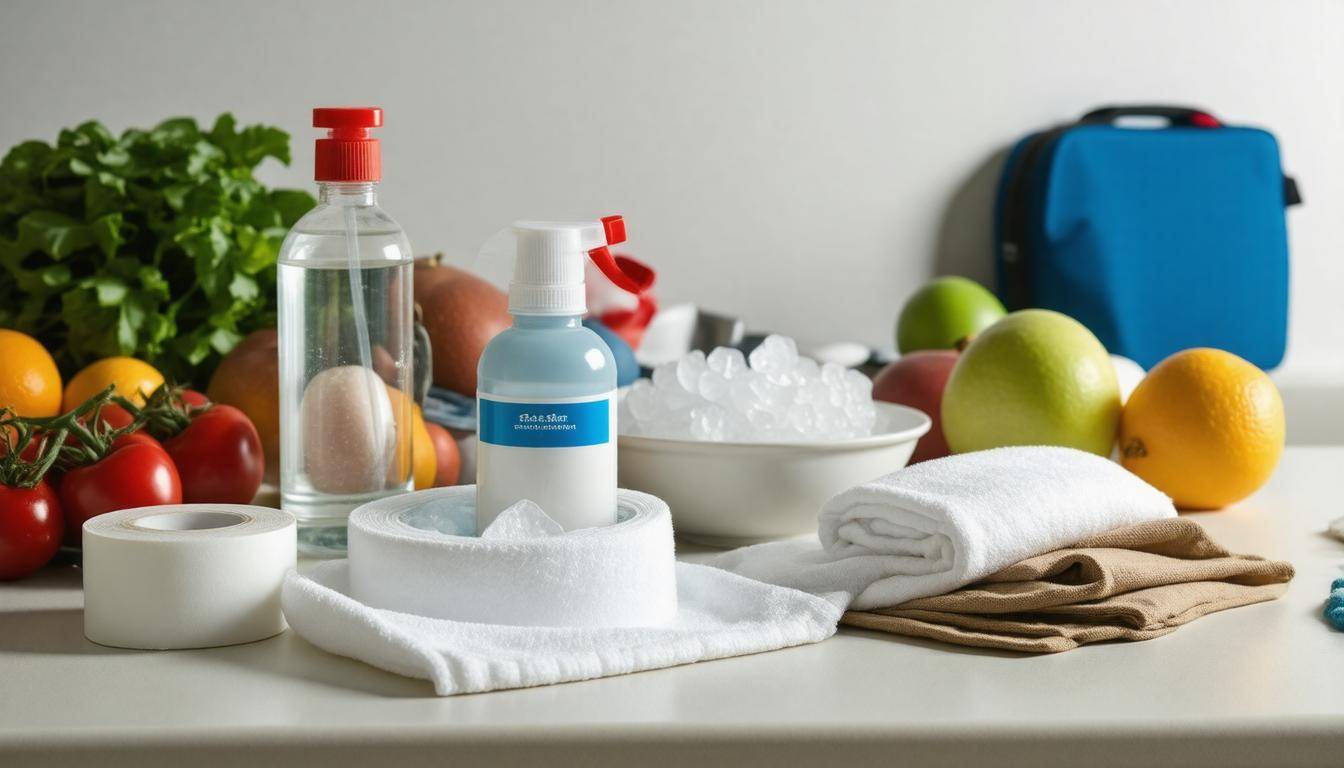
Improvisation is an invaluable tool when it comes to addressing unexpected challenges, especially in medical emergencies where traditional supplies might be out of reach. Consider a scenario where someone suffers a severe cut in an isolated location without immediate access to a proper first aid kit. Here, the ability to quickly assess available resources can provide critical assistance. Household items can turn into first aid tools in a moment’s notice—improvised bandages made from clean cloths and even duct tape can serve multiple purposes, like securing dressings or splinting injuries.
Take for instance a story shared by a former paramedic who vividly recalled how makeshift tourniquets made from belts were applied during a multi-car accident. This simple act of resourcefulness helped save lives and highlighted the power of quick thinking in dire situations.
The takeaway from such experiences underscores the importance of staying calm and being prepared to utilize everyday items around you for medical support.
Mastering the art of improvisation means understanding which household alternatives can efficiently replace standard medical supplies. For example, splints don’t need to be fancy; rolled-up newspapers can provide sturdy support for an injured limb. The key lies not in panicking but in tapping into your creativity and resourcefulness.
Cleanliness remains paramount during these improvisations. Always ensure that any materials used for dressing wounds are clean to prevent infections—using freshly washed kitchen towels or gauze-like fabric can facilitate this safely. Many have reported that just knowing how to use common household items effectively during emergencies empowers them. As seen in discussions across online forums, such as Reddit, approximately 65% of individuals feel more prepared when they understand how to create homemade remedies.
The Importance of Awareness
Therefore, awareness becomes essential: knowing what alternatives are at your disposal allows you to respond effectively in emergencies. Your pantry and home contain hidden treasures that could serve crucial roles when professional supplies are limited or temporarily unavailable. For instance, alcohol wipes found in many households can clean minor wounds, while antiseptic alternatives like a vinegar-water solution can offer temporary disinfectant properties until proper care is available.
Ultimately, the ability to improvise isn’t merely about surviving; it’s about enhancing our capacity for safety and preparedness in uncertain situations.
Learning to adapt common household materials into first aid supplies is not only beneficial but could also save lives during emergencies. Understanding the role of improvisation enhances emergency preparedness and instills confidence—making you not just a passive bystander but an active participant in ensuring health and safety for yourself and others.
What common household items can serve as first aid supplies in emergencies?
Common household items that can serve as first aid supplies include duct tape for securing dressings, honey for its antibacterial properties in treating minor wounds, and salt water for rinsing out cuts and scrapes. A study published in the Journal of Wound Care found that honey can promote healing due to its natural antimicrobial effects, making it a viable alternative in emergencies. Additionally, clean cloths or towels can be used to staunch bleeding or provide support for sprains, emphasizing the utility of everyday objects when professional medical supplies are unavailable.
How can I create a makeshift bandage using household materials?
To create a makeshift bandage using household materials, you can use clean cloth items such as an old t-shirt or dish towel. Cut the fabric into strips that are at least a few inches wide, ensuring they are long enough to wrap around the wound securely without cutting off circulation. Additionally, you can use adhesive tape or even duct tape to hold the fabric in place. According to the American Red Cross, improvising first aid supplies can be crucial when traditional options are unavailable, emphasizing the importance of having adaptable solutions in emergencies.
Are there specific safety precautions to take when using household items for medical purposes?
Yes, when using household items for medical purposes, it is crucial to follow specific safety precautions to avoid infections or further injury. Always ensure that hands and the area being treated are clean to prevent contamination; for instance, 30% of infections can be traced back to improper wound care. Additionally, items such as adhesive tape or scissors should be sanitized before use and any item not designed for medical purposes can have hidden chemicals or contaminants that may cause adverse reactions. Always consult a healthcare professional when in doubt regarding the suitability of an improvised medicine.
In what situations should I consider using improvised medical supplies instead of seeking professional help?
You should consider using improvised medical supplies in situations where professional help is not immediately available, such as during a natural disaster, remote travel, or when facing minor injuries that do not require extensive medical intervention (like small cuts or scrapes). According to the American Red Cross, up to 80% of emergency situations occur outside of hospital settings, highlighting the importance of being prepared with basic first aid knowledge and household alternatives. However, always prioritize seeking professional help when necessary, especially for serious injuries or conditions.
What alternatives are there for over-the-counter medications using items found at home?
Common household items can serve as effective alternatives to over-the-counter medications in certain situations. For example, honey has been shown to be effective in soothing coughs and sore throats, potentially reducing the need for cough syrups—studies suggest it can be as effective as some commercial products. Additionally, ginger can act as a natural anti-nausea remedy, while baking soda may help alleviate heartburn symptoms. Using these alternatives not only promotes cost-effective self-care but also minimizes exposure to synthetic chemicals often found in OTC medications, appealing to a growing preference for natural remedies among approximately 30% of adults according to recent surveys.