
As coastal communities face the growing threat of flooding, it’s essential to take action before disaster strikes. The chance of a flood can feel a bit like a ticking time bomb—one minute you’re enjoying the view, and the next, rising waters could invade your home. But don’t panic; there are practical steps you can take to protect your living space and loved ones. With the right information and tools at your fingertips, you can equip yourself with a Flooding Defense Kit tailored for Incheon’s unique coastal challenges. This guide will walk you through preparation strategies that not only safeguard your property but also ensure that you and your family feel secure when storms approach. Let’s dive into how you can build a protective layer against floods and embrace safety in the face of uncertainty.
The Incheon Coastal Flooding Defense Kit is a specialized set of tools and materials designed to protect coastal areas in Incheon from flooding events. This kit typically includes barriers, pumps, and other mitigation resources aimed at reducing the impact of rising water levels and storm surges on local infrastructure and communities.
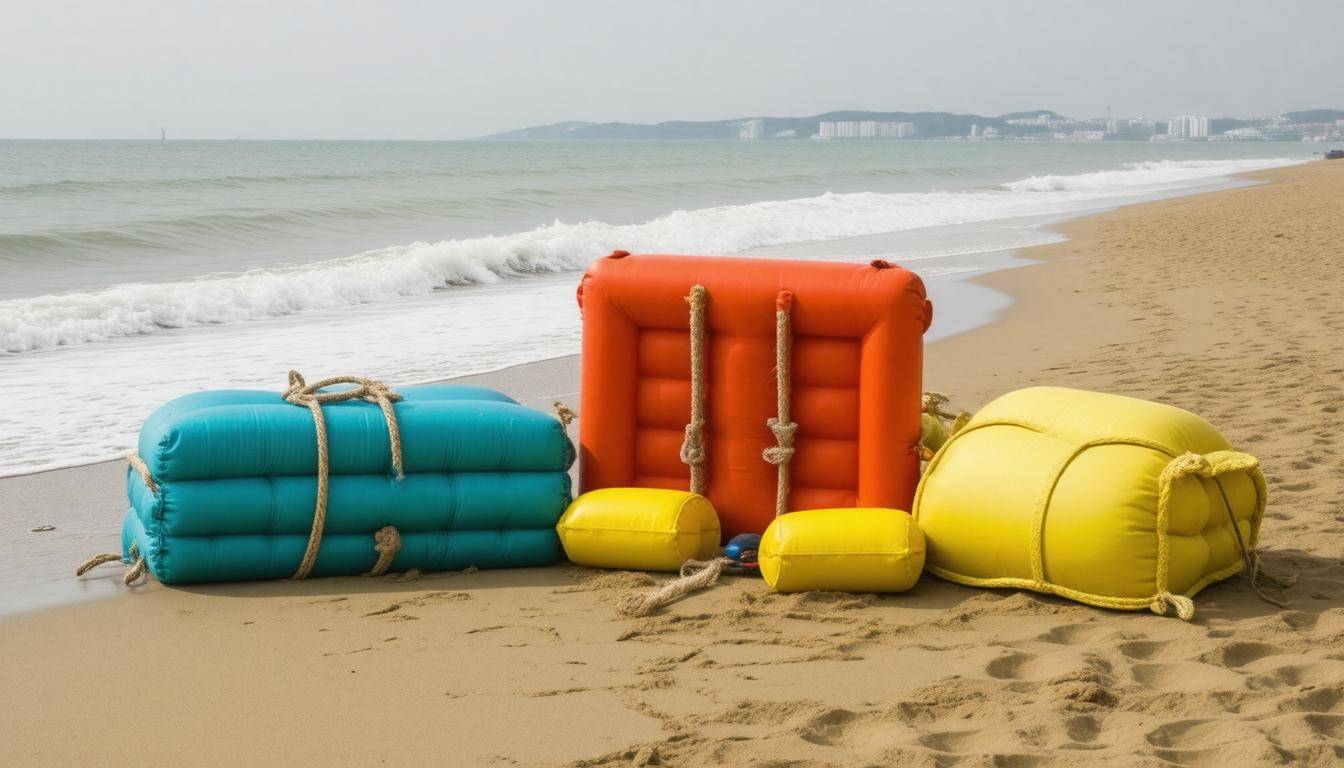
Preparing for Coastal Floods in Incheon
The first step in preparing for coastal floods is to assess your specific flood risk. This is not just a cursory glance at neighborhood trends; it’s crucial to consult local government resources that provide detailed flood risk maps. These maps highlight areas most susceptible to flooding based on historical data and environmental changes. If you find your home within a red zone, the next course of action involves establishing a comprehensive evacuation plan that includes routes and safe destinations. Make sure every family member is aware of this plan, practicing it as if it were a fire drill so everyone knows what to do when time is of the essence.
With a solid evacuation plan in place, the next logical step involves securing your property against potential flood damage.
Begin by elevating essential utilities like water heaters, HVAC systems, and electrical panels above the base flood elevation. Elevation doesn’t just prevent damage; it enhances the longevity of these vital components, saving you money in the long term. In addition, inspect and seal any cracks in your foundation or walls. Even tiny gaps can serve as entry points for water and lead to significant damage over time. A little preventive maintenance can make all the difference before the storm hits.
To help you stay organized through this process, here’s a checklist tailored for Incheon homeowners:
- Conduct a flood risk assessment using official resources.
- Establish an evacuation plan that includes communication methods and meeting points.
- Take measures for elevating utilities and appliances, ensuring they are out of reach from flood waters.
- Perform maintenance checks for sealing cracks and gaps in your home’s structure.
While some may question the value of making these building modifications due to upfront costs, it’s critical to consider the potential savings on repairs if flooding occurs. The financial implications of property damage can be astronomical compared to initial investments in protective measures. Weighing this cost-benefit analysis could sway even the most hesitant homeowner.
Once you’ve established these foundational preparations, focusing on advanced physical defenses can further enhance your home’s resilience against coastal flooding.
Key Components of the Defense Kit
At the heart of the Incheon Flooding Defense Kit are several indispensable items, each tailored to address specific challenges posed by flooding.
Essential Tools
-
Sandbags: Your primary defensive barrier. Sandbags can be strategically placed around your property to divert or hold back floodwaters, as recommended by FEMA. Properly stacked, they create a formidable wall against rising tides.
-
Waterproof Tarps: Versatile yet often overlooked, waterproof tarps serve multiple purposes, from covering furniture to sealing doors and windows. When deployed correctly, they minimize water intrusion and protect valuable possessions from damage.
-
Pump Systems: When water breaches your defenses, having an efficient pump system on hand is crucial. These devices quickly remove standing water, helping prevent further damage inside your home. Ensure that pumps are operable and stored with enough fuel and attachments for emergency use.
-
Emergency Flares: Vital for signaling distress should you find yourself cut off from help or facing an unexpected crisis, these flares attract attention to rescue teams during dark or stormy conditions when visibility is poor.
-
Non-Perishable Food Supplies: In case you need to stay put for an extended period, having emergency food supplies ensures you’re prepared without needing to venture out into dangerous conditions. Choose high-energy foods that require no refrigeration and have long shelf lives.
Recognizing the importance of these components is crucial, but knowing how to deploy them effectively can maximize their protective capabilities during an actual flood event.
For instance, understanding where to position sandbags—such as entryways or low-lying areas—can drastically impact their effectiveness in holding back floodwaters. Likewise, properly securing tarps over potential leak points significantly reduces water damage inside your home.
Furthermore, being familiar with the operation of pump systems before an emergency occurs will save precious time when every minute counts. Knowing how to ignite and use emergency flares accurately can provide reassurance amid chaos.
As you prepare with this kit, it also becomes essential to learn effective strategies for using sandbags to enhance your defense.
Effective Use of Sandbags
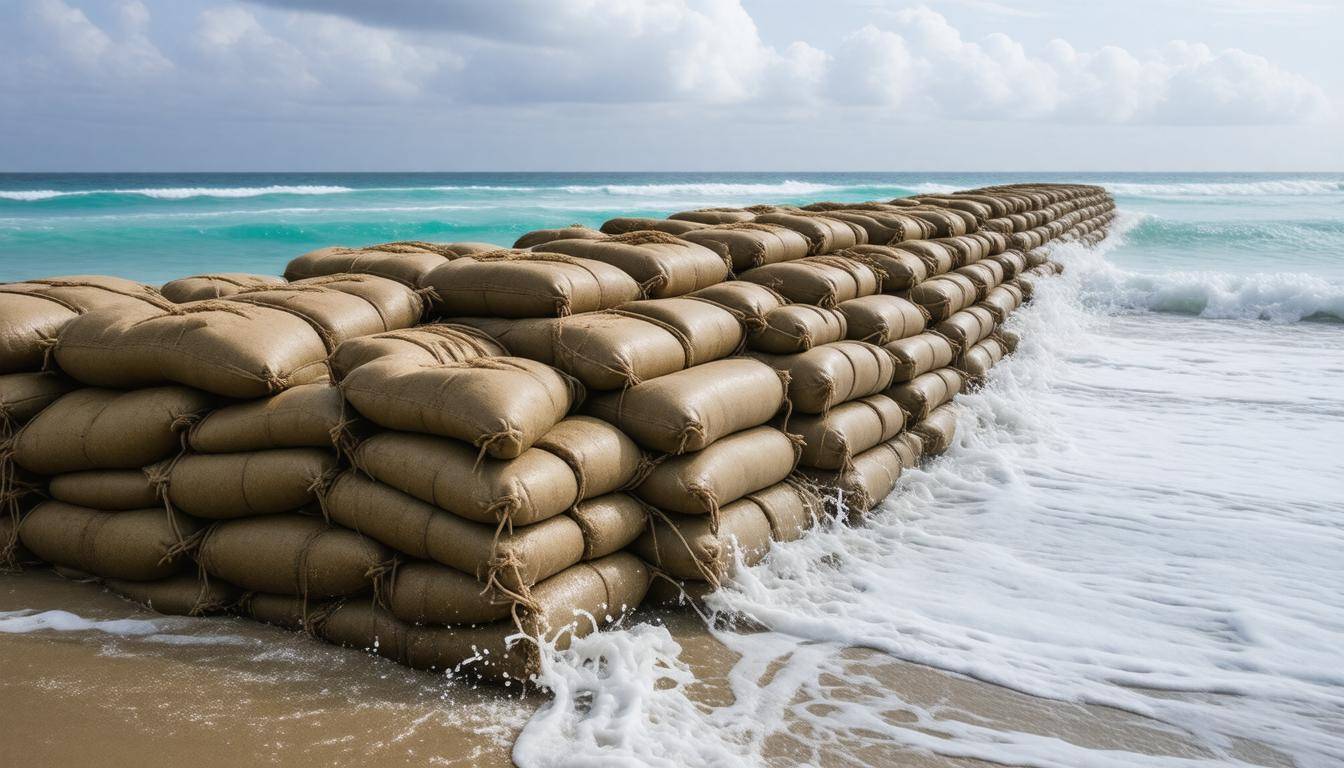
Sandbags are indispensable when it comes to flood defense, but their effectiveness largely hinges on how they’re utilized. Proper stacking and arrangement can make all the difference, allowing these simple bags filled with sand to act as formidable barriers against surging waters.
Creating a Sandbag Wall
First off, creating an effective sandbag wall requires attention to detail. Start by laying down a plastic sheet on the ground where you’ll be stacking your sandbags. This layer prevents water from seeping through any gaps that may form at the base. Ensure this sheet extends beyond the planned wall area to cover potential seepage points.
The initial placement of sandbags is crucial. Stack them tightly together in a pyramid shape; ideally, you want three layers high. This design gives strength and stability, reducing the chances that the wall will collapse under pressure.
A helpful tip is to stagger the joints between bags—positioning each bag so they overlap like bricks in a wall. By eliminating gaps, you’re significantly increasing your barrier’s integrity against incoming water. It’s a small adjustment that can lead to big results.
When dealing with doorways or other openings, it’s essential to build the sandbag walls with a slight inward lean. This technique provides added support against the force of moving water, ensuring the structure won’t easily topple under pressure.
As flood defense expert Kim Jae-hoon aptly states, “A properly built sandbag wall not only diverts water but also provides crucial time to evacuate or secure additional resources.” Indeed, having reliable barriers gives you precious minutes to implement emergency plans before chaos unfolds in a flooding situation.
While mastering these techniques enhances the functionality of your sandbags, remember that they should be just one component of a comprehensive flood defense strategy. Each piece plays a critical role in safeguarding your home from potential disaster and leads us to explore additional preparations for emergency situations.
Essential Emergency Supplies
During a flood situation, it’s paramount that you have an emergency supply kit that will cover your family’s basic needs. Begin with the essential components: ensure you have at least three days’ worth of food and water for each person in your household. This doesn’t mean storing just any food; opt for non-perishable items like canned goods, dried fruits, and energy bars. Remember, each person typically requires at least a gallon of water per day not only for drinking but also for hygiene purposes.
In addition to food and water, medical supplies should not be overlooked. Stock your kit with first aid essentials such as bandages, antiseptic wipes, pain relievers, and any prescription medications your family might need. Consider adding items like tweezers and scissors, which can prove useful in various situations.
Beyond these basics, it’s important to think about the tools that can help you navigate through chaotic times.
Ensure you have sturdy flashlights and extra batteries kept in a spot accessible to everyone. A reliable weather radio is another vital piece of equipment; it keeps you informed about changing conditions even when power is out. Battery-powered or hand-crank radios are desirable since they remain operational regardless of a power outage.
Some individuals may see creating an emergency kit as an unnecessary precaution or overreaction. However, real-life stories from flood survivors underscore that those who took the time to prepare their kits reported experiencing significantly less stress and fewer injuries compared to those who were unprepared. The potential consequences of underestimating such preparations could lead to dire situations.
According to a survey conducted by the Incheon Office of Emergency Management, only 45% of local residents had complete emergency kits prior to recent floods. Those who did experience fewer serious incidents or injuries during disasters, proving that preparation truly enhances safety and recovery.
With these emergency supplies gathered and ready, you’re setting yourself up for greater security during unforeseen events like flooding. Now let’s explore practical steps to implement protective measures around your home.
Step-by-Step Setup Guide
Setting up your Incheon Flooding Defense Kit is not only about having the right tools; it’s about knowing precisely how to deploy them when the time comes. Starting with assessing vulnerable areas might seem straightforward, but it requires keen observation. Move around your property, particularly analyzing doorways, windows, and any low-lying areas that are prone to flooding. Document these spots because understanding their significance will help you prioritize actions later.
Once you’ve made a list of vulnerable points, the next step involves proactive measures.
Installing barriers can be your first line of defense against flood waters. This is where your sandbags and waterproof tarps come into play. Stack sandbags at entry points to create a barricade that curtails water intrusion. This should be a structured barrier, ideally in an ‘L’ shape to maximize effectiveness at corners and entryways. Cover windows with waterproof tarps as well, ensuring they are secured tightly so they won’t flap in the wind or rain.
Moving on from physical barriers, let’s address the vital role of water management.
The third step is activating pump systems. This may mean a sump pump in the basement or portable pumps near potential flood zones outside. Make sure these systems are operational before any storm hits; test them out! You wouldn’t want to find out during an emergency that your pump isn’t working. It can often be a simple fix—like unplugging and replugging devices or ensuring all hoses are clear of debris—that makes an enormous difference in moments of crisis.
Next, as you prepare for possible evacuation or emergencies, it’s crucial to think about what items you’ll need on hand.
Stocking emergency items is more than just throwing supplies in a box; it’s about strategically placing them where they will be easily accessible. Store flashlights, non-perishable food, water bottles, basic first aid supplies, and important documents in clearly labeled bins that are easy to grab. If you have children or pets, consider their needs too; having extra food and comfort items nearby could make all the difference in stressful times.
Finally, communication can’t be understated during emergencies.
Communicating your plan with family members is essential to ensure everyone knows exactly what to do when the waters start rising. Have a family meeting explaining each step of your defense efforts—from where supplies are located to how to operate equipment like pumps or radios. This transparency ensures that no one is left confused should things start moving faster than expected.
By executing these steps meticulously—assessing vulnerable areas, installing barriers effectively, ensuring pumps work beforehand, stocking necessary items wisely, and communicating clearly—you not only protect your home but also gain peace of mind during tumultuous weather conditions.
With each of these measures firmly in place, you pave the way for a responsive community strategy that further enhances safety and preparedness when dealing with natural threats.
Community Collaboration for Flood Defense
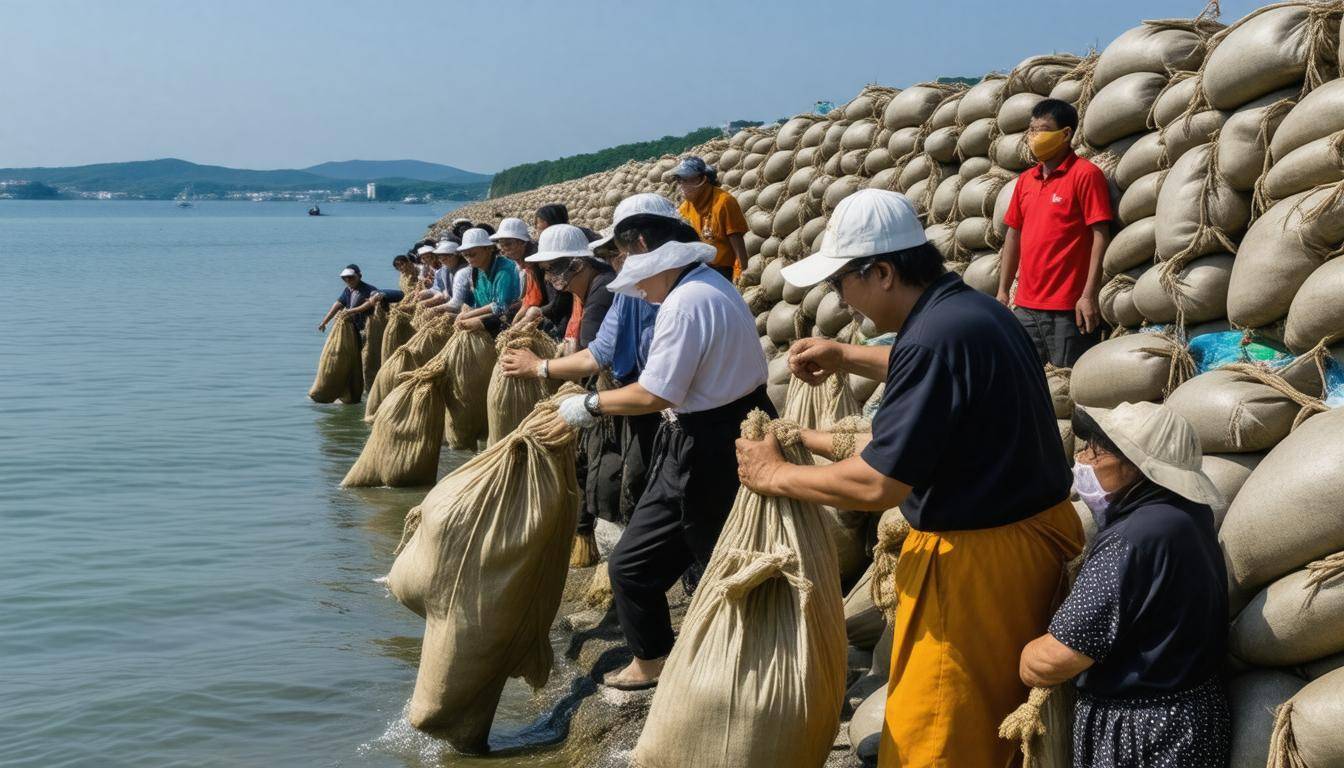
Flood defense is most effective when neighborhoods unite. When residents come together, they amplify their resources and cultivate a supportive network that can lead to robust solutions against flooding. For instance, in Incheon, local flood defense groups have transformed the way communities engage with flood preparedness. These groups empower individuals to pool their resources and share responsibilities, making everyone feel part of the solution.
Imagine the power of neighboring homes banding together during a storm. Each member contributes what they can—whether it’s sandbags, knowledge, or manpower—to form a collective barrier against floodwaters. This collaboration means that larger areas can be effectively protected with minimal strain on individual households. Communal assets, such as shared sandbag supplies or neighborhood pump systems, enhance the ability to act swiftly and decisively when impending floods threaten.
“A unified approach not only maximizes our efforts but creates an atmosphere of safety and trust,” remarks another community member, reflecting on the advantages of cooperation.
The beauty of this collaborative approach lies in its flexibility and adaptability. In challenging weather conditions, these communities quickly mobilize their plans—making use of established relationships built through regular meetings and communication. Knowing who has equipment like pumps or shovels is crucial; these connections can make all the difference when timing is essential during a flood crisis. As rain begins to pour and warnings escalate, established lines of communication become lifelines.
Park Min-soo further emphasizes, “Our block systematized our flood defenses, and it made a significant difference when floodwaters came.” His statement highlights that strategic organization within community groups leads to tangible results during crises. When everyone knows their role and feels accountable, they collectively create a more resilient neighborhood prepared to handle nature’s challenges.
Engaging in this process requires commitment from all parties involved. Communities that schedule regular training sessions or workshops tend to be better prepared for flooding situations because they maintain awareness and readiness throughout the year. In addition to resource-sharing, these gatherings foster camaraderie—a spirit of unity that glows brightly in times of need.
With your community prepared for flooding events, it becomes equally vital to ensure that systems in place continue to perform effectively over time through consistent upkeep and vigilance.
Regular Maintenance and Updates
Keeping your flood defense systems functioning can be the difference between safety and disaster. Regular inspections help you understand the state of your defenses and identify necessary repairs or upgrades. For instance, inspecting sandbags once a year may seem like just a task on your checklist, but it can significantly impact your home’s safety during high-risk weather events. Worn-out bags should be replaced promptly, as they lose durability over time. Additionally, having a reliable pump system is critical; it’s not merely about ensuring the system works today, but rather guaranteeing it can still function when you need it most—typically at the worst possible moments.
According to Incheon’s Flood Management Bureau, routine maintenance reduces flood damage by up to 70%. Imagine that—by investing just a little time in upkeep, you can drastically lower potential devastation. This illustrates how proactive measures yield profound results.
While numbers are compelling, real-world experiences often drive home the importance of these practices even more vividly.
For example, a family living along the coast of Incheon routinely maintained their flood defense kit. They performed monthly inspections on their water pumps, checked for electrical issues, and ensured their sandbags were tightly sealed and looked brand new every season. When an unexpected storm hit, their prepared family had all defenses ready—they stayed safe while their neighbors struggled with flooding. Their experience highlights that regular maintenance isn’t just a chore; it’s an investment in peace of mind and security.
Establishing a maintenance schedule could include a quick weekly visual inspection and a detailed monthly assessment where you track your findings through notes or pictures. You can create a routine so easy that it becomes second nature. This way, maintaining the integrity of your flood defense measures transforms from a daunting task into part of your fluency in protecting what matters most: your home and loved ones.
By regularly attending to these important details, you’re not just following guidelines; you’re actively safeguarding your future against nature’s unpredictability. As we explore further, let’s look at some inspiring examples of those who have successfully navigated such challenges using these very strategies.
Real-Life Success Stories
One illuminating example comes from the Park family in Incheon, who faced the reality of rising waters during the 2023 floods. The Parks took action by investing in a comprehensive flood defense system that included barriers, sandbags, and advanced drainage solutions. What truly set their response apart was their collaborative approach; they didn’t just protect their own home but reached out to neighbors, creating a united front against the impending disaster.
When the rainy season hit hard, their efforts proved invaluable. As waters surged, the entire neighborhood remained dry while surrounding areas suffered significant damage. “It was a community effort that saved us,” remarks Mr. Park. “Had we not prepared together, the outcome could’ve been devastating.” This camaraderie exemplifies how fortified defenses work best when combined with mutual support and communication.
Testimonials like the Park family’s illustrate that preparedness is not solely reliant on materials or kits; it hinges on strategy and collaboration among community members. When individuals are proactive and engage with each other, they achieve far greater protection than any measures taken alone.
These real-life experiences remind us that success against natural disasters is achievable through coordination and preparation. By embracing similar strategies today, you can ensure your home remains resilient against coastal flooding in Incheon.
In short, as you implement these measures, remember that community strength plays a vital role in overcoming challenges posed by nature. Together, you can build an invincible barrier against flooding threats.