
When you think about hitting the road, safety sometimes takes a back seat to excitement. But what happens when that unexpected flat tire or sudden rainstorm shows up uninvited? That’s where an inexpensive car emergency kit comes in handy! It’s more than just a box of random stuff; it’s a collection of essential supplies designed to keep you safe and prepared for whatever life throws at you while driving. In this guide, we’ll help you create a smart and budget-friendly emergency kit that can make all the difference, whether you’re commuting to work or embarking on a weekend adventure. After all, being ready for the unexpected isn’t just smart—it’s essential!
An inexpensive car emergency kit should include essential items such as a first aid kit, non-perishable snacks, a flashlight with extra batteries, reflective vests for visibility, jumper cables, and a sturdy shovel for clearing snow. It’s important to customize your kit based on your specific needs and the climate of your area to ensure you are prepared for any roadside emergency.
The Purpose of a Car Emergency Kit
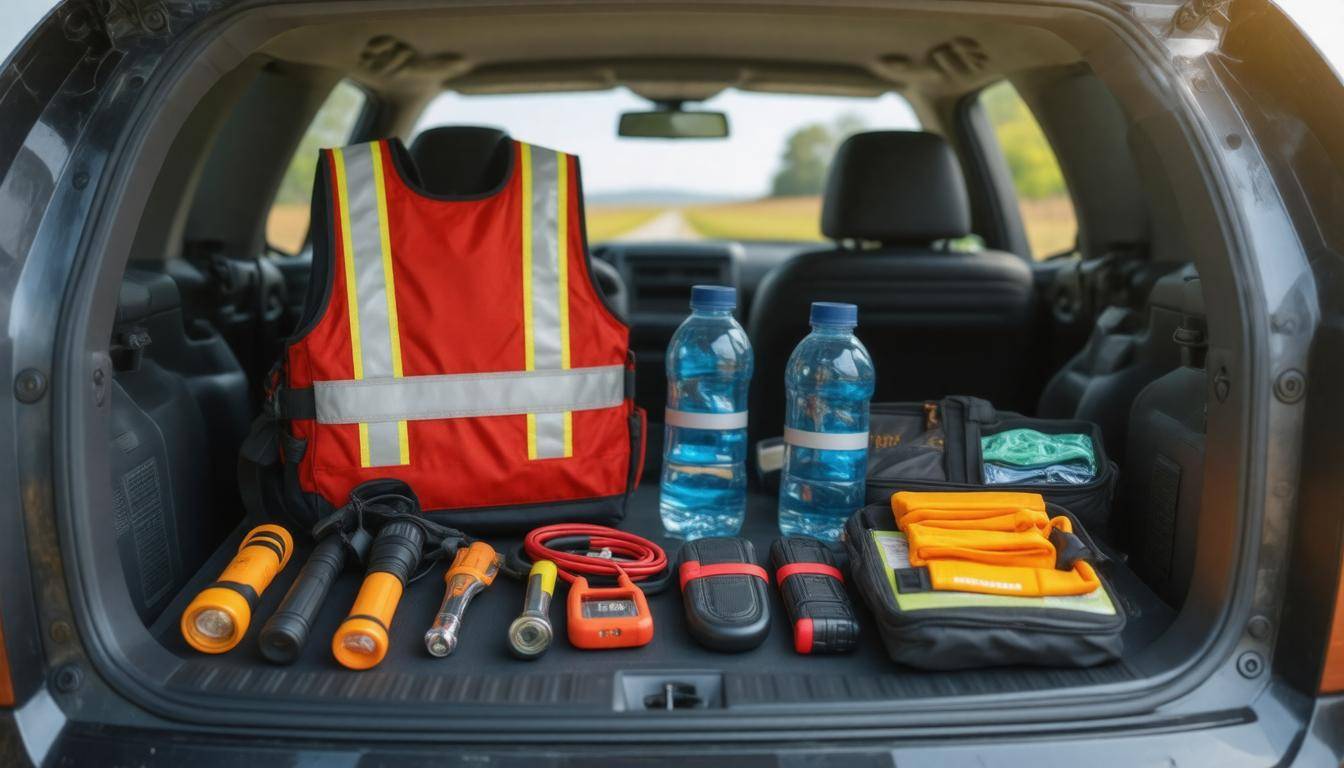
At its core, a car emergency kit is designed to provide essential tools and supplies that ensure safety and preparedness during unforeseen road incidents like breakdowns, accidents, or severe weather conditions. Think of it as your trusty sidekick on every journey—a reliable companion ready to assist you when things don’t go as planned.
For instance, imagine you’re driving through a remote mountainous area when suddenly your car’s engine starts overheating. Without the right tools and supplies at your disposal, that situation could quickly escalate into something much more serious.
Regularly equipped with necessary items, you can handle minor repairs or wait for assistance without anxiety. Studies indicate that being prepared can significantly reduce stress during emergencies, improving your overall response time and outcomes. This added confidence allows you to focus on getting back to safety instead of panicking over what you don’t have.
As the Federal Emergency Management Agency (FEMA) advises, “Every vehicle should have an emergency kit tailored to individual needs and regional conditions.”
In fact, I recall an experience where I was stranded due to a flat tire in an isolated area; thankfully, my emergency kit had the necessary tools—jumper cables and even a compact tire inflator. Without those items, I would have been at the mercy of passing motorists who may or may not have stopped to help.
Furthermore, statistics reveal that nearly 70% of drivers will encounter roadside emergencies at least once in their life. This staggering number highlights just how necessary it is to be proactive rather than reactive when it comes to preparing your emergency kit. By taking these precautions today while thinking about supplies for tomorrow’s road adventures, you’re safeguarding both your vehicle and peace of mind.
Now that we understand the vital role of having an emergency kit in your vehicle, let’s explore the critical supplies and equipment needed for optimal preparedness on the road.
Essential Tools and Safety Gear
The foundation of your car emergency kit begins with a selection of tools and safety gear tailored for common roadside issues. Think of these items as your first line of defense—your personal safeguard against unexpected vehicle troubles.
Essential Tools:
-
Tire Changing Kit: Imagine finding yourself on the side of the road with a flat tire; this is where a tire changing kit becomes invaluable. It should include a jack, a lug wrench, and a spare tire. Knowing how to change a tire can truly make a difference; in fact, AAA reports that flat tires account for 33% of all roadside assistance calls. Familiarizing yourself with this process enables you to handle such situations confidently and efficiently.
-
Jumper Cables: A dead battery can strike at the most inconvenient times, so jumper cables are essential for restarting it. However, consider enhancing your preparedness by investing in a portable jump starter instead. These compact devices not only eliminate the need to rely on another vehicle but also provide peace of mind, assuring you can get back on the road without waiting for help.
-
Multi-Tool: A versatile multi-tool, like a Swiss Army Knife, proves its worth time and again. Its pliers, screwdrivers, and knife edge serve various minor repair needs that might arise during emergencies. With the right tool at hand, many small fixes that once appeared daunting suddenly become manageable tasks.
Safety Gear:
-
Reflective Vest and Triangles: Invisibility can be dangerous when your vehicle breaks down on busy roads. A reflective vest and triangles significantly enhance your visibility to oncoming traffic, reducing the risk of secondary accidents. This simple addition could save your life or someone else’s; safety cannot be compromised.
-
First Aid Kit: Accidents happen unexpectedly, making a well-stocked first aid kit an essential component of your emergency supplies. Your kit should contain bandages, antiseptic wipes, and basic medications such as pain relievers and antihistamines to treat minor injuries quickly.
-
Flashlight: When night falls and darkness creeps in during an emergency, having a reliable flashlight is crucial. Opt for a durable, waterproof version to withstand various conditions, and always keep extra batteries on hand just in case. Alternatively, a hand-crank flashlight ensures you won’t find yourself powerless despite running out of batteries.
Now that you’re equipped with knowledge about essential tools and safety gear for your car emergency kit, let’s explore some options that will keep you prepared without breaking the bank.
Choosing Budget-Friendly Items
When you set out to create an inexpensive car emergency kit, focusing on budget-friendly items is key to making sure your kit is both practical and effective. You don’t have to sacrifice quality for the sake of savings. Many dollar stores offer essential supplies like first aid kits and reflective vests that are just as reliable as their pricier counterparts. Shopping at discount retailers could mean getting exactly what you need to stay safe while traveling without breaking the bank.
If you’re looking for slightly more specialized equipment, like a high-quality multi-tool or a dependable portable jump starter, online marketplaces such as Amazon can provide excellent options. Here, customer reviews serve as valuable guides, helping you sift through choices to find economical yet efficient gear. Always check those ratings and read the comments; they can offer insights into the product’s performance that you’d never get from a price tag alone.
| Item | Budget Option | Price Range |
|---|---|---|
| Tire Changing Kit | Basic kit from Walmart | $25-$40 |
| Jumper Cables | 10-foot cables with carry case | $10-$20 |
| Multi-Tool | Generic multi-tool from Amazon | ~$15 |
| Reflective Vest | High-visibility vest from Dollar Tree | ~$5 |
| First Aid Kit | Small kit from local drugstore | ~$10 |
| Flashlight | Hand-crank flashlight from eBay | ~$10 |
As you assemble your budget-friendly emergency kit, keep in mind that versatility is your best friend. Investing in items with multiple uses can save you both space and cash. A good example is a multi-tool: it can serve various functions like cutting, screwing, or opening bottles—all packed into one handy device! This kind of thinking should guide your choices throughout your shopping process.
Equipped with this knowledge about budget-friendly items, we now turn our attention to crafting a personalized emergency kit that meets your unique needs and ensures you’re prepared for any situation on the road.
DIY Emergency Kit Assembly
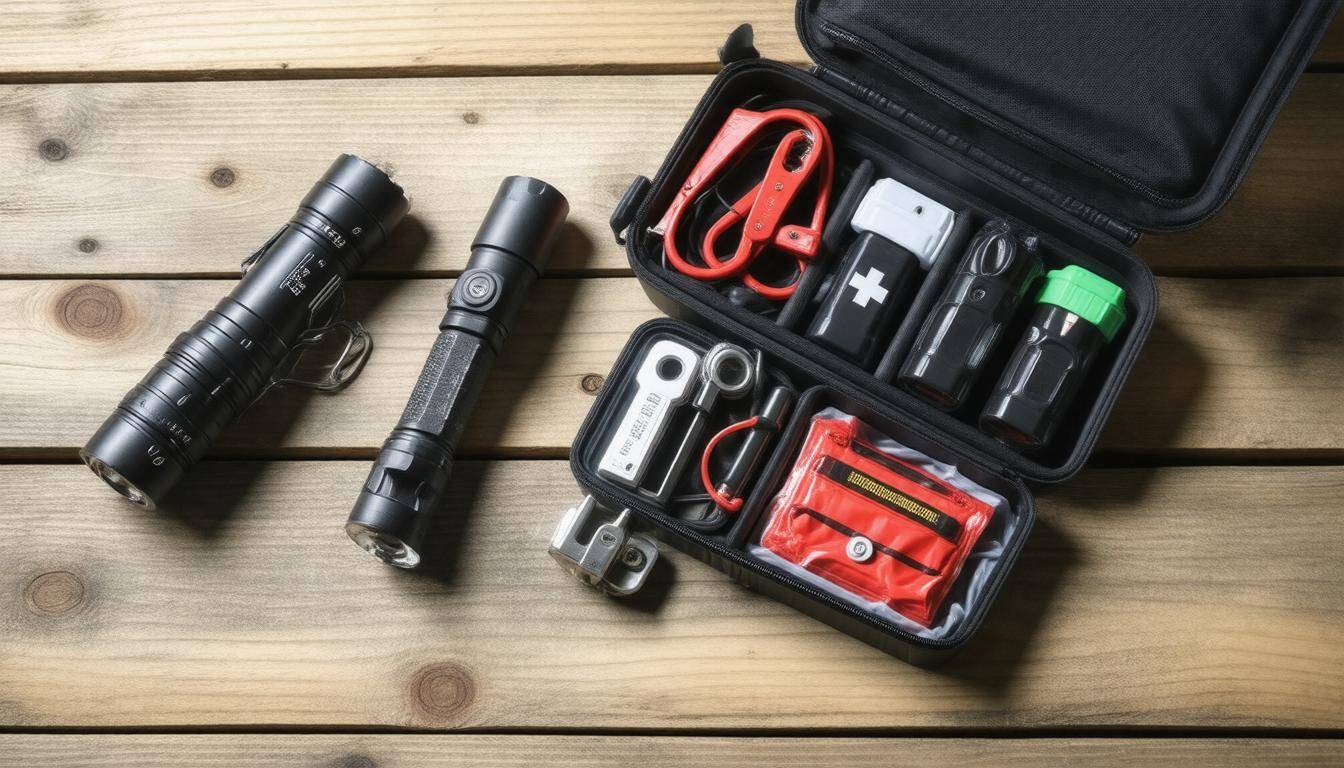
The first step in creating an effective emergency kit is gathering your materials. As you collect everything from your list, don’t just throw items together haphazardly—take a moment to double-check expiration dates on perishable goods like medications and batteries. This practice ensures that when you need an item, it’s not expired or unusable, providing reliability in situations when every second counts.
Once you’ve confirmed all items are fresh and viable, the next phase involves thoughtful organization.
Step II – Organize for Accessibility
Next, it’s time to organize your supplies for ease of access. Place frequently used items, such as the flashlight and first aid kit, in positions that make them easy to reach quickly. Think about the last time you had to rummage through a disorganized bag during a moment of panic—it’s not an experience anyone wants to repeat! Storing heavier items, like the multi-tool or a substantial blanket, at the bottom will help keep the center of gravity balanced, making it easier to carry.
The goal here is straightforward: when trouble strikes, you want to grab what you need without wasting precious time digging through a jumble of items.
A well-organized kit not only increases efficiency but notably enhances safety.
Step III – Pack Efficiently
Now let’s focus on efficient packing. One of my favorite tips is using ziplock bags to categorize smaller items like bandages and medications. Not only does this keep them organized, but it also provides protection against moisture—the last thing you want in an emergency situation is soggy supplies. Additionally, labeling each bag can further streamline the process. Imagine opening a pouch marked First Aid versus sifting through various unlabeled bags; the difference is immense.
Consider also incorporating a checklist inside your kit for routine reviews—this way, you can remain abreast of any necessary updates or replacements. Periodic checks ensure you’re ready for anything life throws your way.
Following these steps diligently will lead to a practical and accessible emergency kit that enhances your preparedness and provides peace of mind while traveling. Transitioning from assembling your kit, it’s essential to consider how you’ll store these vital supplies effectively for quick retrieval when needed.
Best Storage Options
When it comes to your emergency kit, the right storage solution makes all the difference. A heavy-duty, waterproof duffel bag or a plastic storage bin with a secure lid are often regarded as the gold standard. These options provide a solid defense against external moisture and dust, ensuring your supplies remain in pristine condition. Imagine being stranded in a rainstorm only to find your emergency rations were soaked through; it’s important to prevent that! These containers make transporting your kit a breeze, fitting snugly in the trunk or back seat of most vehicles.
But let’s not overlook the alternative: soft-sided organizers. Many people opt for these versatile options with multiple compartments, which allow for better arrangement of items. This kind of setup promotes organization, making it easy to access specific tools or supplies quickly when time is of the essence. You can designate space for food, first-aid gear, and tools separately, lessening the stress during emergencies. The choice ultimately hinges on personal preference and vehicle size. For smaller cars, compact organizers can save valuable space while still keeping everything orderly.
Whatever you choose for storage, remember that it’s essential to keep durability and accessibility in mind.
Think about your lifestyle and driving habits before finalizing your choice. Do you often venture into remote areas where an emergency might require more complex supplies? If so, a larger container might suit you better than a simple duffel bag, allowing for additional necessities like blankets or even a small shovel.
Also consider how you will maintain this organization over time. Regularly check the contents of your kit and update supplies as needed—especially food items that have expiration dates. This proactive approach preserves not just the integrity of your supplies but also peace of mind as you know you’re always ready for whatever life throws at you.
With this knowledge of optimal storage solutions in mind, understanding how to make the most out of your safety supplies will determine their effectiveness when the unexpected happens.
Effective Usage Tips
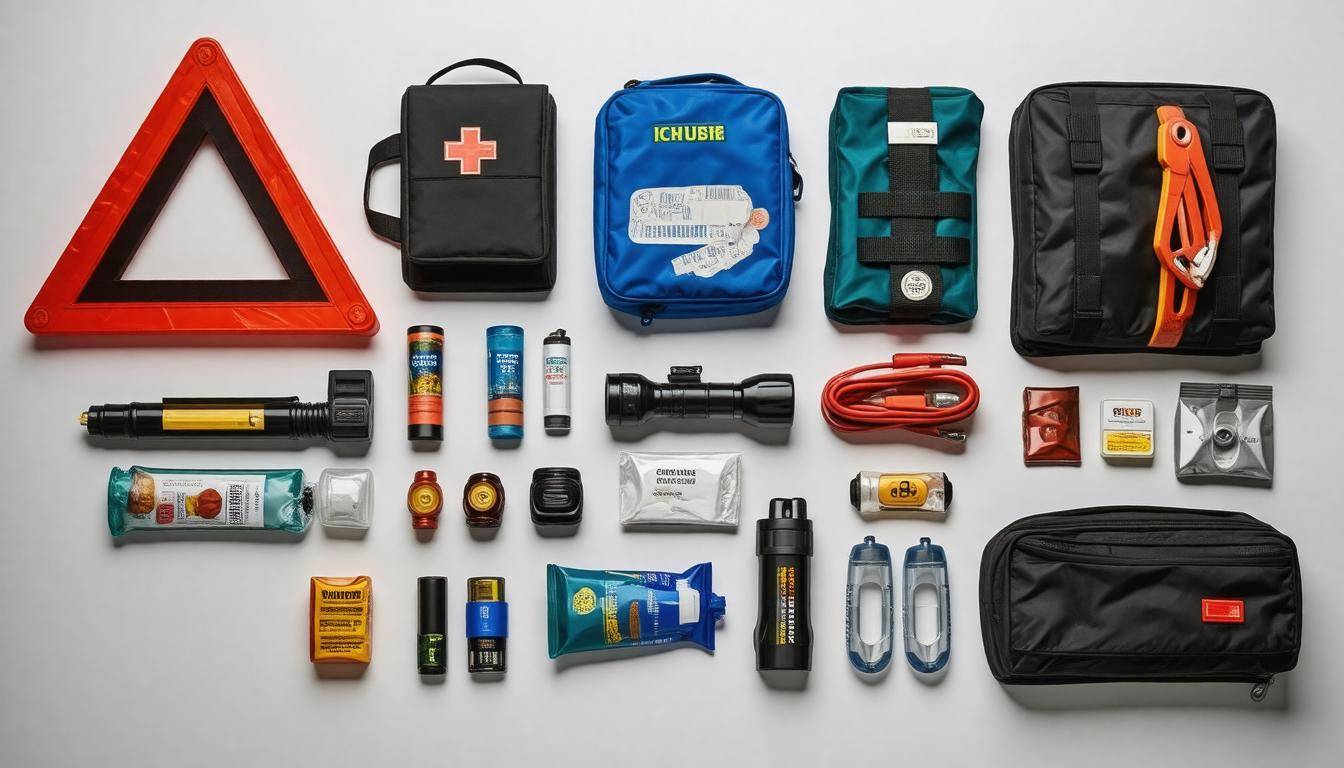
Successfully employing the items in your emergency kit can make all the difference during a crisis. Many people overlook the fact that simply having these supplies isn’t enough; you need to know how and when to use them effectively. First and foremost, familiarize yourself with every item in your kit, practicing their usage if necessary. This preparation equips you with the confidence and skills needed when that moment of urgency strikes.
Take, for instance, a tire change. It’s not merely about having a spare tire; it’s knowing the proper steps to change it safely and efficiently. Perhaps you’ve seen someone struggle with a jack only to find themselves fumbling when it matters most. To avoid this scenario, practice at home: raise the vehicle using your jack, remove the lug nuts, and switch out the tire. This will ensure you become comfortably familiar with the process without the pressure of being on the roadside.
Additionally, it’s essential to understand how reflective gear works beyond just having it in your trunk. In emergency scenarios — especially at night or in adverse weather conditions — placement of reflective triangles is crucial. Positioning them 50, 100, and 150 feet behind your vehicle signals approaching drivers well ahead of time, significantly enhancing visibility and safety. This simple precaution can prevent further accidents while waiting for roadside assistance.
Furthermore, remember that your emergency kit should evolve along with your personal needs and experiences.
Personalizing your kit with supplies tailored to specific situations is a powerful tip. For example, if you live in an area prone to winter storms, consider including extra thermal blankets or hand warmers to retain body heat if stranded. Alternatively, if you’re often traveling with children, adding some snacks or games can keep spirits high during extended waits for help.
- Review and Replace: Regularly check expiration dates on food items and medications. Fresh supplies are essential when you need them.
- Custom Essentials: Include any specific medications or personal items relevant to all passengers — ensuring access to necessities during critical moments.
Finally, don’t underestimate practice.
Just as emergency drills are vital at schools or workplaces, it benefits everyone involved in your travels to rehearse emergency scenarios related to your kits—such as navigating off-road situations or first aid applications like treating minor injuries until professionals arrive.
By embracing these practices and understanding what each item in your emergency kit can do for you, you’re empowered to tackle unexpected challenges calmly and confidently.
With these strategies in mind, let’s take a closer look at practical experiences and insights that highlight the importance of being prepared.
Real-World Examples and Advice
To emphasize the value of having an emergency kit, let’s explore real-life scenarios that underscore why these supplies are not just useful, but necessary. Take Sarah’s story, for instance. One evening, while driving on a remote road, her car battery unexpectedly died. Without cell service available to call for help, panic started to set in. Fortunately, Sarah remembered her portable jump starter—a compact yet powerful tool that became her lifeline in that moment. Just minutes later, she had successfully jumped her car without waiting hours for roadside assistance. This experience highlighted a fundamental truth: having the right tools can turn a potential disaster into a minor inconvenience.
A personal anecdote like Sarah’s serves as a powerful reminder of preparedness—the right emergency kit can save you time and stress when you need it most.
Another fascinating story comes from Mike, a seasoned trucker with two decades of experience under his belt. He always keeps a can of tire sealant in his emergency kit—a choice rooted in reality rather than theory. Mike has encountered countless flats on the road, and each time he was able to quickly apply the sealant, patching leaks efficiently and getting back on track without hassle. His testimony reflects how certain items can be game-changers when faced with road challenges. It’s easy to overlook how essential these small products can be until you’re reliant on them.
The Importance of Keeping Your Kit Updated
Despite the efficacy of these tools, one crucial aspect often goes overlooked: keeping your emergency kit updated. Many drivers assume that once they assemble their kits, they’re set for life. However, this belief can lead to complacency and unpreparedness in emergencies. Expiration dates on food items and medical supplies can easily sneak up on us. Regular check-ins—say every six months—are advisable to ensure all components remain functional and ready for use when needed.
Key Action Points:
- Check expiration dates regularly.
- Replace any used or expired supplies immediately.
- Adapt your kit based on seasonal needs; more water or blankets in winter, for example.
As you start compiling essentials into your emergency kit or enhance what you already have, remember: preparation isn’t a one-time deal—it’s an ongoing commitment to safety on the road.
Now that you understand the significance of having the right supplies and keeping them fresh, let’s shift our focus to the critical task of maintaining and enhancing your kit over time.
Maintenance and Updating Your Kit
Regularly checking and updating your car emergency kit is crucial to maintain its effectiveness. Think of your car kit as a living entity—without attention, it can fall prey to the ravages of time. Just like you wouldn’t let food in your fridge sit until it spoiled, neither should you allow supplies in your emergency kit to languish. It’s not just about what’s inside; it’s also about ensuring that everything is functioning and fresh for those unexpected moments of need.
One effective approach is to schedule a bi-annual review of your kit. This allows you to replace expired items like first aid supplies and batteries without the pressure of an impending crisis. Making this part of your routine means you’ll have peace of mind when a flat tire or unexpected mishap arises. During these reviews, also check that all tools are functioning correctly—no one wants a broken flashlight when they need it the most.
Additionally, consider seasonal changes when updating your kit. For example, in winter, you might need extra blankets, a small shovel for snow removal, and hand warmers for those frigid temperatures. Conversely, as summer approaches, think about including lightweight water bottles and sunscreen to guard against heat while waiting for assistance. Each season presents its own challenges, and being prepared can make all the difference between discomfort and disaster.
Staying proactive about your kit’s condition ultimately ensures that when you need it, everything is in perfect working order. After all, nobody plans for emergencies; they come out of nowhere and often at the worst times possible. By investing this small amount of effort into upkeep, you’re effectively safeguarding yourself against unforeseen circumstances during your travels.
Thus, the more regularly you engage with your emergency supplies, the better prepared you’ll be—leading to safer journeys ahead.
In summary, a well-maintained car emergency kit is essential for navigating unexpected situations with confidence. Taking the time to update and review your supplies can turn potential disasters into manageable challenges on the road.
Are there any inexpensive pre-packaged emergency kits that are recommended for purchase?
Yes, there are several inexpensive pre-packaged emergency kits that come highly recommended, such as the AAA 53-Piece Road Assistance Kit, which is often available for around $30. These kits typically include essential items like jumper cables, a flashlight, first-aid supplies, and basic tools to assist in roadside emergencies. According to a survey by the National Safety Council, having an emergency kit can significantly increase road safety and preparedness; it’s estimated that 70% of drivers do not carry adequate supplies for unexpected situations. Investing in a pre-packaged kit can therefore provide peace of mind without breaking the bank.
How can I customize my car emergency kit based on the climate I live in?
To customize your car emergency kit for your climate, assess the specific weather conditions and potential hazards in your region. For example, if you live in a cold climate, include items like warm blankets, hand warmers, and a shovel for snow. Conversely, in hotter areas, pack water bottles to stay hydrated and sunscreen to prevent sunburn. According to the National Highway Traffic Safety Administration, having an adequate emergency supply can increase your chances of survival in extreme conditions by up to 50%. Tailoring your kit ensures you’re prepared for the unique challenges of your environment.
What are some tips for storing and organizing a car emergency kit effectively?
To store and organize your car emergency kit effectively, use a durable, labeled container that fits in your trunk or under a seat, ensuring each item is easily accessible. Categorize supplies such as first aid items, tools, and food/water by placing them in separate, clear bags for quick identification. According to a survey by AAA, over 30% of drivers do not carry basic emergency supplies; thus, being prepared with an organized kit can significantly enhance safety during roadside incidents. Regularly check and update your kit every six months to replace expired items and adapt to changing needs.
What essential items should be included in a budget-friendly car emergency kit?
An effective budget-friendly car emergency kit should include essential items such as a first aid kit, jumper cables, a flashlight with extra batteries, basic tools (like a wrench and screwdriver), duct tape, a reflective triangle or safety vest, and non-perishable snacks. According to the National Highway Traffic Safety Administration, having an emergency kit can significantly increase your chances of staying safe in unforeseen situations; approximately 37% of roadside emergencies involve vehicle breakdowns, making preparedness crucial for every driver.
How often should I check and update the contents of my car emergency kit?
You should check and update the contents of your car emergency kit at least twice a year, ideally during the spring and fall when you typically change your tires or perform vehicle maintenance. This ensures that all supplies are in good condition and not expired—especially items like food, batteries, and medications. Studies show that nearly 70% of drivers are unprepared for emergencies, so regular checks can significantly enhance your safety on the road.