
When the winter chill sets in and your heating system decides to take a vacation, it’s easy to feel overwhelmed. But don’t worry—there are simple, affordable ways to keep the warmth flowing without emptying your wallet. Think beyond the traditional heater; there are creative and effective solutions that can turn your home into a cozy haven again. From trusty propane heaters to clever insulation tricks, this article explores how you can warm up your space safely and inexpensively. Let’s dive in and discover what works best for making those cold nights a lot more comfortable!
Inexpensive and safe emergency heating options include propane heaters like the Mr. Heater Buddy, which is designed for indoor use and provides effective warmth during outages; however, ensure proper ventilation and monitor carbon monoxide levels for safety. Additionally, using portable kerosene heaters can be a cost-effective alternative, as they generate significant heat but should also be used with caution in well-ventilated areas.

Affordable Alternatives to Central Heating
One of the most accessible and inexpensive heating solutions is portable electric space heaters. These compact devices efficiently heat individual rooms where extra warmth is needed.
Despite their lower upfront costs — typically ranging from $25 to $150 — they do come with ongoing electricity costs of about $0.20 to $0.50 per hour, depending on your local rates. Thus, while they provide a quick burst of heat, it’s essential to balance usage with energy expenses.
If you’re looking for something without electricity, consider kerosene heaters. Priced between $50 and $200, these units can generate significant heat in smaller areas, providing a cost-effective way to stay warm during cold snaps. However, kerosene can be more challenging to source compared to other fuels, so stock up when you can during milder weather.
Portable heaters have the advantage of being easier to move from room to room, allowing you to focus your heating efforts exactly where you need them at any given time.
Insulation Techniques
While alternative heating sources are valuable, don’t overlook the importance of proper insulation within your home. Sealing drafts significantly enhances your ability to retain warmth. For instance, utilizing bubble wrap on windows acts as an effective insulator, helping keep chilly air out while preserving heat generated from your portable units or kerosene heaters. This simple trick cuts down on heat loss and helps lower your overall heating costs by as much as 20% to 30%.
Implementing DIY insulation strategies like thermal curtains can also be incredibly useful; making these curtains costs approximately $20 to $50 per window, but reduces heat loss by up to 25%. Assess how drafty your house is before relying solely on heating methods since an insulated home will stay warmer longer, decreasing the amount of fuel or energy required.
Exploring alternative heating sources and insulation improvements broadens your options even further.
Alternative Sources: Camping Gear
Consider looking into camping gear as viable emergency solutions — think sleeping bags, tents, or space blankets that trap body heat effectively. I remember one particularly frigid winter when we lost power; our family huddled under thick comforters and wrapped in backpacks equipped with insulated layers made for camping trips; we stayed surprisingly warm that night!
If you’re crafty with outdoor gear, combining basic camping supplies and excellent insulation can help create cozy refuges in even the coldest conditions.
These types of solutions tap into our natural ingenuity and resourcefulness, reminding us that warmth doesn’t always come from traditional sources — rather, it often rests within our own hands and creativity.
By assessing a range of affordable heating options along with practical insulation techniques, you can maintain comfort during emergencies—all while saving money!
As we consider these innovative ways to heat spaces without breaking the bank, it’s also worth examining more efficient methods designed specifically for active use indoors.
Portable Electric Heaters
Portable electric heaters are a fantastic way to keep your space cozy without breaking the bank. These heaters are easy to move from room to room and come in various types to meet different heating needs. They operate using electricity, making them perfect for environments where you have power but want to avoid overusing your central heating system.
Types of Portable Electric Heaters
Among the popular choices, ceramic heaters stand out for their quick heating capabilities. These heaters utilize ceramic elements that heat up rapidly, allowing them to blow warm air almost immediately. In my experience, these are ideal for smaller spaces or rooms that need an instant warmth boost—like when I return home from a cold day and need a swift dose of coziness in my living room. Plus, they tend to be more energy-efficient compared to other types.
Another effective option is the infrared heater, which works differently by emitting infrared light that heats objects directly rather than just warming the air around it. This method is particularly advantageous in drafty spaces where traditional heating methods might struggle. Imagine finally finding relief from chilly drafts while staying seated on your couch; infrared heaters make that a reality.
Lastly, we have oil-filled radiators, which take a little longer to heat up but deliver consistent warmth. Once heated, they retain heat for hours, making them excellent for nighttime use because you can set one up in your bedroom and enjoy a warm sleeping environment without worrying about waking up to an icy chill.
Together, these heater types not only provide the comfort we crave during harsh winters but also cater to various needs depending on situational requirements. As we navigate through the world of heating solutions, it’s vital to explore various fuel options that present their own benefits and considerations.
Kerosene and Propane Heaters
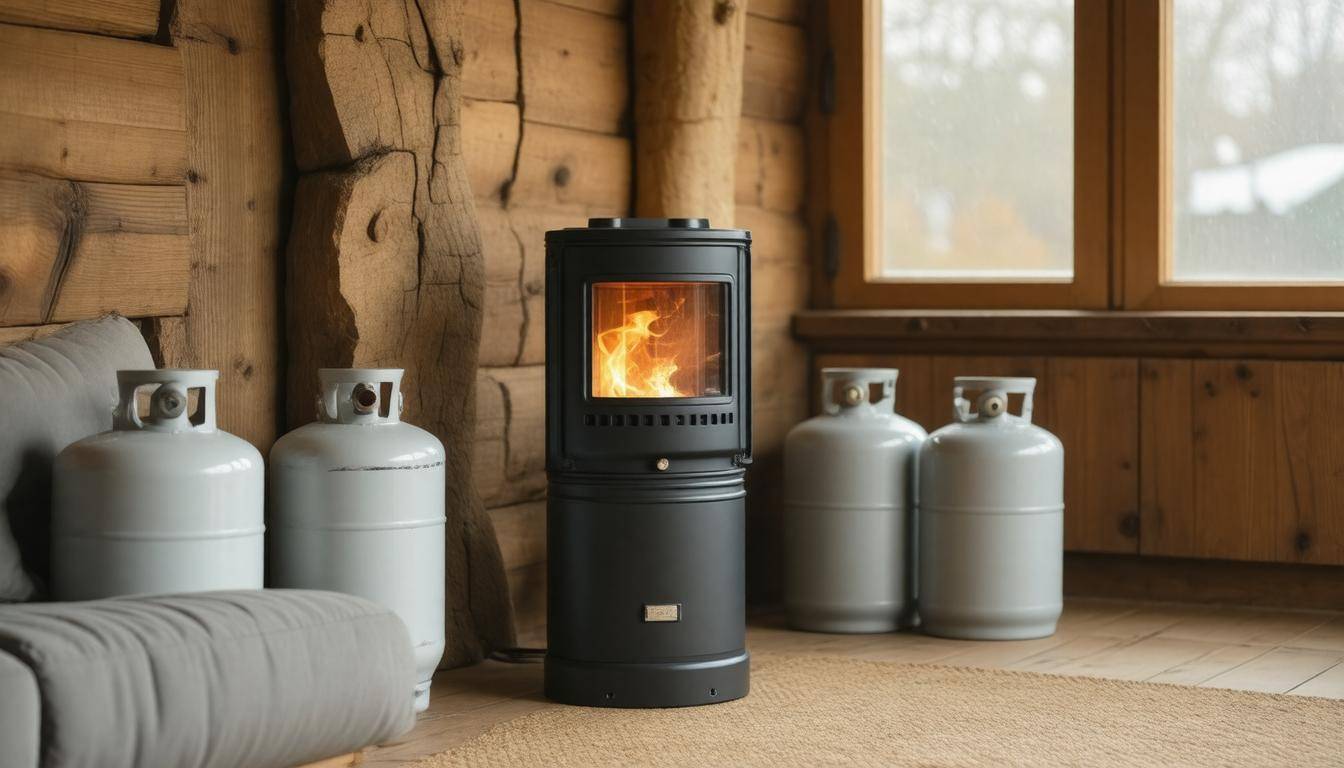
Kerosene heaters are often seen as an effective choice during colder months, especially when the power goes out. One of the major advantages of these heaters is their efficiency; they can quickly generate sufficient heat to warm larger areas. For instance, a typical radiant-type kerosene heater operates with approximately 23,000 BTUs and has the potential to run efficiently with a small investment.
For around $4 per gallon, K-1 white kerosene can supply warmth for about 21 hours with only a 5-gallon fill. That’s a significant amount of warmth for an economical price point.
“We used a kerosene heater during a snowstorm, and it kept our living room warm for hours,” says Janet from Vermont. This sentiment reflects how many users find comfort in these devices during emergencies.
However, caution is essential. While the risk of carbon monoxide (CO) buildup is minimal if operated correctly, it’s always wise to ensure proper ventilation by slightly cracking open a door or window when using kerosene heaters inside.
Moreover, another area worth considering when discussing heating solutions is propane heaters. Propane is often viewed as a more environmentally friendly alternative compared to kerosene. A typical 20lb propane cylinder costs about $20 to refill and offers comparable operating costs to kerosene heaters, depending on usage patterns. These Dynaglow type propane models usually output around 15,000 BTUs and provide an impressive run time of approximately 28 hours at full blast on one tank.
Heating Considerations
Despite their benefits, propane heaters also require careful management—particularly around ventilation. Just like with kerosene, it’s essential that rooms be adequately aired out when using propane units to avoid any build-up of hazardous fumes. Some models even come equipped with built-in safety features such as shut-off valves, which add an extra layer of comfort.
When comparing the two fuel types, opinions vary among users who often debate whether kerosene or propane is the superior choice for heating solutions. The truth is that your choice will largely hinge on personal preference, availability, and specific heating needs within your space.
Whether it’s the familiarity and cost-effectiveness of kerosene or the eco-friendliness and safety measures of propane that draws you in most, both options have their pros and cons worthy of consideration.
It’s important to weigh the specifications and risks involved in each heating solution before making a decision. Understanding both kerosene and propane heaters will empower you to choose the right method for meeting your immediate heating needs while keeping your environment safe and cozy during those chilly emergencies.
With those heating methods laid out, let’s transition towards understanding how insulation plays a pivotal role in maintaining warmth effectively without relying solely on external heat sources.
The Role of Insulation
Insulation is a home’s unsung hero when it comes to staying warm. When the winter chill settles in, a well-insulated house can feel like a cozy refuge from the frigid air outside. If you want to maximize your heating strategies, understanding the role of insulation is crucial.
Essentially, insulation helps keep the warm air inside your home and the cold air outside where it belongs. This can mean the difference between a comfortable living space and an icebox when it’s freezing outside.
For instance, if you’re relying on emergency heating solutions like kerosene or propane heaters, having proper insulation will ensure that the warmth generated by these devices doesn’t escape too quickly. Think of it as a warm jacket for your home: without it, even the best heater will struggle to maintain a comfortable temperature.
During emergencies, properly insulated areas stay warmer longer, allowing you to use less fuel and saving you money in stressful situations.
To improve insulation effectively, there are several straightforward steps you can take. Start with sealing windows and doors; gaps can be sneaky little culprits for heat loss. Utilizing weather stripping and caulk not only secures those spaces but also gives your house an extra layer of protection against drafts.
Additionally, consider insulating your attics and basements. These areas are often neglected but are major contributors to heat loss in homes. Adding insulation here can dramatically affect your overall comfort level. Finally, think about using thermal curtains. They act as an additional barrier against cold windows and can trap heat inside rooms effectively—real game changers during chilly nights.
| Item | Cost Range | Expected Savings |
|---|---|---|
| Weather Stripping | $5-$15 | Up to 10% |
| Attic Insulation | $500-$1500 | Up to 30% |
| Thermal Curtains | $20-$100 | Up to 15% |
These seemingly simple upgrades can work wonders for maintaining indoor warmth and cushioning against the cold outdoors. As we explore inexpensive ways to fortify your living space further, some heating devices can provide effective solutions that won’t break the bank.
Emergency Heating Devices Under $50
When faced with the chill of winter or the uncertainty of power outages, it is heartening to know that there are effective and budget-friendly heating options available. The idea is not merely about survival but finding warmth in the most economical and safe ways. As you sift through choices, consider these devices that can offer essential heat during critical moments without costing you a fortune.
Budget-Friendly Heaters
Portable hand warmers are a fantastic first choice for localized warmth. These little gadgets fit snugly in your pocket and can provide immediate heat when needed most. Many modern versions are rechargeable and reusable, making them both environmentally friendly and economically sensible. They shine in situations where you only need to warm your hands or a small area quickly. Picture this: you’re huddled under layers of blankets on a cold evening with only your favorite book—invaluable when paired with a hand warmer nestled between your pages.
- Portable Hand Warmers: Small, reusable hand warmers can provide heat in a pinch but are best for quick, localized warming.
- Candle-Powered Heaters: Imagine a simple setup using tea candles nestled beneath a ceramic pot. This straightforward assembly can generate astonishing amounts of heat relative to its minimal cost. Place it on a stable surface (with proper ventilation). Just remember to always keep an eye on any flames for safety.
- Reflective Blankets: Often seen among survivalists, these lightweight thermal blankets trap body heat effectively. They’re not just handy for emergencies; they can also be used during outdoor activities like camping or hiking for extra insulation.
When considering any budget heating solution, always check online reviews before purchasing. I find reading customer experiences particularly helpful because some products that look promising can fall short in performance.
Each of these solutions has its strengths and works best in different scenarios, allowing you to customize your approach based on how severe the cold is or how long you expect to be without traditional heating sources. Knowing these options exist brings peace of mind.
By understanding effective ways to keep the warmth inside, you set the stage for utilizing these heating solutions more efficiently as temperatures drop.
Managing Heat Loss
Keeping your home warm during cold spells isn’t just about having a good heater; it’s also about how well you manage the warmth that your heater generates. Every little gap or crack in your home can let that precious heat escape, which can make a significant difference in both comfort and efficiency. Just think of your house as a thermos bottle; if it’s sealed well, it holds onto warmth much longer.
Steps to Minimize Heat Loss
One effective approach to retaining heat is to close unused rooms. By shutting doors to areas you’re not using, you create a concentrated pocket of warmth in the spaces where you spend your time. This simple action allows the heater to work more efficiently without wasting energy heating empty rooms.
Utilizing rugs and carpets can significantly help trap heat. Bare floors—especially tile or wood—can draw heat away from the room like a sponge soaking up water. A thick rug or carpet acts as an insulator, providing a barrier between the cold floor and the warm air above it. If you don’t have rugs, even placing blankets down can offer some benefit!
To enhance insulation further, consider covering walls with tapestries or heavy curtains. Not only do these add aesthetic beauty to your space, but they also create an additional layer of insulation that keeps the chill at bay. Imagine wrapping yourself in a cozy blanket; those layers make all the difference!
Just like using a thermos properly keeps its contents hot for hours, these techniques help maintain the warmth generated by your emergency heater. The better you insulate your living space, the longer you’ll enjoy that delightful warmth.
With effective management of heat loss established, next we’ll need to navigate essential precautions to ensure safety while warming your environment.
Safety Precautions and Considerations
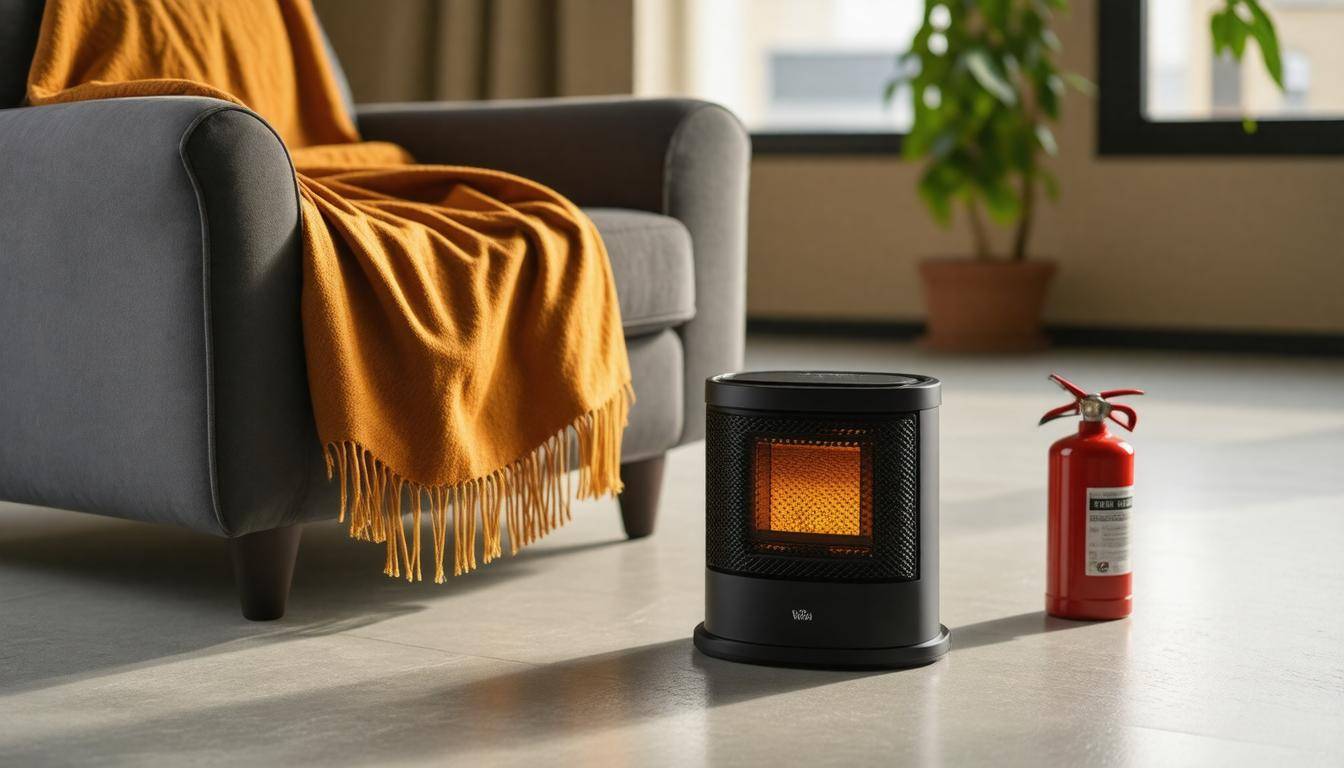
When turning to alternative heating solutions, ensuring safety is paramount. Whether you are using propane, kerosene, or another heating option, understanding the risks and how to mitigate them is essential for protecting both your home and your loved ones. One of the first steps you should take is to install carbon monoxide (CO) detectors in key areas of your home—ideally near sleeping spaces. This proactive measure can save lives, as CO gas has no odor and can accumulate rapidly in poorly ventilated areas when fuel-burning appliances are used.
Essential Safety Tips
- Install CO Detectors: Especially crucial when using kerosene or propane heaters. Ensure they have fresh batteries and test them monthly.
- Maintain Clearances: Keep flammable materials such as curtains, paper products, and furniture at least three feet away from any heating devices. Even a small spark can lead to catastrophic results.
- Regular Maintenance: Schedule consistent checks of fuel tanks, lines, and connections for leaks or wear. Damaged components can create dangerous situations that could otherwise be easily prevented.
One thing I learned through personal experience is that many accidents often stem from a lack of supervision. Children and pets can inadvertently bring flammable materials too close to heat sources, so it’s crucial to maintain vigilance while your heating solution is in use.
Keeping these safety measures in check creates a solid foundation for utilizing emergency heating methods safely, but there are additional strategies for optimizing warmth in your living space during cold weather.
Tips for Retaining Heat in Your Home
Retaining heat is vital not just for staying comfortable but also for ensuring that your energy sources — be it a wood stove, propane heater, or electricity — are used efficiently.
One of the simplest yet most effective techniques you can implement is using draft stoppers. These little heroes, often called door snakes or draft dodgers, are designed to block cold air from sneaking under doors. I once made a few out of old socks stuffed with rice, and while they weren’t the prettiest, they worked wonders by significantly reducing cold drafts that made their way into my cozy living room.
Another crucial tip is to layer your clothing and bedding. This technique might remind you of camping trips where everyone huddles together in sleeping bags, but it’s incredibly effective. Wearing multiple layers traps air between the fabrics, acting as insulation. Likewise, layering blankets on your bed can turn even the coldest nights into comfortable ones without cranking up the heat. You’ll find that a well-layered bed keeps you warm and creates a snug space perfect for curling up with a good book.
Using heat-producing methods like cooking or baking also contributes to warmth in your home. Whenever I’m preparing a meal, I relish the extra warmth emanating from the oven and stove. Imagine baking cookies or roasting vegetables while adding delightful aromas around your home; you’re getting cozy warmth while satisfying your taste buds. Aside from being practical, cooking provides delicious rewards and creates an inviting atmosphere.
If you’re looking to take things a step further, consider sealing windows with thermal curtains. These specially designed curtains can reduce heat loss through glass by as much as 50%. By trapping warm air in, they help maintain a consistent temperature within the room. Furthermore, I learned that hanging bubble wrap on windows not only provides insulation but offers an unconventional (and quite whimsical) method to keep out the cold without spending on new window treatments.
Combine these practical strategies with an awareness of your emergency heating options, and you’ll be well-equipped to keep your living spaces warm during any unexpected chill or power outage.
Incorporating these heat retention methods ensures comfort and improves energy efficiency in your home. Stay warm and prepared!
How can one effectively use portable heaters without compromising safety?
To effectively use portable heaters without compromising safety, ensure they are placed at least three feet away from flammable materials, and never leave them unattended while in operation. Opt for models equipped with safety features such as tip-over switches and overheat protection. According to the National Fire Protection Association (NFPA), space heaters accounted for 43% of home heating fires and 85% of home heating fire deaths between 2014 and 2018, highlighting the importance of safe practices. Always follow the manufacturer’s guidelines and consider using a heater with an automatic shut-off feature to enhance safety further.
What materials or tools do I need to create a DIY emergency heating solution?
To create a DIY emergency heating solution, you’ll need a few basic materials and tools including candles (preferably in metal jars), a terra cotta pot for heat distribution, a small metal tray, and matches or a lighter. Candles can provide significant warmth; for instance, one candle can produce about 80-100 degrees Fahrenheit of heat in its immediate vicinity. Additionally, the terra cotta pot acts as a heat sink, capturing and redistributing heat more effectively. Safety is crucial, so ensure you’re in a well-ventilated area and have fire safety tools on hand.
Are there specific types of fuel that are considered safer for emergency heating?
Yes, certain fuels are considered safer for emergency heating. For instance, propane and natural gas are often viewed as safer options due to their clean-burning properties and lower emissions compared to wood or coal, which can produce harmful particulate matter. According to the Environmental Protection Agency (EPA), using propane can reduce indoor air pollution by nearly 80% when compared to traditional solid fuels. Additionally, electric heaters, while reliant on the power grid, pose no risk of carbon monoxide poisoning and are a safe alternative during emergencies when used properly.
What precautions should homeowners take to prevent fire hazards when using makeshift heating sources?
Homeowners should ensure that makeshift heating sources, such as space heaters or candles, are placed at least three feet away from flammable materials like curtains or furniture. Regularly checking for frayed cords and avoiding the use of extension cords can also help mitigate fire hazards. According to the National Fire Protection Association (NFPA), heating equipment is involved in one out of every five home fire deaths, emphasizing the importance of cautious practices when using unconventional heating methods. Always prioritize safety by never leaving these heat sources unattended.
What are the safest low-cost methods for providing heat during an emergency?
The safest low-cost methods for providing heat during an emergency include using blankets and sleeping bags for insulation, utilizing hand warmers, and making use of candles in a well-ventilated area to avoid carbon monoxide buildup. According to the National Fire Protection Association (NFPA), home heating equipment is involved in 15% of all reported U.S. home fires, emphasizing the importance of using non-combustible materials and safe practices while heating. Additionally, creating a small confined space with body heat, like huddling together, can significantly increase warmth without any cost.