
When the power goes out, whether it’s due to a storm or a technical glitch, it can feel like you’ve been dropped into the dark ages. Panic may set in as you wonder how you’re supposed to keep your fridge cold or charge your devices without a reliable power source. Luckily, there are affordable options available to help you maintain some level of comfort and safety during those unexpected outages. In this article, we’ll explore two popular choices—generators and battery systems—so you can find the best emergency power solution for your needs. We’ll also analyze their pros and cons, helping you make an informed decision before the lights flicker off.
Inexpensive emergency power options typically include generators and portable power stations, each with unique advantages. Generators generally provide higher wattage output suitable for heavy-duty applications but require fuel sources such as gasoline, while portable power stations offer convenience and rechargeable battery capability, ideal for small devices and short-term use.

What Qualifies as an Emergency Power Source?
At its core, an emergency power source must be capable of providing reliable electricity when the grid fails. This means it should keep essential appliances operational, such as lights, refrigerators, medical devices, and communication equipment. Imagine facing a storm-induced blackout; having access to power ensures that your family remains comfortable and safe. A good emergency power source not only delivers electricity but also does so with ease and efficiency.
Key Features to Look For
The two primary categories of emergency power sources are generators and battery systems.
Generators are typically fueled by petrol or diesel, which allows them to produce a high energy output that can effectively support heavy-duty appliances. However, there’s a catch: they can be noisy and often require regular maintenance to keep running smoothly.
On the other hand, battery systems deliver quieter operation and minimal upkeep. Many have the added advantage of being rechargeable through solar panels or conventional power grids, making them a more environmentally friendly option.
| Criteria | Generators | Battery Systems |
|---|---|---|
| Power Output | High (2,000+ watts) | Variable (300-2,000+ watts) |
| Noise Level | High | Low |
| Maintenance | Frequent | Minimal |
| Start-Up Time | Instant or delayed | Almost instant |
| Portability | Varies (portable options available) | High |
| Refueling/Recharging | Petrol/Diesel | Solar/Electric |
When weighing your options, consider how much power you truly need. For instance, if you live in a rural area prone to long outages, investing in a generator with at least 2,000 watts may be beneficial for keeping your home fully powered. Conversely, for those living in urban settings where outages may be brief or rare, a portable battery could suffice for running essential devices like chargers for phones and small lights.
As you assess your needs for an emergency power source, it’s essential to consider additional options that enhance sustainability and efficiency in energy use. Transitioning toward greener solutions will reveal more about what’s possible in harnessing the power around us.
Affordable Solar Power Solutions
Solar power has truly transformed how we think about emergency energy solutions. Unlike costly generators that require fuel, solar power harnesses the sun’s energy, offering a sustainable and renewable option for anyone needing extra electricity, especially during outages. With a variety of solar solutions available, they provide flexible applications for everything from casual camping trips to serious home emergencies.
Types of Solar Solutions
-
Portable Solar Panels: These compact panels are lightweight and easy to transport. Many can be folded up like a briefcase, making them ideal for RVing or quick charging of small devices like smartphones and laptops. They work best in conjunction with portable battery systems, ensuring you’re never caught without power while on the go.
-
Solar Generators: Combining both solar panels and battery storage, solar generators offer a more integrated solution. They can charge multiple devices at once and provide more substantial energy outputs suitable for small-to-medium appliances like refrigerators or even lights during extended power outages.
-
Roof-Mounted Solar Systems: Although these installations require a significant upfront investment, they have the potential to power your entire home. Once set up, you can enjoy lower electricity bills and have peace of mind knowing you have a robust energy source for emergencies.
Looking at specific options, users have lauded the Jackery SolarSaga 100W paired with a compatible Jackery Portable Power Station. This combination stands out due to its balance between efficiency and portability. It is reported by many who have tested it that this setup remains reliable not just during remote camping adventures but also as an important resource when facing unplanned power shortages at home.
When considering solar solutions, ensure that you’re well-informed about the compatibility among different components; it’s crucial to maximize your system’s efficiency for the best performance in your time of need. As we explore further, we’ll shift our focus to additional emergency power options that complement solar systems effectively.
Portable Generators Overview
Portable generators are increasingly vital in our lives today, especially as we face more frequent natural disasters. Their ability to provide substantial electricity makes them ideal for backup power during emergencies, whether it’s in the middle of a storm or an unexpected blackout. Imagine the peace of mind that comes knowing you can keep your refrigerator running, charge your devices, or even power essential medical equipment when the grid goes down.
Fuel Types
Choosing the right fuel type is crucial for ensuring your generator operates efficiently. Gasoline generators are the most common and easily accessible; however, they can be less efficient due to issues like stale fuel and potential volatility. You know how frustrating it is when you go to use a generator only to find out the fuel has gone bad! Diesel generators present a compelling alternative as they tend to offer better fuel efficiency and longer lifespans, although they can be louder and bulkier, which might not be ideal for all situations.
Then there’s propane: clean-burning and safe for storage, propane generators add a layer of flexibility without the concerns associated with gasoline. However, they typically produce lower energy output compared to gasoline or diesel ones.
So now that we’re on the topic of various fuel types, let’s look into some of the popular models available.
Popular Models
Among portable generators, the Honda EU2200i stands out as a reliable option for those who prioritize quiet operation and fuel efficiency. Users rave about its capability to run continuously for up to eight hours on a single tank, making it perfect for extended power cuts.
On the other hand, if you have substantial power needs — perhaps you’re dealing with larger appliances or need power for a whole household — then the Westinghouse WGen7500 might be more suitable despite its less portable nature. While it offers higher power output, its size can make it cumbersome to transport and set up quickly during emergencies.
In 2025, research by Consumer Reports revealed that roughly 44% of users favored gasoline generators, primarily because they’re easily available when needed; meanwhile, 30% preferred diesel due to its overall efficiency.
Understanding these facts about portable generators helps you select options that will meet specific needs and circumstances effectively. This consideration will also be vital as we explore alternative solutions in power supply systems next.
Battery-Based Systems Explained
Battery-based systems provide a compelling alternative to traditional generators, particularly in situations where noise and emissions are a concern. These systems typically utilize lithium-ion or LiFePO4 (Lithium Iron Phosphate) batteries. The latter type has gained popularity due to its exceptional safety, durability, and longer cycle life compared to standard lithium-ion batteries. Users often find that LiFePO4 batteries can endure many more charge and discharge cycles, making them ideal for both short-term and long-term power needs.
Types of Batteries
Understanding battery types is fundamental when choosing a system suited to your needs. Lithium-ion batteries are lightweight and compact, which makes them easy to transport—ideal for occasional use or outdoor settings. In contrast, LiFePO4 batteries offer better thermal stability and a decreased risk of combustion, making them particularly advantageous for home safety during prolonged use. As energy demands continue to evolve, investing in quality battery technology can lead to significant efficiency gains.
Another aspect worth considering is the practicality of these systems in real-life scenarios.
Key Considerations
Many users appreciate products like the Bluetti AC200P, which stands out with its robust capacity of 2,000Wh. This power enables it not only to sustain essential devices like refrigerators during an unexpected blackout but also do so quietly and cleanly. One user recounted their relief during a week-long power outage, emphasizing how this unit was pivotal in keeping their food fresh and lights on.
This leads us to another practical element: pairing battery units with portable solar panels. This combination transforms a typical battery-powered setup into a sustainable energy solution. Take the EcoFlow Delta, for instance; it boasts remarkable recharge time—fully replenished in merely two hours! This rapid turnover means you won’t be left without power for long.
When considering all aspects together, one cannot overlook the versatility these battery-powered systems bring to various environments.
The effectiveness and adaptability of these solutions provide valuable insights as we move forward to explore the balance between costs and reliability in power options.
Cost vs. Reliability Analysis

When it comes to choosing between generators and battery systems for emergency power, reliability is often a main concern. Many users find that reliability hinges on factors like build quality, maintenance needs, and overall energy production consistency.
Generators typically provide consistent power over longer periods, making them suitable for heavy-duty applications. However, they come with a caveat: frequent maintenance and the need for fuel can detract from their convenience. If you rely on a generator during an outage, you may find yourself juggling performance and the hassle of refueling.
In contrast, battery systems are generally low-maintenance and don’t require refueling but can struggle to sustain high power output for extended durations, particularly during peak demands. This trade-off is critical to consider based on your specific needs.
Reliability Factors
One significant aspect of reliability is build quality. Brands that prioritize durable construction will typically offer products that withstand the test of time and rough conditions. For instance, a solid entry-level generator from a reputable brand might outperform high-capacity competitors in terms of durability, given proper care.
Maintenance also plays a role; while battery systems may only require occasional checks on battery health, generators often need regular oil changes, filter replacements, and inspections that can cost anywhere from $100 to $300 annually.
Think of it this way: caring for your generator is akin to tending to a classic car—you wouldn’t want it breaking down mid-journey!
Cost Breakdown
Here’s how the costs translate into real-world applications:
- Generators: Entry-level models start around $400, while more robust options easily run upwards of $1,000.
- Battery Systems: Prices range widely from about $300 for basic models to over $2,000 for advanced setups that incorporate larger capacities and solar recharging compatibility.
- Solar Panels: Portable panels can range from $100 to $500, whereas roof-mounted systems can exceed $10,000, including installation fees.
A $500 generator might provide hours of operation powering multiple appliances, but additional fuel costs could accumulate quickly depending on usage. Alternatively, consider a $700 battery system that offers solar recharging; while potentially saving you money long-term by utilizing renewable energy sources, its power capacity may be limited when running high-demand devices.
As you weigh these various considerations, the next step involves exploring options regarding efficient charging methods that complement your power solutions effectively.
Efficient Charging Devices
Efficient charging devices are vital for ensuring that your emergency power systems are fully prepared when you need them most. Regularly charged batteries or well-maintained generators can be the difference between comfort and chaos during unexpected outages. When considering your options, it’s crucial to look for features that enhance charging efficiency without compromising overall functionality.
Fast Charging Technologies
One of the first things to seek out in your generator or battery system is the presence of fast charging technology. This feature is becoming increasingly common, as demands for quick access to power continue to rise. For instance, systems like the EcoFlow Delta stand out because they can charge from 0% to 80% in under an hour. That rapid turnaround is highly practical—imagine needing power after a storm strikes and finding your backup ready in record time.
Moreover, let’s not overlook hybrid options that combine solar energy with alternate charging methods. A prime example is the Goal Zero Yeti 1500X, which can be recharged by solar panels in approximately 6-8 hours or via AC power within just a few hours. This adaptability ensures you’re equipped with reliable energy sources no matter your circumstances.
However, while faster charging can significantly enhance readiness, it’s essential to balance that speed with overall energy capacity. You wouldn’t want a battery that can be charged rapidly but discharges quickly too. Instead, look for systems that offer both robust performance and rapid recharge times. For instance, if you’re relying on a generator during an extended outage, ensure it not only charges quickly but also has a sufficient watt-hour capacity to last through longer dark spans.
In emergencies, having multiple ways to recharge—whether through solar panels or quick AC outlets—can alleviate some stress and ensure continuous power supply when you need it the most.
Efficient charging devices essentially transform the way we think about emergency preparedness. By investing in systems that boast impressive charging speeds and solid reliability, you ensure peace of mind knowing that your home remains illuminated and connected—even during unforeseen events.
Understanding how different solutions work together can offer further insights into managing your emergency needs effectively. Next, we’ll explore how the endurance of these power sources directly impacts their effectiveness in real-world situations.
Duration of Power Supply
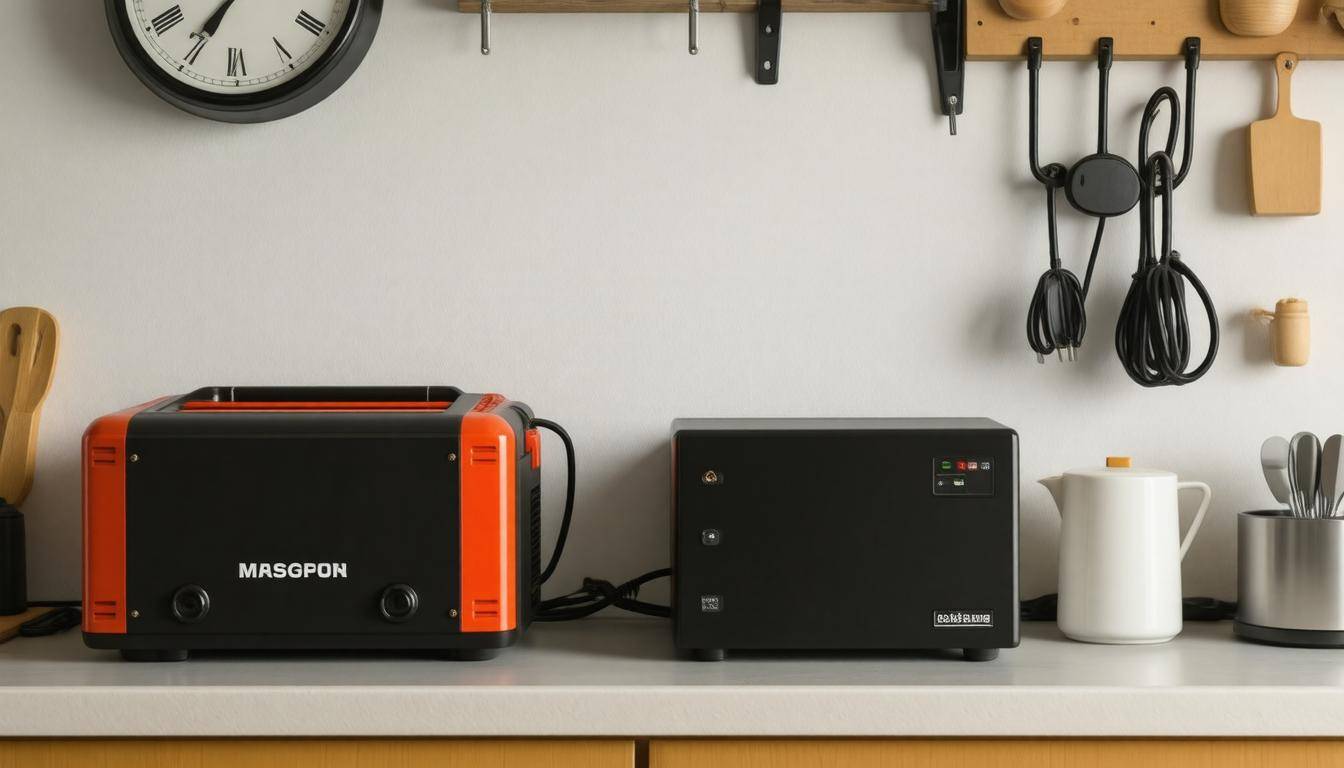
The duration of power supply isn’t just a number—it’s a lifeline when the lights go out and the world outside begins to feel chaotic. When considering emergency power options, you want to ensure that whatever you choose can keep your essential appliances running for as long as possible.
Generators typically shine in this area with their fuel-powered capabilities, allowing them to operate continuously for extended periods. For instance, portable generators, particularly gasoline models like the Westinghouse WGen7500, can run for up to 16 hours on a full tank. This aspect alone makes them appealing for individuals preparing for potential prolonged outages.
Running Time Comparisons
On the other hand, battery systems bring a different dynamic into play. Their duration relies heavily on their watt-hour capacities rather than fuel levels. Take, for example, the Bluetti AC200P. This battery station can sustain a 60W light bulb for roughly 33 continuous hours—pretty impressive for such a compact system. Yet, when it comes to heavy-duty appliances like a full-size refrigerator that consumes around 150W, its run time drops significantly to about 13 hours.
However, while batteries might excel in portability and ease of use during lighter tasks, they don’t quite match the endurance of gasoline generators when it comes to larger energy demands over days or weeks. A generator such as the DuroMax XP12000EH could feasibly supply power to that same refrigerator for potentially days, assuming there’s adequate fuel available.
Surveys reveal that 60% of users prefer generators due to their prolonged running times. For many who live in areas susceptible to lengthy blackouts, this is an essential factor in deciding what equipment to invest in.
Additionally, another element worth considering is how these power supplies respond under different loads. While calculating wattage requirements is particularly important when choosing between generators and battery systems—larger appliances naturally draw more power and reduce runtimes—it helps clarify users’ decision-making processes. You wouldn’t want to be left without power simply because the unit you chose couldn’t handle your energy demands!
Understanding these differences provides crucial insights as you consider your options further. Let’s shift our focus to identifying specific solutions tailored for various emergency situations that may arise.
Best Options for Different Emergencies
Different emergencies indeed require different power solutions, each tailored to meet unique challenges. For instance, during severe natural disasters like hurricanes or floods, the sheer force of nature can leave numerous homes without electricity for extended periods.
In such cases, high-capacity generators are often seen as a go-to choice since they provide long-lasting power sustained by fuel. However, there’s an inherent risk associated with using generators—fuel storage can become a headache and poses safety concerns, particularly the dangers of carbon monoxide emissions. Therefore, those opting for this route must ensure proper ventilation when using these generators indoors or nearby residences.
Alternatively, battery systems that integrate solar panels might serve as a much safer option indoors, devoid of fumes and emissions. For example, having a Jackery Explorer 1000 paired with portable solar panels creates a versatile solution that not only enables supply during power outages but can also be recharged using harnessed sunlight—making it both eco-friendly and cost-effective in the long run.
But what about other types of emergencies?
Take earthquake-prone regions, for instance, where the unpredictability of quakes necessitates a quick and reliable power source. In these areas, battery systems excel due to their minimal maintenance requirements and safe indoor usability without worrying about potential gas leaks or fuel shortages. Homeowners could benefit tremendously from keeping a robust battery backup system readily available so they can focus on what matters most—keeping their families safe.
Now let’s consider winter storms—this is where opinions start to clash. Generators are celebrated for their reliability in supplying heat and power amidst freezing conditions; however, they come with the risk of running low on fuel during prolonged outages. On the other hand, while battery systems provide ease of use without needing to refuel, their efficiency diminishes dramatically in snowy or cloudy conditions, which may hamper their solar-recharging capability.
Thus, finding the perfect balance—a hybrid approach combining both systems—might be your best strategy to ride out winter storms with confidence.
Considerations Beyond Power
As you explore these options, remember that factors such as charging time, portability, and output must align with your specific needs as well. High-capacity batteries may necessitate longer charging times but could be indispensable during extended outages when less resource-intensive methods are impractical.
Additionally, keeping an eye on current trends in portable power solutions is essential. With advances in technology like Lifepo4 batteries emerging as standard in many power stations today, safety significantly improves alongside performance. Such features provide consumers with safer alternatives while meeting energy demands effectively.
By carefully evaluating your emergency preparedness strategy and understanding how different solutions fit various scenarios, you can confidently choose an option that best fits your needs.
In today’s unpredictable world, being equipped with the right emergency power options not only ensures safety but also provides peace of mind during challenging situations. Making an informed choice between generators and battery systems can significantly impact your ability to respond effectively when it matters most.
Are there any safety concerns associated with cheaper emergency power options that homeowners should be aware of?
Yes, there are safety concerns associated with cheaper emergency power options like generators and batteries that homeowners should be aware of. Inexpensive generators, for instance, can pose carbon monoxide risks if not used properly, with the CDC reporting over 200 deaths annually in the U.S. due to CO poisoning. Additionally, lower-quality batteries may lack essential safety features, increasing the risk of overheating or explosions during charging. It’s crucial for homeowners to prioritize safety by investing in reliable products and following manufacturer guidelines for installation and use.
What are the pros and cons of using a portable generator versus solar-powered solutions for emergency power?
Portable generators offer immediate power with high output, making them effective for running multiple appliances during emergencies; however, they require fuel and can be noisy, with operation costs adding up over time. In contrast, solar-powered solutions provide a silent and renewable energy source with minimal ongoing costs after initial setup, but they may have lower instantaneous power output and depend on sunlight availability. A study found that solar installations can save users approximately 50-70% on electricity bills in the long run, highlighting their cost-effectiveness despite possible limitations during prolonged emergencies.
How do installation costs and upkeep compare between different types of inexpensive emergency power systems?
Installation costs for inexpensive emergency power systems like generators typically range from $300 to $1,500, while battery systems can start as low as $200 for basic models, with more advanced systems costing up to $2,000. Generators require more extensive upkeep, including regular maintenance such as oil changes and fuel management, which can add up to about $100 annually. In contrast, battery systems often need minimal upkeep but may require replacement every 5-15 years, depending on usage. Overall, while initial setups for batteries might appear cheaper, the long-term costs should factor in maintenance and replacement schedules, making a careful comparison essential for an informed decision.
What types of inexpensive emergency power sources are available for residential use?
For residential use, inexpensive emergency power sources include portable gas generators, solar-powered battery systems, and inverter generators. Portable gas generators are often the most cost-effective option, typically costing between $300 to $700 and capable of powering essential appliances. Solar battery systems, while initially more expensive, provide long-term savings on energy costs; their prices have decreased by over 70% since 2010. Inverter generators are quieter and more efficient for smaller loads, with prices ranging from $400 to $1,000. Each option has its pros and cons, but they collectively provide viable solutions for emergency power needs without breaking the bank.
How do the efficiency and output differ among various inexpensive emergency power options?
The efficiency and output of inexpensive emergency power options, such as generators and batteries, can vary significantly based on their design and technology. For instance, traditional gasoline generators generally offer higher output (typically around 4,000 to 7,500 watts) but operate at around 50-60% efficiency due to energy loss in fuel combustion. In contrast, lithium-ion batteries, often found in portable power stations, provide a cleaner energy solution with efficiencies above 90%, but tend to have lower outputs (usually ranging from 300 to 2,000 watts). Additionally, while generators can run continuously as long as fuel is available, batteries require recharging after use, which affects their practicality for prolonged outages.