
When it comes to emergency shelters, not all options are created equal. You might think that safety and comfort have to come with a hefty price tag, but that’s not true! There are plenty of affordable solutions out there that can keep you protected without emptying your wallet. In this article, we’ll explore ten inexpensive emergency shelters that are not only budget-friendly but also effective in keeping you safe from the elements. Whether you’re an experienced camper or just starting out, these options could be just what you need when the unexpected happens in the great outdoors. Let’s dive in!
Some proven inexpensive emergency shelter options include the Outdoor Research Helium Bivy, Sea to Summit Ultra-Sil Nano Tarp Poncho, and SOL Emergency Bivvy, all of which are lightweight and effective for protecting against the elements. These products offer versatility and affordability, making them ideal choices for campers or hikers in need of reliable temporary shelters.
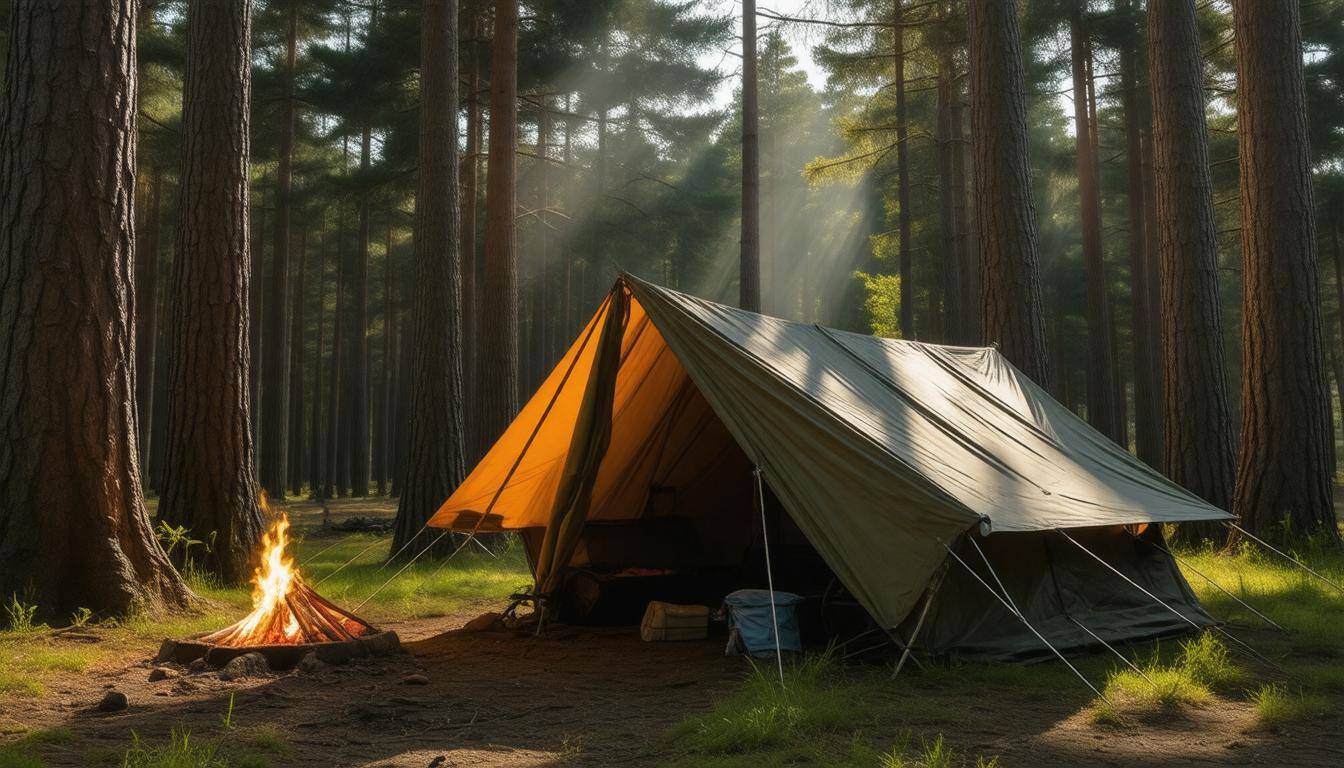
Best Inexpensive Emergency Shelters
One of the first shelters that come to mind is the Coleman Sundome Tent. Priced at an affordable $50, it’s a robust choice for anyone seeking a quick solution. This tent is not only easy to set up but spacious enough to accommodate two people comfortably. Its durability adds another layer of reassurance, as it holds well in mild weather conditions, making it ideal for outdoor enthusiasts who may need shelter at a moment’s notice.
However, if you’re looking for something more compact, consider the SOL Emergency Bivvy, which retails for around $17.
This lightweight option is perfect for solo travelers who prioritize mobility. It provides basic protection against elements while reflecting 90% of your body heat back to you—an essential feature when dealing with unexpected cold snaps. It’s like being wrapped in a warm hug when you’re out in the wild!
As we explore more versatile choices, let’s look at the Chill Gorilla Tarp Tent.
Costing about $40, this tarp is a fantastic multi-functional tool. Created to serve various purposes, it can function as a shelter from rain or sun, ground cover, or even as a rainfly for additional protection over other tents. Its portability makes it easy to carry along during emergency preparations or outdoor excursions—versatility at its finest!
Another critical component in any emergency kit should be warmth-providing tools like the Vivosun Mylar Thermal Blanket.
Available in packs of four for roughly $15, these mylar blankets are incredibly effective at trapping heat and shielding you from chillier temperatures. They take up very little space and can quite literally mean the difference between comfort and discomfort during emergencies. Just imagine how comforting it is to know you have a lightweight blanket that can keep you warm when every degree matters.
Finally, rounding out our list is the ALPS Mountaineering Lynx 1-Person Tent, which, although slightly pricier at around $100, presents excellent value for those planning any challenging camping trips.
With robust construction and impressive weather resistance, this tent is built to withstand harsher environments while giving you that extra peace of mind during uncertain situations. Compared to more cost-effective options, it offers added durability and comfort that justifies its price point.
With various inexpensive options available—from durable tents to lightweight bivvys—all accessible within budget-friendly price ranges, there are many choices that cater to different needs and preferences. Now let’s examine some leading budget options designed specifically for on-the-go scenarios.
Top Budget Bivies
When searching for an emergency shelter, bivy sacks present a unique blend of portability and protection, making them an essential tool for adventurous souls. One standout option is the REI Co-op Helium Bivy. Priced at approximately $120, it’s lightweight at 17.1 oz and scores high marks for weather protection (8.0) and breathability (9.0), ensuring you remain comfortable in challenging conditions. Its packed size, measuring only 4″ x 12.5″, makes it easy to stash in a backpack without taking up valuable space. It strikes a fine balance between durability and functionality; however, some might find it less ideal when facing extreme weather situations.
If your wallet is feeling a bit lighter, consider the SOL Escape Bivvy, a fantastic alternative priced around $60. Although it has lower weather resistance (3.0), its lightweight construction (8.6 oz) ensures that you won’t be dragging excess weight with you. This bivy excels in breathability, rated at 4.0, offering an excellent option for emergency situations when you need quick shelter from rain or chilling winds. While designed primarily for emergencies, do note that its comfort rating (4.0) isn’t the best for prolonged use; however, its breathable and affordable nature makes it perfect for spontaneous camping trips or hikes.
Another solid choice for those seeking affordability without compromising quality is the Snugpak Stratosphere Bivvy, costing around $100. With features like a built-in mosquito net and waterproof construction, this bivy offers significant comfort and utility in one compact package. Although it weighs slightly more than some competitors at 19 oz, its robust design caters to individuals looking for versatility along with breathable design options necessary for various climates.
As you weigh your options among these budget-friendly bivies, consider what aspects are most important for your intended use—be it weight, price, or features like ventilation or waterproofing.
When selecting the right bivy sack for your needs, it’s crucial to factor in comfort as well as practical elements like packability and weather resistance. Finding a model that feels spacious enough while still being light can greatly enhance your overall experience in the field.
As we navigate through the options available, it’s essential to keep in mind what best suits your outdoor adventures while also considering other alternatives that offer tremendous value. Discover next how versatile tarps can provide additional options for creating effective shelters.
Affordable Tarps for Shelters
Tarps certainly deliver bang for your buck when it comes to creating a quick and effective shelter. Their adaptability allows you to use them in various scenarios, whether you’re setting up camp during a hiking trip or needing an instant refuge from unexpected weather. The first aspect of a quality tarp to consider is material: look for heavy-duty, waterproof fabrics that can withstand harsh outdoor conditions while keeping you dry.
The Aqua Quest Guide Tarp, which I mentioned earlier, exemplifies this perfectly. With its durable construction and numerous tie-out points, you can easily configure it as a tent, lean-to, or even a windbreak. Think of it as your versatile sidekick—ready to adapt to whatever Mother Nature throws at you.
Now, let’s talk costs because affordability is key here. High-quality tarps don’t necessarily have to break the bank either. The Free Soldier Waterproof Portable Tarp is about $40 yet still offers solid performance for campers on a budget. It’s even more appealing with included stakes and ropes for swift setup, making it an excellent choice if you’re in a pinch. Emphasize ease when describing these products; quick setups are often crucial in an emergency.
However, user experience can be just as important as price and features when selecting an affordable tarp.
Many users rave about how lightweight and easy to carry these tarps are, making them perfect companions on hikes or outdoor adventures. Imagine being caught in sudden rain—having a compact tarp stored in your backpack can mean the difference between staying dry or getting drenched. Users have highlighted stories where, within minutes of deploying their tarps, they transformed from being caught unprepared into having a secure haven amidst the downpour.
Maintenance is another consideration that shouldn’t be overlooked. A tarp can serve you well for years if properly stored and cleaned after use. Make sure to dry it completely before folding it away; moisture can lead to mold or deterioration over time. With some gentle soap and water once in a while, keeping it in top condition is quite easy.
These affordable tarps not only provide shelter when needed most but also promote preparedness for unforeseen situations. As we explore further, let’s shift our focus to another practical solution that enhances outdoor living comfort without weighing you down.
Lightweight Bothy Bags
Bothy bags are excellent emergency shelters designed for group use, making them surprisingly versatile in various outdoor scenarios. Their lightweight and compact design allows hikers, campers, and other outdoor fans to carry them without feeling weighed down. Imagine hiking with a few friends; if the weather suddenly turns against you, pulling out a bothy bag can provide quick refuge from wind and rain, allowing everyone to regroup comfortably.
The functionality of bothy bags stems from their simple yet effective design philosophy. They act as protective barriers between you and harsh outdoor conditions while maintaining warmth inside. These shelters can warm up quickly due to the gathered body heat of the occupants, creating a crucial buffer in emergencies. With a well-constructed bothy bag, you can feel secure knowing you have protection close at hand when things go awry during your outdoor adventures.
Many enthusiasts swear by the Rab Bothy 2 Emergency Shelter, which retails for around $70. It provides a reliable windproof and waterproof barrier that truly shines in inclement weather. For those on a tighter budget, Adventure Medical Kits Heatsheets Emergency Shelter is more affordable at approximately $25, though it may not last as long. Still, it serves as an excellent lightweight choice for emergencies!
Despite their popularity rooted primarily in Europe, the trend is shifting as bothy bags gain traction among U.S. hikers and outdoor enthusiasts. This shift highlights the growing recognition of their practicality in various environments—from rugged mountains to serene lakesides. Their ease of use makes them ideal for solo trips where carrying extra gear becomes cumbersome or group outings where space is limited.
In terms of features, many bothy bags come with built-in seating that can accommodate several people, providing an inviting atmosphere to wait out unfavorable weather. A notable example being the Bothy 4, which weighs around 21 oz and can comfortably fit up to four people, despite feeling a bit tight when fully filled. It’s essential to focus on accommodating just enough people so everyone remains comfortable within the confined space.
As you contemplate adding a bothy bag to your collection of outdoor gear, remember: regular checks for punctures or damage are crucial to its longevity. Just as you would inspect any camping equipment before a trip, giving your bothy bag a quick once-over ensures it’s always ready when you need it most.
Exploring further into this realm of emergency gear will reveal even more practical options that serve multiple purposes in unpredictable situations.
Multi-Use Emergency Shelters
Multi-use emergency shelters provide an exceptional solution for those needing versatile protection without breaking the bank. By doubling or tripling as gear for different situations, these shelters increase their value significantly. Imagine a product that can shield you from harsh weather while also serving as a cozy blanket when temperatures drop; that’s the admirable capability of modern designs. They’re not just accommodating; they adapt to your needs, making them an indispensable part of any emergency preparedness plan.
Step I – Choose a Shelter with Versatility
When selecting a multi-use shelter, versatility is paramount. Take, for example, the Sea to Summit Ultra-Sil Nano Tarp Poncho. This ingenious piece of gear functions both as rain protection and a reliable shelter, and at around $60, it offers great bang for your buck. It’s lightweight and compact, easily fitting into any backpack yet robust enough to withstand stormy conditions. This adaptability means you’re prepared for anything nature throws at you—be it sudden downpours or unexpected chilly winds.
As important as versatility is, compactness and weight are crucial too, especially when space and ease of transport matter.
Step II – Assess Compactness and Weight
In the realm of emergency preparedness, space-saving features can be a lifesaver. Look for options like the Survive Outdoors Longer Sport Utility Blanket, which sells for about $20. Not only does this lightweight product serve as a blanket during emergencies, but it can also function effectively as a tarp or ground cover. Its compact design ensures that packing it won’t take unnecessary room in your gear. When you think about it, having a multifaceted tool readily available allows for flexibility in unpredicted situations; that alone makes it worth its weight in gold.
Similarly, consider the UST Tube Tarp and Tent, priced around $40. This clever design transitions smoothly between functioning as a tarp and morphing into a makeshift tent, enhancing its worth in an emergency prepper’s kit. Rather than investing in multiple singular-purpose items that might clutter your storage, these multi-use shelters provide robust functionality within a streamlined setup.
The beauty of multi-use emergency shelters is not merely in their immediate functionality but also in how they evolve with our needs amid changing circumstances. With adaptability being key, understanding how different elements come together becomes crucial.
Weather and Terrain Adaptation
When it comes to emergencies in the great outdoors, the choice of shelter can literally be a matter of life and death. Understanding how different materials and designs respond to various weather conditions is critical. For example, if you’re going hiking in a region where cold temperatures are anticipated, choosing an insulated bivy like the Outdoor Research Helium Bivy becomes paramount. This option provides necessary warmth by trapping heat while keeping the elements at bay.
Conversely, if you find yourself in a wet environment, a waterproof tarp like the Aqua Quest Guide Tarp can prove invaluable. These tarps create a barrier against rain while allowing for airflow, minimizing condensation inside. The flexibility to set up such shelters quickly can also make an enormous difference in adverse conditions. Imagine finding yourself caught in a sudden downpour; having reliable gear means you can secure protection with minimal fuss.
Some enthusiasts argue that all-in-one shelters compromise performance in specialized scenarios. Yet, this does not diminish the effectiveness of multi-functional options like the Sea to Summit Poncho, which performs admirably across diverse environments. It serves as both rain gear and a primary shelter, embodying versatility without sacrificing utility.
- Insulated Bivies: Best for cold climates; traps heat effectively.
- Waterproof Tarps: Ideal for wet conditions; allows airflow while blocking rain.
- Multi-Functional Shelters: Useful across multiple terrains; save weight without compromising on safety.
In addition to weather considerations, terrain plays an equally important role in selecting your shelter. An emergency shelter must be easy to set up on uneven surfaces or rocky ground, where stability is imperative. Lightweight tarps can be expertly rigged between sturdy trees or even set up using trekking poles for rapid deployment, making them suitable for varied landscapes.
As you prepare for your outdoor adventures, understanding these principles will empower you to make informed choices about your equipment—ensuring you stay safe and comfortable no matter where your journeys take you.
Shelter Setup Tips
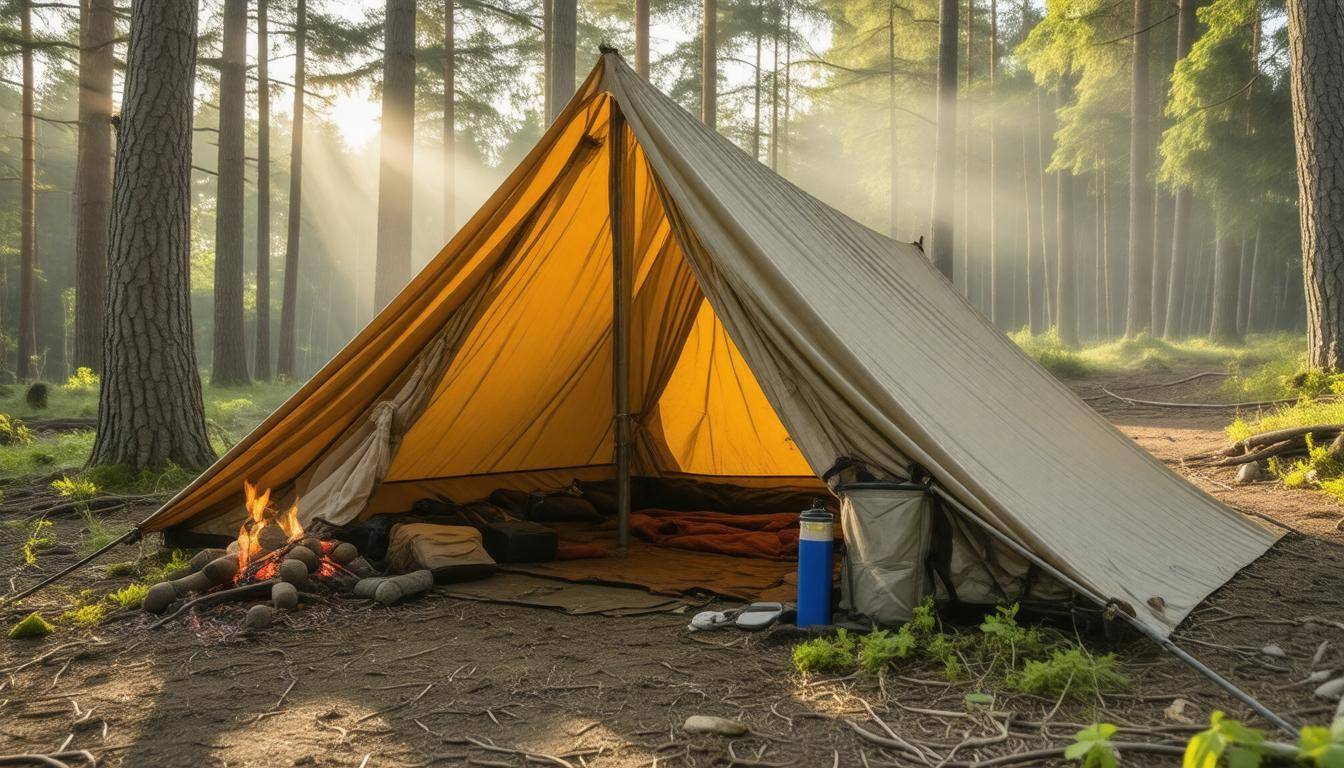
The foundation of any successful emergency shelter setup lies in choosing the right location. First and foremost, you’ll want to find level ground. This isn’t just about comfort; pitching your tent or laying down your tarp on uneven ground can lead to an uncomfortable and restless night.
As you scan the area, look for a location that is free of hazards—like overhead branches that might drop unexpectedly during a storm or low-lying regions where water might accumulate during heavy rains. By situating your shelter wisely, you significantly reduce risks from both nature and unwanted surprises.
Once you’ve identified a suitable spot, it’s time to focus on securing the shelter itself.
Utilizing stakes and ropes is paramount for maintaining stability in varying weather conditions. For tarps and tents, properly anchoring them to the ground ensures they won’t be flung aside by powerful winds. If you’re working with a bivy sack, pay special attention to achieving a clear, flat space; even small debris can cause discomfort as you settle inside.
Take a moment to ensure everything is taut yet not overstrained; this balance helps maintain the integrity of your setup while allowing flexibility during inclement weather.
Now that your shelter is securely positioned, creating a comfortable and safe interior is essential.
Optimizing for comfort and safety involves more than just getting out of the elements. One clever tip is to consider wind direction when positioning your entrance; ideally, you want it facing away from prevailing winds. This minimizes exposure and helps trap warmth inside, allowing for a cozier atmosphere.
Moreover, if possible, place insulation materials like leaves or a makeshift floor made from dry pine needles under your sleeping bag. This will provide extra cushioning and help retain body heat within your shelter.
Imagine slipping into your shelter after a long day of hiking: knowing you’ve chosen wisely in terms of location, security, and comfort means that you can finally breathe easy. With minimal effort in setting up your emergency shelter using these foundational tips, you’ve created a warm sanctuary against whatever nature throws at you next.
By keeping these principles in mind for future adventures, you’ll bolster your confidence and preparedness when faced with unpredictable outdoor environments. As you gear up for your next outing, understanding what features to prioritize will further enhance your experience.
Key Features to Consider
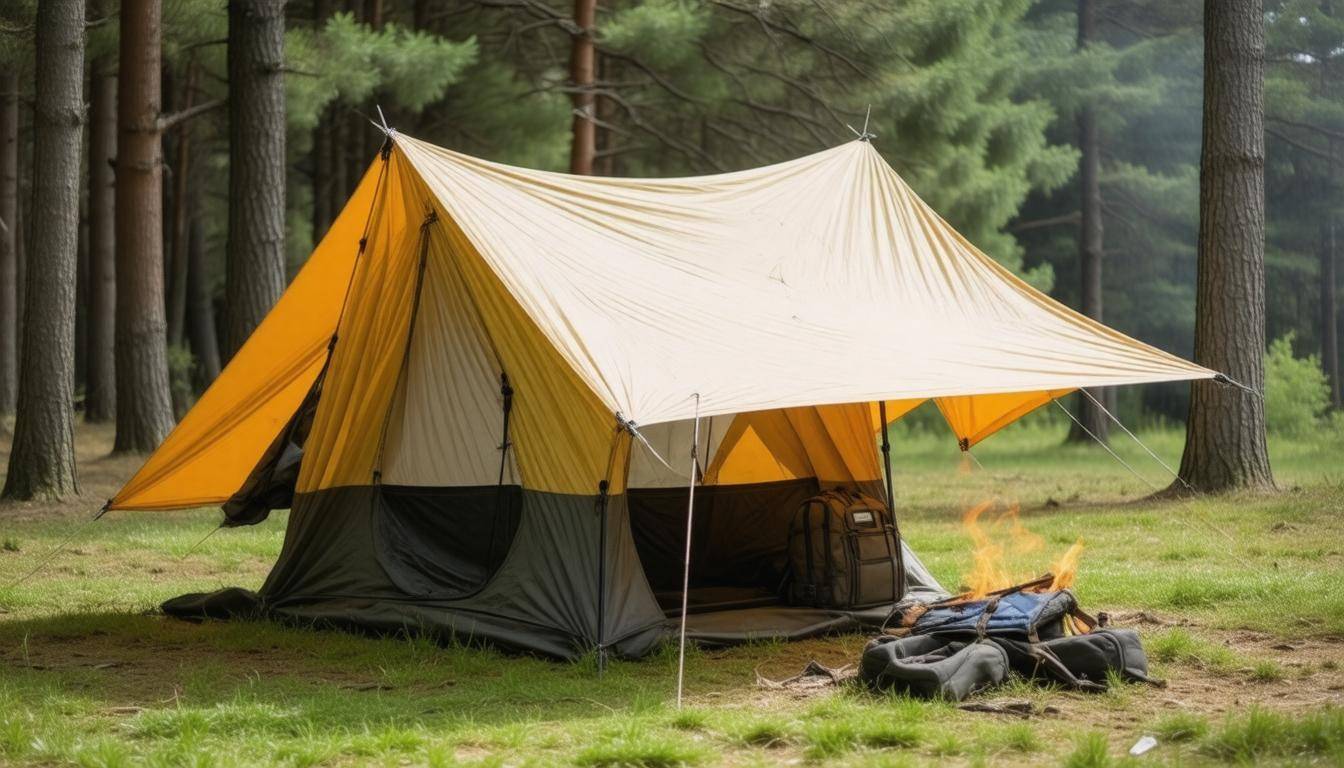
When you’re out in the wilderness or preparing for emergencies, having the right shelter can mean the difference between a comfortable night and a miserable experience. Therefore, focusing on key features enables you to compare your options effectively and select a shelter that meets your specific requirements perfectly.
Waterproof
Waterproofing is arguably one of the most critical features to consider. When rain unexpectedly rolls in, you want a shelter that’s going to hold up and keep you dry. Shelters like the Aqua Quest Guide Tarp or the Rab Bothy 2 are designed to repel water efficiently, providing peace of mind when bad weather strikes. A shelter that isn’t waterproof can quickly turn into a soggy disappointment, soaking your gear and ruining your outdoor plans.
Weight is another important attribute, especially if you’re backpacking or need something portable.
Weight
The weight of your shelter can significantly affect how easy it is to transport. For those who prefer lightweight options, a SOL Emergency Bivvy or the Sea to Summit Ultra-Sil Poncho can weigh less than a pound. This ensures both portability and convenience, as you won’t be lugging around heavy gear on long treks. Remember, every ounce counts when you’re hiking up steep trails! A lighter option allows you more flexibility to carry other essential supplies.
With mobility covered, let’s discuss how insulation plays into your comfort level during chilly nights.
Insulation
When temperatures drop, staying warm becomes a top priority. That’s where insulation comes into play; it keeps heat inside your shelter while blocking outside cold. Products such as the Outdoor Research Helium Bivy provide excellent insulation by trapping your body heat effectively. If you’ve ever spent a night shivering in discomfort, you’ll understand just how essential this feature is for maintaining warmth.
Yet, insulation alone won’t be enough if your shelter can’t withstand wear and tear, which brings us to durability.
Durability
Durability deals with the material’s strength and how well it can handle various outdoor conditions. High-quality shelters like the Coleman Sundome Tent or the Free Soldier Portable Tarp often utilize robust materials that resist ripping and tearing even in rough weather. If durability isn’t prioritized, you may find yourself with torn seams and fabric after just a few uses. Investing in a sturdy shelter pays off in the long run with reduced replacement costs.
Finally, considering whether your shelter has multi-use capabilities is a smart way to stretch your investment further.
Multi-Use
The versatility of a shelter can open up possibilities for different scenarios. Items like the Survive Outdoors Longer Blanket or the SOL Escape Bivvy serve multiple purposes: whether as an emergency blanket or ground cover during picnics at the park. Embracing multi-use functionality allows you to maximize utility without cluttering your pack with too many items. A savvy hiker knows that more use often equals better value!
With these essential features in mind, you’re now equipped to make an informed decision about which emergency shelter will serve you best in various situations.
In selecting an appropriate emergency shelter, balancing waterproofing, weight, insulation, durability, and multi-use capabilities will enhance your outdoor experience and budget effectively.