
When you become a parent, one of the many things on your never-ending to-do list is preparing for emergencies involving your little ones. While it’s easy to think of first aid kits as just another box of bandages and ointments, they play a crucial role in ensuring your child’s safety and comfort during unexpected moments. Knowing what to include makes all the difference—after all, failed attempts at relief when your child has an owie can lead to more tears than necessary. In this article, we’ll dive into the essential items you should gather for an Infant and Child First Aid Kit, arming you with the knowledge to tackle those minor mishaps with confidence. Let’s get started!
An Infant and Child First Aid Kit should include a baby thermometer for accurate temperature readings, saline nasal drops for congestion relief, diaper rash cream, infant acetaminophen for pain relief, adhesive bandages for minor cuts, and a bulb syringe or nasal aspirator for clearing nasal passages. Additionally, ensure to have baby nail clippers and a medicine dropper for safe administration of medications.
Basic First Aid Supplies
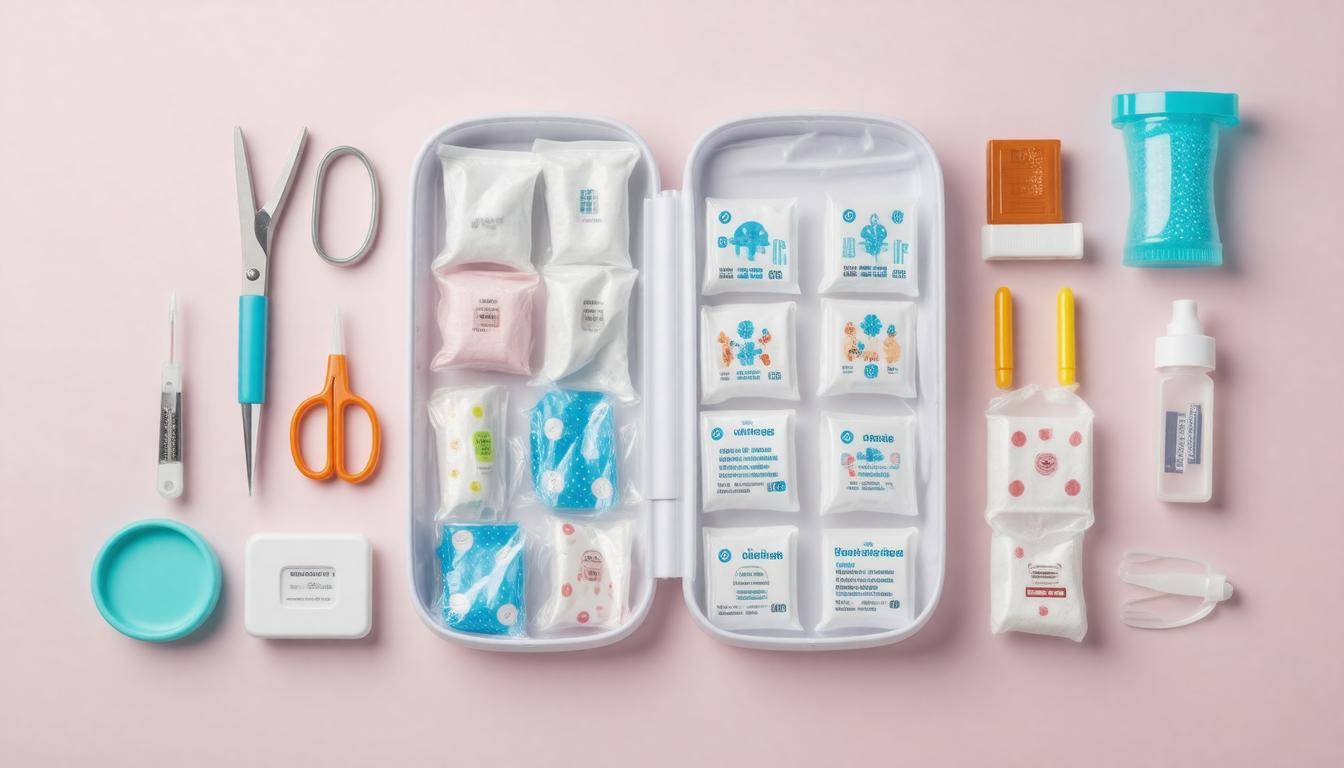
A well-equipped first aid kit is more than just a collection of random items; it should be a thoughtful assortment specifically curated to address the unique needs of infants and children. Bandages and dressings play a crucial role in any kit since they provide immediate care for injuries and protect sensitive skin.
Bandages and Dressings
First on the list are adhesive bandages, which are often a child’s first encounter with first aid. Not only do they come in various sizes, but many have fun characters or colorful designs that can help ease a child’s fears when faced with a small cut or scrape. These bandages are particularly effective for minor injuries, creating a barrier from dirt and germs while allowing the wound to heal undisturbed.
Next, you’ll want to include sterile gauze pads. These are especially useful for larger wounds needing extra protection. They are designed to absorb any blood while remaining clean, minimizing the risk of infection. When an accident at home—say a little one’s intense exploration—results in a scrape, having these gauze pads handy allows you to apply proper care swiftly.
And don’t forget micropore tape! This gentle yet effective tape is perfect for securing gauze pads or larger bandages without irritating delicate skin. It’s breathable, so it won’t cling too tightly and creates comfort when securing an injury.
Cleaning Agents
Now that we understand the importance of bandages, let’s turn our attention to cleaning agents. Keeping wounds clean is vital in preventing infection, making items like antiseptic wipes indispensable in your first aid arsenal. These wipes help you gently cleanse minor cuts or scrapes before applying any dressing; their convenience lies in being easily portable, making them great for both home use and diaper bags.
Another option is hydrogen peroxide, known for its disinfecting properties. However, it’s important to remember that while effective at killing bacteria on contact, hydrogen peroxide can damage healthy tissue if used excessively. Always use it sparingly, opting instead for gentle solutions when possible.
With the essentials of cleaning agents and bandages established, we can now explore critical medications to keep on hand for young ones’ health emergencies.
Important Medications for Kids
When it comes to your infant and child first aid kit, not all medications are created equal. It’s crucial you stock your kit with medications suited specifically for young children. For instance, infant acetaminophen is a go-to for managing fevers and alleviating mild pain. Think of it as the calm, friendly neighbor who always helps when you’re in a pinch. It’s safe for younger kids, making it a reliable ally in your first aid arsenal. However, keep in mind that every child’s body reacts differently; dosage is key and should always adhere to package instructions or be guided by your pediatrician.
On the other hand, there’s ibuprofen, which can be introduced once children reach a certain age—typically around six months. This medication is particularly useful for older kids as it helps not only with pain relief but also reduces inflammation. Imagine this as your support team during that post-soccer match meltdown when minor injuries happen—a real game changer!
It’s worth noting that familiarity with dosages is vital. Having a quick reference sheet in your kit detailing how much to give based on weight can save precious time during emergencies.
Common Medications
Alongside acetaminophen and ibuprofen, other significant medications deserve a spot in your kit. If your child has chronic conditions—like asthma or allergies—be sure to have their prescribed medications readily available, complete with clear dosing instructions. Never underestimate how reassuring it can be to have their regular medication easily accessible in times of need.
Antihistamines are equally vital if your child has known allergies. Seasonal changes can cause unexpected sneezes, so having a swift action plan with allergy medications ensures you can tackle them head-on.
By combining these essential medications with knowledge about their usage, you will create a more effective response strategy during emergencies.
Special Considerations
Don’t forget about the importance of keeping track of expiration dates! Regularly checking your kit—ideally every six months—ensures you don’t find yourself scrambling during an emergency only to discover expired medications. Updating supplies isn’t just about replacing old labels; it’s ensuring you still have what’s best for your child.
Lastly, consider including additional items like a digital thermometer in your kit to monitor fever accurately before giving any pain relievers. Keeping track of temperatures provides helpful information for doctors during follow-up consultations too.
Maintaining awareness of the right medications will better prepare you for those unexpected moments. Along with this knowledge, understanding how to alleviate discomfort effectively plays an equally important role in caring for your child.
Pain Relievers and Fever Reducers
Pain relievers and fever reducers are indeed a necessity in any first aid kit, especially when dealing with the common aches and pains that children experience. Imagine your little one waking up crying due to teething pain or showing signs of discomfort after a round of vaccinations. In such moments, having appropriate medications at your fingertips can make a world of difference.
Infant Pain Relievers
As for infants, acetaminophen plays a crucial role; it’s often recommended to manage teething discomfort or mild fevers resulting from vaccinations. It’s vital that parents carefully measure each dose based on their infant’s weight to ensure safe administration. Always keep in mind that dosages on the packaging serve as general guidelines; consulting your pediatrician will provide you with tailored recommendations.
Similarly, ibuprofen may be used for children over six months, specifically for treating pain and inflammation. However, caution is necessary: ibuprofen should not be given to dehydrated children or those with certain medical conditions. Always checking in with your pediatrician before use ensures you’re making the right choice for your child’s specific needs.
Dosage Matters
Administering an appropriate dosage can significantly affect the effectiveness of the medication. Using a digital thermometer helps accurately gauge when it might be necessary to give a fever reducer. Acetaminophen dosages typically range from 10-15 mg per kilogram of body weight every 4-6 hours for infants and young children. This means if you have a 10-kilogram child, you’d want to administer between 100 mg and 150 mg per dose—again, always follow your doctor’s specific instructions.
Ensuring that you correctly measure out medication not only alleviates your child’s discomfort but also prevents potential overdoses which can lead to severe complications.
Knowing what types of pain relievers to include in your first aid kit and understanding their importance can empower you as a caregiver during stressful times. Being prepared equips you with the tools needed to handle these common issues easily and efficiently.
While effective pain management lays the groundwork for care, attention to skin issues is equally vital in ensuring your child’s wellbeing.
Necessary Ointments and Creams
Having the right ointments and creams in your infant and child first aid kit can make a significant difference during minor emergencies. For instance, petroleum jelly serves as an effective barrier on fragile skin, protecting against irritation while aiding the healing process for minor cuts and scrapes. It’s gentle enough for babies yet useful for children of all ages. You’d be surprised at how many parents underestimate its capability just because it seems so simple. Applying this before dressings allows the skin to breathe while keeping contaminants at bay.
Then there’s hydrocortisone cream, which can work wonders on insect bites or mild allergic reactions. Just like a little splash of cool water on a hot day, it offers speedy relief by reducing inflammation and itching. However, it’s critical to use this ointment sparingly; overuse can lead to skin thinning. This precaution helps not only in maintaining your child’s skin health but also ensuring that it’s effective when applied during crucial moments of discomfort.
Alongside these, an antibiotic ointment is essential for safeguarding minor wounds from infections. Think of it as a necessary defense team; by applying this ointment to cuts or scrapes after cleaning them thoroughly, you significantly reduce the risk of bacteria taking hold. A common mistake some caregivers make is skipping this step altogether or applying it too late, which diminishes its protective capability.
Usage Tips
In terms of practical usage, always clean the affected area before applying any ointment or cream to ensure maximum effectiveness. Consider it similar to prepping a canvas before painting: a clean surface leads to better results. Use soap and water to gently wash the area, pat it dry with a clean towel, and only then proceed to apply your chosen ointment or cream in a thin layer. Allow it to absorb—something I’ve learned from experience, as impatience can lead to wasted product or mess!
With these vital ointments detailed, let’s transition into discussing some crucial tools that can further enhance your preparedness for emergency situations.
Essential Tools for Emergencies
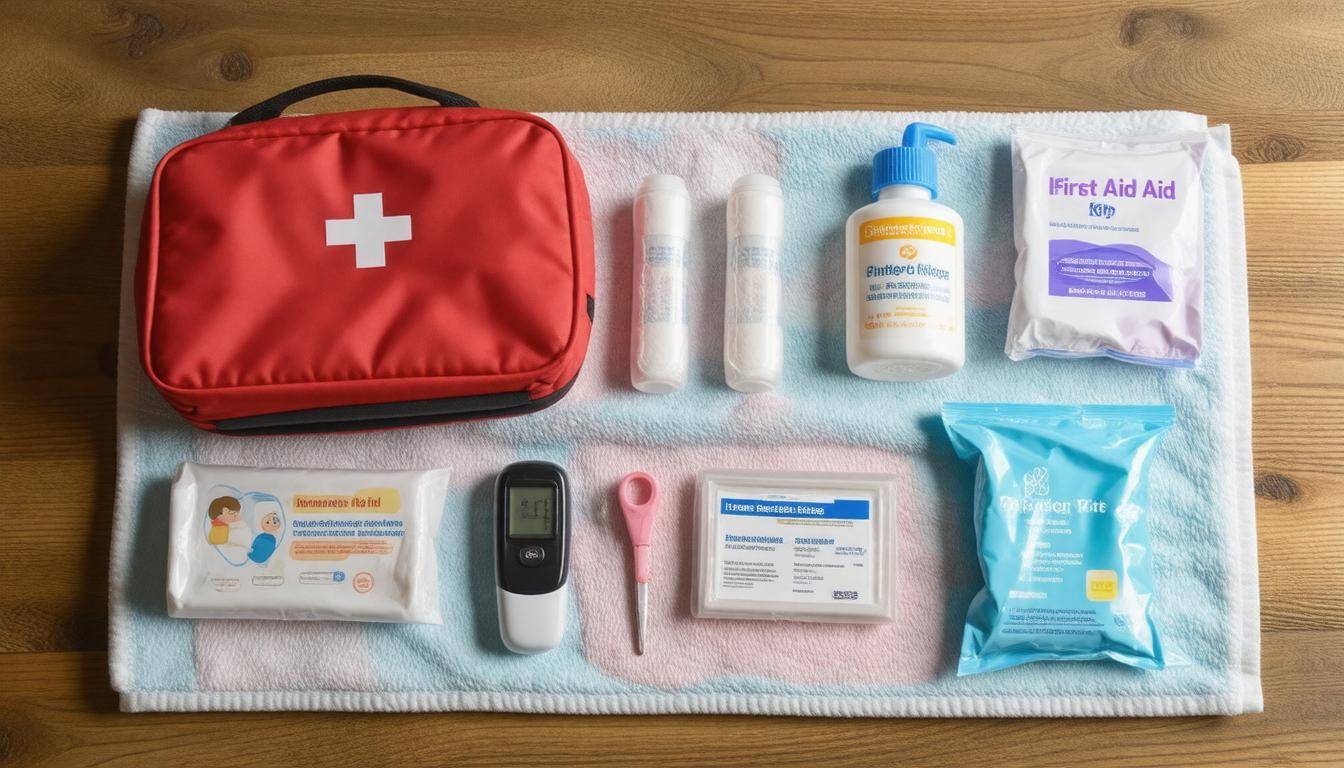
When faced with a sudden emergency, knowing how to use the right tools efficiently is invaluable. The distinction between basic and advanced tools can significantly affect how effectively you respond to urgent situations. Being equipped with these items means you can act quickly and confidently, minimizing potential complications.
Basic Tools
-
Digital thermometer: A digital thermometer is not just another gadget; it’s a lifeline for parents to monitor fevers accurately. Modern models are easy to use and provide results within seconds, giving you reassurance during panicked moments. Models that measure temperature via the forehead or ear are particularly handy during restless nights when your child won’t stay still.
-
Bulb syringe: This simple tool is often underrated. A bulb syringe helps clear nasal congestion in infants, ensuring they can breathe and feed comfortably. Its gentle suction mechanism makes it preferable over other suction options, easing the process without distressing your little one.
While basic tools serve essential roles, advanced tools can further empower a caregiver during critical times.
Advanced Tools
Advanced tools expand your ability to handle various scenarios, such as removing splinters or safely cutting clothing from an injured area. These might seem small, but having them readily available assures you’re prepared for any situation.
-
Tweezers: When children play and explore, it’s almost inevitable they’ll encounter splinters or various foreign objects lodged in their skin. A pair of tweezers will allow you to remove these irritants swiftly while reducing the risk of infection. It’s vital to use tweezers specifically designed for this purpose to ensure precision and safety.
-
Blunt-tip scissors: Accidents happen—sometimes it’s a scraped knee or torn clothing that requires urgent attention. Blunt-tip scissors can cut fabric away from wounds safely without causing additional injury. With these in your kit, there’s no need to fumble with sharp tools that could lead to more harm than good.
Essential tools are crucial, but specific items tailored for infant needs bring added peace of mind during emergencies.
Specific Baby Care Items
When it comes to caring for little ones, specialized tools can make all the difference. For instance, saline nasal drops are an absolute must-have. This gentle solution not only helps clear nasal congestion but also protects the delicate tissues inside a baby’s nose from irritation.
When your little one has a stuffy nose, simply administering a few drops can help them breathe easier and feel more comfortable. Pediatricians often recommend saline drops as they are safe and effective for infants.
Equally important are baby nail clippers. Unlike standard clippers, these are specifically designed with safety features that reduce the risk of cutting soft skin. As any parent knows, infants have remarkably sharp nails that can easily scratch their delicate skin or their own faces.
Using these specially designed clippers makes the process quick and stress-free. It’s an active step you can take to keep your baby safe while ensuring that trim is tidy.
Extra Care Items
Another valuable item in your first aid arsenal should include gas drops. These helpful solutions contain simethicone, which works wonders in relieving discomfort caused by colic or gas pains, allowing your baby to settle down more comfortably after feeding times.
In those moments when your little one seems inconsolable due to trapped gas bubbles, having this soothing remedy on hand can save you both from sleepless nights.
Additionally, consider packing teething gel into your kit. Teething can be one of the more uncomfortable stages for infants, marked by swollen gums and irritability. A small dab of teething gel directly on the gums can relieve the discomfort, offering quick relief that soothes those tender areas during what can feel like an eternity of fussiness.
As we shift focus to further enhance our understanding of these essential tools, it’s crucial to discuss how to make the most of your first aid kit in high-pressure situations.
Tips for Effective Use
To make the most out of your infant and child first aid kit, organization plays a critical role. Consider arranging contents into clearly labeled categories such as medications, bandages, and tools. This makes it easier for you to locate what you need quickly in an urgent situation.
For example, if your little one has a sudden fever and needs acetaminophen, wouldn’t it be helpful to grab it without rummaging through an unorganized jumble of supplies? This structured method can significantly cut down on the time it takes to respond during emergencies.
Alongside organization, regular checks of your kit are absolutely necessary. Taking a few moments each month to inspect your first aid kit ensures that all items are up to date. Look specifically for expiration dates on medications and replace any items you have used after minor injuries or ailments.
An effective way to facilitate this process is to keep a checklist inside the kit itself. Your checklist could include essential items along with their expiry dates, serving as a quick reference guide that simplifies the replenishment process.
With organization and regular checks in place, let’s discuss another crucial point: familiarizing yourself with each item in your kit.
Knowing how to use each component in your first aid kit is paramount. Take some time to read instructions and familiarize yourself with every item—from baby gas drops to saline nasal sprays. Practice how to administer these items properly so that you feel confident when an urgent situation arises.
This preparation becomes all the more valuable during those harrowing moments when you’re racing against time. Remember that specific items might have unique uses; for instance, using saline nasal drops correctly can improve breathing ease in congested infants, providing them relief from discomfort swiftly.
Furthermore, conducting practice scenarios can bolster your confidence even more. Gather family members or caregivers and run through potential emergency situations together using your first aid kit. Practicing applying bandages, demonstrating how to use a nasal aspirator like the NoseFrida effectively, or administering CPR (if applicable) can turn nervousness into proficiency when the moment arises.
Finally, let’s explore how accessibility can greatly influence the effectiveness of your first aid measures.
Ensuring that your first aid kit is easily accessible yet secured away from children is crucial. Store your kit in a location that adults can reach with ease—like a kitchen cabinet or high shelf—while also placing it out of sight from curious little hands. You want it readily available during emergencies but not easily accessed by children who may mistake it for toys or playthings.
In addition, remember that keeping your supplies updated is not enough on its own; reviewing and refreshing your kit every six months will guarantee that everything remains in good condition. Rotating stock not only helps manage expiring medications but also ensures you have the latest recommended items on hand, which could be life-saving in urgent situations.
By combining organization, consistent checks, thorough familiarity with contents, practice scenarios, and strategic placement, you’ll empower yourself significantly when facing minor health challenges that may arise with infants and children.
Understanding these essentials allows for smoother responses during emergencies. As we move forward, it’s essential to know where to find reliable resources for acquiring these critical supplies.
Best Places to Buy First Aid Kits
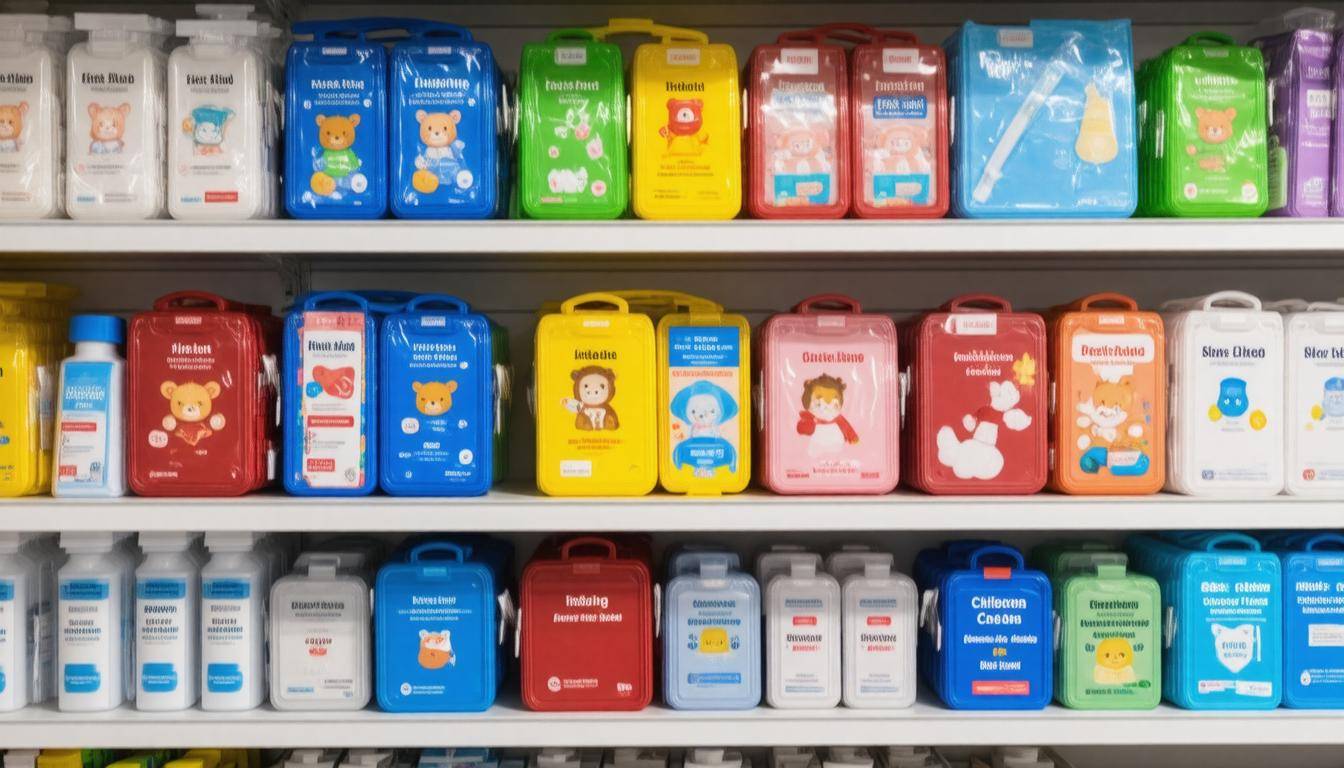
You have a variety of options when it comes to buying an infant and child first aid kit, and selecting the right place can be as crucial as picking the right supplies. One of the first places many parents think of is retail stores. Pharmacies like CVS and Walgreens offer convenience and often stock pre-packaged kits tailored specifically for children’s needs. These kits typically contain essential items like gauze pads, adhesive bandages, and sometimes even child-friendly medications.
Additionally, major department stores such as Walmart and Target provide a diverse selection, featuring both ready-made kits and customizable options that allow you to tailor the contents according to your child’s specific needs.
It’s important to remember that many local shops carry first aid supplies; don’t overlook smaller pharmacies or community health stores that might stock what you need.
However, if you prefer shopping from home, online retailers can be an excellent alternative.
Online Options
Shopping online opens an entirely new world of choices. One of the most popular platforms for health supplies is Amazon, which boasts a wide assortment of first aid kits. The advantage here lies not only in the vast selection but also in customer reviews that provide insight into how each kit performs in real-life scenarios. Prices range widely from $10 to $100, depending on the complexity and features included in the kit.
| Retailer | Special Features | Price Range |
|---|---|---|
| Amazon | Wide selection, customer reviews | $10 – $100 |
| Walmart | In-store pickup availability | $15 – $75 |
| Target | Specialized baby first aid kits | $20 – $80 |
Walmart also offers a user-friendly shopping experience with options for in-store pickup, making it easy to grab your kit if you’re in a rush or prefer not to wait for shipping. Prices at Walmart typically range from $15 to $75, covering various needs without breaking the bank. On the other hand, Target stands out for its specialized baby first aid kits that often include child-specific medications and supplies designed with little ones in mind; their kits fall within the range of $20 to $80.
While online shopping gives you greater flexibility and often more variety, it’s essential to compare the contents of different kits before making a decision. This way, you’ll ensure you’re investing in a product that truly meets your family’s needs.
Ultimately, choosing the right place leads to meaningful savings in both time and money while ensuring you have everything necessary for emergencies involving your children. Well-prepared parents can feel more confident in handling unexpected situations that may arise with their little ones.
What resources or guides can help parents learn how to use the items in a first aid kit effectively?
Parents can leverage resources such as the American Academy of Pediatrics (AAP) guidelines, which provide detailed information on first aid techniques specifically for children, as well as online courses and workshops offered by organizations like the Red Cross. According to a study by the AAP, approximately 37% of parents reported feeling unprepared for pediatric emergencies, highlighting the importance of education in using a first aid kit effectively. Additionally, instructional materials that accompany first aid kits often include visual aids and step-by-step guides, making it easier for parents to respond confidently during emergencies.
What are the most critical first aid supplies specifically for infants and children?
The most critical first aid supplies for infants and children include adhesive bandages, sterile gauze pads, antiseptic wipes, a digital thermometer, tweezers, and a bottle of liquid antihistamine. Infants and children are particularly vulnerable due to their smaller size and developing systems; for example, nearly 2.3 million children are treated for injuries in emergency rooms annually in the U.S. Having these essential items on hand can prevent minor injuries from escalating into major issues, ensuring prompt and effective care during emergencies.
How often should you check and replenish items in a child’s first aid kit?
You should check and replenish items in a child’s first aid kit at least every six months, as recommended by pediatric safety guidelines. This ensures that all supplies are current, especially medications and sterile items, which can expire or degrade over time. Considering that injuries are the leading cause of death for children aged 1 to 4, having a well-stocked kit can significantly improve emergency response and outcomes. Regular checks not only maintain the kit’s effectiveness but also provide an opportunity to familiarize yourself with the contents, ensuring you’re prepared when emergencies arise.
Are there any age-specific considerations when assembling a first aid kit for kids?
Yes, there are age-specific considerations when assembling a first aid kit for kids. For infants and toddlers, items like pediatric dosages of medicine, teething gels, and baby-safe adhesive bandages are essential due to their unique vulnerabilities. As children grow older, you should include more comprehensive items like splints and larger bandages suitable for active play injuries. Statistics indicate that around 3 million children under the age of 14 visit emergency rooms each year due to unintentional injuries, highlighting the importance of a well-equipped first aid kit tailored to their developmental stages.
How do the needs of a child differ from those of an adult in terms of first aid supplies?
The needs of a child differ from those of an adult in first aid supplies primarily due to their smaller size, unique physiology, and varying developmental stages. For example, pediatric doses for medications are based on weight rather than age, necessitating precise measurement tools. Children are also more prone to certain injuries, such as croup or severe allergic reactions, which require specific treatments like epinephrine auto-injectors. Statistics indicate that children under five account for 60% of emergency room visits for unintentional injuries, underscoring the need for tailored first aid kits equipped with child-appropriate items such as smaller bandages and infant CPR masks.