
When it comes to our little ones, safety and preparedness can never be overstated. Emergencies, although unpredictable, are a reality many families must consider. A well-thought-out infant emergency supply kit is a crucial step in ensuring your baby’s needs are met during these trying times. Whether it’s a natural disaster or a sudden need to evacuate, knowing you have the essential items right at hand can alleviate some of the stress involved. In this article, we’ll explore a complete checklist of supplies tailored specifically for infants—covering everything from feeding to first aid—so you can be confident that you’re ready for anything life throws your way. Let’s dive into what you need to keep your little one safe and secure!
The Infant Emergency Supplies complete checklist includes critical items such as ready-to-feed infant formula, diapers, baby wipes, cleaning supplies, and warm clothing. Additionally, families should ensure they have breast feeding supplies if applicable, such as storage bags and manual pumps, to address various feeding needs during emergencies.
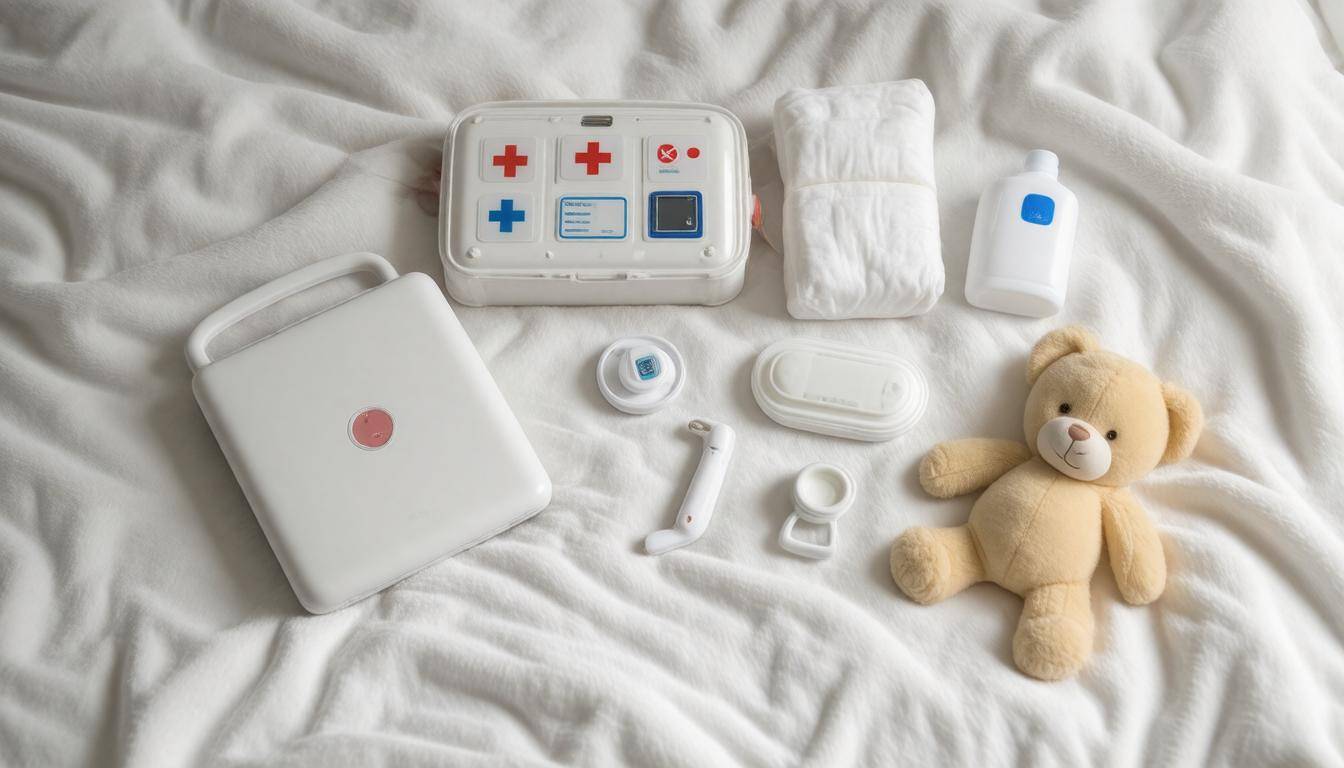
Essential Items for Infant Emergencies
A well-stocked emergency supply kit for infants should encompass essential items that address their daily needs—comfort, hygiene, and nutrition. This means that when an urgent situation arises, you have everything at your fingertips to care for your baby without having to rummage through countless places. Imagine the peace of mind knowing that all your supplies are organized and ready to go, helping you stay focused on what truly matters: your baby’s safety.
In this whirlwind where time may not be on your side, it’s key to think ahead about what you might need.
Comprehensive Checklist
- Diapers: At least a week’s supply of both disposable and cloth diapers. Babies typically require 20-30 diapers a week depending on their age.
- Baby Wipes: Stock multiple packs, as keeping your baby clean during emergencies is non-negotiable.
- Disposable Changing Pads: These are a hygienic solution for quick diaper changes wherever you are.
- Ready-to-use Formula: Several bottles of ready-to-feed infant formula are indispensable; they don’t require water mixing and come in sterile containers.
- Baby Food Jars: As infants transition into solids, including 10-15 jars or pouches of non-perishable baby food ensures they have enough nutrients.
- Sterilized Water: Aim for at least 1 gallon of safe drinking water specifically for mixing formula.
- Breast Pump with Manual Option: If breastfeeding, having a manual pump handy can be a lifesaver, especially during power outages; it allows you to continue feeding.
- Pacifiers: Keep two or more—it’s comforting for many infants during stressful situations.
- Thermometer: Preferably digital; fever management is crucial for any infant’s comfort and health.
- Infant Pain Reliever: Have an acetaminophen-based solution accessible for managing minor aches or fevers.
- Bibs and Burp Cloths: Disposable ones simplify cleanliness during emergencies as they help reduce messes without needing laundry facilities.
- Hand Sanitizer: An alcohol-based sanitizer is essential to maintain hygiene while caring for your baby, especially if soap isn’t available.
- Emergency Contact Information: Make sure to include pediatrician details and contact info for family members or trusted friends.
This checklist ensures that every aspect of an infant’s care—feeding, sanitary needs, medical requirements—is comprehensively covered. It’s not just about gathering these items haphazardly but also about organizing them compactly so that everything is easy to grab in a hurry.
By being fully prepared with the right supplies, families can face emergencies with greater confidence, ensuring that their infants’ needs are prioritized amidst the chaos. As we consider specific essentials next, let’s focus on one area that plays a crucial role in infant care: changing supplies.
Diapers, Wipes, and Changing Supplies
Diapers and wipes are the backbone of infant care during emergencies. Given that infants typically use between 6 to 8 diapers daily, you’ll want to prepare accordingly. This translates into needing a supply of at least 50-60 diapers for a week’s worth, which can quickly fill your storage space. However, considering their importance, this space is well-invested.
When preparing an emergency kit, choose different diaper sizes because your infant will grow, and having the right fit ensures comfort. Stocking sizes from newborn to Size 2 can cater to your baby’s changing needs.
Based on average consumption, planning for variations is essential; having too few diapers can lead to panic during unforeseen events. For optimal preparedness, consider that a well-stocked diaper bag should comfortably hold 10-15 liters of essentials without being overly bulky.
To enhance the diapering experience, don’t overlook some extra supplies like diaper cream, which plays a vital role in preventing rashes and irritation from prolonged wear. It sounds trivial until you’re dealing with a cranky baby! Additionally, including extra bags for disposal is smart—being ready means you’re minimizing unpleasant surprises when you’re out of options.
An efficient change requires a compact changing mat—this not only keeps your baby comfortable but also ensures cleanliness wherever you are.
With the essentials for diapering addressed, we now turn our attention to another critical aspect of preparing for emergencies: ensuring your infant receives proper nourishment in any situation.
Feeding and Nutrition Essentials
Proper nutrition is vital for an infant’s well-being during emergencies, so it’s crucial to curate a selection of feeding supplies that will keep your little one nourished and happy. Ensuring you have ready-to-feed formula not only alleviates the stress of mixing powdered formula in uncertain conditions but also guarantees safe nourishment, even when water supply issues arise.
Imagine those overwhelming moments when panic sets in – knowing you have reliable food options is like a comforting blanket amidst chaos.
Preparing for emergencies is about foresight; stocking up on powdered formula ensures you’re covered when ready-to-feed options are running low. It’s advisable to keep plenty of bottled water on hand for mixing the powdered forms. This extra preparation can save you from unnecessary headaches and keep your baby well-fed.
Take it from mothers who have faced real crises: one mother recalled her experience during Hurricane Katrina, sharing how having ready-to-feed formula transformed her experience. She could focus on keeping her child safe rather than worrying about preparing meals under pressure, making a profound difference during those stressful days.
Feeding Tools
The ongoing debate about whether to go eco-friendly or stick with disposables often comes up regarding feeding tools. In emergencies, while disposable cups and spoons may increase waste and require additional space in your emergency kit, they are easier to manage without concerns of sanitation. When time is of the essence, opting for items that simplify feeding becomes essential.
Additionally, don’t forget to include a portable bottle warmer in your kit. This nifty tool allows you to heat bottles conveniently whenever you’re on the go, ensuring that feeding remains simple and effective, regardless of the situation.
As you gather your feeding essentials, consider that maintaining safety and ensuring proper nutrition goes hand in hand with thoughtful preparation. This foundational aspect leads us naturally into exploring essential health items for infants as we continue this journey toward readiness.
Basic Health Supplies
When it comes to your baby’s health, the right supplies can make all the difference in ensuring a quick and effective response during emergencies. Think of these items as your first line of defense; each one serves a specific purpose aimed at preserving your child’s well-being. Having an infant pain reliever based on acetaminophen isn’t just about alleviating discomfort—it also eases your worries when your child is feeling unwell. This age-specific medication can be an invaluable tool for managing fevers or other common childhood ailments.
Including Band-Aids in your kit may seem trivial, but they are essential for treating unexpected little mishaps—whether it’s a tiny cut from a playtime accident or a scrape just after a fall. Along with Band-Aids, antiseptic wipes play an equally vital role in maintaining hygiene. These wipes help to clean and disinfect wounds while minimizing the risk of infection, giving you peace of mind through swift treatment.
The importance of quick responses cannot be overstated, which is where tools like the bulb syringe come into play.
A bulb syringe offers quick relief for nasal congestion, which can be distressing for both infants and parents alike. Congested babies can struggle to breathe comfortably, especially during sleeping hours. As a parent, having this simple device handy allows you to keep your baby comfortable and prevent respiratory complications.
Alongside these tools, don’t forget a thermometer, as monitoring temperature is crucial in managing an ill child’s health. Non-contact types have the added advantage of making the experience less invasive and more comfortable for your baby. They provide quick readings and ease some anxiety that might arise from traditional methods.
Finally, while we hope never to use them, emergency contact cards bear significance by compiling vital information such as your pediatrician’s phone number, the nearest hospital’s address, and contacts for family members who should be informed in case of an emergency. Printing them out and placing them into your emergency kit ensures that this critical information is readily available and up-to-date.
With these essential supplies lined up, assembling a comprehensive kit will further enhance your preparedness for any situation that may arise.
Preparing Your Infant’s Emergency Kit
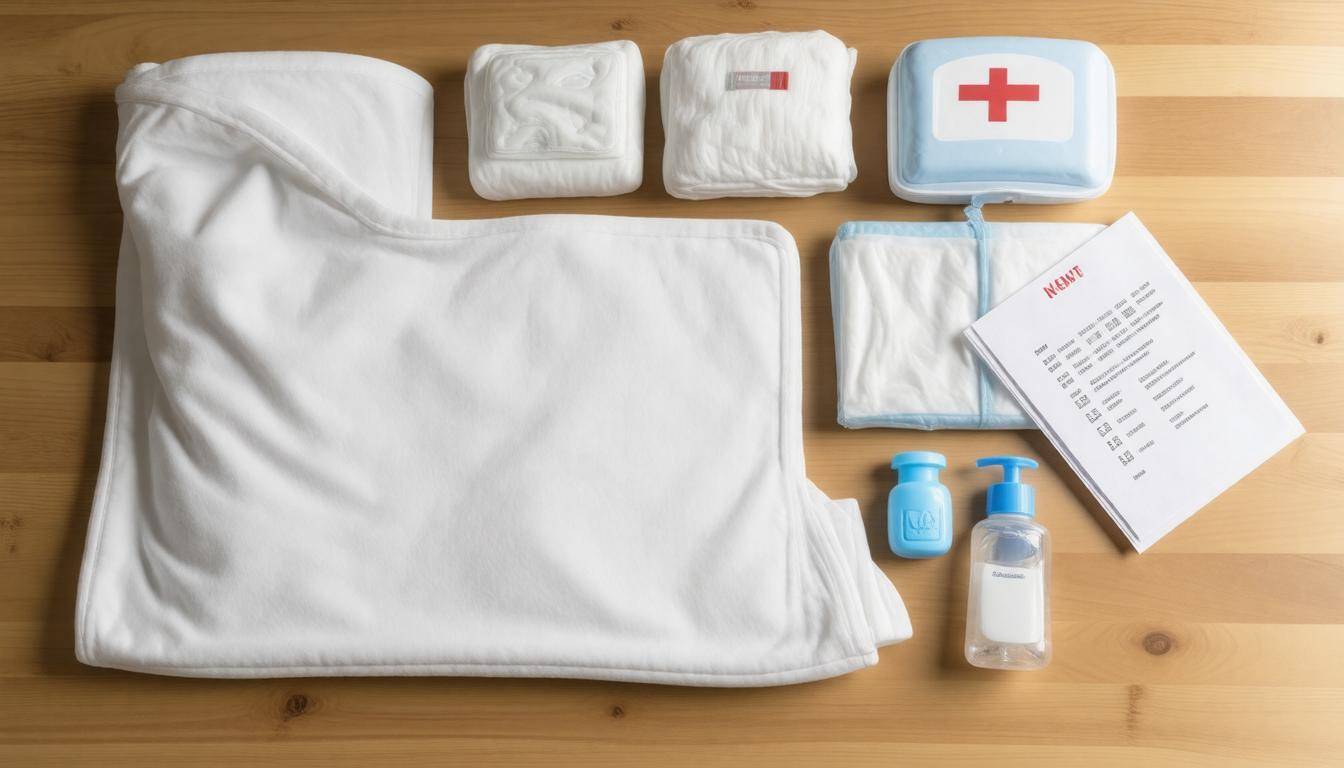
Imagine facing an unexpected situation where you need to leave your home quickly; having a well-prepared kit on hand can make all the difference for your infant. It’s more than just throwing a few items into a bag; it involves strategic planning to ensure you have everything necessary to keep your little one safe and comfortable during challenging times. Families should aim for a self-sufficient supply that lasts at least three days, as babies require specific items that vary greatly from those needed by adults.
Step-by-Step Guide
The first step is to choose a durable bag that can withstand wear and tear while still keeping its contents organized. Diaper bags are often designed with various compartments, making them an ideal choice. However, a sturdy backpack or even an emergency-specific bag works well too, allowing for hands-free mobility.
Next, it’s essential to organize by categories inside the bag. Break down supplies into smaller pouches dedicated to feeding essentials, first aid supplies, and diapering needs. For example, keep formula in one pouch, diapers and wipes in another, and if possible, create a pouch solely for medications related to your infant’s health. This way, when you open the bag in an emergency, you won’t waste precious time rummaging through disorganized items.
Naming each category helps streamline this process even further, ensuring you can find what you need in a hurry.
After building categories, label everything. Use labels or markers to name each compartment clearly. Not only does this help anyone who might be assisting you during an emergency find what they need quickly, but it also allows you to remain calm and collected by knowing exactly where every item is located. An extra set of eyes—and hands—can really be helpful when every second counts.
Accessibility is vital; therefore, once you’re finished packing the kit, ensure it’s in a spot that’s easy to access quickly. Placing the bag near the main entrance will give you peace of mind that it’s ready at a moment’s notice—just grab it and go! Regularly check the contents of the kit to replenish or replace items that are running low or have reached their expiration dates.
The objective is not merely gathering supplies but creating a thorough assembly that addresses your infant’s immediate requirements during unforeseen events. Transitioning from this preparation mindset leads us into discussing adaptable solutions suitable for both home environments and travel situations.
Versatile Home and Travel Packs
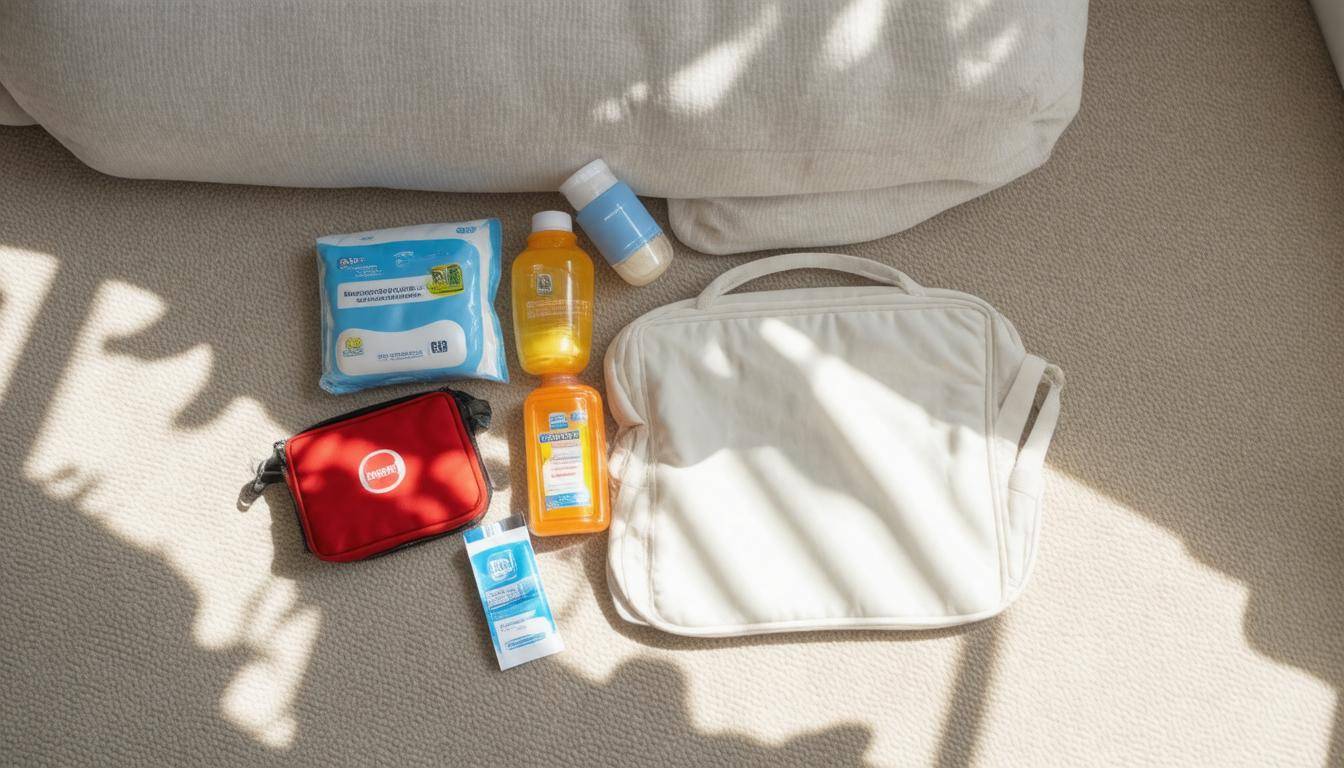
While it’s crucial to have a well-stocked home emergency kit, nothing can replace the peace of mind that comes with having a mobile infant emergency pack ready for travel. Imagine being caught in an unexpected situation—whether it’s a weather emergency, a medical issue or even just a family outing—having a portable kit at your side makes all the difference. A well-designed travel pack not only equips you with necessary items but ensures you’re prepared to react quickly and efficiently without missing a beat.
Benefits of Versatile Packs
Mobile packs are often smaller and more lightweight than traditional home kits, allowing you to easily slip them into your car or carry them while on foot. However, this means they might carry fewer items overall.
In contrast, home kits can be comprehensive, filled to the brim with essentials like diapers, wipes, formula storage options, and more. So, considering both types is essential; having a compact travel pack alongside your larger home setup means you’re covered no matter where you are.
Each type of pack serves its purpose: while a home kit lays the groundwork for everyday needs, travel packs prepare you for emergencies on the go. The assurance that you have what your infant needs can turn a stressful situation into a manageable one, letting you focus on what’s most important: keeping your little one safe.
As you build these kits, think about personalizing them further to meet your infant’s unique requirements and ensure they include everything necessary for their comfort and care during an emergency. This personalization will enhance the effectiveness of your preparations as you look toward optimizing your supplies.
Customizing Your Survival Kit
Addressing a child’s individual requirements can make all the difference in an emergency. Every infant has different needs; therefore, customization becomes essential. For instance, if your little one has allergies, it’s vital to include hypoallergenic formulas and medications like antihistamines specifically designed for their age group. Having alternative feeding options readily available ensures their safety and gives you peace of mind during unexpected situations.
Personalization Tips
Further enhancing the personalization of your kit is incorporating comfort items that are familiar and soothing to your baby. Consider adding their favorite blanket or a cherished toy. These items can create a sense of security amid turmoil, allowing them to feel more at ease when everything else feels uncertain and chaotic. For infants, routine is key, and familiar objects can maintain a semblance of normalcy during stressful times.
Another essential aspect is categorizing supplies based on feeding methods—whether breastfed or formula-fed. This includes ensuring the kit has adequate nursing pads, storage bags for breast milk, or bottle cleaning supplies if using formula. Remaining flexible with these provisions supports various scenarios, particularly in extended situations where traditional resources may become scarce.
Don’t forget essential items for differing scenarios:
- Emergency contact cards: List pediatrician info, as well as emergency service numbers.
- Clothing: Pack extra outfits suitable for various weather conditions to keep babies comfortable.
- First aid: Ensure that included infant-specific first aid items are up-to-date and easy to access.
Building your infant’s survival kit with these considerations creates a reserve that’s not only practical but also reassuring during challenging moments. Each item thoughtfully selected underscores a commitment to their well-being, giving you confidence that you’re prepared for anything life throws your way.
As we consider how to effectively tailor these kits to suit individual family needs, it’s important to discuss regular updates and maintenance of your supplies. Keeping tabs on what’s in your kit will ensure you’re always prepared for whatever comes next.
Maintaining and Updating Your Kit for Infants
To ensure your emergency kit remains effective, regular maintenance is paramount. Just assembling the kit isn’t enough; keeping everything fresh and functional can save precious time in moments of crisis. Think of your supply kit as a living entity—it needs regular attention and care.
By setting up a maintenance calendar, you can keep track of what needs checking and when. Daily life can be hectic, especially with an infant, but dedicating a few moments each month to your emergency supplies will provide peace of mind.
Maintenance Checklist
It is crucial to test items regularly for expiration dates and functionality. Checking various aspects of your kit ensures that everything remains effective and safe for your infant. A simple way to do this is to create a checklist that includes all appropriate items—this helps you stay organized while quickly identifying what’s due for replacement or inspection.
| Item | Check Frequency | Replacement Interval |
|---|---|---|
| Diapers | Monthly | When 50% depleted |
| Ready-to-feed formula | Weekly | Expiry-based |
| Medications | Monthly | Expiry-based |
| Sterilized Water | Quarterly | Every two months |
The table above provides you with a baseline guide for keeping your supplies fresh. For instance, checking diapers monthly ensures you’re never caught off guard during an event. With formula, weekly inspections help identify any products nearing their expiry date—after all, nothing is more important than knowing your baby’s next meal is safe.
As a special note, remember to rotate items like water and formula according to their expiry dates. This practice keeps these essentials safe for consumption while preventing waste—a clever way to maximize both safety and cost-effectiveness.
Organizing these items and keeping them updated showcases preparation. It also ensures that you’re always ready to provide the best possible care for your infant in any situation.
In summary, vigilance in maintaining your infant’s emergency supplies is not just prudent; it’s essential for ensuring their safety. Regular updates will empower you during emergencies with confidence and preparedness.
How often should I update or check my infant emergency supplies?
You should check and update your infant emergency supplies at least every six months, or whenever there is a significant change in your child’s growth or health needs. Research shows that 40% of families do not have adequate emergency supplies for infants, often leading to dangerous situations during crises. Regularly reviewing your checklist ensures that items like medications, diapers, and formulas remain within expiration dates and appropriate for your child’s current age and size.
Are there specific first aid items recommended for infants and toddlers?
Yes, there are specific first aid items recommended for infants and toddlers. Essential supplies include infant acetaminophen for fever and pain relief, adhesive bandages in small sizes for minor cuts, gauze pads and adhesive tape for larger wounds, a digital thermometer to monitor temperature, and antiseptic wipes to clean injuries. According to the American Academy of Pediatrics, having a dedicated first aid kit tailored for young children can significantly reduce panic during emergencies and ensure quick responses, minimizing the risk of complications.
What additional resources or organizations offer guidance for creating an infant emergency plan?
Additional resources for creating an infant emergency plan include the American Academy of Pediatrics (AAP), which offers guidelines on child safety and emergency preparedness, and the Centers for Disease Control and Prevention (CDC), providing insights into disaster readiness. According to a survey by the National Association of Pediatric Nurse Practitioners, 60% of parents do not have a specific emergency plan for their children. Utilizing these organizations can help ensure that families are better equipped and informed, ultimately enhancing infant safety in unforeseen circumstances.
What are the most essential items to have in an infant emergency supply kit?
The most essential items to have in an infant emergency supply kit include diapers, formula or breast milk, baby wipes, a first aid kit, extra clothes, and a portable crib. According to the American Academy of Pediatrics, having a well-stocked emergency kit can significantly reduce stress during emergencies and ensure that your infant’s basic needs are met rapidly. Statistically, preparedness can lead to better outcomes in crisis situations, making these items crucial for both safety and peace of mind.
How can I prepare my infant for different types of emergencies (natural disasters, power outages, etc.)?
To prepare your infant for various emergencies, create a comprehensive emergency kit that includes essentials like diapers, formula, first-aid supplies, and a baby carrier for mobility. Familiarize yourself with local disaster plans and conduct drills at home to ensure you’re ready for situations like natural disasters or power outages. Statistics show that having an emergency plan can significantly reduce stress during crises; according to FEMA, 60% of families feel better prepared when they have discussed their plans in advance. Additionally, keep important documents like medical records and identification accessible yet secure, ensuring you have what you need if evacuation becomes necessary.