
In emergencies, the last thing any parent wants to worry about is how to feed their baby safely. Whether it’s a natural disaster, power outage, or other unexpected events, having a solid plan for infant nutrition can make all the difference in keeping your little one healthy and content. This guide will walk you through everything from essential supplies to proper preparation techniques, ensuring that when chaos strikes, you feel prepared rather than overwhelmed. We all know that being a parent can be challenging during normal times, so arming yourself with knowledge and resources for emergencies isn’t just smart—it’s essential. Let’s dive into the best practices for feeding infants when tough situations arise.
The “Infant Formula in Emergencies: Complete Guide” offers essential information on safely preparing and using infant formula in crisis situations, guidelines for ensuring proper nutrition for infants, and recommendations for hygiene practices to minimize risks. Additionally, it includes resources for health workers and caregivers to support families during emergencies while addressing the emotional and physical needs of both parents and children.

Essential Emergency Formula Pack
An essential formula pack plays a critical role in ensuring that your child’s nutritional needs are met during times of crisis. This isn’t only about having food on hand; it’s about creating an environment that promotes health and safety while easing the minds of parents dealing with stress. Therefore, a well-stocked emergency formula pack is a must-have for every caregiver.
One of the first items you should include in your emergency pack is infant formula. If possible, opt for ready-to-feed formula to minimize the risk of contamination, especially in chaotic situations where sanitation may be compromised. The convenience of ready-to-feed formula can make a significant difference, allowing you to focus your energy on other pressing needs rather than mixing powdered varieties.
Checklist:
- Infant Formula (Ready-to-feed if possible) – To avoid contamination risks.
- Sterile Bottles and Nipples – At least three sets will ensure you have clean alternatives on hand after each feeding.
- Bottle Brush – Essential for maintaining cleanliness between uses.
- Insulated Cooler – An excellent tool for keeping formula cool when refrigeration isn’t available, preserving nutritional quality.
- Thermometer – Important for verifying that any boiled or purified water used for mixing formulas is at the right temperature before preparation.
- Hand Sanitizer – Having hand sanitizer readily available promotes hygiene and helps reduce the risks associated with germs before feedings.
- Measuring Scoop and Cup – Key for accurate preparation and mixing of formulas, ensuring proper nutrition.
- Clean Water – Ideally bottled or boiled and cooled to eliminate contaminants, vital when preparing any formula.
While it’s true that ready-to-feed formula provides peace of mind, not every situation allows for its availability. It’s essential to prepare accordingly by having other types of formula—powder or liquid concentrate—on standby, with tools necessary for accurate measuring and mixing.
Having a thermometer included in your kit not only enhances safety but also streamlines preparation in emergency situations. Knowing the correct water temperature can help avoid scalding your child as you mix their meals—a crucial detail that shouldn’t be overlooked.
An effective emergency formula pack should provide immediate nutrition while facilitating safe feeding practices. This ensures that parents can focus more on comforting their infants instead of worrying about feeding logistics amid chaos.
As we continue exploring practical approaches, let’s look at methods for maintaining safe conditions in various storage environments.
Safe Storage Tips
Proper storage of infant formula is not just a guideline — it’s a necessity. The conditions under which we store their food can significantly influence infants’ health and nutrition. To ensure formula remains free from spoilage and bacteria, pay close attention to the environment. Always keep unopened formula cans in a cool, dry place away from extreme temperatures. This means avoiding locations like direct sunlight or damp areas, ensuring they stay between 50°F and 85°F (10°C to 29°C).
Once opened, powdered formula should be used within one month if stored correctly, as it can start to degrade, losing its nutritional value.
Now let’s consider how prepared formula should be managed. For freshly made formulas, timing plays a crucial role. Adhere to strict time limits based on whether you’re keeping formula at room temperature or refrigerated.
| Condition | Time Limit |
|---|---|
| Room Temperature | Use within 2 hours |
| Refrigerated (at or below 40°F/4°C) | Store for up to 24 hours |
| Leftover Formula | Discard immediately after feeding |
It’s essential to remember that any leftover formula after feeding should be discarded immediately — even if it seems fine to consume. Bacteria can thrive in leftover milk, and even the smallest quantity left exposed can lead to contamination.
In emergencies, when traditional refrigeration may not be available, it’s vital to come up with alternative solutions for storing your infant’s food safely.
As Emily notes from her experience during the hurricane: “When power went out, we stored formula in an insulated cooler with ice packs. It worked well for a couple of days.” Insulated coolers can provide essential temporary relief when refrigerators aren’t functioning. By utilizing ice packs or frozen gel packs – items you might have on hand in case of emergencies – you can extend the life of the stored formula.
This flexibility underscores how creativity and resourcefulness become invaluable tools in crisis situations. Understanding how to improvise under pressure can make all the difference in ensuring your infant receives proper nutrition despite challenging circumstances.
With preparation and awareness, families can navigate the intricacies of infant feeding during emergencies while keeping their little ones healthy and safe.
As we move forward, it’s essential to focus on the correct methods for preparing infant formula, which will ensure safety and nutritional integrity during stressful times.
Correct Preparation Methods
In emergency situations, preparation methods for infant formula must be executed with care to ensure your little one receives safe and nutritious feedings. Every step in the process matters and can directly impact the health of both mother and child.
First and foremost, it’s essential to sanitize all equipment that will come into contact with the formula. You might think washing your hands is enough, but in emergencies when water may be scarce or contaminated, using hand sanitizer is a solid alternative. Always clean bottles, nipples, and utensils thoroughly with clean water, as any leftover residue can become a breeding ground for harmful bacteria.
Next on the checklist is boiling water if you’re using powdered or concentrated formula. Boiling helps eliminate potential pathogens that could pose a risk to infants’ delicate systems. After boiling the water, allow it to cool carefully; aim for a temperature between 158°F (70°C) and 122°F (50°C). This range is hot enough to ensure safety while still allowing you to mix in the formula without jeopardizing its quality or nutritional value.
It’s important to measure the formula accurately according to the ratios specified on the package. Each brand may have slightly different requirements, so following these guidelines ensures that your infant receives adequate nutrition without dilution or concentration of nutrients. This attention to detail makes a world of difference during these critical moments.
Once you’ve measured out both water and formula, it’s time to mix them together thoroughly. Ideally, this should eliminate any lumps; if left unincorporated, they can lead to inconsistent feeding for your baby, which is something we certainly want to avoid. Gently shake or swirl the bottle after capping it to help achieve a smooth consistency.
After preparing the formula, timing becomes vital.
The freshly made formula should be used immediately or stored properly if not needed right away. If kept at room temperature, you must use it within 2 hours. On the other hand, refrigeration gives you a bit more leeway—up to 24 hours—so long as you ensure it remains sealed in a sterile container. These practices not only safeguard against contamination but also provide peace of mind knowing you are doing all you can for your child, even in challenging times.
This systematic approach can transform what might feel like an overwhelming task during an emergency into something manageable and safe for both caregiver and child alike. Properly preparing infant formula isn’t just a process; it’s an essential practice that supports healthy growth and development amid adversity.
Understanding these preparation fundamentals paves the way for navigating challenges when young ones need nourishing care during trying circumstances. We can now focus on practical strategies for nourishing infants in times of crisis.
Feeding Babies in Disasters
In emergencies, maintaining a consistent feeding routine is not just about hunger; it’s about providing comfort and stability for your baby. Establishing a feeding schedule that reflects your baby’s normal pattern can help alleviate some of the stress for both the caregiver and the infant. Infants thrive on predictability, and when you stick as closely as possible to their typical feeding times, you’re giving them an emotional anchor in a turbulent situation.
Additionally, the reality of power outages means parents may need immediate options. Ready-to-feed formula becomes invaluable under these conditions, as it removes potential risks tied to mixing powdered formulas with possibly contaminated water sources. Having emergency supplies of ready-to-feed formula can make all the difference in ensuring your baby’s safety during uncertain times.
However, some families might lean towards breastfeeding thinking it’s less hassle during tough moments. Though it’s true that breastfeeding doesn’t involve preparation, high-stress situations can impact a mother’s milk supply significantly. Factors such as lack of proper nutrition or increased anxiety can lead to reduced breast milk production—making formula a critical alternative in those cases.
Understanding the Options
The decision between using formula and breastfeeding during disasters often sparks heated discussions among caregivers. Situations differ widely: some circumstances may favor easy access to breast milk, while others underscore the reliability of prepared formulas. It’s essential to prioritize each baby’s needs against available resources.
Always be prepared for various scenarios by ensuring both breastfeeding support mechanisms (like lactation consultants) and adequate supplies of formula are readily accessible. This dual approach means that regardless of what happens, you’ll have options to cater to your child’s needs.
With so many factors at play, being well-informed on infant feeding guidelines sets the stage for addressing feeding methods in urgent situations.
Formula vs. Breastmilk: Emergency Scenarios
Breastfeeding is considered the safest feeding method in emergencies—but it’s not always feasible for various reasons. For example, mothers may be unwell, not receiving adequate nutrition themselves, or infants could be separated from their mothers due to chaotic situations. In such cases, relying on infant formula becomes crucial.
However, the use of formula during emergencies comes with its own set of challenges and risks. The World Health Organization (WHO) notes that during times of crisis, formula feeding can lead to increased health risks primarily because of possible contamination. While formula may be the only option available when breastfeeding isn’t possible, strict hygiene measures must be maintained to ensure that the prepared infant formula doesn’t introduce harmful bacteria which could lead to serious illness.
Think about it this way—breastmilk contains antibodies and immune-boosting properties that are beneficial for infants, especially when faced with high-stress conditions found in emergencies. Yet breastmilk isn’t an option when mothers are unable to nurse. Having reliable access to safe and sanitary preparedness resources can mean life or death for an infant reliant on formula.
In fact, studies indicate that after disasters like the 2010 Haiti earthquake, many mothers turned to formula provided by humanitarian organizations due to their inability to breastfeed stemming from stress or physical injuries. Such scenarios underscore the potential reliance on formula amidst awareness of its drawbacks.
It’s critical not just to have any formula available but to ensure there is a strategy for safely preparing and administering it under crisis conditions. Logistical challenges concerning water quality could impact the ability to prepare powdered formulas safely, emphasizing the importance of clean water access.
To mitigate these risks, some best practices include:
- Avoiding Premixed Solutions: Minimizing the use of pre-formulated brands can help reduce waste when access might be fleeting.
- Clear Preparation Guidelines: Utilize resources from organizations like WHO and Save the Children to ensure accurate preparation methods are easily accessible in shelters.
- Hygiene Signage: Establish clear signage on hygiene practices near feeding areas, stressing that formula should not be prepared near sanitation facilities or contaminated areas.
Understanding and implementing these strategies will significantly enhance caregiver confidence in providing nutrition while ensuring safety for infants during challenging times. As we move forward, let’s take a closer look at essential practices for maintaining safe feeding environments.
Hygiene Tips for Safe Feeding

In times of crisis, when resources may be scarce and stress levels high, maintaining a clean feeding routine for infants becomes even more critical. Hygiene can easily be compromised, making it vital to take extra care to ensure that every feeding session is safe. Remember, the stakes are high when it comes to infant health, so let’s explore some necessary practices.
One of the most effective ways to keep things safe is through frequent handwashing. It’s simple yet powerful: washing hands thoroughly with soap and water for at least 20 seconds before preparing food keeps germs at bay. If soap and water aren’t available, hand sanitizer can be a good alternative—just make sure it contains at least 60% alcohol. This small step drastically reduces the risk of transferring harmful bacteria to your infant during feeding.
With clean hands secured, we can turn our attention to the apparatus that will be used for feeding.
The next crucial step involves sterilizing equipment. Bottles, nipples, and utensils should never be overlooked; when possible, boil these items for at least five minutes to eliminate any lingering contaminants. If boiling isn’t feasible due to water shortages or other constraints, using a sterilizer can also effectively sanitize these items. This ensures that every inch of feeding equipment is free from harmful elements that might jeopardize an infant’s health.
Now that we’ve tackled hands and equipment, let’s consider where all this preparation takes place.
Always aim to clean the feeding area. Find the cleanest location available before preparing formula or breast milk. A tidy space reduces exposure to dirt and pathogens that could contaminate the feeding process. If possible, designate an area away from bathrooms or trash bins and ideally in a spot that can be sanitized regularly. Using signs to remind caregivers about hygiene practices in community shelters can further support consistency in maintaining a safe space.
Having established cleanliness around us, there remains one more crucial element to discuss.
Lastly, let’s emphasize the importance of minimizing hand contact with both the formula and feeding equipment. This means handling infant formula as little as possible during preparation and ensuring that once sterilized equipment is ready to use, it’s protected until needed. By employing techniques like cup feeding or pre-measuring formula into sterilized containers ready for use, you reduce unnecessary exposure to potential contaminants.
Following these hygiene practices helps ensure safer feeding despite challenging conditions.
By implementing frequent handwashing, sterilizing equipment properly, cleaning your preparation area diligently, and minimizing contact during feeding, you create a safer environment for infants even amidst emergencies. The actions outlined here play a critical role in supporting both infant health and parental peace of mind.
As we navigate through these essential practices, it’s important to consider actionable steps that parents can take in accordance with these guidelines when faced with challenges during emergencies.
Practical Solutions for Parents
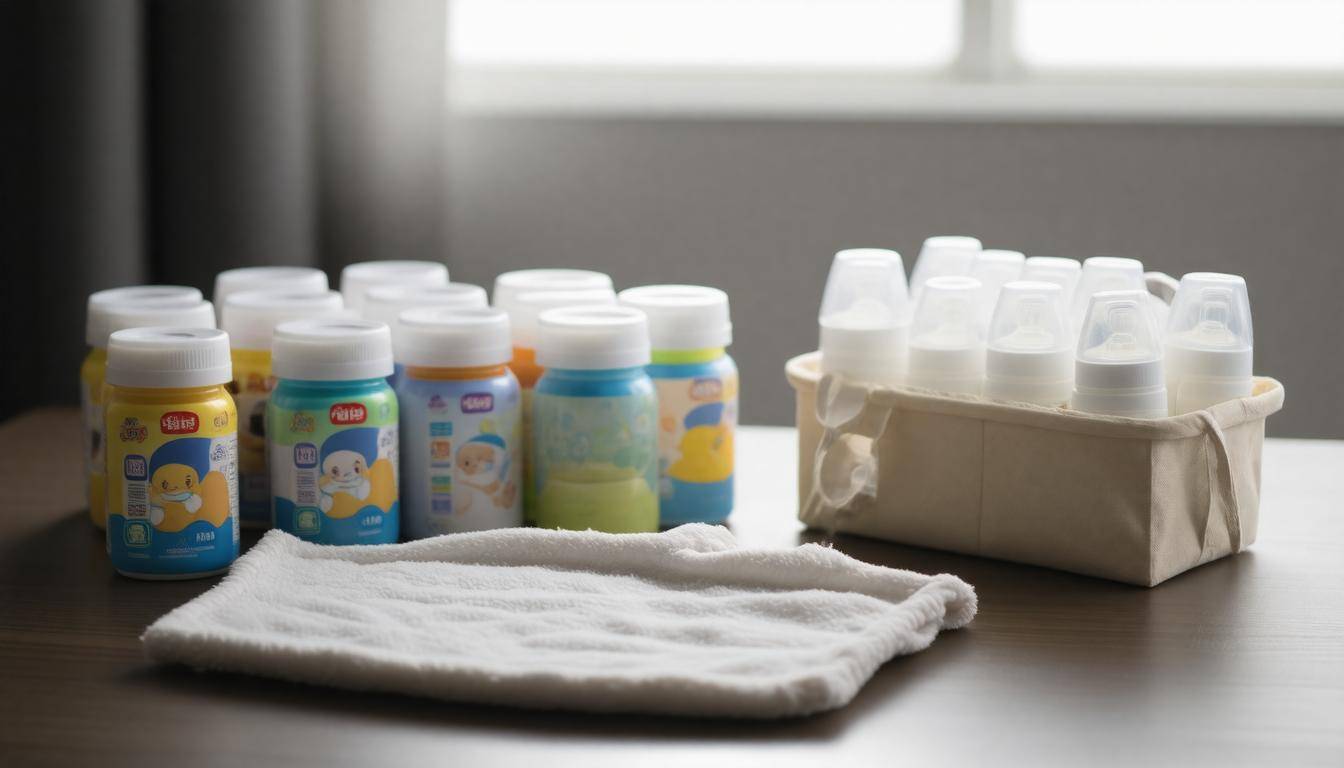
Emergencies can strike without warning, leaving new parents scrambling for proper nutrition for their little ones. Such situations call for practical tips that aid in immediate feeding needs and ease the anxiety of caring for an infant under duress.
The first recommendation is to always maintain a backup plan. This means having a reserve supply of infant formula and clean water stashed away in an easily accessible location. Imagine reaching into your cupboard and confidently pulling out a well-stored canister of powdered formula or a clean bottle of boiled water, ready to go when needed.
Another avenue worth exploring is alternate feeding methods. If circumstances render bottles unsterilizable or unavailable, consider cup feeding as an alternative. It’s easier than it sounds! Using a small cup, you can feed your infant safely without the risk associated with unclean bottles. This method has been successfully employed in emergency settings where sanitation is questionable, allowing caregivers to still meet a baby’s feeding needs effectively.
As you navigate these challenging situations, never underestimate the power of community support.
Reaching out to neighbors or local organizations can be a lifesaver. In desperate times, those around you might have extra supplies or resources at their disposal. Like Maria, a mother who experienced a flood, recalling how her community rallied together: “During the flood, our community pulled together. We shared resources and helped each other sterilize bottles. It made a huge difference.” This illustrates the importance of fostering relationships within your community ahead of time; you never know when you might need assistance.
Tips for Maximizing Community Support
- Establish Connections: Get to know your neighbors; attend community events and participate in local groups focused on family support.
- Utilize Local Organizations: Learn about nonprofits or groups that provide assistance during emergencies; many offer resources specifically tailored for families with very young children.
- Create Group Chats or Networks: Use technology to form networks where parents can communicate and share information readily; being part of such groups adds another layer of support and resource accessibility.
These strategies are invaluable in ensuring that parents feel empowered amidst uncertainty and equipped with solutions prioritizing both safety and nutrition for their infants. By considering backup plans, alternative methods of feeding, and tapping into community resources, you foster resilience not just for yourself but for your entire family during emergencies.
With these practical solutions in hand, attention should turn towards the array of resources available to assist families during such times.
Support Resources Available
Various organizations provide invaluable support for parents needing assistance with infant feeding during emergencies. One notable program is the Emergency Food Assistance Program (TEFAP), which specifically caters to low-income families by offering emergency food assistance at no cost. This program ensures that recipients receive 100% American-grown USDA foods, making it a reliable source for maintaining your baby’s health and safety during difficult times.
TEFAP plays a vital role in strengthening our nation’s nutrition safety net, particularly when regular access to food may be disrupted.
| Organization | Resource | Contact Information |
|---|---|---|
| Red Cross | Emergency Supplies and Aid | redcross.org |
| WHO | Guidelines for Infant Feeding in Emergencies | who.int |
| La Leche League | Breastfeeding Support and Information | laleche.org |
| UNICEF | Infant Nutrition Guidance | unicef.org |
Utilizing these resources can provide critical assistance when it’s needed most, so it’s advisable to keep a list of these contacts readily available. The Red Cross offers emergency supplies and aid, while the World Health Organization provides evidence-based guidelines for safe infant feeding practices during emergencies. For breastfeeding mothers, organizations like La Leche League offer support tailored to help navigate the challenges they may encounter.
Similarly, UNICEF serves as a beacon of guidance focused on infant nutrition to ensure that families have reliable information.
By leveraging these networks, parents can create an informed approach to feeding their infants amidst challenges. Remember, while TEFAP and other organizations offer substantial support during emergencies, it is also important for families to reach out to local food banks or healthcare providers specializing in pediatric nutrition to ensure comprehensive care for their little ones.
In summary, by utilizing available resources and staying informed, parents can effectively manage the complexities of infant nutrition during emergencies. Ensuring your baby’s health remains a priority even in difficult times is paramount.
What types of infant formula are best suited for emergency situations?
In emergency situations, ready-to-feed infant formula and powdered formula are generally the best options. Ready-to-feed formulas require no preparation and are sterile, making them ideal for immediate use when clean water may not be available. Powdered formulas, while requiring clean water for mixing, are lightweight and have a longer shelf life, which is beneficial for storage during emergencies. According to the American Academy of Pediatrics, 75% of infants can thrive on these types of formulas if breast milk isn’t accessible, ensuring their nutritional needs are met even in dire circumstances.
Are there any signs of spoilage or issues with infant formula that caregivers should look out for during emergencies?
Caregivers should look out for several signs of spoilage or issues with infant formula during emergencies, including changes in color, an off-putting smell, or the presence of lumps or separation. If formula has been contaminated or improperly stored, it can lead to bacterial growth, posing a risk to infants. According to the CDC, approximately 48 million people get sick from foodborne illnesses each year in the U.S., many of which can affect young children more severely; therefore, ensuring the safety and integrity of infant formula is crucial during such times.
What alternative feeding options exist if prepared infant formula is not available or feasible during an emergency?
In emergencies where prepared infant formula is not available, caregivers can consider alternatives such as homemade formula using safe ingredients, expressed breast milk from lactating mothers, or donated breast milk from milk banks. It’s important to note that homemade formulas may lack essential nutrients and should only be a temporary solution; for instance, the American Academy of Pediatrics emphasizes that breast milk remains the optimal choice for infants whenever possible. Additionally, research indicates that approximately 75% of infants benefit from breastfeeding as it provides essential antibodies and nutrition during crises, reinforcing the need to prioritize this option when feasible.
How should infant formula be stored to ensure its safety during an emergency?
Infant formula should be stored in a cool, dry place away from direct sunlight and heat sources to ensure its safety during an emergency. Ideally, unopened containers should be kept at temperatures below 75°F (24°C). If the formula has been prepared but not consumed, it must be refrigerated and used within 24 hours to prevent bacterial growth, as studies show that improper storage can lead to up to a 50% rise in pathogenic bacteria levels. Always check expiration dates and discard any expired or compromised products for the health of the infant.
What steps should be taken to prepare infant formula in challenging conditions like power outages or limited water access?
In challenging conditions such as power outages or limited water access, it’s essential to take several key steps when preparing infant formula. First, use pre-packaged liquid formula if possible, as it requires no mixing and is less prone to contamination. If powder formula must be used, ensure you have safe water by purifying with boiling (if accessible) or using bottled water. Always measure the formula accurately to avoid malnutrition; for example, 1 scoop of formula should be mixed with 2 ounces of water. In emergencies, a study from the American Academy of Pediatrics emphasizes that safe feeding practices can significantly reduce the risk of gastrointestinal infections and malnutrition in infants, making these steps crucial to ensuring your child’s health.