
When the weather turns unpredictable, having the right insulation gear can make a big difference between comfort and discomfort, or even safety and danger. It’s easy to think you can tough it out during a sudden snowstorm or a surprise downpour, but without proper gear, body heat slips away faster than you might imagine. There have been countless situations where folks found themselves unprepared for the elements, leading to dangerous hypothermia or just plain misery. This guide aims to sort through the essential items that will help you stay warm and dry no matter what Mother Nature throws your way. From insulated jackets to emergency blankets, we’ll cover everything you need to build an effective insulation kit, ensuring you’re ready for anything.
The “Insulation Equipment for Emergencies: Guide” covers essential gear needed to maintain body heat in unpredictable outdoor conditions, emphasizing items like insulated jackets, gloves, and thermal underwear. Additionally, it provides safety recommendations including packing extra layers and checking weather forecasts to ensure preparedness for sudden weather changes.

Insulation Equipment: Preparing for Emergencies
The first step in building a robust emergency insulation kit is to assess the environmental risks that are pertinent to your area. If you live in a region that experiences harsh winters, for example, having sufficient insulation gear such as thermal jackets and insulated gloves is not just prudent—it’s vital. Conversely, those situated in storm-prone areas should focus on waterproof items and emergency blankets that not only retain warmth but also protect against moisture. Understanding your environment allows you to tailor your emergency supplies so they’re effective when needed most.
After recognizing these risks, the next step involves gathering the right equipment to weather any storm.
As you compile your emergency insulation kit, ensure it’s comprehensive enough to sustain you and your family for at least 72 hours. Consider including base layers like merino wool, which wick moisture while providing warmth. Don’t overlook the importance of thermal blankets either; they can retain up to 90% of body heat, making them indispensable in cold weather.
Make sure to include a waterproof rain shell which protects against drenching rain as moisture loss can lead directly to hypothermia.
Recommended Items for Your Emergency Insulation Kit
| Item | Purpose |
|---|---|
| Thermal Blankets | To retain body heat and prevent hypothermia |
| Insulated Jacket | For warmth and versatility during emergencies |
| Hat and Gloves | To minimize heat loss from extremities |
| Rain Shell | To keep dry during sudden downpours |
| Emergency Bivy Bags | For additional shelter against cold and moisture |
With a solid inventory listed out, it’s equally essential to consider how versatile your gear is.
When selecting gear, prioritize versatility. High-quality insulated jackets should not only function well in emergencies but also serve as daily wear. This dual purpose reduces the amount of space needed for storage while ensuring you’re always ready for unpredictable conditions. Similarly, opt for equipment like compact portable heaters or removable insulating layers that can be easily adjusted based on changing temperatures or personal needs.
Importance of Versatile Gear
Versatility in emergency gear ultimately means you’re more prepared while carrying less. Think about multi-purpose items; an insulated jacket could work both on the ski slopes and when you’re hunkered down waiting out a storm at home. This synergy simplifies coping strategies during crises, giving you peace of mind whether you’re on a hiking trail or at your cabin during a snowstorm.
In addition to this practical approach, take a moment before setting out on any adventure; always check weather forecasts. That way, you can adjust what you carry based on expected conditions—an informed decision pays off significantly when circumstances change quickly.
With this understanding of insulation equipment firmly established, we can now turn our attention to specific kits designed to meet your safety needs effectively.
Essential Insulation Kits
An insulation kit designed for emergencies should encompass not just the basics but also specialized items tailored for extreme conditions. This includes preparing for unforeseen weather shifts where temperatures can plummet suddenly, making it vital to have tools not only to keep warm but also to ensure safety in case of immobilization.
Start with the insulated jacket—a lightweight synthetic option that traps warmth without adding bulk. It’s remarkable what a good jacket can do; it can mean the difference between comfort and shivering. A versatile choice will keep you dry in light rain too, which is crucial since moisture can lead to rapid heat loss.
Furthermore, consider adding a thermal blanket to your kit. This compact, metallic emergency blanket is designed to reflect body heat back to you, effectively keeping you warm if stranded outdoors. Its small size makes it easily portable, fitting snugly into any backpack. I often carry multiple blankets; they’re surprisingly handy, whether for yourself or someone else in need.
Moving on to extremities, insulated gloves and socks are essential. Cold hands and feet can diminish overall body temperature quickly, leading to discomfort or even hypothermia if not addressed promptly. Gloves allowing for dexterity are recommended so you won’t be fumbling around when trying to manage other gear while remaining comfortable.
“Staying warm starts at your fingertips and toes—don’t underestimate how quickly heat escapes from these areas.”
For immediate warmth solutions, include hand and foot warmers in your kit. These single-use packets provide quick heat that can chase away the chill almost instantly. They’re lightweight and easy to store, making them perfect additions to any insulation kit.
Next up is thermal underwear, arguably one of the best investments for cold-weather adventurers. They act as effective base layers that retain body heat while being lightweight enough not to restrict movement during activities like hiking or skiing. Merino wool or advanced synthetic fabrics work wonderfully for this purpose.
Finally, consider a portable heating device, such as a compact propane heater. This addition could save lives if you’re caught in a situation where staying warm becomes critical for survival. While it may take up more space and weigh a bit more than other items, the potential benefits far outweigh these drawbacks when you’re in an emergency scenario.
Preparedness is key when facing unpredictable elements outdoors. Understanding these essential components can significantly enhance your safety and comfort while venturing into the wild.
Top-Rated Blankets and Clothes
Insulated clothing and blankets serve as our first line of defense against the biting cold during emergencies. In scenarios where warmth is critical, having the right gear can make all the difference between safety and risk. The market today offers a variety of options designed for both warmth and portability, enabling you to take them wherever you go.
Among the top choices are the SOL Emergency Bivvy and Patagonia’s Nano Puff Jacket. The SOL Emergency Bivvy is remarkable for its compact design; it folds down small enough to fit in your pocket while providing outstanding insulation properties. Patagonia’s Nano Puff Jacket is another favorite, known for being lightweight yet incredibly warm. It’s perfect for outdoor enthusiasts who need something reliable without the bulkiness.
The insulating capabilities of these products cannot be overstated; each piece works hard to trap body heat, making them essential items during colder months or in survival situations.
The need for such gear becomes even more pressing when you consider statistics from the National Institutes of Health: hypothermia can set in if body temperature drops below 95°F. That’s alarmingly low! High-quality insulated clothing functions as a barrier to this danger, helping maintain core temperature and preventing life-threatening situations.
To illustrate this point further, consider Joe, an avid camper from Colorado. He had a frightening experience one night when he found himself stranded outdoors when temperatures dipped far below freezing. Having packed his SOL Emergency Bivvy, he was able to wrap himself up and endure a frigid night without succumbing to hypothermia. His successful survival story speaks volumes about the importance of choosing effective insulation gear.
As we look at different options available, understanding their thermal properties, materials used, and potential durability becomes vital for ensuring safety during emergencies.
Portable Insulation Technology
The advent of portable insulation technology has dramatically changed how we prepare for unexpected weather emergencies. Gone are the days when you had to lug around bulky gear just to stay warm. With modern innovations, effective insulation can now fit neatly into your backpack, allowing you the freedom to move while still ensuring your safety. Battery-powered heated jackets and blankets have emerged as key players in this realm, providing warmth without compromising comfort or mobility.
Innovations Making a Difference
These advancements are more than mere novelties; they’re critical tools for anyone facing extreme cold. Battery-powered heated jackets, like the ones from Ororo, not only offer adjustable heat settings but also come with rechargeable batteries that can provide hours of warmth on a single charge. This means whether you’re trapped outside or simply waiting for assistance, you’ll have a reliable source of heat at your fingertips.
As winter storms become increasingly unpredictable, such technologies have begun bridging the gap between traditional warmth and convenience.
By utilizing lightweight materials that trap heat more efficiently, engineers are crafting products that not only weigh less but can also withstand harsher environments. Many models today feature windproof and waterproof properties, addressing two common issues faced during emergencies: wind chill and moisture exposure. This combination means you won’t just stay warm; you might even stay dry in unexpectedly damp conditions.
It’s important, however, to maintain a balanced perspective regarding these new gadgets. While they present many benefits, relying solely on advanced technology can sometimes be a gamble. Some critics argue that heated clothing can fail when needed most—imagine being caught in a snowstorm with a dead battery. Hence, keeping traditional layers of wool or down clothing on hand is a wise precautionary measure; they’ve proven their worth for generations and don’t require any power source to keep you warm.
Understanding the Pros and Cons
Understanding both sides of this technological coin is essential as we navigate through changing climates. Yes, modern heated gear provides undeniable advantages in terms of portability and efficiency, yet it should complement rather than replace conventional options that offer reliability in crises. Keeping both types of insulation available helps ensure you’re fully prepared for whatever Mother Nature throws your way.
With these insights into the latest insulation technology fresh in mind, let’s take a closer look at ways to protect our homes effectively against impending seasonal challenges.
Home Protection Methods

Ensuring that your home is properly insulated can make a significant difference during emergencies. By addressing both indoor and outdoor aspects, you create a buffer against the elements that can invade your home. One effective indoor solution is the installation of thermal curtains, which not only provide privacy but also serve as an additional layer of insulation. These curtains trap heat and block cold air from entering, keeping your home cozy when temperatures drop.
Moreover, door draft stoppers play a crucial role in sealing off any gaps beneath doors, preventing icy drafts from sneaking in. You can easily make one from old fabric or buy pre-made versions that are effective and stylish. When talking about windows, applying weather stripping to both the frames and sashes ensures a tight seal, which can stop cold air leaks and improve energy efficiency tremendously.
Moving outside, the need for durable insulating materials becomes evident. Heavy-duty tarps are a fantastic way to cover exposed pipes or even enclose outdoor structures like porches to minimize heat loss. Additionally, using insulating wraps specifically designed for pipes and water heaters can prevent freezing in extreme temperatures, thereby safeguarding your plumbing system.
Thoughtful Recommendations
To further protect your pipes during particularly frigid conditions, consider keeping faucets dripping slightly overnight. This simple action keeps water moving within pipes, reducing the chances of freezing—a tip I learned from my neighbor who faced unexpected freeze issues last winter.
Investing time in preventative measures not only saves money on potential damages but also brings peace of mind knowing you’re prepared for the worst Mother Nature might throw at you. Remember Heather from Maine? She swears by foam pipe covers during cold snaps; they wrap snugly around each pipe, creating a barrier that’s both effective and easy to apply.
Regular inspections for cracks around windows and doors remain pivotal; sealing these with caulk enhances insulation effectiveness significantly. Preventing cold air and moisture from entering your home sets the stage for a warm and comfortable environment no matter what external conditions prevail.
Now, let’s explore further strategies tailored to specific environmental challenges to ensure safety and comfort year-round.
Insulation for Specific Conditions
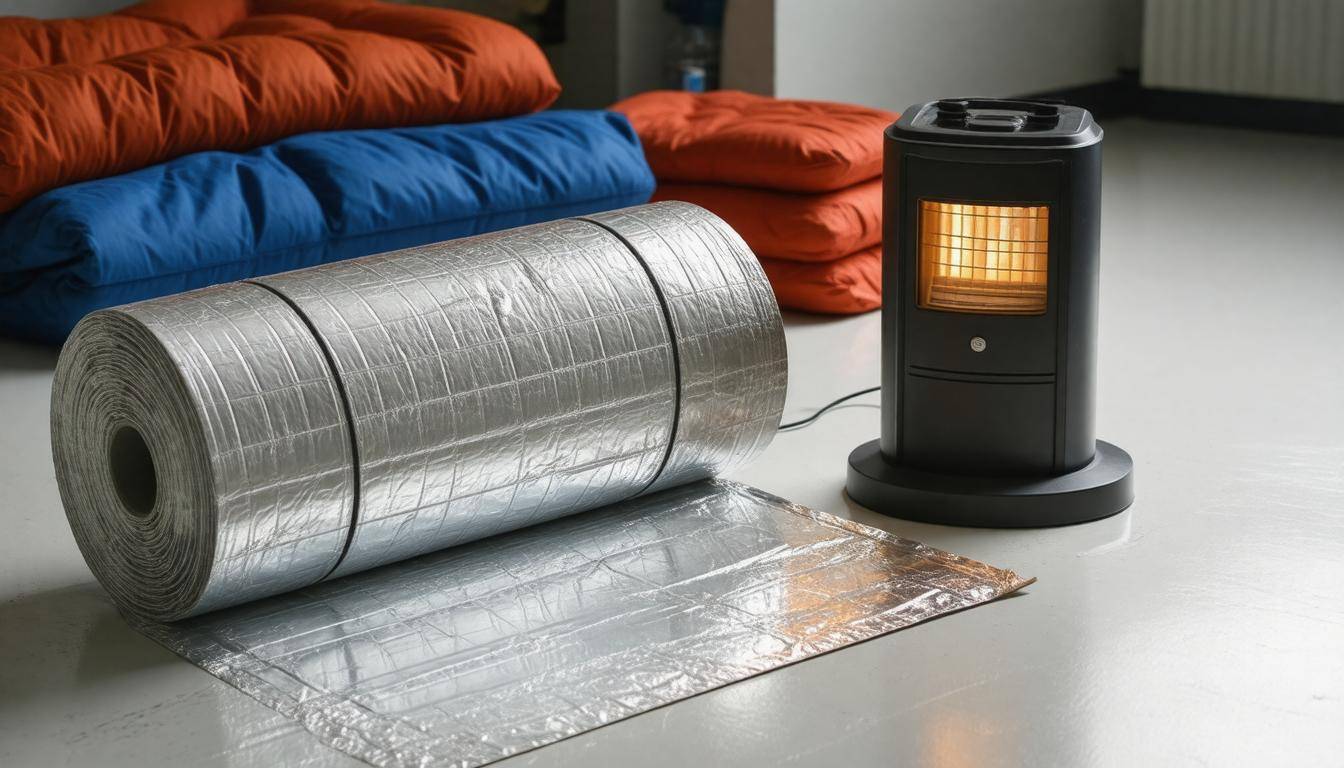
When it comes to emergency preparedness, understanding how different materials function in various conditions can mean the difference between comfort and distress. Each environment presents unique challenges, particularly when it comes to temperature regulation and moisture control.
Let’s unravel how to navigate these conditions effectively, starting with the bitter chill of cold weather, where survival depends significantly on proper insulation.
Cold Weather
In extreme cold, high-quality insulation is crucial. Materials like down and synthetic fibers serve as excellent choices due to their superior thermal properties. Down is known for its incredible warmth-to-weight ratio, which means you get robust insulation without hefty bulk. Synthetic options provide an advantage when wet since they maintain insulating properties even when damp—a crucial feature in unpredictable winter weather.
A prime example is the Canada Goose Expedition Parka—while it comes with a high price tag, its reputation rests on fighting frostbite with unbeatable warmth engineered to function in sub-zero temperatures. Wearing such a jacket in extreme cold isn’t just about fashion; it could be a matter of safety during emergencies or prolonged exposure outdoors.
However, surviving harsh conditions doesn’t solely hinge on combating the cold. The integrity of your insulation system is just as pivotal in wet environments.
Wet Conditions
For damp situations, look no further than waterproof and breathable materials like Gore-Tex, which offer an effective barrier against moisture while allowing heat and sweat to escape. This two-way protection is vital because trapped moisture can lead to chilling effects that negate the insulation benefits.
Take the Arc’teryx Beta AR jacket, for instance—it masterfully combines waterproof integrity with breathability, making it an ideal companion for hiking in rainy climates or navigating through treacherous weather conditions. Having gear that caters to both water-resistance and breathability keeps you dry from rain while also enabling sweat management during activities.
Embracing materials designed specifically for cold weather or wet conditions enhances your effectiveness under various circumstances. By knowing what to choose for each scenario—from down-filled jackets for frigid climates to breathable Gore-Tex layers for wet environments—you ensure you’re equipped to handle anything nature throws your way.
Understanding these principles will help you make informed choices about your specific gear needs as your next steps become clear in preparing for outdoor situations.
How to Select Insulation Gear
Selecting the right insulation gear is crucial for ensuring comfort and protection in emergency scenarios. The process begins with thorough research and practicality—the more you know, the better choices you can make. One of the first things to consider is the R-value, which measures thermal resistance; essentially, higher R-values indicate better insulation effectiveness. This is particularly important when working in harsher environments where maintaining body heat can mean the difference between safety and risk.
When assessing insulation gear, it’s vital to understand that the R-value isn’t just a number; it directly correlates to insulation efficiency. If you’re choosing sleeping bags or jackets for cold weather, you’ll want to ensure those products have good R-values suited for specific temperatures you’ll encounter. Products designed for extreme conditions often boast an R-value of 5 or higher.
Don’t overlook the importance of looking at product reviews and ratings on platforms like REI or Amazon, as these can provide insight into consumer satisfaction with performance in real-world conditions. Pay attention not only to the numerical specifications but also to user feedback regarding comfort and durability. Sometimes what seems ideal on paper might not hold up in practice.
Another key aspect involves practical tips from seasoned individuals who understand how layering works effectively in insulation gear selection.
Practical Tips
To optimize warmth and comfort, layering is essential. Take John, a seasoned survivalist; he understands that his choice of materials is just as important as the layers themselves. He prefers moisture-wicking base layers that keep sweat away from his skin, ensuring he remains dry—a critical factor in staying warm. His chosen material is merino wool, known for its excellent moisture management and natural thermal properties. Unlike standard synthetic fabrics, merino wool helps regulate body temperature even when wet.
Following this base layer, he adds insulating middle layers that trap heat close to his body while still allowing breathability. These are typically made from synthetic blends or down materials because they offer effective warmth without excessive bulk. Finally, the outermost layer is waterproof and wind-resistant to shield against harsh elements, keeping all other layers effective no matter how extreme the conditions get.
This layering strategy reflects an informed approach tailored specifically for emergencies: it allows flexibility in adjusting clothing depending on activity levels and temperature shifts.
By combining technical specifications with practical advice and personal experiences, you will be better equipped to tackle challenging situations ahead.
Safety Recommendations and Tips
When preparing for emergencies, the importance of safety cannot be overstated. One of the most critical steps you can take is to test your insulation gear under less extreme conditions. This proactive measure ensures that when the moment arises, your equipment won’t let you down. Imagine finding yourself in a dire situation, only to realize that your gear isn’t functioning as expected! Research from the Red Cross shows that around 30% of individuals neglect this crucial practice, leading to daunting failures precisely when they are needed most. Taking time to familiarize yourself with your equipment in a controlled setting enhances your effectiveness during actual emergencies.
Once confidence in your gear is established, maintaining it becomes equally crucial.
Regularly checking and updating your emergency kits is a vital part of this maintenance process. Over time, materials can degrade or even expire, meaning what was once reliable may no longer serve its purpose effectively.
A simple yet effective solution is to set a reminder to review your emergency supplies periodically. Look out for items like hand warmers and thermal blankets; if they’ve been used or have passed their expiration dates, replace them promptly. By keeping everything up-to-date, you ensure that trustworthy resources are available at all times.
It’s wise to engage in a routine assessment of the condition of each item in your emergency kit rather than just relying on the expiration label. You may be surprised at how long some items can last beyond their indicated dates with proper storage.
In addition to testing and maintenance, developing a personal safety protocol can greatly enhance preparedness.
Establishing a clear plan that outlines how you’ll use your insulation gear during various scenarios streamlines actions in high-pressure situations. Consider situations like power outages during winter storms or unexpected outdoor emergencies where temperatures plummet quickly. Review the specific insulation methods you might use, such as layering clothing or effectively covering windows with thermal blankets to retain heat. Practicing these strategies prepares you mentally and physically—so when an emergency strikes, your response will be swift and efficient.
Additionally, don’t hesitate to consult local emergency management authorities for guidance tailored specifically for your area. They often provide valuable recommendations based on common regional emergencies, helping you make informed decisions about what equipment and protocols will best meet your needs.
Lastly, remember the importance of community support; sharing knowledge within your network can bolster everyone’s preparedness during emergencies.
Talk to friends or family members about their insulated gear choices and experiences; you may discover effective techniques or tools that you hadn’t considered before. Engaging in community training sessions focused on emergency preparedness allows everyone involved to build confidence while developing important skills together. Ultimately, fostering a well-informed and cooperative environment enhances overall safety for all during times of crisis.
In focusing on these key safety recommendations and fostering community connections, you will not only improve individual readiness but also contribute to the collective resilience against emergencies.
Are there specific insulation products recommended for extreme weather scenarios?
Yes, there are specific insulation products recommended for extreme weather scenarios, such as closed-cell spray foam and rigid foam board insulation. These materials provide superior thermal resistance and moisture control, essential in very cold or hot conditions. For instance, closed-cell spray foam offers an R-value of approximately 6 to 7 per inch, making it an excellent choice for maintaining indoor temperatures while reducing energy costs by up to 50% in extreme weather situations. Choosing the right insulation can significantly enhance a building’s energy efficiency and safety during emergencies.
How does proper insulation contribute to overall safety and energy efficiency during emergencies?
Proper insulation plays a critical role in overall safety and energy efficiency during emergencies by maintaining stable temperatures, thereby reducing the risk of hypothermia or overheating. In fact, homes with well-insulated walls can save up to 20% on heating costs and significantly improve comfort levels during power outages or extreme weather. Properly insulated spaces also limit the spread of smoke and toxic gases in case of fire, enhancing evacuation safety. Thus, effective insulation not only conserves energy but also safeguards lives when emergencies arise.
How can homeowners prepare their insulation for unexpected emergencies?
Homeowners can prepare their insulation for unexpected emergencies by conducting regular inspections and maintenance to identify potential weaknesses, ensuring that all insulation materials meet safety standards, and sealing any gaps or leaks to prevent energy loss. Statistics show that homes with proper insulation can save up to 20% on heating and cooling costs, while also providing better protection against extreme weather conditions. Additionally, investing in moisture-resistant materials can help mitigate damage from water-related emergencies, making it a critical aspect of home safety preparation.
What steps should be taken if insulation gets damaged during an emergency?
In the event that insulation gets damaged during an emergency, first ensure safety by avoiding any exposure to hazardous materials. Quickly assess the extent of the damage; if it’s minor, use appropriate repair materials such as insulation tape or patches to seal small breaks. For significant damage, it is essential to replace the affected sections entirely. According to studies, proper insulation repairs can reduce energy loss by up to 30%, thereby improving comfort and lowering utility costs. Always keep emergency insulation kits on hand for prompt action when unforeseen incidents occur.
What types of insulation materials are most effective for emergency situations?
The most effective insulation materials for emergency situations include fiberglass, foam board, and reflective barriers. Fiberglass is lightweight and offers excellent thermal resistance, with an R-value of around 2.9 to 4.3 per inch, making it ideal for quick setups. Foam board provides higher R-values (up to 6.5) and is water-resistant, thus protecting against moisture intrusion in emergencies. Reflective barriers can further enhance insulation by reflecting radiant heat away, particularly in hot climates, which can be crucial for maintaining safe temperatures in shelters. Statistics show that using these materials appropriately can improve energy efficiency by up to 30% in emergency housing scenarios.