
Storms can hit Jeju Island with little warning, and being unprepared can turn a tough situation into a dangerous one. Knowing how to brace yourself and your loved ones can make all the difference when the winds start to howl. This guide is designed to help you gather essential supplies, secure your home, and keep your family safe during storm season. Having a plan in place and being aware of your surroundings will not only give you peace of mind but also ensure that you’re ready for whatever Mother Nature throws your way. So let’s dive into the essential steps you need to take to prepare for storms on this beautiful island.
When preparing for a storm on Jeju Island, it’s essential to pack non-perishable food supplies, drinking water, a first aid kit, flashlights with extra batteries, and any necessary medications. Additionally, having a weather radio and sturdy shelter options such as a reliable tent or tarp can help ensure your safety during inclement weather.
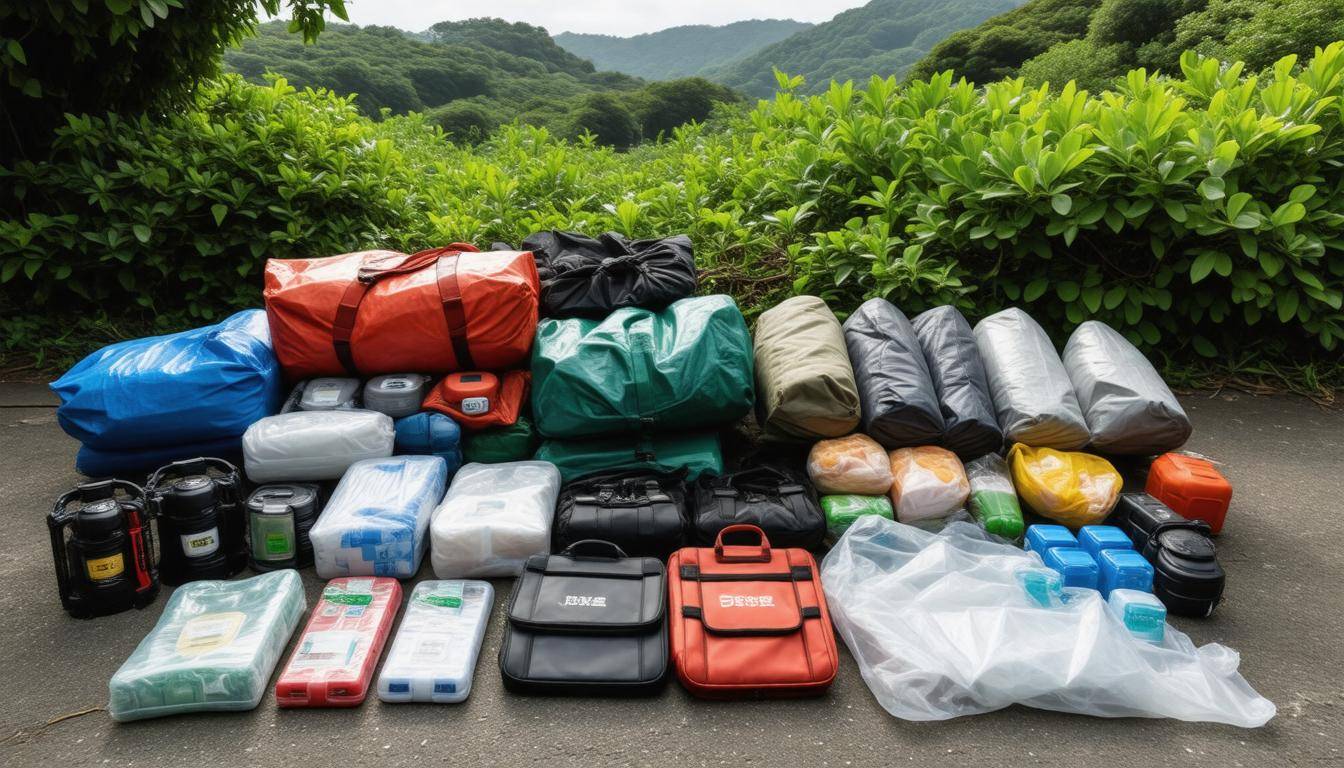
Preparing for a Storm on Jeju Island
Preparing for a storm isn’t just about hunkering down; it involves a series of thoughtful actions leading up to the event.
Start by stocking up on essential supplies—this includes food, water, and medications. Local supermarkets tend to get crowded quickly when storms are imminent, so purchasing items in advance can prevent panic buying. Aim to have enough supplies to last at least a week.
A well-rounded emergency kit should include:
- Non-perishable foods
- Bottled water
- Flashlights with extra batteries
- A first-aid kit
Once your supplies are organized, the next step involves securing your living space.
Move outside and prepare your property by clearing your yard of any items that could become dangerous projectiles in high winds, such as garden furniture or potted plants. Secure windows and doors with plywood if necessary—but don’t forget about outdoor storage areas. Consider trimming tree branches that hang precariously close to your home. Taking these precautions will protect your belongings and safeguard adjacent properties from potential hazards.
After ensuring physical safety, don’t overlook the need for communication.
Develop a communication plan for your family and loved ones. Designate someone from outside the area who can act as a central point of contact; this is especially helpful if local networks go down. Make sure everyone in your household knows how to reach this person and what information needs to be communicated, such as where you’ll be during the storm or if anyone needs assistance.
Checking Weather Updates
Constantly monitoring weather reports from trusted sources like the Korea Meteorological Administration is crucial during storm season. Utilize apps that provide real-time updates directly to your phone—this way, you won’t miss any emergency alerts or crucial changes in the storm’s path. Staying informed allows you to make timely decisions about evacuation if necessary and helps gauge the severity of the situation.
With the latest information at hand, you’ll feel more empowered as you secure your environment.
Evacuation Routes and Shelters
Identifying the nearest evacuation routes and shelters beforehand can save precious time when storms approach. The Jeju provincial government website offers up-to-date maps detailing these locations. Ensure all family members are aware of these routes through regular discussions and mock drills; practice gives everyone a clear idea of what to expect during an emergency scenario.
As you cultivate preparedness both physically and mentally, it sets a solid foundation for assembling essential items that will further bolster your readiness for severe weather events.
Must-Have Items for Your Storm Kit
A well-stocked storm kit not only ensures your basic survival but can also provide comfort during a harrowing experience. Among the basic survival items, prioritize bottled water—it’s recommended to store at least one gallon per person per day for a minimum of three days. This amount may seem excessive, but in situations where access to clean water is limited, it could save your life.
Along with that, pack non-perishable food items along with a manual can opener. Think canned beans, granola bars, and dried fruits. Trust me, your future self will be grateful for those easy snacks when you’re holed up inside.
The first aid kit is another critical component of your storm preparedness. Be sure to include any necessary medications and items such as band-aids, antiseptics, and gauze. Accidents happen; it’s best to be ready.
Furthermore, you’ll want a battery-powered or hand-crank radio in your kit. This ensures you stay updated on the weather situation and emergency information when electric power may not be available. Pair this with a couple of flashlights packed alongside extra batteries. Darkness can be disorienting, especially if there are multiple outages during a storm.
Additional Essentials
In addition to these essentials, consider including a multi-purpose tool—think the Swiss Army knife of storm kits—because its usefulness goes unmatched in many scenarios. Local maps may seem old-fashioned in the digital age, but without power or service, they can help guide your way should you need to evacuate.
Don’t forget the whistle! It’s an invaluable item that could serve as a signal for help if needed.
But storm preparation doesn’t stop at survival items. You’ll also want to incorporate personal and practical items into your kit to make the experience a bit more comfortable.
Personal hygiene items are essential as they not only keep your body healthy but can also maintain morale during stressful times. Throw in toiletries like toothbrushes and wet wipes alongside enough blankets and warm clothing; these small comforts will make all the difference while waiting out the storm indoors.
Lastly, safeguard copies of important documents by storing them in waterproof zip-lock bags. This ensures that even if your home gets damp or flooded, your essential papers—like identification and insurance documents—remain intact.
As we move forward, it’s crucial to discuss effective ways to fortify your living space against potential storm damage.
Securing Your Home Against Storm Damage

Properly securing your home can prevent extensive damage during a storm. This protective measure not only safeguards your property but also provides peace of mind amidst chaotic weather events. As storms brew on the horizon, first impressions may seem daunting, but with a few proactive steps, you can significantly minimize risk.
Reinforcing Doors and Windows
When nature unleashes its fury, your doors and windows serve as the frontline defense. Storm shutters provide optimal protection for windows; however, if those aren’t accessible or within budget, plywood becomes an excellent alternative. To secure windows effectively, cut plywood to fit snugly over each window pane. Fastening it down with screws will strengthen your defense against flying debris.
Additionally, focusing on your doors is equally critical. Consider installing heavy-duty bolts or slide locks that withstand high winds. Ensure each door has at least three hinges; this redundancy significantly enhances their resistance to pressure from pounding wind and rain.
Roof and Gutters
Now let’s turn our attention upwards—your roof and gutters. A thorough inspection before a storm hits is imperative. Look for any loose shingles or signs of wear that could compromise the integrity of your roof in adverse weather conditions. Harsher winds can easily rip off improperly anchored shingles, leading to costly damage inside.
While assessing your roof, don’t neglect your gutters! Clean gutters play a pivotal role in directing water away from your home’s foundation. Blocked gutters can lead to overflow, resulting in water pooling around your home and causing damage or flooding. A well-maintained roof reduces the likelihood of it being blown away while also allowing for effective drainage during heavy rainstorms.
By taking time to reinforce these critical areas in advance of a storm, you’re actively participating in protecting both your home and loved ones. With preparedness comes reassurance—you can weather most storms with confidence, knowing your home is secure and ready to face whatever nature throws its way.
As you make necessary preparations for your home, it’s crucial to consider how you and your family will stay safe together during an emergency situation. Let’s explore strategies to keep everyone informed and equipped when faced with unexpected challenges ahead.
Family Safety and Emergency Plans
One of the most critical elements in storm preparation is having a comprehensive emergency plan for your family. This plan serves as a lifeline during chaotic situations, helping everyone stay connected and informed when the unexpected occurs.
Communication Plan
Establishing a solid family communication plan is essential. Start by designating a point of contact outside of Jeju Island or even outside your immediate vicinity. This individual will serve as a reliable source of information for all family members in case you become separated. By having someone who knows where each member is located or how they are doing, you can avoid additional panic or confusion.
For example, you could use an app designed for emergency communication that enables group messaging, thus streamlining updates.
Next, teach your children how to call emergency services. Go over this process until they can confidently do it on their own. Inform them about important phone numbers, ensuring they memorize these numbers. In moments of stress, the last thing you want is for someone to fumble with their phone while trying to reach help.
Now, once you’ve established a communication plan, it’s vital to ensure everyone understands how to execute it seamlessly.
Regularly reviewing and practicing your emergency plan is just as important as its initial creation—especially before the storm season arrives. Conduct family drills and simulate various storm scenarios so everyone feels comfortable knowing what to do and where to go when alarm bells ring. You might practice getting to your predetermined safe meeting spot quickly or how to utilize emergency supplies effectively.
Emergency Supply Kit
Don’t overlook the creation of an emergency supply kit as part of your family’s safety preparations. This kit should contain essentials like water, non-perishable food items, flashlights with extra batteries, first aid supplies, and any necessary medications.
Remember, keeping this kit updated with fresh supplies ensures that you won’t encounter unpleasant surprises when you need these items most.
Finally, don’t forget to include in your checklist ways to stay informed about changing weather conditions.
Having several sources of information is crucial—sign up for local weather alerts via apps on your phone or through text messages. Keep a battery-operated weather radio handy to receive updates when there’s no power available for your devices.
As you focus on your family’s safety through preparedness and communication strategies, consider the next steps necessary to safeguard your home and assets during a storm.
Essential Insurance and Legal Steps
Protecting your assets legally and financially is critical when facing the unpredictability of storms, especially on Jeju Island. One of the first steps involves reviewing your insurance policies to ensure you have the coverage necessary for storm-related damages. When assessing your homeowner’s insurance, check if it specifically addresses damages caused by high winds, hail, or water infiltration. If you live in areas prone to flooding—often exacerbated during heavy storms—you might need to purchase additional flood insurance, as standard homeowners’ policies typically exclude coverage for flooding incidents.
Remember, understanding the fine print is just as important as having the policy itself. A small oversight can lead to significant losses.
Furthermore, knowing how to manage your legal documentation contributes immensely to your preparedness.
Keeping digital copies of vital documents is essential for quick retrieval in case of evacuation or loss due to storm damage. Important paperwork includes property deeds, insurance papers, vehicle titles, medical records, and identification documents such as birth certificates. Utilize cloud storage services or an external hard drive to store these files securely and ensure they are easily accessible.
Additionally, it’s wise to create a contingency plan that outlines what actions you will take if disaster strikes. An effective plan expands beyond merely having insurance; it also includes contact information for loved ones, emergency services, and a list of local shelters. In this way, you not only preserve your physical assets but also enhance the safety and well-being of your family.
By taking these proactive measures now, you not only save time but also alleviate stress during emergencies; this reinforces the importance of thorough preparation that ensures safety and security amidst unpredictable weather conditions. Now let’s examine how to navigate the challenges as the storm approaches.
Staying Safe While the Storm Hits

When harsh winds howl and rain lashes against your home, your priority should be staying safe and calm. One effective way of ensuring safety begins with shelter. If the storm becomes severe, it’s essential to stay indoors, away from windows which can shatter and potentially cause injury.
Look for a small interior room—preferably devoid of windows—like a bathroom or closet. This area provides protection from flying debris and collapsing structures. It’s here that you’ll feel safest as the storm rages outside.
It’s not enough to just find a safe spot; you must also keep your emergency kit close at hand. This kit should contain essential items such as water, non-perishable food, a first-aid kit, medications, and a telephone charger. Having these necessities within reach will help you remain self-sufficient during the storm.
Beyond just sheltering safely, it’s also vital to stay informed and have ways to signal for help if necessary.
This is where keeping a whistle and flashlight becomes important. A whistle can carry much further than your voice in an emergency, making it easier for rescuers to locate you if needed. Likewise, a flashlight enables you to navigate safely through darkened spaces; it also serves as an alert mechanism if flicked on occasionally to draw attention.
However, it is wise to avoid using candles as they pose a significant fire hazard, especially in high-stress situations where accidents can easily occur.
In addition to these tools, having a battery-powered radio that can tune into local weather channels is invaluable as it keeps you updated on storm developments without depending on electricity. Always ensure to have extra batteries on hand so when the power goes out, you won’t lose access to important information regarding recovery efforts or updates about the storm.
As you implement these safety measures during a storm, you lay the groundwork for what comes next. Understanding recovery procedures is equally crucial in navigating through the aftermath of severe weather events.
Immediate Post-Storm Recovery Steps
Once the storm passes, the recovery process begins. The first priority is always safety. You want to ensure everyone is accounted for, checking for any injuries that may require attention. This isn’t just a chore; it’s an essential step in maintaining the well-being of your family and friends. Even minor cuts or bruises should be treated promptly to avoid infections or complications later on.
Safety Checks
After confirming everyone is okay, it’s time to assess your home for structural damage. It can be tempting to rush inside to check on belongings, but please remember, safety first! Look around carefully; if there are visible damages such as sagging ceilings, cracked walls, or significant debris outside, take a moment to reassess before entering. You might need to wait for professionals if there’s significant danger present. Once you’ve ensured it’s safe, go in with caution and look for hazardous materials or leaks that could pose risks.
Always keep a flashlight handy when surveying the area since power outages may leave things darker than expected.
After you’re sure of everyone’s safety and that the house is structurally sound, consider the next steps in reporting and documenting the damage.
Reporting and Documentation
Quickly document any damage you find by taking photos and videos. This is not just helpful; it’s vital for potential insurance claims down the line. Capture wide shots that show entire rooms along with close-ups of any significant destruction—this helps provide a clearer picture for your insurance adjusters.
Don’t forget to also report any power outages or safety hazards you encounter to your local authorities. They need this information to allocate resources effectively and respond adequately to broader restoration needs in your community.
Keep emotions steady during this process—it might feel overwhelming at first, but your methodical approach will make recovery more manageable as you piece together what’s next.
With these crucial steps in mind, let’s turn our attention to the support available within the community that can aid in recovery efforts and resource allocation.
Community Resources and Support Systems
Leveraging community resources can be an invaluable aid, allowing you to recover more quickly from storm impacts. One of the strongest aspects of living on Jeju Island is the tight-knit nature of its communities. People take care of each other, and this support is amplified during difficult times. Knowing where to find assistance and how to navigate local support systems will make a significant difference in your recovery efforts.
Government Aid
Services like the National Disaster Management Agency are essential for accessing relief supplies and financial aid programs. They often have ready-to-go plans that include food distribution or temporary housing in municipal shelters. It’s important to familiarize yourself with their contact information and processes, as they can streamline or even accelerate your recovery.
However, it doesn’t stop there; tapping into local support goes beyond just official channels.
Local Support Groups
Community centers are another valuable resource that many overlook initially. These centers often serve as hubs for local residents to gather and share information, but they also provide immediate necessities such as food, water, and temporary shelter. When I was part of a similar recovery situation, getting involved with my community center gave me access not only to supplies but also a network of friendly faces eager to help each other.
Engaging with volunteer organizations like the Red Cross or local NGOs enriches this experience further. They coordinate efforts to assist those affected by storms—whether it’s through organizing distribution sites for emergency supplies or offering psychological support for those grappling with loss.
Additionally, social networks within neighborhoods often spring into action when disasters strike. Local groups might organize drives to collect essential items or set up check-ins for individuals who may be isolated or in need of assistance.
Reaching out to these resources not only helps you directly but reinforces a sense of community spirit. Remember that you have a collective strength backed by your neighbors willing to band together during tough times; don’t hesitate to share your needs and insights with them. Community resources are about unity; healing together can restore not just homes, but also hearts and minds after adversity strikes.
In embracing these support systems and community ties, you equip yourself with the tools necessary for effective storm preparation and recovery on Jeju Island. With a united front, resilience becomes easier to achieve during challenging times.
How can I stay informed about storm forecasts and updates while living on Jeju Island?
To stay informed about storm forecasts and updates while living on Jeju Island, regularly check local meteorological services such as the Korea Meteorological Administration (KMA) for real-time data and alerts. Utilize mobile apps that provide push notifications for severe weather warnings specific to your area. Engaging with community social media groups can also be helpful, as they often share timely information and personal experiences. Studies indicate that preparedness through consistent updates can reduce risks significantly, making it crucial to stay connected during storm season.
What unique storm-related risks should residents of Jeju consider compared to other regions?
Residents of Jeju Island should be particularly mindful of the unique risks posed by typhoons, which are more frequent due to its geographical location in the Pacific’s typhoon belt. Compared to other regions, Jeju experiences an average annual occurrence of about 3 to 4 typhoons, with records indicating that severe storms can lead to heavy rainfall exceeding 400 mm within a single day, resulting in landslides and flooding. Additionally, the island’s topography and high winds can exacerbate damage to infrastructure and homes, making tailored storm preparation essential for local residents.
Are there any local resources or shelters that I can rely on during severe weather in Jeju?
Yes, Jeju Island has several local resources and shelters that you can rely on during severe weather. The Jeju Island government provides a list of designated emergency shelters throughout the island, such as community centers and gymnasiums, which can accommodate residents in case of storms. Additionally, the Korea Meteorological Administration (KMA) offers timely weather updates and safety advisories to help residents prepare. It’s worth noting that Jeju experiences an average of 3-4 typhoons annually, making awareness of these resources essential for safety during storm season.
What items should I include in my emergency kit for a storm in Jeju Island?
In your emergency kit for a storm in Jeju Island, you should include essential items such as water (at least one gallon per person per day for at least three days), non-perishable food (a three-day supply), a flashlight with extra batteries, a first aid kit, a battery-operated radio, and important documents in a waterproof bag. Given Jeju’s vulnerability to strong storms and typhoons, which have increased by 30% in frequency over the last decade, having these supplies ready can significantly enhance your safety and preparedness during severe weather events.
How can I secure my home against strong winds and flooding during a storm?
To secure your home against strong winds and flooding during a storm, ensure that all windows and doors are properly sealed, install storm shutters or board up vulnerable openings, and reinforce your roof with hurricane straps. Additionally, elevate electrical systems and utilities above potential flood levels, ideally at least 1 foot higher than the highest recorded flood level in your area. According to FEMA, homes not properly secured are 2.5 times more likely to sustain severe damage during storms, making proactive measures essential for safety and preservation of property.