
Exploring the Kazakhstan Steppe can be a thrilling adventure, but it’s crucial to understand the unique survival challenges this vast landscape presents. From freezing winters that chill right down to your bones to the dangers posed by wildlife and unpredictable weather, it’s a realm where preparation is key. Imagine stepping out into an endless stretch of grasslands that seem both beautiful and intimidating. Whether you’re a seasoned trekker or just someone curious about this remarkable land, knowing how to handle fire and endure harsh winter conditions can mean the difference between a successful trip and a daunting struggle. With practical tips and traditional wisdom from those who’ve thrived in this environment, this guide aims to equip you with essential skills for safety and survival in one of the most extraordinary places on Earth.
The Kazakhstan Steppe Fire & Winter Survival Guide provides essential strategies for staying safe during fire incidents and surviving the extreme winter conditions typical to the region. Key tips include methods for building effective shelters, identifying safe heat sources, recognizing local wildlife hazards, and preparing adequate supplies for cold weather survival.
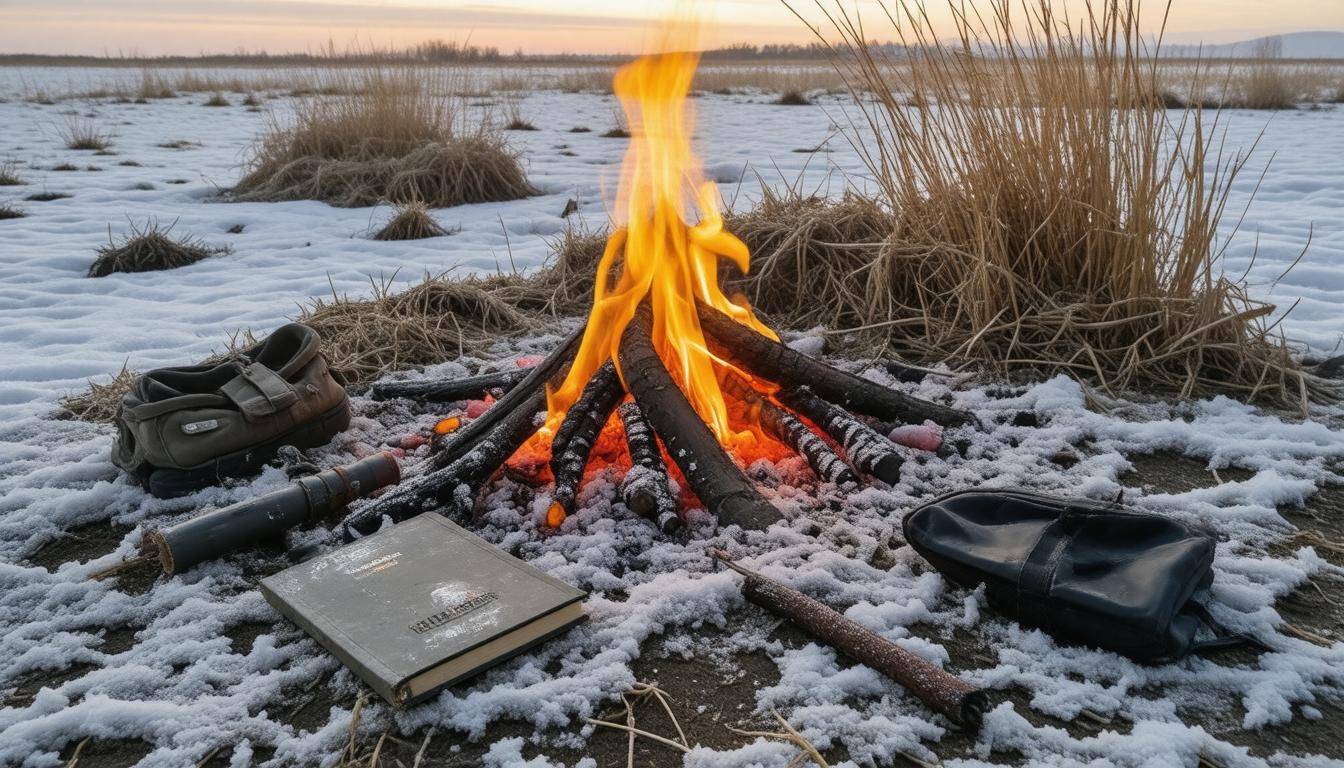
The Harsh Environments of the Kazakhstan Steppe
The vast expanse of the Kazakhstan Steppe is not just about stunning landscapes; it’s a realm defined by extreme conditions that test both the limits of nature and human endurance.
Temperatures are notably fierce, particularly during the winter and summer months. For anyone venturing into this environment, awareness of these conditions is essential for survival.
Temperature Extremes
In the winter, temperatures can plummet to an astonishing -40°C (-40°F), making it one of the coldest regions in Central Asia. This biting cold isn’t just numbing; it can be life-threatening if you’re caught unprepared. Imagine frostbitten fingers or toes creeping in when the wind chill factor kicks in, making it feel even colder.
On the flip side, during summer, the mercury can soar to a sizzling 40°C (104°F). This dramatic fluctuation can be disorienting for visitors who might think they are stepping into two vastly different worlds within a short span. People living in areas like Shymkent know all too well how to adapt—from heavy winter coats to breathable fabrics—ensuring they thrive amid these extremes.
But temperature isn’t the only formidable aspect of the steppe; let’s discuss what lies beneath our feet.
Sparse Vegetation and Limited Water Sources
When traversing the Steppe, one quickly realizes that lush greenery is a rarity. The landscape supports mainly drought-resistant species such as sagebrush and wild grasses, vegetation that has adapted to thrive in tough conditions. These plants are resilient but provide limited shelter and food sources for wildlife and travelers alike.
For those venturing out into this barren territory, understanding which plants are edible could literally mean the difference between life and death.
Water scarcity heightens the challenge; water sources here are often unreliable and seasonal. It’s not unusual for a traveler to discover that what was once a reliable stream has dried up completely by mid-summer. Therefore, savvy adventurers should carry sufficient drinking water or ensure they have equipment suitable for filtration and purification from any available sources they find along their journey.
Navigating through these environmental challenges requires preparation and mindfulness, as every element in this landscape tells a story of survival against all odds. This understanding sets the stage for exploring valuable skills that enhance your ability to thrive in such an unforgiving environment.
Traditional Skills for Fire & Winter Survival
The skills honed by Kazakh nomads over centuries have been crucial for thriving under the harsh conditions of the steppe. When it comes to starting a fire in relentless winds, they know the art is as much about technique as it is about materials. A sheltered area behind terrain features or rocks is ideal; it serves as a natural windbreak that can keep your flame alive.
Utilizing traditional fire starters like flint and steel is essential, but one cannot overlook the importance of good tinder. Dried grass or lint kept safe in waterproof bags can make all the difference, ensuring you have what you need even on damp days.
I once heard a tale from a local herder who mastered this art during a fierce snowstorm. He recounted how he cleverly used dried horse manure to fuel his fire—an ingenious solution considering wood was scarce. Not only did it burn steadily, providing warmth, but it fueled his cooking efforts until the storm passed. Such resourcefulness exemplifies the ingenuity of nomadic life.
Building an Insulated Shelter
But starting a fire is just one part of staying warm during extreme winter storms; building an insulated shelter is equally vital. To begin, dig a trench into the ground—a simple yet effective way to create a barrier against harsh winds. Lining your trench with layers of dried grass, leaves, and animal fur creates an insulating barrier that helps retain heat within your shelter.
For the roof, using tarp or animal hides can serve as an effective cover, providing protection from snow and cold rain while still allowing some airflow to prevent condensation inside. Weight this structure down with stones to ensure that it holds firm against powerful winds.
With these foundational skills established—starting fires effectively and constructing secure shelters—let’s explore the crucial items needed to weather the elements in these vast landscapes.
Essential Clothing and Equipment
Understanding which clothing and equipment to bring along can transform a perilous situation into a manageable challenge. In the harsh climate of Kazakhstan’s steppe, proper clothing like multi-layered garments made from wool or synthetic materials serves to trap heat while effectively wicking away moisture. This dual function is crucial because staying dry is nearly as important as staying warm when faced with frigid temperatures.
Wearing insulated boots is non-negotiable; these keep your feet dry from any snow or water you may encounter during your adventures. On top of that, investing in durable gloves will prevent frostbite while performing essential chores in the cold.
Now let’s shift our focus to some critical pieces of equipment that you simply can’t afford to overlook.
Equipment Must-Haves
The following items are indispensable for navigating the demanding conditions of the steppe:
-
Windproof and Waterproof Jacket: This protects you from biting winds and unexpected downpours. Choose one that allows breathability while effectively keeping moisture at bay.
-
Woolen or Synthetic Thermal Layers: These are excellent for layering. Wool has natural insulating properties even when wet, while modern synthetic materials can help regulate temperature and moisture effectively.
-
Insulated Water Bottles: It’s just as crucial to hydrate when it’s cold as it is in hot weather, but the water needs to remain unfrozen. Insulated bottles serve this purpose well by maintaining warmth while also preventing freezing.
-
Multi-tools: When it comes to survival, versatility is key. A good multi-tool can assist in setting traps, constructing shelters, and performing necessary repairs—all tasks that can become increasingly complex in dire situations.
-
Fire Starters (Flint & Steel): Fire is not just for comfort; it’s vital for warmth, cooking, and signaling emergencies! Along with these, having emergency blankets on hand can provide crucial insulation against the cold during unplanned nights outdoors.
Each piece of clothing and equipment you choose should cater specifically to your individual needs and intended activities within the steppe’s vast wilderness. Properly assessing these selections will dramatically increase not only your chances of survival but also make your experience far more enjoyable. With the right gear at your disposal, we can now explore how to find suitable protection from elements like wind and rain.
Shelter Techniques and Locations
Shelter is absolutely essential for survival in the harsh conditions of the Kazakhstan steppe, especially when faced with both intense cold and unexpected fires. One effective way to construct a shelter is by using materials readily available in nature. The steppe environment offers natural formations like caves or rocky overhangs that not only serve as protective enclosures but also help retain heat.
When scouting for a suitable natural shelter, it’s vital to inspect these areas thoroughly: look for signs of wildlife inhabitation or recent droppings, as you certainly want to avoid sharing your shelter with an unsuspecting bear or wolf.
When considering location, think about elevation; placing your shelter on higher ground reduces the risk of flooding during sudden rainfalls.
If the landscape lacks these natural formations, homemade shelters become your best bet. One popular choice is a snow cave, which can be constructed using simple tools and takes approximately 1-2 hours to build. To create a snow cave, begin by digging into a snowbank, ensuring you carve out enough space for yourself while allowing the ceiling to remain thick enough to support its structure.
Furthermore, lean-tos are another quick option; they can often be built in just 30-60 minutes using branches and debris found scattered across the terrain.
Essential Construction Tips
When constructing either type of shelter, don’t forget about insulation! In the extreme winter temperatures of the steppe, which can plummet below -30°C (-22°F), proper insulation is critical. Using grass, leaves, or even snow itself can significantly decrease heat loss by up to 50%.
Incorporating these materials within your lean-to or snow cave will not only keep you warmer but greatly enhance your overall comfort. Additionally, consider utilizing windbreaks made from fallen branches or boulders; they are invaluable during strong winds that can gust up to 40 km/h (25 mph).
Prioritizing safety when choosing where to set up shelter is essential—avoid spots near creeks that could flood and steer clear of areas prone to wildfires. By strategically selecting your location and investing time into building a sturdy shelter, you’ll be well-prepared for whatever challenges arise in the unforgiving steppe. As we move deeper into survival preparedness, understanding potential hazards becomes crucial for any adventurer heading into this vast wilderness.
Recognizing and Avoiding Hazards
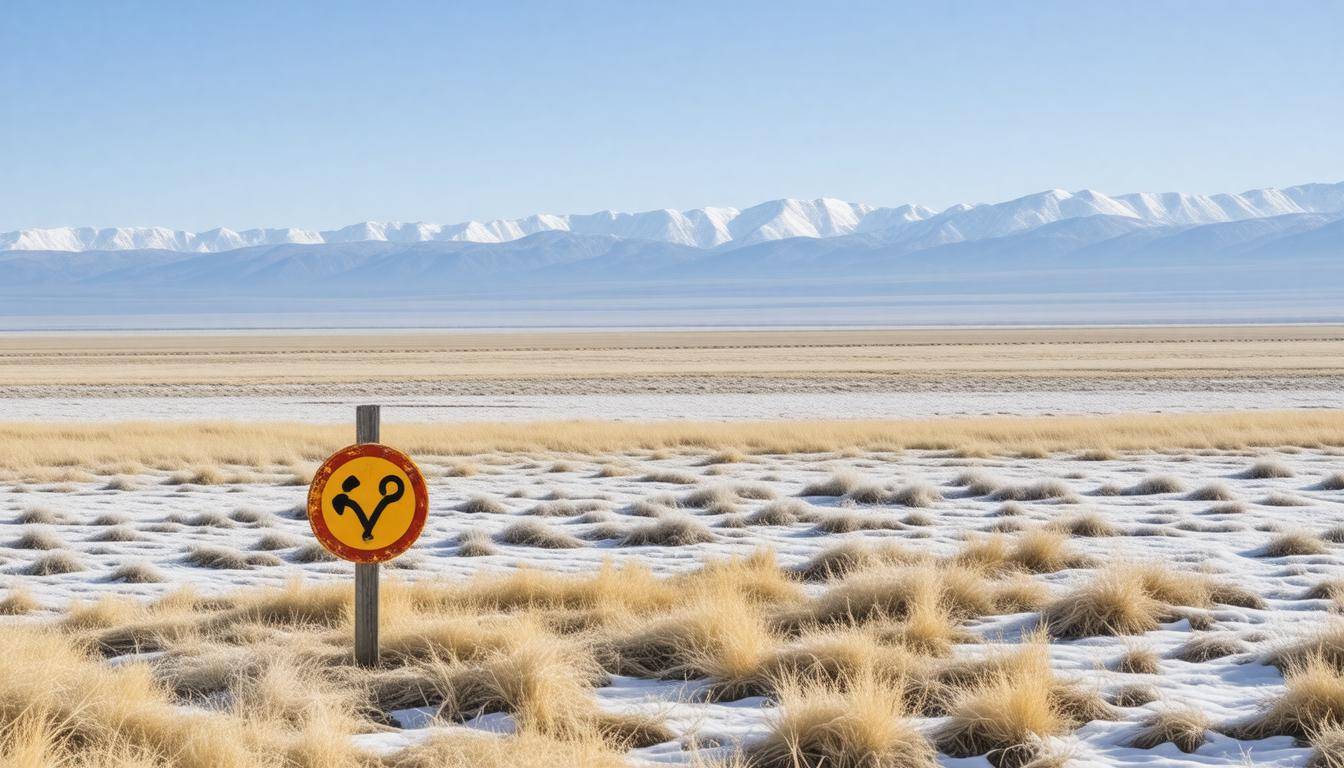
The Steppe, while breathtaking in its vastness, is fraught with dangers beyond thin ice. The weather can become treacherous in an instant, with fierce winds and sudden drops in temperature. During winter months, it’s not uncommon for blizzards to roll in unexpectedly. A clear day can turn into a whiteout with visibility dropping below ten meters, making navigation almost impossible. This drastic change in conditions can catch even the most experienced outdoorsman off guard.
It’s important to always carry extra layers of clothing to protect against hypothermia. Staying warm should be your primary concern in this unforgiving climate.
Exposure to Wildlife Hazards
Alongside weather risks, wildlife presents hazards that you must be aware of. The Steppe is home to snakes and rodents; during summer months, about 30% of snake bites occur, primarily when people inadvertently stumble upon them. These encounters can be particularly dangerous if you’re unprepared. It’s wise to keep an eye on where you’re stepping—distractions can lead to unfortunate accidents.
When traversing these landscapes, wear sturdy boots with high ankle support to mitigate injury from potential bites or falls. If you’re out at night, be extra cautious as many creatures become more active after dark. Utilizing a headlamp can help illuminate your path and reveal lurking dangers in your surroundings.
In addition to avoiding wildlife hazards, understanding regional plants is equally crucial—some vegetation may be harmful if ingested or could irritate your skin.
Fire Risks
Another hazard lies in the risk of wildfires, which have increased by 40% over the last decade due to climate change and human activity. The dry season from May to August brings humidity levels down below 30%, making conditions ripe for fires that can spread swiftly across the steppe. Always check local alerts before starting any outdoor activities during these months.
Here are some tips for fire safety:
- Avoid open flames: Cooking indoors when possible eliminates cooking-related fire risks.
- Extinguish campfires properly: Allowing your fire to burn out is not enough; ensure it is fully doused with water.
- Be aware of wind patterns: Fires can jump distances; know which way the wind blows before lighting fires.
Awareness is key; by recognizing these dangers and preparing accordingly, you position yourself better for safe exploration. With a strong understanding of the environment, it’s time to look at what lurks in the shadows of this unique habitat.
Dangerous Flora and Fauna
When venturing into the Steppe, being aware of the lethal plants and wildlife can mean the difference between safety and danger. Certain plants, like Hemlock, may look innocuous—like any wild green herb—but they harbor toxins that can incapacitate you if ingested. The alkaloids in Hemlock can affect your nervous system, leading to symptoms like tremors or respiratory failure. It’s often said that this plant can trick even seasoned foragers due to its similarity to edible herbs; hence, a cautious approach is essential.
Another perilous plant to be wary of is Wolf’s Bane. This plant can produce skin irritations that are far from trivial and, if consumed, it can lead to serious poisoning. Understanding the appearance of these plants will help you avoid potentially dangerous encounters as they blend into the wild landscape seamlessly. Take note of their distinct features—get familiar with their shapes, leaves, and colors before embarking on your wilderness journey.
While flora poses significant risks, perhaps nothing is more daunting than encountering some of the wildlife that roams this vast terrain.
The animal kingdom in the steppe adds another layer of challenge for anyone navigating through this environment. Although wolves generally keep their distance from humans, they can become emboldened when food sources dwindle. In those instances, they may see you as an opportunity for a meal. Being equipped with knowledge about their behavior becomes vital; understanding that they often travel in packs and communicate through body language allows you to recognize signs of aggression before things escalate.
Besides large mammals such as wolves, you’ll also encounter serpents like the steppe viper. This creature is particularly important to note because it has a potent venom that can deliver a painful bite. Snakes tend to be more active during warmer months, so always exercise caution where you tread during these times. Wearing high boots helps protect against potential bites when traversing snake-prone areas.
Here’s a quick reference:
- Hemlock: Contains neurotoxins but resembles safe herbs.
- Wolf’s Bane: Causes irritation and poisoning if consumed.
- Wolves: Can become aggressive when food is scarce.
- Steppe Viper: Deliver venomous bites; mostly active in warm weather.
As daunting as these challenges may sound, cultivating an awareness of both hazardous plants and animals can significantly enhance your readiness for the adventures that await in this extraordinary landscape.
Embracing the Nomadic Lifestyle
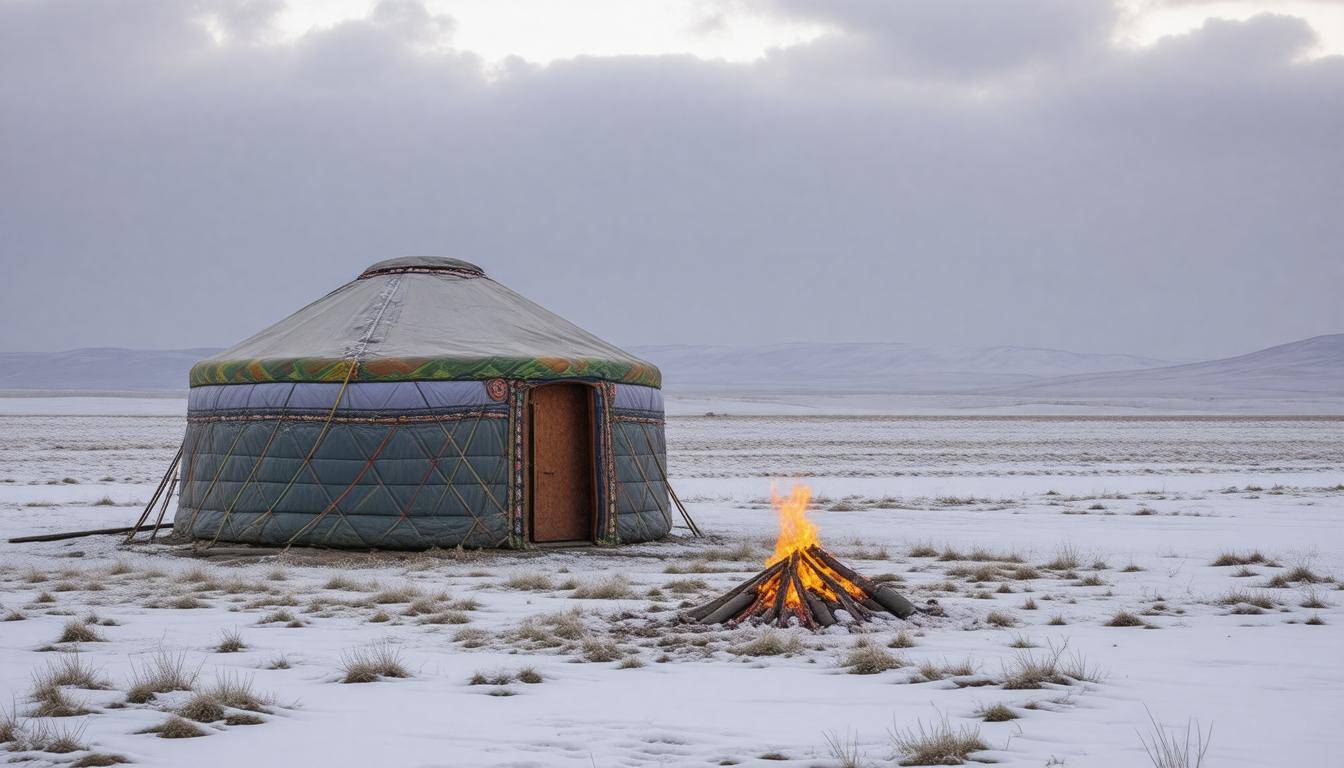
Adopting a nomadic lifestyle allows individuals to adapt effectively to their environment while forming a unique relationship with the land. The stories of nomadic people are rich and varied, often recounting the intricacies of moving with their herds, seeking fresh pastures as seasons change. This practice helps preserve natural resources and fosters strong community bonds. By sharing knowledge and experiences among tribes, they create a tapestry of culture and sustainable living that enriches their lives.
Those who live this lifestyle often speak of the thrill in awakening to nature each day, leading their animals across vast landscapes. One nomad might share how the community comes together during migration, trading essential items like tools or food with neighboring tribes while passing on wisdom about weather patterns or safe drinking water sources. This collaborative aspect of nomadism is essential for survival and building resilient relationships among people.
Practical Nomadic Skills
Essential skills thrive in the nomadic way of life, enhancing both efficiency and enjoyment. For instance, learning to ride horses proficiently provides more than just mobility; it creates an opportunity for companionship between rider and steed. The trust built over time enhances travel capabilities and instills confidence in navigating diverse terrains that challenges might throw at you. There’s a certain joy in galloping freely across rolling hills.
Cooking also takes on a resourceful twist in this lifestyle. Many nomads utilize portable stoves fueled by dried animal dung—a clever adaptation that exemplifies their resourcefulness. This method is efficient, reduces waste, and leaves a minimal ecological footprint, which is vital when traversing landscapes where traditional fuel sources may be scarce.
Additionally, developing an eye for natural signs can significantly enhance your survival instincts. Learning how to read animal tracks or recognize edible plants turns every step into a lesson in your surroundings. Each journey becomes not just about reaching your destination but understanding the hidden stories that nature tells. Being attuned to seasonal changes prepares you for adjustments in food availability or shelter conditions.
The nomadic path encourages resilience born from adaptability—an invaluable trait in both wilderness survival and modern life. The skills acquired are not merely tools for existence; they form bonds with nature that resonate deeply within those who embrace them. Living as part of the ever-shifting landscape ignites a spirit of adventure and responsibility towards preserving the very environments that support our lives.
Embracing this way of living goes hand in hand with honoring our natural world while gaining practical knowledge designed for survival—not just physically but culturally as well. As we continue exploring survival strategies in extreme conditions, understanding safety protocols becomes essential.
Safety Tips for Extreme Cold
Surviving in the frigid expanse of Kazakhstan’s Steppe requires more than just determination; it demands knowledge and preparation. Hypothermia and frostbite are real threats that can strike with little warning, so knowing how to stay warm is crucial. When you’re battling bitter temperatures, your clothing choices play a pivotal role.
Staying Warm Outdoors
Layering is your first line of defense against the cold. Always wear multiple layers that can be added or removed to regulate body temperature effectively. Think of it like a protective onion; each layer serves a purpose. The base layer should fit snugly to wick moisture away from your skin, while the middle layer traps body heat and the outer layer shields you from wind and moisture. This strategy ensures that you’re prepared for varying conditions throughout the day.
Don’t underestimate the power of movement when trying to stay warm outdoors. Keeping your body in motion generates additional heat, which is vital when you’re outside. However, there’s a delicate balance here: You need to avoid overheating since wet clothing loses its insulation value dramatically. If you find yourself sweating, take a moment to slow down and cool off before layering back up.
Equally significant is what you fuel your body with during these challenging times. Consuming high-calorie foods provides your body with the energy it needs to stay warm overnight. However, it’s wise to skip caffeine and alcohol during this time; they can lower your core temperature and hinder your body’s natural response mechanisms in dealing with cold.
Grounding our knowledge in practical equipment further enhances our strategies, ensuring we tackle extreme weather from all angles.
| Equipment | Purpose |
|---|---|
| Thermal Layers | Trap body heat but wick away moisture |
| Insulated Boots | Keep feet dry but warm |
| Fire Starters | Essential for starting and maintaining fire |
| Multi-Tool | Versatile use in shelter building and repairs |
| Emergency Blanket | Reflects heat back to body |
Equipping yourself properly can make all the difference in survival situations. For instance, thermal layers not only trap warmth but work diligently to wick away moisture, keeping you dry beneath those layers. Insulated boots can prevent moisture from entering while ensuring your feet remain warm.
Understanding these techniques combined with the right gear can transform a potentially brutal ordeal into a manageable challenge, allowing you to navigate the cold with confidence rather than fear. Prepare well, equip wisely, and stay alert in challenging conditions.