
Wildfires are a serious threat, especially in areas like Kelowna, BC, where the stunning natural surroundings can quickly turn into a dangerous landscape. With climate change making hot and dry conditions more common, it’s vital for residents to have a solid plan in place when it comes to safety and evacuation procedures. This guide aims to provide you with essential information to prepare yourself and your family for wildfire events. From understanding the risks and creating an evacuation strategy to knowing local resources and staying updated on fire alerts, every bit of preparation counts. Let’s dive into how you can keep yourself safe and ready during these challenging times.
The Kelowna, BC Wildfire Evacuation Plan Guide provides essential information on safety measures, evacuation procedures, and preparedness strategies for residents during wildfire events. It includes recommendations for packing emergency kits, staying informed about alerts, and understanding local resources and services that can assist during an evacuation.
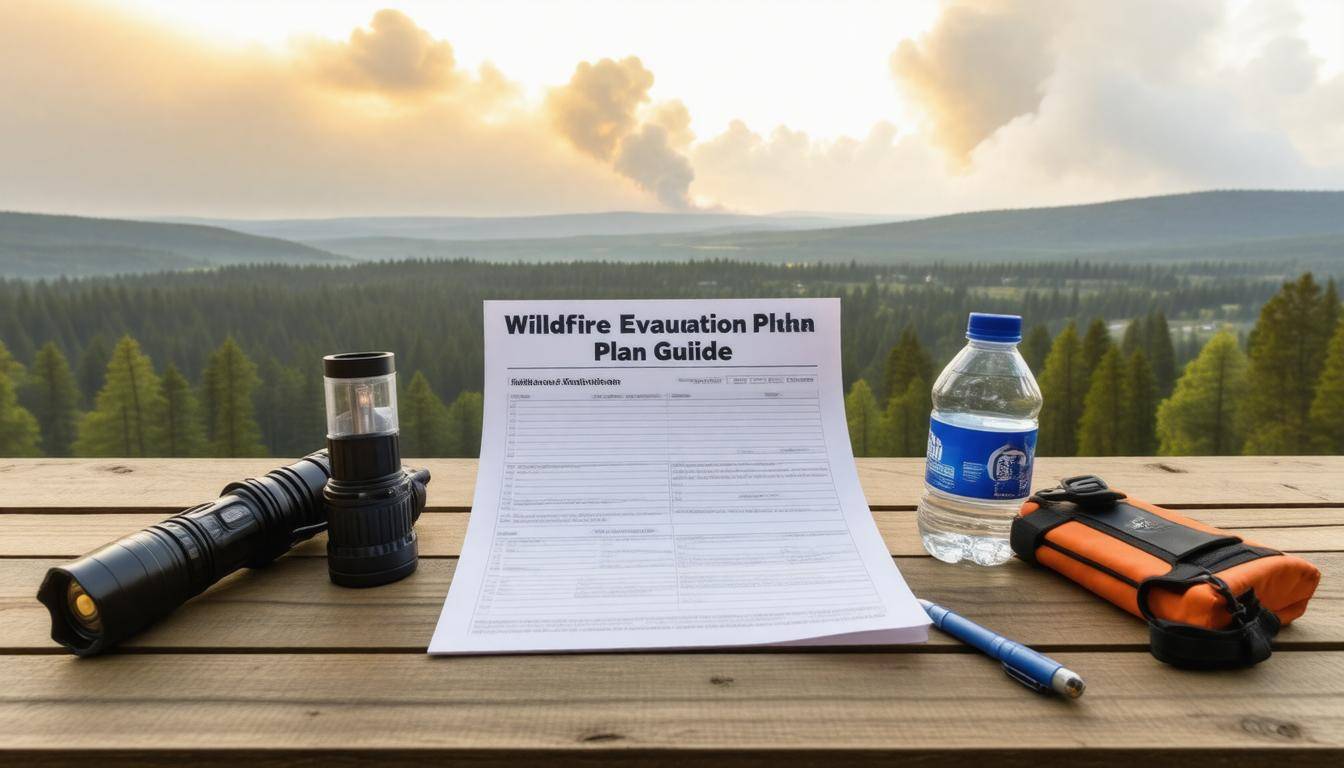
Kelowna’s Wildfire Risks
Kelowna, nestled in the picturesque Okanagan Valley, is not just known for its stunning landscapes and appealing climate—it’s also renowned for its susceptibility to wildfires. The region’s unique geography features vast stretches of coniferous forests that thrive in hot, dry conditions.
These forests, while beautiful, can become highly flammable under the right circumstances. In fact, approximately 60% of the area’s forest cover consists of coniferous trees, which are particularly vulnerable to ignition.
As we’ve seen recently, the impact of climate change has been alarming; summers have grown hotter and drier over the years. Since the 1950s, average annual temperatures in Kelowna have risen by about 1.5°C, creating ideal conditions for wildfires to ignite and spread. This warming trend correlates with the increasing frequency of wildfires in British Columbia, where more than 30 significant wildfires have burned through the area in just the last two decades.
Historical data indicates that 80% of wildfires in British Columbia are caused by human activity, whether from campfires left unattended or discarded cigarettes. This highlights an important lesson for residents: even small actions can lead to devastating consequences.
To add context, the fire danger rating can soar to Extreme during peak summer months, particularly in July and August when temperatures frequently exceed 30°C and humidity levels plummet below 20%. This creates conditions ripe for rapid fire growth, as demonstrated by the heart-wrenching McDougall Creek fire that transitioned from 64 hectares to an astonishing 6,800 hectares within a mere day. Such rapid escalation serves as a sharp reminder that preparation is critical.
It is essential for homeowners and residents to recognize their surroundings, assess their property for fire hazards, and stay informed about current fire danger ratings. By investing in preventive measures such as creating defensible space around homes—removing dead vegetation and ensuring proper landscaping—residents can significantly reduce their risk.
Additionally, understanding how development encroaches into forested areas plays a significant role in exacerbating these risks. As urban spread continues, awareness and preparedness become vital components of community resilience against future wildfires.
Let’s now shift our focus to individual strategies that empower residents to effectively prepare for emergencies.
Creating a Personal Evacuation Plan
A well-structured personal evacuation plan is not merely a precaution; it is an essential part of ensuring your safety during wildfire events. This proactive approach can help alleviate panic and confusion when minutes count.
Identify Muster Points
The first step in crafting an effective evacuation plan is to identify muster points. These are safe gathering locations where your family or household members can regroup if separated, greatly enhancing communication and coordination during stressful circumstances.
Think beyond your home itself; consider pre-determined spots like local parks, schools, or even the homes of friends or relatives who live outside high-risk areas. Ensure these locations are accessible and easy to reach without unnecessary detours. Communication with your family about these spots is key—everyone should know where to go and have multiple options in case one route becomes unsafe.
Compile an Emergency Kit
Next, compiling an emergency kit might feel like preparing for camping, but it’s infinitely more crucial. Your kit should be comprehensive yet portable, containing essential items such as medications, clothes, non-perishable food items, bottled water, and pet supplies.
Don’t forget important documents like identification papers and insurance policies—these items can often be harder to replace than we realize. The general rule of thumb suggests preparing enough supplies to sustain your family, including pets, for at least 72 hours. Imagine waking up to a fire alarm; you want to quickly grab this ready-made essentials bag to help ease worries.
Establish a Communication Plan
In modern emergencies, communication can often falter due to overwhelmed systems or outages. Establishing a solid communication plan ahead of time ensures that everyone in your family knows how to stay connected.
Make a list of all relevant contacts—family members, local emergency services, and trusted friends—and ensure this information is easily accessible by every member of your household. Use group messages or create simple codes so that each person knows which number to call or text in urgent situations. Also, practice reaching out through various channels like phone calls or social media so everyone feels equipped should traditional methods fail.
With a solid evacuation plan in place that includes muster points, well-prepared emergency kits, and established communication strategies, it’s equally important to know the most secure escape routes from your home during wildfire threats. Understanding these routes not only increases preparation but may also save precious moments when every second counts.
Safe Evacuation Routes
Having multiple evacuation routes mapped out in advance is crucial for ensuring your safety during a wildfire emergency. The landscape of Kelowna offers various potential exits, but some are more dependable than others during times of crisis. One of the most reliable evacuation arteries is the Okanagan Highway, often bustling with traffic when evacuations begin. However, it’s wise not to rely solely on this major thoroughfare. Exploring side streets or less-traveled country roads can be your ticket to avoiding gridlock and ensuring a timely escape.
Understanding local geography is key when selecting these alternative routes. If you’re familiar with the winding paths through rural areas, having this knowledge can save precious minutes—sometimes even hours—when temperatures are rising and winds shift. Those secondary pathways can offer critical lifelines, providing faster access to safer areas when main roads become congested or blocked by fallen trees or debris.
During instances like the 2023 McDougall Creek fire, countless residents who had prepared by scouting alternative routes found that their foresight literally saved their lives as they swiftly navigated around traffic jams that hampered many on primary exits.
When mapping your planned routes, consider not just distance but also accessibility and types of terrain. Some routes may seem quicker on paper but prove perilous due to narrow passages, unmaintained roads, or lack of visibility in reduced light conditions. Familiarizing yourself with these intricacies will improve your confidence in making quick decisions if faced with an evacuation scenario.
Always consider how winds and fire behavior might change the dynamics of your chosen route. Fire spreads unpredictably depending on weather conditions; therefore, staying updated with real-time information is invaluable. Community resources such as local emergency management services utilize tools like NASA’s FIRMS data to provide accurate assessments of fire locations and projections. These insights illuminate which routes remain safe for departure and which should be avoided.
With awareness of the routes established, educating yourself about emergency alerts and community measures becomes equally crucial for navigating effectively under pressure.
Effective Communication During Emergencies
When facing a wildfire emergency, clear and timely communication can indeed save lives. It’s crucial to establish a personal communication plan well before an emergency situation arises. This involves signing up for local emergency alert systems, such as those offered by the BC Wildfire Service.
These alerts can provide critical information about evacuation orders, air quality, and other vital updates. Make sure to include your mobile phone in this plan, but not just any phone—choose one that you can rely on and equip it with a backup battery or charger to ensure connectivity, even during power outages.
Leveraging social media platforms and community apps can complement these official alerts, offering real-time updates and connecting you with neighbors who may face similar challenges. However, while these platforms can be useful, it’s essential to verify information through official channels to avoid the spread of misinformation. Developing a systematic approach would involve designating a family member responsible for maintaining contact with relatives outside the evacuation zone. This person becomes your lifeline, providing updates on your status during chaotic situations. By establishing this designated point of contact, you reduce the chances of miscommunication during an already stressful time.
Remember that 70% of people now rely on mobile phones for emergency communication, making them integrative tools during crises.
Beyond having a functional communication plan, it’s wise to prepare an emergency kit that includes essential supplies like medications, identification documents, and non-perishable snacks. These kits should be reviewed and updated regularly—as your needs may change over time—to ensure that you’re fully prepared should evacuation become necessary.
Key components for your emergency kit include:
-
Medications: Ensure all prescriptions are current and packed.
-
Identification: Keep copies of important documents that are easy to grab.
-
Non-perishable Food: Pack enough sustenance for three days.
-
Water Supplies: Include bottles or purification tools.
This preparedness approach significantly bolsters safety and peace of mind. As we continue exploring ways to mitigate risk during wildfire threats, it’s essential to consider how to protect your home and belongings effectively.
Home and Property Protection Measures
Protecting your home from wildfires involves more than just the initial steps of creating a defensible space; it requires an integrated approach that considers various protective measures. Begin by clearing flammable vegetation and debris at least 30 feet (or 10 meters) from your home’s foundation. This buffer zone minimizes the risk of flames reaching your house and provides firefighters with a more manageable area when they combat the blaze.
1. Create a Defensible Space
As you clear away those flammable materials, think about your entire landscape design. It’s crucial to create layers of defensible space; start with trimming trees and shrubs, focusing on those that are dead or dying. Make sure to separate cluster plants, keeping them at least six feet apart to slow any fire spread, using non-flammable landscaping materials like gravel or stone in between. Effective landscaping not only protects but can also augment the beauty of your yard.
2. Utilize Fire-Resistant Materials
Building or renovating with fire-resistant materials greatly enhances the safety of your home. For roofing, consider materials like metal or tile instead of traditional wood shingles, as they can withstand high temperatures better. Similarly, use stucco, brick, or fiber-cement siding for walls; these options provide additional protection against flames and embers. Even windows should be double-glazed if possible, as this reduces heat transfer and further protects against intense heat.
3. Install Sprinkler Systems
One innovative defense method is installing an exterior sprinkler system around your property. These systems automatically douse critical areas when temperatures rise or smoke is detected. By keeping your lawn and landscaping adequately wet during fire season, you create a physical barrier against encroaching flames. If you connect this system to gray water systems, you can keep it sustainable without adding significant costs to your water bill.
Incorporating these comprehensive strategies not only safeguards your home but also enhances its market value by improving compliance with modern fire safety standards.
Taking proactive measures to protect your home is vital, yet understanding local resources and support available can amplify your safety efforts significantly.
Local Support and Resources
The essence of effective wildfire preparedness lies not only in individual efforts but in the community support systems available. Engage with local organizations like the Kelowna Fire Department and the BC Wildfire Service, your frontline allies in gaining up-to-date information and support for wildfire preparedness. These agencies don’t just respond to emergencies; they actively work to prevent them by organizing workshops, distributing educational materials, and providing invaluable advice tailored specifically for residents living in fire-prone areas.
Attending community workshops offered by these organizations can equip you with essential tips on evacuation plans, maintaining defensible space around your property, and understanding the importance of fire-resistant building materials. Learning how to prepare your home effectively enhances safety during a crisis. This is your chance to ask questions, meet neighbors who share similar concerns, and breathe confidence into your preparation routine.
The recent wildfire season of 2023 showcased just how vital these resources are. Shelters across the region provided refuge for over 15,000 evacuees, highlighting the sheer scale of emergency response operations. Such numbers underscore why being knowledgeable about shelter locations and registration processes is crucial.
Of course, staying in touch with real-time data is equally important as reaching out locally.
Keeping informed about active wildfires is much simpler through resources like NASA’s FIRMS system—a critical tool that offers real-time data on wildfire incidents in Canada and the U.S. This technology allows residents to stay alert to nearby threats and make informed decisions based on evolving situations. It can provide data such as fire locations, size, and smoke conditions affecting air quality. Regularly checking this information helps you decide if conditions are safe enough to remain or if you need to evacuate.
Useful services include:
-
Local Government Agencies: Many local emergency management departments have their own platforms offering immediate updates.
-
Online Community Groups: Social media platforms often host groups dedicated to sharing local information during crises.
-
Mobile Apps: Numerous apps provide alerts about natural disasters based on location, allowing you to personalize updates that matter most.
By leveraging community resources alongside real-time technologies, you’ll be well-equipped for any challenges that may arise when facing potential wildfire threats. Let’s shift our focus now to understanding how best to keep track of essential fire alerts to ensure you’re always prepared.
Staying Updated on Fire Alerts
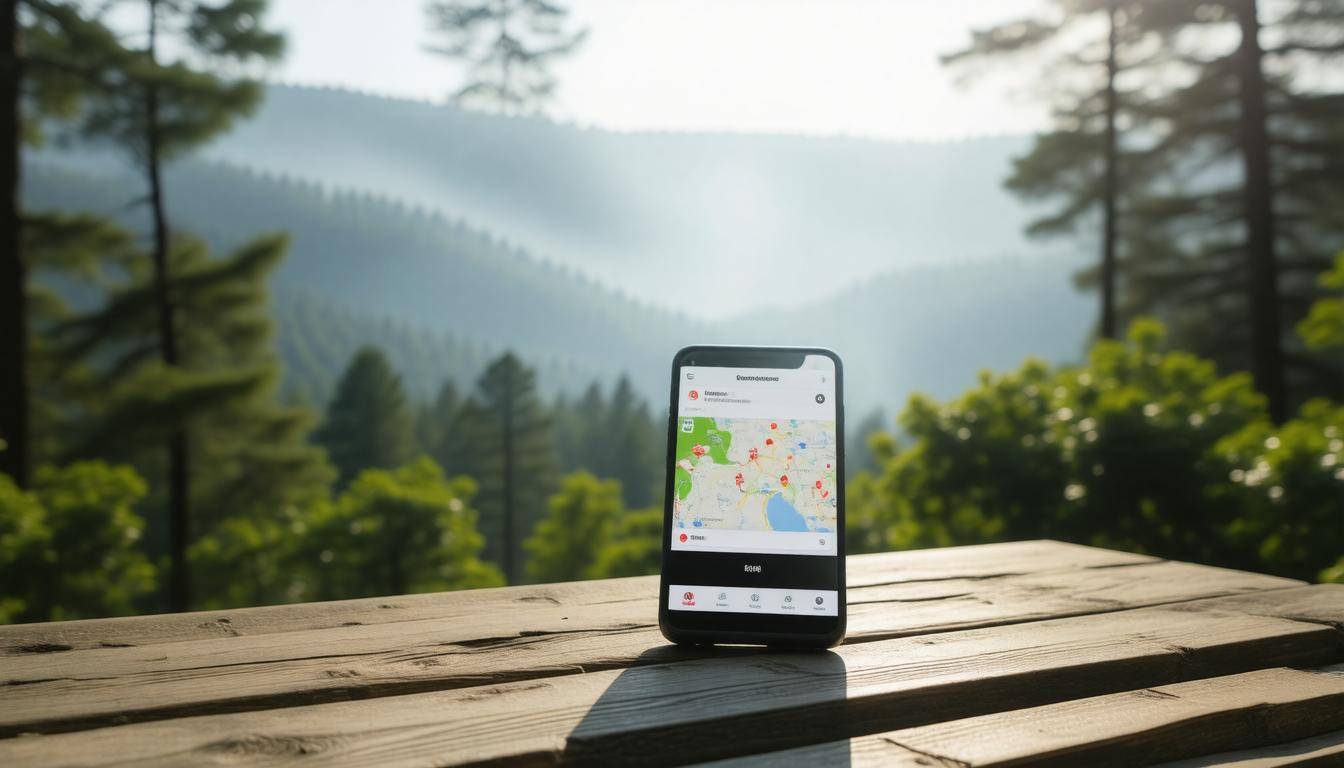
Timely updates can mean the difference between a safe evacuation and dire consequences. Wildfires can escalate rapidly, changing conditions within moments. Therefore, staying alert and aware of your surroundings is key to ensuring your family’s safety during such events.
One way to achieve this is by using multiple sources for fire alerts—relying on just one can leave you at risk if it fails or misses critical information.
Regularly checking the BC Wildfire Service website should be a top priority. This site provides essential data on fire danger ratings as well as live updates regarding current fires affecting the region. The visual maps displayed there are particularly useful, allowing residents to see exactly where active fires are located in relation to their homes.
Moreover, signing up for emergency text alerts can provide instantaneous notifications that reach straight to your phone. These alerts are crucial, especially when evacuation orders or changes are issued with little warning.
In addition to official sources, local news channels also play a significant role in keeping residents informed.
Tuning into local news channels offers an opportunity to receive timely updates regarding evacuations and community responses. These broadcasts often include live interviews with firefighting teams and can provide context that might not be available online. Whether it’s a quick update during a commercial break or a feature piece about firefighting efforts, local news remains a vital lifeline when crises strike.
To bring clarity around various information sources, here’s a snapshot of potential fire alert systems:
| Source | Information Provided | How to Access |
|---|---|---|
| BC Wildfire Service | Fire danger ratings, current fires | Official website, app |
| Local News Channels | Evacuation orders, community updates | TV broadcasts, websites |
| Social Media Accounts | Evacuation alerts, emergency responses | Follow verified accounts |
Lastly, don’t underestimate the power of social media in this digital age. Residents should follow verified accounts related to wildfire management, such as those from the BC Wildfire Service or local authorities. Platforms like Twitter or Facebook can serve as immediate channels for sharing updates about fires and evacuation zones and often offer first-hand resources directly from emergency management teams.
Keeping informed across these platforms not only prepares you for rapid action but also guides your decisions during emergencies. Let’s now consider the materials and essentials needed for successful evacuations.
Essential Checklist for Evacuation

An evacuation checklist is your best friend when wildfire threats escalate, guiding you through the whirlwind of preparations so you can leave your home with confidence. Imagine knowing exactly what needs to be gathered—this foresight can make all the difference in times of stress. When wildfires loom, efficiency is paramount; the less time you spend deciding what to take, the safer you will be.
Must-Have Items
-
Important documents: Include IDs, insurance papers, and medical records. Make copies or store them digitally if possible for quick access during your getaway.
-
Emergency kit: Don’t forget essential medications, a first-aid kit, non-perishable food items, and enough bottled water for at least three days. Think about including additional comfort items like snacks or a favorite toy for children.
-
Electronic devices and chargers: In today’s digital world, keeping communication lines open during emergencies is vital. Pack your phone and laptop, along with their chargers.
-
Clothing and personal hygiene items: Grab several weather-appropriate outfits and personal care items; include essential toiletries like toothpaste and soap to ensure comfort during the chaos.
-
Pet supplies: For those with pets, assemble a “go bag” for furry family members with food, medications, collars, leashes, and any comfort items they may need.
Beyond these crucial items, it’s also wise to customize this list to suit your family’s specific needs based on health conditions or preferences. This ensures nothing essential is left behind. Store the checklist in an easily accessible spot in your home—maybe on the fridge or by the front door—so that it’s always at hand when an emergency occurs.
A local resident of Kelowna reflected on their experience evacuating during the intense 2023 wildfire season: “Having a checklist saved us valuable time; we knew exactly what to grab and leave behind. It made the whole process less stressful.” This highlights how proactive planning not only alleviates anxiety but also helps families remain organized amid confusion.
With a comprehensive checklist prepared, you’re now better equipped to navigate the evacuation process swiftly and safely should the need arise. By thinking ahead and prioritizing the essentials, you create a path towards ensuring your family’s safety while minimizing panic as you prepare to leave your cherished home.
In light of this information, being well-prepared can significantly enhance your chances of navigating an evacuation successfully. Stay informed and ready!