
Floods in Kerala can strike quickly and unexpectedly, leaving many families feeling helpless and unprepared. It’s a situation that no one wants to face, yet being ready could mean the difference between safety and chaos. This guide is here to help you build an Essential Kerala Flood Protection Kit that equips you with the necessary tools and knowledge for these unpredictable events. From organizing crucial supplies to creating a family emergency plan, we’ve put together straightforward advice to ensure you feel secure when the rains come pouring down. Let’s get started on making sure your family is ready to weather any storm!
A Kerala Flood Protection Kit should include essentials such as waterproof bags for important documents, non-perishable food and water supplies, a first-aid kit, flashlights with extra batteries, a portable phone charger, and life jackets. Additionally, including personal hygiene items and a battery-powered radio can enhance safety and preparedness during flooding events.

Kerala Flood Protection Kit: Essentials for Safety
Beyond the standard items like a battery-powered radio and flashlights, consider adding crucial medical supplies to your kit. A well-stocked first aid kit is indispensable; it should include adhesive bandages, antiseptic wipes, gauze pads, and any prescription medications for family members. When floodwaters rise, the risk of injuries increases, whether from moving debris or accidents while navigating flash-flooded areas. Being equipped to handle minor injuries can save precious time and ensure your family’s health.
I recall during one major flood season, families were grateful they had access to first aid supplies when an unexpected injury arose. Having those small items on hand provided peace of mind and assurance in a chaotic environment.
Next, let’s consider the importance of food and water supplies.
Store at least three days’ worth of non-perishable food items in your emergency kit; these could be canned goods or energy bars that require little preparation. It’s essential to think practically—easy-to-eat snacks can help keep spirits high during stressful times. Additionally, water is critical; aim for at least one gallon per person per day. Ensure you have proper containers for water storage, as well as purification tablets if clean drinking water is hard to find post-flooding.
Think about including baby formula or food for pets if applicable. Preparing for every member of your family will make a significant difference during an already stressful period.
Finally, personal safety items are often overlooked but can be invaluable.
Include essential personal safety gear such as water-resistant boots and life jackets in case swift water rescues become necessary. Wearing protective clothing will help ensure that you stay dry and safe while dealing with floodwaters, which can carry hidden dangers like sharp objects or chemicals. Furthermore, don’t forget hygiene products like hand sanitizer or wet wipes to maintain cleanliness during uncertain situations where access to running water may be limited.
| Essential Item | Purpose |
|---|---|
| First Aid Kit | For treating injuries promptly |
| Non-perishable Food | To sustain energy during emergencies |
| Drinking Water | Prevents dehydration from prolonged exposure |
| Protective Clothing | Keeps individuals safe while navigating flooded areas |
| Hygiene Products | Helps maintain cleanliness and health |
With all these components combined, you’ll be better prepared to tackle uncertainties head-on as you navigate through potentially challenging situations ahead.
Basic Emergency Items to Pack
Packing basic emergency items ensures that you can meet your immediate needs in times of crisis. When considering what to pack, think about items that provide comfort and fundamental survival elements. These essentials will not only help you stay safe but also facilitate a sense of security amid an overwhelming situation.
Each item plays a critical role in maintaining your well-being during an emergency:
-
Warm Blankets: Lightweight, compact blankets can keep you warm even on cold nights. They are versatile; use them for sitting on wet ground or wrapping around family members who may feel anxious.
-
Extra Clothing: Pack a second set of clothing appropriate for the weather, including socks and shoes. Having gear that promotes both protection from the elements and ease of movement is crucial.
-
Non-perishable Food: High-energy snacks like nuts, granola bars, or canned goods are ideal since they require no preparation. Having food that children find appealing is important too.
-
Bottled Water: Water is life! A gallon per person per day is recommended. Investing in sturdy, refillable containers can be both eco-friendly and practical when storage space is limited.
-
Hygiene Products like Soap and Sanitizers: Cleanliness shouldn’t take a backseat during emergencies. Soap, hand sanitizers, and sanitary items promote health and safety amidst uncertainty.
-
Face Masks: In crowded evacuation situations or areas where dust and debris may be present, wearing a mask improves respiratory safety.
Packing these items in an organized manner ensures easy access under stressful circumstances. Utilizing small waterproof bags or containers is key for preventing moisture damage to these essentials.
With our emergency items sorted, it’s crucial to consider the right protective gear that will withstand the unpredictable weather conditions often experienced in Kerala.
Waterproof Gear and Equipment
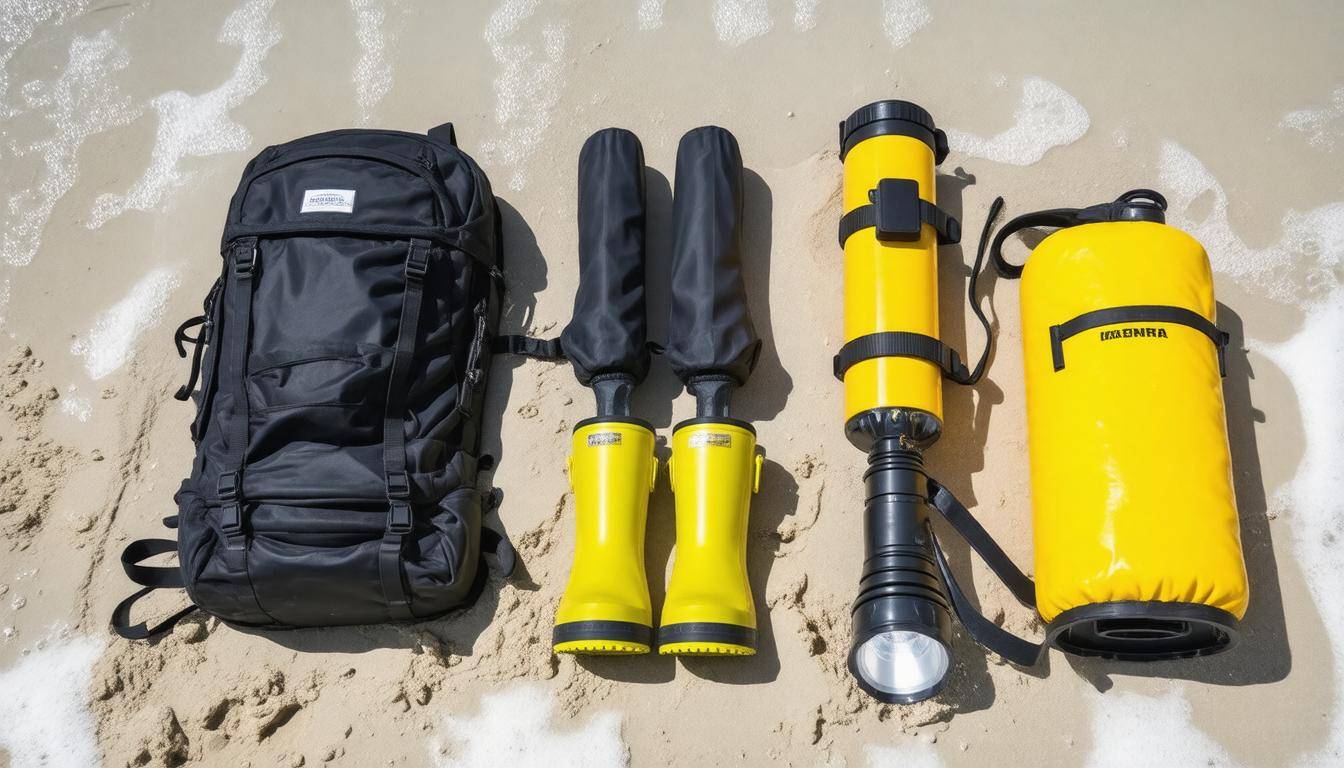
Kerala’s heavy monsoon rains create an environment where a lack of proper waterproof gear can lead to significant discomfort and danger. It’s all about making informed choices that keep you and your family safe, dry, and prepared for any situation.
First, let’s talk about waterproof bags. These are not just any bags; they are your frontline defense against water damaging your precious belongings. Look for high-quality bags that seal tightly and resist even the strongest downpours. Store electronics like mobile phones, tablets, and important documents in these bags to keep them secure from potential flooding.
In addition to waterproof bags, a reliable raincoat is an invaluable investment. When the skies open up unexpectedly, having a sturdy raincoat will ensure you stay dry while carrying out necessary tasks or evacuating. Choose breathable materials to avoid overheating; it’s essential to balance warmth with comfort during downpours. A raincoat serves not only as protection from water but also as an additional layer against wind.
Next on the list are rain boots. They may seem simple, but wearing proper waterproof boots can protect your feet from hazardous floodwaters that can contain contaminants or debris. When choosing rain boots, opt for styles that are easy to slip on yet provide enough traction to prevent slipping on wet surfaces. Your health depends on staying safe from possible infections that stagnant water may harbor.
Investing in a pair of high-quality rain boots can make a world of difference when moving through flooded areas.
Another essential item is waterproof ponchos. Lightweight and easy to carry, these ponchos can be lifesavers during unexpected rainfalls. They offer coverage without encumbering movement, which is advantageous if you need to evacuate quickly or assist others in need. Ensure that your poncho is large enough to cover your gear as well—after all, keeping your supplies dry is just as crucial!
As valuable as waterproof gear may be, preparedness goes beyond just equipment; it embodies a mindset of readiness for all family members. Involving everyone in the discussions about safety protocols during floods fosters an atmosphere of collective responsibility where everyone knows their role during emergencies.
By investing in quality waterproof gear and nurturing familial preparedness, we lay the groundwork for not only facing the elements but also ensuring each member’s safety and understanding during crises. Now let’s explore ways to create a comprehensive plan that strengthens our family’s resilience in challenging situations.
Ensuring Family Preparedness
It’s vital to cultivate a proactive mindset within your family concerning flood readiness. Beyond merely establishing a communication plan, preparing each member for real-life situations can be the difference between safety and chaos. Start by holding regular family meetings to discuss the danger of floods, what they look like, and how quickly one can develop. This knowledge will help demystify the situation, allowing children and adults alike to respond more calmly when faced with potential danger.
Step I – Communication Plan
While creating a communication plan is a foundational element of your strategy, it needs to be actionable. Designate a safe meeting point near your home that everyone knows so that if you get separated during an emergency, it’s easy to regroup. Additionally, ensure every member has at least one designated contact outside of your immediate area—this person can relay messages if phone lines become congested or damaged.
It might be helpful to create written copies of this plan, placing them in easily accessible areas around your home or saving them in digital formats on your family’s devices. Keeping communication open not only provides essential guidance but also strengthens family bonds through shared understanding and preparedness.
Step II – Drills and Practices
After laying the groundwork with effective communication strategies, conduct regular drills that simulate various emergency situations. These drills should include everything from identifying escape routes to practicing actions to take when receiving alerts about flooding. The more realistic you make these scenarios, the better prepared everyone will be.
Think about it: if your children know what to do during an emergency drill at home, they’ll likely carry that knowledge over into real-life situations, thus minimizing panic in the face of stress.
It’s important to evaluate these practices afterward; sit down as a family and discuss what went well and what could be improved upon. This reflection process helps everyone feel valued and builds confidence going forward.
As you prepare as a team, remember to take care of those who may need assistance within your community before an emergency strikes. This awareness lays the groundwork for understanding the next step in survival planning.
Shelter and Evacuation Plans
Knowing the best routes and places to seek refuge can make a significant difference when disaster strikes. Therefore, establishing shelter and evacuation plans ahead of time is essential. Begin by identifying safe zones—areas less likely to be affected by flooding, such as elevated grounds or designated emergency shelters. Make sure all family members are familiar with these locations and the quickest routes to reach them.
Imagine the peace of mind you’ll have when everyone knows exactly where to go in an emergency.
To ensure a speedy response during an evacuation, conduct practice runs. This helps reinforce familiarity among your family members. Even children should understand not just where the safe zones are but also why they need to evacuate quickly when instructed. Creating a fun yet educational exercise around this can reduce anxiety and instill confidence.
Understanding local flood warning systems is another vital aspect of maintaining safety. Kerala has implemented several forms of alerts, such as sirens or mobile notifications, which serve as important indicators that action is needed. Familiarize yourself with these systems and what they mean. For instance, a siren might signal immediate evacuation or indicate that it’s safe to return. By knowing what actions to take based on these alerts, you’ll be equipped to respond quickly.
Additionally, assign one family member who will always check for updates on warnings so that others can focus on executing the evacuation plan.
Finally, don’t forget about the necessity of keeping your evacuation kit ready at all times. As you finalize your shelter plans, think about what items you’d need if you had to leave home in haste. Essential items may include food, water, medications, important documents, and a basic first aid kit. By being prepared with these resources, you’ll significantly minimize potential health risks during relocation.
With a solid understanding of shelter plans and emergency protocols established, we can now turn our attention to critical resources needed for health and safety during emergencies.
Essential First Aid Resources
Having a well-stocked first aid kit is paramount in flood situations, where access to medical help can be delayed. Your first aid kit serves as the first line of defense against injuries or health incidents that may arise during such crises. It’s not just about having items; it’s about ensuring that they are practical and readily accessible when you need them the most.
Basic First Aid Items
Start with the essentials: your kit should contain bandages of various sizes—from small adhesive strips for cuts to larger sterile bandages for more severe injuries—along with antiseptics like alcohol wipes or hydrogen peroxide to clean wounds. Having pain relievers such as acetaminophen or ibuprofen on hand can assist with discomfort caused by anything from headaches to sprains. Don’t forget the antibiotic ointments, which are critical for preventing infection in scratches and open wounds. Lastly, a pair of tweezers comes in handy for removing splinters and debris, which could pose a risk of infection.
In a recent incident during heavy flooding, a family shared how their well-prepared first aid kit became invaluable. They were able to handle several minor injuries while waiting for rescue, reinforcing the idea that preparedness makes all the difference.
Prescribed Medications
If you have family members with specific health requirements, it’s crucial to include at least a week’s supply of any prescribed medications in your first aid kit. Keeping these medications in waterproof containers protects them from moisture damage during floods. Additionally, it’s wise to maintain an updated list of medications along with dosages and instructions; this way, if help does arrive, medical professionals can quickly understand any special needs.
As we discuss essential first aid resources, remember that knowing how to use those items is just as important as having them on hand. Make sure everyone in your household understands basic first-aid procedures—like cleaning wounds or applying a bandage—to act swiftly should an injury occur. Consider practicing these techniques together during family meetings; this will not only familiarize everyone with the contents of the kit but also build confidence in their ability to respond effectively during emergencies.
With these essentials covered, we now shift our focus towards another critical aspect of preparedness—safeguarding vital documents and records that are incredibly important during emergencies.
Secure Important Documents
Floods have a way of wreaking havoc on every aspect of our lives, but losing important documents can compound that frustration. Imagine facing a major disaster and realizing you no longer have access to vital information like your identity or home ownership records. That’s why it’s crucial to secure essential papers ahead of time.
Important Documents to Secure
Start by identifying the documents that matter most. Birth certificates, property deeds, identification cards, insurance paperwork, and medical records are foundational pieces of information you’ll need to recreate your life after a tragedy. Since water can quickly damage paper, storing these items in waterproof and fireproof containers is non-negotiable. Many people opt for safety deposit boxes or specialized document safes that can withstand both flooding and fire damage.
Moreover, it’s valuable to create digital copies of these vital documents. Scan each page and save them on a secure cloud storage service or an external hard drive. By doing this, you ensure that even if the physical documents are lost or destroyed, you have backups readily accessible from anywhere.
A resident from Kochi once shared her heart-wrenching story about losing all her identity documents in a flood. It took months of effort to resurrect her records; she wished she had prioritized securing her documents before disaster struck. The lesson is clear: making document safety a priority can significantly mitigate future stress during challenging times.
With our critical documents secured, we can turn our attention to ensuring adequate food and water supplies are ready for any emergencies that may arise.
Preparing Food and Water Supplies

When preparing for potential flood situations, focusing on essential food supplies and water storage is crucial. Access to fresh food can become severely limited during floods, making it vital to have a well-thought-out supply of non-perishable items. Start by stocking up on canned goods that are easy to prepare and have a long shelf-life, such as beans, vegetables, and fruits. These foods are not only nutritious but also require minimal cooking, which can be beneficial when resources are scarce.
Dried fruits offer a quick energy source and can serve as healthy snacks. Don’t overlook protein bars—these compact, high-energy options keep you fueled without the hassle of cooking.
While gathering these foods, it’s just as important to ensure that they remain protected from floodwaters.
Preparation extends beyond accumulating supplies—you must store them wisely too. For instance, rice and lentils are staples in Indian households. Store these in waterproof containers to prevent contamination or spoilage. A quick check of the seals on your containers can save a lot of trouble later on. Keep an inventory of what you have and rotate your supplies regularly; this way you won’t end up with expired goods when the time comes to use them.
Now let’s discuss the crucial aspect of water storage.
For clean drinking water, plan for at least one gallon per person, per day. This ensures that even if flooding disrupts local water systems, you have adequate supplies on hand. Invest in sealed bottles or jugs specifically designed for water storage—ideally made from opaque materials to block sunlight and inhibit algae growth.
Furthermore, consider adding water purification tablets to your emergency kit; having these ensures you’re prepared for situations where stored water may become compromised or contaminated.
A 2024 report from the Kerala government revealed that waterborne diseases surged by 15% during the last flood season due to contaminated water supplies. This statistic underscores why clean drinking water is non-negotiable when preparing for natural disasters.
Taking these preparations seriously will improve your immediate situation during a flood and provide peace of mind knowing you’re safeguarded against unforeseen challenges.
In the face of potential flooding, being proactive in securing food and water might just make the difference between hardship and survival. Preparation today is safety tomorrow.