
As the winter chill sets in and snowflakes begin to swirl across Kingston, it’s time to prepare for the season’s challenging weather. Whether you’re a longtime resident or new to the area, knowing how to stay safe during winter storms is essential. From frigid temperatures that can freeze pipes to heavy snow that makes roads tricky, it pays to be ahead of the game. This guide highlights important tips for staying warm, navigating snow and ice safely, and assembling an emergency kit. With a plan in place, you can tackle whatever this winter throws your way—because being prepared not only protects you but also brings peace of mind. Let’s dive in!
The Kingston, Ontario Winter Emergency Guide includes essential information on safety priorities for students during winter weather, emergency preparedness tips for families, and school procedures regarding closures or delays due to inclement weather. It emphasizes the importance of staying informed through school communications and having backup plans in place for unexpected changes during winter months.
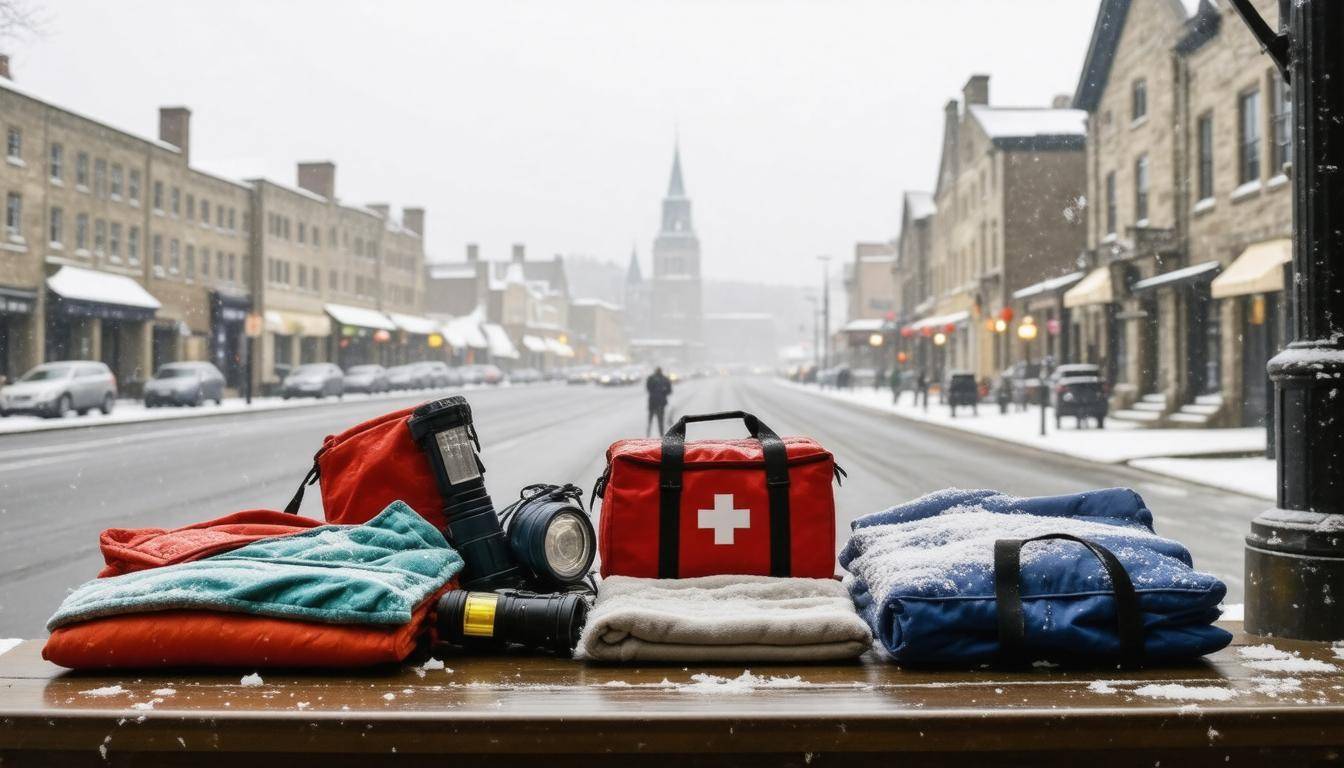
Preparing for Winter Emergencies in Kingston
It is essential to understand common winter hazards like intense storms and severe cold. Kingston experiences over three feet of snow in heavy months, with chilling temperatures that can dip as low as -15°C. Having a proactive mindset can mean the difference between being caught unprepared and rolling with the punches when the weather turns wild.
Monitoring Weather Reports
Keeping tabs on weather alerts is crucial. Make it a habit to check local news or dedicate an app on your smartphone to track forecasts—tools like the Weather Network and Environment Canada provide timely updates and can be lifesavers during unpredictably volatile weather conditions. Consider signing up for text alerts, which can send real-time notifications about severe weather straight to your phone. This little step keeps you informed and ahead of any challenges mother nature throws your way.
Engaging with local resources enhances your preparedness. For instance, knowing how much snow has fallen can inform decisions like whether it’s still safe to venture out for needed supplies or how long you might expect delays with public transportation.
Planning for Transportation Disruptions
Imagine driving through a wall of marshmallows—that’s what navigating through heavy snowfall can feel like! Roads can quickly become impassable, making proper transportation planning essential. While equipping your vehicle with winter tires is a must, consider public transport alternatives or arranging carpools well before bad weather strikes.
This foresight doesn’t just save time; it also eases anxiety when severe conditions hit. Familiarize yourself with bus schedules and routes or have back-up plans in the form of rideshare apps at hand. The more versatile your transportation strategies, the better off you’ll be when roads become unreliable.
Stocking Up on Essentials
Another key aspect of emergency preparation involves stocking up on essential supplies that can sustain you during heavy snowfall or power outages. Prioritize items like batteries, non-perishable food, and ample bottled water to prevent rushing out last minute when everyone else is doing the same.
An emergency kit stocked with enough provisions for at least 72 hours can make a world of difference. This way, when heavy storms hit, you won’t find yourself scrambling for basics—your pantry becomes your fortress against winter’s wrath.
Understanding how to ride out a storm is one thing; yet, having the right tools and resources ready positions you for comfort and safety during frigid months. Now let’s explore how to compose the perfect selection of supplies to see you through any winter challenge.
Creating Your Winter Survival Kit
When putting together your winter survival kit, think of it as creating a safety net—a reliable resource that can see you through emergencies caused by severe weather. Start with the essentials that cater to immediate needs.
For instance, having a flashlight with extra batteries is crucial; it provides light during power outages while ensuring you navigate safely through your surroundings. The first aid kit, stocked with items like adhesive bandages and antiseptic wipes, can be a lifesaver in case of minor injuries.
Key components for your survival kit include:
-
Non-perishable food: Think canned goods or energy bars—something that won’t spoil and provides sustenance.
-
Bottled water: It’s vital to store at least two liters per person per day for a minimum of three days.
-
A warm blanket: This is essential for keeping warm if you’re trapped without heat.
-
A portable phone charger: In this age of technology, staying connected can be necessary for seeking help.
-
A multi-tool: Handy for not just repairs but also opening cans of food in emergencies.
Beyond these basics, consider any additional items that may meet specific needs in your household. For example, if you have young children, pack baby supplies such as diapers and formula to ensure their comfort. Similarly, if someone in your family has dietary restrictions, include suitable food items that cater to those needs.
These thoughtful preparations will ensure you’re ready when faced with extreme cold or other unexpected situations.
Regularly review and refresh your kit. Items can expire, and your needs may change over time. Maintaining an effective survival kit tailored to your family’s requirements is paramount as winter weather approaches. From here, let’s explore practical strategies to handle the harshest of conditions.
Staying Safe During Extreme Cold Weather

Kingston’s winter can be relentless, with temperatures occasionally dropping below -20°C. In such conditions, frostbite and hypothermia are serious threats. To prevail against these chilling dangers, one must take proactive measures.
Reducing Outdoor Exposure
First and foremost, limit outdoor activities whenever possible during extreme cold. If you must venture out, remember that covering exposed skin is crucial. Wearing thermal layers helps trap warmth; it’s a necessity. Research shows that frostbite can set in quickly on exposed areas, particularly sensitive spots like the nose, cheeks, and fingers.
Consider investing in high-quality gloves and face masks designed to withstand harsh winds. Real-life experiences remind us to think about layering clothing: a base layer made of moisture-wicking fabric that draws sweat away from the skin, an insulating layer such as fleece or wool for warmth, and a windproof and waterproof outer layer to shield against the elements are optimal choices.
Keeping Indoors Warm and Safe
While reducing outdoor exposure is critical, ensuring your indoor refuge remains comfortable is equally important. A functioning heating system is not merely a luxury; it is fundamental for winter survival. Conduct routine checks on your heating units to ensure they operate efficiently—not only will this provide warmth, but it also minimizes the risk of breakdowns during cold spells.
If you use space heaters for additional warmth, always adhere to safety guidelines. This means never leaving them unattended, ensuring proper ventilation to prevent dangerous carbon monoxide buildup, and positioning them far away from flammable materials. Checking smoke detectors—sometimes overlooked—could save lives if equipment malfunctions.
Tip: Always have an emergency plan that includes how to maintain heat in case of power failure. It’s advisable to keep blankets handy and food supplies sufficient should the need arise to stay safe within your home.
Thinking ahead provides the opportunity for greater comfort and safety through Kingston’s frigid season. As we prepare for the challenges posed by the cold, let’s transition towards understanding the vital gear needed to navigate winter effectively.
Essential Winter Clothing and Gear
One of the most critical aspects of staying warm in the chilly Kingston winters is mastering effective layering techniques. Think of your clothing as a protective barrier against the harsh winds and biting cold. A successful approach involves three layers:
- A moisture-wicking base layer to keep you dry
- An insulating middle layer for warmth
- A water-resistant outer layer for protection against the elements
In practice, a base layer made of merino wool or synthetic fabrics will pull sweat away from your skin—keeping you comfortable rather than clammy. For your insulating layer, consider options like fleece or down jackets that hug your body, preserving heat without adding bulk. Finally, an outer shell featuring windproof and waterproof properties is essential; look for materials with robust breathability ratings to prevent overheating.
Always opt for wool or synthetic materials instead of cotton, as they provide better insulation by trapping heat even when wet. This choice might seem simple, but it can make all the difference in maintaining your core temperature during long periods outside.
Once you have the layering system sorted out, it’s time to focus on specialized gear that complements this clothing strategy.
Investing in high-quality winter accessories is equally crucial to your comfort and safety. Insulated boots are non-negotiable; seek out those rated for low temperatures—ideally down to -30°C. Choose waterproof options with sturdy traction for navigating slippery sidewalks and unplowed roads.
Thermal gloves play an essential role in protecting your hands from frostbite, so invest in pairs that have both insulation and a waterproof outer layer. When choosing gloves, make sure they allow dexterity for tasks such as snapping open your car door or reaching into pockets without sacrificing warmth.
Many residents swear by brands like Canada Goose for their parkas because of their reliable quality and warmth retention. However, finding what works best for you might take some trial and error—just remember that functionality should always come first.
Now that you’ve equipped yourself with proper clothing and gear, understanding how to navigate winter’s icy terrain safely becomes the next crucial step to enjoying Kingston’s winter scenery.
Navigating Snow and Ice Safely
Slippery conditions can transform even the most mundane errands into treacherous undertakings. To effectively navigate these hazardous environments, start by understanding how to approach activities like shoveling snow and walking on icy surfaces with care. A properly planned approach can make a significant difference in both your safety and comfort.
Shoveling Snow Properly
One of the most effective ways to prevent hazardous conditions is to remove snow frequently. The longer snow stays unshoveled, the more likely it is to compact and turn into that slippery ice layer. Aim to clear paths multiple times during heavy snowfall to minimize icy buildup. When you do shovel, use the correct posture to avoid injury; bend your knees and use your legs to lift, keeping your back straight. This simple technique can dramatically reduce strain on your back and make the task less daunting.
Using salt or sand after shoveling helps improve traction. Salt melts ice well, while sand provides grip underfoot. You might want to have a container filled with this mixture close at hand for quick application.
Safe Walking Tips
When stepping out onto slick sidewalks, wearing ice cleats over your shoes adds traction, ensuring you maintain that vital grip on icy surfaces. If you find yourself without icers handy, don’t fret; adopting careful walking habits is paramount. Focus on taking short, deliberate steps rather than long strides, as this helps maintain your center of gravity over your feet and reduces the chance of slips or falls.
You may also want to keep a lookout for common problem areas; spots where water collects often freeze first and can be particularly troublesome. When you encounter patches of ice while walking, try navigating around them if possible, or slowly shuffle across them with utmost caution.
As winter storms not only create slippery roads but also risk disrupting power supply, being adequately prepared in such conditions is essential for maintaining your safety and comfort in the cold.
Coping with Power Outages

When a power outage strikes, it can create chaos and uncertainty in your home. The first step is to immediately report the outage to Kingston Hydro. This keeps them informed about where issues are occurring and helps expedite the restoration process. After reporting, unplug large appliances to avoid damage from potential surges when power is restored; however, remember to leave one light on as an indicator that electricity has returned.
It’s essential to keep informed using battery-powered devices if available. A battery-powered radio can provide updates on weather and other conditions from emergency services, allowing you to remain aware of what’s happening outside as you settle into your temporary situation.
Maintaining Heat
During prolonged outages, maintaining warmth becomes critical, especially in the Canadian winter. Consider using battery-powered heaters or heat packs, which serve as great alternatives when conventional heating goes offline. These small devices might seem like a hassle compared to central heating, but think of them as tiny portable fireplaces warming your immediate surroundings while you huddle together with loved ones.
“This cozy method not only keeps your body warm but also nurtures emotional warmth during challenging times.”
Preparing Your Emergency Kit
Building an emergency kit ahead of time is invaluable when the lights go out. Essentials should include at least a flashlight with fresh batteries, a first aid kit, non-perishable food items such as canned goods or granola bars, and bottled water—ideally one gallon per person per day for at least three days. This preparation ensures you have everything you need without scrambling for supplies during the stressful moments of an outage.
You might find yourself relying heavily on stored food, so keeping your refrigerator and freezer doors closed as much as possible is key; food will stay safe in a refrigerator for about four hours while a full freezer can maintain integrity for up to 48 hours.
Lastly, never underestimate the power of communication during these unpredictable situations. Establish a communication plan with family members. Designate meeting places and ensure everyone’s mobile devices are fully charged beforehand. Staying connected will relieve some anxiety during outages and help streamline efforts to keep everyone warm and fed.
If help is ever needed, knowing where to find assistance is paramount. Identifying local resources before an emergency increases confidence in your preparedness plan and ensures that you’re ready for whatever winter throws your way. As we continue exploring winter readiness, understanding how to access support from nearby services will enhance your safety strategy.
Seeking Help from Local Emergency Services
The harsh realities of winter weather can leave even the most prepared individuals feeling vulnerable. In Kingston, local emergency services are here to provide critical assistance when you need it most. Familiarizing yourself with these services is your first line of defense against unexpected difficulties during severe weather conditions.
One of the most important steps is to keep the contact numbers handy. For instance, the Kingston Fire & Rescue is not just about putting out fires; they also respond to various emergencies, including hazardous conditions or vehicle accidents caused by snow. Their rapid response can be lifesaving in extreme situations. Similarly, Kingston Police play a vital role in managing public safety and can assist with any law enforcement needs you may encounter during emergencies.
Local shelters like the Kingston Penitentiary Shelter offer refuge for individuals seeking warmth and safety during bitter cold nights. Knowing where these resources are and how to access them can make a significant difference when temperatures plummet or when someone’s home becomes uninhabitable due to the weather.
In addition to memorizing these numbers, having a well-thought-out emergency plan can greatly enhance your safety. Consider discussing with family or housemates who will take charge of what aspects during an emergency—from checking on one another to ensuring there’s a plan for pets too.
Resources You Can Count On
In addition to helplines, knowing where local services are located can save valuable time:
- Shelters: Locations such as Kingston’s shelter at 40 Kings Way (Hampton Baptist Church) become refuges in extreme weather.
- Medical Assistance: The area’s hospitals and urgent care centers can assist anyone suffering from exposure or related health issues.
- Municipal Services: Keep an eye on announcements regarding service interruptions, especially those affecting sanitation and transportation.
As you gather vital information and resources, it’s equally essential to craft a personalized approach that suits your unique circumstances. This thoughtful preparation not only bolsters your security but also equips you with the tools you need to face challenges head-on.
Developing a Personal Safety Plan
A personal safety plan is your best ally when facing emergencies, especially during unpredictable winter weather. You’ll want to think through various scenarios and prepare accordingly. This is not merely an exercise in precaution; it’s about empowering yourself and your family so that when a situation arises, everyone knows exactly what to do. Preparation transforms uncertainty into confidence.
Step-by-Step Personal Safety Plan
Begin by assessing the specific needs of your household members—this includes children, the elderly, and even pets. Each group may require different attention and resources. For example, while toddlers might need simple visuals or reminders about meeting points, elderly family members might require assistance in knowing how to evacuate safely.
When developing your personal safety plan, consider including these essential steps:
-
Designate a Meeting Spot: Choose a clear spot outside your home where family members can regroup if separated. This should be easily identifiable—a large tree or a neighbor’s porch, for example.
-
Identify Safe Places: Within your home, know which areas are safest to gather in the event of severe weather or emergencies. Basements or interior rooms away from windows can provide protection against high winds or severe snowfall.
-
Discuss Regularly: The importance of regular communication cannot be overstated. Make it a family routine to review your safety plan at least twice a year. Have practice drills that mimic various emergency scenarios.
By involving all family members in these discussions and practices, you will build understanding and confidence, ensuring that everyone knows their role during an actual emergency.
Customizing for Family Needs
Additionally, customizing your safety plan based on individual needs can greatly enhance its effectiveness. For instance, if you have pets, factor in how they will navigate emergencies—do they have carriers readily accessible? Will you need to bring food and water for them? Addressing these details ensures no one is left behind when preparing.
Ultimately, it’s through understanding and preparation that you’ll become better equipped to face Kingston’s challenging winters. A well-thought-out personal safety plan not only protects you but also fosters a sense of security throughout your household as everyone feels informed and empowered to act effectively during emergencies.
In preparing for winter emergencies, remember that being proactive is key to ensuring the safety and well-being of everyone in your household. By developing and practicing a comprehensive safety plan, you pave the way for confidence amid chaos.
What essential supplies should be included in a winter emergency kit for residents?
A winter emergency kit for Kingston, Ontario residents should include essential supplies such as non-perishable food, water (at least one gallon per person per day), a flashlight with extra batteries, a first aid kit, a multi-tool or knife, blankets or sleeping bags, and a battery-powered radio. According to the Red Cross, being prepared can significantly increase your safety in severe weather; having these items on hand can help sustain you for at least 72 hours during an unexpected power outage or emergency situation.
What steps can residents take to ensure their homes are safe and prepared for winter storms?
To ensure homes are safe and prepared for winter storms, residents of Kingston, Ontario should take several key steps: first, insulate water pipes to prevent freezing, as about 20% of homeowners experience pipe bursts during extreme cold; second, stock up on essentials such as food, water, and medications in case of power outages; third, check and maintain heating systems and chimneys to reduce fire hazards; lastly, clear gutters and downspouts to prevent ice dams. These measures not only enhance safety but also minimize potential damage and disruptions during harsh winter weather.
What types of winter weather hazards are most common in Kingston, Ontario?
In Kingston, Ontario, the most common winter weather hazards include heavy snowfall, freezing rain, and extreme cold temperatures. Snowfall can accumulate quickly, leading to hazardous driving conditions and increased risk of accidents; on average, Kingston receives around 200 cm of snow each winter. Freezing rain can create ice on roads and sidewalks, making surfaces dangerously slick; data shows that a significant portion of winter-related injuries occur due to falls during these conditions. Finally, with average winter temperatures often dropping below -10°C, prolonged exposure can lead to frostbite or hypothermia if proper precautions are not taken.
How can residents stay informed about severe weather warnings and updates during the winter?
Residents of Kingston, Ontario can stay informed about severe weather warnings and updates during winter by subscribing to local weather alerts through the Environment Canada website, following social media channels of local news stations, and utilizing mobile apps like WeatherCAN. Additionally, the City of Kingston provides real-time updates through its official website and emergency notification systems. According to recent data, timely access to weather information can reduce winter-related incidents by up to 30%, emphasizing the importance of staying connected with reliable sources during harsh conditions.
What resources are available for finding emergency shelters or warming centers in Kingston during extreme cold conditions?
In Kingston, Ontario, residents can find emergency shelters and warming centers during extreme cold conditions by reaching out to local authorities such as the City of Kingston’s Emergency Services or by visiting their official website, which provides up-to-date information and resources. Additionally, the Kingston Community Health Centres and local shelters often collaborate to ensure that vulnerable populations have access to safe warmth. It is crucial to stay informed, especially considering that frostbite can occur within 30 minutes in temperatures below -28°C (-18°F), making it essential for those in need to seek shelter promptly.