
Kolkata’s beauty is often wrapped in vibrant chaos, but when the monsoon hits, that chaos can quickly turn into a battleground against floods and storms. For residents living along the picturesque banks of the Hooghly River, being caught unprepared during this season is no small matter—it can lead to serious hardship. Just think about how often we hear reports of sudden floods or intense storms wreaking havoc in urban areas like ours. The reality is that being ready isn’t just practical; it’s vital for keeping ourselves and our loved ones safe. In this article, we’ll walk you through essential tips and a comprehensive checklist to prepare your household for these unpredictable weather challenges. By equipping ourselves with the right knowledge and supplies, we can weather any storm together.
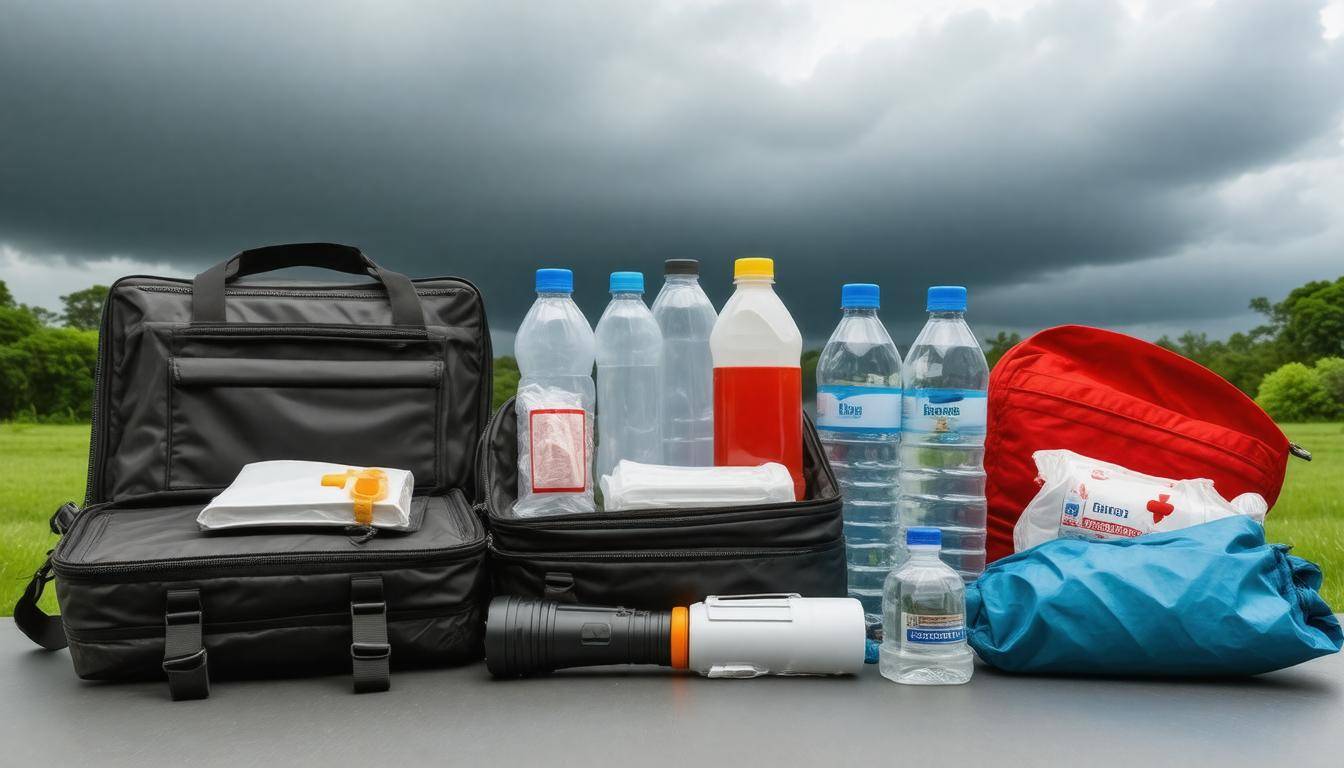
A Kolkata Flood & Storm Preparedness Kit should include essential items such as non-perishable food, bottled water, first-aid supplies, flashlights with extra batteries, a battery-powered radio, important documents in waterproof bags, and sturdy clothing and footwear. It’s also advisable to include a multi-tool or Swiss Army knife, personal hygiene products, and any necessary medications to ensure safety and comfort during emergencies.

Kolkata’s Flood and Storm Risks
Kolkata, situated on the eastern banks of the Hooghly River, experiences seasonal heavy rains primarily due to the monsoon. This season can wreak havoc on its densely populated urban landscape, where every drop of rain can lead to significant waterlogging. The city’s low-lying geography exacerbates this risk, as excess rainwater has nowhere to go, often leading to flash floods that impact daily life.
Historical data supports this pressing concern; extensive records from 2010 to 2020 reveal that Kolkata faced major flood incidents during each monsoon season. With climate change altering weather patterns, these floods are becoming increasingly severe. For instance, the catastrophic flood event in 2020 resulted in property damages estimated at approximately ₹2500 crores (around $335 million). Such figures underscore the critical need for residents to be aware of their environment and prepare accordingly.
Moreover, Kolkata’s existing infrastructural challenges compound these flooding issues. Inadequate drainage systems fail to cope with the monsoon’s relentless downpours, leaving many areas submerged. The urban sprawl has intensified this problem, as natural waterways have been obstructed or filled in for new developments. Not only does this create an essential risk of flooding, but it also poses severe health implications due to stagnant water and potential disease spread.
Planning Ahead
What can residents do? Preparation starts with being informed about the risks in your area. Regularly check weather forecasts and remain alert for warnings regarding heavy rainfall. Knowing your local drainage issues and flood-prone zones can make a huge difference when a storm hits. Additionally, it’s wise to familiarize yourself with emergency resources available within your community—such as evacuation routes and designated shelters.
An inherent resilience within the community is key: neighborhoods banding together can vastly improve emergency response times and support networks during these challenging periods.
Preparing an emergency kit—which includes essentials like medications, non-perishable food, drinking water, flashlights, batteries, and documents—is crucial for ensuring safety amidst natural calamities. When such events arise, having these items readily available can alleviate panic and provide comfort as you navigate through tough circumstances.
Arming yourself with knowledge about potential hazards lays a solid foundation. Next, let’s explore what essential items you must have ready to ensure your safety during these unpredictable storms and floods.
Must-Have Items in Your Kit
A well-thought-out flood and storm preparedness kit should not only keep you safe but also ensure your comfort during emergencies. The essentials are numerous, but focusing on what truly matters is key. First and foremost, a good waterproof flashlight with extra batteries is critical. Imagine you’re navigating through a darkened home filled with uncertainty; a reliable light source brings visibility and peace of mind, illuminating your surroundings while keeping potential dangers at bay.
Equally essential is a portable phone charger and power banks. In times of crisis, staying connected is crucial—especially when seeking updates about the situation or communicating with authorities. Picture yourself receiving vital information about impending weather changes while keeping your loved ones informed that you’re safe. That’s where these devices become invaluable.
Next on the list is a battery-operated weather radio; this gadget is indispensable for real-time weather alerts, allowing you to hear crucial information about evacuation orders or emergency services. If the internet goes down due to inclement weather, the radio can still deliver lifesaving updates directly to you.
One cannot underestimate the value of a multi-tool kit, either. It’s like having a toolbox in your pocket—the ability to turn screws, open cans, or even perform minor repairs can make a significant difference in an unexpected situation.
Waterproof matches are another key component, ensuring you can start a fire even in wet conditions. They are not just for warmth; they can also be used to boil water for safety and hygiene purposes during extended outages. This necessity came to stark life when I met a resident from Salt Lake City who shared how these matches allowed them to purify water after being stranded without power for days following a storm.
Emergency Blankets
Don’t forget emergency blankets! They’re lightweight yet incredibly effective at retaining body heat—an overlooked aspect of storm preparedness that can prevent hypothermia in case you’re exposed to cold, wet conditions for too long. These blankets are compact enough to fit into any emergency kit yet provide significant warmth if needed.
Local Maps
Lastly, local maps may seem old-fashioned in our digital world, but they are critical if electronic devices fail or service cuts out during extreme weather events. Familiarizing yourself with key routes can offer alternate paths to safety or shelter—a simple yet essential act that could save precious moments in an emergency.
Having compiled these vital components for your preparedness kit, consider the next crucial aspect: ensuring access to essential resources such as drinking water and food supplies in emergencies.
Stocking Up on Water and Food
In the face of potential flooding or storms, ensuring that you are adequately supplied with water and food is paramount. The Indian Council of Medical Research (ICMR) recommends that each person requires at least 2 liters of water daily. For a family of four, this amounts to a minimum of 24 liters for three days. It might seem daunting, but this is just the baseline to keep everyone hydrated and healthy during an emergency.
Think of drinking water not as an optional luxury, but as a vital resource when disaster strikes.
Just as important as water, your food supplies must also be thoughtfully packed.
When selecting food items, aim for high-calorie options that provide energy over several days. Canned foods are an excellent choice due to their long shelf life and no refrigeration requirement. Aim for approximately 20 cans of nutritious options such as beans, meats, and hearty soups, which can remain viable even after extended storage. Not only do they fill you up during stressful times, but they can also be comforting during uncertain situations.
Suggested Items for Your Kit:
-
Dried Foods: About 10 packs of items like rice, pasta, or nuts are ideal due to their longevity. They provide substantial calories with minimal storage constraints.
-
Infant Formula: If there is an infant in your household, ensure you have enough formula stocked; priorities differ greatly with little ones.
It’s wise to periodically check the expiration dates on your food items. Staying aware of when supplies should be rotated can save you from last-minute panic during emergencies.
By maintaining vigilance over your food and water reserves, you’ll not only ensure your family’s basic needs are met but also instill peace of mind that you’re prepared should storms or floods come your way. Next, we will explore essential medical supplies necessary for any emergency situation.
First-Aid Essentials
Your first-aid kit should contain a variety of essentials tailored specifically for handling typical injuries related to floods and storms. Think of it as your lifeline during an emergency, where preparedness can make a significant difference. It helps to include adhesive bandages in various sizes since minor cuts and scrapes are almost a guarantee when environments become chaotic. Keep sterile gauze pads handy for larger wounds or abrasions, ensuring they are easily accessible in the kit.
Don’t overlook the significance of having antiseptic wipes. These small packets can cleanse wounds and help prevent infections, which are particularly concerning in flood situations. Also, include adhesive tape, useful for securing dressings in place, providing necessary support for injured areas. Having a good pair of scissors—preferably blunt-tipped for safety—allows you to cut through fabric or packaging quickly if needed.
Beyond basic supplies, it’s also wise to consider additional tools that can aid in more delicate situations.
Don’t forget tweezers, useful for removing splinters or debris that might work their way into the skin during an emergency. A digital thermometer is another critical addition; it helps monitor signs of infections or fever, especially when dealing with potentially contaminated water after a storm.
In addition to these essentials, think about any special needs within your family. Including prescription medications for family members is vital since medical needs can’t be overlooked during emergencies. This might also include personal medications such as asthma inhalers or epinephrine auto-injectors if applicable. At the same time, don’t forget about non-prescription drugs; having staples like pain relievers, anti-diarrhea medications, and antacids can act as lifesavers when stress and uncertainty mount.
A nurse from a local hospital once emphasized how essential sealed antiseptics were in preventing infections from untreated wounds during a flood emergency. Left unchecked, these can escalate into severe health crises.
Preparing your first-aid kit isn’t just about stockpiling supplies; it’s about being equipped mentally and physically for the unexpected challenges that arise during floods and storms. Moving ahead, we will look at another crucial aspect of disaster preparedness: creating a comprehensive plan that ensures everyone knows what to do when calamity strikes.
Forming an Emergency Plan
Creating an effective emergency plan involves not just having the right contacts in mind but also understanding the physical steps you need to take when disaster strikes. Think about your home layout and community geography as you outline where you will go during a flood or storm. Your planning isn’t just about keeping connected; it’s about ensuring everyone knows exactly what to do and where to go.
A great practice is to write down your emergency plans and distribute them among your family members. The document should include contact numbers, meeting points, and evacuation routes. Keep a copy in your emergency kit as well. Not only does this solidify your preparation, but having a tangible reminder can reduce panic when seconds count.
Consider this: during the recent cyclone season, families who had practiced their evacuation strategies were more composed and could assist others while navigating challenging circumstances. It shows that preparing mentally is just as crucial as having a physical plan.
Mapping Evacuation Routes
Now, let’s talk specifically about evacuation routes. Identifying safe pathways is critical because conditions can change rapidly during a flood or storm. You should scout out nearby emergency shelters in advance and understand the quickest way to reach them if the weather turns severe.
To ensure you are truly prepared, take time to drive or walk these routes with your family. Check for landmarks you can easily identify in poor visibility or difficult weather—think of store names or park entrances. Most importantly, remember that some roads may become too dangerous; devising multiple routes is key. This flexibility allows you to adapt quickly if faced with obstacles like fallen trees or flooded streets.
According to emergency services, families that have practiced their routes find they save an average of 20 minutes in evacuation time compared to those who don’t prepare ahead. That’s crucial time you can use to find safer ground!
Finally, once you have plotted out these avenues of escape and reviewed them with everyone at home, make it a routine discussion—especially when the weather becomes unpredictable. This keeps everyone engaged and aware of their responsibilities and options should an emergency arise.
With an effective plan in place and clear routes identified, it’s time to focus on another vital aspect of preparedness—ensuring the safety of important documents.
Protecting Important Documents
Storing important documents safely is crucial during storm and flood preparedness. It’s easy to overlook, but these pieces of paper can be the lifeline in moments of crisis, enabling you to regain control quickly. Imagine going through the aftermath of a disaster only to find your vital records lost or damaged—navigating the recovery process becomes immensely more complicated without them.
To prevent this headache, one effective solution is to use waterproof bags or containers for your documents. Think about storing passports, property papers, insurance policies, medical records, and birth certificates in these protective materials. This approach not only keeps them safe from water damage but also shields them from dirt and dust. Even heavy-duty plastic envelopes can make a significant difference in preserving their integrity.
When selecting waterproof storage, look for high-quality options specifically designed to resist moisture. These simple yet effective choices can save you from unnecessary stress later on.
Additionally, maintaining digital copies is becoming increasingly essential. Store scanned versions of all critical documents on a secure cloud storage service as an extra precaution. Many people lose physical copies due to unforeseen disasters; however, having these files stored digitally ensures that they remain accessible even if the originals are destroyed. Make it a habit to regularly back up your data, ensuring your online folders will always have the most current information available.
As you concentrate on protecting physical copies and creating digital backups, consider organizing these documents effectively for easy retrieval when needed. Moving forward, let’s explore additional strategies to enhance your safety and preparedness in challenging circumstances.
Extra Tips for Safety
One of the simplest yet most effective ways to ensure your safety is to always wear waterproof and slip-resistant boots when navigating through flooded areas. Floodwaters can hide numerous hazards, from sharp objects to unstable surfaces. Wearing the right footwear not only protects your feet but also provides better grip, reducing the risk of falls and injuries. Staying upright in challenging conditions can make all the difference.
It’s vital to consider your electrical appliances in any flooding situation. Make sure to elevate items like televisions, computers, and other electronics above potential flood levels. This small act can protect them from water damage and short circuits, keeping accidents at bay. Furthermore, if flooding is imminent or if water has begun to seep into your home, turning off the mains electricity supply is crucial. This action minimizes the risk of electrocution and prevents further complications if water comes into contact with electrical outlets.
In addition to safeguarding appliances, it’s worth considering a backup generator. While this might seem like an extravagant expense, having a reliable power source during storms can keep essential devices running and provide comfort while you wait for conditions to improve.
Another key aspect of flood safety is being mindful of the environment around you. Pay attention to local weather reports and flood warnings; they are there for your benefit. If authorities advise evacuation, heed their advice immediately rather than waiting until water levels rise dangerously high. Evacuating sooner rather than later can be life-saving and will often result in less panic and confusion.
On a related note, always have an emergency kit prepared that includes essentials such as non-perishable food, water, first-aid supplies, flashlights, batteries, and personal medications. This kit should be easily accessible so that you don’t waste precious time gathering items when storms threaten. Often, people overlook these details until it’s too late; planning ahead alleviates stress when disaster strikes.
Incorporating these extra safety tips into your overall flood preparedness strategy will enhance your resilience during challenging weather events and help you stay calm when moments count most. As we continue our journey towards preparedness, let’s explore how best to support each other within our families during emergencies.
Family Preparedness Guide

A family preparedness guide acts as an essential blueprint for navigating turbulent times, ensuring everyone is on the same page when emergencies strike. Each family member should understand their unique role to mitigate chaos and maintain composure during stressful events. This clarity fosters a sense of responsibility and teamwork, which is especially important in the face of unpredictable weather conditions like floods or storms.
In your preparation guide, begin by assigning specific roles. Who will grab the emergency kit? Who will assist the younger children or elderly relatives? It’s also wise to designate someone to check on neighbors and help others in your community if it’s safe to do so. This not only ensures everyone’s safety but also reinforces communal bonds, making you all better prepared together.
Once these roles are established, it’s important to practice them regularly.
Conducting regular drills is vital to familiarize everyone with the plan. Practice makes perfect; having routines instilled helps minimize panic and instinctively prompts appropriate responses during crises. Make these drills engaging; perhaps turn it into a family game where each time someone successfully completes their role, they earn points.
Additionally, maintain an updated list of emergency contacts, including neighbors you’ve discussed your plans with, local authorities, and nearby medical facilities. This list is invaluable during emergencies when time may be of the essence. Make sure every family member knows how to access this information quickly.
For example, one family in Ballygunge Five practiced using whistle signals during their drills. It was a smart tactic to ensure communication over the cacophony of heavy rain and strong winds. These simple signals provided a clear means of coordinating movements and avoiding confusion—an essential component for keeping everyone accounted for during an emergency.
The combination of designated roles, regular practice, and open channels of communication forms a robust foundation for your family’s preparedness strategy. Through diligent planning and teamwork, you’re setting up safeguards against disasters while nurturing resilience within your family unit.
By preparing effectively, families can truly equip themselves to face adverse conditions head-on with confidence and unity.
What community resources are available in Kolkata for disaster preparedness and response?
In Kolkata, community resources for disaster preparedness and response include the West Bengal Disaster Management Department, which conducts regular workshops and training sessions on flood and storm preparedness. Local NGOs, such as the Ashoka Trust for Research in Ecology and the Environment, offer valuable support in creating awareness and developing grassroots strategies. Furthermore, Kolkata has established several emergency shelters equipped to accommodate thousands of displaced individuals during disasters, showcasing a proactive approach that increased the city’s emergency readiness significantly over the past decade.
How often should residents update or review their storm preparedness kits?
Residents should review and update their storm preparedness kits at least twice a year, ideally at the beginning and end of the monsoon season. This ensures that supplies are fresh, functional, and suited to changing needs, as surveys indicate that 60% of households do not regularly check their emergency supplies, leading to ineffective preparedness when disasters strike. Regular updates can significantly enhance safety and readiness during Kolkata’s heavy rainfall and flooding periods.
What steps should individuals take to create an emergency plan in conjunction with their preparedness kit?
To create an effective emergency plan alongside your preparedness kit, individuals should first identify their local hazards, such as floods and storms, and assess the specific risks they pose. Next, establish communication plans with family and friends, including backup contacts and meeting points. Regularly review and practice evacuation routes; it’s crucial to know where to go in an emergency. Statistics show that communities with well-prepared plans can reduce response times by up to 50%, significantly improving safety during disasters. Lastly, ensure your kit includes essential items like food, water, medications, and important documents for quick access during emergencies.
What specific items should be included in a flood preparedness kit for residents of Kolkata?
A flood preparedness kit for residents of Kolkata should include essentials such as non-perishable food and water (at least 3 days’ supply), a first aid kit, a battery-powered or hand-crank radio, flashlights with extra batteries, waterproof bags for important documents, and personal hygiene items. Given that Kolkata experiences annual monsoon flooding, with over 1.5 million people affected in recent years, having these items ready can ensure safety and quick recovery during emergencies. Additionally, sturdy footwear and blankets can provide comfort and protection when navigating through floodwaters.
Are there any mobile apps or services that can assist with real-time alerts for floods and storms in Kolkata?
Yes, there are several mobile apps and services that can assist with real-time alerts for floods and storms in Kolkata. Notably, the “IMD Weather” app from the Indian Meteorological Department provides timely updates and warnings about weather conditions, including severe weather alerts specific to your location. Additionally, apps like “Monsoon” and “Weather Underground” offer hyper-local forecasts and community-sourced reports which have been shown to improve preparedness levels by up to 75% in urban areas prone to flooding. Utilizing these tools can significantly enhance your ability to respond effectively during adverse weather events.