
When exploring the stunning mountains of Kyrgyzstan, one thing is clear: adventure comes with risks. While the breathtaking landscapes and serene vistas draw travelers in, the ever-present threat of landslides can turn a dream journey into a nightmare in an instant. Imagine hiking along a scenic trail when, out of nowhere, the ground begins to shift beneath your feet, leaving little time to react. To ensure safety amid such beauty, it’s essential to be prepared. That’s where the Kyrgyzstan Mountain Landslide Protection Kit steps in as a reliable companion for every explorer. Packed with vital gear designed to safeguard against unexpected dangers, this kit doesn’t just enhance your journey; it empowers you to embrace the wild while minimizing risk. Let’s dive into what makes this protection kit an indispensable part of your mountain adventure.
The Kyrgyzstan Mountain Landslide Protection Kit includes essential gear such as a portable GPS device for navigation in remote areas, an emergency blanket for warmth in cold climates, a first aid kit for treating potential injuries, and a multi-tool for various tasks. These items are crucial for ensuring safety while traversing treacherous mountain terrains prone to landslides.
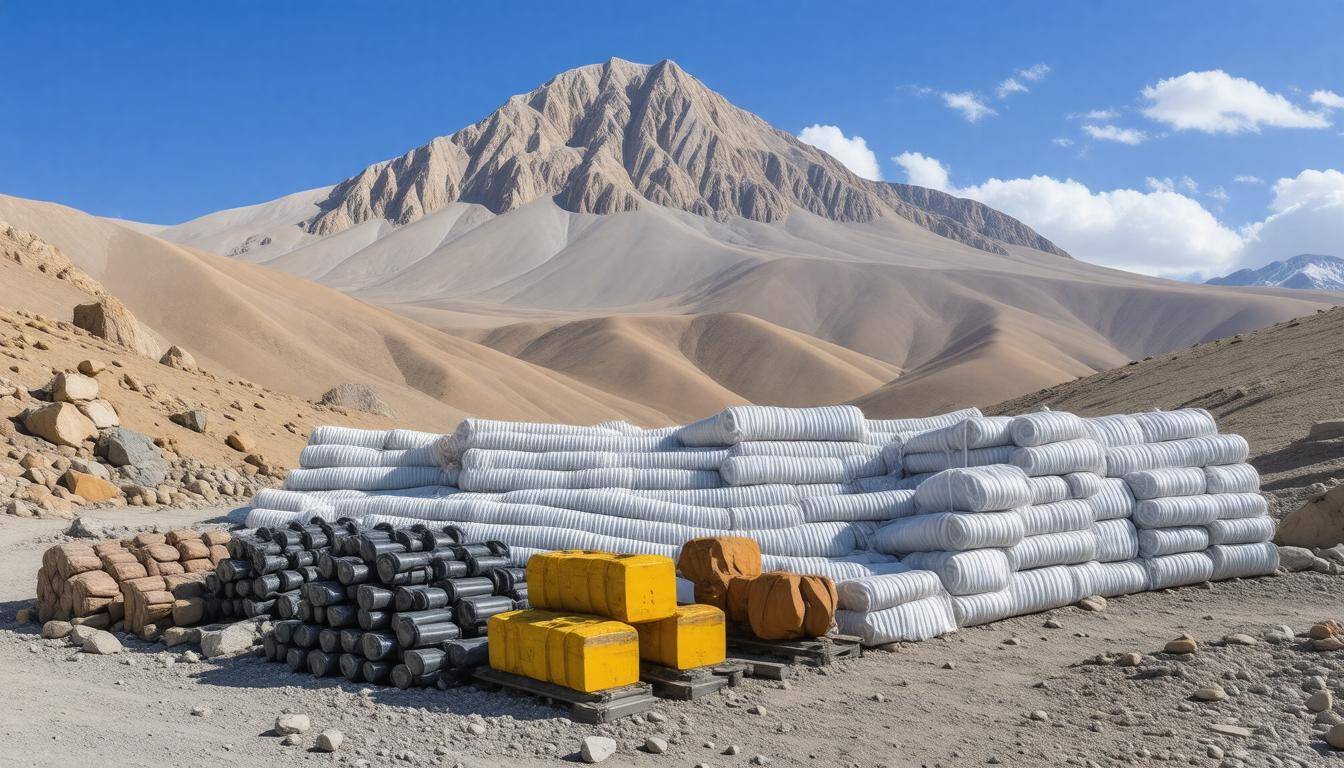
Overview of Kyrgyzstan’s Mountainous Terrain
Kyrgyzstan’s mountainous terrain is not just a backdrop; it shapes the country’s culture, lifestyle, and adventures that unfold within its expansive landscapes. The Tien Shan mountain range, which translates to “Heavenly Mountains,” stretches majestically across the nation, covering approximately 80% of its surface area. This immense topographical feature offers dramatic vistas and a unique ecosystem while presenting various challenges for anyone traversing these paths.
As you gaze upon the peaks that often reach altitudes beyond 7,000 meters, it’s easy to see why this region beckons thrill-seekers from around the globe. The famous Jengish Chokusu, known as Victory Peak, stands tall as the highest point in Kyrgyzstan. Climbers might be lured by the allure of its height, but they must also contend with the rugged, unpredictable nature of high-altitude trekking. Rapid changes in weather can quickly transform a sunny hike into a perilous snowstorm, making it essential to stay prepared.
The most notable hazards on these routes include landslides—slick spots where earth and stones come tumbling down without warning—especially after heavy rainfall or during seasonal thawing.
Living among these mountains requires a deep respect for the environment. Local residents, primarily nomadic herders, have adapted their lives to coexist with these natural elements. Their wisdom about the land and seasons is invaluable not only for survival but also for navigating routes that may otherwise seem daunting. Whether it’s steep slopes or unstable geological formations, understanding the landscape is critical for ensuring safety—a lesson learned by many seasoned adventurers in Kyrgyzstan.
When embarking on an expedition through this breathtaking yet treacherous environment, packing the right gear becomes paramount to ensure safety and enjoyment throughout your journey. The following section will explore essential equipment that can enhance your experience while addressing the risks associated with this stunning terrain.
Challenges of Landslides
Landslides pose a significant threat in Kyrgyzstan’s mountainous regions, presenting a unique set of challenges to both residents and adventurers. These events are not simply inconveniences; they can dramatically alter landscapes and disrupt lives. When heavy rain falls on steep slopes, it can lead to saturated soil conditions, resulting in the earth giving way under its own weight. This process is exacerbated by geological vulnerabilities inherent to the region, such as loose soil composition and steep inclines. Sadly, this doesn’t just make trekking treacherous; it can also lead to fatalities.
According to the Kyrgyzstan Ministry of Emergency Situations, landslides affect around 1,500 areas annually, indicating a pervasive issue that cannot be ignored. For those traversing the mountainous terrain—be it bikers or hikers—the danger looms with every incline. Understanding where these landslide-prone areas lie is essential for safe navigation, which includes being mindful of weather forecasts and the intricate relationship between climate change and increasing rainfall patterns.
It’s worth emphasizing that unexpected shifts in weather can completely transform safe trails into hazardous paths. For example, in 2017, an earthquake-triggered landslide in the Osh region profoundly impacted the community, resulting not only in major infrastructural damage but also tragic loss of life. Such incidents illustrate the sheer unpredictability of this terrain—a stark reminder that nature can quickly become perilous.
Moreover, human activities contribute significantly to the problem. Deforestation poses a critical risk, as it removes root systems that normally stabilize soil. In Kyrgyzstan, about 20% of mountainous areas face deforestation due to agricultural expansion and urban development. Consequently, without these natural stabilizers, the chances of landslides increase drastically, particularly during the spring thaw when melted snow saturates the ground.
As travelers exploring this beautiful yet dangerous landscape, awareness and preparedness are your best allies against landslides. Carrying essential gear related specifically to these hazards—like portable GPS devices for accurate navigation in remote areas—can prove invaluable. Additionally, employing a keen understanding of environmental signs while on your journey helps mitigate risks.
Recognizing the challenges posed by both nature and human activity highlights the necessity for proper gear to ensure safety during mountain adventures in Kyrgyzstan as we explore what components will best support you in staying secure out on the trails.
Essential Components of the Protection Kit
First on the list is a Portable GPS Device. In the uncharted wilderness of Kyrgyzstan, reliable navigation is key. Traditional maps can often mislead you as trails fade or become obscured by natural elements. A handheld GPS device ensures you have accurate mapping at your fingertips, displaying not only your location but also proposed routes ahead. With battery lives around 20 hours, having one on hand means you can confidently traverse even the most remote stretches without fear of losing your way.
But what if you find yourself caught unexpectedly in harsh conditions?
That’s where an Emergency Blanket comes into play. This lightweight yet crucial item provides warmth when temperatures drop unexpectedly—something that’s not uncommon in mountainous regions, particularly at high altitudes where the weather can change dramatically in a matter of minutes. These blankets are designed to retain body heat efficiently, offering a critical layer of protection while you figure out your next steps or wait for help. They fold down small enough to fit in any pack, making them easy to carry.
Accidents happen, no matter how cautious we are.
Thus, a well-stocked First Aid Kit is another non-negotiable part of your landslide protection gear. Packed with essentials like antiseptic wipes, bandages, and pain relievers, this kit equips you to address common injuries that may occur while navigating rugged terrains. It’s important to ensure it includes items relevant to mountain biking and hiking needs, such as blister plasters and elastic bandages for sprains—you’ll thank yourself later when dealing with any aches or pains that arise from your travels.
Speaking of being prepared for anything…
A Multi-tool should also be included in your protection kit. This versatile device serves multiple functions: whether you need to make quick repairs on your bike or perform simple tasks while setting up camp. Compact and lightweight, a good multi-tool usually contains various attachments including knives, screwdrivers, pliers, and more—all designed to assist when you encounter unexpected challenges in the wild.
Let’s not overlook the importance of protecting both yourself and your equipment from the elements.
A Heavy-duty Tarp can be incredibly useful when conditions turn unfavorable—like during a sudden rainstorm or strong winds. Tarps can be quickly set up as makeshift shelters or used to protect your camping gear from moisture and debris. Their durability ensures they can withstand harsh weather while providing a vital layer of security for everything around them.
Each of these items fills an essential role; together they form a solid foundation for any adventurer who aims to navigate Kyrgyzstan’s breathtaking landscapes safely.
Assembling a comprehensive protection kit tailored to the unpredictable climate and physical exigencies of mountain travel becomes indispensable for ensuring not just survival but also an enriching experience along the way.
With these essential tools at your side, advancements in safeguarding methods and equipment continue to reshape how we tackle risks in challenging terrains.
Technology in Landslide Prevention
Innovations in technology are indispensable when it comes to protecting vulnerable areas from landslides. These advanced tools help us better understand geological conditions while also enhancing our preventative measures significantly. For instance, seismic sensors are at the forefront of these innovations, helping monitor ground movements that can signal an impending landslide. They analyze vibrations in the earth and create a detailed picture of current conditions, making it easier for experts to assess risk levels.
Advanced Monitoring Systems
A prime example of this is the Landslide Monitoring System implemented in the Tien Shan region, which utilizes early warning systems equipped with seismic sensors. This system can alert locals about potential landslides within 24 hours, providing critical time for evacuation or precautionary measures. By setting up a network of sensors across susceptible regions, not only do we gain real-time data on ground shifts, but communities also benefit from timely warnings. It is like having a weather radar specifically designed for earth stability.
This proactive approach has proven invaluable in dangerous regions where lives often hang in the balance during inclement weather or geological shifts.
Moreover, remote sensing techniques using satellite and UAV (Unmanned Aerial Vehicle) technology are becoming essential. They facilitate comprehensive data collection over rugged terrains that are often too challenging to reach by foot. By employing high-resolution imaging, geologists and environmental scientists can map out areas at higher risk and plan accordingly. This allows them to conduct detailed surveys without physically placing themselves in potentially hazardous environments.
Ground-penetrating radar (GPR) offers yet another layer of sophistication in our technological arsenal against landslides. It’s particularly effective for subsurface analysis; as rain saturates soils and increases weight on slopes, that crucial information becomes more vital than ever. By scanning beneath the surface, GPR uncovers hidden voids or weaknesses within the soil structure which could precipitate a landslide.
As we embrace these technological advancements for monitoring, we can see their role extends beyond simple observation—they also enhance the effectiveness of protection gear for those journeying through mountainous terrains prone to shifts.
Equipment for Safe Travels
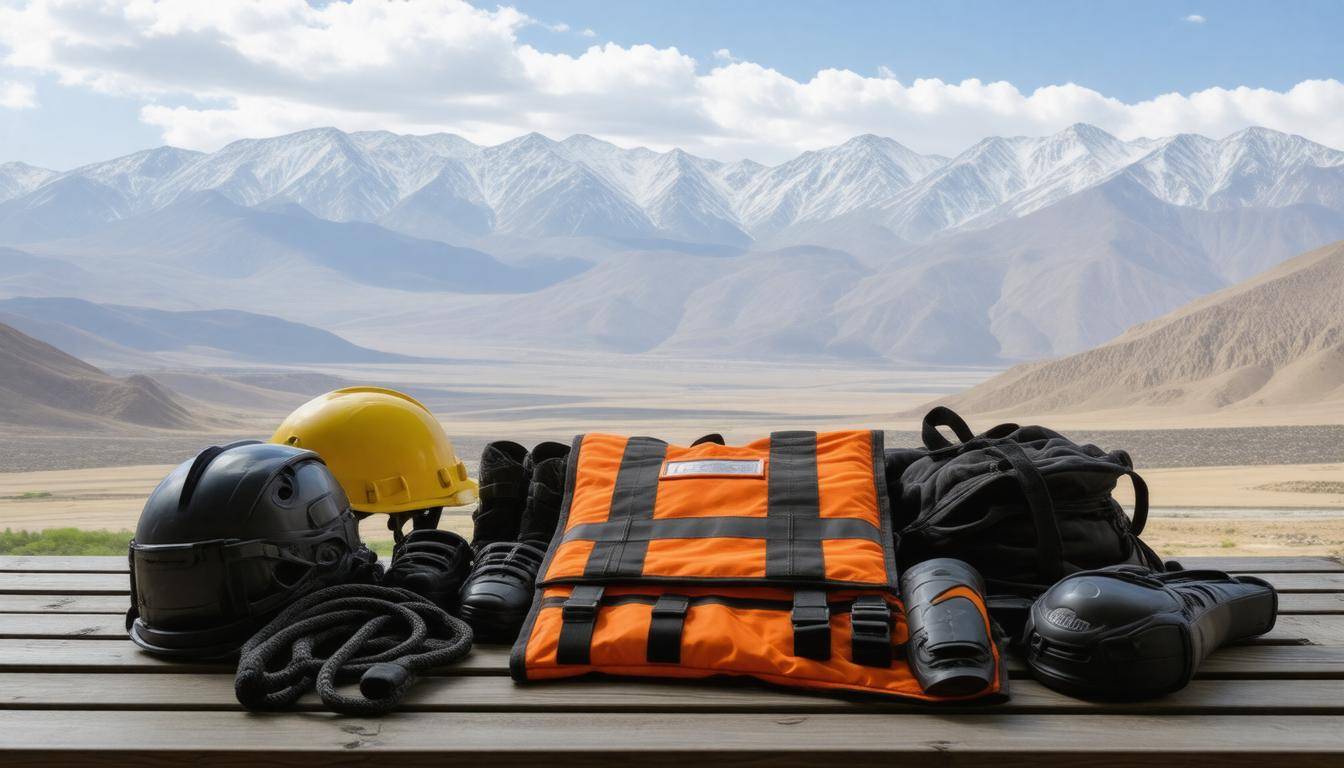
When venturing into challenging terrains like Kyrgyzstan’s mountains, having the right gear isn’t just a convenience; it’s a necessity for safety and survival. One of the most essential items in your kit is a dynamic climbing rope. With a diameter of 10-11 mm and a tensile strength of at least 22 kN, this rope can be vital for securing yourself during treacherous descents or ascending steep sections. In one instance, I found myself navigating a particularly challenging slope where my rope provided not just support but peace of mind.
Along with the climbing rope, carrying a lightweight harness can greatly augment your safety. A good harness, weighing around 300-500 grams and compliant with UIAA standards, allows you to ascend and descend safely while freeing your hands for other tasks. Pairing this with sturdy hiking boots will give you that extra grip and support required in unpredictable landscapes.
A seasoned traveler once recalled how a lightweight avalanche shovel came in handy during their journey, making it easier to dig out after encountering a minor landslide. This simple piece of gear can save precious time and provide immediate assistance should you find yourself trapped under debris.
Practical Gear
-
Portable GPS Device: Essential for navigation in remote areas devoid of cellular reception. This device offers accurate positioning information, helping you avoid wrong turns in unfamiliar territory.
-
Emergency Blanket: These lightweight blankets are more than just insulation; they help retain body heat and provide warmth in unexpected weather changes. An emergency blanket can be crucial if temperatures drop suddenly.
-
First Aid Kit: Carrying a compact first aid kit containing at least 20 essentials—like bandages, antiseptic wipes, and splints—is fundamental when accidents happen in remote locations.
Another important aspect of traveling in such rugged environments is keeping your gear protected from the elements. Waterproof bags are invaluable, shielding your electronics and essentials from rain or snow, ensuring they remain operational even halfway up a mountain pass or during sudden weather changes.
All this equipment gains significance only when approached with knowledge and caution. Familiarizing yourself with each tool’s use through training programs or learning from experienced adventurers enhances your skills as you face various challenges along the way.
With a solid understanding of your equipment and its importance, it’s time to shift gears toward honing the mental skills that will aid you as you navigate the beautiful yet dangerous environment ahead.
Training and Community Involvement
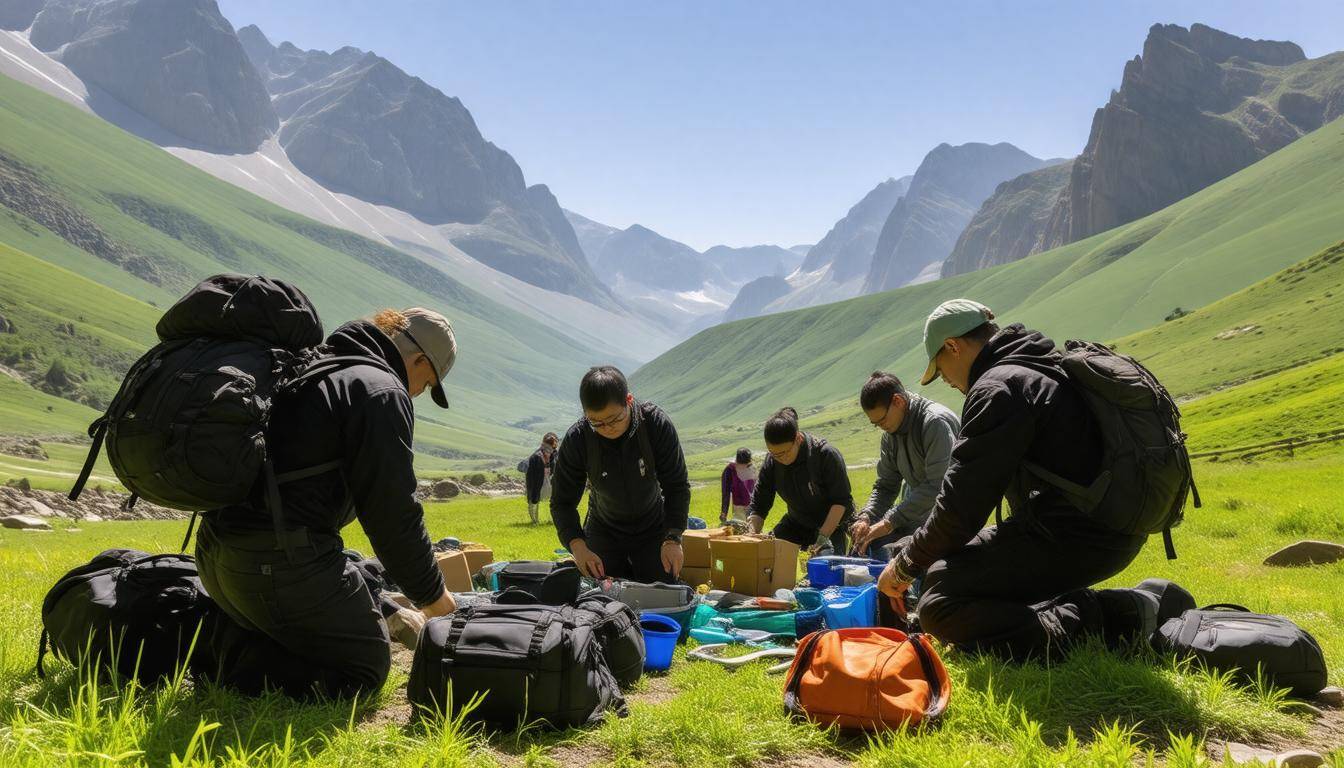
Educational programs are vital for equipping individuals and communities with the knowledge they need to navigate the challenges posed by landslides. The Kyrgyzstan Mountaineering Federation has taken significant steps in this direction, offering specialized courses that cover essential skills like terrain navigation and emergency response uniquely tailored for landslide scenarios. These classes don’t just emphasize safety but also foster a sense of confidence in participants, enabling them to tackle complex environments.
For instance, imagine a hiker out on an isolated trail when suddenly the ground begins to tremble, signaling an impending landslide. In such perilous moments, having been trained can mean the difference between life and death. A participant who once attended these courses remarked, “The training saved my life.” This personal anecdote highlights the importance of understanding the landscape and reacting appropriately during emergencies—a skill set that anyone traveling through mountainous areas should strive to possess.
Beyond formal training, community involvement plays a crucial role. Programs run by local organizations emphasize not only individual preparedness but also collective vigilance in monitoring landslide-prone areas. Engaging neighborhood volunteers, as seen with various local NGOs, nurtures a community spirit where people look out for one another’s safety. These grassroots efforts create support networks that can alert fellow travelers or village residents about emerging risks, such as unusual shifts in terrain or signs of erosion.
Additionally, these community workshops often incorporate hands-on activities where residents practice drills related to landslides.
Local residents learn how to respond effectively, ensuring that everyone knows evacuation routes and safe zones. According to reports, approximately 3,000 community members have participated in workshops across 30 villages in Kyrgyzstan’s mountainous regions. This meaningful engagement prepares locals for potential disasters and cultivates resilience against the unpredictable nature of their environment.
Surveys indicate that 70% of participants feel more equipped to handle landslide events after attending these workshops. This notable statistic emphasizes that when individuals are informed and involved, it promotes a culture of safety—one where prevention takes precedence over reaction.
As we examine these proactive educational initiatives and community collaborations, it highlights how both awareness and preparedness blend seamlessly with appropriate gear for navigating mountain terrains effectively.
Benefits of Using the Kit
One of the most significant advantages of using a landslide protection kit is increased safety. In a region where the risk of landslides can soar to 30% during the rainy season, having specialized gear at your disposal is crucial. The components of the kit, such as portable GPS devices and emergency blankets, provide immediate support during sudden weather changes or navigational challenges. For instance, if you suddenly find yourself unsure of which path to take after a rainstorm has washed away trail markers, pulling out a reliable GPS device can quickly set you back on course without the panic that could ensue.
But beyond just safety, there’s another benefit that many overlook: peace of mind.
Having a well-equipped protection kit instills a sense of peace of mind that significantly enhances your travel enjoyment. You can immerse yourself in the breathtaking landscapes and culture around you without constantly worrying about potential hazards. Imagine biking through stunning mountain passes while knowing that your emergency blanket, first aid kit, and communication devices are safely tucked away in your pack. This mental clarity allows for deeper engagement with both nature and fellow travelers, making memories that resonate long after the journey ends.
As practical as this sounds, let’s consider how using a protection kit leads to greater resource efficiency.
By carrying essential gear, you reduce your dependency on local rescue services. Travelers who are prepared with their own kits significantly lessen the strain on resources that may already be limited in remote areas. An emergency blanket can keep you warm while waiting for help, and a personal locator beacon improves response times by up to 50%. These tools enable you to manage unexpected situations effectively rather than relying solely on external help, allowing local services to focus on individuals who may not have preparatory measures in place.
Lastly, there’s an economic aspect worth exploring.
Utilizing a landslide protection kit translates into substantial economic advantages as well. Medical treatments for landslide-related injuries can easily exceed $5,000; being proactive about safety often prevents potentially devastating financial burdens. Not only does the kit protect against physical injury, but it can also save money associated with delayed rescue operations or prolonged hospital stays due to lack of preparedness.
Now that we understand the myriad benefits of equipping ourselves wisely, we can explore ongoing innovations and measures aimed at further enhancing safety in this beautiful yet treacherous landscape.
Future of Landslide Prevention in Kyrgyzstan
The future of landslide prevention in Kyrgyzstan is looking hopeful, particularly due to the innovative technologies that are emerging. Among these, drone surveillance stands out as a game-changer. Drones can survey vast terrains quickly and efficiently, capturing high-resolution images for analysis regarding signs of instability in the mountains. This capability allows experts to monitor geological changes over time, which is invaluable for predicting potential landslide scenarios.
The use of drones expedites data collection and enhances accuracy, helping authorities respond promptly to any threats.
AI-powered predictive models are another front-line technology making significant strides in landslide prevention. These sophisticated systems analyze historical data along with real-time inputs, such as weather patterns and soil moisture levels, to forecast landslide events with remarkable precision. Experts believe advancements in this field could lead to a predicted 80% improvement in prediction accuracy over the next decade. This means that mountaineers and travelers can engage with Kyrgyzstan’s breathtaking landscapes with greater peace of mind.
Alongside these technological innovations, awareness campaigns are vital. The introduction of initiatives like “Safe Travels Kyrgyzstan” plays a critical role in educating both locals and tourists about preparedness against natural disasters, including landslides.
In parallel with technological progression, local authorities are strengthening collaborations through workshops aimed at enhancing disaster preparedness among travelers. These workshops teach essential survival skills and equip participants with knowledge on how to react during emergencies. It is these community-driven efforts that complement technological innovations, creating a well-rounded approach to safety in mountainous areas.
Ultimately, all these efforts aim to ensure that visitors experience the wonders of Kyrgyzstan’s mountains safely, enabling them to enjoy stunning views and return home soundly after their adventures.
Moreover, keeping updated on current weather conditions is pivotal for safety. Travelers should utilize reliable weather apps that provide alerts about sudden changes increasing the risk of landslides. By combining technology with essential preparatory measures, the hope is that fewer accidents occur during peak seasons when risks skyrocket due to snowfall or rain.
Moving forward, it’s clear that the collective impact of emerging technologies and increased awareness will help fortify Kyrgyzstan against natural hazards posed by its majestic mountain terrains. As innovative solutions continue to develop, they promise not only greater safety for travelers but also an enriched understanding of the natural environment they seek to explore.