
When life takes you to a lake house, it’s easy to let the peaceful surroundings lull you into a false sense of security. However, emergencies can strike without warning, and being unprepared can lead to chaos when time is of the essence. That’s why having a solid emergency plan tailored specifically to your lake house is crucial. Imagine a sudden storm rolling in as you relax by the water—without a well-thought-out plan, what seems like a serene escape could quickly turn into a scramble for safety. In this guide, we’ll walk you through essential tips and resources designed to keep you and your loved ones safe while still enjoying that lovely lakeside retreat. Your preparation today can make all the difference tomorrow!
The Complete Guide to Lake House Emergency Planning includes essential information on creating emergency plans, such as evacuation procedures, communication strategies, and safety equipment checklists tailored to the unique risks associated with lake houses. Additionally, it covers disaster preparedness for weather events, fire safety protocols, and tips for maintaining family safety while enjoying the serene environment of a lake house.

Creating a Lake House Emergency Plan
A well-crafted emergency plan is essential, especially in an environment like a lake house where unique risks can arise at any moment. The first step is to identify the risks specific to your location. Understanding your surroundings allows you to prepare effectively and instills confidence in knowing what to expect. For example, if your lake house is situated near dense forests or grasslands, wildfires could be a serious concern during dry seasons. Similarly, heavy rainfall can lead to flooding, particularly if your property is near the water’s edge. By taking stock of these potential threats, you lay the groundwork for a targeted and practical safety plan.
Once you’ve assessed the risks, it’s time to outline responsibilities among family members. This collaborative approach ensures that everyone understands their roles during emergencies, which can significantly streamline responses. Assign duties based on each person’s strengths; for instance, designate someone familiar with outdoor safety to manage wildfires while another person focuses on gathering important documents during a sudden evacuation. Clear communication before crises arise decreases hysteria during stressful moments, fostering teamwork so that each member knows exactly what to do.
As you delineate tasks, you’ll want to compile crucial information that everyone will need access to in emergencies. This brings us to the next step: gathering essential information. Create a comprehensive list of emergency contacts that includes local emergency services like police and fire departments, as well as nearby friends or relatives who could assist in times of need. Don’t forget utility companies—knowing whom to call when there’s an outage can save valuable time. Make this list readily accessible, both printed out and saved on multiple devices—like a backup plan for your backup plan!
While having roles and contacts is vital, knowledge is power too; it’s imperative to educate everyone on your plan and practice it regularly. Schedule drills that mimic realistic scenarios—think fire drills tailored for your specific risks. Rotate roles within these exercises so everyone gets familiarized not just with their assigned tasks but with other critical functions as well. This way, if someone is absent during a real crisis, others can seamlessly fill in without missing a beat. Repetitive practice helps solidify procedures in everyone’s memory so actions become instinctual when adrenaline kicks in.
Lastly, reviewing this emergency plan isn’t a one-time ordeal—adaptability is key. As your family dynamics change or new risks emerge, revisit and modify the plan accordingly. After all, safety isn’t just about preparation; it’s about making sure those preparations remain relevant and effective over time. A flexible emergency plan ensures readiness for whatever challenges may arise at your tranquil lakeside retreat.
This proactive approach toward planning serves as a solid foundation as we explore specific threats and evaluate how best to mitigate them effectively.
Assessing Potential Hazards
Assessing the potential hazards unique to your lake house will enable a more focused and effective emergency plan. It’s about enhancing your awareness of what could happen around you. According to FEMA, being aware of local hazards reduces the risk of injury by up to 50%. This statistic highlights the importance of proactive hazard assessments.
Natural Elements
-
Terrain: The lay of the land can have a profound impact on how you navigate emergencies. Rocky or uneven terrain can significantly influence evacuation routes, especially in a panic. Consider how these paths will hold up during an emergency; a simple walk can become treacherous if you’re not prepared.
-
Water Levels: Living near water means being vigilant about fluctuations in levels, which can affect house stability and access routes. For instance, if the lake rises dramatically after heavy rain, it may impact your driveway or support important structures like docks.
-
Vegetation: Dense vegetation offers both benefits and risks—it provides cover but can also fuel wildfires, particularly during dry spells. Knowing the types of vegetation surrounding your home is vital. Regularly clearing away dry leaves and underbrush might seem tedious but could ultimately save your property from unforeseen threats.
Identifying these natural elements will guide the rest of your planning.
Weather Patterns
Next on your checklist should be studying historical weather data for your lake house area through resources like the National Weather Service. Understanding weather patterns gives invaluable insight into what sort of events you might expect throughout the year.
Are thunderstorms common in late summer? Do heavy snowfalls frequently occur during winter months? Knowing these details allows you to tailor your emergency procedures.
For example, if you live in an area where tornadoes are common, having a designated storm shelter becomes paramount—simply stringing together blankets won’t suffice. Moreover, understanding temperature drops can inform decisions about plumbing protections to prevent frozen pipes.
Preparing for emergencies not only secures your lake house but also fosters peace of mind among family and friends who use it as a vacation haven. As we continue, we will explore actionable steps that can further solidify your readiness for any situation.
Developing Emergency Procedures
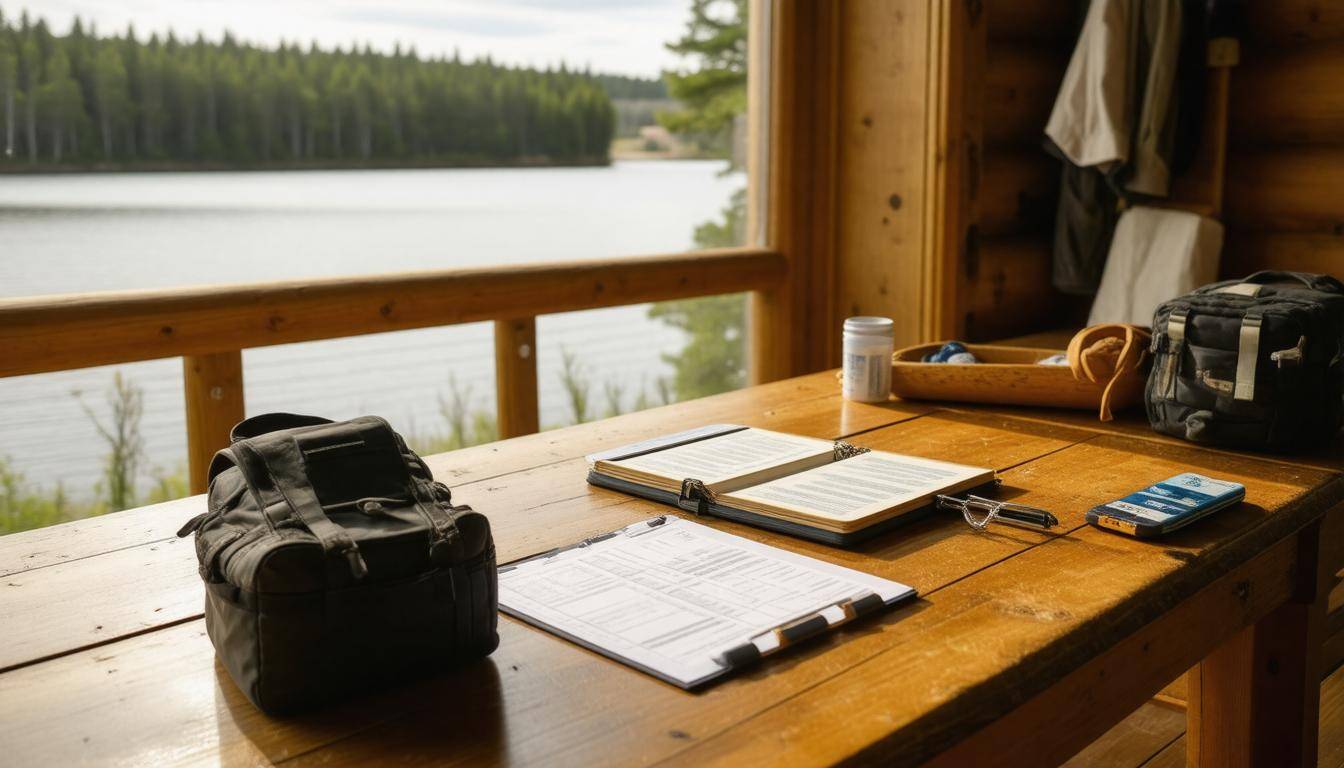
Effective emergency procedures truly serve as the backbone of your overall emergency plan. They are crucial in ensuring that you and your loved ones can respond swiftly and safely to various unexpected scenarios. Each procedure should be clearly outlined to provide a sense of direction in chaotic situations. For instance, knowing exactly what steps to take during a fire or flood can make all the difference.
Step-by-Step Guide
To begin, consider creating a thorough and detailed step-by-step guide tailored to the potential crises you might face at your lake house. Clarity is key here; each member of your household should be able to understand and follow these steps without hesitation. Start by writing down actions that need to take place for specific emergencies. Make sure these guidelines are posted in an obvious location, such as on the refrigerator or near the exits.
Remember, having this information written down not only helps adults but also empowers children, making them feel secure and included in the response plan.
Procedure for Fire
When it comes to a fire, the first steps are critical. Notify all occupants immediately. A simple but effective way to do this could be a loud shout or a quick series of knocks on doors if necessary. If it is safe to do so, use fire extinguishers available nearby to tackle small fires before they escalate—just ensure you know how they work beforehand. Evacuate promptly through pre-planned routes and always ensure that you call 911 once you’re outside and safe.
Planning ahead will also involve practicing these evacuation routes with everyone in your family twice a year. Familiarity will build confidence when seconds matter most.
While fires pose a significant threat, flooding is another critical scenario you cannot overlook.
Procedure for Flooding
During a flooding emergency, swift action can save not only property but also lives. The first step is to move essential items like important documents and electronics to higher ground—preferably two floors up if possible. If authorities advise you to turn off utilities, do so quickly but carefully. Evacuation through designated routes is paramount; always avoid walking or driving through floodwaters since currents can be deceptively strong.
Having a checklist prepared can ease tension during these moments: noting down tasks like securing pets, gathering medication, and ensuring everyone has essential supplies can make all the difference in keeping your family organized and calm amidst chaos.
Not printing out these procedures; instead, storing a digital copy accessible via smartphones ensures that you have the information at hand even when panic sets in.
This proactive approach helps transfer knowledge and responsibility across all ages within your home—it will help everyone feel better prepared when facing adversity together.
With these strategies in place, it’s time to focus on bolstering your readiness against unpredictable environmental challenges that may arise.
Preparation for Natural Disasters

Preparedness means taking proactive steps to ensure you’re ready for whatever nature throws your way. When living near water bodies or in areas prone to natural disasters, careful planning can mean the difference between safety and catastrophe. Every season brings unique threats, and it’s wise to tailor your preparedness plans accordingly. For instance, regularly updating your emergency contacts list to include nearby hospitals and fire departments is a small yet essential step.
Earthquakes
Earthquakes can strike without warning, turning an ordinary day into a life-threatening situation. To bolster your defenses, secure heavy furniture like bookshelves and cabinets to walls. This simple act can prevent them from toppling during tremors and causing injury or damage.
Establishing a safe spot under sturdy tables or desks offers immediate refuge when shaking begins. Additionally, prepare an earthquake kit stocked with essential supplies such as water, non-perishable food, first aid items, batteries, and flashlights. More than just convenience, this quick access can provide comfort amid chaos.
Wildfires
If you live in an area susceptible to wildfires, creating a defensible space around your home can be one of the most effective preventive measures. Start by clearing flammable vegetation within a certain distance from your home. It’s not just about cutting grass; consider removing dead leaves, branches, and other debris that could catch fire easily. Store fire-resistant building materials for any renovation projects so that future changes support wildfire resistance.
Plan multiple evacuation routes since roads may be blocked by flames or smoke, ensuring you have options when disaster strikes.
“In 2023, 2,500 homes in California were saved thanks to pre-emptive defensible space measures,” says Cal Fire.
Each disaster scenario presents unique challenges that require thoughtful planning. Linking each aspect of your preparation—be it supplies, evacuation routes, or securing your property—creates a comprehensive readiness strategy. Regularly reviewing these plans will build confidence in your household’s ability to respond effectively during emergencies.
As we consider how to enhance our safety measures against these natural threats, it’s equally imperative to prepare specifically for the unpredictable elements of storms and floods.
Prepping for Storms and Floods
When it comes to storms, timing is everything. Securing outdoor items is essential; think about patio furniture, planters, and anything that could become a projectile in high winds. Personally, I’ve learned that even the smallest items can turn hazardous when the weather goes wild. It’s wise to bring these things indoors or secure them tightly if they must stay outside.
In addition to securing items, installing storm shutters provides an extra layer of protection to your windows, safeguarding against shattering caused by flying debris.
But there’s more than just fortifying your home against winds; flooding remains a significant threat with its own specific preparations.
Flood Preparation
To adequately prepare for potential flooding—especially if you live near water sources or in flood-prone areas—you should elevate electrical appliances and critical systems above expected flood levels. This simple step can save you from costly repairs and dangerous electrical hazards. An experience I’ll never forget involves a friend whose basement flooded during a storm, damaging all their systems simply because they weren’t moved to higher ground.
Furthermore, having sandbags on hand is invaluable; their primary purpose is to prevent water from entering your home. It may sound straightforward, but strategically placing sandbags around entry points can make a huge difference during flash floods. I remember filling and stacking sandbags one year before a hefty storm, which ended up protecting our garage from water damage.
Then there are sump pumps—consider this essential equipment as part of your flood response arsenal. They work by removing accumulated water from your space before it becomes an issue. Ensure that your sump pump has a battery backup; during heavy rains, power outages are common, and the last thing you want is water piling up while the electricity goes out.
| Essential Flood Prep | Description |
|---|---|
| Sandbags | Create barriers to prevent water from entering |
| Sump Pumps | Automatically remove accumulated water from basements |
| Elevation | Keep appliances and important systems safe from rising water |
Finally, always stay informed—weather alerts have never been easier thanks to smartphone technology that delivers instant notifications for impending storms or floods. Knowing when danger approaches could be crucial for ensuring safety for you and your family as storms approach your lake house.
As we navigate these preparations, it’s also vital to consider what supplies and resources you’ll need on hand when an emergency strikes.
Building a Survival Kit
A well-prepared survival kit will provide essential supplies that enable your family to sustain itself during various emergencies. Such a kit acts as both a safety net and peace of mind. The goal is to have everything you need at hand, allowing you to focus on what truly matters: keeping your family safe and secure. Imagine the panic during a storm when you search for essentials; it’s an unsettling situation that can be avoided with a bit of foresight.
Essentials
-
Water: Aim for at least one gallon per person per day for three days. Proper hydration is indispensable during emergencies, as access to fresh water may be limited or cut off entirely.
-
Non-perishable Food: A three-day supply can include items like canned goods, dried fruits, or nut bars—anything that doesn’t require refrigeration and is easy to prepare or eat right out of the package.
-
First Aid Kit: Your kit should contain essential medications, adhesive bandages, antiseptic wipes, and other supplies necessary for treating minor injuries. Customize it according to any specific medical needs within your family!
-
Tools: This includes a reliable multi-tool like the Leatherman Wave Plus, which combines various vital functions, along with a solid flashlight such as the ThruNite Archer 2A V3, plus extra batteries to ensure you are never left in the dark.
-
Personal Items: Important documents like identification and insurance papers, along with hygiene products such as hand sanitizer and wet wipes, should not be overlooked.
“A comprehensive survival kit can be the difference between life and death in an emergency,” says the Red Cross.
Beyond these essentials, consider additional supplies tailored to your family’s needs. If you have young children, pack their favorite snacks or comfort items to ease anxiety during stressful situations. Items like warm blankets—an Arcturus Military Wool Blanket provides warmth even when wet—or reliable adhesive tapes such as Gorilla Waterproof Patch & Seal Tape for quick repairs can also be beneficial.
Next, don’t underestimate the power of having proper lighting and backup power sources in your survival kit. During extended emergencies where electricity may fail or light sources dwindle, being equipped with tools like an Anker 737 Power Bank ensures that you can keep vital devices powered up when every moment counts.
Evacuation and Safety Measures
Your plan for evacuating the lake house should be straightforward and practiced often. This isn’t just about knowing how to exit; it’s about having a well-structured approach that everyone in your group is familiar with. Imagine waking up in the middle of the night to the sound of an alarm—everyone needs to know exactly what to do without hesitation. That clarity can come from regular rehearsals, ensuring that every person involved understands their role and the paths they should take.
Evacuation Routes
Planning multiple evacuation routes is not just wise; it’s essential. Consider different scenarios: a wildfire might require you to move quickly downhill, while flooding could necessitate heading uphill. Picture this: while driving towards the nearest safe location, you realize a roadblock prevents access to your usual route. That’s why having alternative paths plotted out ensures that even if one road becomes inaccessible, you have others prepared.
Make sure these routes are well-marked. It might help to create signage or use a quick reference map that identifies key landmarks along each route.
Accessibility is also paramount. You don’t want vegetation overtaking the trail or debris littering pathways meant for escape. A thorough inspection before trouble strikes can ensure all routes remain clear and easy to navigate, especially in an emergency scenario where stress can cloud judgment.
Safety Measures
Installing safety equipment in the lake house elevates its potential to protect both lives and property. Smoke detectors, carbon monoxide alarms, and fire extinguishers aren’t simply “nice-to-haves”; they are crucial safety measures. Regularly check these devices to ensure they’re functioning correctly. Replace batteries at least once a year or during daylight-saving time—this will keep them fresh and effective when you need them most.
Furthermore, conducting emergency drills can significantly enhance your readiness. Organize practice sessions so everyone understands how to respond if an alarm goes off or if conditions become dangerous. Whether it’s imagining together as a group about escaping through predetermined routes or simulating situations where important items like emergency contact lists are gathered promptly can bolster confidence among participants.
Nurturing this culture of safety awareness through regular practices and preventive measures promotes community resilience; next, we explore strategies for effective communication during emergencies to ensure everyone stays informed and connected.
Implementing Communication Strategies
Making sure everyone in your household knows how to communicate during emergencies is essential. Effective communication allows for better coordination and helps maintain calm in high-stress situations. One of the first steps in your strategy involves identifying primary means of communication. It’s advisable to have a blend of tools at your disposal. While traditional landlines, cell phones, and social media are invaluable for reaching out to loved ones or emergency responders, think beyond those options as well. If you live in an area prone to natural disasters, where signals can be compromised, consider adding walkie-talkies to your toolbox. They can serve as a reliable option when mobile networks fail, bridging the gap when every second counts.
Primary Means of Communication
Never underestimate the power of a message; it can be the lifeline that keeps everyone connected. Establish a system that utilizes different forms of communication based on their effectiveness. For instance, while text messages might take time to get through during heavy traffic periods on mobile networks, a social media post can quickly relay information to multiple people simultaneously. Organize your plans by prioritizing these methods and educate all family members on how to use them effectively.
It’s helpful to practice using these communication methods together as a family. Simulate various scenarios—what happens if there’s a storm? Or an earthquake? How will you check-in with each other? Practice cultivates familiarity, which can make all the difference when real emergencies strike.
Establishing a Meeting Point
Just as important as how you communicate is where you will go if you’re separated. Choosing a safe meeting point significantly eases stress during emergencies and allows for efficient regrouping. Look for landmarks in your vicinity that can serve this purpose—a nearby park, school, or community center works well. Discuss these choices openly among family members so everyone feels included and is aware of the plan.
Remember: discussing these plans ahead of time helps reduce confusion when chaos reigns.
“Clear communication saved our lives during the hurricane,” shares Jane Doe, a survivor from Florida. Her testimony underscores the necessity of solid communication strategies—not just what tools to use but deeply understanding how they foster connection and safety in chaotic moments.
Implementing effective communication strategies prepares your household for emergency situations and instills confidence and reassurance among all family members. Clear channels established and safe meeting points defined will enable you to face unexpected events with greater resolve and unity.
As we explore how to further strengthen your preparedness efforts, let’s shift our focus to the continuous evaluation and enhancement of your plan.
Ongoing Review and Update of Your Plan
Emergency plans should not be static documents gathering dust—they should be living, breathing tools that adapt to the ever-changing landscape around your home and family. To achieve this, it’s essential to schedule regular reviews, ideally twice a year. By setting these dates in advance, you create a routine emphasizing the importance of preparedness. During these reviews, take time to evaluate every aspect of your plan, from emergency contacts to evacuation routes.
Regular Reviews
When you sit down for these biannual reviews, make sure that every detail is scrutinized for relevance. Are your emergency contacts still up-to-date? Have there been any new family members or pets that need to be included? This dedicated time also allows you to practice evacuation drills, which can be invaluable when an actual emergency arises.
Keeping routines fresh can greatly enhance muscle memory. Picture a family gathered together in their cozy lake house, running through their escape routes while discussing responsibilities during a drill. This preparation instills confidence and teamwork—a crucial element when situations become chaotic.
Adaptation to New Hazards
As you conduct these reviews, keep an eye out for emerging risks or hazards that could affect the safety of your lake house. For instance, if climate change has brought about unpredictable weather patterns—like increased storms or flooding—adjust your emergency plan accordingly by identifying alternative shelter locations or updating evacuation routes.
A perfect illustration of this is the Smith family, who, after a particularly severe storm in 2024, decided to reassess their emergency plan. During their review, they discovered outdated contact information for local authorities and nearby shelters. Once they rectified this oversight and updated their plan, they felt an overwhelming sense of readiness and reassurance regarding future storms.
Therefore, don’t wait until disaster strikes; continuously assess your emergency plan and refine it as necessary. Resources such as online tools and local workshops can help guide you in making those updates more effectively. Remember that a well-prepared family is far more likely to stay safe when unexpected challenges arise at the lake house.
In summary, maintaining an updated emergency plan is crucial for ensuring the safety and security of your family at the lake house. Taking proactive steps today prepares you for whatever tomorrow may hold.