
Landslides can happen quickly and without much warning, which makes understanding their early signs crucial for anyone living near hills or steep slopes. Imagine how unsettling it would be to see the ground you walk on start to crack or hear strange sounds that hint at something serious lurking beneath the surface. Through careful observation and awareness of your surroundings, you can spot these warning signs before they lead to disaster. In this article, we’ll discuss what to look for, from unusual cracks to changes in drainage patterns, so you can stay informed and prepared in case nature decides to shake things up a bit.
The key early warning signs of a landslide include new cracks in walls or pavement, changes in storm-water drainage patterns, bulging soil at the base of slopes, and unusual sounds such as rumbling or cracking. Recognizing these indicators can help individuals take necessary precautions to prevent potential disaster.
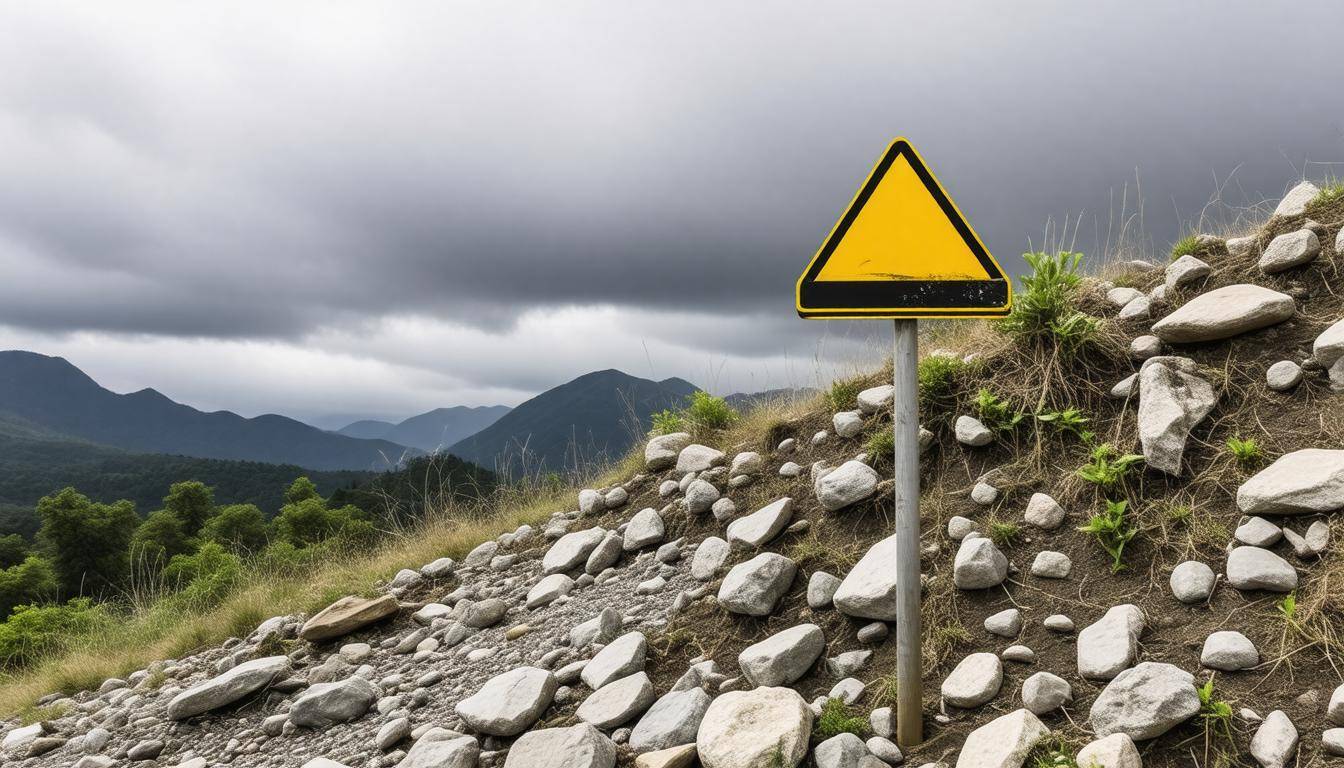
Recognizing Landslide Warning Signs
Keeping an eye on your environment can be the first step in preventing a disaster caused by landslides. One of the most common warning signs to look out for are new cracks in the ground. These cracks can appear suddenly and indicate that the soil is shifting beneath you. If you notice cracks wider than an inch, it may signal instability in the slope that’s worth monitoring more closely.
Beyond surface-level cracks, pay attention to trees as well. Leaning trees, particularly those that have shifted more than fifteen degrees from perfectly vertical, could suggest that the ground is moving beneath them. A tree’s roots provide vital support, and if they’re being compromised, it could lead to their toppling over; this is especially dangerous during severe weather.
However, visual cues are not the only signals to heed; sometimes sounds can offer valuable warnings.
Sound Indicators
Sounds associated with landslides can act as harbingers of disaster. A faint rumbling noise or cracking sounds similar to twigs snapping underfoot can mean that the earth is shifting in ways we can’t see yet. Such auditory evidence should not be taken lightly—those noises might precede a larger movement of soil and debris.
Similarly, changes in storm-water drainage patterns should raise alarms as well. If water is pooling in places where it previously drained freely—or worse, if it suddenly appears where there was none before—it’s crucial to assess your surroundings carefully. These changes hint at instability in the soil structure since excess water accumulation can weaken ground conditions significantly.
To stay proactive and prepared, implementing regular self-monitoring can transform you from a passive observer into a vigilant guardian of your property.
Self-Monitoring Tips
Regular inspections of your property, especially after heavy rainfall, are invaluable. Take time to walk around and note any differences in your landscape. Consider practicing a simple yet effective strategy: during dry seasons, take photographs of critical areas around your home—like slopes and tree bases—and compare them post-rainfall. Those before-and-after photos might reveal subtle shifts that could otherwise go unnoticed until it’s too late.
Remember: recognizing these warning signs isn’t just about being alert; it’s about acting on what you observe. In doing so, you ensure not only your own safety but also the safety of those around you. Taking these potential hazards seriously could help avert disaster when Mother Nature decides to unleash her fury.
As we continue our exploration of this intricate subject, let’s explore what other early indicators might signal changing conditions on slopes.
Early Indicators of Slope Movement
Slope movement can be subtle, but it’s crucial to watch for small signals that might indicate larger issues. One of the first things to observe is subtle shifts in your surroundings. These are often not dramatic changes but can point to underlying instability.
Subtle Shifts
- Minor cracks in driveways or sidewalks are common and may seem insignificant, yet they can hint at shifting earth beneath them.
- Slight changes in elevation along roads, such as uneven pavement or dips, should raise your suspicions.
- Fences or walls tipping over may appear innocuous, but they might signal a slowing shift within the soil that supports them.
These seemingly minor signs shouldn’t be ignored. For example, in 2023, a community in Southern California noticed early shifts in their fences. They banded together to alert local authorities right away. A look at those tilted fences led officials to discover a developing landslide zone lurking just behind the neighborhood.
This situation highlights how collective vigilance can play a pivotal role in safety. By keeping an eye on those subtle indicators and communicating concerns promptly, you prevent potential disasters from escalating.
Understanding these early signs sets the foundation to recognize more significant changes occurring in the environment. Next, we’ll examine how alterations in plant life can signal instability or impending hazards.
Changes in Vegetation and Trees
Vegetation is more than mere greenery; it has a story to tell about the ground beneath it. When trees and plants begin to exhibit unusual behavior, such as wilting leaves or shifting positions in the soil, these could be indicators of impending instability. A study by the U.S. Geological Survey (USGS) shows that 80% of landslides are preceded by noticeable changes in vegetation health, including wilting or dying trees. This can manifest as brown leaves or reduced foliage, signaling severe underlying issues.
Observing Tree Movements
Keep an eye out for what I like to call “tree whispers.” If you notice trees tilting at an angle greater than 15 degrees from vertical, this is more than just poor growth; it’s often a sign of soil movement and instability. Groups of trees leaning together can denote that the earth beneath them is shifting—a kind of silent scream for help from your local flora. Many residents living near landslide-prone areas have reported seeing their once upright trees start leaning as early warning signs before significant ground movement occurs.
They say trees talk; sometimes they’re just louder during storms.
Vegetation Displacement
Let me share a little tale from Oregon that illustrates how easily we might overlook these signs. A family had recently planted delightful shrubs and flowers in their garden. After months of relentless rain, they noticed their plants shifting positions. Initially, they brushed it off, thinking it was due to poor planting technique or maybe “overzealous squirrels.” However, those seemingly innocent shifts were actually precursors to a slow-moving landslide—an alarming sign of the earth deciding it no longer wanted to hold those beautiful blooms in place.
The key takeaway here is to remain vigilant. If you see unusual patterns in your garden or around your home—whether it’s trees starting to lean toward each other or plants slowly creeping down a slope—make sure to investigate further. Don’t dismiss these signs as trivial; consider consulting local experts who can evaluate the situation and offer insights on any necessary actions.
Being attuned to your surroundings—especially what nature is showing you—can make all the difference when it comes to early detection of potential hazards. With this understanding, let’s explore methods that provide essential insights into monitoring changes in ground conditions.
Ground and Surface Monitoring Techniques
Understanding the techniques used to monitor ground and surface movement is key in identifying potential landslide risks. Simple methods can provide homeowners with valuable insights into soil stability, while professional approaches are often vital for ensuring accurate risk assessments. Engaging in a dual approach of DIY monitoring alongside expert insights can lead to both immediate awareness and long-term safety for those living in landslide-prone areas.
DIY Monitoring
For the homeowner wanting to keep an eye on the land, some straightforward methods can easily be implemented. One such method involves using wooden stakes placed into the ground at various angles and distances from potential problem areas. These stakes serve as reference points. As soil or rock shifts over time, any movement of these stakes will reveal critical information about changes happening beneath the surface.
Documenting these movements regularly—whether weekly or monthly—can provide important data indicating whether changes are becoming more severe.
A little preparation today will give you peace of mind tomorrow.
While monitoring stakes are useful, one should also look out for visual cues around the property, like cracks forming in pavement or walls, which can signal shifting ground. It’s essential to maintain routine check-ins on these signs; adopting this rhythm not only trains your eye to spot small changes but also provides a clearer picture over time.
Despite the value of DIY monitoring, professional techniques deliver a level of precision that can be crucial when serious risks are present.
Professional Techniques
Engaging geotechnical experts can elevate your monitoring strategy significantly. These professionals have access to advanced technologies designed specifically for measuring subsurface movement and detecting even the slightest alterations in topography. Inclinometers, for example, are tools that measure the degree of tilt or lateral movement within the soil. This allows specialists to track shifts in land stability far more accurately than simple visual inspections ever could.
Additionally, laser scanning technology has made leaps forward in recent years, enabling precise elevation readings across vast areas with minimal manual labor. Consulting with experts who utilize these tools can offer not just peace of mind but early warning signs of potential dangers before they escalate into crises.
Understanding and employing both DIY monitoring methods and sophisticated professional strategies creates a comprehensive safety net against landslide risks.
By integrating frequent observations with expert insights, individuals living in vulnerable areas position themselves to better navigate potential challenges posed by geological threats ahead.
Technology for Early Detection
Advances in technology have transformed how we monitor and respond to the dangers of landslides, making early detection more feasible and effective. One groundbreaking method is drone-supported ground radar technology, which provides a bird’s-eye view of landscapes that can be vulnerable to landslides. By using this innovative approach, we can monitor vast areas quickly and efficiently, gathering critical data that helps us understand the terrain’s shifting dynamics. Equipped with artificial intelligence algorithms, these systems analyze patterns in the data, identifying abnormalities that could herald a landslide.
Remote Sensing
Satellite images provide valuable insights into ground movements but often come with hefty price tags. In many cases, they require specialized software and expertise to interpret the data effectively. However, for those who can invest, the benefits are significant—these images can reveal subtle changes over time, allowing for highly accurate monitoring of land stability.
While satellite technology offers high-resolution imagery, it may not always capture the immediate details necessary for assessing current conditions on-site. That’s where drones come into play. They offer a cost-effective alternative by providing real-time visuals without requiring extensive infrastructure investments. Drones can swiftly fly over areas prone to landslides, capturing detailed images and data while also offering flexibility in deployment. For instance, local authorities can mobilize drones during rainy seasons or right after seismic activity when there’s an increased risk of landslides.
Early Warning Systems
Another compelling development is the use of early warning systems like ShakeAlert, originally designed for earthquakes but now adapted to monitor slope stability. These systems employ numerous sensors to detect early ground movement, relaying vital alerts through mobile applications to local communities. Imagine receiving a notification that warns you of a potential landslide before it happens; such technology gives people critical time to evacuate or take protective measures.
Moreover, the integration of advanced monitoring technologies doesn’t just inform decisions—it transforms community safety standards as a whole. With improved alerts and continuous monitoring capabilities at their disposal, local governments can plan safer infrastructures and educate residents on minimizing risks associated with landslides.
Identifying Unstable Areas
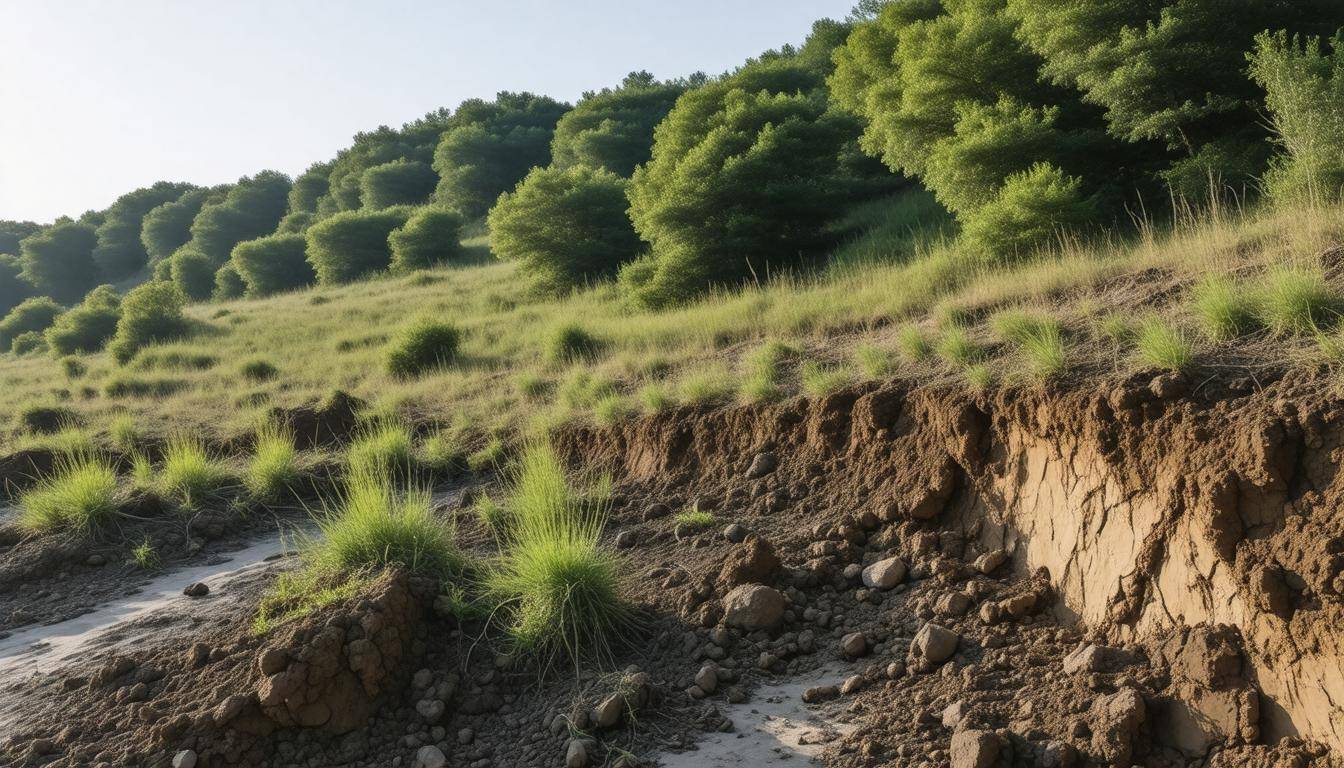
Knowing how to detect signs of unstable areas is essential for protecting properties and lives. A challenging aspect of this is that warning signs can be subtle, often requiring a careful eye or specialized knowledge. One of the simplest yet most effective ways to assess stability is through soil tests. By analyzing soil composition, you can better understand the ground beneath you.
Soil Tests
Conducting soil tests is vital because the type of soil largely dictates its resilience against landslides. For instance, soil rich in clay retains moisture and becomes heavy when saturated, making it highly susceptible to movement on slopes. Conversely, sandy or rocky soils facilitate drainage and are generally more stable. If someone suspects their land has less than ideal soil conditions, seeking professional geotechnical analysis can provide deep insights. This might seem like an extra step, but it’s worth considering when your family’s safety and property value are at stake.
Beyond soil quality, historical data also plays a pivotal role in assessing land stability.
Historical Data
Referring to local geological surveys and historical landslide records offers additional context to evaluate risk. Some regions are notorious for landslides based on their terrain and climate; knowing if a particular area has experienced landslides in the past provides a clear indicator of future potential. For example, if you’ve found homes built on slopes in Utuado that experienced significant landslide activity after Hurricane Maria, you’ll be able to gauge their vulnerability effectively just by referencing those records.
Moreover, local resources such as university research departments or state geological institutes often maintain these vital records. Utilizing them can provide invaluable insights into your property’s risk profile while guiding building or land use plans tailored appropriately to prevent future issues.
With persistent diligence and an understanding of both soil tests and historical data, you create a more secure environment for yourself and others using the same land. Recognizing these elements not only enhances your own safety but also contributes positively to community well-being.
As we transition from identifying risks to taking proactive measures, it’s important to outline specific actions that can enhance safety and preparedness in the face of potential hazards.
Steps to Ensure Safety
A proactive approach can save lives and properties in areas prone to landslides. Being prepared requires taking immediate actions that align with safety protocols and implementing long-term precautions. When danger looms on the horizon, the instinct is often to act quickly—this is essential when it comes to landslides.
Immediate Actions
If you suspect that a landslide threat is imminent, your first order of business is to move to higher ground immediately. Your safety outweighs your belongings—evacuate swiftly. Avoid river valleys and low-lying areas where mudslides are more likely to occur; these regions become funnels for debris during heavy rainfall, so they should be treated as danger zones.
In moments when panic might set in, remember: clear thinking is your greatest ally.
One smart way to stay ready for emergencies is keeping essential documents—including identification, emergency contacts, and any important insurance papers—in a go-bag. This bag should be easily accessible and packed ahead of time, allowing you to grab it and go without wasting vital minutes searching for these documents in the chaos of evacuation. For families with children, encourage everyone to pack their own essentials into go-bags too; making this a shared responsibility can ease anxiety about the unknown.
Long-term Precautions
While immediate actions are critical, addressing long-term solutions can greatly reduce risks associated with landslides. Consider implementing some of these preventative measures:
-
Installing retaining walls: These structural reinforcements help hold back soil and prevent erosion during heavy rains.
-
Improving slope drainage: Effective drainage systems will channel water away from vulnerable slopes, reducing saturation that contributes to mudslides.
-
Reforestation with deep-rooted plants: By planting trees and vegetation with extensive root systems, you’ll stabilize the soil and significantly decrease the odds of land shifting during inclement weather.
By combining swift actions with thorough groundwork in landscape management, communities can lead proactive efforts toward safety. In fact, states like California have already taken significant strides by introducing executive orders aimed at both expediting debris removal post-firestorms and retaining water efficiently—these methods reflect an understanding of how fire-damaged landscapes become susceptible to landslides.
As you think about these safety measures, it’s crucial to understand the environmental factors that contribute to such hazards and how they interact with one another.
The Role of Rain and Erosion in Landslides
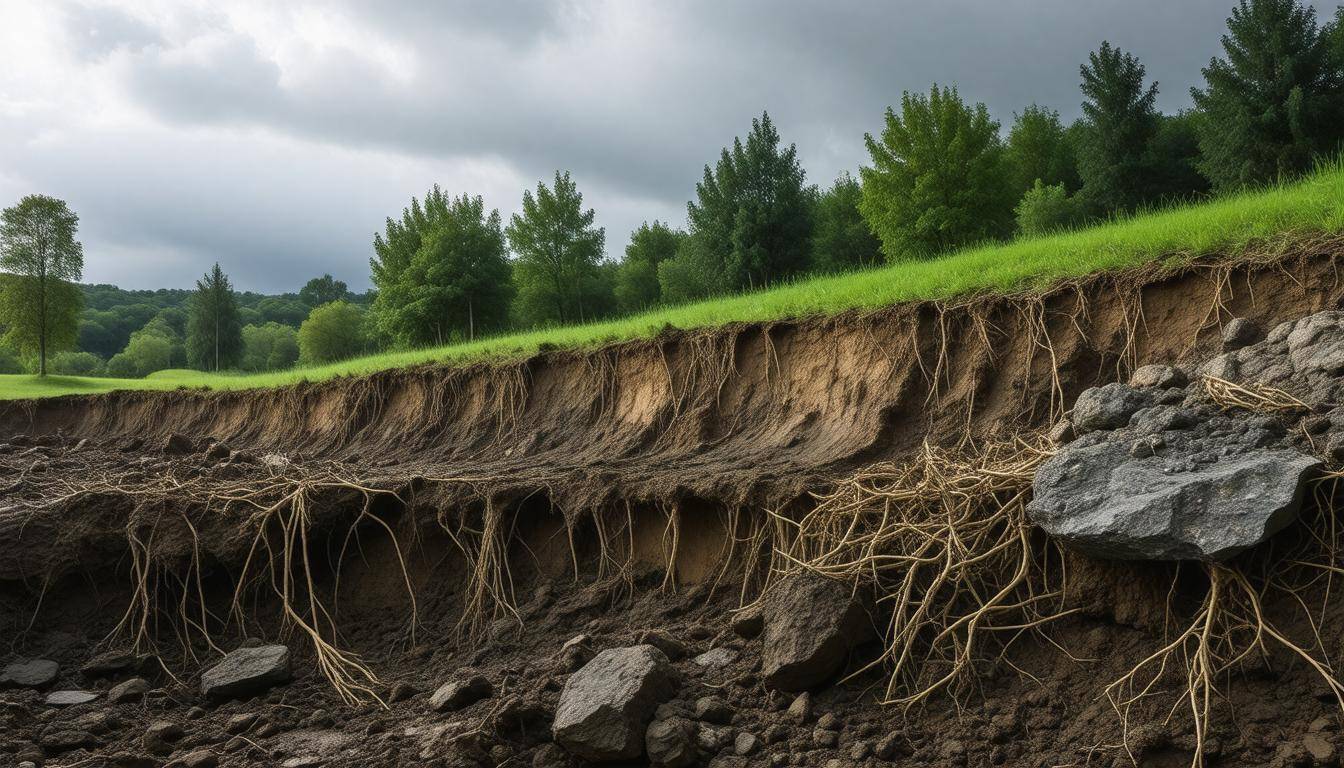
Rainfall and erosion are indeed the culprits behind many landslide incidents. Heavy rains create saturated soil, diminishing its cohesive strength. This means that when the ground becomes overly moist—often defined as receiving over 100mm of rain in a single day—the risk of landslides increases significantly. Imagine a sponge absorbing water; it’s great at holding moisture until it reaches a point where it can’t hold any more. Similarly, once the soil becomes saturated, it becomes heavy and unstable, making it prone to sliding down slopes.
Rainfall Impact
When rain falls relentlessly, especially for extended periods, the soil doesn’t just absorb the moisture—it becomes overloaded. This excess weight on sloping ground can trigger a landslide with just a minor disturbance like a footstep or even an updraft of wind. Furthermore, statistics reveal that approximately 25% of landslides are triggered by heavy rainfall events. That’s why keeping an eye on local weather conditions, especially during rainy seasons, is crucial. If you live in or travel through hilly terrain, understanding weather patterns can be your first line of proactive defense.
However, rainfall isn’t the sole contributor; erosion plays a significant role in this geological dance.
Erosion Effects
Erosion gradually weakens slopes over time. Natural elements such as wind and water chip away at the surface layers of soil and rock, leading to instability. For instance, in coastal regions like California, where erosion is frequent due to wave action and seasonal storms, landslides occur regularly along cliff sides weakened by persistent assaults of nature. This gradual degradation often goes unnoticed until it culminates in a sudden shift that can wreak havoc on properties and lives alike.
The fact is: erosion doesn’t scream for attention; instead, it quietly undermines support structures until disaster strikes.
Recognizing both the impact of rainfall and the destructive effects of erosion raises critical questions about preventive measures.
Preventative Measures
To combat these dangers effectively, implementing proper drainage systems is essential. Good drainage reduces water accumulation on slopes and diverts runoff away from critical areas. Moreover, planting vegetation—especially deep-rooted plants—can act as natural stabilizers for soil. Their roots bind to the earth, helping maintain structural integrity and reducing the risk of erosion. Investing in these preventive measures not only protects property but enhances the resilience of landscapes vulnerable to landslides.
So whether you’re a homeowner living near hills or someone venturing into scenic sloped terrains, arm yourself with this knowledge—stay aware of rainfall conditions, watch for signs of erosion, and believe in the power of prevention to keep you safe from potential disasters lurking just over the horizon.
Overall, understanding how rainfall and erosion contribute to landslide risks can empower individuals to take proactive measures. Awareness and preparedness are key to ensuring safety in areas susceptible to these natural occurrences.
What are the most common physical indicators that a landslide may occur?
The most common physical indicators of an impending landslide include cracking or fissures in the ground, tilting trees or utility poles, and unusual water flow patterns on slopes. Additionally, monitoring geological changes can be crucial; for instance, a survey by the United States Geological Survey reveals that nearly 70% of landslides occur after heavy rainfall or rapid snowmelt, emphasizing the importance of observing moisture levels in soil as a precursor to soil instability.
What role does soil moisture content play in predicting landslide risks?
Soil moisture content is a critical factor in predicting landslide risks, as increased saturation can weaken soil structure and reduce its stability. When the moisture content exceeds 20-30%, the likelihood of a landslide significantly increases, particularly on slopes. Data show that over 90% of landslides occur after prolonged rainfall or rapid snowmelt, emphasizing the correlation between high soil moisture and slope failure. Monitoring soil moisture levels can thus serve as an essential early warning tool for assessing potential landslide hazards.
Are there specific geological areas more prone to landslides that people should be aware of?
Yes, specific geological areas are indeed more prone to landslides. Regions characterized by steep slopes, loose soil, and heavy rainfall, such as the Pacific coast of the U.S., the Appalachian Mountains, and parts of California, are particularly at risk. According to the United States Geological Survey (USGS), over 25 fatalities and numerous injuries occur annually due to landslides in these areas, highlighting the importance of awareness and preparedness in regions vulnerable to such geological events.
What steps should individuals take if they observe warning signs of a potential landslide?
If individuals observe warning signs of a potential landslide, such as cracks in the ground, unusual water flow, or leaning trees, they should immediately evacuate the area and contact local authorities. It’s crucial to create a safe distance from the potential slide zone, as landslides can occur suddenly and without warning. According to the U.S. Geological Survey, nearly 25-50 people are killed each year in the United States due to landslides, underscoring the importance of recognizing these signs and acting swiftly.
How can changes in vegetation signal an impending landslide?
Changes in vegetation can indicate an impending landslide due to their sensitivity to soil saturation and stability. When a slope begins to destabilize, plants may show signs of distress such as wilting, dying, or unusual growth patterns. For example, certain studies have indicated that areas with increased tree mortality or shifting root systems can be precursors to landslides, as roots help bind the soil; when they weaken, the risk of collapse increases significantly. Observing these alterations can provide crucial early warning signals for potential landslide events.