
When it comes to natural disasters, floods often catch people off guard. With their potential for swift destruction, it’s crucial for residents of Launceston to be proactive rather than reactive. Preparing for a flood might not seem exciting or urgent during sunny days, but the truth is that a little preparation can lead to safety and peace of mind when storms come rolling in. In this guide, we will explore practical strategies to help you and your family stay safe from flooding, focusing on understanding your local risks, creating effective emergency plans, and building community support. Whether you’re a newcomer to Launceston or a long-time resident, taking these steps can make a world of difference when the waters rise.
Residents in Launceston should recognize flood risks by identifying flood zones, preparing an emergency plan that includes evacuation routes, and assembling a flood kit with essentials like food, water, and medications. Additionally, it’s important to stay informed through local news and the Bureau of Meteorology for updates on weather conditions that may indicate flooding risks.
Recognizing Launceston Flood Zones
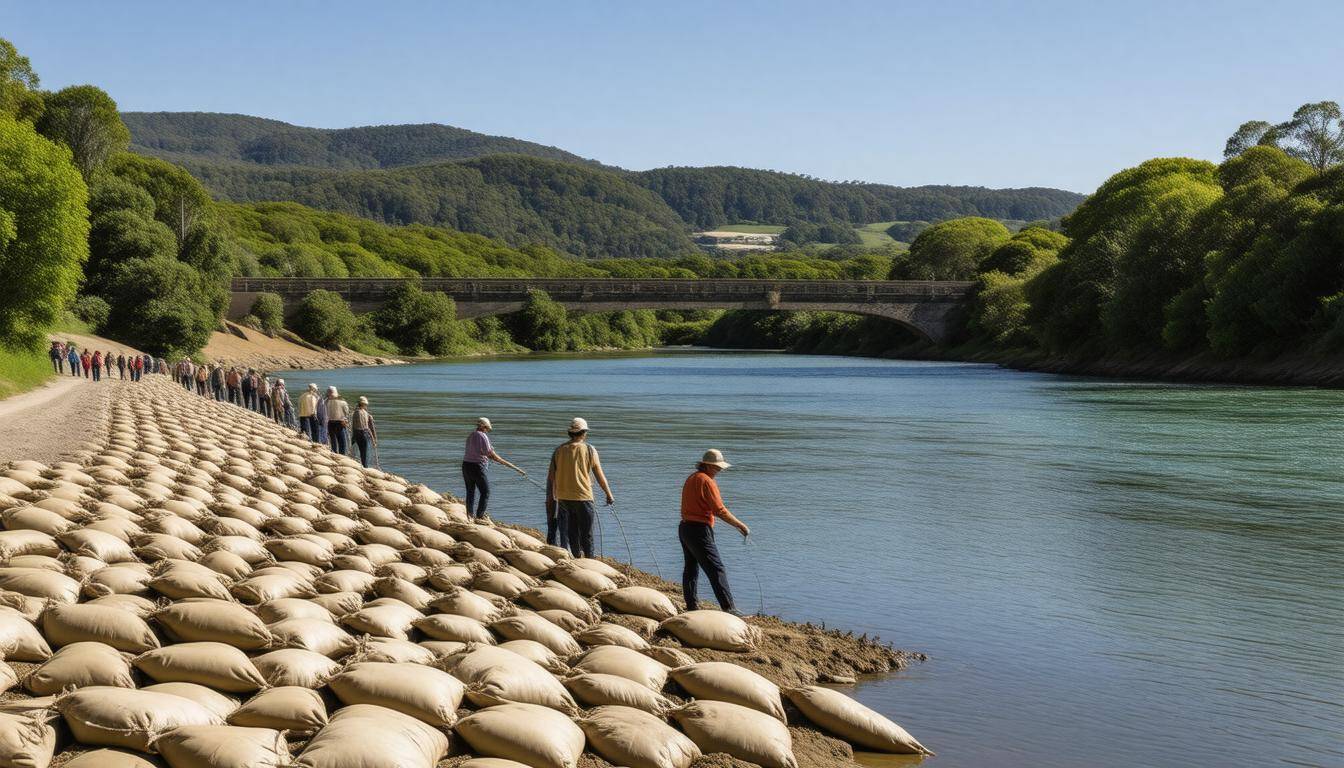
Launceston, with its scenic rivers and charming neighborhoods, presents both beauty and vulnerability, particularly regarding flooding. The southwestern region is marked by its unique topographical features where the North Esk and South Esk rivers converge. This convergence creates a natural floodplain that has historically been prone to heavy flooding during significant rain events. Recognizing and understanding these flood zones is essential for making informed decisions about property safety and preparedness.
The Tasmanian government has made it easier for residents to access important information by providing detailed flood maps online. These maps pinpoint areas at risk of flooding, helping you assess your property’s vulnerability. Simply inputting your address allows you to quickly determine if you live in a designated flood zone, such as Zone A, which indicates high risk during heavy rainfall. Meanwhile, Zones B and C reflect moderate and low risks, respectively. This classification stems from historical flood data and meticulous assessments of land use patterns.
“Knowledge is power,” my neighbor once said while showing me how to navigate the online maps. Understanding whether your home lies within a high-risk area can significantly enhance your response strategy should floods occur.
This knowledge became apparent during the floods in 2022 when properties situated within 500 meters of the riverbanks suffered tremendously from water damage. Those living in lower terrains experienced substantially higher water levels compared to their counterparts in elevated regions. This incident served as a real-life case study demonstrating the value of knowing one’s flood zone classification.
Armed with the right knowledge about flood zones, you can take actionable steps to safeguard your property against potential disaster.
Preventative Measures
Here are some preventative measures:
- Regularly inspect drainage systems around your property to ensure they are clear.
- Consider building barriers or levees if you’re located in a moderate-risk zone.
- Maintain an emergency kit readily available should evacuation become necessary.
By acknowledging the flood risks associated with your neighborhood, you empower yourself and your family to prepare adequately and respond effectively when needed. It’s crucial to turn this understanding into practical actions that help shield your home from future threats.
As we transition into further protective strategies, it’s essential to consider how best to fortify your home against these natural challenges.
Home Flood-Proofing Techniques
Once you recognize that the risk of flooding is real, the next step is taking proactive measures to protect your home. Elevation is often regarded as one of the most effective strategies for safeguarding your property. By elevating critical utilities such as heating systems, electrical panels, and appliances at least one meter above potential flood levels, you greatly reduce the likelihood of water damage during a major rainfall event. In many neighborhoods in Launceston, older homes have been retrofitted precisely for this reason—ensuring that vulnerable systems are safe from rising waters.
With elevation addressed, it’s time to consider barriers and sealants. Installing sandbags or permanent barriers around the perimeter of your home can redirect excess water away from your foundation. Various types of barriers are available—some designed for temporary use during expected rain events, while others offer long-term protection and can be seamlessly integrated into landscaping. When paired with waterproof sealants applied to your foundation walls and window frames, these measures create an additional layer of defense against moisture intrusion, fortifying your home against even moderate flooding.
These flood-proofing techniques not only aim to prevent damage but also cultivate a sense of security for you and your family. However, flood preparedness does not stop at elevation and barriers; it encompasses a broader approach.
It’s equally important to focus on the integrity of your property itself. Conduct regular inspections of your drainage systems to ensure they are clear of debris. This includes gutters and downspouts which, when blocked, can lead to overflowing and subsequent water accumulation around your foundation. Creating a drainage system that slopes away from your home at a minimum incline of 2% effectively directs any excess water away, preventing pooling that could infiltrate the base.
Exploring these protective measures highlights just how essential it is to account for every aspect of flood readiness. Next, we turn our attention to preparing essential supplies that will further enhance your safety during flood events.
Assembling a Flood Emergency Kit
Being prepared means having the right supplies at your fingertips, allowing for swift action when floods occur. Emergencies can strike with little warning, making assembling a flood emergency kit a priority for every household in Launceston. Whether you’re hunkering down at home or planning to evacuate, your kit will help sustain you through those hectic moments.
Essentials
-
Non-perishable food items: Stock up on enough food to last at least 72 hours. Think canned goods, protein bars, and dried fruits—anything that doesn’t require cooking or refrigeration.
-
Bottled water: A good rule is to have one gallon per person per day, ensuring ample hydration for both drinking and hygiene purposes.
-
Medications and first aid supplies: Include prescription medications for family members and a comprehensive first aid kit; this should encompass adhesive bandages, antiseptic wipes, and pain relievers.
-
Flashlights and spare batteries: Power outages are common during storms, so pack a couple of flashlights along with extra batteries. LED flashlights are particularly efficient and long-lasting.
-
Portable charger for electronic devices: Make sure your portable chargers are fully charged and kept in the kit, as communication is crucial during emergencies.
-
Important documents sealed in waterproof bags: Safeguard critical papers—like IDs, insurance policies, and medical records—by storing them in airtight containers to prevent damage from water exposure.
Keeping a list of these items inside the door of your emergency storage space serves as an excellent way to periodically review and update its contents. This simple checklist can remind you what needs replenishing as soon as it runs low. Imagine being able to grab your kit and focus solely on evacuation instead of scouring the house for supplies; that peace of mind is invaluable.
During an emergency situation, preparedness can make all the difference. By taking proactive steps now to assemble your flood emergency kit, you enable yourself to remain calm when chaos surrounds you. Remember that a little preparation goes a long way in ensuring the safety of your loved ones.
Along with assembling essential supplies, understanding how to use each item effectively can enhance your readiness even further. It’s crucial to develop a plan that includes how your entire family will respond when disaster strikes.
Creating a Family Safety Plan
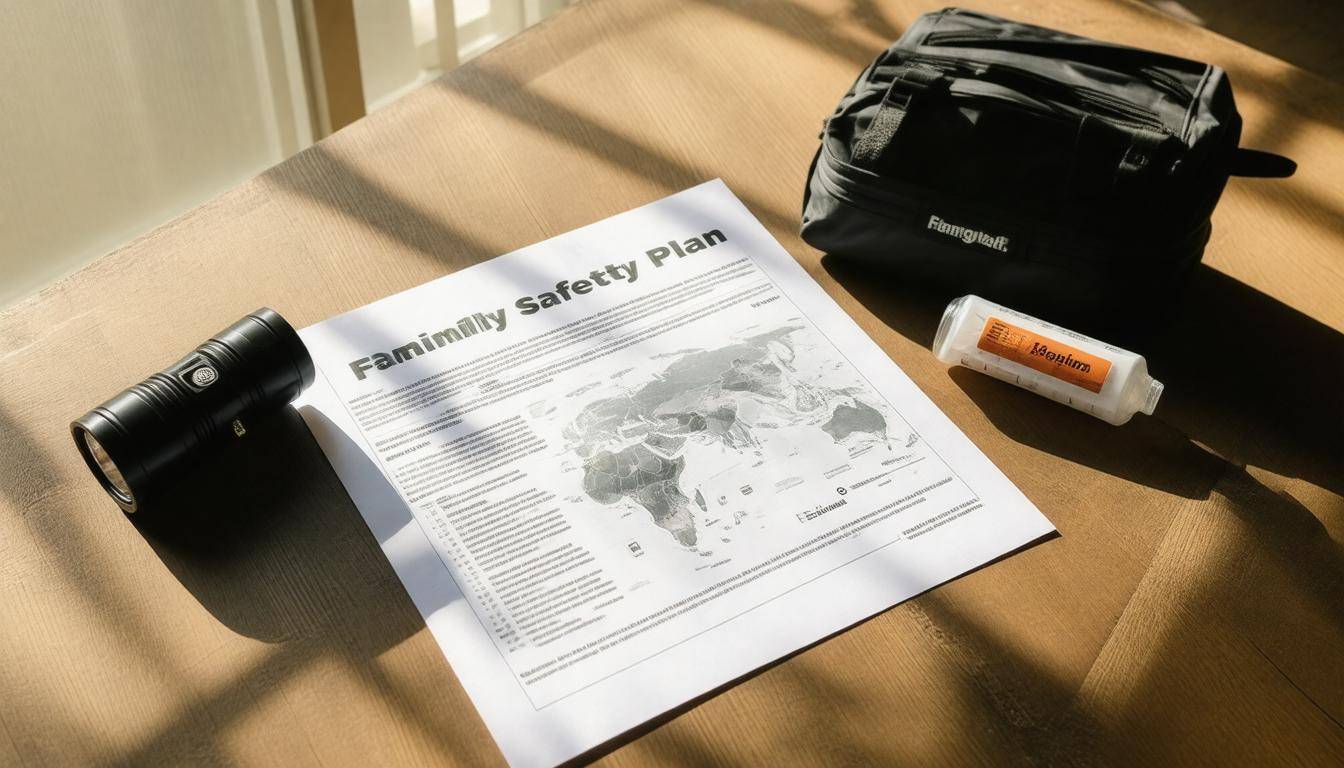
Building a family safety plan should feel like assembling a puzzle; each piece fits together to create the bigger picture of preparedness. This plan requires the input of every family member, ensuring that everyone understands their roles and responsibilities during an emergency. A cohesive strategy not only bolsters individual confidence but enhances overall family safety.
Communication Strategies
One of the most important elements of your family safety plan is establishing reliable communication strategies. Identify primary and secondary methods of contact, such as phone calls, messaging apps, or even social media platforms, considering how technology can facilitate rapid communication.
It’s wise to agree on a designated meeting point in case some members become separated amidst the chaos. For instance, setting your neighbor’s house or a nearby park as a rendezvous sends a cue that everyone knows where to go when trouble strikes.
When you’re crafting this communication plan, consider all possible scenarios. If mobile networks are down due to overwhelming traffic, you may need alternative means. Perhaps establish signals or utilize two-way radios if you have them. The crucial point here is that mapping out these avenues ahead of time increases the chances of everyone being safe and sound.
Evacuation Routes
Next, equip your family with various evacuation routes. Nature can be unpredictable, and relying solely on one path might backfire if floodwaters block it. By identifying multiple escape paths in advance, you set your family up for success irrespective of developing circumstances.
You can find tailored evacuation maps on the Launceston City Council website, which provide guidance specific to different city zones. Review these resources together at your family meetings, pointing out landmarks and local knowledge that could prove invaluable during an actual event. The more familiar everyone feels with the routes and surrounding areas, the quicker and safer they can react when needed.
Example
Reflecting on experiences from those who’ve faced similar situations reveals insightful lessons. One family noted that during a 2020 flood drill, adhering to their pre-planned routes allowed them to reach the community center swiftly when roads quickly became impassable due to rising waters. Their preparedness made a significant difference because they remained calm and confident in executing their plan without wasting precious moments deliberating which direction to take.
Integrating personal stories like this into your planning sessions creates relatable touchpoints for kids and allows them to understand the gravity of being prepared without feeling overwhelmed. It’s about fostering an environment where seriousness meets practicality.
By focusing on effective communication strategies and well-researched evacuation routes, families can ensure readiness in times of uncertainty. This proactive approach fosters resilience as communities navigate through challenges together.
Building Community Support Networks
Community networks can provide vital support during and after a flood event; they become the backbone of safety and recovery in times of crisis. By fostering a sense of connection among neighbors, residents can better prepare for potential disasters. In Launceston, awareness about flood risks has led to increased community engagement, with many locals recognizing that together they can achieve far more than they could alone.
Importance of Social Media
Social media platforms like Facebook and WhatsApp excel at cultivating these networks. They’re not just for posting photos or sharing daily updates; they serve as lifelines during emergencies. Community groups formed on these platforms allow members to share real-time updates, resources, and even lend direct support.
For example, during severe weather events, groups have been credited with coordinating timely rescues and distributing essential supplies to those affected by flooding. The presence of such digital communities complements the physical preparations residents undertake, making everyone feel more connected and less isolated.
Engaging in local initiatives can further enhance your neighborhood’s resilience against flooding.
Local Initiatives
One effective way to strengthen this sense of community is by participating in local meetings hosted by the Launceston City Council. These gatherings often focus on discussing flood preparedness strategies tailored to specific neighborhoods. Many communities organize volunteer groups not only to assist individuals in immediate danger but also to help with recovery efforts post-flood. This proactive community spirit fosters a collaborative environment where residents are ready to act when disaster strikes.
A remarkable testament to the power of such networks comes from a local resident of Kings Meadows, who credits these community initiatives with saving her home during a recent flash flood. “Our community network alerted us hours before the water reached our street,” she said, highlighting how crucial timely communication can be in safeguarding lives and property.
As floods become more frequent due to changing climate patterns, establishing and nurturing these community support networks is increasingly important. Developing these relationships not only creates an atmosphere of mutual assistance but also strengthens the overall fabric of the community in Launceston. With each connection made, residents lay another brick in a sturdy wall against nature’s unpredictable forces.
Transitioning from building strong networks within the community, it becomes equally vital to stay informed about potential weather changes and receive alerts that could affect safety.
Monitoring Weather and Alerts
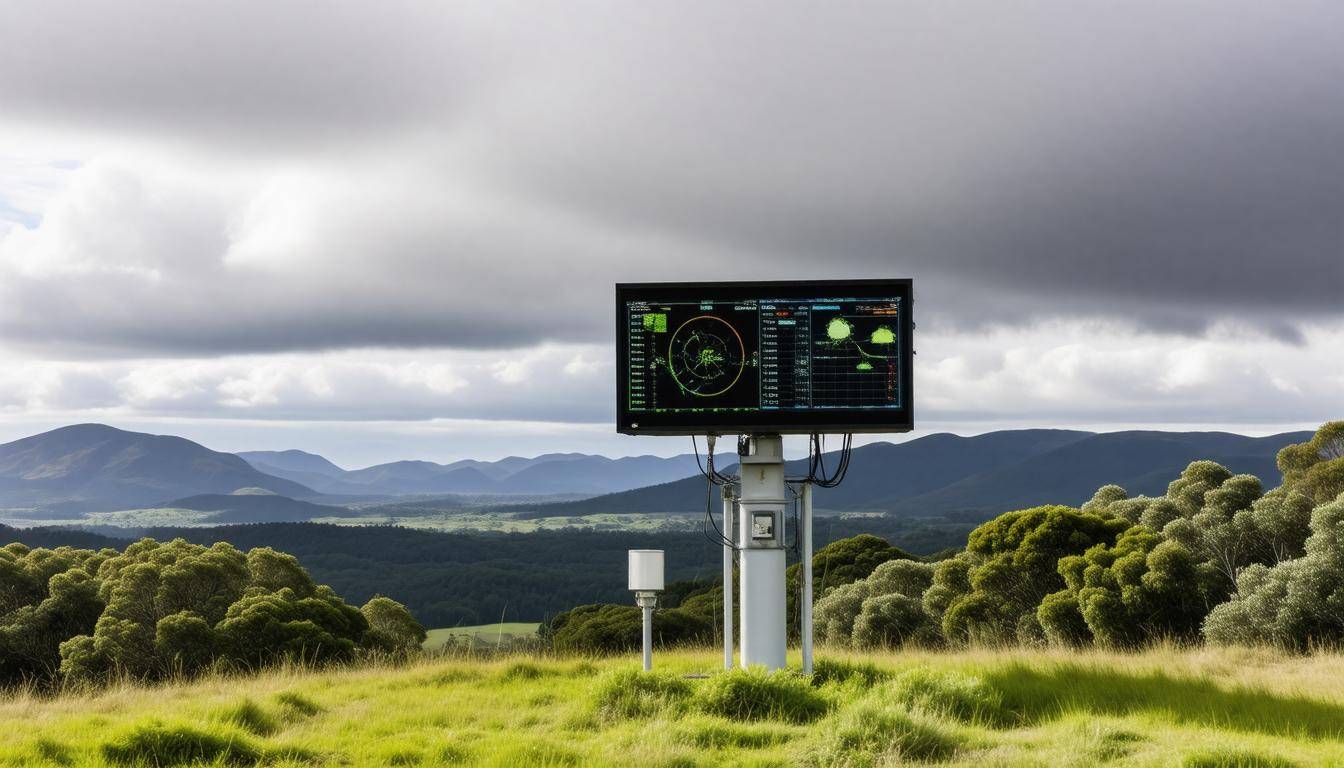
The importance of real-time monitoring during a flood threat cannot be overstated. With rapidly changing conditions, knowing exactly what’s happening in your area gives you the power to make informed decisions that can significantly reduce risks. One of the best tools at your disposal is technology. Utilizing apps such as the Bureau of Meteorology (BoM) weather app provides you with timely updates on river levels, rainfall forecasts, and various alerts related to potential flooding. By customizing the app to send push notifications, you’ll ensure that you’re alerted instantly about any warnings that may affect your location.
This accessibility to immediate information allows you to act swiftly rather than waiting for hourly updates that could already be outdated.
Beyond smartphone apps, local news stations can be invaluable resources for obtaining the latest information. Tuning into traditional TV broadcasts or streaming services online connects you to live updates that are often accompanied by expert analysis and clear instructions on safety measures based on current conditions. Many communities have dedicated emergency broadcast channels focusing exclusively on severe weather updates; these can prove essential during critical situations.
The Significance of Up-to-Date Information
One question often arises: Why is real-time monitoring so crucial? The answer lies in its transformative impact on how families approach flooding risks. For instance, having access to up-to-the-minute data enables you to gauge when evacuation becomes necessary, thus allowing time to implement safety plans effectively.
It’s wise to create a habit of checking updates regularly—perhaps first thing in the morning and before going to bed—especially during seasons prone to flooding. Set reminders to check your preferred weather apps or newscasts to build this practice into your daily routine.
Additionally, consider discussing situational awareness within your household. Make sure everyone knows how to access updates through apps or local news and discuss what each alert means. Not only does this empower every member of your family, it reinforces community preparedness as well.
Now, some individuals might still think they don’t need to monitor conditions closely, confident their homes are prepared and their general knowledge is sufficient. However, complacency during unpredictable weather events can have dire consequences. Flooding can occur quickly and without warning due to heavy rainfall upstream, and being caught unaware can leave little time for effective action.
Embracing technology alongside community engagement will significantly bolster your flood preparedness strategy. Ensuring everyone has access to accurate information lays the groundwork for a more effective response when disaster strikes. Moving forward, we’ll explore a systematic approach that helps you prepare step-by-step for potential flooding scenarios.
Step-by-Step Flood Preparation Checklist
A comprehensive checklist feels like your personal safety net, capturing all the essential actions to take in your flood preparation journey. To begin with, it’s crucial to assess the flood risk for your property. Utilize official flood maps available through local authorities to understand the specific vulnerabilities of your home, especially if it’s located in low-lying areas that are more susceptible to flooding.
Armed with this knowledge, you can make sensible decisions to further shield your home against potential water damage. One of the first proactive measures you should take is to elevate critical household utilities—think electrical appliances, heating systems, and even your boiler—at least one foot above what is likely to be the highest water level during a flood. Doing so reduces the risk of significant damage and costly repairs.
Next, assembling an emergency kit becomes vital. This kit should include essentials for at least 72 hours: think non-perishable food, water, flashlights, and a first aid kit. Don’t forget necessary medications and any special items specific to your family’s needs. Having this kit accessible means peace of mind when facing an emergency; it’s like having a lifeboat ready on a turbulent sea.
As you prepare for potential danger, engage with your family in developing a safety plan to enhance overall readiness. This plan should outline communication methods, meeting points if family members get separated, and clearly defined evacuation routes. Ensure that every member of the family understands their role—consider it an emergency rehearsal for unpredictable situations.
Beyond personal preparations, connecting with community support groups can enrich your capability to handle emergencies. Community forums or Facebook groups often share invaluable real-time information and resources tailored to local flooding concerns. Fellow residents can provide insights on what works best amidst flooding challenges based on personal experiences.
While sharing knowledge within your community, staying updated with weather alerts helps keep everyone informed about impending storms or rising river levels. Utilize mobile apps or local weather stations for timely information—taking proactive steps early could eliminate panic later.
| Step | Action | Description |
|---|---|---|
| 1 | Check Flood Risk | Use maps to determine risk |
| 2 | Elevate Utilities | Raise systems at least one foot above ground |
| 3 | Emergency Kit | Prepare essentials for at least 72 hours |
| 4 | Safety Plan | Create detailed evacuation and communication plans |
| 5 | Community Network | Engage with local groups for insight and support |
| 6 | Monitor Weather | Access real-time updates using apps and news |
| 7 | Waterproof Barriers | Install sandbags or barriers as proactive measures |
| 8 | Document Protection | Secure important documents inside waterproof containers |
Once preparations are underway, consider installing waterproof barriers around vulnerable sections of your home to fend off rising waters. Using sandbags at entry points effectively redirects water away from entering your home. This additional measure enhances your property’s resilience against flooding.
Safeguarding important documents cannot be overlooked in this flood preparation checklist. Place these sensitive materials—like insurance policies and personal identification—in waterproof containers to protect them from water damage.
By checking off each item on this step-by-step checklist, you significantly bolster not only the safety of your home but also provide your family with a sense of security amidst Mother Nature’s unpredictability.
As we move forward, understanding who to contact during emergencies and accessing local support can further enhance your preparedness strategy.
Important Contacts and Local Resources
In Launceston, being prepared means more than just knowing who to call; it also involves understanding the community resources available during a flood. By familiarizing yourself with essential contacts and local facilities, you position yourself to respond swiftly to an emergency when it matters most.
Key Contacts
Maintaining a handy list of key contacts will keep you organized:
-
Launceston City Council: This is your go-to source for updated local information including alerts, resource availability, and public safety instructions. They often provide timely announcements that can help you make informed decisions.
-
Local Emergency Services: In a life-threatening situation, these professionals respond quickly. Keep their numbers easily accessible since every second counts.
-
Neighboring Volunteers: Engaging in your community can foster relationships that turn into invaluable support during a crisis. Volunteer groups often mobilize quickly to assist residents.
-
Insurance Providers: Should disaster strike, efficiently reporting damages can save valuable time. Reach out to them promptly for assistance with claims.
Transitioning from contacts to actionable resources, it’s worth noting that Launceston offers various local resources specifically designed to help residents during times of crisis.
Local Resources
The city features community centers and emergency shelters where residents can seek refuge during flooding events. These facilities not only provide a safe space but may also offer food, water, and medical attention if needed.
Detailed maps showing these shelters along with their contact information and operational hours can be found on the city’s official website.
A resident reflected on her experience during the last major flood event, saying, “Knowing where the nearby emergency centers were helped my family evacuate swiftly and safely.” Such stories highlight the importance of advanced knowledge about these resources; they often make a critical difference when minutes matter.
Therefore, by cultivating a comprehensive understanding of essential contacts and available local resources, you’re better equipped to navigate the challenges floods bring. This preparation fosters personal safety while enhancing community resilience against future flooding events.
In summary, proactive measures and informed choices are crucial for ensuring safety during emergencies. Remaining alert and well-connected can significantly impact how well you and your loved ones weather any crisis.