
In moments of crisis, staying informed can mean the difference between chaos and safety. Whether it’s severe weather, a local emergency, or unexpected disasters, having access to timely updates is essential. One vital resource often overlooked is emergency radio frequencies. These channels are like lifelines, providing critical updates directly from authorities to the public. By tapping into these frequencies, you empower yourself and your community to react swiftly and wisely when every moment counts. With just a little preparation and the right tools, you can ensure that you’re always ready—no matter what comes your way.
The complete list of local emergency radio frequencies typically includes essential channels such as NOAA Weather Radio for weather updates, the National Simplex Calling Frequency (146.520 MHz) for general emergency calls, and the General Emergency Frequency (446.000 MHz) for communication with nearby stations. It’s crucial to pre-program these frequencies into your handheld radio to ensure quick access during emergencies.

List of Local Emergency Radio Frequencies
Having access to reliable information in emergency situations can make all the difference, and knowing the exact radio frequencies that serve your area is a crucial part of this readiness. The following frequencies are key resources that can help you stay informed when disaster strikes.
Among the most essential is the NOAA Weather Radio, which broadcasts important weather-related updates and alerts on frequencies ranging from 162.400 MHz to 162.550 MHz. This network provides continuous information about severe storms, flood warnings, and other hazards directly from the National Oceanic and Atmospheric Administration (NOAA). The reliability of NOAA ensures that you have real-time updates about changing weather conditions, keeping you safe.
Following this, the National Simplex Calling Frequency at 146.520 MHz is equally important. This frequency is used primarily for emergency calls among amateur radio operators. During critical situations, being able to reach out and communicate with others using this frequency can prove invaluable, as it allows for direct contact without going through multiple channels.
Additionally, the General Emergency Frequency at 446.000 MHz serves as another important communication line. Designed specifically for short-range communications, it helps establish contact with nearby stations, which can be particularly useful during local emergencies when traditional communication methods may fail.
However, knowing these universal frequencies is just the beginning; local emergencies often require localized information to provide the best responses.
To find tailored frequencies specific to your area, online resources like RadioReference.com or your local emergency management agency’s website will be instrumental. These sites offer updated lists with frequencies that cater specifically to regional needs, ensuring you are well-connected no matter where you are during an emergency.
“Staying informed about local emergency frequencies isn’t just a smart practice; it’s a necessary step towards ensuring your safety and that of those around you.”
Understanding how to access these resources means you’re not only prepared but also empowered to act swiftly when time is of the essence. Familiarizing yourself with these frequencies can help cultivate a sense of readiness and alertness that could save lives when every second counts.
With a strong grasp of these essential frequencies, you’ll be better prepared for whatever comes your way next, including exploring vital channels used for maintaining law and order.
Police and Law Enforcement Channels
The channels utilized by police and law enforcement agencies serve as the backbone of public safety communications. These frequencies provide vital information during emergencies, offering real-time updates for both responders and civilians alike when situations unfold rapidly. When you listen to these channels, you gain insight into a world often unseen—a glimpse into the coordination required to maintain order and respond to crises.
Most police communication falls within the 155.00 MHz to 158.00 MHz range for FM transmission. This range is standard across many local law enforcement frequencies, designed for clear transmission over varying terrains. To understand the communications of your local police department better, you may want to get familiar with APCO P25 digital systems. These systems enhance clarity and security in police communications but do require a digital scanner since analog devices cannot pick them up.
Various departments operate on specific frequencies tailored to their unique needs. While many police forces utilize well-known channels, such as the LAPD operating at approximately 506.2875 MHz, others might adopt entirely different settings based on their operational requirements. Always check your local listings or online resources that publish emergency radio frequencies pertinent to your area.
It’s important to note that not all frequencies are available for public access; some may employ encryption to protect sensitive operations or investigations. This restriction is critical as it helps ensure operational integrity and officer safety.
To stay informed, consider investing in an appropriate scanner or receiving radio system compatible with these frequencies, especially if you are situated in an area prone to emergencies or significant events. By doing so, you create an informed community presence and contribute to understanding the unfolding narratives that shape your neighborhood.
Regularly tuning into these updated channels can foster a sense of connection with law enforcement efforts while promoting community vigilance—two pillars that strengthen safety in our neighborhoods. Listening closely can help demystify law enforcement activity, making it clearer how policing works and emphasizing the importance of public cooperation during emergencies.
As we explore further into the realm of emergency communications, we’ll turn our attention to essential channels dedicated to fire services and public safety operations that work hand in hand with law enforcement.
Fire and Public Safety Channels
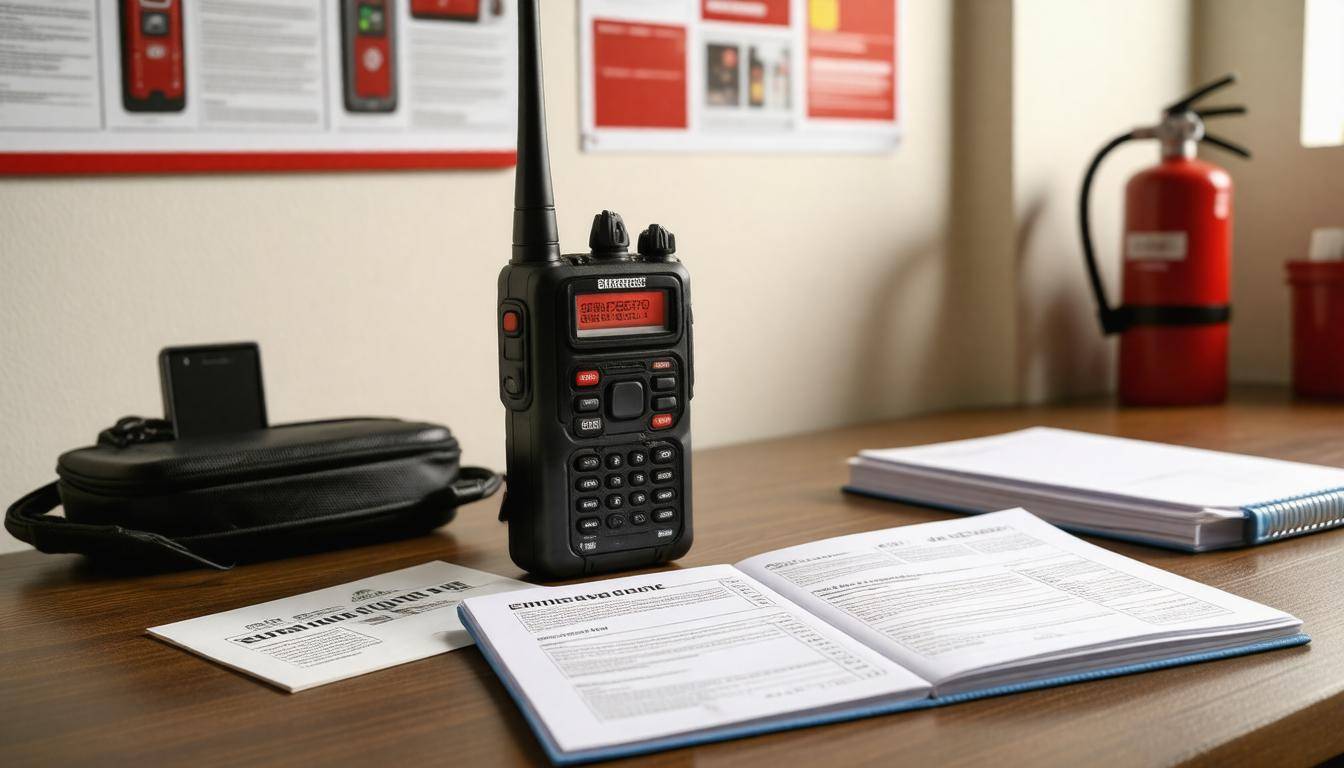
Fire and public safety channels are your lifeline during emergencies. They provide real-time information on fire incidents, medical emergencies, and hazardous situations. Many people don’t realize that these channels transmit crucial details about ongoing operations, allowing listeners to stay informed about the latest developments. This information can be invaluable, especially in a community prone to wildfires or other threats.
In the United States, fire services typically communicate using VHF high band frequencies ranging from 150 to 174 MHz or UHF band frequencies between 450 and 470 MHz. For instance, 154.280 MHz is often employed for fireground operations, where firefighters coordinate tactics and share updates about the situation on site. As you listen in, you might catch terms like “fire attack” or “structure protection,” which indicate proactive measures being implemented to combat an incident.
It’s interesting to note that some municipalities also have dedicated frequencies specifically for local emergency medical services (EMS). Synchronization among various emergency services is what makes effective response possible.
The Value of Preparedness
To give you a practical perspective, consider this anecdote: A firefighter once shared with me how having a radio preset to their main frequency saved them precious time during a recent wildfire. Instead of fumbling through channels or trying to gather intelligence through less formal means, they were immediately able to tune into critical information. He remarked, “We could get right into action rather than waste time figuring out where everyone was.”
This underscores knowing the specific frequency used in your area can ensure you are prepared during emergencies. Imagine finding yourself in a crisis situation; merely having the right communication tools at hand can enhance your odds of staying safe.
Moreover, it is also worth knowing that local fire departments often provide public information or advisory updates via platforms like social media and their official websites. This is particularly useful for getting additional context around incidents, such as evacuation procedures or road closures due to hazardous conditions.
When it comes to accessing these channels, investing in a quality scanner that can pick up both VHF and UHF frequencies will pay off in the long run. Knowing what frequencies are active in your vicinity isn’t just informative; it gives you a sense of empowerment and readiness. It’s a simple step that might make all the difference when seconds really count.
As we explore preparedness further, understanding how weather plays into disaster response becomes essential.
Weather and Disaster Channels

Weather and disaster channels stand as essential lifelines for communities, delivering critical information when it matters most. These channels help you stay informed about upcoming storms, floods, tornadoes, and other natural calamities that could disrupt daily life or pose significant risks to safety. A prime resource here is the NOAA Weather Radio All Hazards (NWR), a robust network of over 1,000 radio stations broadcasting continuous weather data. This impressive reach spans all 50 states and U.S. territories, meaning you will be informed wherever you may live.
Operating 24 hours a day, seven days a week, NWR delivers official warnings, watches, forecasts, and other vital alerts directly from the National Weather Service (NWS). What makes this service particularly powerful is its collaboration with the Federal Communication Commission’s (FCC) Emergency Alert System. This ensures you receive not just weather updates but also crucial information regarding geological events like earthquakes, hazardous material spills, or even civil emergencies.
Remember that during severe weather events, power outages can occur. Having a NOAA Weather Radio ensures you’re not left in the dark when it comes to critical safety updates.
Frequencies
To effectively tune into local forecasts and emergency information, you need specific frequencies:
- NOAA Weather Radio Frequencies: Ranging from 162.400 MHz to 162.550 MHz.
- National Hurricane Center: For those living in hurricane-prone areas, keeping a shortwave radio tuned to 3.860 MHz provides updated information directly from experts during an emergency.
- Local Emergency Alert System (EAS): Notification frequencies vary by region and involve alerts related to severe weather or emergencies affecting your community.
Maintaining consistent access to these broadcasts requires specialized NOAA Weather Radio receivers or scanners capable of tuning into the appropriate VHF public service band frequencies. Investing in a quality NOAA radio keeps you connected and allows you to receive important public safety alerts such as AMBER notifications or advisories regarding critical community services like 911 outages.
Equipped with this knowledge about local emergency frequencies, you’ll find it easier to navigate potential hazards in your area. Continuing this journey brings us closer to understanding how to access and monitor these vital frequencies for your safety and well-being.
Accessing and Monitoring Frequencies
To begin with, having the right equipment is fundamental for connecting to emergency services. Radios such as the Uniden Bearcat series or the Baofeng UV-5R are popular choices among enthusiasts for their capability to cover a wide range of frequencies, including VHF and UHF bands commonly used by local services. These radios enhance your communication ability during emergencies and ensure that you receive timely information about critical situations unfolding in your area.
The first step in accessing these vital frequencies involves purchasing a radio that can cover the necessary frequency range, typically from 30 MHz to 3,000 MHz. If you’re new to this, you might feel overwhelmed by choices; however, both scanner radios and handheld transceivers like the Baofeng UV-5R are user-friendly options. This versatility allows individuals to remain connected within their community.
Step-by-Step Guide
Once you have your device ready, it’s time to take action. The process begins with programming essential local frequencies into your radio:
-
Step 1: Purchase a radio capable of covering the necessary frequency ranges: Look for specifications indicating coverage of VHF and UHF bands.
-
Step 2: Program the device with local frequencies: Consult your user manual for instructions specific to your model. Many online resources offer step-by-step guides tailored to various radios.
-
Step 3: Regularly check and update these frequencies: Stay informed about any changes to local communications channels. Emergency services may alter frequencies due to reassignments; thus maintaining an updated list is imperative.
With a well-programmed radio in hand, we’re not quite done yet. Setting it up correctly can significantly influence your ability to receive important communications during emergencies.
Make sure your antenna is positioned well and that you’re familiar with the settings on your radio—it’s worth spending time learning how to use it effectively. Practicing switching between channels or adjusting volume levels can greatly familiarize you with your device and may help you react swiftly when an emergency occurs. Engaging with local amateur radio clubs or groups can also provide additional insights and support, making you more confident in utilizing these tools when it matters most.
Now that we’ve explored how to access and program these frequencies, let’s turn our attention to the practical aspects of getting everything operational and ready for use.
Setting Up Your Emergency Radio
Properly setting up your emergency radio is like laying down the foundation of a strong house—it’s crucial for ensuring you receive clear and reliable signals during a crisis. The first step in this process is to make sure your device is fully operational. This begins with charging or replacing the batteries in your radio, especially for portable models like the popular Baofeng UV-5R. A device that isn’t charged or equipped with fresh batteries won’t help you much when disaster strikes, so take that extra moment to ensure it’s ready to go.
Preparing the Antenna
Next, let’s talk about antennas. The right antenna can dramatically improve your reception quality. If you’re using a handheld radio, consider upgrading to an aftermarket antenna, like the Nagoya NA-771. Not only does it increase range, but it also enhances clarity—two key aspects when you need to hear critical updates during emergencies.
Think of the antenna as your lifeline to external information; without it, you may miss important broadcasts.
Now that your radio’s power source is secured and you’ve installed a suitable antenna, it’s time for the next critical step—testing your setup.
Testing Reception
Testing your radio by tuning into known local frequencies is not just a good practice but an essential part of ensuring you’re prepared for emergencies. Start by identifying local emergency frequencies, which might include NOAA weather stations and general simplex calling frequencies. When tuned in, pay attention to how clear the reception is.
You want to be able to hear transmissions clearly and without distortion; if you notice any issues, this could indicate problems with either your settings or equipment. It’s wise to do this testing during calmer moments rather than waiting until an actual emergency arises.
Remember, however exceptional your setup may be, the quality of communication also depends on having a reliable device and knowing how to use it efficiently.
Device Quality Matters
While setting up with fresh batteries and a good antenna is vital, it can’t compensate for a low-quality radio. Invest in models that come highly recommended within your community or have proven reliability ratings. Typically, handheld radios (like the UV-5R) are beneficial for personal use due to their portability and ease of programming.
Here are some qualities to look for in an emergency radio:
- Durability: Ensure it can withstand rough conditions.
- User-Friendliness: It should be easy to operate, even under stress.
- Wide Frequency Range: It should cover both VHF and UHF bands for versatility.
Overall, when setting up your emergency radio, pay attention to each component—the power source, antenna strength, device quality—because each aspect contributes to creating a robust communication tool during emergencies.
With your setup primed for action through careful selection and preparation, it’s time to explore some recommended devices that can enhance your communication capabilities significantly.
Recommended Scanners and Radios
Choosing the right scanner or radio can significantly impact your ability to stay informed during emergencies. Imagine you’ve prepared for a hurricane, stocked up on supplies, but you don’t have a reliable way to receive crucial updates — that could make all the difference in ensuring your family’s safety. The right emergency radio serves as both a lifeline and a source of information that keeps you connected to essential services, especially when traditional communication systems fail.
Identifying Your Needs
When selecting a device, consider what you truly need. Do you want something compact that fits easily into an emergency backpack? Or do you need advanced features for clearer reception in rural areas? Understanding the specifications of various models is essential. For instance, devices like the Uniden Bearcat BC125AT welcome newcomers with user-friendly interfaces while offering 500 Alpha-Tagged Channels, allowing easy navigation through frequencies tailored for emergencies.
Moreover, affordability plays a crucial role in this decision-making process. Budget-friendly options exist without compromising quality.
| Device Model | Key Features | Price Range |
|---|---|---|
| Uniden Bearcat BC125AT | 500 Alpha-Tagged Channels | $100-$150 |
| Baofeng UV-5R | Dual Band, Long-Range Antennas | $25-$40 |
| Whistler WS1040 | Advanced Digital Decoding | $300-$400 |
The Baofeng UV-5R, priced between $25 and $40, is an excellent entry point for many users due to its portability and versatility. With dual-band capabilities, this little gadget packs a punch when it comes to reception, ensuring you’re tuned into local communications effectively—an essential feature whether you’re camping or facing emergencies at home.
As we explore these devices further, it’s also necessary to look beyond just features and price—consider durability aspects as well.
Consider Durability and Portability
Think about it: A high-tech radio doesn’t do much good if it breaks in a downpour or gets dropped during a hike. That’s where robust options like the Whistler WS1040 shine; while pricier at $300-$400, its advanced digital decoding abilities ensure you won’t miss critical broadcasts on any weather changes or warnings.
Keeping in mind that you may be caught in adverse conditions, another insight is that portability matters. Many emergency radios are designed to be lightweight and compact so they can accompany you anywhere—be it an impromptu camping trip or if your neighborhood experiences extreme weather conditions.
Selecting the ideal scanner or radio requires careful consideration of your needs and preferences.
“A well-chosen emergency radio isn’t just equipment; it becomes part of your preparedness plan.”
Using these insights allows you not only to stay ahead of emergencies but also ensures that no matter where life takes you, you’re ready with the best tools at hand.
With the right devices in place, it’s vital to remain aware of any legal limitations or guidelines governing their use, which can impact how effectively you’ll be able to access these resources.
Legal Restrictions and Guidelines
Understanding the legal landscape regarding local emergency radio frequencies is vital for anyone interested in monitoring these communications. In the United States, the Federal Communications Commission (FCC) plays a pivotal role in regulating which frequencies can be used and how they are utilized. This means that while you may have access to listen to emergency channels, transmitting information on these frequencies without proper authorization can lead to significant penalties.
You could face hefty fines or even imprisonment if you are caught broadcasting unauthorized messages on restricted channels.
Simply put, you should always listen but never attempt to communicate on those frequencies unless you’re a licensed operator, such as an amateur radio technician. Licensed operators have undergone training and testing ensuring they understand the regulations governing radio use, which maintains order and prevents chaotic situations during emergencies. This isn’t just bureaucratic red tape; it ensures that only trained individuals contribute to critical communication efforts during crises.
It’s also important to note that laws can vary significantly from state to state. For example, California has specific restrictions regarding encrypted police channels, making it illegal for untrained individuals to monitor these communications. Such legal frameworks are designed not only to protect public safety but also to preserve the integrity of law enforcement operations.
Staying informed about your local laws regarding emergency frequency monitoring is not just legal compliance; it’s also about being a responsible citizen who respects first responders’ important work.
To maximize preparedness while keeping within legal boundaries, familiarizing yourself with guidelines specific to your area is crucial. You might consider reaching out to local emergency management offices or police departments for further information about what channels are permissible for public listening.
By adhering to these legal standards, you ensure that you’re well-prepared and informed without risking legal repercussions, contributing positively to your community’s safety efforts.
In conclusion, being aware of both the legalities and practicalities of local emergency radio frequencies not only keeps you on the right side of the law but also empowers you as a member of your community dedicated to safety and awareness.