
In unpredictable times, having a stockpile of food can mean the difference between comfort and panic. Imagine waking up to a major storm, where grocery shelves are stripped bare, yet your pantry is full of nutritious supplies, ready to sustain you and your family. Long-term food storage isn’t just about survival; it’s about creating a safety net for yourself in case of emergencies. Whether it’s natural disasters, economic downturns, or simply an unexpected lean season, knowing what to store can provide you with peace of mind. With careful planning and the right choices, you can ensure that your food supply lasts, meets your nutritional needs, and even keeps cooking enjoyable when life throws challenges your way. Let’s dive into the best items for long-term food storage so you’re always prepared.
The 20 best items for long-term food storage typically include staples such as wheat, rice, powdered milk, canned meats, beans, and dehydrated fruits and vegetables. These items are chosen for their extended shelf life, nutritional value, and versatility in meal preparation, making them ideal for emergency preparedness and survival situations.
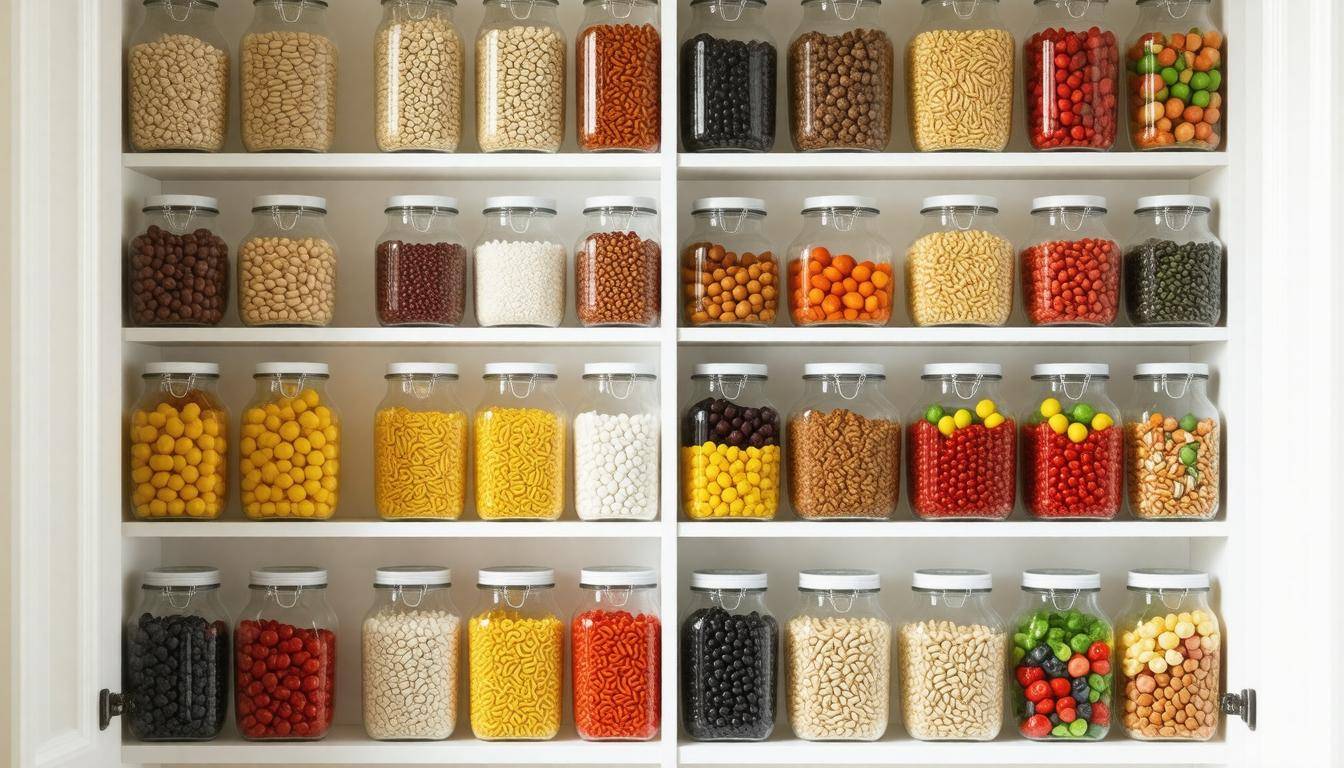
Importance of Long-Term Food Storage
Long-term food storage is not just about convenience; it’s a cornerstone of emergency preparedness. You might find yourself in a situation where markets are closed or inaccessible due to unforeseen circumstances. The reality is that having a reliable stockpile can offer peace of mind, allowing you to weather the storm, literally and figuratively. When faced with natural disasters or economic uncertainty, knowing you have enough food at home is a comfort that many overlook until they are in crisis mode.
A significant aspect of effective long-term storage is ensuring that the food you choose does not just sit idly on your shelves but rather actively contributes to your well-being during emergencies. Nutrient-dense foods like grains and legumes are indispensable. They do not only provide calories but also deliver the vitamins and minerals you need to maintain health during extended periods without fresh supply chains. The blend of energy sources combined with essential nutrients can help prevent the malnutrition that could arise under stressful conditions.
Furthermore, let’s consider the storage conditions required to maximize the lifespan of your supplies.
Optimizing your storage conditions is crucial for maintaining both the nutritional value and safety of your food. High temperatures, humidity, and exposure to light can significantly reduce the shelf life of even the most robust food items. Keeping your foods in clean, dry, and dark places ensures a longer viability—foods stored properly can retain up to 90% of their nutritional value for 25 years! A cool environment between 50°F and 70°F (10°C to 21°C) is generally ideal for maintaining quality over time.
To put this into perspective, consider this: while commercially canned goods often have a shelf life of two to five years post-expiration date if stored correctly, freeze-dried foods can last an astounding 25 to 30 years when sealed tightly in airtight containers. Understanding these differences allows you to make informed decisions about what foods to stockpile based on their longevity and nutritional content.
Having acknowledged why it’s essential to store food properly, let’s now explore what specific items will best serve your needs during emergencies.
Best Canned Foods
Canned foods stand out as a practical solution for long-term food storage due to their resilience and extended shelf life. The magic lies in their ability to lock in nutrients while being resistant to pests and contamination. Imagine reaching into your pantry during an emergency, pulling out a can, and knowing that you have nourishing food ready to eat at your fingertips.
Canned Meat is at the top of the list when it comes to versatility and sustenance. Items like canned chicken, tuna, or beef provide essential proteins that help maintain muscle mass and energy levels during uncertain times. Each can offers a convenient way to prepare meals without needing complex cooking methods—simply heat and serve, or toss into a salad for some added heartiness.
In addition to protein, Canned Vegetables play a crucial role in maintaining a balanced dietary intake. Varieties such as peas, beans, corn, and carrots preserve most of their nutrients after being canned. This is significant because they contribute vitamins, minerals, and fiber vital for digestion and overall health. These vegetables can be easily added to soups or casseroles, enhancing both flavor and nutrition.
It’s worth noting a personal experience: I once opened a can of mixed veggies from my pantry that had been stored for years during an unexpected road trip. Despite the years tucked away in the darkened corner of my shelf, they tasted fresh and vibrant when tossed into a quick stir-fry. It was a reminder that even in challenging circumstances, well-stored canned goods can bring comfort and nourishment.
Don’t overlook Canned Fruits either! Options like pineapple, peaches, and berries not only serve as tasty desserts but are also packed with vitamins and antioxidants that support immunity. Sure, you could splash them on morning oatmeal or enjoy them straight from the can—they satisfy sweet cravings while providing essential nutrients.
In fact, a study published in the Journal of Food Science indicates that canned foods can retain their nutritional value almost as well as fresh options, effectively debunking the myth that canned goods lack nutrition. This information reinforces the value of incorporating various canned options into your food storage plan.
However, while stocking up on these canned treasures is paramount for immediate sustenance during emergencies, there’s another powerful category in long-term food storage that presents a unique advantage—grains offer exceptional longevity and versatility.
Top Grains for Longevity
Grains play a pivotal role in long-term food storage due to their nutritional value and remarkable shelf life. For instance, wheat berries stand out as a fantastic choice, boasting a lifespan of up to 30 years when stored properly in airtight containers with oxygen absorbers. Their versatility allows you to create delicious homemade bread, cereals, or even pasta, making them a valuable staple for your food supply.
Another excellent option is white rice, which can be stored indefinitely under the right conditions. Its flavor remains intact for decades, and it can complement a variety of dishes. On the other hand, oats offer their own longevity; they can remain fresh for an impressive 25 years if kept in a cool, dry place. Their inherent versatility makes them perfect for oatmeal breakfasts or baking.
The meticulousness of proper storage plays a crucial role in maximizing the lifespan of these grains. To keep your grains viable for as long as possible, it’s important to store them in cool, dark places with low humidity levels. This helps prevent moisture that leads to mold and keeps pests at bay. Utilize airtight containers with oxygen absorbers where possible; this creates an inhospitable environment for any potential invaders and prolongs the shelf life remarkably.
It’s amazing how simple practices like controlling temperature and humidity can have such profound effects on food preservation.
Each grain has its unique benefits and flavors, contributing essential nutrients to your diet while still offering storability. However, it’s crucial to remember that while grains provide vital calories and carbohydrates, they lack sufficient protein levels on their own.
Supplementing grains with legumes not only enhances their nutritional profile but also diversifies your long-term food storage options significantly.
Best Beans for Long-Term Storage
Beans are not just rich in protein; they’re also a fantastic source of fiber, vitamins, and minerals. Incorporating them into your long-term food storage plan ensures you have access to wholesome nutrition when you need it most. Each type of bean offers unique benefits and storage capabilities, so knowing which ones to stock up on can make all the difference.
-
Pinto Beans: These popular beans are packed with nutrients and offer a creamy texture when cooked, perfect for various dishes from refried beans to stews. When stored correctly in an airtight container in a cool, dry place, pinto beans can last up to 10 years. Their rich flavor will satisfy your hunger and provide much-needed nutrition in emergency situations.
-
Black Beans: Renowned for their high protein content and antioxidants, black beans can be a wonderful addition to salads, soups, or as a side dish. If kept in proper conditions, black beans can retain their quality for up to a decade. They provide substantial nutrition while adding color and variety to your meals.
-
Lentils: Although they have a slightly shorter shelf life, lentils are still an excellent option, lasting around 4-5 years when properly stored. They cook quickly and can effortlessly become part of soups or even veggie burgers. A common misconception is that lentils spoil quickly; however, many have successfully stored them longer than their recommended duration.
Dried beans can lose some moisture over time but retain much of their nutritional content, according to the USDA. Cooking may take longer with older beans, but their dietary benefits remain intact.
While these traditional beans serve as solid staples, exploring other preservation methods could provide even more flexibility in your long-term food storage strategy. It’s important to think outside the box—before long you might find yourself enjoying a broader array of nutrients while sitting cozy in your home during an emergency or unexpected situation.
Freeze-Dried and Dehydrated Options
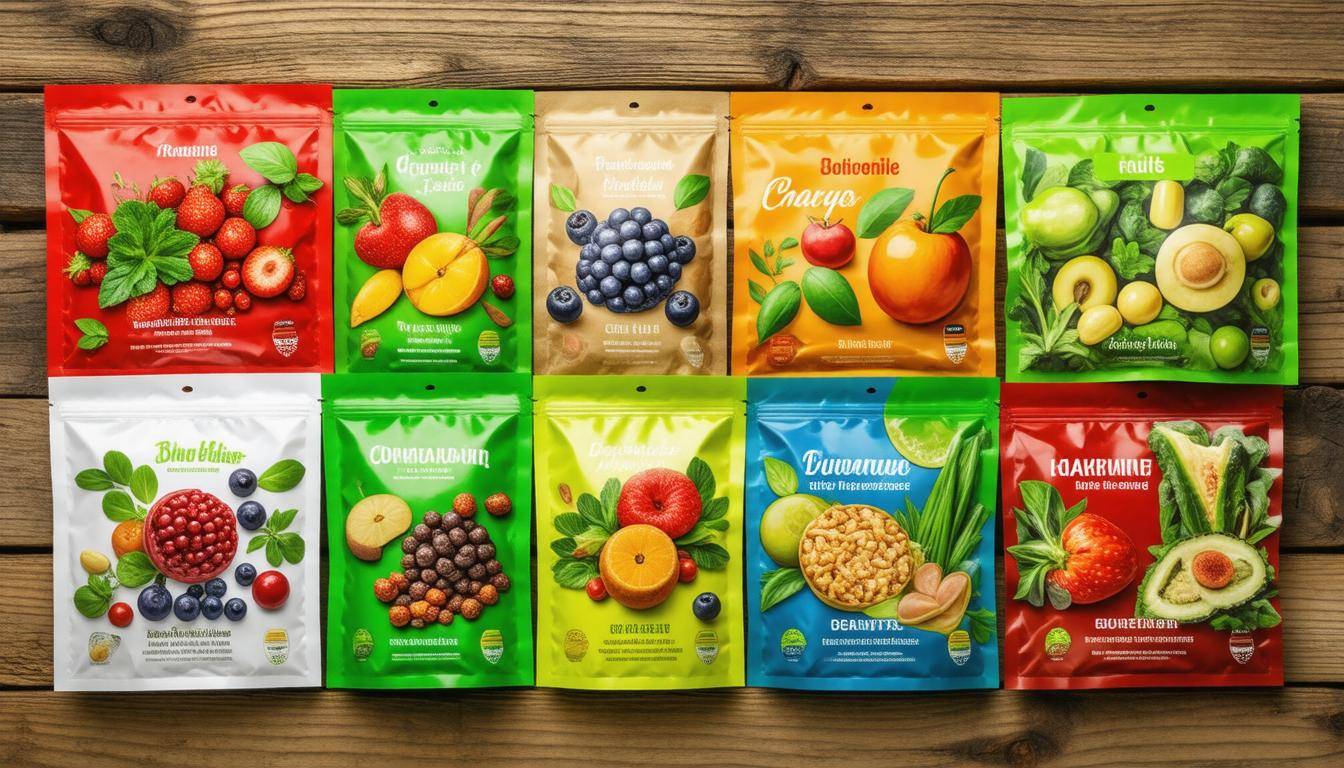
Freeze-drying and dehydration are game-changers when it comes to preserving food for lengthened periods. Both methods help keep nutrients intact while showcasing simplicity in usage. With proper sealing, freeze-dried strawberries or apples maintain their vitamin C content and boast a shelf life of up to 25 years. That’s comparable to some home gardens!
In contrast, dehydrated vegetables like carrots, peas, and bell peppers transform from lightweight snacks into culinary staples just by adding water. Picture this: one evening, you decide on a hearty vegetable soup for dinner. Rather than making last-minute runs to the grocery store, you can simply grab your stocked shrink-wrapped bags of dehydrated veggies, rehydrate them in minutes, and voilà! A nutritious meal is on the table without fussing over soggy produce that could spoil before you even use it.
You might be surprised to learn that studies indicate freeze-dried foods can preserve up to 97% of their nutritional value, placing them almost on par with fresh produce health-wise. Imagine having each bite of food deliver nearly the same nutrition as if you were eating straight from the garden, all while being able to store it for decades.
This leads us into key considerations when selecting these preservation methods. Consider opting for high-quality packaging; ensuring your food is sealed properly prevents moisture from tarnishing their longevity. Interestingly, dehydrated foods retain about 75-90% of their original nutrients, slightly less than their freeze-dried counterparts but still a strong contender for pantry stocking. It’s crucial to remember that both methods require some attention to detail in storing and handling to maximize their shelf life.
As we move forward, let’s explore the essential items that will ensure your food storage is not just plentiful but also nutritious and versatile for various culinary needs.
Essential Pantry Staples
The foundation of any effective food storage strategy lies in selecting versatile and long-lasting ingredients. Think of these staples as the building blocks that enable creativity in your cooking even during challenging times. For instance, salt is one of the key essentials—it’s fundamental for seasoning and also indispensable for preserving food. Its shelf life is indefinite, making it a must-have in any pantry. Just imagine a world without flavor or the ability to preserve the freshness of your fruits and vegetables!
While also essential, sugar should never be overlooked; it’s an incredibly versatile ingredient that serves many purposes, from sweetening dishes to baking. Notably, sugar can last indefinitely when stored properly—the trick is to ensure it remains moisture-free.
Moving on to baking supplies, they play an integral role in a well-rounded pantry. Ingredients like baking soda and baking powder are crucial for anyone looking to whip up comforting bread or pastries. Baking soda impressively lasts almost indefinitely if sealed correctly after each use. In contrast, you’ll want to keep an eye on baking powder’s shelf life, which hovers around 18 months. Thus, awareness and timely rotation of these supplies is vital.
| Item | Shelf Life | Storage Tips |
|---|---|---|
| Salt | Indefinite | Store in an airtight container |
| Sugar | Indefinite | Keep away from moisture |
| Baking Soda | Indefinite | Seal tightly after each use |
| Baking Powder | 18 months | Store in a cool, dry place |
As you gather these staples, understanding effective storage techniques will be crucial in maximizing their longevity and maintaining their quality over time. Next, we will explore how to best pack and preserve these essentials for extended use.
Packing and Preservation Tips
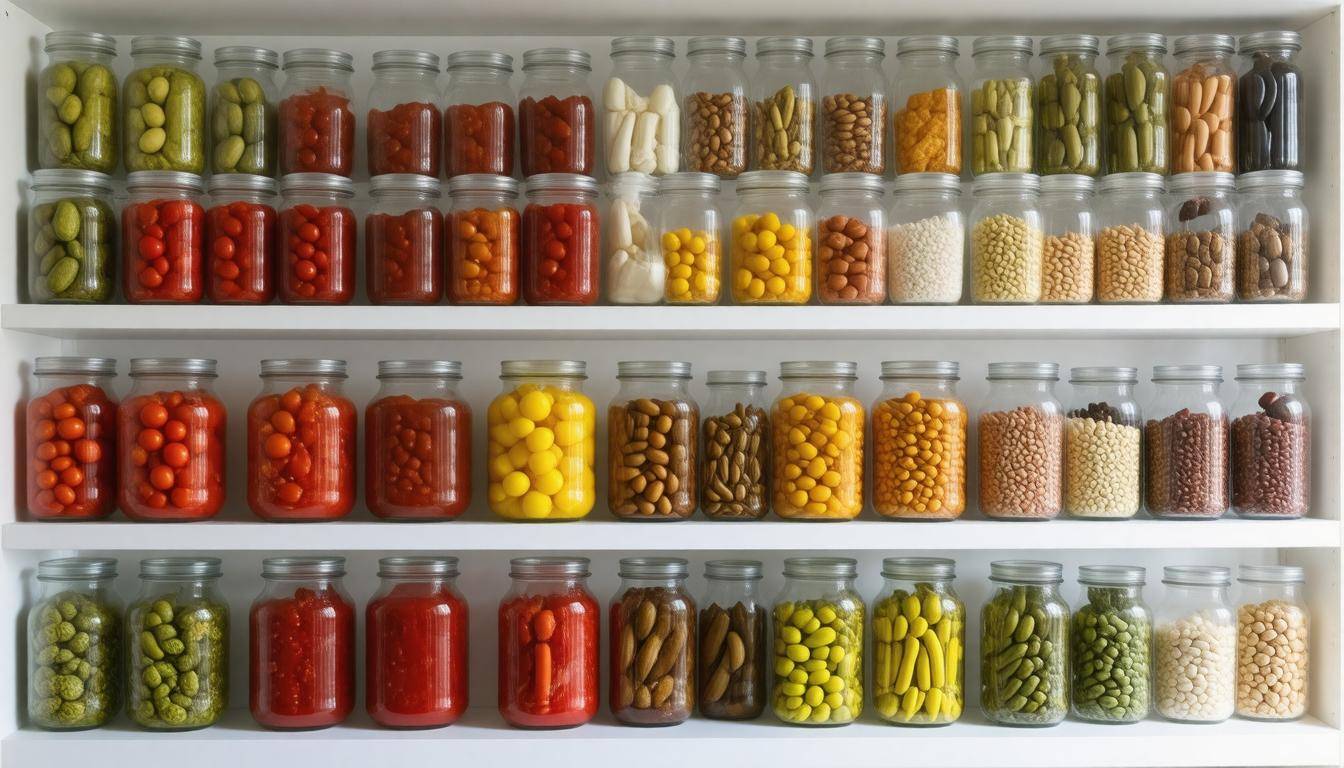
Proper packing and preservation techniques are essential for extending the shelf life of your food storage items, helping to prevent spoilage and loss of nutritional value.
To start, integrating Mylar bags into your storage is a game-changer. These bags provide an excellent barrier against light, moisture, and oxygen, all of which threaten food longevity. Pairing these bags with oxygen absorbers is highly effective for dry goods like grains and beans. This combination helps create an environment devoid of oxygen that inhibits spoilage and allows staples to last for decades!
Now, when it comes to canned goods, consider the environment in which they’re stored. A dark, cool place works wonders for keeping nutrients intact and preventing deterioration of the can itself. Utilizing a dedicated pantry or storage area where temperatures remain stable and away from sunlight is advisable. Remember, extreme temperature fluctuations can impact both the seals on cans and the quality of the food inside.
- For dry goods:
- Use Mylar bags
- Store in food-grade buckets
- Include oxygen absorbers
- For canned goods:
- Keep in a dark, cool space
- Avoid light exposure
For meats and freeze-dried foods, vacuum sealing is invaluable. This process removes air from packaging significantly limiting oxidation and protecting the integrity of the food. Vacuum-sealed meat remains much fresher for longer periods than those simply wrapped in plastic wrap or parchment.
Additionally, regular inspections of your stored items can avert potential disasters—check for signs of spoilage or pest infestations regularly.
As you rotate your stock, ensure older items are used first to maintain freshness and maximize usage of your supplies. With a little attention to detail, you can manage your food stores effectively.
Transitioning beyond preservation methods, comprehending how these items contribute to your overall health is vital for making informed choices about what you pack away for the future.
Nutritional Value of Stored Foods
Maintaining nutritional balance in your food storage goes beyond merely having food on hand; it’s about ensuring that what you’re storing will keep you healthy during extended periods when access to fresh groceries may be limited. When planning your supplies, consider the different macronutrients and micronutrients present in your stored items. Each plays a pivotal role in supporting your body’s needs over time.
Key Nutritional Considerations
First, proteins should be a priority. These are vital for muscle repair and overall bodily functions. Ensure a balanced intake from canned meats like chicken or tuna, legumes such as beans and lentils, as well as freeze-dried eggs. Not only are these sources practical for long-term storage, but they also deliver essential amino acids that your body craves, especially in stressful conditions where stress eating can become prevalent.
Next, carbohydrates are equally significant as they provide the energy required for daily activities and maintain bodily strength. Long-lasting options such as whole grains—think oats, rice, and wheat—along with dried pasta, can sustain you over lengthy periods. These foods help keep your energy up even when you’re engaging in demanding tasks like securing your living environment or ensuring your family’s safety during a crisis.
Lastly, don’t overlook the importance of vitamins and minerals. Stocking your pantry with a variety of dehydrated fruits and vegetables can help bridge dietary gaps you might experience during emergencies. Additionally, consider including multivitamins in your emergency supplies. This will serve as an excellent complement to any food items lacking specific nutrients and can be particularly beneficial if you find yourself relying heavily on shelf-stable provisions with lower diversity.
It’s crucial to recognize that while high-calorie snacks may tempt us with immediate comfort during stressful times, they often carry little nutritional value. For instance, sugary treats might provide an energy spike but ultimately leave you feeling drained without delivering sustained fuel for your body. Therefore, prioritize nutrient-dense foods that offer a well-rounded mix of vitamins and minerals.
A well-stocked supply of nourishing foods can actually transform how you handle crises, providing not just sustenance but a semblance of normalcy and health amidst uncertainty.
Considering all these factors—the types of foods you select and their inherent nutritional content—will empower you to establish a robust long-term food supply that supports not only survival but thriving through difficult times.
As you’ve learned, thoughtful planning and careful selection of nutritional food items are vital for effective long-term food storage. Building this supply fosters resilience and well-being in the face of unpredictability.
What storage conditions (temperature, humidity, light) are optimal for preserving food?
The optimal storage conditions for preserving food include a cool temperature between 50-70°F (10-21°C), low humidity levels ideally around 15-20%, and minimal exposure to light. These conditions help inhibit the growth of mold, bacteria, and pests, prolonging the shelf life and nutritional value of stored items. For example, storing food in a dark place reduces the risk of nutrient degradation—light can break down vitamins A, C, D, and E, making your emergency supplies less effective when you need them most.
Are there specific packaging methods or materials recommended for long-term food storage?
Yes, for long-term food storage, vacuum sealing is highly recommended as it significantly reduces the presence of oxygen, which can lead to spoilage. Mylar bags with oxygen absorbers are also excellent for items like rice and beans, providing a barrier against moisture and light. Statistics show that properly stored dry goods can last 20 to 30 years when packaged correctly, compared to just a year if kept in standard containers. This makes these methods crucial for anyone looking to be prepared for emergencies or to extend their food supply effectively.
What are the shelf lives of different food items suitable for long-term storage?
The shelf lives of food items suitable for long-term storage can vary significantly, with some staples lasting decades when stored properly. For instance, white rice and dried beans can last up to 30 years or more; freeze-dried fruits and vegetables typically have a shelf life of 25 to 30 years. Canned goods, like vegetables and meat, can last between 2 to 5 years past their best-by dates, while powdered milk can last up to 20 years. Proper storage conditions—cool, dry places in airtight containers—can greatly enhance these durations and ensure food safety during emergencies.
How do nutritional values change in foods that are stored for extended periods?
Nutritional values in foods stored for extended periods can diminish due to factors such as oxidation, loss of vitamins, and moisture loss. For instance, water-soluble vitamins like B and C may degrade significantly over time; studies show that vitamin C can decrease by as much as 50% after a year in storage. Additionally, fats can become rancid, leading to a decline in both flavor and health benefits. To maintain nutritional integrity, it’s crucial to use proper storage methods, such as vacuum sealing and keeping food in cool, dark environments.
How should long-term food storage items be prepared before storing?
Long-term food storage items should be properly cleaned, dried, and packaged in airtight containers to minimize exposure to air, moisture, and light, which can lead to spoilage. It’s recommended to use Mylar bags with oxygen absorbers or FoodSaver vacuum-sealed bags for optimal preservation. According to the USDA, proper food storage can extend shelf life significantly; for example, dried beans can last up to 30 years when stored correctly compared to only a couple of years if left in an open container.