
When it comes to food storage, rice is often hailed as a staple for good reason. Not only is it versatile in the kitchen, easily complementing a range of dishes, but it can also be stored long-term if done correctly. Imagine having a reliable grain supply that could last years, ready to feed your family during busy nights or emergencies. But before you dive into storing away those bags of rice, it’s essential to understand how to prepare and preserve them effectively. With a few simple steps and the right materials, you can ensure that your rice stays fresh and tasty for many years to come. Let’s explore the best methods for long-term rice storage so you can make the most of this beloved pantry item.
To store rice long-term, first choose white rice due to its indefinite shelf life. Next, place the rice in airtight containers such as mylar bags with oxygen absorbers or food-grade buckets with locking lids, ensuring minimal exposure to moisture and light. Store the containers in a cool, dry location, and regularly rotate your stock to maintain freshness.
Preparing for Long-Term Rice Storage
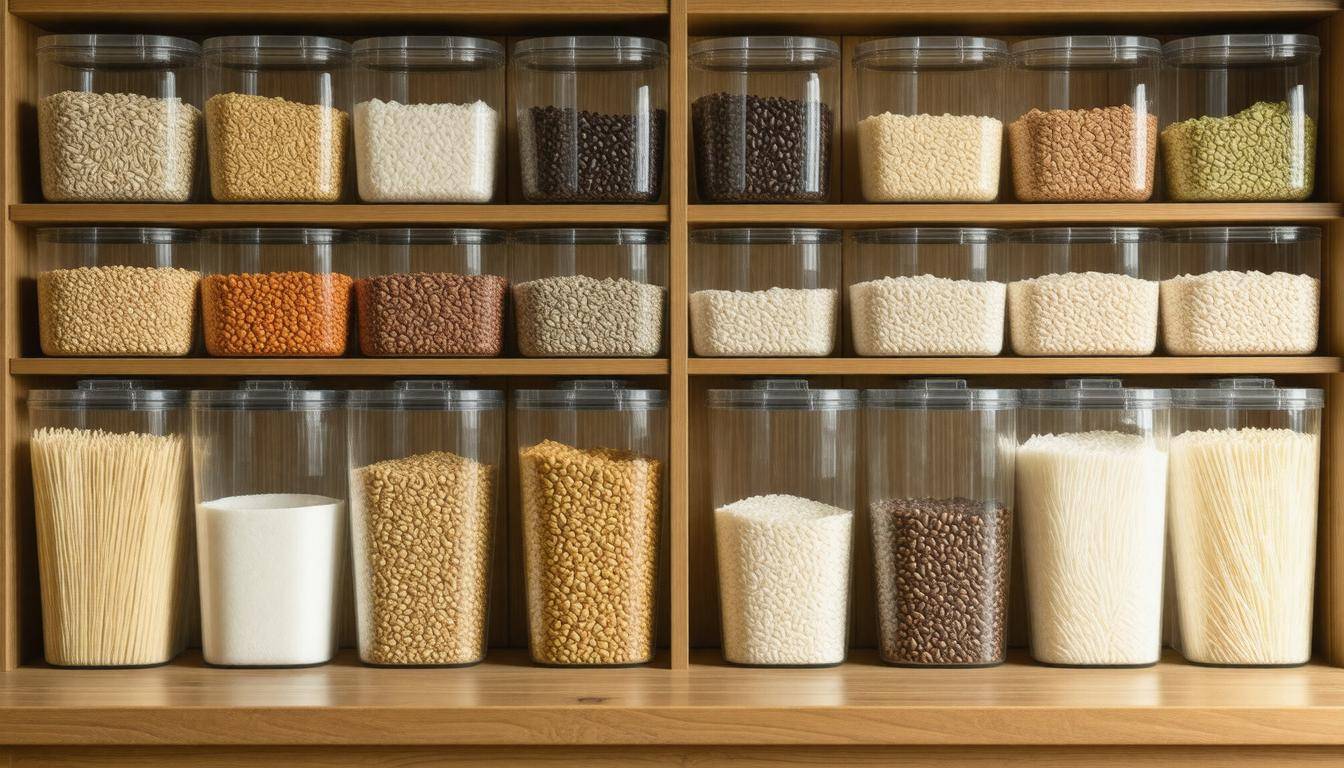
The very first step in preparing for long-term rice storage is to thoroughly inspect and clean your storage area. Start by ensuring it’s dry and free from any potential contaminants or pests. A chaotic or unkempt area can invite trouble: insects, moisture, and even mold are the enemies of your rice. If possible, keep the area specifically dedicated to food storage, separating it from other household items that may not be as benign.
As you prepare, consider temperature and humidity; they are vital factors in preserving the quality of your rice. Ideally, aim for a temperature between 40°F to 70°F (4°C to 21°C) along with a humidity level below 15%. It’s fascinating how rice can actually absorb moisture from the air, which is a prime reason why you’ll want to avoid storing it in damp basements or near appliances that generate heat.
Think of your rice storage environment like the ideal atmosphere for a tropical plant: it needs just enough warmth and low humidity to flourish without wilting or rotting.
Next, choosing the right containers plays a significant role in protecting your rice from environmental factors. Airtight options such as Mylar bags with oxygen absorbers, food-grade buckets with locking lids, or vacuum-sealed glass jars are excellent choices. These containers work together to keep out pesky air and moisture while offering adequate protection against potential pests that may creep in over time. It’s almost like fortifying a castle—you’re creating a barrier against any infiltration.
Additional Considerations
- Oxygen Absorbers: Including these little wonders inside your containers helps remove oxygen, which can lead to spoilage.
- Labeling: Remember to label each container with both the type of rice and the date you stored it. This will help you keep track of freshness and assist in using older stock first—a crucial strategy for any pantry.
- Pest Control: For an extra layer of protection against uninvited guests, consider adding diatomaceous earth or bay leaves into your storage containers. Both have natural pest-repellent properties.
Successfully preparing your storage environment sets you up for a seamless rice management process down the line; it’s all about laying the groundwork now. Turning our focus next will be on the indispensable items that enhance your rice preservation strategy.
Essential Supplies for Storing Rice
Having the right supplies is half the battle when it comes to successfully storing rice for extended periods. The quality and type of supplies used directly affect the longevity of stored rice, ensuring that it remains safe and flavorful when you’re ready to use it.
Among these crucial items, Mylar bags stand out as a top-notch option. These high-barrier bags are not just ordinary plastic; they are designed to block out light, moisture, and oxygen—elements that could spoil your precious grains over time. Think of them as an armor for your rice, keeping environmental threats at bay.
This brings us to the next essential item: Oxygen absorbers.
Oxygen absorbers are indispensable allies in the quest against spoilage and pest infestation. By effectively removing oxygen from your storage container, these little packets play a significant role in prolonging shelf life. It’s fascinating to note that all living things need oxygen to thrive—including molds and pests—so by eliminating their oxygen supply, you are essentially putting a stop to their growth and reproduction.
When using Mylar bags, adding 100cc or 200cc oxygen absorbers can make a profound difference, prolonging the lifespan of your rice.
Next on our list are food-grade buckets with gamma lids, which provide an additional layer of protection. These locking containers keep out pests while also offering a water-tight seal. Imagine storing a 5-gallon bucket filled with rice, knowing that nothing can get inside unless you choose to open it!
Investing in good-quality food-grade buckets can protect your stored rice not just from insects but also from unforeseen spills or moisture.
As we dive deeper into practical solutions for storage, let’s talk about vacuum sealers.
Vacuum sealers offer incredible versatility for those who want to store rice in smaller quantities or make efficient use of space. By sucking out air before sealing small portions of rice in bags, these machines help minimize exposure to oxygen and moisture—essentially doubling down on preservation efforts. You don’t necessarily need to go for the most expensive model; there are reliable options that can cost as little as $50.
To ensure optimal conditions inside your containers, incorporating desiccants offers an added measure of control against humidity levels within jars or bags. Silica gel packets are common examples that absorb excess moisture, helping keep your rice dry and flavorsome. Typically, using one or two packets per container is recommended to maintain a low-humidity environment.
Gather all these supplies ahead of time because they will make the entire process so much smoother.
Having these supplies on hand before you begin will make the process more efficient and effective. Not only do they enhance storage longevity but they also allow you peace of mind knowing that your stash of rice is well-protected against spoilage and contamination.
As you prepare these key elements for successful storage, consider what type of rice will best meet your long-term needs.
Selecting the Best Rice for Storage
The type of rice you select will dictate how effectively you can store it and how long it will remain viable. White rice is widely regarded as the best option for long-term storage. The milling process removes the husk, bran, and germ, stripping this variety of components that can spoil. When properly stored, white rice can last an impressive 30 years. Imagine having a stockpile ready to go whenever you’re in need—perfect for emergencies or simply ensuring you always have grains at hand.
In contrast, brown rice is a healthier choice frequently lauded for its nutritional benefits; however, this comes at a cost regarding storability. Its higher oil content found in the bran layer causes brown rice to become rancid within just 6 to 12 months. So if you’re looking at long-term options, brown rice might not be your best friend in the pantry. Think of it as that great yet fleeting summer sandcastle—beautiful but easily washed away by time.
Varieties like Basmati and Jasmine rice are often favored not just for flavor but also for their longevity when stored correctly. These varieties fall under white rice, making them suitable candidates for anyone who wants their pantry grain selection to be both palatable and practical.
While choosing your ideal type of rice is crucial, proper preparation before packing is equally important to ensure that your chosen rice remains fresh and ready to use even years down the line. Let’s move forward to discuss how to prepare your rice for optimal storage.
Drying and Packing Rice
Moisture is often regarded as the enemy when it comes to preserving rice. If you want your rice to last, the first mission is to ensure that it is dry. A great method for air drying is to spread the rice out in a thin layer on a clean baking sheet or any large, flat surface. This allows the air to circulate freely around each grain. Ideally, this process should take at least 24 hours, so find a cool, dry place away from direct sunlight. During this time, stir the rice occasionally to help it dry evenly.
Keep an eye on the weather as well; high humidity outside can affect how quickly your rice dries.
Step I – Air Drying
Once you’ve allowed sufficient time for air drying, check the moisture content. Ideal moisture content for long-term storage is typically below 13%. If you’re unsure, a simple technique involves taking a handful of rice and squeezing it tightly. If clumps form and stick together, it likely needs more drying time. This attention to detail ensures that you don’t inadvertently compromise the quality of your long-term storage.
Step II – Packing
After confirming the rice is thoroughly dried, it’s time to pack it into Mylar bags. Using these bags is one of the best practices for long-term storage because they provide an excellent barrier against moisture and light. When filling your Mylar bags, aim for about 90% full—this leaves just enough room to add oxygen absorbers later. It’s crucial here to avoid overfilling the bags, as this can hinder their ability to seal properly.
Step III – Adding Oxygen Absorbers
The role of oxygen absorbers cannot be overstated; they play a significant part in extending shelf life by removing most of the oxygen from the storage environment. For every gallon of rice packed in a Mylar bag, including 300cc oxygen absorbers is typically sufficient. This addition will help protect your rice from spoilage and pests over time. After placing them into the bag, seal it carefully according to the product instructions—something as simple as ensuring no gaps can mean a longer shelf life.
With these steps in mind, you’re prepared for the next phase: examining effective sealing techniques and ideal storage containers that will secure your hard work even further.
Sealing Techniques and Containers
Ensuring a proper seal is foundational to protecting rice from environmental factors like moisture, air, and pests. This goes beyond just putting rice in a container; each method you choose plays a critical role in maintaining freshness over time.
For instance, Mylar bags are favored for long-term storage due to their barrier properties against light and moisture. Using oxygen absorbers inside these bags can significantly prolong shelf life by reducing oxidation. Think of it as creating a little fortress around your rice—a barrier that keeps unwanted elements at bay.
Heat Sealing Mylar Bags
One of the best methods for sealing Mylar bags is heat sealing. It’s surprisingly simple! Using a heat sealer or even a clothing iron set on the cotton setting can be perfectly effective. It’s crucial to seal the bag completely without any leaks.
To do this, lay out the open bag on a flat, heat-resistant surface, making sure to fill it only halfway to allow room for sealing. Once you bring the two edges together and apply heat, you’ll want to press firmly but carefully—consider that you’re creating a long-lasting protective seal here.
Many enthusiasts recommend checking your seal at both objectives—the bottom seam where you initially filled the bag and the top edge. A double-check will prevent uninvited guests later on!
Using Food-Grade Buckets
Another excellent strategy is to take those sealed Mylar bags and store them in food-grade buckets with gamma lids. These buckets provide an added layer of protection against rodents or other pests that could potentially breach your Mylar bags.
Gamma lids make it significantly easier to access the contents without compromising the entire seal each time you reach for some rice. When choosing food-grade buckets, make sure they’re not only sturdy but also compatible with sealed bags—for example, tall buckets work well so that you can stack multiple Mylar bags neatly.
Moreover, labeling your buckets with dates helps keep track of how long you’ve stored your rice. You don’t want to forget what’s in there or when you stored it; this helps maintain rotation. A simple sticky note on the lid goes a long way!
What’s fascinating is experimenting with different types of rice and observing their behavior in chosen containers. For example, white rice has an incredibly long shelf life compared to brown rice because of its lower fat content—this factor becomes even more critical when considering how tightly one seals each bag.
Once secured in their protective containers, it’s important to stay vigilant about conditions affecting your stored grain. Understanding how to effectively monitor these rations will ensure their viability over time.
Monitoring Stored Rice
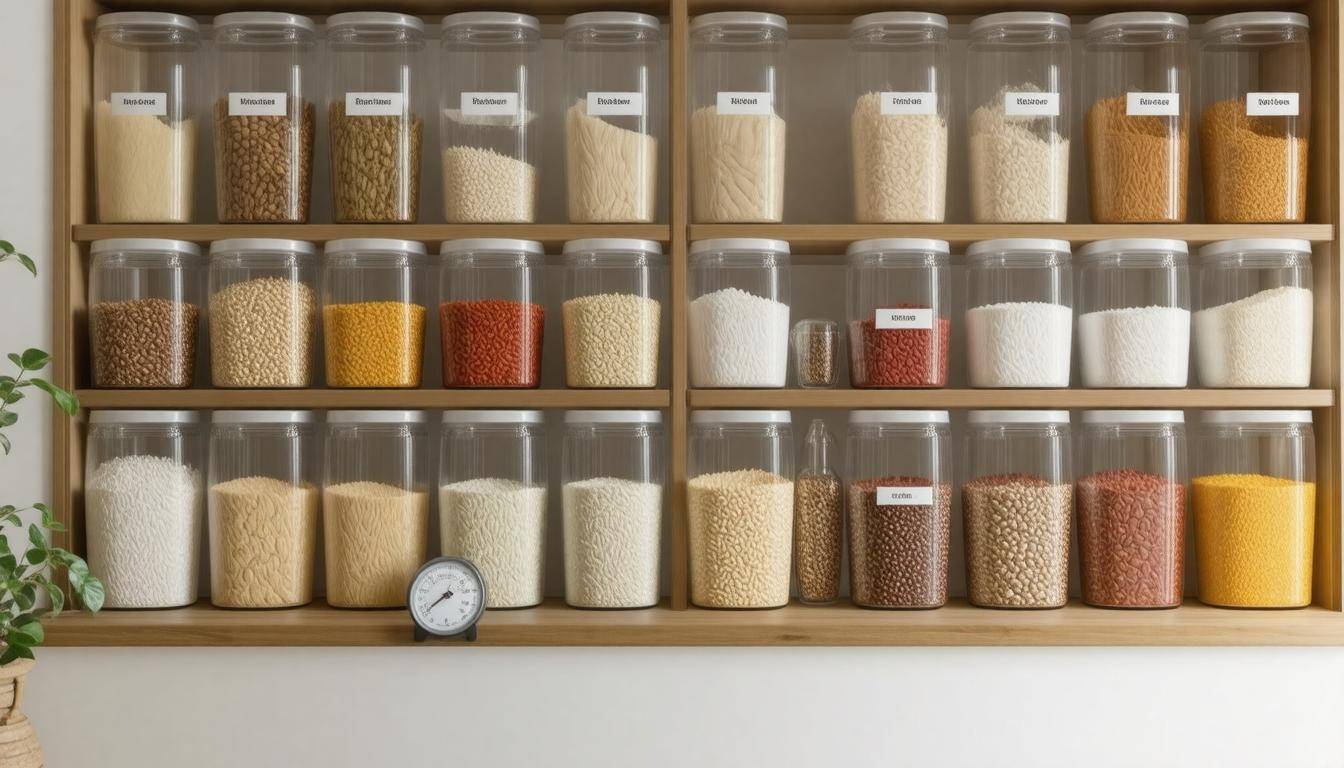
Keeping an eye on your stored rice ensures that everything remains in optimal condition. To start, it’s crucial to perform regular inspections of your rice storage area. Aim for a monthly checkup where you assess the environment and the rice itself. Look for any signs of moisture, which could indicate potential mold growth, and keep an eye out for pests like weevils that can infiltrate bags unnoticed.
If you notice anything unusual—be it discoloration, odd odors, or strange textures—it’s time to take action.
A handy tool to have during these inspections is a desiccant indicator card, which changes color when humidity levels rise above 15%. This little gadget can provide peace of mind by alerting you before moisture becomes a bigger problem.
In addition to visual checks, be sure to keep track of your oxygen absorbers. These are essential for maintaining an oxygen-free environment, which extends the shelf life of your rice. Regularly inspect them for any signs of bulging or discoloration; these are red flags that they need replacing. The sooner you address depleted absorbers, the better chance you have at keeping your rice safe from oxidation and other spoilage factors.
Each of these steps serves as a layer of protection against the elements that could compromise your stored rice. Neglecting even one aspect of monitoring could inadvertently lead to spoilage or waste over time. By being proactive and engaged in the process, you’re not just preventing loss but preserving the value of long-term food security that quality storage provides.
Moving forward, remember that this vigilance creates an ongoing relationship with your food storage practices. It’s not merely about sealing everything away and forgetting it; instead, view this approach as an investment in your pantry that pays dividends through high-quality meals down the road.
As we navigate the intricacies of effective storage strategies, it’s equally important to weigh the pros and cons associated with each method available.
Advantages and Limitations
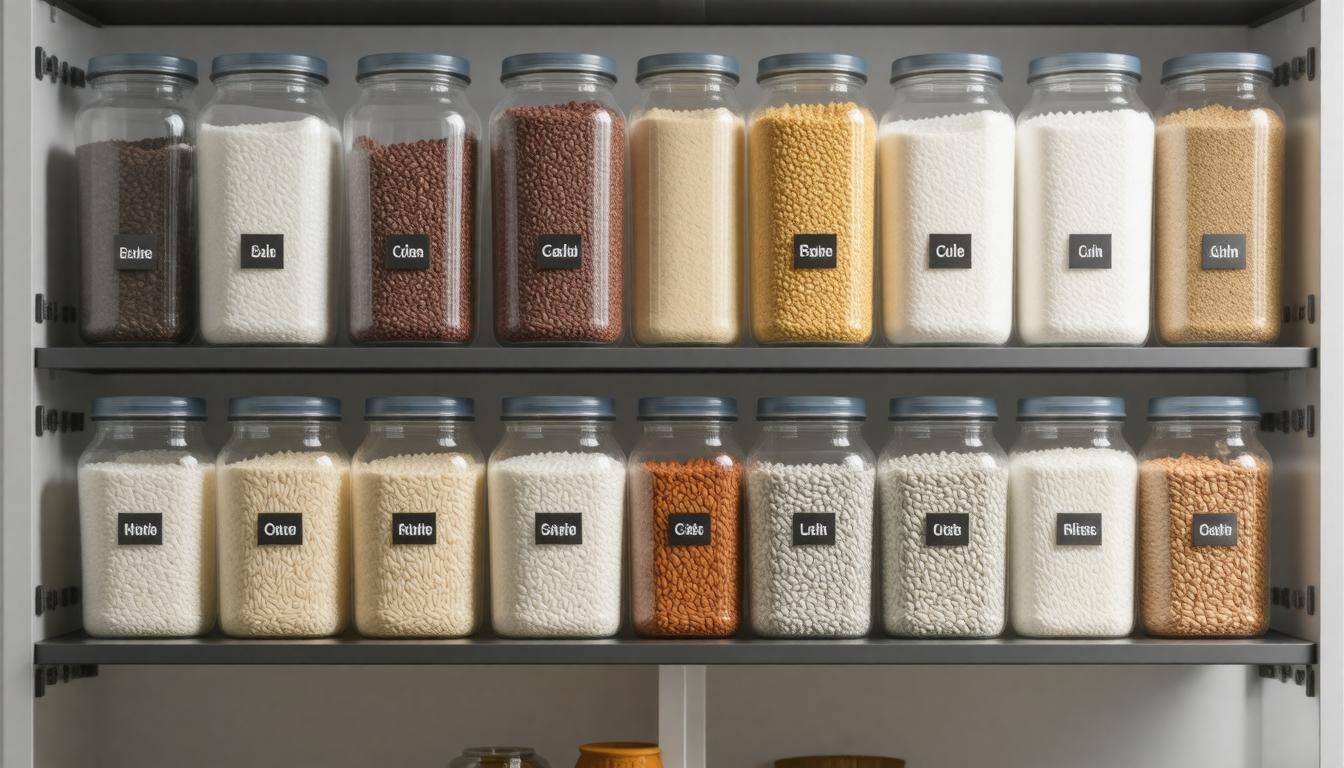
Each method of rice storage offers its own set of benefits, catering to various needs and storage conditions. For instance, mylar bags paired with oxygen absorbers stand out because they provide long shelf life while keeping the rice protected from environmental factors. Not only do these bags block out light – which can degrade nutritional quality – but they also help create an airtight seal when used with absorbers, thereby extending the rice’s longevity significantly.
| Method | Advantage |
|---|---|
| Mylar Bags with Oxygen Absorbers | Long shelf life, excellent protection against oxygen and moisture |
| Vacuum Sealing | Space-saving technique, perfect for managing smaller quantities without compromising freshness |
| Food-Grade Buckets | Provides strong protection from pests and external elements, ensuring a secure environment for stored rice |
On the other hand, vacuum sealing is a game-changer for those short on space. By removing air from bags and containers, vacuum sealing locks in flavor while preventing spoilage. It works wonders for small batches where users can just reach in without disturbing the entire stockpile. However, this method does have its drawbacks; it necessitates special equipment that not everyone may have on hand, alongside regular maintenance of those machines.
When it comes to food-grade buckets, they’re incredibly robust options that offer strong barriers against pests like weevils or moisture. These buckets are designed to endure harsh conditions while providing an extensive volume of storage. Yet, their bulkiness means they might occupy more real estate than lighter materials like bags or smaller jars—something to keep in mind if space is limited.
While each method has its pros and cons, assessing your specific situation can help tailor the right approach to keep your rice fresh longer.
The impact of properly stored rice transcends mere convenience—it’s about ensuring food security and retaining nutrition over time. Both white and brown rice have very different lifespans based on storage choices. As previously mentioned, white rice can last up to 30 years under ideal conditions while brown rice will typically maintain its quality for about six months due to oil content. This fact alone makes it essential to think critically about how you’re going to preserve your supplies.
With this foundational understanding of the benefits and drawbacks of each method, we can now explore some specialized insights aimed at maximizing your preservation efforts.
Expert Tips for Preservation
To preserve rice effectively, it’s essential to understand that even simple tweaks in your storage routine can yield remarkable results. First and foremost, control the temperature of your storage area; keeping it consistently cool—ideally between 40°F to 70°F (4°C to 21°C)—is vital. This temperature range discourages potential pests and mold that thrive in warmth, thus extending the lifespan of your rice significantly. Imagine a cozy cupboard—dark, dry, and comfortably cool—that provides the perfect sanctuary for your grains.
Another useful tip is to use diatomaceous earth as an additional layer of protection against pesky pests. Just a sprinkle of food-grade diatomaceous earth can act as a barrier against insects while remaining completely safe for human consumption. This natural powder works by dehydrating intruders that come into contact with it, making it not just a guard but a proactive defender for your happily stowed away rice.
Be mindful to rotate your stock. Consistently using the oldest rice first and adding new purchases to the back not only ensures freshness but also maintains the integrity of your supply over time. This simple method combats wastefulness and gives you peace of mind knowing you’re maximizing what you have on hand.
While these tips focus on preservation, don’t forget to label your containers with both storage dates and types of rice. This practice helps keep track of freshness and promotes efficient rotation.
Always check your stored rice every six months for signs of spoilage or pest infestation. Adopting this practice turns your pantry into a proactive preservation station rather than a stagnant storage site. If you store white rice properly, it can last indefinitely; however, keeping an eye out for unwanted surprises ensures that what you consume remains at its best quality.
By adopting these expert techniques, you’re not just preserving rice; you’re securing lengthy storage lifetimes while contributing to meals that retain their delightful tastes and textures for years ahead.
In summary, implementing these best practices will safeguard your rice supply and enhance your cooking experience by ensuring fresh ingredients whenever you need them.
Can I vacuum seal rice for better long-term preservation, and if so, how?
Yes, you can vacuum seal rice for better long-term preservation. Vacuum sealing removes air from the packaging, significantly reducing the risk of spoilage due to oxidation and pest infestations. It can extend the shelf life of white rice up to 30 years when stored in a cool, dark place, compared to about 5-10 years for unsealed rice. To vacuum seal rice, simply place it in a vacuum-sealable bag or container, use a vacuum sealer to remove the air, and then store it in a dry environment.
What methods can be used to prevent insect infestations in stored rice?
To prevent insect infestations in stored rice, effective methods include using airtight containers to eliminate air exposure, employing food-grade diatomaceous earth as a natural pest deterrent, and maintaining a cool, dry storage environment with temperatures ideally below 70°F (21°C). These practices can reduce the likelihood of infestations significantly; for instance, studies show that keeping rice in sealed containers can lower pest occurrence by up to 90%, ensuring your grain remains protected and edible for extended periods.
What are the best containers for storing rice long-term?
The best containers for storing rice long-term are airtight food-grade buckets, glass jars, or Mylar bags with oxygen absorbers. These options effectively protect rice from moisture, pests, and air exposure, which can lead to spoilage. Airtight containers can extend the shelf life of white rice to up to 30 years when kept in a cool, dark place. In studies, Mylar bags combined with oxygen absorbers have shown a remarkable ability to maintain rice’s quality and nutrients over prolonged periods, making them an ideal choice for preparedness and storage enthusiasts.
How can I determine the shelf life of different types of rice during storage?
To determine the shelf life of different types of rice during storage, consider the type of rice and its storage conditions. White rice can last up to 25-30 years when stored properly in a cool, dry place with minimal moisture, while brown rice typically lasts about 6 months to 1 year due to its higher oil content that can lead to rancidity. Vacuum sealing or using airtight containers can extend this shelf life significantly. Regularly checking for signs of pests or spoilage is also crucial for maintaining quality over time.
Are there specific storage conditions (temperature, humidity) that are ideal for long-term rice storage?
Yes, ideal storage conditions for long-term rice storage involve maintaining a cool, dry environment with temperatures around 40-70°F (4-21°C) and humidity levels below 15%. Keeping rice in these conditions helps prevent spoilage and insect infestations, significantly extending its shelf life. Studies show that rice stored at cooler temperatures can last up to 30 years or more when properly packaged, whereas warmer conditions may reduce this lifespan to just a few years.