
In this fast-paced world, having a solid backup plan for communication isn’t just a luxury—it’s a necessity. Imagine facing an emergency when your usual quick texts and calls suddenly stop working; it can create panic and confusion. That’s why knowing how to set up reliable, low-cost alternatives to stay connected is so important. We’re going to break down practical steps you can take to ensure you have multiple ways to communicate during crises—whether it’s through simple radios, budget-friendly mobile devices, or even social media platforms. By preparing now, you’ll be ready when the unexpected happens, helping you keep your loved ones informed and safe. Let’s dive into the essential strategies for creating your low-cost communication backup plan!
The Complete Guide to a Low-Cost Communication Backup Plan includes essential steps such as securing operations, assembling a breach response team, and understanding legal notification requirements for affected parties. Additionally, it offers practical tips for effective communication strategies during a data breach to ensure that stakeholders remain informed and engaged.
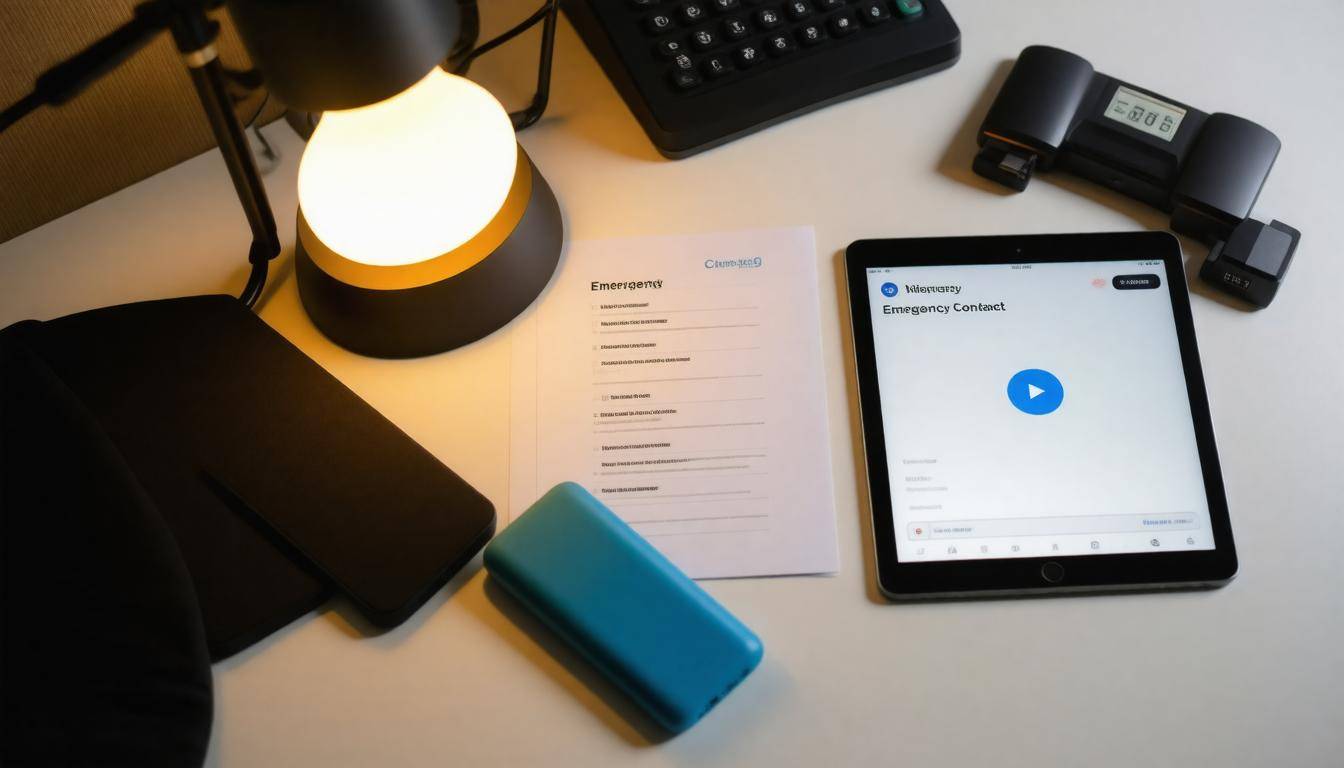
Essential Low-Cost Communication Devices
In today’s world where connectivity is paramount, having reliable communication devices can be a game changer, especially during emergencies when standard channels may falter. Among the most accessible low-cost alternatives are handheld radios, which serve as excellent backup solutions.
Handheld Radios offer a remarkable level of functionality without breaking the bank. For instance, devices like the Baofeng UV-5R not only operate on various frequencies, enabling intercommunication with other radio users but also provide exceptional performance at a very reasonable price—around $25. Imagine being able to stay in touch with family members or emergency responders within a few miles, regardless of whether your cell phone is operational; these radios ensure that you can still relay essential information when it matters most.
Adding a little extra preparation can enhance your setup even further. Equipped with additional batteries and an emergency charger for your radio will ensure you maintain communication even longer.
While handheld radios are wonder devices, they do require some familiarity. It’s beneficial to spend a little time practicing how to use them effectively before you actually need them.
Another fantastic tool to have in your emergency toolkit is prepaid mobile phones, often dubbed “burner phones.” With prices starting around $20, these basic devices are invaluable for making emergency calls should your primary smartphone become compromised or unreachable. Their simplicity means they don’t rely on complex operating systems or updates—they just work when you need them.
The Broader Picture of Communication Redundancy
As Sarah Thompson, a cybersecurity expert, articulated so well: “Having these simple devices on hand can make a world of difference in situations where traditional communication channels fail.” This highlights the importance of redundancy in our communication strategies; it’s not about replacing our primary methods but rather enhancing them with dependable backups.
Let’s take this concept a step further by looking at even more specialized yet budget-friendly options for reliable communication in challenging circumstances.
For those who want to invest wisely for maximum safety, consider satellite phones. Although they may sound expensive, many models are available for rental or purchase at lower rates than one might assume. Satellite phones allow you to connect even in remote areas where cellular coverage does not exist, ensuring that you’re never out of reach when it counts the most. They’re particularly advantageous during natural disasters when local infrastructure may be compromised.
Having an assortment of tools at your disposal lays a solid foundation for effective communication practices. Transitioning to exploring specific devices tailored for remote and resilient messaging options opens up exciting possibilities.
Affordable Radios and Satellite Phones
When it comes to reliable communication in emergencies, radios stand out as an exceptional choice due to their straightforward operation. For instance, the Midland GXT1000VP4 two-way radio is a fantastic option, priced around $70. It boasts an impressive range of up to 36 miles, making it ideal for coordinating activities during a crisis or natural disaster. One of the standout features is its NOAA weather alert channels; they provide timely updates, ensuring you’re informed about any severe weather warnings that may arise unexpectedly. Imagine being able to receive critical weather alerts even when other forms of communication fail—this is the kind of peace of mind that these radios can offer.
However, not all radios are created equal.
Another noteworthy choice is the Uniden Pro401HH 40-Channel Handheld CB Radio, priced at approximately $40. This model excels in providing long-range communication, making it a great asset for groups scattered across larger areas—such as search and rescue teams or families on outdoor adventures. The reliability of these radios isn’t just about distance; it’s also about resilience. Their ability to function in various environmental conditions means you can have one less worry on your mind when dealing with an emergency.
Satellite Phones
Moving on to satellite phones, while they have become more accessible in recent years, they still carry a considerably higher price tag compared to radios. The Inmarsat IsatPhone 2, for example, retails around $600. This investment can be invaluable for individuals frequently venturing into remote regions where cellular networks are non-existent. The global coverage ensures that no matter where you find yourself—be it on a mountain peak or in the heart of a national park—you remain reachable and can communicate when it matters most.
It’s easy to think that such high costs might deter potential users; however, if you find yourself in situations often void of cellular service, the additional expense becomes less daunting when weighed against the potential risks and consequences of unavailability during emergencies. The freedom of knowing you can connect with help or keep loved ones informed adds an undeniable layer of security.
While both radios and satellite phones serve significant roles in emergency communication strategies, understanding your specific needs will help you choose the right device for you. We will now turn our attention to affordable mobile devices that enhance your emergency preparedness strategy.
Inexpensive Mobile Devices for Emergencies
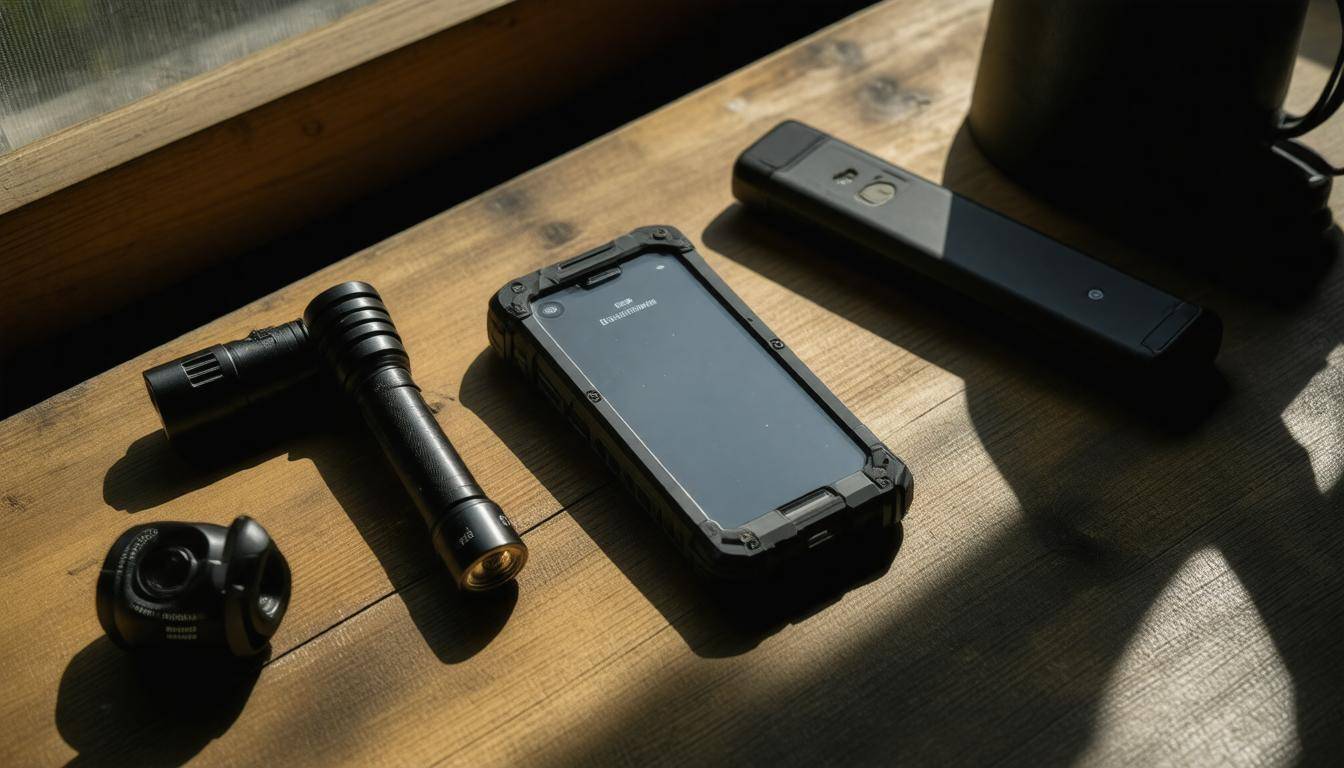
Low-cost smartphones can be a lifeline when traditional communication channels fail. Take a look at devices like the Jitterbug Smart4 or Nokia 3310 3G, which can often be found for under $50. These devices provide an alternative that is user-friendly and tailored for emergencies. While not loaded with every feature imaginable, they ensure you remain connected when it matters most.
What sets these phones apart is their ability to blend functionality with affordability. The Jitterbug Smart4, for instance, comes packed with essential features like medical alert capabilities and large screens for clarity—significant advantages during stressful situations. Its large 6.75-inch screen makes it especially appealing as it helps users easily read emergency texts or alerts without squinting, a small detail that can have a substantial impact in urgent situations.
As James Peterson, an IT consultant states, “In our disaster response kits, we include several low-cost smartphones primarily for their battery life and reliability.” This emphasizes the importance of having devices that won’t die right when you need them the most.
But while these cost-effective smartphones serve a purpose, considering various communication methods is crucial during moments of crisis.
Offline Messaging Services
Sometimes, having an offline messaging service can be even more effective for staying connected during emergencies. Applications such as Signal or WhatsApp allow users to send messages over Wi-Fi or cellular data and are particularly useful if voice channels become congested or unavailable. Moreover, these applications store messages locally on your device, ensuring they are sent once connectivity is restored.
Imagine a scenario where cell towers are down yet Wi-Fi connections remain intact due to local hotspots—this is where the utility of such apps shines. They allow users to send critical updates about their safety to family members without worrying about network overloads typically associated with traditional phone calls. This keeps people informed and reduces panic and uncertainty.
Furthermore, incorporating offline maps into a smartphone’s utility allows users to navigate without internet access—a powerful feature when evacuations make finding routes crucial.
The real strength of preparing with low-cost mobile devices lies not just in their affordability but also in the reliability they offer during unexpected events. This creates opportunities to explore additional strategies that enhance communication in exigent circumstances.
Offline Messaging Services
Offline messaging services offer a unique way to communicate without depending on the usual mobile network infrastructure. These services can utilize Bluetooth or direct Wi-Fi connections, allowing users to send messages even in settings where traditional networks are compromised or completely unavailable. This becomes especially invaluable during natural disasters or power outages when every second counts.
Applications such as FireChat, Bridgefy, and Briar are designed with this principle in mind. They enable users to connect with one another locally, relying on peer-to-peer messaging techniques. However, it’s essential to note that the effectiveness of these apps comes with limitations; for example, Bluetooth-based services typically have a range of about 100 meters. In urban environments, this can be more than sufficient for connecting with neighbors or community members, while in expansive areas, creative thinking may be required to relay messages through recipients.
One of the standout attributes of FireChat gained attention during events like the Hong Kong protests, illustrating just how vital offline messaging can be in crisis situations. Many protesters relied on it to organize and communicate entirely without internet access.
When exploring offline messaging solutions, consider their practical benefits. During natural disasters such as hurricanes or earthquakes, infrastructure can fail swiftly, disrupting normal communication channels. By employing offline messaging services, communities can maintain a semblance of connectivity. Local groups can dynamically relay information about shelters, resources, or safety tips without delay — crucial when people are seeking immediate assistance.
To maximize the utility of these applications, establishing role-play scenarios with friends or family members before an emergency occurs can be invaluable. Practicing how to use these apps effectively under various conditions builds not only confidence but also familiarity that will pay off when reliable communication is genuinely needed.
As we shift focus from the technical aspects of offline messaging services to their practical applications in urgent situations, it’s important to understand how established social networks can provide support during times of crisis.
Using Existing Social Networks in Crises
Social media platforms like Facebook and Twitter have radically transformed how we communicate, especially in times of crisis. These tools can act as both lifelines and information hubs, providing immediate access to updates and personal safety checks when emergencies strike. For instance, programs like Facebook’s Safety Check allow people to quickly notify family and friends that they are safe during natural disasters or other troubling situations. However, while these tools are beneficial, they rely heavily on having a stable internet connection, which can be a shortcoming during significant outages or emergencies.
In recent years, the Pew Research Center found that 67% of Americans receive news through social media, underscoring its crucial role in information dissemination. This figure highlights not just the popularity of social media but its capability to serve as a reliable source of real-time information during unforeseen events.
The beauty of leveraging social networks lies in their ability to spread vital updates swiftly. Brands can engage directly with their audiences by posting real-time updates, answering queries, and providing support during emergencies. Regular communication helps maintain trust and transparency. Furthermore, utilitarian posts about safety tips or resource availability can greatly assist in navigating through the crisis and inform those who may not have immediate access to conventional news sources.
When constructing a strategy for using these platforms effectively, it’s critical to understand both the strengths and potential weaknesses inherent to social media.
While harnessing the power of social networks is beneficial, it’s essential not to overlook the possibility of misinformation spreading just as rapidly. During crises, unverified rumors can fuel panic or confusion among users. Brands should adopt proactive measures to ensure that their communications are accurate and timely. Quick verification of facts before sharing information is key. One effective tactic could be the appointment of a dedicated team responsible for scrutinizing messages intended for public release—this helps filter out inaccuracies and strengthens authority.
Moreover, engaging your audience in real-time conversations during crises can also foster goodwill. When people feel that their concerns are acknowledged, it builds a sense of community even amidst chaos. An empathetic tone coupled with clear messaging can provide comfort and reassurance to those affected.
However, it’s worth noting that reliance solely on social media isn’t without its drawbacks; understanding alternate forms of communication remains critical.
While social media serves as an efficient means of communication, there are instances when connectivity might wane or fail entirely—particularly during widespread emergencies affecting infrastructure. The key is to always have contingency plans ready; this could involve integrating offline messaging services or establishing alternative ways to reach your audience if internet-based systems fail. Therefore, it’s prudent for organizations and brands to ensure they are equipped with backup strategies supplementing their social media efforts.
Considering these various channels enhances resilience in communication strategies when challenges arise, ensuring your message reaches those who need it most amidst disruption.
Mobile Network Backup Solutions
Mobile network backup solutions serve as a vital safety net, providing an additional layer of communication reliability during emergencies. Devices like Verizon’s Network Extender and AT&T’s MicroCell act like mini cell towers that utilize your internet connection to ensure mobile devices remain connected when traditional cellular signals falter. This seamless integration guarantees continuity and reassures users they can reach out during times of need.
One of the main advantages of these systems is their ability to transform your home or office into a communications hub. Imagine being in an area with poor cellular reception; this is where such devices become invaluable. By establishing a connection through your broadband service, you can maintain critical contact with family, emergency services, or business clients. It’s particularly helpful in urban settings where tall buildings might obstruct signals, or rural areas lacking robust coverage.
However, opting for these solutions comes with an initial investment—usually around $250—plus any ongoing service fees. Still, many find this cost modest given the peace of mind it delivers.
The flexibility these devices offer isn’t just about making calls; it includes text messaging and data services as well. With most backing up communication routes over the internet, users can rely on video calls or data-heavy applications under circumstances that would typically leave them isolated. For instance, if an unforeseen event—such as a natural disaster—knocks out local cellular towers, you’ll have backdoor access to necessary resources through your established network extender.
As Emily Wong, a small business owner states: “Our business uses a Network Extender to ensure we remain accessible even during local network outages.” Her experience highlights not just personal utility but also the importance of maintaining connectivity for businesses reliant on constant communication.
Next, we will explore devices designed specifically to provide portable internet connectivity, ensuring reliable online access when you’re on the go or in remote locations.
Internet Hotspot Devices
Internet hotspot devices serve as a lifeline in situations where conventional Wi-Fi networks are unreliable or completely down. These compact gadgets provide portable connectivity, ensuring that you remain connected to the world, whether you’re at home, on the road, or during an emergency.
The beauty of these devices lies in their ability to connect multiple devices seamlessly—transforming any place into a mini office or entertainment hub.
Consider this: The usage of hotspot devices skyrocketed by 30% during the power outages in Texas in 2021. This statistic underscores how vital reliable internet access can be, not just for work but also for personal communications and emergencies. An unexpected event can cut you off from information and support; with hotspot devices, you can bridge that gap effectively.
One popular choice is the Netgear Nighthawk M1, which costs around $300 and allows connection for up to 20 devices while delivering impressive speeds of up to 1Gbps. Imagine being able to stream movies, attend video conferences, and browse the web all at once without missing a beat. It’s like having your own personal Wi-Fi network that fits snugly in your pocket.
However, it’s important to keep in mind a few nuances related to data plans and coverage when relying on these devices.
Many hotspot devices come preloaded with data SIM cards, allowing for easy setup right out of the box. While this makes them incredibly versatile as emergency tools, users must remember that data limits are part and parcel of such convenient connectivity. Monitoring your usage is essential; nothing is worse than running out of data mid-task during a critical moment. Some users recommend setting up alerts or checks to track data consumption actively; this way, you eliminate surprises on your bill and maintain smooth operation.
Additionally, choosing a reputable service provider is crucial because signal strength can vary widely depending on location. Before committing to a device or plan, do some research on coverage maps and customer reviews specific to the areas you’ll be using it most often.
An internet hotspot device does more than merely provide connectivity—it offers peace of mind during times of uncertainty, helping you maintain essential communications when other avenues fail.
Armed with this knowledge about backup internet solutions, it’s time to shift gears and explore strategies that will allow us to develop effective communication methods under various circumstances.
Crafting a Comprehensive Communication Plan

A thorough emergency communication plan is essential for any organization, as it ensures everyone knows what to do when things go wrong. The first step in this process is identifying your communication needs. This means considering scenarios that could disrupt normal operations—natural disasters, technological failures, or even public health emergencies—and understanding who will require immediate information during those incidents. By answering the questions of who, what, and how, you can create a framework that prepares your team.
Once you’ve identified these needs, the next logical step is to compile the necessary contact information.
Step I – Identify Communication Needs
In assessing communication needs during emergencies, it’s crucial to consider key individuals within your organization and how they need to communicate with each other. Think about your leadership team, operational staff, and even external partners—they all require access to timely and accurate information. You might ask yourself: who must be informed first? What messages need to be relayed urgently? By systematically mapping out these roles and their corresponding communication needs, you not only prepare your team but also pave the way for an actionable plan that addresses specific scenarios.
After determining who needs to share information, you’ll want to compile contact details that are both accessible and secure.
Step II – Compile Contact Information
Collecting and maintaining updated contact information for employees, emergency services, and key stakeholders is critical. This includes primary phone numbers, email addresses, and alternative methods of communication if primary lines fail. Consider setting up a shared digital document that can be accessed by all team members, with regular updates to prevent outdated or incorrect information from being circulated. It’s also wise to have a physical copy of this contact list readily available as a backup. Having quick access to the right contacts can make all the difference in an emergency situation.
With your needs assessed and contact information compiled, it’s time to select the most effective communication methods.
Step III – Choose Communication Methods
When selecting communication methods, opting for multiple channels enhances redundancy—this way, if one fails, others remain open. A mix of low-cost devices and apps can serve this purpose well. For instance, you might consider two-way radios for instant communication in localized areas, satellite phones for more remote connections, or prepaid cell phones as cost-effective alternatives. Offline messaging apps ensure teams stay connected even without traditional internet access. Social media alerts can also be valuable for reaching broader audiences quickly during larger-scale emergencies.
- Two-way radios
- Satellite phones
- Prepaid cell phones
- Offline messaging apps
- Social media alerts
Naturally, Robert Gray—a disaster management expert—emphasizes the importance of diversity in tools: “For our disaster recovery plan, we integrated a mix of radios, offline messaging apps, and prepaid phones.” His approach reflects how leveraging different tools keeps lines of communication open under various conditions.
With these guidelines in mind, you’re equipped to craft a reliable and low-cost communication backup plan that will provide clarity and structure when it’s needed most.
In summary, an effective communication strategy is vital for seamless operations during crises. Ensuring diverse tools are in place will keep everyone informed and connected when it matters most.
How often should the backup communication plan be reviewed and updated?
The backup communication plan should be reviewed and updated at least annually, or more frequently if significant changes occur in your organization or technology landscape. Regular reviews ensure that the plan remains relevant and effective, accounting for shifts in personnel, communication tools, or operational needs. According to industry studies, organizations that regularly update their crisis communication strategies are 30% more likely to respond effectively during emergencies, underscoring the importance of maintaining an agile communication strategy.
What common mistakes should be avoided when developing a low-cost communication backup plan?
Common mistakes to avoid when developing a low-cost communication backup plan include underestimating the importance of clear protocols, neglecting regular updates and testing, and relying solely on digital solutions without considering analog options. For instance, a survey by the National Association of State Chief Information Officers found that 70% of organizations experienced communication failures during emergencies due to outdated systems. It’s crucial to ensure that your plan is adaptable, includes diverse communication methods, and is regularly reviewed for effectiveness to mitigate risks effectively.
How can technology be leveraged in creating a cost-effective communication backup system?
Technology can be leveraged in creating a cost-effective communication backup system by utilizing cloud-based services, which allow for secure data storage and easy access from multiple devices, reducing overhead costs associated with physical storage. For instance, platforms like Google Drive or Dropbox offer free tiers that can accommodate small to medium-sized teams, enabling efficient file sharing and collaboration without substantial investment. A study found that 60% of businesses rely on cloud solutions for their disaster recovery plans, highlighting the trend toward digital solutions in maintaining communication during disruptions.
What are some real-life examples of successful low-cost communication backup plans in action?
Real-life examples of successful low-cost communication backup plans include organizations like Coca-Cola during the 2012 Olympics in London, which utilized a robust social media strategy to maintain customer engagement when traditional channels faced challenges. Additionally, during Hurricane Sandy in 2012, many local governments relied on SMS alerts and community bulletin boards to inform residents, showcasing low-cost yet effective emergency communication. A study showed that communities using text alerts improved emergency response times by up to 20%, demonstrating the value of inexpensive backup systems in maintaining vital communication.
What are the essential components of an effective low-cost communication backup plan?
An effective low-cost communication backup plan should include multiple channels for communication, such as social media platforms, email, and text messaging, to ensure redundancy. Establishing a designated crisis team responsible for managing these channels is crucial, along with regular training and updates on tools. Incorporating technology that is easily accessible to all team members can enhance compliance—research shows that businesses using multi-channel communication strategies can reduce downtime by up to 30%, making it a vital component of preparedness.