
When an emergency strikes, the last thing on your mind is often where to find a toilet. But having a reliable sanitation solution can make a world of difference in unexpected situations, whether you’re gearing up for a camping trip or facing a power outage at home. Trust me, I’ve been there—waiting in line at a public restroom during a festival while wondering if I should have packed something more portable. This article explores ten affordable options for emergency toilets that won’t break the bank and will keep things running smoothly even when traditional plumbing isn’t an option. From DIY composting toilets to simple bucket setups, we’ll cover practical solutions that are quick to assemble and easy to use. Let’s dive into the options so you can be prepared no matter what comes your way!
Our article offers a detailed list of ten low-cost emergency toilet solutions, including options such as portable camping toilets, DIY composting toilets, and simple privacy enclosures using inexpensive materials. Each solution is designed to be accessible and practical for situations where traditional plumbing may not be available.
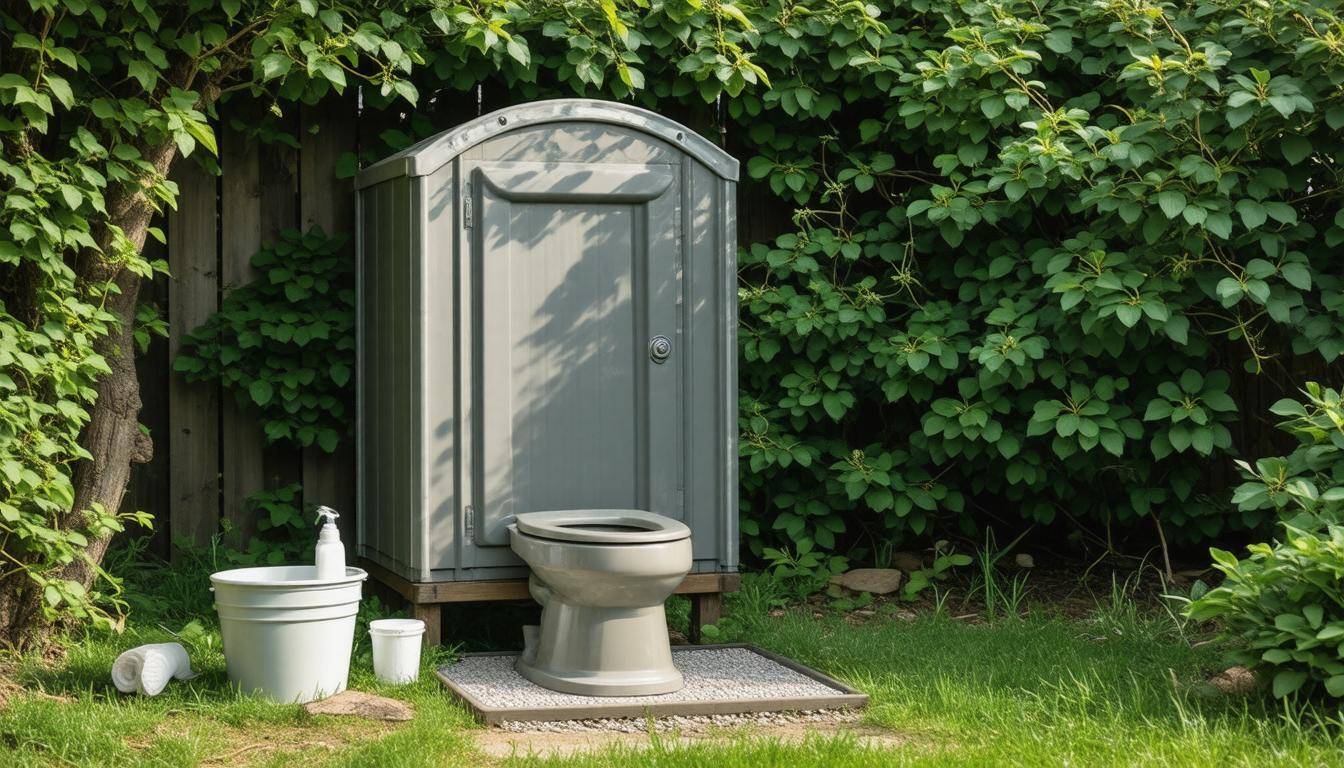
Top Picks for Emergency Toilet Solutions
First up is the Basic Bucket Toilet Kit, which typically costs around $25-$30. This kit includes a durable 5-gallon bucket, a snap-on toilet seat, and waste bags that make cleanup manageable. The assembly is straightforward; just attach the seat to the bucket and you’re ready to go. Its portability makes it an ideal choice for camping trips, outdoor festivals, or during home renovations when access to a standard toilet might be limited.
However, if you’re looking for something that offers a bit more in terms of comfort, you might want to consider portable camping toilets.
Portable camping toilets tend to reflect a broader range of investment with prices ranging from $50 to $150. These models come with built-in waste storage tanks, providing a more compact solution compared to the bucket method. While some higher-end units offer flush systems akin to traditional bathrooms, even the basic models do a commendable job of concealing waste and minimizing odors—essential features when you’re on a multi-day trip or away from civilization. I once used one on a camping trip that had all the necessary features without breaking the bank; it made quite a difference in our overall comfort levels.
For those who prioritize space-saving options while not compromising functionality, there’s yet another suitable choice: collapsible toilets.
Collapsible toilets like the Cleanwaste Go Anywhere model are perfect for those with limited storage options or for trips where packing light is crucial. Priced at approximately $80, these lightweight models can be easily folded when not in use. Their design makes them convenient to stow away during travel while still offering reliable performance when needed. I have found them particularly valuable during family outings where quick setups were essential; they proved easy enough for my kids to manage as well!
With these selections in hand, we can seamlessly explore additional practical ideas that take DIY approaches for economical sanitation solutions.
DIY Low-Cost Toilet Solutions
When faced with an emergency sanitation situation, imagination can save the day. One of the simplest and most effective solutions is the cardboard box toilet. This can be created quickly with materials found around your home or easily sourced. Start with a sturdy cardboard box—something like a moving box works well. By reinforcing it with a heavy-duty plastic garbage bag layered on the inside, you make the structure waterproof, ensuring that it can effectively contain waste without leaking.
But comfort is key; it’s important to ensure that using this makeshift toilet isn’t an unpleasant experience.
To achieve some comfort, consider utilizing pool noodles or foam pipe insulation to create a more inviting seat. Simply cut the noodle to fit across the top of the box, where you’d normally sit. This not only cushions the user but adds a layer of fun and creativity to an otherwise serious situation. As for odor control, adding sawdust or other absorbent materials like shredded newspaper after each use goes a long way in mitigating unpleasant smells while helping to contain liquid waste.
If you’re looking for a sturdier option that also handles waste effectively, the trash can toilet mentioned before is also quite practical.
Imagine being able to transform a large trash can into a fully functional toilet. Begin by selecting a durable container that won’t buckle under pressure. Lining it with heavy-duty trash bags is essential because it serves as both containment and protection against leaks. After lining it, consider adding a layer of cat litter or sawdust at the bottom; this helps absorb liquids and controls odor—a crucial feature when sanitation is at stake.
The final touch comes in making this temporary toilet more user-friendly: take that same foam pipe insulation or pool noodle and adapt it for comfort by placing it around the rim as a seat. With everything set up, responsible disposal becomes paramount. Once filled, each waste bag should be sealed tightly before disposing of in accordance with local regulations to ensure health and environmental safety.
Each solution may differ slightly, but they all share key attributes that elevate them as viable emergency options.
Comfort, convenience, and effective waste management are what you want from any low-cost toilet solution. By employing simple materials like cardboard boxes or plastic containers, you can create toilets that are functional and cost-effective for various situations, including camping trips, emergencies at home, or even temporary sanitation configurations during home renovations.
With these practical alternatives in mind, we can explore one specific option that stands out for its simplicity and effectiveness.
The Bucket Toilet
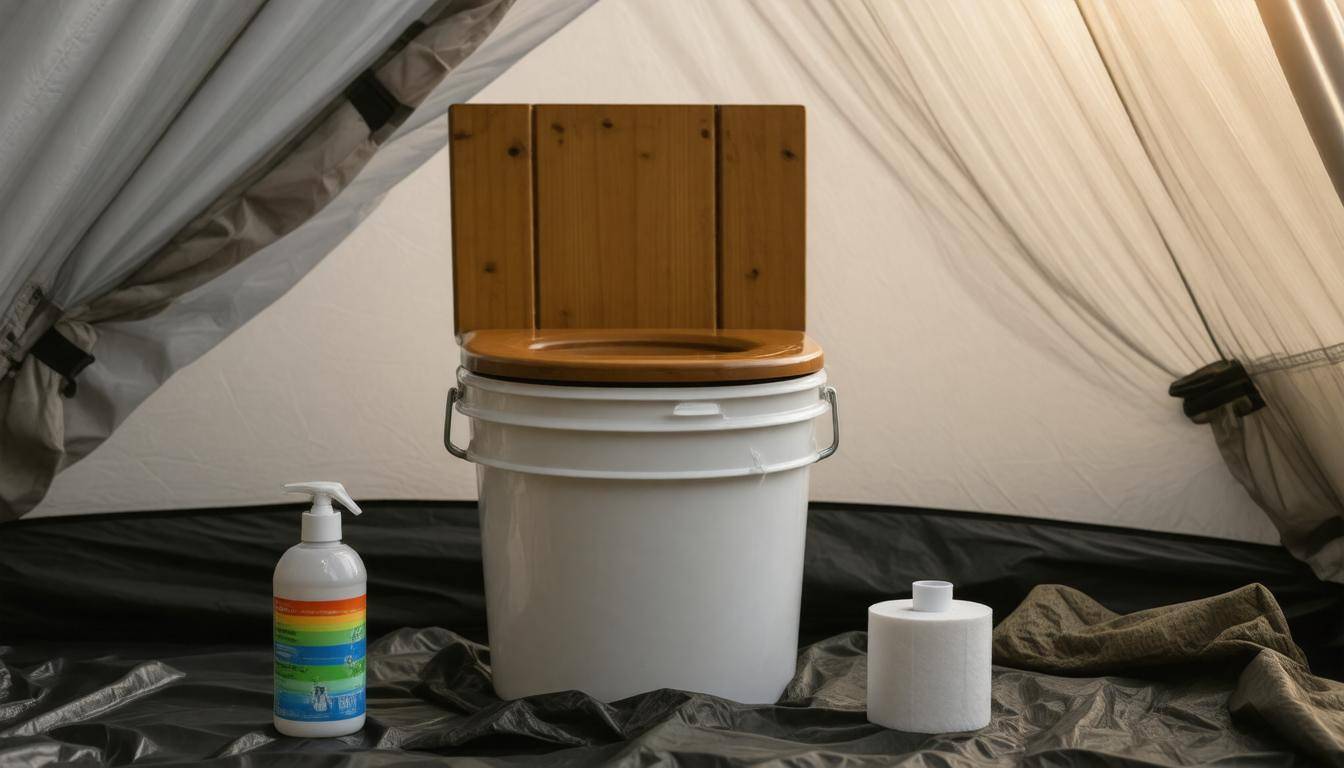
One of the simplest and most cost-effective emergency toilets is the bucket toilet, which can easily be assembled using materials you likely already have at home. Many people don’t realize that such a straightforward solution can provide comfort and hygiene during unexpected situations. Imagine finding yourself in a camping trip gone awry or facing a natural disaster—having a reliable toilet option can ease your worries significantly.
Steps to Create a Bucket Toilet
To create your bucket toilet, start by securing a sturdy 5-gallon bucket. This size is ideal as it strikes the right balance between being compact and providing ample capacity without being unwieldy.
The first step is to line your bucket with a double layer of heavy-duty trash bags. This not only makes cleanup easier but also helps prevent any leaks that could lead to unpleasant odors. Be sure the bags are well-fitted within the bucket so that they don’t slip during use, creating unnecessary mess while straining under pressure.
Next, consider attaching a snap-on seat lid for added comfort. While this might seem like an optional luxury, investing $10-$15 into a comfortable seat can make all the difference, especially in terms of usability for extended periods. Comfort shouldn’t take a backseat just because you’re working with limited resources.
It’s about creating a functional area that minimizes discomfort in critical moments.
After setting up your bucket, add about one cup of cat litter or sawdust into the lined bag before using it. This absorbent layer serves an essential purpose: managing odors effectively while creating an environment conducive to solid waste disposal. By covering your waste promptly after each use, you’re taking proactive measures to maintain hygiene and prevent unpleasant smells from permeating through your living space.
When it comes time to dispose of your waste, simply seal the filled trash bag tightly and replace it with a new one. It’s vital to dispose of these sealed bags responsibly at designated disposal sites or according to local guidelines—this step ensures you’re doing your part in reducing environmental impact while maintaining community health standards.
Proper sanitation remains crucial even in unexpected circumstances; it’s essential for personal comfort and public health. The bucket toilet exemplifies how simple, everyday materials can combine to address challenges that may feel overwhelming.
As we explore practical sanitation options further, there are innovative solutions that prioritize sustainability and ease of use.
Homemade Composting Toilet
A homemade composting toilet serves as a practical and sustainable alternative to traditional toilets. Not only does it decompose waste naturally, but it also effectively controls odor, making it an excellent option for emergency situations or off-grid living. The beauty of this system lies in its simplicity; you can construct one using materials that are both affordable and easy to find.
Steps to Make a Composting Toilet
To create your own composting toilet, start with a sturdy container—either a wooden or plastic bin works well as your base. It’s essential that this base is durable enough to withstand regular use and any potential weather elements if you place it outdoors.
Once you’ve chosen your container, think about installing a separator to divert urine away from solid waste. This step is critical because separating these two types of waste can significantly speed up the composting process and help manage odors.
A good practice is to line your container with a biodegradable bag. This not only aids in cleanup but ensures that your waste stays contained while allowing organic materials to work their magic in breaking down the waste.
Next, it’s time to add organic materials—the heart of any composting system. Popular choices include coconut coir, sawdust, or peat moss. These materials create an ideal environment for decomposition and provide additional layers for odor control.
As each person uses the toilet, be sure they cover their waste with another layer of organic material. This simple yet effective step is what keeps unpleasant smells at bay and promotes efficient decomposition.
Cost-Effectiveness of Composting Toilets
One thing that often surprises people is how affordable a homemade composting toilet can be. With costs typically ranging around $50, you’re looking at a low investment for something so valuable—especially when compared to store-bought systems that can run hundreds of dollars. Imagine being able to have a fully functional toilet solution that doesn’t rely on plumbing at such a minimal price!
It’s important to remember, however, that proper maintenance is crucial for keeping your composting toilet functioning optimally. Ensure the container is emptied when it reaches about two-thirds full and store the waste in a designated composting area for at least six months. Periodically check on the state of your compost; it should remain moist but not drenched, which further aids the decomposition process.
In addition to being cost-effective and eco-friendly, consider underlying factors like location, climate, and local regulations when implementing your homemade composting system. Understanding these aspects prepares you to explore more advanced options available in the market that can enhance your sanitation setup.
Commercial Emergency Toilets
Investing in a commercial emergency toilet can save you headaches and provide a level of comfort that homemade alternatives may not offer. These options are designed for ease of use, portability, and efficient waste management. The market is full of solutions, ranging from basic portable camping toilets to advanced chemical systems, each catering to varying needs and budgets.
Here’s a closer look at the types of commercial toilets available and why they might be just what you need.
-
Portable Camping Toilets: Priced from $50 to $150, these include simple models like Reliance’s Luggable Loo, which is essentially a bucket with a seat. More advanced flushable designs are available that offer greater comfort while still being easily transportable.
-
Collapsible Toilets: A great choice if you’re short on space or need something lightweight. For instance, the Cleanwaste GO Anywhere model sells for around $80 and can be easily stored when not in use. It’s perfect for emergency situations, camping trips, or disaster preparedness kits.
-
Chemical Toilets: Ranging between $100 and $200, these self-contained units utilize specialized chemicals to break down waste and neutralize odors. They come equipped with disposal tanks that make waste management straightforward—ideal for longer durations or when venturing off-grid.
In understanding these options, it’s essential to also recognize their benefits beyond mere convenience.
Each type of commercial toilet offers unique advantages that cater to specific scenarios. For instance, portable camping toilets are excellent for quick setups in outdoor settings, while collapsible toilets shine in their compactness. Chemical toilets bring a level of sanitation that can preserve hygiene during extended usage—so you can confidently pick the right one based on your anticipated needs.
The urgency of having immediate access to a reliable toilet cannot be overstated; it can make all the difference in emergency situations or simply when enjoying the great outdoors.
Considerations Before Purchasing
Before making a purchase, think about factors such as size, intended use, and ease of cleaning. Products should be straightforward to set up and disassemble since ease of use is paramount during unexpected circumstances.
Regular maintenance is critical—keeping your emergency toilet clean will ensure it remains functional over time and ready for any situation that arises. Moreover, consider investing in biodegradable waste bags if selecting models without built-in disposal systems; this maintains eco-friendliness alongside functionality.
As you weigh your options for commercial emergency toilets, remember that having a reliable facility can greatly enhance your outdoor experience while providing peace of mind during uncertain times.
With an array of choices at your disposal for immediate restroom solutions, transitioning to personal setups designed specifically for outings can further enrich your freedom in nature.
Portable Camping Toilets
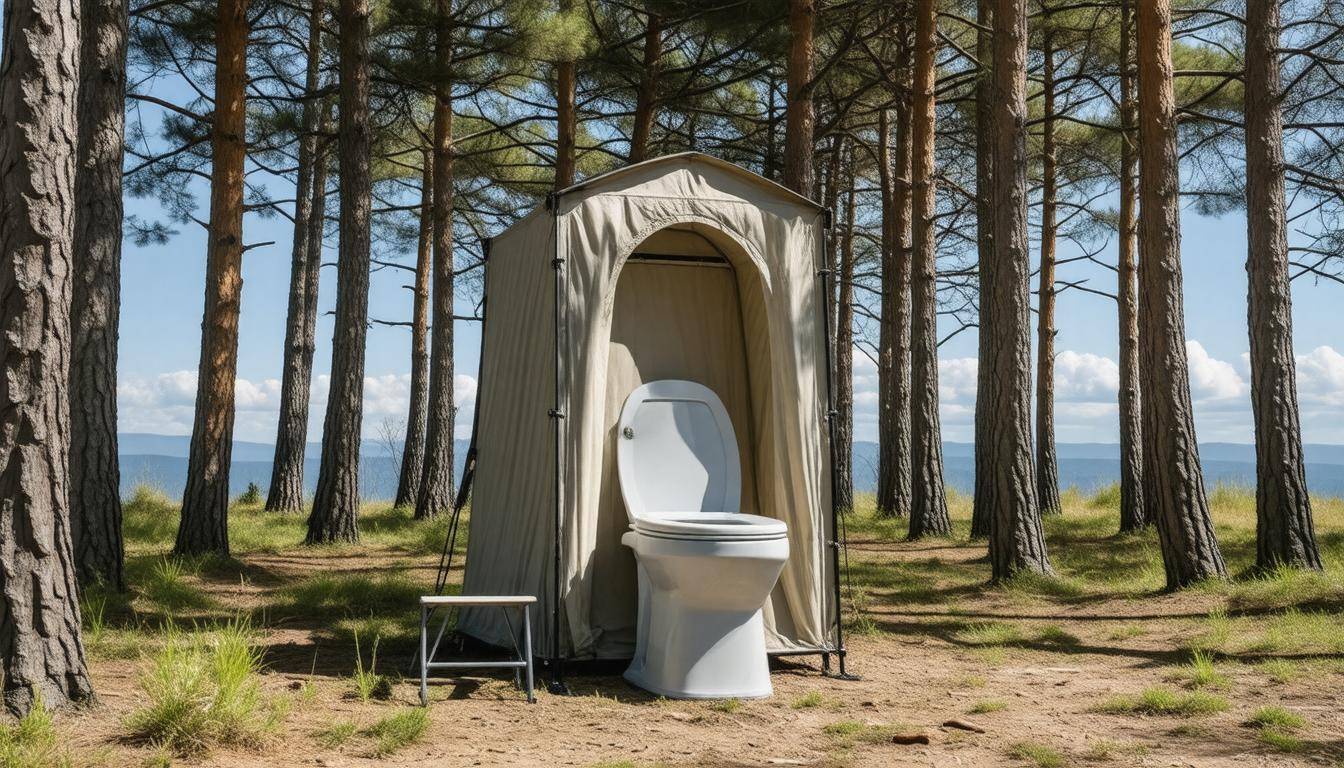
Portable camping toilets are a fantastic solution when you’re out in nature but still want a clean and comfortable place to do your business. They strike the right balance between practicality and affordability, making them excellent for camping excursions and unexpected situations. These toilets come ready to use with various features that can transform an otherwise messy experience into something much more manageable.
Pros and Cons
Let’s start by addressing the pros of portable camping toilets. One of their best attributes is that they are designed to be sturdy and stable, which makes them suitable for repeated use. When you’re out camping with family or friends, having a reliable toilet can save everyone from the discomfort of an emergency dash behind a tree.
Moreover, many models come equipped with a flushing mechanism—just like traditional toilets!—which adds to the level of cleanliness. However, it’s important to note that these systems require extra care.
However, while the conveniences they offer can’t be overstated, there are also some cons worth considering.
For instance, portable camping toilets tend to be more expensive than DIY options, making them less ideal for those on a stringent budget. While the investment can pay off in terms of user experience and hygiene, it might not suit everyone’s financial situation.
Additionally, even if you opt for a model with flushing capabilities, these systems necessitate regular maintenance. You’ll need to manage things like waste disposal and cleaning, which can add to the overall effort required.
So what about finding the right model for your needs? Let’s explore some affordable options that blend functionality with cost-effectiveness.
Recommended Models
When selecting a portable camping toilet, consider features like weight and portability. Many recommended models are designed to be lightweight for easy transport, such as the Thetford Porta Potti 135, which weighs just under 8 pounds. It features a compact design alongside a 2.6-gallon fresh water tank and holding tank—ideal for families or groups enjoying long weekends away.
If odor control is high on your list of priorities while enjoying nature, look no further than the Joolca GottaGo Portable Toilet, priced around $251. This model boasts superior odor control thanks to its liquid-solid separator feature and comes well-equipped with cleaning accessories.
For those who prioritize simplicity in their outdoor adventure gear, let’s not forget about budget-friendly options like the Reliance Luggable Loo, offering a no-frills solution at an affordable price without the complexity of flushing mechanisms.
Overall, portable camping toilets provide significant advantages in comfort and hygiene during outdoor activities while also presenting challenges regarding cost and maintenance. With careful consideration of your needs and budget, you can find a toilet that fits seamlessly into your adventure plans.
Now that we’ve examined accessible solutions for emergency situations, let’s shift our focus to key elements that should guide your selection process.
Factors to Consider
One of the first aspects to evaluate is durability. Opting for materials that can withstand repeated use and exposure to different weather conditions is essential. For instance, plastic models are lightweight and resistant to moisture, making them suitable for outdoor situations like camping or emergencies. On the other hand, metal toilets might offer rugged durability but at the cost of increased weight. Choosing the right material ensures your toilet won’t fail when you need it most.
However, durability is just one part of the puzzle; portability is equally important. In a crisis, the last thing you want is a bulky toilet that’s difficult to move. Look for lightweight models designed with a focus on portability, capable of being easily transported from one location to another. The weight and compactness will help not only for easy transport but also for quick setup during urgent situations. Emergency readiness often hinges on how swiftly you can access your sanitation solution.
Another critical consideration is waste disposal. It’s imperative to check how easy it is to clean and dispose of waste generated by your toilet solution. Many portable toilets utilize biodegradable bags, which simplify cleanup while being environmentally friendly, as they decompose over time. Alternatively, stations may be available in certain locations for dumping waste directly. Understanding these methods before selecting a toilet ensures you have a realistic plan in place once nature calls.
Besides sanitation, let’s talk about something that can make or break your experience: odor control. A toilet that lacks odor management features can quickly turn a necessary solution into an unpleasant experience. Many options now include mechanisms for sealing waste or even using absorbent materials such as cat litter or sawdust to neutralize strong smells. This aspect not only enhances user comfort but also contributes positively to the overall upkeep of living areas—even if temporarily set up outside.
Lastly, cost should always factor into your decision-making process. Budget considerations are crucial; anything from $10 DIY solutions using simple materials to $200 chemical toilets with advanced waste management features exist in the market. It’s important to weigh each option against its features and longevity—sometimes investing a bit more upfront leads to savings down the line through enhanced durability and functionality.
| Option | Cost Range | Key Features |
|---|---|---|
| Basic Bucket Toilet Kit | $25-$30 | Simple assembly, uses waste bags |
| Portable Camping Toilets | $50-$150 | Built-in waste storage, some with flush mechanisms |
| Collapsible Toilets | $80 | Lightweight, foldable design |
| Chemical Toilets | $100-$200 | Self-contained, uses chemicals for waste management |
| DIY Solutions | $10-$50 | Uses readily available materials |
Understanding these factors lays the groundwork for choosing an appropriate emergency toilet solution tailored to your needs. Now, we’ll explore effective strategies for ensuring proper upkeep and disposal of these essential tools.
Maintenance and Disposal
Proper maintenance and disposal methods can significantly extend the lifespan of your emergency toilet solution while ensuring that hygiene remains a priority. It’s like taking care of any essential household item; regular attention prevents larger problems from arising. Just imagine your portable toilet neglected over time, smelling less than pleasant—yikes! That’s a scenario you want to avoid at all costs.
Maintenance Tips
Regular cleaning is crucial. Using mild soap and water is effective yet gentle on the materials. Harsh chemicals can damage the inner workings of your toilet. A simple sponge and some warm soapy water can go a long way in keeping things fresh. If you’re feeling adventurous, enzyme-based cleaners can break down waste material, making it easier to maintain cleanliness while also being safe for the environment. It’s important to check the ingredients in these cleaners to ensure they won’t harm your unit over time.
Imagine finding that perfect balance between cleanliness and environmental responsibility. That’s what enzyme cleaners offer.
It’s also wise to keep spare waste bags, absorbent materials, and cleaning supplies right where you store the toilet. Being prepared means you won’t find yourself scrambling during a critical moment. For instance, if you’re camping or in another situation without nearby facilities, having extra cleaning resources makes all the difference when managing waste effectively.
Disposal Solutions
When it comes to disposing of waste from an emergency toilet, biodegradable waste bags are your best friend. They decompose much more easily than regular plastic and are often designed specifically for sanitary disposal purposes. Think about it: nobody wants lingering waste that harms our planet.
However, responsible disposal doesn’t stop there. After using a waste bag, make sure to seal it tightly, eliminating any odor or leakage risk before disposing of it properly in designated waste management sites. Waste management services often have specific procedures for handling such disposals; using those ensures compliance with local laws and keeps our environment safe.
Remember that tossing waste-filled bags into regular trash bins poses a significant health risk to sanitation workers and the greater community. It’s a simple act, but avoiding contamination is paramount.
Investing time and care into maintenance and following eco-friendly disposal methods creates not just efficiency but contributes to healthier surroundings no matter where you are.
In summary, maintaining cleanliness and responsible disposal practices are keys to ensuring that your emergency toilet solution remains functional and hygienic during crucial situations. Prioritizing these tasks can make a significant difference in your overall experience.