
Fire safety might not be the first thing on your mind when you settle down with a cup of coffee, but it should be at the top of your home improvement list. Did you know that most fire-related incidents can be prevented with simple, low-cost measures? It’s true! Whether you’re a seasoned homeowner or just starting out, investing a little time and money into fire protection today can save you big in the long run. In fact, small steps—like checking smoke detectors or keeping flammable materials away from heat sources—can significantly reduce your risk of fire. This guide is designed to arm you with practical, budget-friendly strategies to enhance your home’s safety. Let’s dive in and explore how easy it can be to protect what matters most.
The Low-Cost Fire Protection: Home Safety Guide outlines practical strategies for homeowners to improve fire safety without breaking the bank, such as creating a defensible space around the property by maintaining a 30-foot clearance from flammable materials, regularly checking smoke alarms, and investing in a quality multi-purpose fire extinguisher. Additionally, the guide emphasizes the importance of community education programs to stay informed about fire prevention best practices and regulations.
Affordable Fire Safety Measures
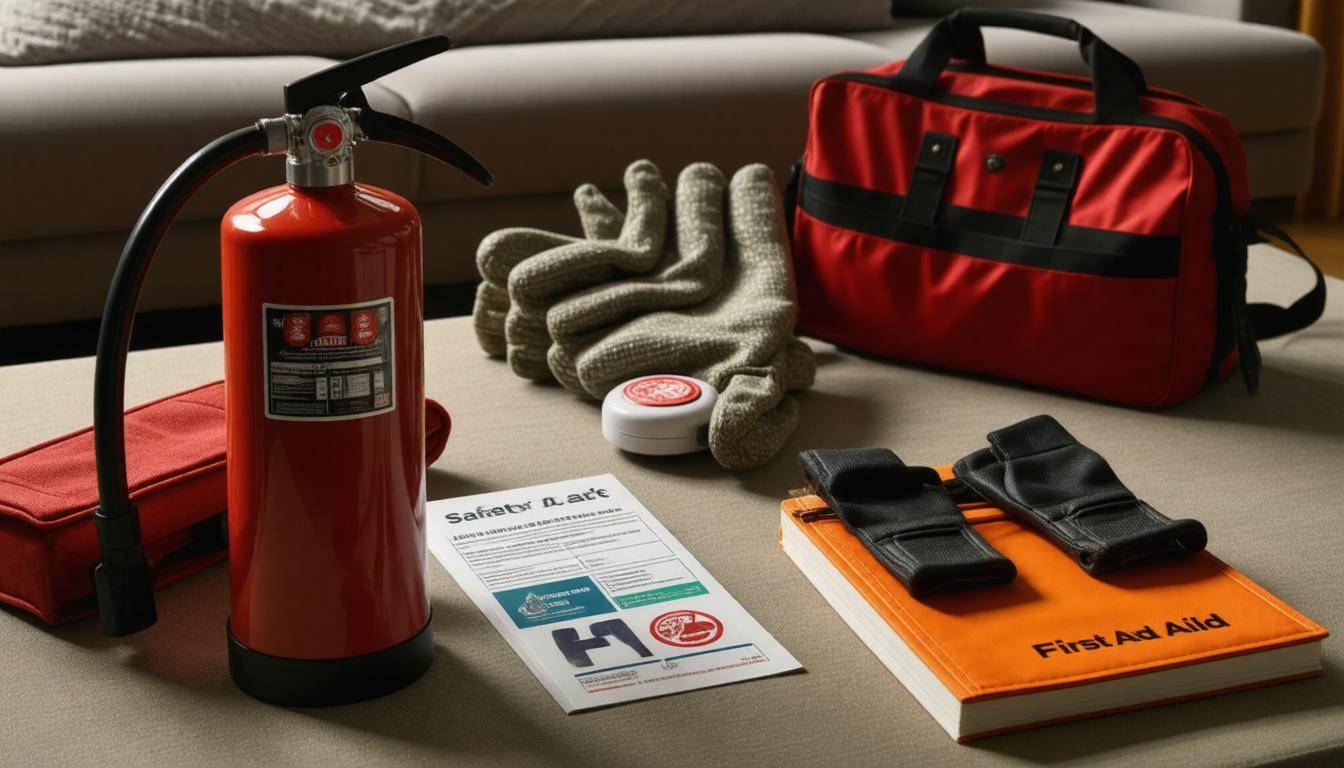
To establish a truly safe environment around your home, even small actions can lead to substantial improvements. For instance, installing door sweeps isn’t just about comfort; it’s a proactive approach to prevent sneaky embers from entering your living space. With an average cost of only $10 to $20, these simple additions act as barriers, significantly lowering the risk of fire spreading indoors. Imagine cozying up by the fireplace while knowing you’re taking practical steps to keep the warmth contained.
In addition to door sweeps, focusing on sealing gaps is another key element in fire safety.
Using silicone caulk around window frames may sound trivial, but it creates a tight seal against both drafts and potential fire hazards. Haphazardly sealed windows can let embers creep into your home more easily than one might expect. A tube of silicone caulk typically costs less than $5 and can be found at any hardware store. By applying it properly, you’re ensuring that tiny spaces won’t become entry points for flames or smoke during an emergency.
Making small adjustments like these can cumulatively reduce your home’s fire susceptibility by up to 30%, according to the National Fire Protection Association (NFPA).
Along with structural adjustments, fire retardant measures are essential in keeping your home safe.
Consider investing in fire retardant covers for electrical outlets, which are available for approximately $15 to $25 per pack. These covers provide an extra layer of protection against potential sparks and overheating, especially valuable for families with children who may accidentally tamper with outlets. Having such covers not only adds safety but also peace of mind.
You should also prioritize checking your smoke alarms monthly; this quick task enhances your overall home safety. Often overlooked, this equipment requires just a flick of a button to ensure functionality, and replacing batteries once a year costs far less than many other safety improvements yet holds immense value.
It’s vital to consider the investment in portable fire extinguishers, which typically range from $20 to $100 based on type and size. Having one accessible near fire-prone areas like kitchens isn’t just precautionary—it’s essential. Multi-purpose extinguishers can manage various types of fires effectively, amplifying your home’s protection without incurring high costs.
As you look beyond individual components, think about creating defensible space around your home.
Maintaining a minimum of 30 feet of clearance from dead vegetation, debris, and overgrown trees increases the overall safety of your property significantly. This maintenance can often be done at little to no cost if you tackle it yourself, but keep in mind that saving money today can prevent devastating losses tomorrow.
With these foundational elements in place, understanding the role of effective detection systems becomes increasingly important.
Low-Cost Smoke Detectors and Alarms
Smoke detectors serve as an essential part of any home safety plan because they provide early warnings that can save lives. Fortunately, you don’t need to break the bank to ensure your family’s safety. The market offers a variety of low-cost options designed to fit almost any budget without sacrificing efficacy.
Types of Detectors
-
Ionization Smoke Detectors: These are particularly effective for detecting flaming fires caused by quick-burning materials like paper or wood. They work by using radioactive material to detect changes in the air resulting from smoke particles.
-
Photoelectric Smoke Detectors: These detectors excel at identifying smoldering fires, common with materials like upholstery and bedding. They utilize a light beam to sense smoke, making them quicker to react to these slower-burning types of fires.
-
Dual-Sensor Smoke Detectors: By combining both ionization and photoelectric technologies, dual-sensor detectors offer comprehensive protection against all types of fires, ensuring you’re well-covered no matter the circumstances.
Think about it: for as little as $15 each, brands like Kidde and First Alert can provide peace of mind right at your fingertips. These affordable smoke detectors typically come with a battery life lasting up to ten years, which means fewer replacements and less hassle for you in the long run. You can easily install them yourself—no special wiring is needed—making them ideal for rental properties or homes where renovations aren’t an option.
Always remember, installation is crucial; place these alarms in every key area of your home, especially near sleeping areas and on each level to maximize effectiveness.
Beyond just buying a detector, regular maintenance is key to ensuring their performance. This includes testing them monthly and replacing batteries at least once a year if you have non-hardwired models. Keeping track of these checks might sound tedious, but it’s a small price to pay for the immense value they provide in fire safety.
Moreover, advancements in modern technology mean that today’s smoke detectors come with smart features that enhance their usability even further. With this in mind, we can now explore practical solutions that allow for budget-conscious heat and flame detection methods.
Budget-Friendly Heat and Flame Detection
Not all fires act the same way; they can start strong, damaging structures without significant smoke, particularly in environments like kitchens where heat fluctuations are common. This unassuming nature means that solely relying on smoke detectors might not provide optimal safety coverage. By incorporating heat and flame detectors into your home safety strategy, you add an extra layer of defense against potential hazards.
Take the Cavius Heat Alarm, for instance. At a modest price of about $25, it offers a smart solution by detecting rapid temperature increases rather than waiting for smoke to set off an alarm. This makes it perfect for spaces prone to sudden heat changes, such as kitchens or garages. Imagine cooking a big meal—the last thing you want is to be caught off guard because your smoke detector didn’t activate until it was too late! With this handy gadget, you’ll receive early warnings before a small kitchen mishap escalates into something more worrisome.
A well-placed heat alarm can detect dangerous conditions before smoke even begins to build up, providing those critical moments needed for safe evacuation or remediation.
Installing these devices in key locations within your home enhances your overall safety plan. Make sure to subscribe to a reliable maintenance schedule—test your alarms regularly and replace batteries to ensure they function when you need them most.
Additional Suggestions
Beyond the Cavius option, there are other versatile products available that offer reliable fire detection while remaining budget-friendly. For example, investing in integrated systems that provide both smoke and heat sensing capabilities may streamline protection efforts. Features like wireless connectivity allow alerts to be sent directly to your smartphone or paired with smart home technology for added efficiency.
When considering options for heat detection, keep these tips in mind:
- Proper Placement: Install detectors high on walls or ceilings where heated air rises.
- Local Regulations: Always check local fire codes regarding placement and types of alarms required.
- Multi-functional Devices: Look for units that combine both smoke and heat detection for comprehensive coverage.
Remember, while cost-effective solutions are important, never sacrifice quality for price when it comes to fire safety at home. Investing in affordable yet reliable fire detection systems provides peace of mind not only to homeowners but also protects loved ones and valuable possessions.
With a heightened understanding of effective detection strategies in place, it’s time to explore practical methods for handling emergency situations safely and effectively.
DIY Fire Extinguishers
You might not know, but making your fire extinguishers at home IS possible and cost-effective. This isn’t just a creative endeavor; it’s practical and can enhance your overall safety while saving you money. By using inexpensive household items, you can have an effective fire suppression tool right at your fingertips.
Step I – Assembling Materials
Start by gathering your materials. For this DIY fire extinguisher, you’ll need a water-based spray bottle or an old cleaning spray container, along with baking soda and vinegar—both of which you probably already have in your kitchen. All these components shouldn’t cost more than $5 combined. The beauty of this approach lies in utilizing what you already have rather than investing in expensive specialized equipment.
Step II – Mixing Ingredients
Next, it’s time to mix your ingredients. First, fill the spray bottle about two-thirds full with water. Then, measure out a cup of baking soda and add it to the bottle. Following that, carefully pour in a cup of vinegar. As soon as these two substances mix, they will react, creating bubbles and pressure inside the bottle. It’s essential to close the lid tightly but be mindful not to seal it too securely initially—allowing some gas to escape can prevent any buildup that might lead to bursting.
Mixing these common household items not only creates a viable extinguisher but also keeps you engaged in hands-on learning about chemistry!
Step III – Testing Your DIY Extinguisher
After you’ve assembled and mixed the ingredients, it’s crucial to test your DIY extinguisher to ensure it works effectively. Choose a safe area for this test—like an empty bathtub where any mess can easily be contained and cleaned up afterward. Pump the spray bottle gently and aim it at any small flame (safely lit for testing purposes), gauging how well it suppresses the fire.
You’re not alone in this journey; many online DIY enthusiasts demonstrate the safety and effectiveness of these homemade solutions through video tutorials and articles, showing just how simple this process can be. However, always remember that while DIY extinguishers offer initial protection for small incidents, they are never meant to replace professional-grade equipment.
Now that you’ve got a grasp on making a simple yet effective fire extinguisher at home, let’s expand our focus on additional low-cost measures that can further strengthen your fire safety strategy.
Creating a Household Safety Plan
A household safety plan can make a huge difference in the event of a fire by ensuring everyone knows what to do and where to go. Imagine the chaos that might ensue if you’re caught off guard by smoke and flames. The best way to combat that fear is preparation. When you outline your escape routes, you empower each member of your family with knowledge—turning potential panic into a calm response.
Step I – Outline Escape Routes
One crucial element of this plan is establishing clear escape routes from every room in your home. Identify at least two exits for each room—doors are optimal, but windows can work too! Regularly check these paths to ensure they remain unobstructed by furniture or clutter. This conversation needs to happen as a family, perhaps over dinner—everyone will feel more engaged and invested in their safety when they contribute. It’s like creating a map in an adventure game; the clearer the terrain, the easier it is to navigate when the time comes.
In our household, we practiced our routes along with our kids. We made it somewhat fun—timing ourselves during practice drills while also teaching them how to handle window latches and screens. This kind of preparation builds confidence and instills an understanding of urgency in children.
Step II – Designate a Meeting Point
Once everyone knows how to exit, it’s equally important to establish a designated meeting point outside where everyone can gather safely after escaping.
Choose a spot that’s far enough away from the house, like a neighbor’s yard or a nearby tree—somewhere visible so you can see if everyone made it out safely. It’s like having a safe harbor you can always return to amidst the storm.
Our website offers downloadable templates to help you create your plan quickly, therefore helping you get started efficiently. With these templates, families can jot down their identified escape routes and designated meeting points in one place—making it easy for all members to refer back when needed.
Remember, it’s good practice for every family member to be familiar with this plan and participate in rehearsals twice per year. As you go through these motions together, not only do you strengthen family bonds but you also build an instinctive reaction to emergencies that could potentially save lives.
Emphasizing regular communication about the plan enhances its effectiveness; you not only set expectations but also minimize misunderstandings during stressful moments. Moving forward, we’ll explore practical steps families can take to enhance their preparedness in urgent situations.
Emergency Preparedness for Families
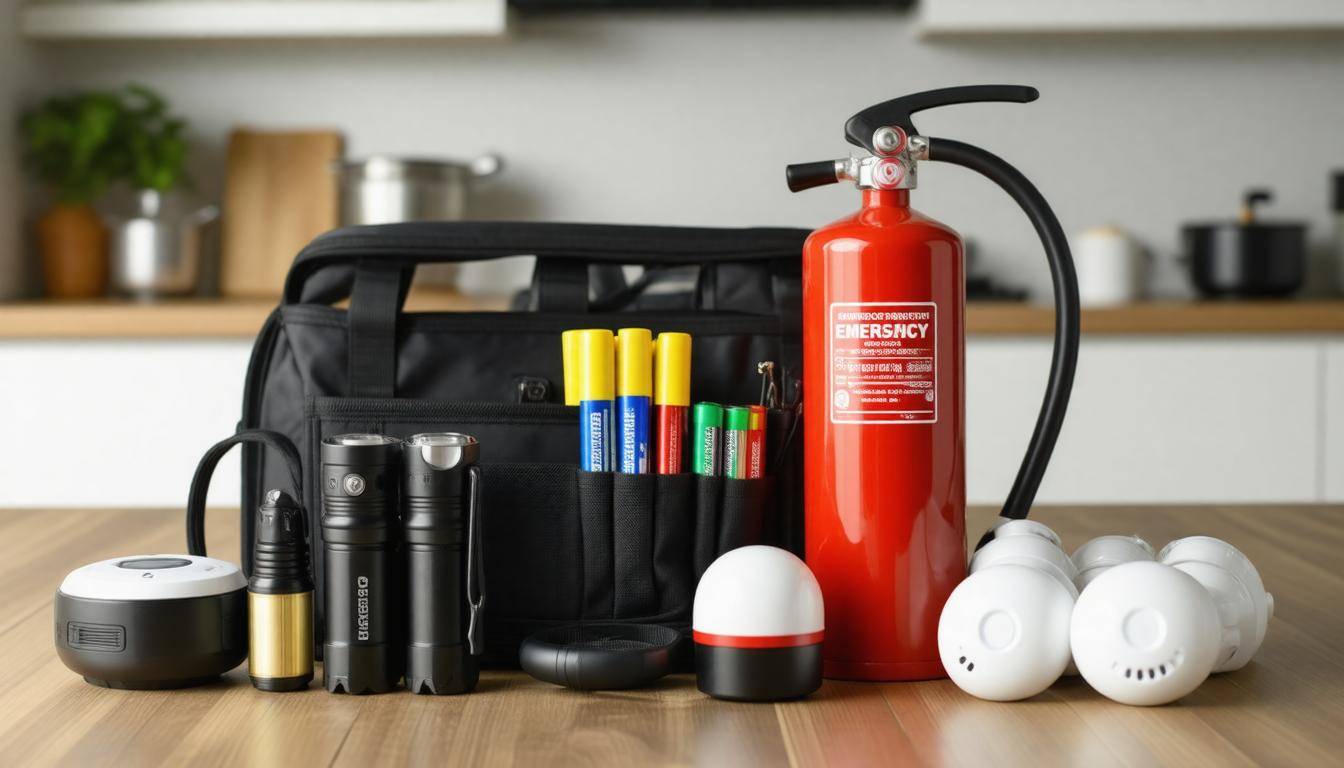
Ensuring your family is prepared for emergencies doesn’t have to be costly, but it does require planning and effort. One way to make this preparation effective is through drills and practices. Regular fire drills can be turned into a fun family activity where everyone plays a role. For instance, you might assign family members different tasks—one could be responsible for picking up the emergency kit, while another checks that all windows and doors are secure for an effective escape. When your children practice these steps, they learn to handle real situations more calmly and confidently. It transforms abstract instructions into actionable behavior.
To elevate this preparedness, consider creating low-cost emergency kits that contain essential items for various possible scenarios.
A well-stocked emergency kit can significantly improve your family’s chances in a crisis situation. Start by including practical items such as a flashlight with extra batteries, bottled water (about one gallon per person per day for at least three days), and a first-aid kit stocked with necessary supplies like band-aids, antiseptic wipes, and any medications you may need. It’s also wise to include some non-perishable food items—I recommend energy bars or canned goods that have long shelf lives. Don’t forget to add important documents. Keeping digital copies on a USB stick along with a printed folder might help too.
Navigating through an emergency is definitely easier when everything you need is easily accessible.
Involving other community members can enrich your emergency preparedness strategy even further.
Educating yourself and your family about local emergency services enhances overall safety. Getting familiar with local fire department resources will provide insight into community fire safety programs, ensuring you’re in the loop about best practices within your area. Don’t hesitate to attend workshops or seminars offered by these organizations; they can significantly increase your knowledge of effective fire prevention measures and local regulations.
Involving children in the learning process makes the information more memorable. This focus on education helps reinforce the importance of safety within the family unit while empowering them to take proactive measures against potential fires or other emergencies.
These proactive approaches not only strengthen individual readiness but also build a sense of community resilience, which is vital when tackling urgent situations together.
Cost-Effective Ways to Prevent Fires
Prevention is often better and cheaper than cure; simple modifications can go a long way in safeguarding your home from fire hazards. One critical measure involves ensuring that electrical outlets aren’t overloaded. Overloading can lead to overheating and, eventually, fires. As someone who has gotten into the habit of organizing cords—using cord covers or zip ties to keep them neat and tidy—I can attest to how much smoother everything operates with less clutter.
Additionally, all flammable materials, such as paper or cleaning supplies, should be stored at a safe distance from heat sources. A small corner of my garage is dedicated just for these kinds of materials, allowing me peace of mind.
Essential Fire Safety Tools
-
Outlet Covers: For homes with children or pets, outlet covers can prevent curious fingers from getting into dangerous situations.
-
Fire-Resistant Spray: When applied to wood or textiles, this spray creates a barrier against flames.
-
Smoke Alarms: Installing smoke alarms is a no-brainer; they’re your first line of defense in case of an emergency.
-
Safe Storage Containers: These containers are especially useful for keeping flammable materials contained and away from heat sources.
| Preventive Measure | Cost Estimate |
|---|---|
| Outlet Covers | $5 |
| Fire-Resistant Spray | $10 |
| Smoke Alarms | $20 |
| Safe Storage Containers | $15 |
These small changes are incredibly cost-effective, and research backs up their importance; according to studies by the Fire Safety Institute, these measures collectively can reduce your fire risk by over 40%. It might feel like a chore to take action now, but consider the peace of mind you gain. Whether it’s the sound of a smoke alarm comforting you at night or having confidence that your home is well-protected, those emotional benefits are irreplaceable.
Next, we’ll examine how understanding local risks adds another layer of safety and enhances your overall protection strategy.
Long-Term Benefits of Fire Safety Investments

Investing in fire safety is an integral part of responsible home ownership. It’s not only about safeguarding your property and your loved ones today; it’s about ensuring a safer environment for years to come. The initial cost can feel daunting, but think of it as an investment in peace of mind rather than merely an expense. For instance, installing high-quality smoke alarms and multifunctional fire extinguishers can mitigate disaster before it strikes. Imagine how reassuring it feels to know you have taken proactive steps to prevent a potential fire emergency.
While the purchase of these safety devices may seem costly at first glance, they can save homeowners thousands of dollars in potential damage repair costs. Additionally, many insurance providers offer discounts—up to 10% or even more—for homes equipped with state-of-the-art fire prevention systems. This can greatly lessen the financial burden and improve the overall safety net around your home.
Homeowner Jacob, for example, decided to install a comprehensive fire safety system complete with interconnected smoke detectors and high-rated extinguishers. Not only did he have peace of mind knowing his family was safer, but he later qualified for a substantial discount on his homeowner’s insurance, demonstrating how worthwhile this initial investment was.
The Ripple Effect of Fire Safety
The benefits of investing in fire safety extend beyond immediate protection or insurance discounts; they foster a culture of safety within the home. When families make it a priority to establish fire preparedness plans—including practicing evacuation drills and learning to use fire extinguishers—it creates an environment where everyone feels more confident and secure.
Instilling this awareness among children promotes lifelong habits they will carry into adulthood. As adults, they will share these practices with their own families, ensuring future generations continue prioritizing fire safety. This organic cycle enhances community standards regarding fire safety awareness, leading to drastically reduced risks across neighborhoods.
So, not only do preventive measures serve immediate purposes, but they cultivate a broader culture of awareness and vigilance against incidents that could cause harm.
An Ongoing Commitment
Investing in fire safety isn’t a one-time action—it’s an ongoing commitment. Regular upkeep is necessary to ensure that all equipment remains functional over time. Smoke alarms need routine battery changes and tests, while extinguishers require inspection for pressure levels and signs of wear or corrosion.
According to recent data from the National Fire Protection Association (NFPA), having properly maintained alarm systems increases survival rates during emergencies by 50%. Maintaining your fire safety equipment translates into saving lives.
By engaging with these devices diligently and reinforcing their importance within the household, you’re investing in both personal and family well-being over the long haul.
All these factors make investing in fire safety such a wise decision—not just financially but also emotionally and socially.
In summary, embracing fire safety measures enhances not only personal security but strengthens the fabric of community wellness as we prepare for the unexpected together. By prioritizing proactive strategies today, we are paving the way for a safer tomorrow.
How often should homeowners inspect and maintain their low-cost fire protection systems?
Homeowners should inspect and maintain their low-cost fire protection systems at least once a year to ensure they function properly when needed. Regular checks can identify potential issues before they become serious problems, significantly reducing the risk of fire-related incidents. According to the National Fire Protection Association (NFPA), nearly 50% of home fire deaths occur in homes with no working smoke alarms, underscoring the importance of regular maintenance to keep these critical safety devices operational.
Are there any government or local programs that offer financial assistance for home fire safety improvements?
Yes, many local and state governments offer financial assistance programs for home fire safety improvements. These may include grants or low-interest loans aimed at enhancing fire safety measures such as installing smoke alarms, fire extinguishers, and sprinkler systems. For instance, the Federal Emergency Management Agency (FEMA) provides funding through its Fire Prevention and Safety Grant Program, which can cover a portion of the costs. According to the National Fire Protection Association, homes with functioning smoke alarms reduce the risk of fire-related fatalities by 50%, making these programs not only beneficial but crucial for public safety.
What are the most common types of low-cost fire protection equipment recommended for households?
The most common types of low-cost fire protection equipment recommended for households include smoke detectors, fire extinguishers, and fire blankets. Smoke detectors are crucial, as they reduce the risk of death in a fire by 50% when installed properly. A basic multi-purpose fire extinguisher can be purchased for under $30 and is vital for tackling small fires before they escalate. Additionally, fire blankets, costing around $20, are effective for smothering flames on clothing or small objects. Investing in these essential tools not only enhances safety but also provides peace of mind for homeowners.
What inexpensive materials can be used to improve fire resistance in a home?
Inexpensive materials such as gypsum board, cement board, and fire-retardant treated wood can significantly improve a home’s fire resistance. Gypsum board, commonly used in drywall, has a natural fire-resistive quality due to its water content; studies show it can provide up to 1 hour of fire protection. Cement board offers similar benefits for areas exposed to heat or flames, while fire-retardant treatments on wood can reduce flammability by up to 75%, making them excellent choices for enhancing your home’s safety without breaking the bank.
How can homeowners educate themselves and their families about fire safety on a budget?
Homeowners can educate themselves and their families about fire safety on a budget by utilizing free online resources, participating in community fire safety workshops, and implementing simple practices such as creating a family escape plan. According to the National Fire Protection Association (NFPA), having an escape plan can reduce fire-related fatalities by up to 50%. Additionally, local fire departments often offer free educational materials and demonstrations, making it affordable for families to learn essential safety measures without incurring significant costs.