
Power outages can be a real hassle, throwing our daily lives into disarray. But here’s the good news: with a little planning, you can make sure your family stays safe and comfortable when the lights go out. Gathering emergency supplies doesn’t have to drain your wallet—you can prepare effectively without spending a fortune. I’ve faced my share of unexpected blackouts, and trust me, being ready makes all the difference. In this guide, I’ll share practical tips on how to build a budget-friendly power outage kit that covers everything from food and water to warmth and entertainment. So, let’s roll up our sleeves and get started on ensuring your family is ready for whatever comes your way!
The Complete Guide on Low-Cost Power Outage Preparation offers essential strategies for gathering affordable emergency supplies, including budget-friendly food, water storage options, cooking solutions, lighting and heat sources, hygiene kits, and entertainment ideas for families during outages. This guide emphasizes practical steps to ensure safety and comfort while maintaining a budget of under $500.
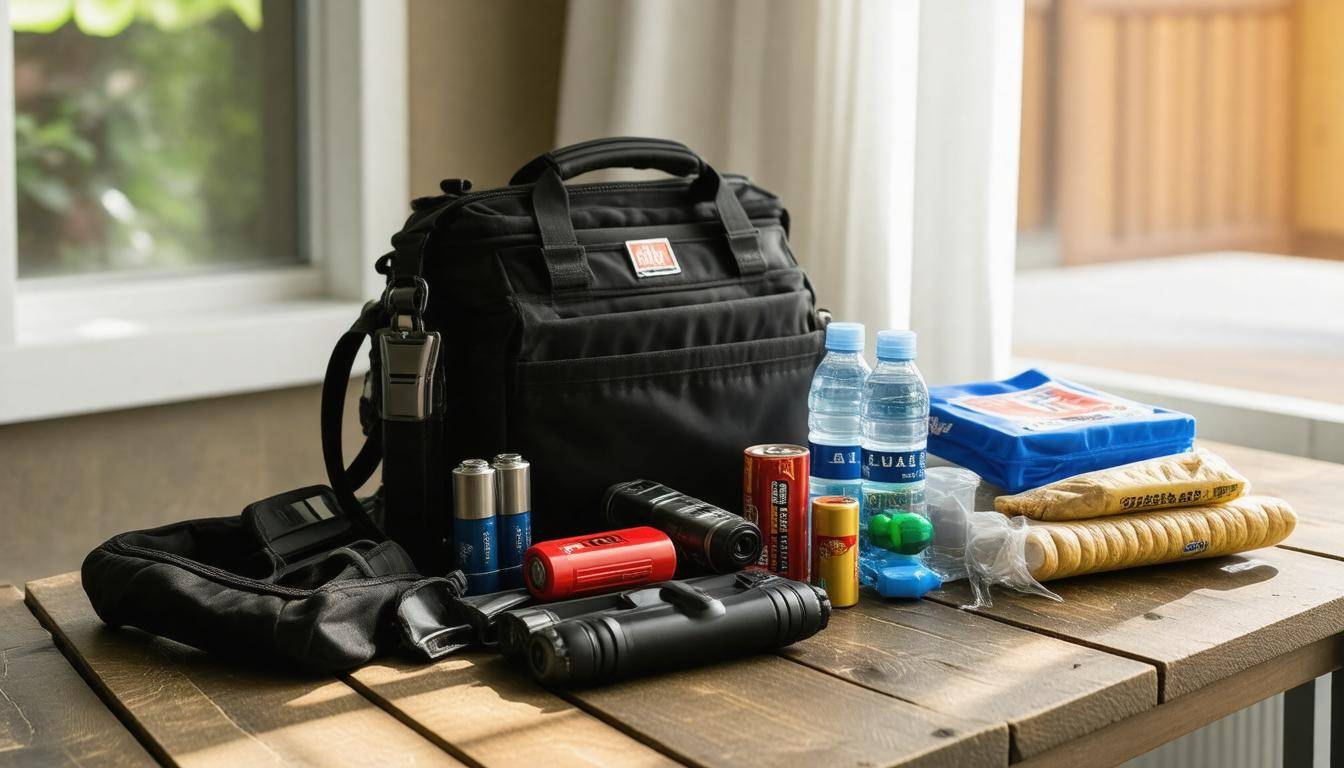
Essential Supplies for Power Outages
When preparing for potential power outages, it’s crucial to gather an assortment of supplies that can provide safety, comfort, and sustainability for you and your family. Starting with emergency lighting, battery-powered lamps, LED flashlights, and headlamps stand out as top options. They serve not only to illuminate your surroundings but also help save battery life—making them ideal choices in a pinch.
Interestingly, a recent survey by Ready.gov revealed that about 83% of households found LED flashlights to be the most reliable option during outages. This reliability stems from their longer lifespan and lower energy consumption compared to traditional bulbs.
After ensuring you have a dependable light source, it’s time to address how you’ll keep warm.
Heating Solutions
When the lights go out, maintaining warmth becomes essential, especially during colder months. Economical and effective heating solutions include hand warmers, thermal blankets, and portable propane heaters. For instance, a basic pack of reusable hand warmers can last up to ten hours each time they’re activated—enough to keep your hands from turning into ice while you wait for the power to return.
Thermal blankets are compact yet surprisingly effective; they reflect body heat back towards you, ensuring that warmth doesn’t escape easily. If you’re considering a more substantial heating source, portable propane heaters like those made by Mr. Heater are worth your attention since they provide steady warmth in a contained space.
Next on our list of essentials pertains to cooking tools, which are particularly useful when refrigeration is compromised.
Versatile Cooking Tools
Having versatile cooking tools can make all the difference during an outage. A camp stove or portable propane grill can be lifesavers when you’re facing cold meals or unheated bottles of water. Personally, I’ve relied on a small Coleman gas stove during outages; it cost me under $50 and could boil water in less than ten minutes!
Whether you’re making a hot meal or just heating up soup from a can, such tools allow you to maintain some normalcy during an unexpected situation. Moreover, always remember to keep extra fuel on hand – it’s better to have some stored away than running out when convenience matters most.
Beyond cooking and heating essentials, hygiene and safety supplies play a vital role in keeping everyone comfortable and healthy during prolonged power outages.
Lighting, Heating, and Cooking Alternatives
When the lights go out, having reliable alternatives for illumination becomes a crucial aspect of emergency preparedness. One innovative option is solar-powered lighting. These lights harness energy from the sun, making them sustainable and wallet-friendly solutions. For instance, Luci inflatable solar lanterns are compact, portable, and recharge during daylight hours, offering warm illumination for your home at night. They not only save money but also reduce reliance on disposable batteries or gas-powered lamps, both of which can become costly over time.
Another critical area to address is heating. During an unexpected power outage, maintaining warmth in your home can be as simple as utilizing insulation techniques that don’t require electricity. For example, blocking drafts with rolled towels placed against doors and windows can prevent chilly air from seeping in. Thermal curtains serve as an added layer of insulation to keep warmth inside. Layering your clothing with thermal fabrics or cozy sweaters can drastically improve comfort levels without the need for electric heat sources.
Cooking Without Power
The ability to prepare food during an outage shouldn’t be overlooked either. Remember the story of a family in Texas during the 2021 winter outage? They turned to a portable Sterno stove, which costs under $20. It allowed them to heat canned soups effectively using gel fuel—economical, safe, and perfect for indoor use when electricity was out. This experience highlights the value of investing in off-grid cooking equipment; it’s both practical and affordable.
Moreover, you might want to consider additional cooking options like camp stoves, which usually run on propane or butane. These stoves can cook meals quickly without needing electricity, making them invaluable during prolonged outages. A little investment in off-grid solutions ensures that you won’t find yourself struggling with cold meals or hunger during emergencies.
By focusing on affordable yet effective alternatives for lighting, heating, and cooking, you’ll be better equipped to handle power outages while remaining comfortable and safe at home.
As we explore these practical strategies further, it’s essential to also factor in how best to store essential food and water supplies for times when power is limited or unavailable.
Food and Water Storage Solutions

Having an adequate stockpile of food and water is essential for any family preparing for power outages. The bizarre thought of being without electricity can lead to panic, but with the right approach, you can ensure your loved ones remain well-fed and hydrated. Non-perishable food items such as canned beans, pasta, and granola bars are vital; however, it’s crucial to focus on a broader perspective when building your supply.
According to the Red Cross, each individual should aim to have enough food for at least two weeks. This means not only considering what to buy but also how to store it effectively. Storage conditions play a pivotal role in maximizing shelf life; keep supplies in a cool, dark place where temperatures fluctuate between 50°F and 70°F (10°C to 21°C).
Here’s where my personal experience comes in: I once learned the hard way that merely stocking up isn’t enough. I neglected proper temperature control and ended up with spoiled rice simply because it became too humid in our pantry during summer.
Water Storage
When it comes to water storage, aiming for at least one gallon of water per person per day is paramount. For a family of four, this totals about 12 gallons for a three-day emergency—a reasonable target that ensures hydration without breaking the bank. Affordable options abound, such as filling and freezing used plastic bottles—a clever method that provides both fresh drinking water and cooling reserves as ice melts.
Alternatively, investing in sturdy 5-gallon water jugs equipped with hand pumps can provide a steady supply should you need to draw water quickly. If you’re considering long-term planning, add purification tablets to your storage kit; they offer peace of mind by ensuring that even if your water supply runs low, you can make uncertain sources safe for consumption.
A little preparation goes a long way—don’t wait until disaster strikes. Make storing these essentials part of your regular household management routine.
As important as it is to select food items wisely—canned vegetables, fruits, dried goods like nuts or granola—consider using a FIFO (first-in-first-out) rotation strategy for managing those supplies. This simple technique helps minimize waste by using older items first, keeping everything fresh! Add a few dry-erase labels on bins or jars to track expiration dates easily.
Embracing these foundational steps not only prepares you for potential emergencies but also sets the stage for more detailed strategies on effective resource management moving forward.
Creating a Budget-Friendly Preparation Plan
A cost-effective plan ensures you’re prepared without breaking the bank. To begin, it’s crucial to assess your specific needs carefully. The first step involves making a list of essential items tailored to your household requirements. Each family is different; think about medications that you or your loved ones may require, pet supplies if you have furry friends, or baby items if you have young children at home. The key here is to visualize how an emergency situation would affect daily life and prepare accordingly.
Once you have a comprehensive list, it’s time to prioritize your purchases.
Focus on high-priority items that will sustain your family during a power outage. Water and non-perishable food should top that list, as they are the most critical resources for survival. Following closely would be medical supplies such as a first aid kit, flashlights, batteries, and hygiene products like wet wipes and sanitizers.
To manage expenses effectively, consider spreading these purchases out over several months. For example, you might allocate funds each month towards obtaining two or three essential items instead of trying to buy everything at once.
A great way to stretch your budget is to check store flyers for sales or discounts and utilize local dollar stores for basic supplies like batteries and candles. These stores often have generic brands that serve just as well as name brands but come at a fraction of the price—you might be surprised at how much you can save.
After covering the essentials, it’s also smart to consider less critical items that can contribute to comfort during an outage, such as board games, books, or even small entertainment gadgets powered by battery. By building up from high-priority supplies to those that enhance your experience during challenging situations, you’ll create a more robust emergency plan without overspending.
Lastly, remember that preparedness is an ongoing process. Monitor changes in your household’s needs—new family members, aging parents needing special care—and adjust your preparation plan accordingly. This proactive approach fosters peace of mind throughout the year while ensuring you’re ready for unexpected disruptions.
As we explore the next phase of assembling crucial emergency supplies, it’s essential to focus on not just what you need but how best to organize them for quick access when emergencies strike.
Assembling Emergency Kits
Creating a well-rounded emergency kit is essential; it ensures that you and your family can remain safe, comfortable, and prepared during a power outage or any unexpected situation. Think of it as assembling your very own safety toolbox—one that keeps not only necessities on hand but also enriches your sense of security in times of uncertainty.
Starting with the essentials, each item plays a crucial role in sustaining both physical well-being and emotional calmness.
Your kit should contain a basic first aid kit. This shouldn’t just be a collection of random items stuffed into a bag; it needs to include band-aids, antiseptic wipes, gauze, and essential medications tailored for your family’s needs. Being prepared ahead of time means you won’t be scrambling through drawers looking for supplies when every second counts in an emergency.
Next up is the multi-tool. Imagine yourself faced with a task at hand—a can that needs opening or something that requires quick repair. That’s where this trusty tool will shine. It saves space while providing you the ability to tackle various tasks without needing five separate tools.
Moving beyond functionality, consider items that provide warmth and comfort.
One crucial addition is thermal blankets. These aren’t just nice-to-have items; they are small yet powerful tools for maintaining body heat during chilly nights without electricity. The beauty of these lightweight wonders is that they take little room in your kit, yet they serve as critical lifesavers when temperatures drop.
Make sure you pack a flashlight along with extra batteries because navigating in the dark can be daunting and even dangerous. Choose LED flashlights, as they tend to last longer and produce brighter light—crucial during potential emergencies when visibility is low.
Now let’s discuss something often overlooked but equally important: personal hygiene items.
Many households miss this part, as found in a FEMA survey which indicated that 42% overlooked hygiene supplies. Items such as sanitizing wipes, dry shampoo, and other hygiene essentials ensure better health standards when access to running water may be limited. Preparing hygiene kits not only protects health but also assists in maintaining morale during tough times.
- Basic first aid kit
- Multi-tool
- Thermal blankets
- Flashlight and batteries
- Personal hygiene items
Assembling your emergency kit isn’t merely about stuffing supplies into a box; it’s about curating thoughtful resources that prioritize well-being. Equip yourself with these essentials so you can meet any moment with confidence and readiness.
With these foundational elements secured, let’s explore more advanced solutions that can add layers of security in the event of unforeseen power disruptions.
Minimal Investment Backup Systems
Making smart investments in backup systems doesn’t always mean breaking the bank. Small items like portable power banks can help keep our devices charged during a power outage. For those looking to go a step further, options that harness natural energy also stand out as practical choices.
For example, a reliable portable power bank typically retails for under $30 and can recharge phones or tablets multiple times. This type of device is an excellent addition to your emergency kit, but it’s just one of many tools available.
Solar Chargers
Let’s turn our attention to solar chargers, which offer another layer of convenience and sustainability when preparing for outages. These affordable devices not only help you stay powered up but do so by utilizing renewable energy — sunlight! The Anker PowerPort Solar Lite is one popular option available for around $50. It has the capacity to charge two devices simultaneously, meaning you can keep your smartphone and tablet alive without depending on a wall outlet.
Imagine enjoying a sunny day outdoors while knowing your gadgets are charging—it’s an incredibly freeing feeling that enhances your preparedness.
The beauty of solar chargers lies in their simplicity and independence from traditional power sources. If you anticipate a lengthy blackout or want to be ready for unexpected emergencies, spending less than $50 on a device that generates energy from the sun makes sense. While it may take some time to charge fully compared to plugging something directly into an electrical outlet, the ability to utilize sunlight provides peace of mind and reliable performance when needed most.
Implementing minimal investment systems like portable chargers and solar options greatly enhances your readiness for unforeseen power outages, ensuring access to essential devices. As we navigate through preparations, it’s vital to consider how we’ll maintain communication and coordination when the lights go out.
Tracking and Communication Tools
Staying informed in the midst of chaos can make all the difference, especially when your usual channels of communication fail. That’s why having reliable tracking and communication tools on hand is essential for power outage preparedness. These tools can help you connect with loved ones, receive updates from emergency services, and obtain vital information about the situation.
Battery-Powered Radios
Having a battery or crank-operated radio is one of the best ways to ensure you’re receiving emergency broadcasts during an outage. Devices like the NOAA Weather Radio not only provide alerts about severe weather but also keep you informed about local emergencies, which can be invaluable when power is lost and other forms of communication fail. Priced at around $40, it’s a small investment considering the peace of mind it provides.
Moreover, many of these radios come equipped with features such as LED flashlights and USB ports to charge your devices—an added benefit that can enhance your emergency preparedness.
Engaging with information from local authorities can help alleviate unease during outages by ensuring that you’re not left in the dark—literally and figuratively.
GPS and Tracking Apps
Navigational tools are equally important during emergencies. GPS devices or applications like Google Maps in offline mode can assist you in finding alternate routes or reaching safe locations when traditional navigation systems may not work. For instance, a family friend situated in Florida found Google Maps offline invaluable after a hurricane struck, crippling nearby cell services. With power out across several neighborhoods, being able to follow saved maps made all the difference in getting his family to safety.
When using GPS tracking apps, it’s wise to download maps for specific regions ahead of time while you still have internet access; this ensures you’re prepared for any situations where power might be down. Moreover, check if your phone has an offline mode feature that allows maps to be accessed without cellular data.
Consider keeping a portable charger handy just for such emergencies so that your devices remain functional throughout a power outage.
To further enhance your tracking capabilities during public emergencies:
-
Download multiple navigational apps: Relying on just one app may not suffice if network issues occur.
-
Familiarize yourself with local landmarks and roads to support quick decision-making.
-
Encourage family members to download and set up these applications too; coordinated efforts can streamline problem-solving during crises.
Combining effective communication tools with navigational aids ensures connectivity and safety during challenging times. With adequate preparation now, you will find it easier to adapt when unexpected situations arise.
Maintaining Your Preparation Strategy
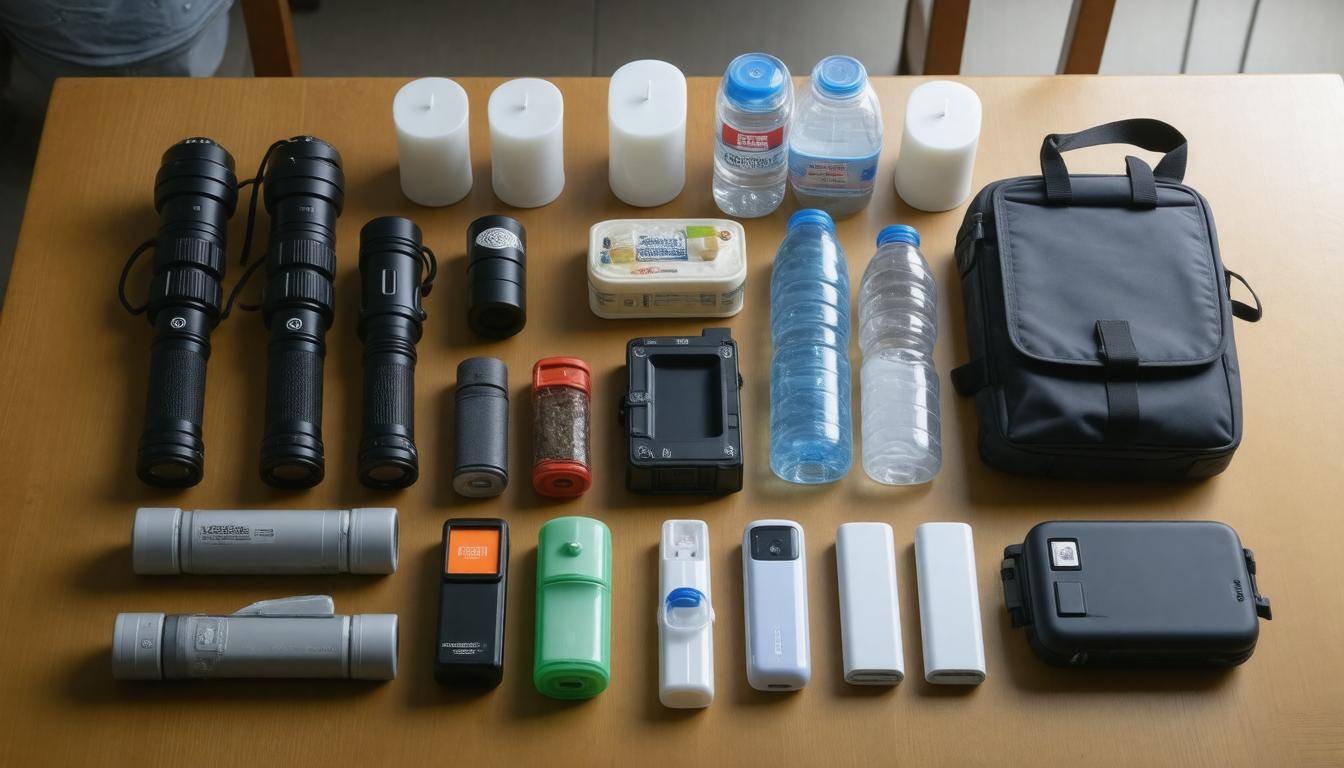
Regular maintenance of your preparedness supplies helps ensure that everything is in working order when you need it most. It’s easy to let months slip by without checking what you have on hand, but making it a point to review and update your emergency supplies every six months can make a significant difference. This means not only replacing expired food items but also ensuring that batteries for flashlights, radios, and other devices are fresh and ready for action.
It’s essential to remain proactive rather than reactive. Emergencies don’t wait for you to be ready, which is why a well-timed inventory check can prove beneficial. Take a moment to reevaluate your supply list against seasonal challenges—like hurricanes in the summer or snowstorms in winter—and adjust accordingly. Incorporate new supplies based on what worked or didn’t during past outages, adapting your strategy as needed.
Regular Drills
Practicing your emergency plan is equally important to keeping supplies updated. Hold regular family drills to simulate potential emergencies. Imagine this: your family knows exactly where to go for their gear and what to grab without having to think twice. A Reddit user once shared how holding monthly fire drills and power outage simulations allowed their family to stay calm and coordinated during real interruptions. The experience was not only educational but also brought them closer together while instilling confidence in their readiness.
Drills should include reviewing evacuation routes, identifying meeting points, and discussing roles during emergencies. The key is repetition; it’s through continual practice that knowledge transitions into muscle memory.
Just as updating supplies and practicing drills creates a robust preparedness plan, engaging with your community can further enhance your family’s readiness during power outages.
By staying proactive with maintenance, practicing emergency plans, and involving your local community, you set yourself up not just for survival, but for resilience during power outages.
What household items can be repurposed for use during a power outage?
Common household items that can be repurposed during a power outage include candles for lighting, blankets for warmth, and plastic containers for storing water. Research shows that nearly 20% of Americans have experienced a power outage lasting more than six hours in the past year, making it crucial to utilize available resources effectively. For instance, using blankets not only conserves body heat but can also help insulate windows against cold drafts, enhancing comfort during unexpected outages.
What are the most affordable tools and supplies needed for power outage preparedness?
The most affordable tools and supplies for power outage preparedness include a reliable flashlight, battery-powered or hand-crank radio, candles, a first-aid kit, and non-perishable food items. A study found that over 70% of households experience at least one power outage per year, highlighting the importance of being prepared. Investing in these essentials—often totaling under $50—ensures safety and comfort during an outage, making it a practical choice for budget-conscious families.
How can I stay informed about potential power outages in my area without relying on expensive services?
To stay informed about potential power outages without incurring costs, sign up for local community alert systems via your municipality’s website, follow local utility companies on social media for real-time updates, and use free weather apps that provide alerts about severe conditions. According to a 2022 survey, 70% of people who rely on these resources reported receiving timely information about disruptions, helping them prepare effectively without needing costly subscription services.
Are there DIY solutions for maintaining food safety during a power outage?
Yes, there are DIY solutions for maintaining food safety during a power outage. One effective method is to keep the refrigerator and freezer doors closed as much as possible; a full freezer can maintain a safe temperature for about 48 hours, while a half-full freezer lasts approximately 24 hours. Additionally, placing ice packs or bags of ice in the fridge can help maintain cold temperatures. It’s also beneficial to use thermometers to monitor food temperature; perishable foods should be kept at or below 40°F (4°C) for safety. According to the USDA, about 1 in 6 Americans get sick from foodborne illnesses each year, so these precautions can help prevent such risks during outages.
How can I create an emergency power plan without spending too much money?
To create a low-cost emergency power plan, start by assessing your household’s essential needs, prioritizing items like flashlights, batteries, and a portable phone charger. You can often find these supplies at discount stores or through online sales, helping you save money. According to the Federal Emergency Management Agency (FEMA), having basic preparedness supplies can reduce stress during outages and improve safety—over 60% of households that are prepared feel more secure in emergencies. Consider DIY solutions for backup energy sources, like using solar chargers or car batteries, which can further keep costs down while ensuring you’re ready for unexpected outages.