
When it comes to keeping our families healthy, nothing is more important than ensuring we have access to clean drinking water. But what if you don’t want to spend a fortune on high-end filtration systems? Don’t worry—there are plenty of budget-friendly options that can help you filter your tap water effectively without breaking the bank. In this article, we’ll explore various low-cost water filtration systems that not only save you money but also deliver well-filtered water you can trust. We’ll compare features, costs, and effectiveness to help you find the right fit for your home, offering practical insights based on user experiences and popular choices on the market today. So let’s dive in and discover how to keep your drinking water safe and refreshing without emptying your wallet!
In our comparison of low-cost water filtration options, we highlight key products such as the Pur Faucet Attachment, which is praised for its affordability and user-friendly setup. Additionally, users should consider factors like initial cost, replacement filter prices, and installation ease to determine the best fit for their needs.
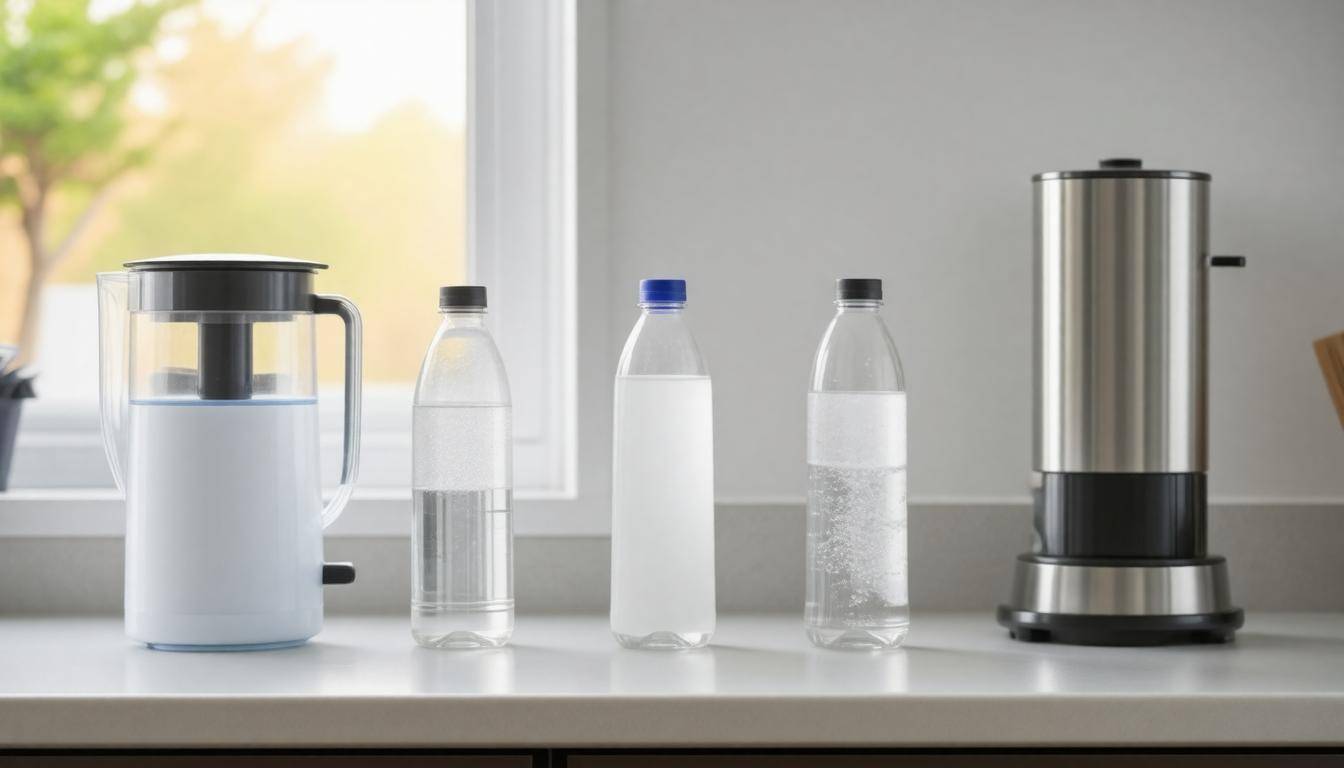
Comparing Inexpensive Water Filtration Methods
It’s essential to assess not just the upfront costs but also how each option aligns with your requirements for quality drinking water. For instance, activated carbon filters are favored for their affordability and efficiency in reducing chlorine and sediments, making them highly popular for everyday use in options like pitcher systems and faucet attachments. They typically offer a moderate initial price—often around $30—while replacement filters can be very economical. A user favorite is the Pur faucet attachment that can be regularly purchased cheaply at local retailers or wholesale clubs, maximizing value while ensuring decent filtration quality.
Shifting gears, ceramic filters are another solid option worth considering. While they tend to have a higher initial outlay compared to activated carbon systems—generally priced at about $50 or more—their longevity can offset the cost over time. Ceramic filters excel at removing bacteria with an impressive effectiveness rate of 99.9%; however, it’s important to remember that they aren’t as effective against viruses, hence why many users pair them with additional methods for complete safety. This combination reflects a common trend where discretion is exercised based on specific household needs.
Take note: the investment into these systems should factor both the initial cost and frequency of replacements to truly understand long-term expenses.
Another method worth mentioning is UV purification, which uses ultraviolet light to eradicate pathogens. It’s critical to highlight that this system typically requires pairing with another filtration type, thereby elevating its overall cost. Hence, while it may seem attractive due to its thoroughness in killing bacteria and viruses (with a kill rate of up to 99.99%), users must weigh this effectiveness against potential installation complexities and recurring costs involved in adding complementary filtration.
Let’s not forget about one of our oldest friends in water cleansing: boiling.
Boiling water may seem overly simplistic, but it remains one of the most effective ways to eliminate pathogens. However, don’t be fooled into thinking this is a practical daily solution; it’s time-consuming and requires considerable fuel energy for large quantities needed for family hydration. As such, while boiling can serve as an emergency backup, it’s advisable to have other reliable filtering options handy for regular use.
Understanding the diverse advantages each filtration method offers—from affordability and ease of use to effectiveness at combatting contaminants—helps in making thoughtful decisions that best suit your home’s water needs while considering your budget.
As we explore the various approaches available, let’s now turn our attention to the different options specifically designed to fit low-cost needs.
Types of Low-Cost Filters
Pitcher Filters
Pitcher filters represent one of the simplest solutions for clean drinking water. Priced typically under $30, these devices are a household staple for those seeking an affordable filtration option. Brands like Brita and Pur dominate this space, offering effective performance in reducing chlorine, zinc, and other particulates, alongside convenient designs for easy pouring.
The filters need to be replaced every two months or so, costing roughly between $6 to $12 each. This manageable ongoing expense makes them economical over time.
Additionally, many users appreciate their portability; you can simply fill a pitcher up and store it in the refrigerator for chilled water on demand.
Faucet-Mounted Filters
If you’re looking for a different approach, then faucet-mounted filters might catch your interest. These attachments range in price from around $20 to $40 initially but prove to be efficient over time due to fewer filter replacements. They adhere directly to your kitchen tap, granting instant access to filtered water—an immense convenience for busy households or anyone in need of quick hydration.
The beauty of these systems lies in their simplicity; you don’t need to fill a pitcher and wait for the water to filter through. Just turn on the tap and enjoy cleaner water almost immediately. Users often mention how straightforward the installation is, even in older apartments where plumbing might pose challenges.
While some may experience minor issues with fittings or leaks during setup, overall feedback trends toward high satisfaction. Many find that after the initial investment, the reduced frequency of filter changes leads to savings that far exceed their expectations.
Now, let’s not forget about other filtration options that cater to various needs and budgets; there’s certainly something out there for everyone searching for cleaner, healthier drinking water.
Additional Filter Types Worth Considering
For those interested in specialized filtering solutions, several options deserve attention. For instance, reverse osmosis systems can effectively remove up to 99% of contaminants including lead and nitrates but come with a higher price range from $150 to $300. For a more portable solution, pitcher filters offer convenience at low costs—just remember they typically require replacement every two months. You will also find ceramic filters designed primarily for bacteria and protozoa removal.
The key consideration here remains functionality against cost: evaluating whether the additional initial outlay or maintenance costs bring value to your personal water quality needs.
As consumers increasingly lean towards sustainability, innovative approaches—like reusing specific materials instead of traditional filters—have emerged as intriguing alternatives reflecting curiosity and practicality in everyday filtering methods.
With all these choices at hand, it’s crucial to think about which filter aligns best with your lifestyle, budget constraints, and overall goals for cleaner water.
As we consider the various filtration options available, it becomes essential to examine how these technologies function and their effectiveness in delivering purified water.
Filtration Technology and Effectiveness
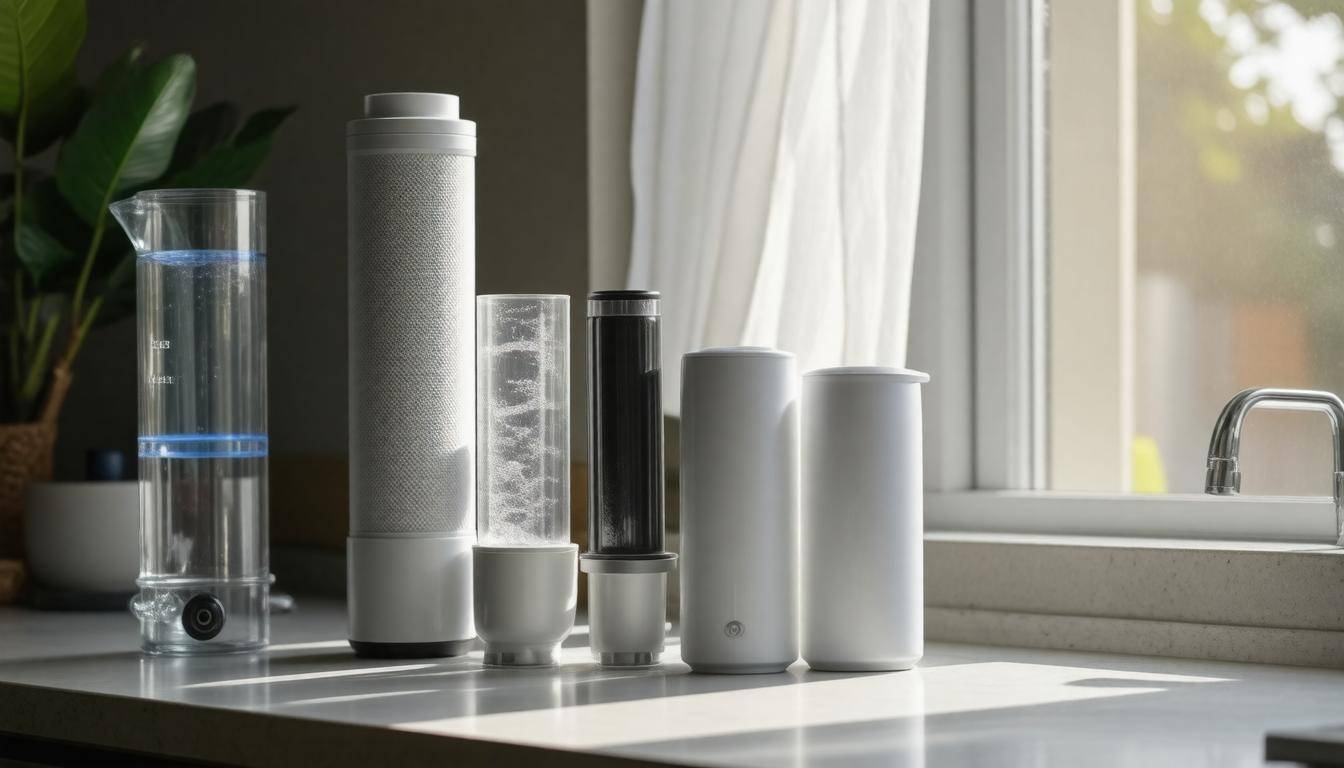
Let’s dive into the different types of water filtration technologies available today, starting with activated carbon filters. These filters operate through a process called adsorption, where pollutants like chlorine, sediment, and unpleasant odors cling to the porous surface of the activated carbon. This method effectively improves taste and removes many common contaminants.
However, it’s important to note that while activated carbon excels at removing volatile organic compounds (VOCs) and chlorine—removing up to 95% of these substances—it falls short in filtering out heavy metals and pathogens. For example, if you rely solely on activated carbon in a region with high lead levels, you’re probably not addressing all your safety needs.
Next, let’s explore a more robust option: Reverse Osmosis systems.
Reverse Osmosis (RO) utilizes a semi-permeable membrane to eliminate a wide range of contaminants from drinking water, including lead, arsenic, nitrates, and fluoride. This type of filtration can remove up to an impressive 99% of impurities, making it one of the most effective methods available. Although it often comes with a higher upfront cost compared to simpler systems like activated carbon filters, many homeowners find that the long-term health benefits outweigh these initial expenses. It’s a choice that appeals particularly to those concerned about chemical exposure or living in areas with compromised water sources.
However, RO systems might not meet every household’s needs due to their complexity.
To tackle microbiological concerns—like bacteria and viruses—ultraviolet (UV) filters come into play. These devices harness UV light to effectively neutralize harmful microorganisms and are remarkable in their speed and efficiency. Yet, they require electricity or battery power to function, which might limit their practicality in certain situations such as during power outages or in off-grid locations. Many users find that pairing UV filtration with other systems enhances overall effectiveness, maximizing purification without sacrificing convenience.
Each of these technologies serves distinct purposes, but understanding how they work together can elevate your quality of life.
Beyond individual performance, factors like ease of installation and filter maintenance come into play when selecting your home filtration system. For instance, users often voice appreciation for flexible setups that don’t require significant plumbing alterations—especially in older buildings where such tasks might be more complicated. Furthermore, consider your lifestyle; if frequent filter replacements feel burdensome or costly over time, investments in systems like Reverse Osmosis might offer peace of mind through less frequent but more thorough cleaning.
Equipping yourself with knowledge about these various filtration technologies allows you to weigh each one’s strengths against your specific needs as you approach the next stage: evaluating the safety and quality standards associated with filtered water.
Safety and Quality of Filtered Water
When it comes to ensuring clean drinking water, safety and quality are non-negotiable. No matter how budget-friendly a filtration system may be, it ultimately serves one critical purpose: keeping harmful contaminants out of our glasses. To achieve that, consumers should pay close attention to certification standards and common contaminants that filters target.
Certification Standards
One of the first things to look for when selecting a filtration system is any certifications it holds. Filters certified by ANSI/NSF are particularly reputable because they have undergone rigorous testing and meet stringent safety standards. These certifications practically assure you that the product has effectively passed tests proving its ability to remove harmful elements from your water supply.
Imagine having a health guarantee for your drinking water. That’s what these certifications provide. By choosing certified products, you’re ensuring that you’re not just filtering for the sake of filtering – you’re actually making your water safer for consumption.
Now, let’s explore the specific contaminants these filters are designed to combat.
Common Contaminants
Understanding the common culprits lurking in tap water can help you make informed decisions while selecting a filter. At the top of the list are substances like chlorine, lead, bacteria, volatile organic compounds (VOCs), and heavy metals. Studies indicate troubling trends; for instance, research conducted by the Environmental Working Group (EWG) found that municipal water supplies often contain chlorine levels exceeding established safety limits. This chemical not only taints the flavor of your water but can also pose health risks when consumed in excess.
A reliable water filter should effectively lower these contaminants during its operation. Depending on the filtration technology employed by the system you select, varying success rates may be expected. For instance, systems such as activated carbon filters boast an impressive ability to reduce around 85% of chlorine and 99% of VOCs based on numerous studies, making them a popular choice among consumers.
Remember that not all filters are created equal – some will be more effective against certain contaminants than others, depending on their design and technology.
Having insight into certification standards and common contaminants helps you ensure safer drinking water while exploring different filtration options.
This knowledge empowers you to invest wisely in affordable solutions that maintain high-quality water with each drop they sip. Moving forward, we can examine innovative approaches specifically tailored for outdoor adventures and emergencies.
Portable Water Purification Devices
For anyone who enjoys the great outdoors or is preparing for an emergency, portable water purification devices are nothing short of a lifeline. Imagine hiking on a warm day, surrounded by beautiful scenery, when suddenly you realize your water supply is nearly gone. Having a solid filtration device can turn potentially unsafe water sources—like rivers or lakes—into safe drinking options in just seconds.
Take, for example, the LifeStraw; this handy little filter purifies up to 1,000 liters of water at a price point around $20. With each sip, you’re reassured that the water you’re consuming is free from harmful contaminants.
Similarly, there’s the Sawyer Mini, which can filter up to 100,000 gallons of water for under $30. This device easily attaches to standard water bottles, fitting seamlessly into your outdoor gear without adding extra bulk. These practical features make these filtration options not only affordable but also invaluable during camping trips or as part of an emergency preparedness plan.
The advantages don’t stop at affordability; these devices also come packed with benefits that enhance their practicality in real-world situations.
Advantages
One compelling aspect of these portable devices is their lightweight design. When trekking up a hill or navigating dense forests, adding unnecessary weight can quickly become tiresome. Most portable filters weigh very little, ensuring they won’t be a burden on your adventures. Additionally, ease of use is another significant advantage. A quick sip through a LifeStraw or squeezing the Sawyer Mini allows users to hydrate swiftly without complicated setups or lengthy procedures.
Navigating emergencies requires quick thinking; whether you’re caught in severe weather or facing unexpected circumstances, having a ready-to-deploy purification system could save your life.
These devices are particularly effective against harmful pathogens like bacteria and protozoa. With dangers like giardia lurking in untreated water sources, having peace of mind about what you’re drinking holds immense value. You can confidently refill your bottle from a stream without worrying about what’s lurking beneath the surface.
As we explore further into this topic, let’s consider specific scenarios where portable filtration devices shine and why investing in one could be beneficial for everyone.
Real-World Applications
Picture yourself on a multi-day backpacking trip in remote wilderness areas: traditional methods of carrying large amounts of water can become cumbersome quickly. Portable filtration systems transform any nearby freshwater source into safe drinking water and reduce the strain on your back and shoulders. Not just for adventurers, families caught in natural disasters would benefit immensely from having such tools at hand.
As societies increasingly grapple with climate change—leading to dwindling fresh supplies—having accessible filtration solutions feels more essential than ever. Portable purification devices serve as both backup and everyday solutions for those mindful about their hydration habits in a world where clean water availability may fluctuate.
The simple act of taking precautions now empowers individuals everywhere with independence from unreliable municipal resources while embracing the wonders of nature.
Now let’s shift our focus to exploring another vital option in the realm of water purification systems and how they function effectively.
Activated Carbon Filters Explained
Activated carbon filters are a popular choice for those seeking low-cost water filtration solutions. They rely on the principle of adsorption, where contaminants adhere to the surface of the carbon granules or blocks as water passes through. This process effectively removes impurities and improves the taste and odor of the water. For instance, I once tested a typical Brita filter, and I was amazed at how much it reduced levels of mercury, chlorine, benzene, and copper—substances that we definitely want out of our drinking water.
How It Works
The magic lies in the structure of activated carbon. When carbon is heated in the absence of oxygen, it becomes highly porous, creating an extensive surface area perfect for trapping harmful substances. This means that even the tiniest particles can be caught and held, making it effective against various contaminants. When you turn on your tap expecting fresh water, it’s reassuring to know that these little granules are working hard to deliver cleaner drinking options right into your glass.
However, while activated carbon filters play a significant role in improving water quality, users must be aware of their limitations.
Replacement Frequency
To maintain effectiveness, most activated carbon filters require replacing every 40 gallons or roughly every two months. Even if they seem like a simple filter replacement process—just unscrew and swap out—it can add up over time. However, they often come at affordable prices when bought in bulk from places like BJ’s Wholesale Club or during sales events with coupons. With each filter priced reasonably, keeping your supply stocked doesn’t have to break the bank.
It’s worth noting that many users extend filter life beyond the recommended schedule upon noticing indicator lights. However, this practice can sometimes lead to reduced efficacy in contaminant removal, challenging the very goal of using these filters in the first place. Personally, I’d recommend sticking closer to that two-month timeframe for optimal results.
Suitability
Activated carbon filters work exceptionally well for treating municipal water sources where common contaminants like chlorine and sediment exist. They excel in enhancing taste and reducing odors but have their limits—they may not effectively tackle heavy metals or pathogens such as bacteria and viruses. In my experience with a family member’s home that uses well water, switching from activated carbon to a more robust filtration system was necessary due to higher minerals concentrations found in their source.
As beneficial as activated carbon filters can be, it’s essential to consider both their strengths and weaknesses before making decisions based on specific situations regarding your drinking water sources.
Suitability for Various Water Sources
Not all filters are created equal, and their effectiveness can vary significantly based on the source of the water. Knowing what type of water you’re dealing with is essential for successful purification. For city water, which typically undergoes treatment to meet safety standards, activated carbon filters work wonders by removing residual chlorine and other chemicals. These filters enhance the taste of tap water and eliminate unpleasant odors, making your daily hydration experience much more enjoyable.
However, if you’re relying on well water or other natural sources, the stakes change dramatically.
Well water, as a prime example, can harbor undetected contaminants like bacteria, nitrates, and heavy metals that activated carbon filters cannot address. More advanced systems such as reverse osmosis (RO) or ultraviolet (UV) filters are recommended in this scenario. RO systems excel in removing dissolved solids and chemical substances, while UV filters effectively sanitize by targeting harmful organisms. If you’re using well water, investing in these comprehensive filtration solutions prioritizes health and safety over cost alone.
Meanwhile, outdoor water sources like lakes and rivers introduce yet another layer of complexity.
Often fraught with pathogens and debris, these sources require portable filtration systems capable of quick and reliable purification. Filters like LifeStraw have gained popularity for providing an easy solution to transforming unsafe outdoor water into drinkable fluid. They’re compact, user-friendly, and ideal for hikers or campers who need filtration on the go. The design allows users to sip directly from the water source or pour it into another container after filtering.
Furthermore, it’s important to consider how varying levels of contamination directly inform the filtration systems’ capabilities.
In more contaminated scenarios—think industrial runoff or agricultural waste—multi-stage filtration systems become invaluable. Combining activated carbon with sediment filters and UV lights creates a robust defense against diverse pollutants. This level of thoroughness ensures that your system can handle various contaminants simultaneously, providing cleaner and safer drinking options.
With a clear understanding of your water source’s unique challenges, you’ll be better equipped to select a filtration system tailored to your specific needs. Whether it’s city water needing simple enhancement or challenging outdoor sources requiring intensive purification methods, having the right knowledge can save you from future headaches.
As we continue exploring options that make clean drinking water accessible to everyone, let’s take a look at solutions designed with ease of use in mind.
User-Friendly Filtration Systems
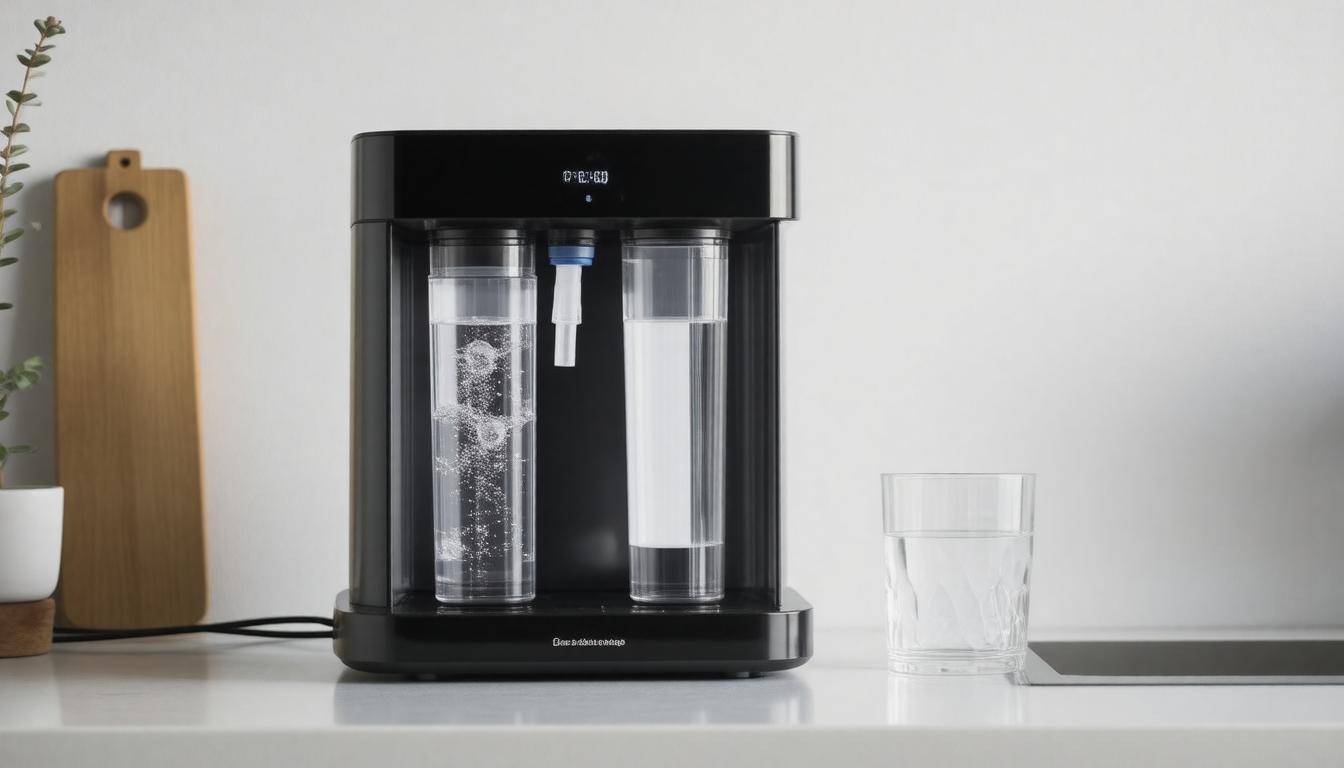
A user-friendly filtration system can make all the difference in ensuring you have consistent access to clean drinking water.
Take, for example, pitcher filters, like the widely popular Brita pitcher. These systems are designed for simplicity, allowing users to fill them up easily and store them in the fridge. The compact design makes it a convenient fit for most household fridges.
Alyssa, a busy mom of two, shares her experience: “I’ve used the Brita pitcher for years. It’s simple to refill and fits snugly in my fridge.” This illustrates how an easy-to-use system encourages regular usage, keeping families hydrated with minimal effort.
Yet, if you want an even more immediate solution at the tap, consider a faucet-mounted system.
Faucet-mounted filters provide another straightforward option that combines convenience with effective filtration. John, who lives in an older apartment, found success installing a Pur faucet attachment without any plumbing changes. In just a few minutes, he transformed his ordinary tap into a source of pure filtered water.
This accessibility makes it more likely that individuals will drink from their tap instead of opting for less healthy choices. These attachments come with intuitive designs that help ensure you’re getting filtered water whenever you turn on the faucet.
But what about those who need filtration solutions on-the-go?
For adventurers or those who enjoy camping, portable filters are indispensable. Devices like the Sawyer Mini are fantastic since they can easily attach directly to hydration packs and bottles, ensuring outdoor enthusiasts always have access to clean water no matter where their travels take them.
They’re lightweight, compact, and designed for effortless use—anyone from seasoned hikers to casual campers can handle them without prior experience.
The essence of user-friendly systems lies in their ability to empower users to access clean drinking water with little hassle involved. By enhancing usability through thoughtful design, these filtration options promote regular consumption of purified water.
Ultimately, investing in systems that prioritize ease not only benefits individual health but also aligns with a sustainable lifestyle by encouraging more people to bypass bottled water options altogether in favor of fresh tap water.
In summary, choosing the right filter can transform your access to clean water while promoting healthier habits and environmentally friendly choices.
What contaminants can low-cost water filters remove from tap water?
Low-cost water filters can effectively remove several common contaminants from tap water, including chlorine, sediment, and certain heavy metals like lead. For instance, activated carbon filters are known to reduce chlorine levels by approximately 99%, improving taste and odor, while some filters can lower lead concentrations significantly—often by 90% or more—making them a viable option for budget-conscious consumers looking to improve their water quality without extensive investments.
How do different types of water filtration systems compare in terms of cost and effectiveness?
Different types of water filtration systems vary significantly in both cost and effectiveness. For instance, activated carbon filters, typically ranging from $20 to $100, are effective at improving taste and removing chlorine but may not eliminate all contaminants, while reverse osmosis systems, priced between $150 and $600, offer superior purification by removing up to 99% of impurities including heavy metals and microorganisms. Additionally, pitcher filters, the most budget-friendly option at around $20, are convenient but less comprehensive in contaminant removal compared to more advanced systems. Thus, while lower-cost options can suffice for basic needs, investing in higher-end filtration can result in better overall water quality.
What maintenance costs should I expect with low-cost water filtration systems?
Maintenance costs for low-cost water filtration systems generally range from $20 to $100 annually, depending on the type of system and frequency of filter replacements. For instance, simple pitcher filters may only require replacement cartridges every two months at roughly $10 each, while more complex systems like under-sink filters might need replacement parts every six months. Regular maintenance is crucial, as neglecting it can lead to decreased efficiency and increased contaminants in your drinking water, potentially offsetting the initial savings. Keep in mind that while low-cost systems offer budget-friendly options upfront, ongoing costs should be factored into your overall investment.
Are DIY water filtration methods a viable low-cost alternative, and how do they compare to commercial options?
DIY water filtration methods can indeed be a viable low-cost alternative to commercial options, often using readily available materials such as activated charcoal, sand, or gravel. A study found that DIY filters can reduce contaminants effectively, with some achieving up to 90% removal of bacteria and sediments. However, they may not match the consistency and reliability of commercial systems, which are often certified to meet specific safety standards. While DIY solutions can cost as little as $5 to $20, compared to $50 or more for commercial units, users should weigh their filtering needs against the level of assurance provided by marketed products.
What are the most effective low-cost water filtration systems available on the market?
Among the most effective low-cost water filtration systems available are activated carbon filters, reverse osmosis systems, and gravity-based filter pitchers. Activated carbon filters excel at removing chlorine, sediment, and volatile organic compounds, improving taste and odor; they can reduce contaminants by up to 99%. Reverse osmosis systems, while slightly pricier upfront, offer high purification levels and can eliminate up to 95% of total dissolved solids (TDS), making them ideal for areas with hard water. Gravity-based filter pitchers provide a budget-friendly option with efficacy in reducing lead and microbiological contaminants, making them suitable for everyday household use.