
Access to clean drinking water should be a basic right for everyone, yet millions around the globe still struggle with this vital need. Waterborne diseases remain a leading cause of illness and death, particularly in developing areas where resources are limited. Fortunately, there are practical and low-cost methods available that can help ensure safe drinking water, even in the most challenging situations. From simple boiling techniques that kill harmful organisms to solar disinfection that utilizes sunlight’s power, various approaches can make a significant difference. In this article, we’ll explore these affordable solutions, providing easy-to-follow tips and innovative ideas to empower you or your community to secure clean drinking water without breaking the bank. So, let’s dive into these effective methods that could transform your access to safe hydration!
The “Low-Cost Water Purification: Complete Guide” details various affordable purification methods, essential tips for maintaining safe drinking water, and a selection of recommended filters and systems suitable for different needs. Topics include the importance of water pressure regulation, reusable filtration systems, and insights into popular products like inline filters and pressure regulators to ensure clean and safe drinking water while saving costs.
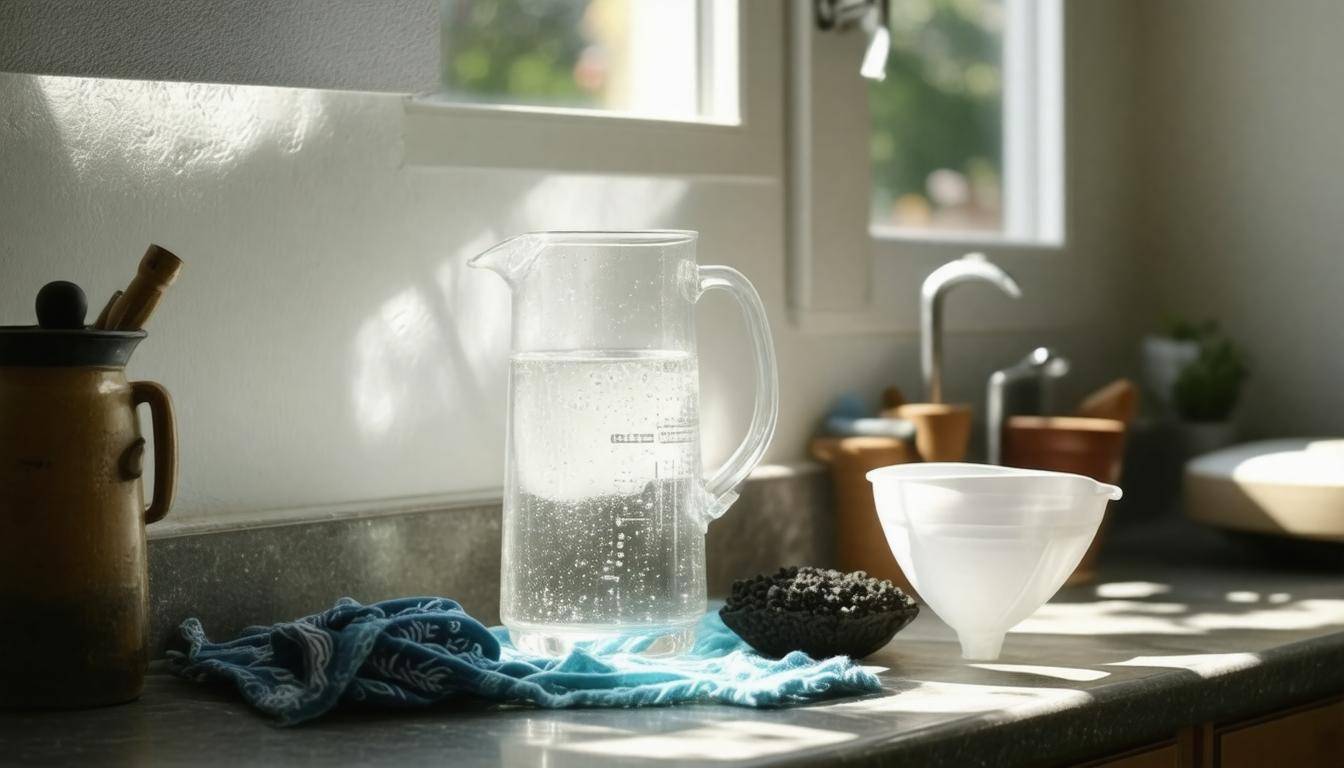
Low-Cost Water Purification Methods
Boiling water is often celebrated for its simplicity and effectiveness in killing harmful microorganisms. Just bring the water to a rolling boil for about one to three minutes, depending on your altitude, to ensure it’s free from bacteria, viruses, and parasites. This method is a staple in places like Kenya, where villagers boil water daily to protect their families from disease.
However, while boiling serves well for small batches, imagine trying to hydrate a family or a group camping—it’s impractical and time-consuming for larger quantities.
So what are some alternatives that can provide efficiency along with affordability? One popular choice among many communities is filtration systems.
Ceramic filters present another viable option for those seeking low-cost purification. They filter out bacteria effectively and can be reused after cleaning. In rural India, a small study showcased their profound impact: households using ceramic filters experienced a remarkable 45% reduction in diarrhea cases. This drastic improvement speaks volumes about the importance of clean water access and its direct correlation with health outcomes.
Moving beyond ceramic filtration, let’s also talk about activated carbon filters.
Activated carbon filters come into play as an excellent choice for removing chlorine and other volatile organic compounds that alter the taste of tap water. These filters are relatively inexpensive—often costing between $0.05 to $0.10 per liter—and they seamlessly attach to most kitchen faucets. Imagine you are about to sip a glass of water, but it has that unpleasant chlorine aroma; using an activated carbon filter can drastically improve your drinking experience without breaking the bank.
Additionally, we can’t overlook other methods like solar disinfection.
Solar Disinfection (SODIS) is an ingenious method that utilizes sunlight to purify water, effectively reducing pathogens by an impressive 99.9%. It requires nothing more than placing clear plastic bottles filled with water in direct sunlight for about six hours. This method costs next to nothing and is particularly beneficial in solar-rich regions where traditional power sources are inaccessible. It’s not just economical but harnesses nature’s own energy to provide clean drinking water.
Lastly, let’s examine chlorination as a simple yet effective form of purification.
Chlorination involves adding household bleach to water—a practice that remains cost-effective at about $0.002 to $0.005 per liter. It effectively kills bacteria and viruses, making it vital for emergency situations or when you’re unsure about your water source’s safety. Include this method in your toolkit so when camping or during unexpected outages, you have peace of mind knowing there’s an easy solution available at your fingertips.
With various low-cost strategies at our disposal—from traditional boiling methods to innovative techniques like solar disinfection—the next section will focus on a practical approach utilizing activated carbon for effective DIY filtration solutions.
DIY Filtration Using Activated Carbon
Activated carbon is widely celebrated for its remarkable ability to remove impurities from water. It acts like a sponge, absorbing unwanted chemicals, chlorine, and even certain heavy metals. Making your own activated carbon filter can be a cost-effective solution that fits both small and larger needs—such as families traveling in RVs or simply those seeking safer drinking water at home.
To create your own filter, you need just a few materials: activated carbon granules, a plastic bottle, sand, and gravel. Begin by cutting the bottom off the plastic bottle; this will act as the container for your filtration system.
Next, layer the materials carefully within the bottle. Start with a coarse layer of gravel at the bottom for drainage, then add a finer layer of sand above it. Finally, place a generous amount of activated carbon on top to do the heavy lifting when it comes to purification. It’s essential to sandwich the activated carbon between layers of sand and gravel, allowing for effective filtration while reducing debris clogging the filter.
However, while this method can significantly reduce contaminants like chlorine and volatile organic compounds, it may not be effective against pathogens such as bacteria or viruses.
For instance, in camping scenarios where clean water is scarce, many outdoor enthusiasts swear by this method to swiftly create potable water from questionable sources. When you’re miles away from civilization, a DIY activated carbon filter can be crucial in enhancing the safety of your drinking water without breaking the bank.
While this filter excels at removing certain impurities, it’s important to consider what it doesn’t effectively address. This highlights the need to understand its limitations and know when to supplement with other purifying methods.
Understanding Limitations and Supplementary Methods
As beneficial as activated carbon filters are for improving taste and odor while removing several harmful substances, they have limitations. Notably absent is their efficacy against pathogens; if you’re worried about waterborne diseases or contaminants such as bacteria and viruses when backpacking or RVing in remote areas, you may wish to boil your water after filtering or explore additional purification options like ultraviolet light systems or chemical treatments that effectively kill these pathogens.
It’s also crucial to maintain your DIY filter by replacing the activated carbon regularly. Depending on usage and water quality, carbon typically needs replacing every six months to a year.
Moreover, many users find it important to complement their methods with pre-filtration techniques—the grit from debris can clog your filter quicker than you’d expect. Straining out large particles before they hit your DIY filter can extend its lifespan and improve overall performance.
Understanding how these filtration methods interact opens doors to even more innovative techniques that can further ensure your drinking water remains safe and clean. Let’s now look into advanced technologies that capitalize on UV light and solar energy for purification.
UV and Solar Purification Techniques
Sunlight provides an excellent, low-cost solution for water purification that is both eco-friendly and accessible. With simple techniques, you can purify water effectively, ensuring it is safe for consumption. Though they might sound technical, ultraviolet (UV) and solar purification methods are straightforward and practical, making them ideal for RVers or anyone seeking reliable drinking water sources while on the move.
Simple UV Purification
One of the simplest ways to utilize UV light involves using a UV purification pen. Think of a compact device you can easily carry in your pocket; it might become one of your favorite travel companions. When you’re in a pinch and need to ensure your drinking water is safe, simply submerging this pen into the water for about 1-2 minutes will expose pathogens to intense UV light, effectively killing up to 99.99% of bacteria and viruses present in the water. Travelers often swear by these pens for their reliability in uncertain environments—saving them from potential health risks.
Keep in mind that while UV purification pens are effective, they do rely on a power source. If you’re off-grid or traveling without electricity access, think ahead about how you’ll recharge your pen!
Solar Water Disinfection (SODIS)
Another remarkable technique capitalizes on something we all have access to: sunlight. Solar water disinfection, commonly referred to as SODIS, requires little more than clean, clear plastic bottles filled with water. The process is delightfully simple: place your filled bottles in direct sunlight for at least six hours. Remarkably, during this time, UV-A rays penetrate the water, effectively neutralizing germs and pathogens.
In fact, the World Health Organization has endorsed this method—indicating it can lead to over a 99.9% reduction in harmful microorganisms when done correctly. It’s worth noting that not only does this approach provide safe drinking water, but it’s also an environmentally friendly option requiring no external energy or expensive equipment.
However, it’s essential to consider a few tips for optimal results with SODIS. Ensure your plastic bottles are made from clear polyethylene terephthalate (PET). Avoid using colored or non-transparent containers, as they will obstruct sunlight penetration and hinder purification effectiveness. Additionally, avoid any cloudy weather; bright sunshine is crucial for this method to work efficiently.
By integrating either or both of these purification techniques into your routine or travels, you create a safety net against waterborne illnesses without breaking the bank or burdening yourself with complicated setups.
As we explore the various methods available for ensuring safe drinking water, we can transition our focus towards a hands-on approach that leverages renewable resources for effective disinfection.
Building a Solar Water Disinfection System
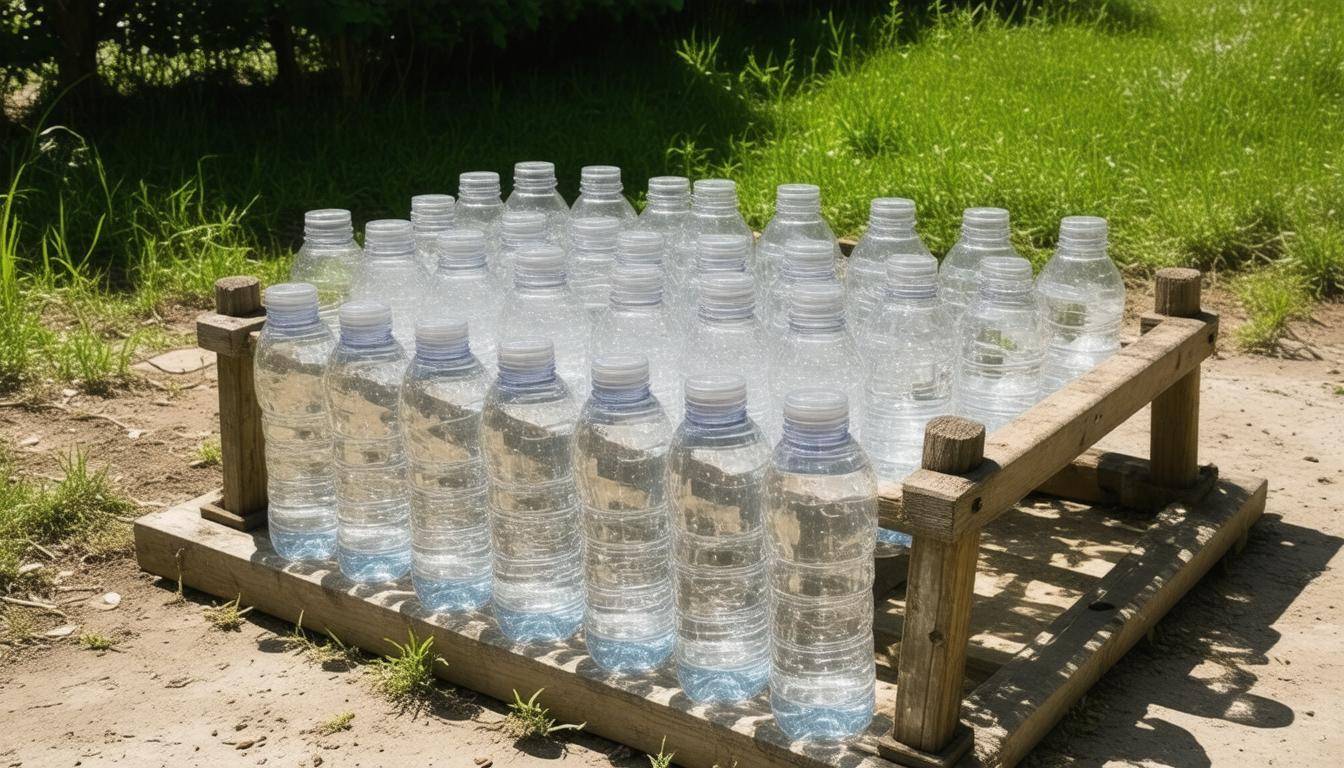
Creating a solar water disinfection system is more straightforward than it sounds. This project can easily be tackled over a weekend and serves a practical purpose that could change your access to clean water. To get started, gather your materials: you’ll need reflective surfaces like aluminum foil, clear plastic bottles—preferably made from PET—and a sturdy wooden plank or board to support everything during the process.
Step-by-Step Guide
The first step in this DIY project is to cover the wooden plank with aluminum foil. This reflective surface is crucial because it helps redirect sunlight onto the bottles, amplifying the disinfection process significantly. Ensure that the shiny side of the foil is facing up; this will reflect more light effectively.
Once you have your plank ready, it’s time to prepare the bottles for filling.
The next step involves filling the clear plastic bottles with water. It’s important to leave a small air gap at the top (about an inch) when filling them; this helps prevent overflow and allows for some expansion as the water warms up. Make sure that you’re using clean, clear bottles, as any discoloration can affect UV light penetration and hinder overall effectiveness.
With your bottles safely filled and prepared, it’s time for the final, critical step.
Now, place the bottles on the aluminum-covered plank in direct sunlight. The key here is exposure—make sure they are in a location where they will receive full sunlight for at least six hours, ideally between 10 AM and 4 PM when the sun’s ultraviolet rays are strongest. This period allows sufficient time for UV radiation to work its magic on the pathogens present in the water.
The science behind this method lies in how UV light interacts with bacteria and viruses present in water. As sunlight hits the reflective surface of the tin foil, it bounces off and increases UV exposure on the bottles by intensifying heat and light around them. When done correctly, this solar disinfection technique has been demonstrated to reduce harmful pathogens by up to 99.9%, providing an effective means of securing safe drinking water.
In fact, this simple yet ingenious method has already been successfully implemented in various refugee camps worldwide, proving both its effectiveness and practicality under challenging circumstances where clean water is scarce.
By following these steps, you create a sustainable solution for clean drinking water while also harnessing renewable energy—nature’s own disinfectant. As we explore further methods of purification, understanding chemical processes and natural solutions will enhance our ability to secure safe drinking water more effectively.
Chemical and Natural Purification Methods

Chemical treatments are efficient, often yielding quick results when you’re in a pinch. However, they require a careful approach. For instance, chlorine tablets are a reliable choice for many RV enthusiasts and campers alike. The general guideline is simple: just use one tablet per liter of water, allow it to sit for about 30 minutes, and your water should be safe to drink. This method is effective against bacteria and viruses but requires attention to dosage. Using too much chlorine can lead to side effects and an unpleasant taste in your water. Therefore, it’s essential always to follow the instructions provided with the chlorine tablets.
Chemical Purification
I remember when I first used chlorine tablets during a camping trip in the woods. I had just enjoyed a long hike and needed something refreshing to drink. My friend pulled out those little tablets, and I thought, “How can something so small make my water safe?” It turns out the science behind it is quite profound; the chlorine works by penetrating harmful microbes and deactivating them. Just be cautious—if you’re sensitive to chlorine or have children with you, consider alternatives or test methods before fully relying on them.
Another popular option is iodine treatment. Adding 8-10 drops of tincture iodine per liter of water makes it effective against various contaminants. Yet again, this comes with caution; prolonged use of iodine can pose health risks, especially for those with thyroid conditions.
Natural Alternatives
Turning towards nature offers some wonderful alternatives for purifying water without synthetic chemicals. One such option includes moringa seeds, which have been celebrated in various parts of the world for their natural coagulation properties. To use moringa seeds effectively, you simply need to crush a few seeds, mix them with your water, and allow it to sit for a while. As you do this, the impurities will settle at the bottom, creating a visually clear solution that can then be easily filtered out.
In fact, rural areas in Sudan have significantly improved their water clarity using moringa seeds as a primary method of purification. This not only shows the efficacy of natural solutions but also highlights how local knowledge around these methods plays a vital role in community health.
By integrating both chemical treatments and natural alternatives into your regular routine, you create a comprehensive strategy for ensuring clean drinking water while cutting costs significantly during travel or outdoor adventures.
This blend of modern science and time-tested natural methods opens the door to even more ingenious ways to secure safe drinking water using common household items.
Using Household Materials for Filtration
When professional water filtration systems feel out of reach, innovative solutions using common household items can fill the gap quite nicely. Imagine you’re in a tight spot without access to clean water—having simple materials at your disposal becomes invaluable.
Take coffee filters, for instance; they serve as a fantastic pre-filtration step by trapping larger particles like dirt and debris before anything else happens. Their ability to catch these contaminants quickly sets a strong foundation for further purification processes.
Creating a Simple Filter
Constructing a simple water filter with household components is straightforward and rewarding. Start with a coffee filter or even a clean t-shirt as your first layer; this prevents larger particulates from entering your drinking water.
Next, on top of that, add a layer of sand followed by gravel. The sand captures smaller bits of impurities while flowing slowly ensures that sediments have enough time to settle. Finally, pour the water through your makeshift filter gradually, giving it time to work effectively while you watch the clarity improve with each pass.
“Survival experts often utilize this method because it’s quick and leverages readily available materials,” a testament to its efficacy in emergency scenarios.
Following this simple method can greatly reduce contaminants—many users report clear improvements in both appearance and taste after filtering their water through this DIY setup. Moreover, it’s an engaging way to learn about the basic principles of filtration and water safety as well.
Equipped with strategies to purify your water using household items, think about how these techniques can not only serve immediate needs but also become valuable skills during outdoor adventures or unexpected situations. This leads us to assess more systematic approaches for maintaining clean drinking supplies.
Evaluating Affordable Purification Systems
When you start hunting for an affordable water purification system, understanding the balance between cost, effectiveness, and maintenance requirements is vital. Each type of purification method comes with its own advantages and disadvantages, making it crucial to evaluate what suits your lifestyle best. Imagine investing in a system that fits your budget while providing peace of mind that you and your family are consuming clean, safe drinking water.
Let’s break down some popular options that have emerged as contenders in this affordable category. As seen in the table below, each system stands out for varying reasons. The ceramic filter, for instance, offers low initial costs—ranging from $20 to $50—and requires minimal maintenance. It effectively battles bacteria but has a lifespan of only 1 to 2 years.
On the other hand, the UV light pen may stretch your budget to between $50 and $100 but shines brightly when it comes to pathogen removal with a lifespan of around 5 to 10 years.
| System | Cost | Maintenance | Effectiveness | Lifespan |
|---|---|---|---|---|
| Ceramic Filter | $20-$50 | Low | Effective against bacteria | 1-2 years |
| UV Light Pen | $50-$100 | Low | Effective against pathogens | 5-10 years |
| Activated Carbon | $10-$30 | Medium | Removes chemicals and VOCs | 6-12 months |
| Chlorine Tablets | $10 | Low | Kills most pathogens | 3-5 years |
Additionally, there’s the conveniently priced activated carbon filter, which falls within a range of just $10 to $30. While it demands medium maintenance, it’s notably effective against harmful chemicals and volatile organic compounds (VOCs) within a lifespan of about 6 to 12 months. Finally, chlorine tablets provide an economical solution at only $10, maintaining low maintenance requirements while efficiently tackling most pathogens over a lifespan spanning 3 to 5 years.
Evaluating these factors allows you to sift through which system aligns with both your budget and health priorities, ensuring you select a method that serves your needs effectively over time. Understanding these options can guide consumers towards making informed decisions about their drinking water’s safety and quality, seamlessly leading us into considerations around health implications associated with each purification choice.
Health and Safety in Water Purification
Ensuring your water purification method is safe is paramount, especially for vulnerable populations who rely on clean drinking water. Poor water quality can lead to significant health issues, particularly for children, the elderly, and those with compromised immune systems. Therefore, it’s critical to adopt consistent monitoring and effective techniques that keep water clean not just in the moment but over time.
Regular testing of water post-purification can prevent health risks arising from improperly treated water. With affordable water testing kits available for around $20, you have a necessary tool for maintaining peace of mind. These kits allow you to check for contaminants like bacteria or chemicals that might lurk below the surface—remnant threats even after filtration processes.
Safety Checks
Let’s go over some specific safety checks you can implement in your purification routine. First and foremost, always read the instructions for any chemical treatments. Many individuals jump right into using products without understanding recommended dosages or application methods, which can lead to ineffective purification or harmful residuals. For example, when using chlorine, it’s crucial to know how much is suitable for your specific volume of water; excessive amounts can make it unsafe for consumption.
Sanitation is another key element; regularly sanitize your filtration system to avoid bacterial build-up. Just as a clean home fosters a healthy living environment, a maintained filtration system ensures that your drinking water remains free of harmful microorganisms. Depending on the type of filtration setup you have—be it a simple pitcher filter or a more complex under-sink unit—establish a cleaning schedule. This could be weekly washing with warm soapy water followed by thorough rinsing, ensuring all parts are dry before reassembly to prevent mold growth.
I recall a family in rural Ghana that successfully avoided waterborne diseases through their diligence in chlorinating their drinking water and consistently checking its clarity. They made this process a family affair, instilling an appreciation for clean water amongst their children—it became part of their daily lives.
However, be cautious: without these safety checks in place, even purified water can become unsafe over time. Contaminants can infiltrate if systems aren’t regularly maintained or if proper storage methods aren’t observed after cleaning. To illustrate this point further, think about how stale food quickly loses its freshness—even though it’s still food—similarly, without repeated attention to your system, what was once safe drinking water can turn risky due to factors like bacteria regrowth or changes in stored conditions.
Taking these precautions may require additional effort; however, implementing them transforms mere purification into an ongoing commitment to health and safety for you and your loved ones.
Ultimately, prioritizing these safety measures will help ensure lifelong access to clean drinking water, protecting both your health and well-being.
What materials or resources are necessary for implementing low-cost water purification solutions?
Implementing low-cost water purification solutions typically requires resources such as sand, gravel, charcoal, and containers for filtration systems. Additionally, materials like cloth or coffee filters can be used for pre-filtering debris. Studies have shown that simple techniques like biosand filters can reduce pathogens by over 90%, providing effective clean drinking water even in resource-limited settings. By utilizing locally available materials, communities can achieve sustainable and cost-effective water purification methods.
Are there specific guidelines for maintaining DIY water purification systems?
Yes, there are specific guidelines for maintaining DIY water purification systems to ensure their effectiveness. Regular maintenance includes routinely checking and replacing filter materials, cleaning components to prevent biofilm build-up, and testing water quality to verify purification efficacy. The Environmental Protection Agency (EPA) recommends that households test their water at least once a year, especially if they rely on well water. Following these guidelines can significantly reduce contaminants, maintaining safe drinking standards as noted in studies indicating that proper upkeep can improve purification efficiency by up to 50%.
How do different low-cost purification techniques compare in terms of efficiency and affordability?
Different low-cost water purification techniques, such as boiling, solar disinfection (SODIS), and filtration through ceramic or activated carbon, offer varying efficiency and affordability. Boiling is highly effective in eliminating pathogens but requires fuel, making it less economical over time, especially in remote areas. SODIS is nearly cost-free and can reduce bacteria by up to 99.9%, but it is weather-dependent and slower. Filtration methods are efficient for removing sediments and some contaminants, with activated carbon filters showing a significant reduction of chlorine and some heavy metals at a modest cost. In general, while SODIS ranks highest for affordability and low-tech use, the choice largely depends on local resources and specific water quality challenges faced.
How can communities scale up low-cost water purification efforts to ensure widespread access?
Communities can scale up low-cost water purification efforts by forming partnerships with local organizations and governments to establish community-based programs, such as implementing rainwater harvesting systems and solar disinfection methods. For instance, a study indicated that combining these techniques could improve access to clean water for over 1 million people while reducing costs by up to 50%. Educating residents on maintenance and proper usage is key, ensuring sustainability and empowering locals to take ownership of their water needs, which fosters a collective responsibility toward public health.
What are the most effective low-cost methods for purifying drinking water at home?
The most effective low-cost methods for purifying drinking water at home include boiling, which can kill 99.9% of pathogens in just one minute, and using filtration systems like activated charcoal filters that can reduce contaminants such as chlorine and heavy metals by over 90%. Solar water disinfection (SODIS) is another method where placing clear bottles of water in sunlight for six hours can eliminate harmful bacteria, making it a sustainable option with an estimated effectiveness rate of 99.99%. These methods provide accessible and reliable ways to ensure clean drinking water without breaking the bank.