
Water is one of our most essential resources, yet many of us take its availability for granted. With growing concerns about water scarcity and the rising costs associated with it, finding effective, low-cost solutions for water storage is more important than ever. Luckily, there are several practical and budget-friendly options available that can help you ensure a steady supply of safe water while saving money. You might be surprised at just how easy it can be to transform everyday items into useful storage solutions. Whether you’re preparing for an emergency or simply looking to enhance your water conservation efforts, this guide will walk you through innovative strategies and containers that make affordable water storage achievable for everyone.
The Low-Cost Water Storage Solutions: Complete Guide offers insights into various affordable and practical options for safe water storage, including stackable containers, 55-gallon barrels, and innovative emergency solutions like bathtub liners. Additionally, the guide emphasizes the importance of maintaining water freshness, sourcing local water supplies, and evaluating cost-effective containers that fit your specific needs.
Innovative, Low-Cost Water Storage Solutions
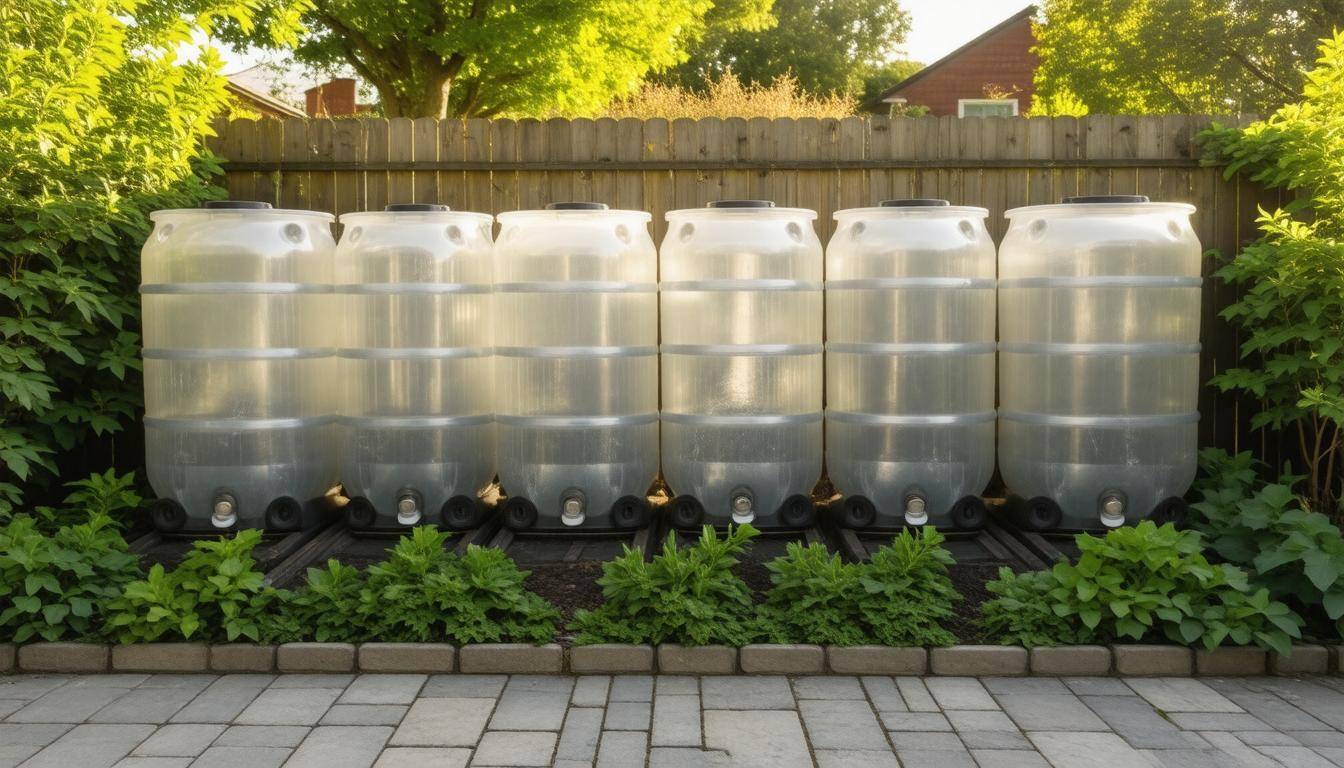
Innovative water storage solutions are not just a wave of the future; they are becoming essential as water scarcity remains a pressing issue. Among the pioneering methods gaining traction are modular water tanks that can be assembled from inexpensive, readily available materials. This is a game-changer for communities looking for affordable ways to enhance their water storage capacity.
For instance, these tanks can be made from basic plastics or even repurposed intermediate bulk containers (IBCs), making them both budget-friendly and environmentally conscious.
A poignant example of this can be seen in rural areas of Africa, where “AquaBags,” constructed from recycled materials, have emerged as a cost-effective alternative to traditional cisterns. These bags are easy to transport, install, and maintain, offering flexibility for families who need reliable access to water but face financial constraints. By utilizing local resources and materials, these simple yet effective systems address community needs while promoting sustainable practices.
The Role of Smart Technology
But innovation doesn’t stop there. The integration of smart technology into these low-cost storage systems is taking efficiency to another level. Smart sensors are becoming critical players, helping monitor water levels and detect leaks before they escalate into larger issues. Imagine having a system in place that not only keeps you informed about the amount of water stored but also alerts you if there’s a leak that could lead to significant loss of resources.
These sensors often rely on the Internet of Things (IoT) technology, enabling real-time data collection that offers invaluable insights into your water usage patterns. This means users can optimize how and when they draw from their storage, reducing waste significantly. Additionally, these systems enable remote detection of potential issues such as leakage that would otherwise go unnoticed until it’s too late.
By leveraging this technology, homeowners can maintain better control over their water resources, ensuring sustainability and enhancing conservation efforts at an individual level.
With innovative solutions like modular tanks and intelligent sensors leading the way, it’s evident that communities can employ effective strategies to confront the challenges posed by resource management. As we explore the next steps, we will uncover choices in containers that maximize storage efficiency while keeping costs low.
Optimal Choices for Containers
When it comes to choosing a water storage container, there are a plethora of options available, but understanding your needs is paramount. First and foremost, consider food-grade plastic barrels. They are both affordable and safe for storing potable water, ensuring you maintain quality while keeping costs low. These barrels often come in 55-gallon sizes, perfect for families anticipating emergencies or looking to store extra water without breaking the bank.
However, it’s essential to think beyond just cost and safety. While stainless steel tanks might be pricier, their durability and resistance to corrosion make them an excellent long-term investment. Imagine not having to worry about leaks or deterioration, especially if your water storage needs span years. Remember that stainless steel’s weight can also be a factor, as transportation and installation may require additional effort.
Material Matters
On the other hand, polyethylene tanks, another popular option, tend to be less expensive than stainless steel alternatives but have some drawbacks in certain climates. For example, extreme UV exposure can lead to brittleness over time. Therefore, when considering polyethylene tanks:
It’s crucial to weigh the pros and cons based on the specific environmental conditions they will face.
This brings us back to the importance of intended use. If you’re planning short-term storage or emergency setups, repurposed Intermediate Bulk Containers (IBCs) can be a very economical solution. They can often be acquired affordably and hold up to 275 gallons! Just ensure they’re properly cleaned and sanitized before use.
Comparative Quick Stats on Water Containers
| Container Type | Cost | Durability | Best For |
|---|---|---|---|
| Food-Grade Plastic | Low | Moderate | Potable Water |
| Stainless Steel | High | High | Long-Term Use |
| Polyethylene | Low | Moderate | Short-Term Use |
| Repurposed IBCs | Very Low | Moderate | Emergency Storage |
As you explore these options, remember that great water storage containers don’t just hold water—they help preserve it. Regularly assess your stored water’s condition; even the best containers need proper maintenance to prevent contamination or degradation over time. Keeping these factors in mind during your selection process ensures that your water storage solution serves you well for months or even years ahead.
With various containers explored, it’s also vital to understand how they fit into larger systems for collecting and utilizing rainwater efficiently. Let’s transition into methods that enable effective storage solutions while harnessing nature’s resources.
Constructing DIY Rainwater Systems
Building your own rainwater harvesting system can be an incredibly satisfying project that not only helps conserve water but also reduces reliance on municipal supplies. The first step is to select a clean area of your roof. Ideally, this should be a spot that captures lots of rain, free from contaminants like bird droppings or leaves. This clean surface is essential for ensuring the water collected is of high quality. After pinpointing this location, your next move is to install guttering that channels the water into a storage container. Properly fitted gutters will direct rainfall efficiently towards the tank, so it’s vital to ensure that they are securely attached and have no leaks.
Next, fitting a downspout strainer is crucial. This small yet effective component filters out large debris—like leaves and twigs—before it enters your tank, significantly improving the quality of the harvested water. You wouldn’t want these larger particles clogging up your system or contributing to possible contamination. Installing a strainer within a couple of feet from the ground level allows for easy access and maintenance.
Step-by-Step Guide
Once you have your gutters and downspout strainer in place, consider the storage tank. Whether you opt for a plastic barrel, metal tank, or even a DIY concrete cistern will depend on size, durability, and budget. For many backyard systems, 55-gallon drums work well as affordable options. Remember that the cleaner your storage tank is internally, the better the water quality you’ll maintain over time.
After setting up your basic components, it’s highly advisable to add a first-flush diverter. This device discards initial runoff—usually contaminated with dirt and organic materials from your roof—ensuring only cleaner water fills your storage tank. This simple addition significantly enhances the system’s efficiency and maintains higher water quality.
As you customize your setup further, consider adding features tailored to meet specific needs. Additional spigots make it easier to draw water when necessary, while overflow pipes manage excess water during heavy rainfall and prevent damage to your entire setup.
Lastly, don’t underestimate the importance of regular maintenance for your rainwater system. Periodically cleaning out gutters and inspecting filters can help avoid clogged or contaminated sections. Keeping everything running smoothly means you can enjoy the benefits of rainwater harvesting season after season without interruption.
Moving forward, we’ll explore techniques that further enhance efficiency in collecting and utilizing natural resources.
Rainwater Catchment Techniques
Utilizing effective catchment techniques is crucial for maximizing the amount of water collected through rainwater harvesting systems. The goal is clear: capture and store as much rainwater as possible for later use. One practical approach involves employing sloped roof surfaces. By angling your roof so that rain flows directly into gutters, you ensure that every drop counts. This simple adjustment can dramatically improve the efficiency of your system, turning your home or structure into a veritable sponge during rainstorms.
However, there’s so much more to discover beyond just sloping roofs.
Ground Catchment Methods
Ground catchment methods are an equally viable alternative and can be particularly effective in regions where rainfall is sporadic but significant when it occurs. Utilizing tarpaulin laid on a slope is one creative solution that directs water into trench collectors nestled into the earth below. Imagine a rainy afternoon; as drops plummet onto the tarpaulin, they quickly flow into these trenches, storing precious water for times of scarcity. Such systems can become incredibly beneficial for those living in areas prone to heavy showers followed by dry spells.
While tarpaulin offers a straightforward ground solution, another well-tested method exists.
In arid regions, rock catchments have proven remarkably effective. The principle here is quite simple: rocks surrounding collection basins capture and direct rainwater towards a storage area. Picture a sleekly designed basin framed with stones—when rain falls, gravity does its job, guiding water into the reservoir without waste. Not only do these structures provide practicality, but they also harmonize beautifully with the natural landscape, adding aesthetic value while contributing to sustainable water management.
It’s like nature’s own version of collecting spare change! Every little bit adds up… and in this case, what you save from evaporation and saturation could be exactly what you need.
By employing diverse catchment techniques—whether optimizing sloped roofs or integrating ground solutions—individuals can significantly enhance their rainwater harvesting systems and contribute to sustainable water management practices that benefit both households and communities alike.
With these methods in mind, let’s now turn our attention to how to effectively plan for the capacity needed to store this vital resource.
Capacity Planning Strategies
Understanding your household’s daily water needs is fundamental to capacity planning for water storage. This means taking into account various uses such as drinking, cooking, bathing, and cleaning. A typical person’s daily consumption can range around 80-100 gallons, which includes not just what you drink, but the water needed for food preparation and sanitation.
To accurately estimate your usage, consider reviewing past water bills if available; they often provide a clearer picture of your family’s average consumption over time. Don’t forget to include seasonal variations! For example, during summer months, your outdoor water use may skyrocket due to irrigation and gardening. By gathering this data, you can better project your storage capacity needs.
Tip: For an average family of four, aiming for a minimum of 320-400 gallons per day is pragmatic. This figure provides a good baseline when calculating how much storage you’ll need for extended dry spells or emergency situations.
Once you’ve established your daily needs, the next step is to consider how long you need your water supply to last without resupply. The recommendation is usually to have at least one gallon per person per day for a minimum of three days in emergencies. Thus, if you want enough water for everyone in your household during a possible shortage of a week, you should aim for 7-10 gallons per person.
In practical terms, this equates to at least 28-40 gallons for each adult for a week. Breaking it down even further into smaller containers could help manage space and safety better; storing in multiple smaller tanks minimizes contamination risks.
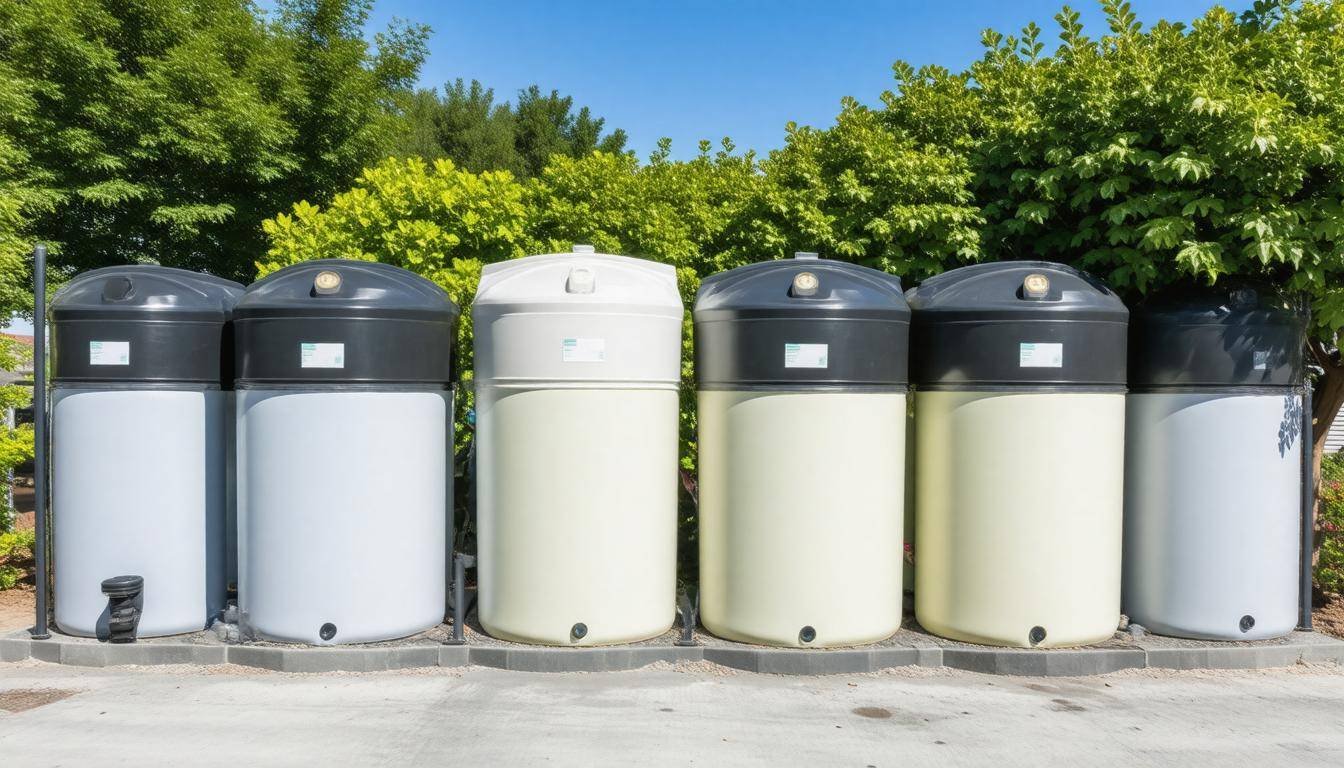
Depending on the types of storage solutions you choose—be it stackable containers like Aquatainers or larger barrels—the space available will dictate how much you can realistically store. Being prepared means considering all possibilities, including tap water outages from local utility failures or even extreme weather conditions affecting your daily access.
Proper capacity planning not only ensures that you have enough reserve water but also paves the way for effective strategies that keep your household safe and thriving in unexpected circumstances. Next, we will explore essential methods for keeping these systems in optimal condition.
Maintenance and Care Tips

Regular maintenance safeguards the effectiveness and longevity of your water storage systems. One of the most important steps is performing routine inspections. By checking tanks bi-monthly for signs of wear, leaks, or contamination, you can nip potential issues in the bud.
Often, these small observations—like a damp spot under a tank or discoloration on the container’s surface—can signal problems that could escalate if left unattended. This proactive approach not only protects your water supply but also saves you from costly repairs later on.
But inspections alone won’t be enough; cleaning is just as critical in keeping your storage safe and usable.
Routine Inspection
Clean containers annually with a bleach solution to prevent bacterial growth. It may sound tough, but a simple mix of one cup of bleach to five gallons of water can work wonders. Scrub down the interior of your tanks, paying close attention to corners where residues may gather unnoticed. Afterward, rinse thoroughly to safeguard against any lingering bleach that might taint your water supply.
In addition to cleaning, proper filter and sensor care plays a vital role in maintaining water quality over time.
Filter and Sensor Care
Replace filters as recommended by the manufacturer, which directly affects the purity and safety of your stored water. A clogged filter can reduce flow rates and affect overall system performance. Many people neglect this step; however, regularly scheduled replacements can lead to better-tasting drinking water!
Checking sensor batteries regularly is also crucial in maintaining the integrity of smart components within your system. Sensors monitor critical metrics like temperature and flow levels, ensuring optimal conditions for your water storage. If neglected, dead batteries can result in inaccurate readings or complete failures of these valuable components.
Consistent attention to these areas preserves water quality while extending the life of the entire system, ultimately enhancing your investment in effective storage strategies.
As we transition into practical options for installation, it’s essential to consider budget-friendly methods that suit your needs without compromising quality.
Budget-Friendly Installation
Installing a water storage system can be accomplished without straining your wallet. One of the most effective ways to keep costs down is by opting for DIY installation kits. These kits frequently include detailed instructions and all necessary components, allowing you to save significantly on labor costs. Plus, there’s something rewarding about doing it yourself—seeing that completed project while knowing you put in the effort can bring a sense of accomplishment.
When considering materials, always look for options that are both affordable and sustainable. You might be surprised at how many items around your home can be repurposed for this purpose. For instance, I remember when I set up my first rainwater barrel system; I utilized recycled drums that were no longer in use. This simple choice reduced costs dramatically while benefiting the environment as well. The entire setup ended up costing me under $100, which is quite remarkable given the long-term benefits.
Additionally, checking local guidelines for potential rebates on rainwater harvesting installations is crucial. Many municipalities offer financial incentives for implementing eco-friendly systems, further offsetting your initial investments. These rebates can vary greatly depending on your location and local policies, so it’s worth doing some research or making a quick call to your local government office.
Another aspect to consider is the size of your storage system. A larger setup does not always equate to higher costs if you are resourceful. Think creatively about modifying an existing structure or combining smaller storage units for a more extensive network. This flexibility allows you to scale according to your needs without incurring unnecessary expenses.
Engaging with your community can yield valuable insights into cost-saving measures and innovative ideas for installation techniques. Local gardening clubs or online forums often provide a plethora of information on budget-friendly practices that have worked for others in similar situations. The opportunity to learn from fellow gardeners who have successful installations can inspire creative solutions and enable you to avoid common pitfalls and costly mistakes.
By taking these practical steps and leveraging what you already have, you’re on the right track towards establishing efficient water storage systems that meet your needs. Now, let’s explore ways to ensure these solutions stand the test of time.
Practical Advice for Longevity
Maximizing the lifespan of your water storage systems involves more than just filling a container and forgetting about it. It’s about creating an optimal environment that protects the integrity of both your containers and the precious resource they hold.
One important step is positioning your tanks away from direct sunlight. Exposure to UV rays can have a detrimental effect on plastic containers, leading to degradation and potentially compromising the stored water quality. By placing tanks in shaded areas, you not only protect them from harmful rays but also extend their life.
Additionally, elevating tanks on sturdy platforms is crucial. Keeping them off the ground prevents moisture from seeping into the material, which can weaken containers over time. Using wooden pallets or specially designed tank stands offers safety from moisture while providing easy access when it comes time to refill or inspect your tanks. This simple adjustment can make a world of difference in preserving your investment.
Implementing pest control measures around your storage area is another insider tip that cannot be overlooked. Pests like insects or rodents can introduce contamination to your water supply if they find their way into the storage system. Maintaining cleanliness in the surrounding area and using natural deterrents helps ensure that your stored water remains pure and safe for use.
Moreover, routine inspections should become part of your maintenance checklist. Regularly examine both your containers and surroundings for issues like leaks or signs of wear. Research indicates that nearly 30% of water storage failures occur due to unnoticed leaks; thus, staying vigilant is essential. Combining this with periodic cleaning—every six months would suffice—will prevent algae growth and other contaminants from developing within the tanks.
Finally, employing a consistent temperature management strategy will discourage bacterial growth and maintain the quality of stored water. It’s generally accepted that water stored at temperatures above 70°F can promote unwanted organisms. If you’re storing in warmer climates, consider insulating or shading your tanks as further protective measures.
These practical tips form a holistic approach to ensuring that your low-cost water storage solutions not only last longer but also function effectively whenever you need them most. By implementing these strategies today, you’re setting up a solid foundation for successful long-term water preservation tomorrow.
What maintenance is required to ensure the safety and functionality of budget-friendly water storage systems?
To ensure the safety and functionality of budget-friendly water storage systems, regular maintenance is essential. This includes inspecting tanks for leaks or cracks, cleaning them at least every six months to prevent algae growth and sediment buildup, and checking water quality with a test kit quarterly. According to the EPA, nearly 20% of waterborne illnesses can be linked to improperly maintained storage systems. Therefore, routine checks not only extend the lifespan of your system but also safeguard your health.
What are the most effective low-cost methods for collecting and storing rainwater?
The most effective low-cost methods for collecting and storing rainwater include the use of rain barrels, which can capture runoff from roofs and provide a simple way to store water for gardening and other uses. Installing a rain barrel system can save homeowners up to 1,300 gallons of water during peak rainfall months, significantly reducing water bills. Additionally, using materials like repurposed plastic containers or DIY systems with food-safe materials maximizes affordability while promoting sustainability, making it an eco-friendly solution that anyone can implement with minimal investment.
What regulatory considerations should I be aware of when implementing water storage solutions?
When implementing low-cost water storage solutions, it’s essential to be aware of local, state, and federal regulations regarding water quality, safety standards, and zoning laws. For example, many jurisdictions require permits for large-scale storage systems to prevent contamination and ensure compliance with health guidelines. Statistics indicate that improper storage can lead to a 30% increase in water-related diseases, emphasizing the importance of adhering to regulations. Always consult local authorities to ensure your system meets all necessary requirements before installation.
How can I repurpose common household items for affordable water storage?
You can easily repurpose common household items for affordable water storage by using clean containers like empty soda bottles, large yogurt tubs, or old rain barrels. For instance, a 2-liter soda bottle can hold approximately 67.6 ounces of water, making it perfect for emergency reserves when cleaned and properly sealed. Additionally, utilizing these items not only conserves resources but also can save you money; studies show that reusing materials can reduce spending on new containers by up to 50%. Just ensure that all reused items are sanitized before use to prevent contamination.
How can low-cost water storage options be integrated into urban settings with limited space?
Low-cost water storage options can be effectively integrated into urban settings with limited space by utilizing vertical rainwater harvesting systems, modular storage tanks, and repurposed containers. For instance, rooftop gardens equipped with slimline tanks can collect rainwater while enhancing greenery without consuming ground space. Additionally, city dwellers can use 55-gallon drums or modified trash bins to store water for irrigation or non-potable uses. Studies indicate that urban rainwater harvesting can reduce stormwater runoff by up to 50%, making it a sustainable solution for cities facing space constraints and water scarcity challenges.