
As the waters of the Rhône and Saône rivers rise, residents of Lyon face an increasing threat from flooding that calls for immediate attention and action. The reality is that with climate change intensifying rainfall and weather patterns, being unprepared can lead to devastating outcomes. Whether you’ve lived in Lyon your whole life or are new to the city, understanding how to prepare for flooding is essential for keeping yourself and your loved ones safe. In this article, we will outline a comprehensive checklist that ensures you’re ready for any flooding situation, ensuring that you not only protect your home but also help secure the safety of your community. Being proactive now can make all the difference when those dark clouds roll in.
A Lyon River Flooding Preparation Checklist should include essential steps such as creating an emergency contact list, securing important documents in watertight bags, having a stocked emergency kit with at least three days’ supply of water and non-perishable food, and understanding your evacuation routes. Additionally, residents should stay informed through local weather services, subscribe to alerts about extreme weather conditions, and familiarize themselves with their flood zone designation to ensure safety during potential flooding events.
Lyon River Flooding Risks
The geography of Lyon positions it in a precarious situation when it comes to flooding. Nestled between the Rhône and Saône rivers, the city receives significant rainfall that could quickly lead to rising water levels. With recent assessments indicating that nearly 25% of Lyon’s properties are at high risk of flooding, preparedness is essential. This situation is aggravated by urban runoff from development, accelerating water accumulation during heavy rains.
Historical Data
Looking back through the annals of Lyon’s history, records from the past five decades reveal a clear pattern: severe floods are not infrequent occurrences. Notably, the floods of 1983, 2003, and 2015 stand out; specifically, the 2003 incident resulted in more than $100 million in damages, highlighting the financial burden associated with inadequate flood preparedness. Each flood event serves as a wake-up call for local residents, emphasizing the severe implications should proper precautions not be taken.
As we look to the future amidst an ever-changing climate, preparation must adapt to growing threats.
With forecasts predicting a 20% increase in flood likelihood over the next decade due to climate change, it’s vital residents remain vigilant. Extreme weather events are becoming more common—what was once considered rare is now anticipated with alarming frequency. Ensuring your home is fortified against potential flooding should be part of a comprehensive safety strategy.
In light of these serious factors, investing time and resources into understanding your property’s flood risk and taking preventative measures will pay off significantly, safeguarding both lives and assets.
Moreover, engaging in community discussions regarding local flood risks can provide valuable insights into collective experiences and recommendations among neighbors. Participating in these conversations builds a stronger network of support, facilitating the sharing of strategies and resources for preparation across the community.
As you consider your own home protection against flooding, staying informed about environmental changes within and around Lyon is equally important; this awareness can lead to timely adjustments in your planning processes.
With these insights in mind, it’s crucial to understand which areas pose greater risks as we assess safety measures further.
High-Risk Areas to Avoid
Knowing where the high-risk areas are can save lives and property during a flood, especially in Lyon. If you reside near water bodies, awareness of potential danger zones is essential for safeguarding yourself and your loved ones. Neighborhoods located in low-lying regions near the Saône River tend to accumulate water quickly during heavy rainfall or storms. These neighborhoods face increased risks of flooding and challenges with running water, making emergency evacuations difficult.
Identified High-Risk Zones
-
Low-lying neighborhoods near the Saône River: These areas are vulnerable due to their elevation and proximity to the river, which can overflow.
-
Areas surrounding the confluence of the Rhône and Saône rivers: This convergence point is notorious for experiencing elevated water levels and has a history of flood events.
-
Industrial zones near the riverbanks: Infrastructure here often lacks adequate drainage systems; therefore, materials and chemicals present pose additional hazards during floods, complicating clean-up efforts.
-
Historical neighborhoods with older drainage systems: While charming, these areas often have outdated waste management systems that are unable to handle surplus rainfall effectively.
For instance, the 2nd arrondissement has been known to experience severe flooding due to its historical layout combined with inadequate modern drainage solutions. Residents should always be mindful of weather advisories and develop an action plan that includes knowing evacuation routes specific to this district.
Being aware of these high-risk zones empowers residents to take proactive steps such as investing in flood insurance or reinforcing homes against potential water intrusion—better safe than sorry!
With this understanding, residents can better equip themselves with effective strategies as they move forward in enhancing their preparedness measures within their living spaces.
Preparing Your Home
In preparation for flooding, the integrity of your home is paramount, and taking proactive steps can significantly reduce the risk of damage. One of the first actions that homeowners should consider is securing the structure. Elevating electrical appliances and utilities at least a foot above potential flood levels can prevent catastrophic failures.
Simple actions like sealing any cracks in your basement or foundation with waterproofing materials fortify your home against leakage, helping stave off more serious and expensive repairs down the line.
Another invaluable tool in this protective arsenal is the sump pump. Installing sump pumps with backup power sources can be a lifesaver during heavy storms when power outages are common. A properly functioning sump pump will divert excess water from your basement, maintaining a dry space and preventing mold growth, which can be equally devastating over time.
Moving on from structural stability, let’s shift our focus to protecting belongings. The last thing anyone wants is to see cherished family memories damaged by flooding.
Start with a step-by-step approach to safeguarding your most important possessions. First, make sure to store vital documents, such as birth certificates and insurance papers, in watertight containers to keep them secure from floods. It might sound overly cautious, but having copies of these documents easily accessible becomes crucial if you ever have to file insurance claims.
Following that, consider relocating valuable items to upper floors whenever possible. Whether it’s irreplaceable antiques or modern electronics, keeping them elevated does wonders in protecting them from unexpected water intrusion.
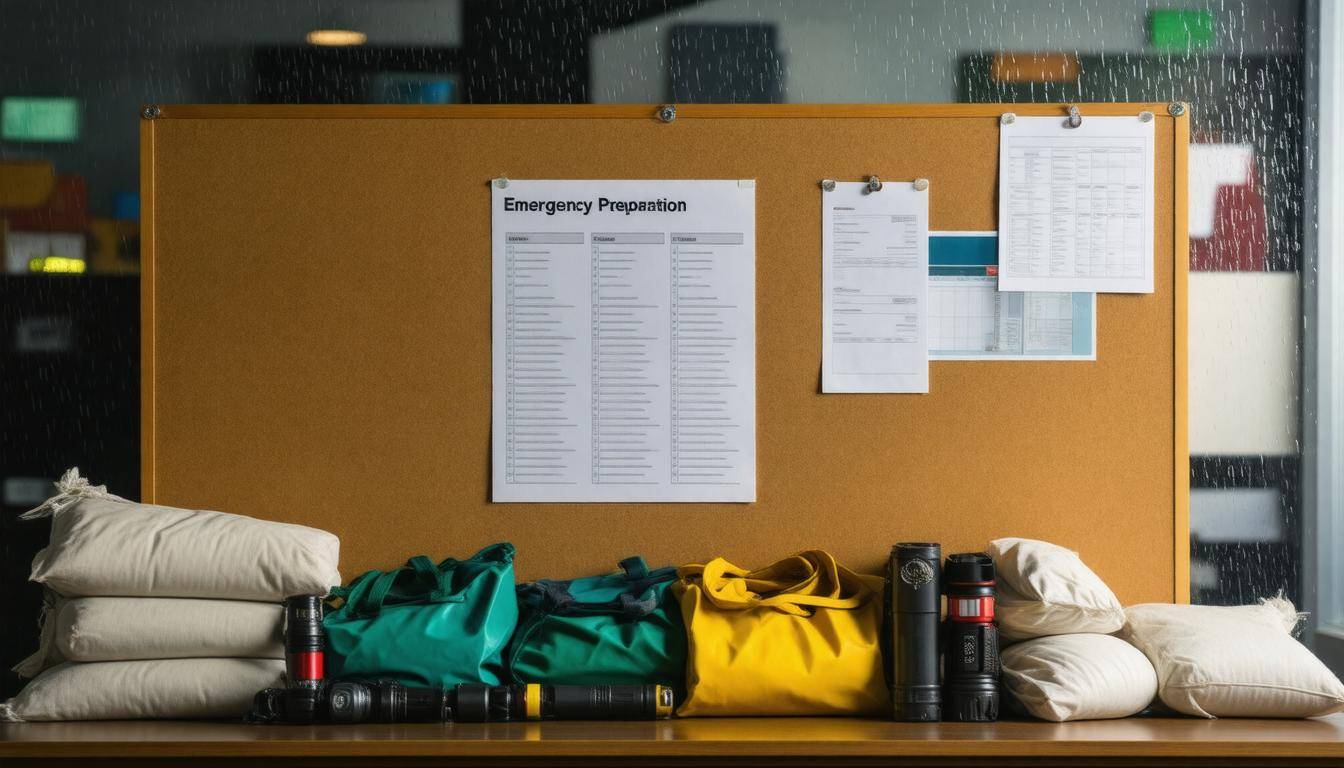
Furthermore, strategically placing sandbags around entry points can act as a barrier to limit water flow into your home during heavy rains. While it may seem simple, this method has proven effective time and again in mitigating water damage.
As we focus on these essential preparations for safeguarding both your home and personal belongings, let’s now turn our attention to critical supplies you’ll need during a flood-related emergency.
Essential Emergency Supplies
Having the proper supplies on hand can be a tremendous relief in the chaos of a flooding event. Much like packing a suitcase for a journey, you must ensure that you’re equipped with everything needed to make it through. It’s not merely about convenience; it’s about safety and survival.
Must-have Items
- Battery-operated radio: This allows you to receive emergency updates without relying on electricity.
- Flashlights with extra batteries: Power outages are common during floods; a reliable flashlight is indispensable for navigating dark areas.
- First-aid kit: This should contain essentials like bandages, antiseptic wipes, and pain relievers—anything that could help treat minor injuries should they arise.
- At least three days’ supply of water and non-perishable food: Remember, you need at least one gallon of water per person per day for drinking and sanitation. Stock up on items like canned goods, energy bars, and dried fruits that provide sustenance without requiring cooking.
- Waterproof bags for important documents: Keep critical documents such as identification, insurance policies, and medical records safe from water damage.
These essentials are your lifeline when emergencies strike. A simple radio can keep you informed about weather conditions, while a stocked first-aid kit can assist with immediate health needs if medical help is delayed. As floods can come rapidly and unexpectedly, swift access to non-perishable food and clean water ensures that you and your family can focus on safety rather than survival.
Keeping your emergency kit stocked and updated is an essential part of preparedness that often gets overlooked. Regularly check the expiration dates on your supplies, replace any used items after drills or emergencies, and consider the individual needs of all family members.
Beyond these basics, thinking about other supplies may also prove beneficial as you prepare for unexpected flooding scenarios. It’s crucial to also devise structured plans for evacuation and communication as part of your overall preparedness strategy.
Creating an Evacuation Plan
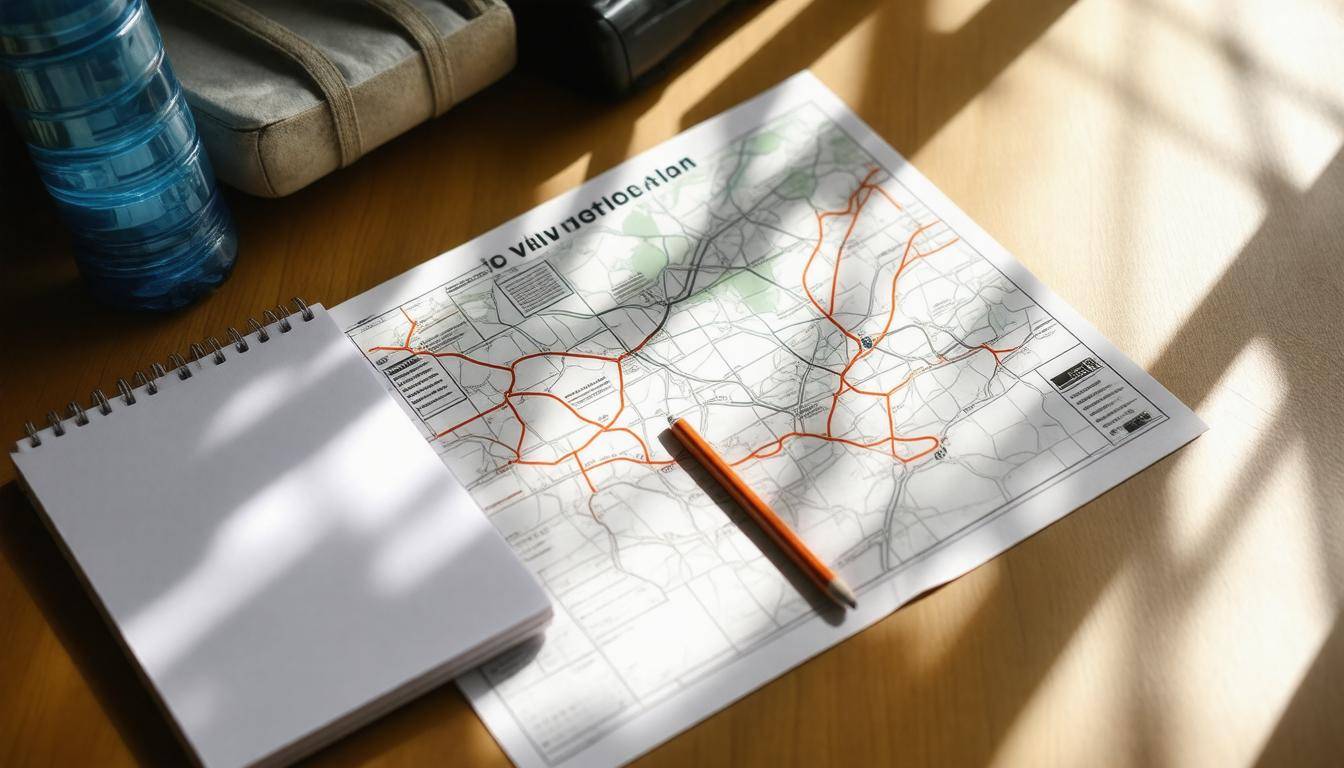
Developing a family evacuation plan tailored to flooding events is not just a precaution—it’s essential for safety. A thoughtful evacuation strategy will help ensure that everyone knows what to do when disaster strikes, making the process less chaotic amidst uncertainty. Start by identifying safe routes to higher ground and designated shelters. Consider the terrain in your area and be aware of any previously established paths that avoid risk-prone zones like low-lying neighborhoods or areas prone to flash flooding. Maps can come in handy here; mark possible routes clearly so everyone is familiar with them.
Think about individual family members’ needs as you create your plan. If someone in your home uses a wheelchair or has other special requirements, you’ll want routes and methods of transport specifically suited to them. Additionally, don’t forget about pets; they are part of the family too! Make sure your plan accommodates them as well—knowing where to take them can save time and reduce stress if evacuation becomes necessary.
One recommendation is to also check if local shelters accept pets. Many places do, but it’s always best to verify ahead of time.
While knowing where to go is one thing, having a meeting point for family members if separation occurs during an evacuation is equally vital.
Designate a specific location that all family members can reach quickly in case you become separated. This might be a neighbor’s house, a community center, or any easily recognizable landmark nearby that’s unlikely to flood themselves. Communicating this meeting point clearly allows each person to have a sense of direction amidst chaos.
Practicing the plan regularly cannot be overstated. Just as schools run fire drills, your family should also practice evacuation scenarios so that every member understands their responsibilities and feels confident in what they need to do. You might even consider adding variations to the practice runs—one where time is limited, for instance—to simulate real pressure conditions. This not only reinforces memory but can develop quick adaptability should something unexpected arise during an actual event.
Having these steps laid out provides assurance—knowing that preparation brings confidence helps keep fear at bay.
Being proactive is critical in flood-prone areas like Lyon. Ensuring your evacuation plan is comprehensive, accessible, and tailored to your specific situation fosters readiness for whatever challenges may come your way.
With a solid plan in place, understanding how to stay updated and connected during emergencies becomes the next crucial step toward ensuring safety and preparedness.
Staying Informed During Emergencies
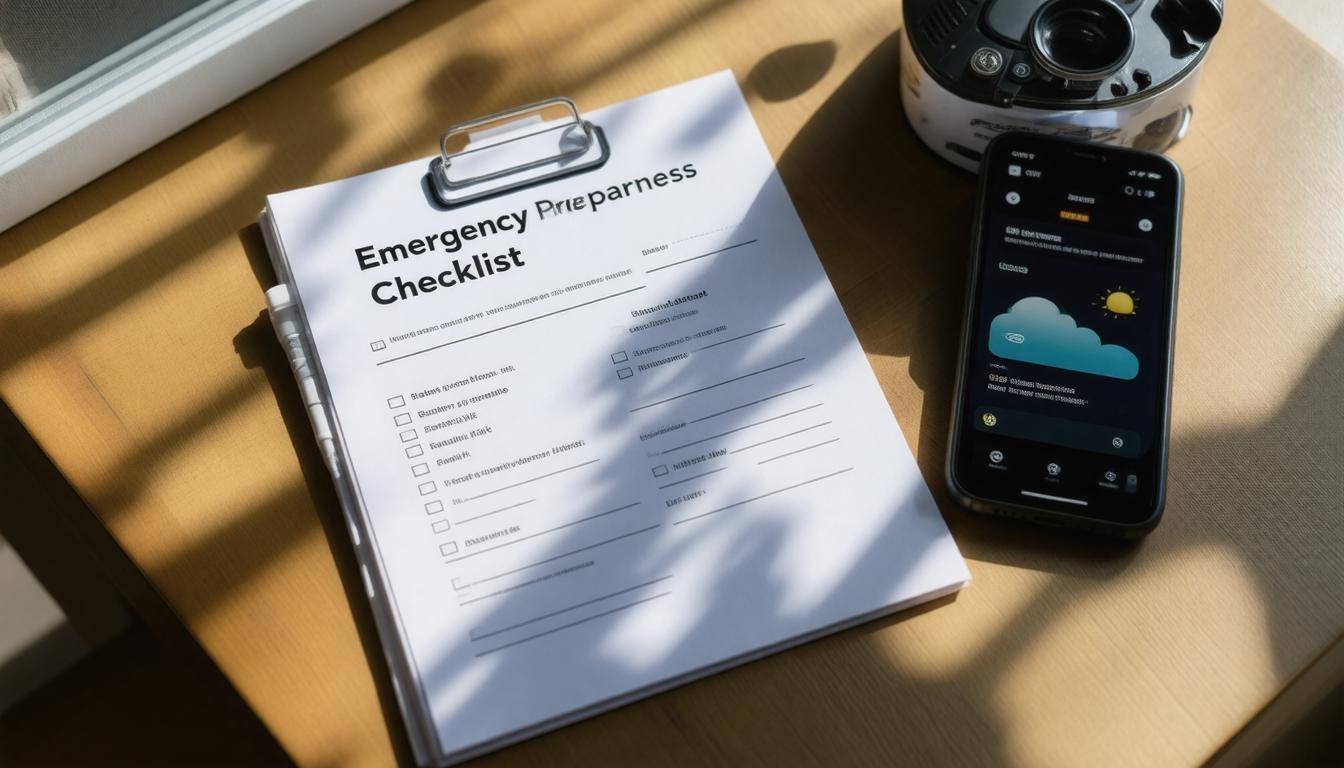
Timely and accurate information is vital in managing a flood emergency. In moments when every second counts, knowing where to get reliable updates can mean the difference between safety and danger. By being proactive about the sources of information available to you, you ensure that you’re armed with the knowledge needed to make critical decisions.
Information Sources
Regularly following updates from local weather services and emergency agencies is a key part of flood preparation. Keeping an eye on these updates helps residents understand the severity of impending conditions. Here’s where you can typically turn for essential information:
| Information Source | Description |
|---|---|
| Local weather services | Provide real-time updates on weather conditions, forecasts, and severe weather alerts. |
| Emergency agencies | Offer instructions on safety measures, evacuation routes, and any immediate actions required during a flood. |
| Community alert systems | Deliver automated messages to keep you informed about emergency situations and verify if any immediate action is needed. |
Subscribing to automated alerts can be particularly beneficial, as it gives you real-time notifications directly to your phone. Many local authorities utilize multiple platforms including social media channels to share urgent updates—finding the right one for your needs will ensure you’re always in the loop.
It’s also wise to have a backup plan in case power outages occur during emergencies. Residents should invest in a battery-operated radio or TV, stocked with fresh batteries, to receive updates from officials. This readiness goes a long way toward remaining informed during timeframes when many people turn to electronic devices only.
While monitoring various channels for information, familiarize yourself with your neighborhood’s designated flood zone. Knowing this allows you to gauge how severe conditions may become based on different levels of rainfall or other contributing factors.
Accessing timely and accurate information not only enhances personal safety but also empowers communities to respond effectively in challenging situations. As we explore how local authorities prepare for and manage these emergencies, we will examine the resources available for residents facing potential flooding.
City Response and Resources
The city of Lyon is well-prepared when it comes to addressing natural disasters like flooding. This preparation includes several proactive measures to support residents during these challenging times. Firstly, municipal support features strategically placed evacuation centers stocked with essential supplies such as food, water, and medical services to assist those in dire situations. These centers serve as safe havens where families can gather, receive help, and regroup after being displaced.
Alongside establishing these centers, response teams composed of trained professionals are dispatched for rescue missions and relief efforts. Marie Dupont, a local who experienced the devastating floods of 2015, recalls: “During the 2015 flood, the city’s rapid response saved countless lives.” Her words reflect the positive impact of these teams on safety and recovery.
Lyon County goes beyond immediate rescue operations by offering an array of assistance programs aimed at long-term recovery as well. One key initiative is the Iowa Disaster Recovery Temporary Housing Program, which provides temporary homes for those displaced due to flooding. Additionally, FEMA Rental Assistance enables qualifying residents to receive financial aid for temporary accommodations—ensuring that families don’t have to worry about housing instability while recovering from flooding damage.
As the city gears up for potential flooding, townsfolk can take comfort in knowing there are systems in place designed for emergency response and ongoing support in rebuilding their lives.
Understanding available resources is just one part of preparing effectively; knowing how to utilize these services plays a vital role in ensuring personal safety and stability during emergencies.
Personal Safety Tips
Safety should always be the top priority during a flood emergency. The sheer force of water can be deceptive; it only takes a few inches of flooding to create a disastrous situation. Therefore, practicing caution isn’t just suggested—it’s essential.
Key Safety Measures
One of the most vital pieces of advice is to avoid walking or driving through floodwaters. Even a small amount of fast-moving water can easily sweep someone away—imagine the strength it carries! If you find yourself in an area with standing water, it’s best to turn back and find higher ground.
Keeping away from downed power lines and electrical wires is another key point. Water and electricity do not mix. A flooded area could disguise electric hazards, making it easy for someone to accidentally step into danger. Maintain a safe distance from any downed wires, as you cannot quickly assess whether they are live or not. Familiarize yourself with local emergency protocols regarding downed power lines.
In addition to avoiding dangerous situations, it’s imperative to listen closely to emergency services for evacuation orders. Authorities will provide important information about when it is safe to return home. Many have been tempted to go back prematurely, only to encounter unforeseen dangers like floating debris or new flooding conditions. Following official advisories ensures your safety and that of your loved ones.
The tragic loss of lives in past floods emphasizes the importance of adhering strictly to safety guidelines.
Preparing for potential evacuations and creating an emergency contact list can significantly improve how effectively you respond during a crisis. Clear communication between family members ensures everyone knows where to go and whom to contact in case something goes wrong. Additionally, knowing your evacuation routes ahead of time allows you to remain composed rather than panicking when urgency strikes.
Finally, take inventory of important documents. Keep them stored in watertight bags or containers so they remain salvageable in case of flooding. Being proactive today means you won’t have to scramble later—this can be especially helpful if you need identification for re-entry after an evacuation period.
In summary, personal safety during floods isn’t merely about surviving; it’s about preparation and clear decision-making. By following these measures, you equip yourself with the knowledge necessary to navigate through potentially perilous circumstances while prioritizing your well-being and that of your loved ones as every drop counts in ensuring safety during emergencies.
As Lyon residents, being prepared not only protects lives but also reinforces community resilience in facing natural disasters together.