
When disaster strikes and families find themselves forced to evacuate, chaos often reigns supreme. Amid the urgency of packing essentials and making quick decisions, one key element can provide a sense of calm—family routines. Just as anchors keep ships steady in stormy waters, maintaining familiar schedules during an evacuation can give loved ones the stability they crave at a time when life feels uncertain. In this article, we’ll explore ways to preserve these vital routines, offering practical strategies that help families navigate the turmoil while reinforcing connections and emotional well-being. Through simple adjustments and thoughtful planning, you can create a reassuring structure that continues to support your family when it matters most.
Maintaining family routines during an evacuation is crucial, as it provides stability and predictability, helping to reduce stress and anxiety for all family members. Consistent practices such as regular mealtimes, structured homework sessions, and bedtime rituals contribute significantly to a sense of normalcy and safety during uncertain situations.
Importance of Family Routines During Evacuation
During an evacuation, preserving family routines is more than just about maintaining order; it’s about building a lifeline in chaos. When everything around feels uncertain, predictable elements in daily life provide comfort and stability for both children and adults. Regular mealtimes, homework schedules, and bedtime rituals become anchors that ground family members amidst unsettling circumstances.
Consider a typical evening at home: the aroma of dinner cooking, laughter shared over a game, or the soothing routine of reading before sleep. By keeping these daily rituals alive during an evacuation, families ease stress and present a sense of normalcy—something essential when faced with change.
For instance, military families often find themselves uprooted frequently, yet those who maintain consistent bedtime routines report less anxiety in their children. It showcases the powerful role familiar activities play amidst disruptions.
Research illustrated that 75% of children from evacuated families who followed a regular routine experienced lower anxiety levels compared to their peers without structure. This resonates with findings indicating that establishing clear expectations through patterns helps reduce stress and anxiety, particularly among youth grappling with uncertainty.
Yet, it’s not just children who benefit; adults, too, experience relief from keeping to a schedule. Preparing and eating meals together fosters communication and allows family members to express concerns—transforming routine moments into opportunities for emotional support. Additionally, homework schedules reinforce educational consistency despite the turmoil outside. Children can connect to their studies and momentarily isolate themselves from worries while engaging in academic tasks.
Beyond emotional well-being, maintaining these daily practices contributes significantly to personal development and responsibility within a household.
Interestingly, routines lay the groundwork for developing important life skills. Practicing self-management through established mealtimes encourages children to take ownership; they learn to plan meals or assist in meal prep. Engaging regularly in activities or chores provides invaluable lessons in responsibility that can continue beyond immediate crises.
The benefits of sticking to routines during evacuations create a structured environment while simultaneously offering emotional solace amidst upheaval. With careful preparation and dedication to retaining these familiar rhythms, families foster resilience and adaptability regardless of changing circumstances.
As we look deeper into this topic, understanding how to prepare effectively for potential emergencies can elevate your family’s ability to navigate unexpected challenges successfully.
Preparing for Potential Evacuations
An effective emergency plan is a crucial lifeline for families facing unexpected evacuations. Start by outlining not just the routes you will take but also identifying egress points—or clear exit routes—from each room in your home.
Think about how children can safely navigate these exits; it’s essential that everyone, especially kids, understands where to go and which door to use in a hurry. Additionally, regular practice of these escape routes helps everyone become familiar with the plan, much like rehearsing for a school play. The more times you run through your plan, the more confident everyone will feel when it matters most.
Establishing consistent communication is another pivotal part of an evacuation plan. For example, designate a reliable meeting point outside your home where all family members should regroup after evacuating. This reduces panic and confusion, ensuring that nobody is left feeling lost in a crisis. Choose locations that are easy to remember and reach—perhaps a nearby tree or their favorite play area.
As you develop your emergency plan, consider the following essential elements to include:
-
A list of emergency contacts, including out-of-state relatives who can serve as resources.
-
Transportation considerations—will you drive or walk?
-
Assigning responsibilities (who grabs the pets or important paperwork?).
-
Alternative routes to avoid blockages due to disasters.
Now that we’ve discussed the planning aspects, let’s focus on creating a home emergency kit—an essential toolbox for emergencies.
Home Emergency Kit
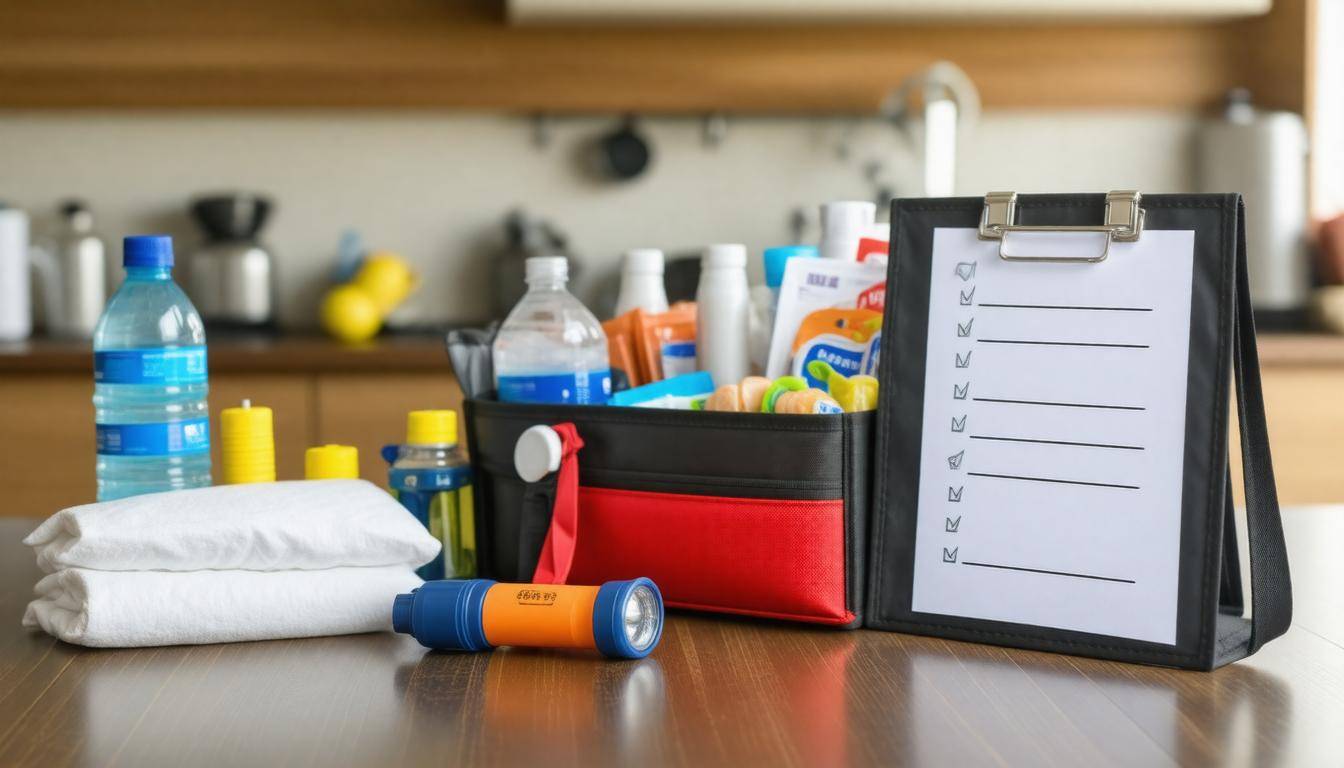
Building a comprehensive home emergency kit is one vital step towards ensuring that your family is physically and emotionally prepared for an evacuation. Think of this kit as your family’s safety toolbox, stocked with essentials that cater to both physical needs and emotional comfort.
Begin with medical supplies; include prescriptions and a first-aid kit ready to address any injuries or health concerns that might arise during uncertain times. It will give peace of mind knowing you have everything you need at your fingertips.
Next, stock up on non-perishable snacks, keeping energy levels high during chaotic moments. Those granola bars or canned fruits can make a significant difference in maintaining morale during stressful situations. Combine this with basic toiletries—items like toothpaste, soap, and necessary sanitary products—which help sustain personal hygiene even in challenging circumstances.
Don’t forget to include copies of important documents such as insurance policies, identification cards, and medical records in your kit. Having these accessible means you’ll be able to settle back into routines more smoothly once things normalize again. Aim to keep them in waterproof containers within your kit to protect them from potential water damage.
And finally, consider adding comforting items for each family member:
- Blankets
- Stuffed animals
- Favorite toys
This personal touch offers emotional support during turbulent moments, reminding everyone of home amid uncertainty.
Preparing for emergencies doesn’t only safeguard our physical well-being; it strengthens familial bonds during trying times by keeping familiar comforts close at hand. Transitioning now to what items can further enhance the sense of normalcy during these times is key.
Packing Essentials for Routine Activities
Packing is about more than just survival; it’s about sustaining normalcy amidst chaos. Having familiar items on hand can significantly reduce anxiety in uncertain situations. When life outside feels unpredictable, a few comforts from home can make all the difference. Including educational materials such as books and homework assignments helps maintain learning routines, allowing children to focus on their studies and feel like they are still participating in a normal school day. Imagine a child nestled into a corner with their favorite storybook; that simple act can provide immense comfort during turbulent times.
In addition to educational materials, a small bag filled with toys and games is invaluable for ensuring that playtime remains uninterrupted. Pack items that your children love—stuffed animals, coloring books, or even portable board games can bring joy and distraction during stressful moments. Kids might not understand everything that’s happening around them, but having their cherished toys close by provides a sense of security and familiarity while navigating the unusual circumstances of an evacuation.
Using a system to organize these items can help alleviate confusion later. Designate a ‘kid-friendly’ bag that includes these essential items so children have quick access when they need them most.
Furthermore, remember to include personal hygiene supplies as well—these might seem mundane, but regular routines encompass every aspect of daily life. Ensure you have toothbrushes, toothpaste, soap, and other sanitary items needed to maintain hygiene routines. Teaching children the importance of these habits can instill responsibility while keeping them grounded.
Additionally, don’t overlook the power of comfort items when packing supplies. Blankets or favorite pillows can transform any space into a cozy refuge instead of a stark environment. Incorporating these elements into your packing strategy ensures that your family remains connected to their home life, even while displaced. Curling up under a cherished blanket can invoke feelings of safety and calmness—a reminder that they are still cared for amid challenges.
As you prepare your emergency kit with these essentials, it’s important to consider how fostering stability through routine can also facilitate emotional healing during times of uncertainty. Understanding this connection paves the way for supporting each other emotionally as families adapt to rapidly changing situations.
Providing Emotional Support

Emotional support is crucial when a family finds itself in an unfamiliar environment. During evacuations or emergencies, children can become anxious and frightened, feeling disconnected from the world they once knew. By actively listening to their concerns, parents can provide a sense of safety and comfort. This starts with simple yet impactful actions—take the time to sit down and talk to your children about what they’re experiencing. Validating their feelings conveys that their emotions are normal and understandable in such unsettling circumstances.
“In challenging times, words hold power; they can transform fear into resilience.”
A great example is a parent who shared on a blog that during an evacuation due to a wildfire, they connected with their kids each night over how their day went. They’d discuss small wins or comforting moments—perhaps a favorite joke or a fun memory from home. This ritual not only helped them bond but also served as a source of strength amidst uncertainty.
Moreover, understanding how routines further enhance emotional stability cannot be overlooked.
Consistency and predictability offer families a vital framework for coping. When life seems chaotic, having set mealtimes, designated study periods, or bedtime rituals can greatly reduce anxiety. Children thrive on knowing what comes next; it provides them with a comforting structure even when everything around them feels unstable. Regular check-ins during meals can help open lines of communication where kids feel more comfortable expressing their fears or joys.
This leads us to structural components that ease emotional distress. Research indicates families who maintain daily routines report greater emotional stability during tough transitions. In fact, children exposed to consistent routines develop stronger coping skills and a better understanding of self-regulation.
Statistics show that regular communication with caregivers reduces stress-related symptoms among displaced youth by 50%. This illustrates just how beneficial it can be to foster an open dialogue during crises.
Prioritizing emotional support during times of upheaval enables families to weather any storm together.
Establishing a routine of family meetings can facilitate conversations about emotions and plans moving forward. These gatherings serve as safe spaces where everyone participates in voicing thoughts while engaging in problem-solving. This approach encourages unity and fosters collaboration, reinforcing the family’s collective strength in navigating unforeseen challenges.
As families work together to create strong emotional ties, they also need to think about establishing predictable patterns that can ease their transition into new circumstances.
Creating Predictable Schedules in New Environments
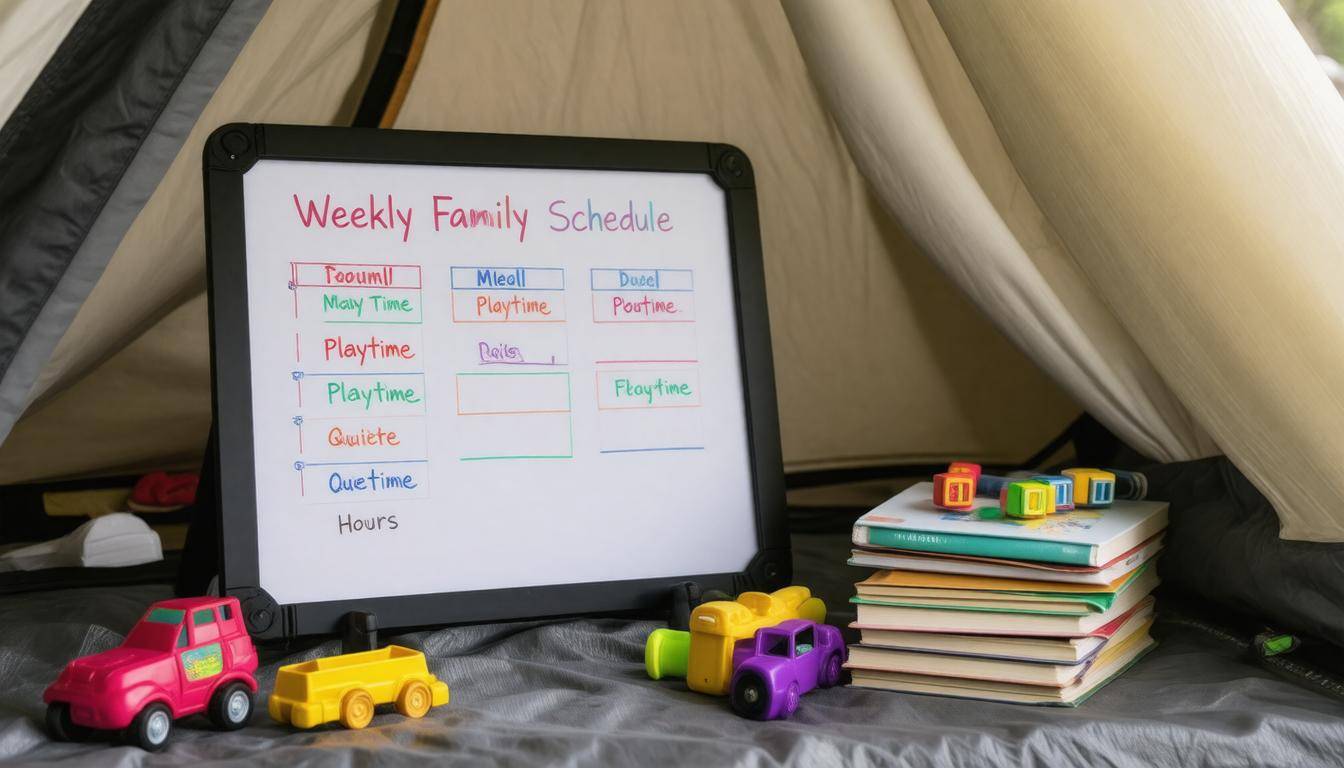
A change of location doesn’t have to mean a complete upheaval of daily life. In fact, maintaining familiar routines provides a valuable anchor for everyone, especially for children who thrive on predictability. Upon arriving at a temporary residence—be it with friends, family, or even a shelter—the first step is to establish new routines that echo your family’s usual schedule. This means keeping mealtimes, study sessions, and bedtime consistent. If dinner was always served at 6 PM at home, aim to maintain that same timing in your new environment. The meal may look different, perhaps less elaborate than usual, but the structure remains intact.
As you set up this new timetable, remember that it’s essential to adapt the routine slightly based on the immediate circumstances while still holding onto the familiar.
Establishing New Routines
One effective way to create these predictable schedules is to involve everyone in the family in the planning process. For children, seeing their input valued fosters a sense of control and responsibility over their environment during what might feel like chaos. Perhaps integrate activities they cherish into the schedule; if reading together is a delight before bed, make this a nightly practice even in an unfamiliar setting. Document this new routine visibly, like hanging a chart on the wall or using a calendar app that can be accessed by all members of the family.
Setting the tone early after relocating is crucial since routines help reduce anxiety significantly—research indicates that 70% of families report feeling less anxious when adhering to consistent daily schedules during evacuations.
Moreover, don’t forget about downtime! Create pockets of free time within these routines where spontaneity can thrive even amidst structure. Providing choices during these periods—like picking which movie to watch together or deciding what game to play—helps children feel more involved and engaged.
It’s paramount that families prioritize areas of life impacted by these routines such as meals and sleep as they contribute substantially to overall well-being.
Benefits of Maintaining Predictable Schedules
By solidifying your family’s routines in unfamiliar spaces, you are actively promoting comfort and mental health. Regular meal patterns lead to better physical health through improved nutrition; consistent sleep schedules promote better rest and mood stabilization.
Studies have shown that children benefit immensely from knowing what to expect; feelings of safety arise from established patterns. Children tend to develop strong time management skills as they grow older due to exposure to structured environments—a skill that translates into various aspects of life later on.
As you navigate this transitional period, consider using family meetings as part of your routine to check in with one another. This reinforces communication and gives everyone a chance to express their feelings regarding the changes they’re experiencing while ensuring everyone plays an active role in restoration efforts during stressful times.
Now, turning our focus toward how best to address individual needs will allow families to foster greater support during this unpredictable time.
Supporting Children’s Needs
Children require special attention during evacuations, and ensuring their emotional well-being is just as important as physical safety. They thrive on predictability and familiar situations, which may feel turned upside down in the chaos of an emergency. When they see their routines disrupted, it can bring about feelings of anxiety and uncertainty. Therefore, focusing on their needs nurtures their emotional health and fosters a sense of security amidst the unknown.
One effective strategy is to incorporate familiar activities into their new environment. If your child enjoys sports, look for a nearby park or open space where they can engage in physical activities like soccer or basketball. This comfort in familiarity can significantly elevate their mood, providing a much-needed sense of normalcy.
Research indicates that maintaining physical activities during crises can reduce anxiety in children by up to 20%. By allowing them to partake in these familiar sports, you’re not just letting them play; you’re giving them a crucial coping mechanism during tough times.
Additionally, create opportunities for routine interactions with friends or family members who can support them emotionally. Whether it’s a video call or playing with a sibling, these connections help reinforce stability when everything else is in flux.
Remember that children often find comfort in familiar items during stressful situations; approximately 60% rely on belongings like toys or blankets to soothe themselves. Thus, packing these items ahead of time may do wonders for their overall well-being.
Establishing spaces where your children can express their feelings openly is another vital component. Designate a “calm down” area equipped with soft pillows or comforting visuals—something appealing to them—where they can retreat if feeling overwhelmed.
Furthermore, being guided by a meaningful structure helps instill responsibility and improve time management skills for kids. This can be something simple like bedtime rituals or scheduled quiet times, providing mental breaks from the stressors surrounding evacuations. A consistent structure often leads to feelings of competency, empowering kids amid chaos.
Remember, it’s not just about survival; it’s about nurturing every child’s capacity to cope with challenges while cultivating resilience, fostering the emotional strength needed for future hurdles they may face throughout life.
As we shift our focus, let’s explore how families can effectively adapt to sudden changes in daily activities without losing touch with what keeps them grounded.
Adapting Disrupted Activities
Not all routines can continue without disruption, and that’s perfectly okay. When faced with the challenges of evacuation or new living environments, it’s essential to identify suitable alternatives for beloved family activities.
For instance, if your child usually enjoys their favorite bedtime story as a pre-sleep routine but finds themselves in a makeshift living situation without access to books, you can adapt by telling stories from memory or inventing new ones together. This not only fills the gap but also creates special moments of connection and imagination.
Think about your child’s daily activities and consider how they might be adjusted. For example, if regular family dinner times are important and cooking facilities are limited, you could gather around a simple picnic spread instead. Sharing meals in an unconventional setting can still maintain the spirit of connection and provide a sense of normalcy despite the temporary disruption.
The beauty is in the small adjustments that reinforce family unity.
It’s essential to keep familiar elements alive; this could mean establishing a ‘family fun night’ where everyone participates in games or crafts using available materials. These experiences help foster creativity and provide distractions from stresses brought on by changes in environment. The focus here is on continuity over perfection.
When faced with obstacles, flexibility becomes a powerful tool.
Likewise, introducing new hobbies that fit within your temporary lifestyle can ease transitions; consider outdoor activities like drawing or nature walks when space is limited indoors. This also encourages physical movement, which is great for emotional well-being during stressful times.
Highlights of Making Changes
- Incorporate Familiar Sounds: Playing music that resonates with your family’s typical routines can create an added layer of comfort.
- Visual Reminders: Use drawings or crafts to illustrate memories from home, encouraging children to share their creations as stories to foster discussion.
- Virtual Connections: Leverage technology by hosting video calls with friends or family members who can join in for storytelling sessions or online games.
By focusing on these adaptable strategies during disruptions, families can maintain structure and promote emotional resilience. An emphasis on shared experiences becomes even more vital in unpredictable situations, paving the way for exploring additional advantages to keeping a consistent routine.
Benefits of Keeping Consistent Routines
Maintaining consistency during evacuations can be transformative for families, especially when faced with uncertainty. The act of following daily routines creates a sense of security for both children and adults alike. Children benefit greatly from predictability; it builds a framework within which they feel safe. This stable environment allows them to flourish emotionally, even amidst the chaos that might surround them.
Research backs this up, showing that children who grow up with established routines often display better emotional regulation and superior academic performance. Stability not only fosters effective coping mechanisms but also cultivates essential time management skills. When children know what to expect, they develop confidence in handling unexpected situations—skills that serve them well throughout their lives.
| Routine Benefit | Description |
|---|---|
| Reduced stress | Familiarity in day-to-day activities helps ease anxiety. |
| Enhanced emotional health | Both children and adults feel more secure with predictable patterns. |
| Improved time management | A structured routine instills discipline and responsibility. |
| Better sleep quality | Consistent sleep patterns promote deeper restfulness and rejuvenation. |
What’s striking is how these benefits ripple throughout a family’s dynamics.
High levels of communication and cooperation often emerge in households that prioritize routines during trying times, as regularity strengthens bonds among family members. For instance, mealtimes become more than just a chance to refuel; they transform into opportunities for meaningful connection, where everyone gathers and shares stories about their days. This engagement fosters an environment of support and togetherness that can be invaluable during stressful situations.
As parents model effective routines, children learn to take ownership of responsibilities. For example, involving kids in setting up a homework schedule or sharing bedtime rituals develops their initiative. This nurtures independence and prepares them for future challenges by teaching them how to create structure in their own lives.
Incorporate these essential routines into your day-to-day life during any form of evacuation or chaotic situation—be it scheduled meal times, nightly bed preparation, or dedicated homework periods. Striving for consistency will foster resilience and reduce behavioral issues among children while enhancing the overall family experience. Strong routines don’t eliminate challenges, but they provide the tools necessary to face them effectively together.
Ultimately, maintaining family routines during evacuations not only helps individuals cope emotionally but also strengthens familial bonds and promotes a healthier environment amid uncertainty. By prioritizing stability and predictability, families can navigate crises with greater ease and resilience.
Are there age-specific strategies for maintaining routines for children and teenagers during an emergency?
Yes, age-specific strategies are essential for maintaining routines during an emergency, as children and teenagers respond differently to stress. For younger children, predictable activities like reading or playtime can provide comfort and a sense of normalcy; studies show that familiar routines can decrease anxiety levels in young children by up to 40%. Teenagers, on the other hand, benefit from autonomy and communication—encouraging them to take part in decision-making around their own safety can foster resilience. Research indicates that teens with a strong sense of control during crises report significantly lower stress levels. Tailoring routines to age helps ensure emotional well-being amidst chaos.
What role does communication play in upholding family routines during an evacuation?
Communication is crucial in upholding family routines during an evacuation, as it fosters clarity and reduces anxiety for all family members. When families clearly communicate plans and expectations, they can maintain a sense of normalcy even in chaotic situations. Studies show that effective communication can significantly improve resilience; for instance, families that engage in open dialogue during emergencies report a 30% lower stress level compared to those who do not. Establishing designated roles and regular check-ins helps ensure everyone remains informed and feels supported, ultimately facilitating smoother transitions and adherence to established routines despite the circumstances.
How can maintaining routines assist with mental health during the stress of an evacuation?
Maintaining routines during an evacuation can significantly enhance mental health by providing a sense of normalcy and control amid chaos. According to research, consistent routines help reduce anxiety and stress by creating predictability in uncertain situations. This familiarity, even if it’s a modified version of daily life, can mitigate feelings of helplessness and contribute to emotional stability. Engaging in familiar activities—like meal times or bedtime rituals—can also foster bonding among family members, reinforcing social support which is crucial during trying times.
How can families establish effective routines before an evacuation occurs?
Families can establish effective routines before an evacuation by creating a detailed emergency plan that includes assigned roles, checklists, and communication methods. Regular evacuation drills—conducted at least twice a year—can familiarize family members with procedures, making the actual process smoother and less stressful. According to research, practicing evacuation procedures can reduce panic by up to 75%, allowing families to maintain a sense of stability even in chaotic situations. Making sure each member knows where to meet and what essentials to pack enhances readiness and bolsters confidence during crises.
What specific activities should be prioritized in family routines during an emergency?
During an emergency, it is crucial to prioritize activities that ensure safety, communication, and emotional stability within family routines. Key actions include establishing a designated meeting point, maintaining regular check-ins via text or call, and engaging in calming activities such as deep breathing exercises or storytelling to reduce stress. According to the American Psychological Association, consistent routines can greatly enhance resilience during crises, helping family members feel more secure amid chaos. Ensuring everyone knows their roles can significantly improve coordination and response time, ultimately enhancing overall family safety.