
When emergencies strike, the last thing on your mind is often how to safely transport your beloved pet. Whether it’s a natural disaster or an unexpected situation requiring quick evacuation, knowing how to create makeshift pet carriers from readily available household items can make all the difference in ensuring your furry friend’s safety and comfort. In this guide, we’ll share practical solutions that you can whip up in no time, so you won’t be left scrambling if traditional carriers aren’t at hand. With a little creativity and some common sense, you’ll be prepared to transport your pets with ease—because they deserve care, even in chaotic moments. Let’s dive into some simple yet effective options for emergency pet travel!
In an emergency, effective makeshift pet carriers can include modified cardboard boxes with ventilation holes and adequately sized pillowcases as a last resort. Always ensure that any improvised carrier allows your pet enough room to stand and move slightly while prioritizing their safety and comfort.

Common Household Items as Makeshift Carriers
A sturdy cardboard box is an excellent starting point for creating a quick pet carrier. When crafting one, it’s important to cut out ventilation holes—just be sure they’re not too big, or your furry friend may escape! The box should be spacious enough for the pet to turn around comfortably but snug enough that they feel secure. This solution was shared by a user on Reddit who ingeniously modified a box when they needed to transport a stray cat safely to a vet.
But what if you don’t have a box on hand?
Laundry baskets also make great temporary carriers. Their open design allows for ventilation, and they’re roomy enough for most small to medium-sized pets. To use a laundry basket as a carrier, reinforce it with tape and cover it with a breathable fabric like an old t-shirt or blanket. The fabric not only keeps your pet secure but also helps them feel more at ease during transport. Just remember to secure the fabric tightly across the top to prevent any daring escapes!
Let’s explore some additional household options that could work just as well.
Old backpacks can serve as another clever alternative. If you have a sturdy backpack lying around, it’s surprisingly effective for carrying smaller pets. Ensure that the bag has good ventilation—this could mean leaving the zipper partially open or cutting small holes in the material. Just make sure it’s secure so your pet doesn’t tumble out. If you’re using this method, line the bottom with a soft cloth for added comfort during travel.
You might also want to consider unconventional approaches.
Plastic storage bins are durable and waterproof, making them suitable makeshift carriers for both small and medium pets. Simply modify an appropriate size bin by creating ventilation holes along the sides while ensuring there are no sharp edges sticking out. As an added benefit, these bins are easy to clean after use—perfect for those unexpected accidents that might happen during transport!
And if you find yourself in an absolute pinch…
One of the last resorts could be utilizing a pillowcase. While it’s not ideal, in extreme situations—such as during an emergency evacuation—it can quickly contain a frightened pet, especially cats. Slip your cat into the pillowcase while ensuring their head remains outside, providing them with some visibility and comfort while keeping them safely contained.
Remember: Whichever makeshift carrier you choose, always ensure that your pet has room to breathe and can at least semi-stand comfortably. Safety should be your priority, along with minimizing their stress throughout the process.
These tips will help you navigate situations where traditional pet carriers aren’t available, giving you peace of mind in moments when every second counts.
As we continue, let’s shift our focus to safe ways to utilize everyday bags and packs for transporting our beloved pets.
Using Backpacks and Bags Safely
First and foremost, using a backpack to transport a pet means considering their comfort just as much as convenience. Without the right adjustments, a backpack could quickly turn into a stressful and unsafe environment for your furry friend.
Making sure that there’s ample ventilation is crucial. This means modifying the carrier if necessary by cutting small holes for airflow; after all, a few strategically placed openings can help keep your pet cool and comfortable during travel. You might also want to think about using mesh fabric when lining your backpack because it allows for better airflow while still providing the structure pets need inside.
It’s advisable to ensure that any bag or backpack you choose has secure closures. A flap that zips or ties tightly can prevent sudden escapes—a concern that every pet owner dreads. There’s something particularly reassuring about knowing that the zippers are sturdy enough to hold even the most adventurous cat or puppy inside. A fellow pet owner once shared in a review how the internal straps of a particular backpack kept their dog secure while they navigated through a bustling hiking trail. This aspect can’t be overstated; security makes all the difference during unpredictable situations.
Not only do well-secured bags enhance safety, but they also give your pet a personal space where they feel contained yet comfortable.
The weight and size of the bag are also factors to consider. It’s important not to exceed the weight limit—ideally, you shouldn’t carry more than 20% of your body weight in a backpack with pets included. For example, if you weigh 150 pounds, carrying no more than 30 pounds ensures better balance and less strain on your back.
Also, choosing a medium-sized backpack around 18-20 inches tall and 12-14 inches wide allows enough room for your pet to shift slightly without feeling cramped.
With these considerations in mind, you’re now equipped to create safer transport options for your pets that prioritize comfort and security as you look ahead to explore even more effective solutions for confinement during travel.
Crates and Other Containers for Transport
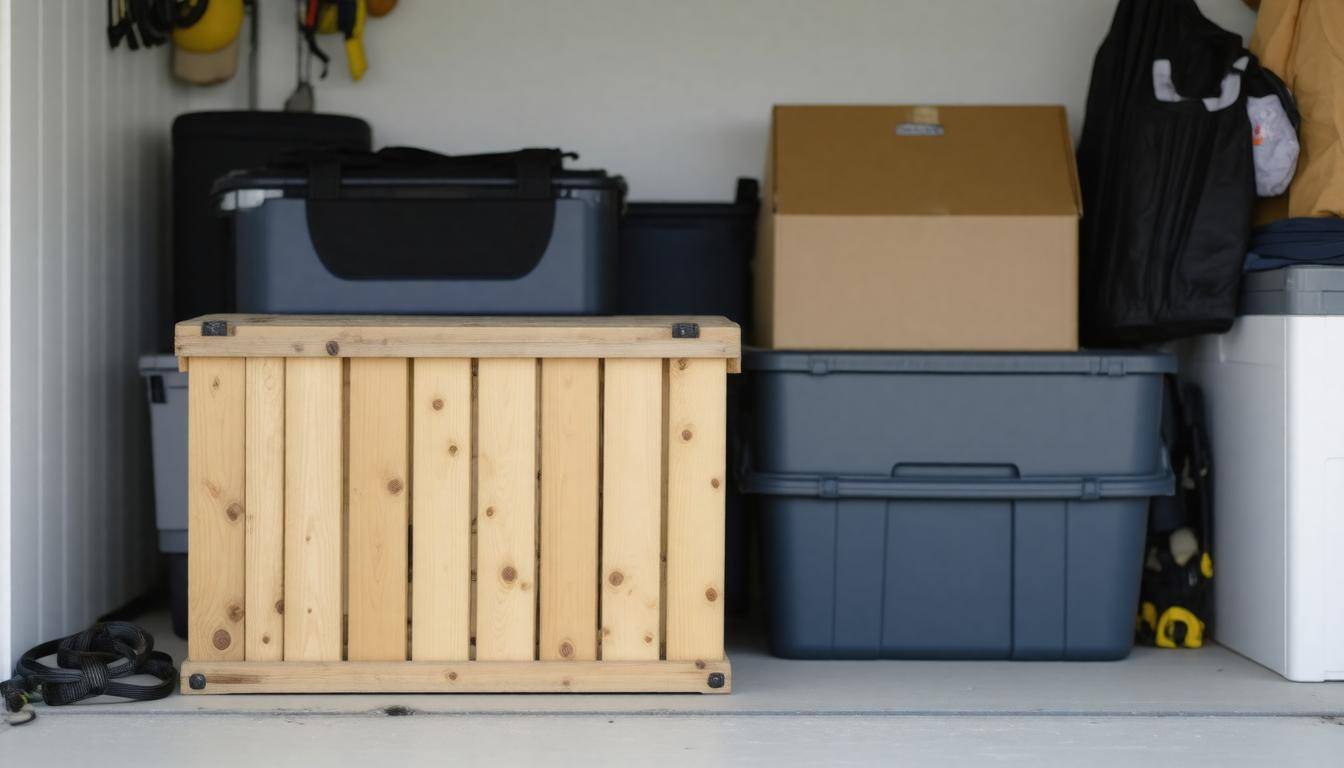
One of the most reliable solutions for transporting pets in emergencies is using crates and containers that you likely have around your home. While they may not look like traditional pet carriers, with a little creativity, these makeshift options can provide safe refuge for your furry friends during stressful situations.
Plastic Storage Bins
Plastic storage bins are an excellent choice for makeshift carriers. To adapt them for transporting pets, simply drill ventilation holes in the sides—ensuring that at least 10% of the surface area is dedicated to air circulation. This helps keep your pets cool and comfortable during transport. The dimensions of a 30-gallon plastic bin (about 24″ x 16″ x 15″) can accommodate pets up to 40 pounds, making it suitable for medium-sized animals. Once modified, securely fasten the lid to prevent any escapes, which is vital because panicked pets can sometimes wiggle their way out if given the opportunity.
Now, let’s explore another practical container that’s both sturdy and versatile.
Milk Crates
Milk crates can also serve as effective carriers. Lining one with a soft blanket or towel not only adds comfort for your pet but provides much-needed insulation during transport. A secured board placed on top can stabilize the crate and prevent your pet from jumping out during movement. For instance, when a family faced an unexpected evacuation due to flooding in their area, they converted their milk crates into carriers by fortifying them with blankets and carefully securing the tops with bungee cords. Their quick thinking ensured their cats remained calm and collected in what could’ve been a chaotic situation.
Let’s dive deeper into some essential tips for constructing DIY pet carriers that ensure both safety and comfort.
Tips for Constructing DIY Pet Carriers
First and foremost, always double-check that any makeshift carrier allows your pet to stand and turn around comfortably. This basic rule not only keeps your pet safe but also reduces stress during travel. Additionally, incorporating emergency blankets or padded liners is wise; they provide extra warmth and a familiar scent to soothe anxious pets.
It’s important to think about how you’ll secure the makeshift carrier during transit—whether that’s with straps, bungee cords, or just monitoring the situation closely while you’re on the move.
Remember, communication is key—dispatching emergency alerts or letting others know about your pet while transporting them enhances overall safety throughout the process. Being prepared doesn’t just mean having the right structures but also ensuring that you’re ready for anything that may come along on this unexpected journey.
With thoughtful planning and creative use of household items, you can manage safe transportation for your pets—no matter how challenging the circumstances become!
As we navigate through these crucial considerations of emergency preparedness, it’s time to focus on practical strategies for building robust carriers that cater specifically to your needs.
DIY Carrier Construction Tips
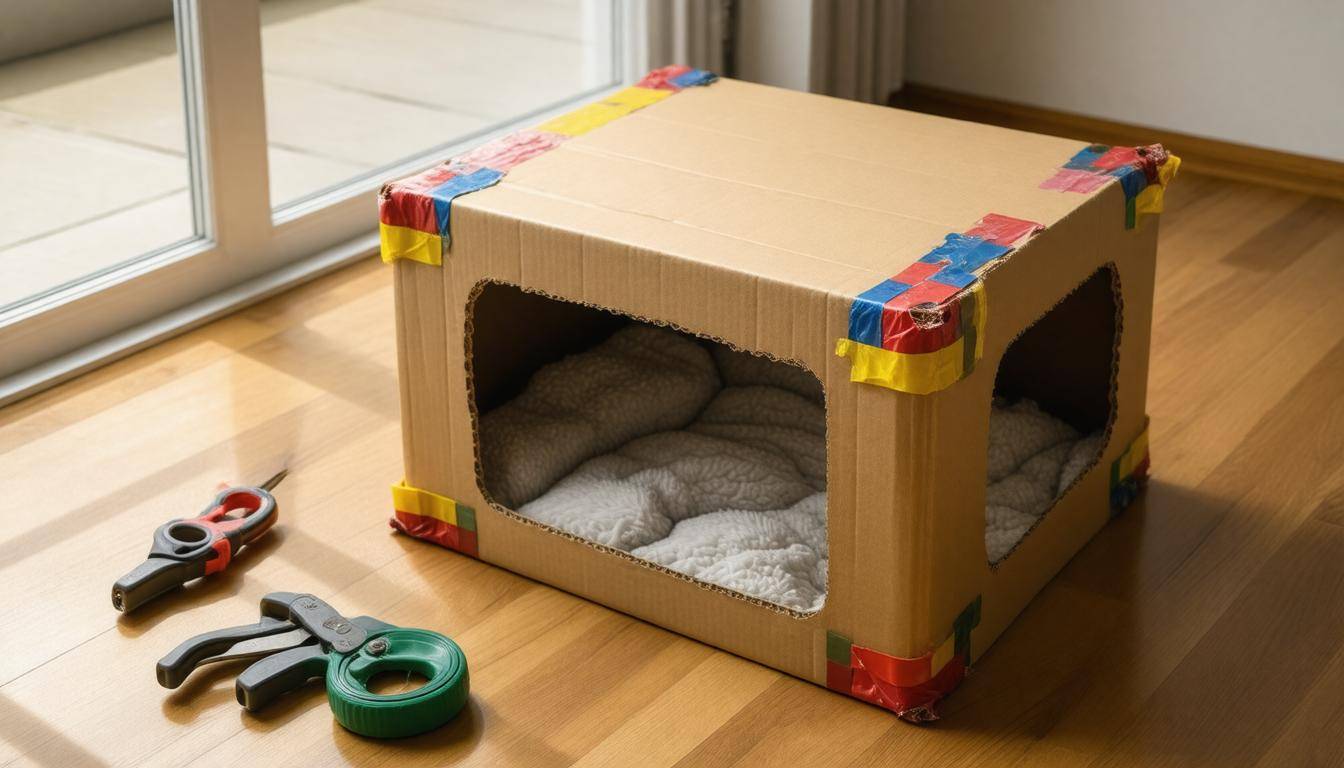
Building a DIY pet carrier may seem daunting at first, but with the right approach, it can be straightforward. The first step is to ensure that whatever you compose provides ample space and comfort for your animal. One of the most effective materials is cardboard. If you’re using a cardboard box, make sure it measures at least 24″ x 18″ x 18″ to accommodate medium-sized pets comfortably, allowing them to stand and turn around.
Once you have your box, cut ventilation holes about 2-3 inches in diameter on opposite sides to ensure your cat can breathe easily during transport. Remember to secure the entire structure with strong tape—duct tape works wonders here—to keep it stable and prevent collapsing under any pressure.
A straightforward modification can add convenience: to create a door, simply cut an opening on one side that you can attach using hinges or a flap secured with Velcro. This allows for easy access without risking an escape during loading or unloading.
For added comfort, line the bottom with a soft blanket or towel. This not only absorbs any accidents during travel but also provides familiar scents which can help soothe anxious pets. Another tip I learned from fellow owners is to place puppy pads at the bottom; these are highly absorbent and will make any cleanup easier if an accident occurs.
As you gather all these materials, it’s essential to keep safety in mind, as well as accessibility.
When selecting items, prioritize stable structures inside soft carriers that provide proper support to avoid injuring your pet during transport. It’s worth noting that utilizing breathable fabric can enhance both visibility and airflow through your makeshift carrier. Ensure the fabrics are tightly secured so that they don’t give way and risk exposure to escape or injury.
As you finalize your construction, double-check that all edges are safe—sharp bits of cardboard or improperly secured fabrics can be hazardous. If creating a soft-sided carrier, some owners recommend using a sturdy laundry basket with a lid. Just remember: this too should have ample ventilation openings to keep things cozy for your pet.
Following these construction tips creates a safe carrier and lays the groundwork for understanding how crucial comfort measures are during travel with pets.
Ensuring Comfort with Adequate Padding
Providing a comfortable environment for your pet while they are being transported can significantly reduce their anxiety. For this reason, incorporating adequate padding into your makeshift carrier is essential. The right materials create a cozy and supportive space that allows your pet to feel safe and relaxed, particularly useful if they are unfamiliar with the journey ahead.
Use Soft Materials
When selecting materials for lining the carrier, opt for soft items like blankets or towels. These selections provide cushioning and warmth, helping to mitigate any stress your pet may experience during the ride. Ideally, the inner surfaces of the carrier should feel inviting and plush against their fur. Because accidents can happen—especially in stressful situations—the absorbent properties of towels or soft blankets help soak up any spills or messes that might occur during transport.
Additionally, when layering these materials within the carrier, ensure there is at least 1-2 inches of padding. This thickness will help cushion any movements during travel and diminish impact. Breathable fabrics like cotton or fleece are ideal choices since they offer comfort while allowing air circulation, thus preventing overheating—a common concern when pets are transported in confined spaces.
Secured Padding
After choosing your soft materials, it’s crucial to secure them properly inside the carrier. A shifting layer of padding can lead to discomfort or even injury if your pet wiggles around. An effectively secured padding setup enhances their sense of security during the journey.
| Material | Benefits | Drawbacks |
|---|---|---|
| Towels | Readily available, soft | May slide around |
| Blankets | Easy to secure | Can get bulky |
| Foam Inserts | Excellent cushioning | Can be expensive |
Each material has its own advantages and disadvantages. Towels might be the easiest choice to obtain quickly from home, yet they risk sliding around if not anchored down properly. Blankets offer ease of security but could bulk up the space in smaller carriers. On the other hand, foam inserts provide sumptuous comfort but may strain your budget if purchased specifically for emergency use.
As we explore options for transporting pets safely, understanding how portability enhances convenience becomes paramount.
Portable and Lightweight Solutions
When you’re in a rush, having portable and lightweight carriers can be a true lifesaver. The magic lies in their ease of use and the flexibility they provide during stressful situations. Think about how heavy traditional carriers can become—especially when you’re juggling other tasks. Lightweight solutions alleviate that burden significantly.
Foldable Containers
One effective option is to look for foldable crates or bags designed specifically for transport. These not only save space but are incredibly moments away from being functional pet carriers. Designed with convenience in mind, foldable containers often incorporate built-in handles, making them easy to carry while your hands are full juggling other necessities.
Many users have reported great success with foldable mesh containers as they allow for ventilation while also being sturdy enough to support your furry friend. Imagine being able to easily transition from car to vet office without breaking a sweat—all thanks to a carrier that folds neatly and stows away when it’s not needed.
Minimalist Approach
Embracing the minimalist approach similar to backpackers can be particularly helpful here: choose only the lightest items that fulfill your needs without excess weight. This means examining each potential carrier for function over form.
For example, one resourceful individual shared a story about using a simple foldable shopping bag during an emergency evacuation caused by flooding. They secured their cat inside the bag with a gentle clip, providing the quick transportation needed without adding undue stress to their pet. This adaptability showcases how thinking outside the box—quite literally—can pave the way for satisfying solutions.
As we reflect on these adaptable solutions, the next step is considering how these carriers can be customized to suit different pets and their specific requirements across various scenarios.
Adapting Carriers for Various Pets
When it comes to transporting small animals, having a carrier that meets their specific needs is essential. For tiny creatures like hamsters or birds, standard carriers can often be too large. Instead, consider using containers designed for their size, such as small totes equipped with mesh wire for adequate ventilation.
Recently, I heard from a pet owner who crafted an ingenious solution during a storm—by modifying a small tote with screen mesh for their parrot, they ensured that their feathered friend stayed secure while still enjoying fresh air. This not only highlights creativity in an emergency but also emphasizes the importance of keeping your pet’s comfort and safety at the forefront.
Small Animals
For smaller pets, comfort can be enhanced by judging their behavior; if they tend to burrow, lined carriers with soft bedding can help them feel more secure. It’s important to ensure these makeshift carriers are free from sharp edges or openings where curious little noses might escape.
On the other hand, when considering larger pets like rabbits or guinea pigs, their needs shift dramatically. These animals require deeper carriers with more robust secure latches, as they are typically stronger and more active than their smaller counterparts. A snug yet comfortable interior is critical; adding blankets or hay will not only provide cushioning but also create a calming environment amidst the stress of travel.
Larger Pets
In terms of dimensions, make sure there’s room for them to lie down comfortably without feeling cramped. A carrier that’s too small can cause anxiety, making your pet less cooperative during transport. For instance, I have found that using a sturdy cardboard box with ventilation holes is an excellent substitute for quick trips—it can securely house medium-sized dogs when higher-end options aren’t available.
Always keep in mind that the safety of your pet should be your top priority. Ensuring that there are no gaps where they could escape is essential. Innovative modifications can truly make a difference; one cat owner I spoke with created a temporary carrier from a laundry basket lined with blankets topped with a lid or cover to prevent any attempts at escape during transportation.
Now, let’s explore the essential items and resources you’ll need for building effective emergency carriers to enhance your preparedness in unforeseen situations.
Materials and Tools for Building Carriers
Essential Materials
When you find yourself needing to build a portable pet carrier quickly, basic materials like cardboard, plastic containers, duct tape, and breathable fabrics can be incredibly useful. Each of these materials has its unique benefits. For instance, cardboard boxes are lightweight and can be easily reinforced with duct tape to ensure stability.
However, it’s vital to choose materials that aren’t toxic or harmful; after all, pets tend to chew on things. Opting for non-toxic options can make a significant difference in ensuring your pet’s safety.
When selecting plastics, look for storage containers that are solid yet flexible enough to be modified. They hold their shape well and can provide the sturdiness needed during transport. As for fabrics, choose breathable materials for comfort—this allows airflow while preventing overheating during short travels.
Important Tools
Having the right tools at your disposal simplifies the process immensely. Always keep scissors, box cutters, and zip ties close by; these essentials help cut materials to size efficiently and assemble your carrier securely. If you’re feeling crafty, adding a glue gun can enhance the sturdiness of your carrier constructions, allowing you to bond parts where necessary.
Another valuable tool to consider is a drill, particularly if you’re using plastic carriers that require ventilation holes. Drilling small openings ensures that your pet remains comfortable during transport without being suffocated by their surroundings. It’s these little details that greatly contribute to your makeshift carrier functioning effectively as intended.
With these materials and tools in hand, any pet owner—with just a bit of creativity—can swiftly create an effective and safe makeshift pet carrier in emergencies.
In moments of urgency, knowing how to quickly construct a reliable pet carrier can significantly impact your furry friend’s safety and comfort. Staying prepared is key to overcoming unexpected situations involving our beloved pets.