
Planning a camping trip can spark excitement, but one crucial aspect often leaves many scratching their heads: how do you handle bathroom breaks when nature calls? Instead of worrying about finding the nearest restroom, why not have a plan in place? Setting up makeshift toilet solutions adds comfort and peace of mind to your outdoor adventures. Think about it: a reliable way to manage waste not only respects your camping spot but also keeps your experience enjoyable for everyone involved. In this guide, we’ll explore easy ways to create effective toilet options, from portable systems to DIY setups, ensuring you can focus on what truly matters—exploring and enjoying the great outdoors!
The Complete Guide to Makeshift Toilet Solutions covers various methods for setting up effective and hygienic toilet options in outdoor settings, including portable toilets, DIY composting toilets, and simple waste disposal techniques. It also includes essential tips on privacy, odor control, sanitation measures, and environmentally friendly practices to ensure a comfortable and responsible camping experience.
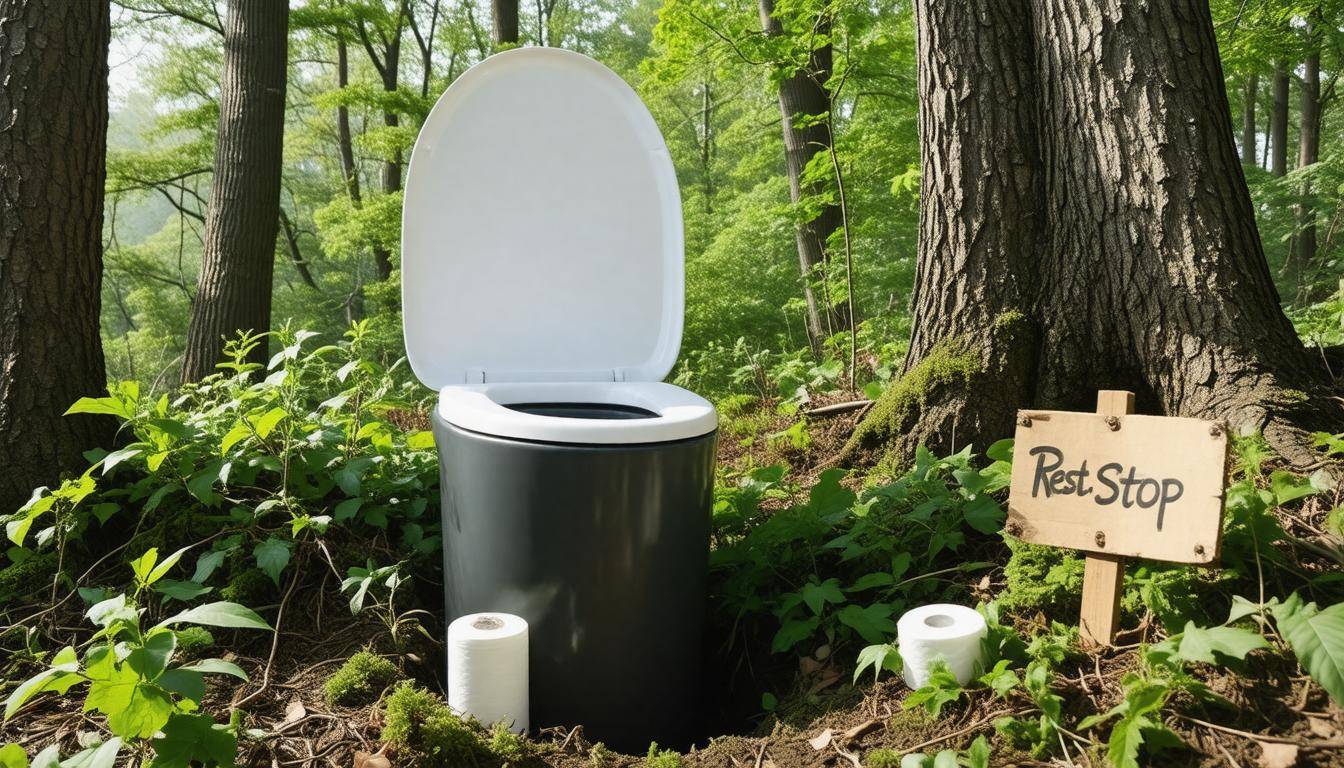
Planning for Emergency Toilets
The first step in creating effective makeshift toilet solutions begins with evaluating your location. Whether you’re heading to a well-established campsite, an expansive hiking trail, or even a spontaneous roadside adventure, the placement of your makeshift toilet holds great significance.
You’ll want to identify a spot that’s at least 200 feet away from water sources, such as lakes or streams. This is essential not only for hygiene but also to prevent contamination of natural water supplies. Remember the mantra: “Leave No Trace.” It’s about respecting nature while making our own outdoor experiences comfortable.
Now that we’ve pinpointed an appropriate location, it’s time to think about how many users will depend on this makeshift facility.
Estimating Toilet Usage
Estimating usage is critical. How many people will need the toilet? Consider everything from family size to the duration of your outing. A family of four embarking on a three-day camping trip will have different needs from a solo hiker on a day trek. Each individual typically generates waste several times a day; so having an accurate estimate helps determine what kind of setup you’ll need.
For instance, families might want more robust options like portable toilets or bucket systems lined with biodegradable bags, whereas single users could make do with simpler setups like a bucket filled with cat litter.
Once you’ve calculated who will be using the toilet and how often, it’s time to gather the necessary supplies.
Gathering Supplies
Assembling the right supplies ensures that your makeshift toilet runs smoothly and hygienically. Start with heavy-duty garbage bags—the kind that can handle varying degrees of weight and moisture without tearing. These serve as liners for your container, keeping cleanup simple and efficient.
Next, add some absorbent material. Options like kitty litter not only control odors but also aid in waste absorption; just about one to two inches at the bottom of the bag will suffice after lining it.
Don’t forget essentials like toilet paper and hand sanitizer! Hand sanitizers are particularly vital in preventing germs when clean water isn’t available. They should always be easily accessible near your makeshift toilet to ensure hygiene after each use.
Think about incorporating a portable privacy tent too; it can provide much-needed seclusion, helping everyone feel comfortable while answering nature’s call. When you package all these items together—and maybe add an extra measure of comfort by including a small seat cushion or improvised backrest—you create an effective solution that respects both personal dignity and environmental responsibility.
As we gather supplies, remember that preparing ahead gives you peace of mind while embracing the beauty of nature without compromising comfort or hygiene. Moving forward, we’ll look closely at convenient kits designed specifically for outdoor sanitation needs.
Portable Toilet Kits Overview
Portable toilet kits are not only practical, but they offer varying levels of comfort based on your specific camping situation. With options available for casual campers to serious adventurers, there’s something for everyone. The most basic offerings often include simple bucket-style toilets or single-use bags designed just for easy waste disposal, perfect for backpackers who prioritize compactness without sacrificing hygiene.
Standard Kits Features
An excellent example of an entry-level solution is the Cleanwaste GO Anywhere Waste Kit. This kit embodies convenience; it features a compact disposable toilet system complete with a sanitary bag, a waste solidifier that turns liquid waste into gel for easier handling, and even toilet paper. It’s ideal for those short on space yet craving a proper solution when nature calls—especially if you’re hiking or camping where facilities are lacking.
This standard kit serves as an essential point of reference, providing users with the necessary tools for maintaining hygiene in outdoor adventures without adding substantial weight to their load.
However, as campers’ needs become more sophisticated, so too do the options available.
Advanced Kits Features
For those seeking more than just a bare-bones setup, brands like Thetford offer advanced portable toilets equipped with flush capabilities and larger waste holding tanks. These options provide a more home-like experience while camping. They may have a heftier price tag and added bulk, but many find the comfort worthwhile. Many models feature capacity indicators to prevent overflow during extended use—a smart feature for longer trips when immediate access to emptying facilities may not be available.
It’s important to evaluate which type of portable toilet kit aligns best with your needs before heading out into the wild. Whether you prefer the lightweight simplicity of a standard kit or the comfort of flushing systems found in advanced models, being prepared with the right equipment can greatly enhance your outdoor experience.
With an understanding of both the basic and advanced options available, it’s time to explore top-tier products that can elevate your camping experience to new heights.
Best Commercial Options
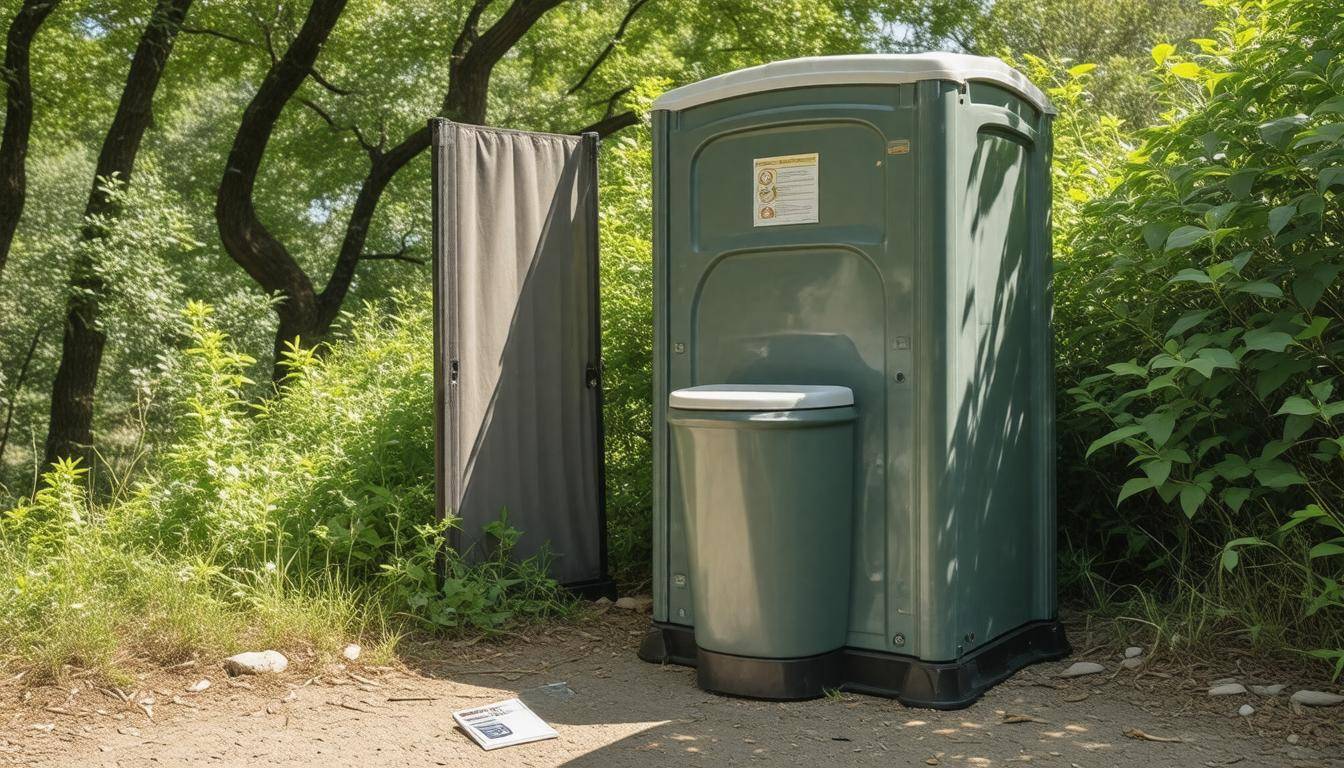
When it comes to choosing a portable toilet for camping, opting for commercially available models ensures reliability and comes with varied features tailored to enhance your outdoor experience. While some offerings may be pricier, they often deliver superior comfort and functionality. One popular choice among many campers is the Luggable Loo by Reliance. This ingenious toilet employs a simple yet effective design using a sturdy 5-gallon bucket system paired with a snap-on lid. It’s easy to clean afterward—just remove the lid, dispose of the contents, and you’re ready for your next adventure.
Popular Models
The affordability of the Luggable Loo makes it an easy pick but does not overshadow other contenders in the market. The Porta Potti lineup by Thetford, for instance, receives praise for its ergonomic design and added features that cater to user convenience, although it comes with a heftier price tag. Some users swear by its flushing mechanism and integrated waste level indicator, adding a splash of sophistication that appeals to those who prioritize comfort in nature.
“You really get what you pay for; whether you’re looking for comfort or simplicity, there’s a model out there that suits your needs.”
Features to Look For
As you embark on your quest for the ideal portable toilet, it’s crucial to consider several key features. First and foremost is ease of cleanup. A system that simplifies maintenance can save you valuable time and hassle in the great outdoors. Next is durability; no one wants to deal with a broken toilet when nature calls.
Weight capacity is equally important—look for toilets designed to accommodate various body types comfortably. Moreover, portability is essential since you’ll want something easy to carry in your camping gear. To further refine your search, take a moment to browse through user reviews; they often provide insights into real-world performance regarding reliability and comfort.
With an understanding of commercial options and their features, you’re positioned to explore even more hands-on alternatives that fit your style and campsite setup perfectly.
DIY Methods Using Buckets and Bags
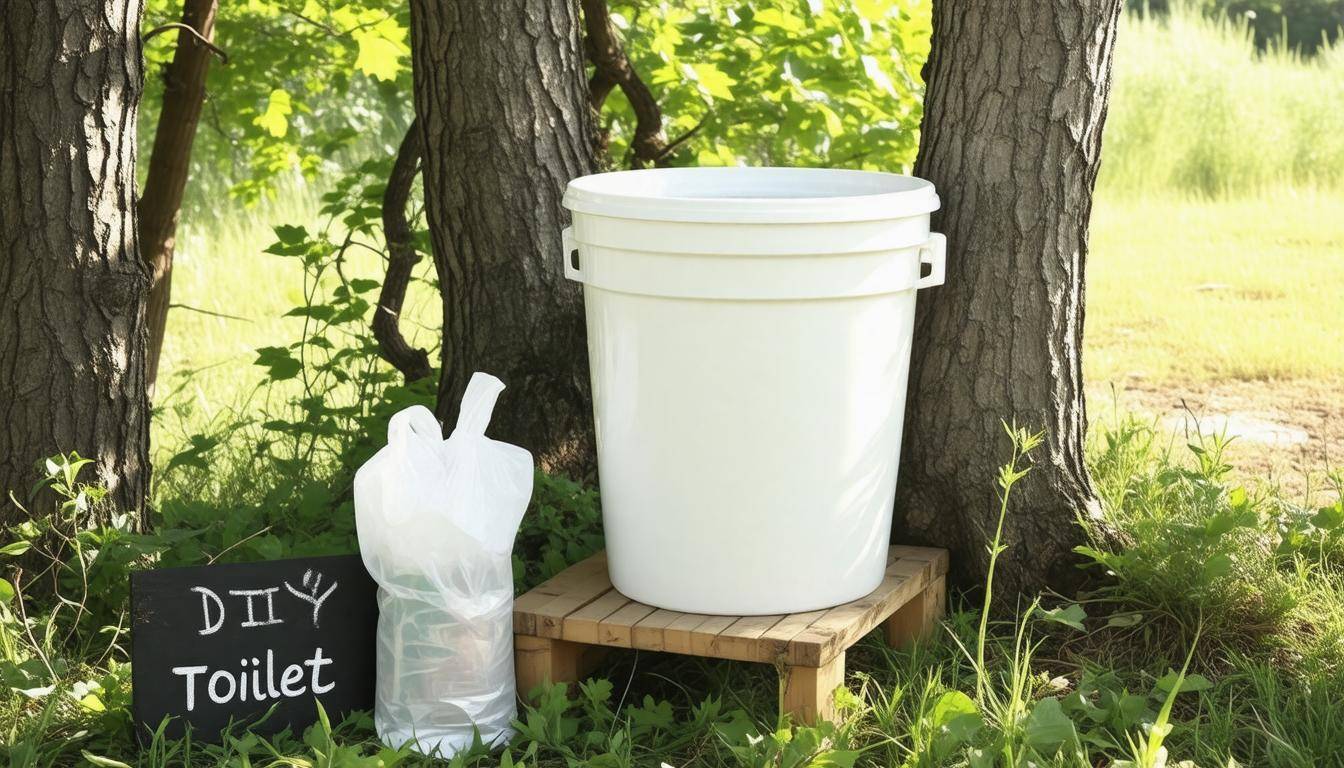
Setting up a makeshift toilet can seem daunting, but with a little creativity, it becomes incredibly manageable. A common DIY setup involves using a 5-gallon bucket lined with heavy-duty garbage bags. This not only keeps things hygienic but is also easy to dispose of when the time comes. To tackle odors effectively, adding absorbent materials like kitty litter or sawdust at the bottom of the bucket plays a crucial role in ensuring that unpleasant smells are kept at bay.
Furthermore, for added comfort during use, consider attaching a pool noodle along the rim of the bucket as an improvised seat—the foam padding can significantly enhance your experience in the great outdoors.
Once you have your basic setup established, there are numerous ways to enhance this arrangement.
Enhanced DIY Builds
Many campers take their ingenuity a step further by crafting a more stable and comfortable seating area. One popular method is to fashion a toilet seat out of a sturdy plank—cut to fit perfectly over the bucket’s opening. This simple addition provides extra support and an elevated level of comfort, making it easier to relax while attending to nature’s call.
Another tip favored by seasoned campers is using two heavy-duty trash bags instead of just one. Lining the bucket with double bags adds an extra layer of insurance against potential leaks and spills, which can save you from unfortunate mishaps in the wild.
It’s essential to remember that convenience in your makeshift toilet setup can directly contribute to your overall camping experience.
To add even more functionality, some individuals create elaborate rigs by attaching a portable privacy tent around their setup. This gives you peace of mind while maintaining your dignity—and it’s all part of embracing the great outdoors comfortably! Also, don’t overlook storage options for hygiene essentials; keeping hand sanitizer or wipes nearby ensures that you stay clean while camping.
As we explore these alternatives, it’s vital to consider safety and sanitation in outdoor settings.
Additionally, remember to set up your makeshift toilet at least 200 feet away from any water sources—this practice aligns with Leave No Trace principles, which champions environmental responsibility. Thoughtfully managing waste disposal while camping contributes positively to the natural world around you.
With these practical solutions in mind, the next step involves exploring effective strategies for managing odors and waste effectively on your adventures.
Odor and Waste Management
Controlling odors when using makeshift toilets isn’t just about comfort; it’s also about maintaining a pleasant camping experience for you and your fellow adventurers. One effective way to manage these smells is through the use of deodorizers. While there are specialized products available, simple household items can work wonders too. For example, baking soda is widely recognized for its deodorizing properties; just sprinkle a cup of it in your toilet after each use to keep unpleasant scents at bay.
Use of Deodorizers
Studies have shown that activated charcoal can effectively reduce odors as well. Its porous structure helps trap and neutralize molecules that cause unpleasant smells, making it an excellent choice for outdoor settings. If you’re using a DIY composting toilet, adding a layer of carbon-rich materials like sawdust or dry leaves can also help absorb odors while adding an extra layer of insulation for waste.
Odor management relies heavily on proper waste disposal and thoughtful cleanup practices. After you’ve used your makeshift toilet, double bagging your waste becomes essential, especially if you are using biodegradable bags. This prevents leaks and spills, which can lead to odors, while allowing for a more eco-friendly approach. The idea is to create a barrier that keeps smells from escaping.
Proper Waste Disposal
Another critical point to consider is how you dispose of your waste once you’ve bagged it. Always ensure you’re disposing of waste in designated areas according to local guidelines to avoid environmental damage. This safeguards natural water sources and wildlife from harmful contaminants, which is part of being a responsible camper. Ideally, you’ll want to set up your makeshift toilet at least 200 feet away from water sources—that’s the distance recommended by Leave No Trace principles—to further minimize any risk.
Additionally, when at campgrounds or public areas, be aware of specific disposal facilities for human waste, as many places handle this differently. Some locations might offer specially designated drop-off points for human waste, making it easier for campers to maintain both hygiene and environmental integrity.
For those seeking maximum comfort while managing odor, consider adding deodorizing agents within your makeshift toilet setup itself. Some campers have had success using baking soda designed specifically for pets as an inexpensive alternative to commercial deodorants, effectively combating odors during longer camping trips.
These strategies not only create a more enjoyable environment but also highlight the importance of maintaining hygiene while enjoying the great outdoors. Moving forward, we’ll explore practical recommendations to improve your overall outdoor hygiene experience.
Outdoor Hygiene Tips
When you’re out camping or enjoying the great outdoors, keeping yourself clean can significantly enhance your experience. It’s remarkable how quickly the simplicity of nature can turn cumbersome when basic hygiene is overlooked. Establishing a routine will not just make you feel more comfortable; it will also maintain your health and well-being while exploring.
Hand Sanitation
A solid supply of hand sanitizers and biodegradable soap ensures that you stay prepared for anything. Keep these handy not only for after bathroom visits but also before meals, or when handling anything else you’re going to put into your mouth. Biodegradable soaps, like Dr. Bronner’s Pure-Castile Soap, are an eco-friendly option that cleans effectively without harming the environment. A little forethought goes a long way—consider carrying a refillable bottle to minimize waste.
Beyond your hands, we need to think about caring for the rest of your body.
Body Hygiene
- Portable showers or wipes come in particular handy when you’re away from facilities, allowing you to wash off dirt, sweat, and grime without needing access to running water.
- Keeping nails trimmed minimizes grime build-up and helps maintain cleaner hands overall; dirty nails can harbor bacteria and make handwashing less effective.
- Creating a washing station with a collapsible sink enhances convenience; you can easily fill it with water and use it for washing up after cooking or engaging in any messy activities while camping.
Taking care of your body this way makes nights under the stars much more pleasant. After all, nothing distracts from stargazing quite like feeling dirty or grimy after a day of exploration! Most importantly, practice good habits while in nature. For example, using methods that minimize water consumption helps preserve resources during your adventure.
Finally, remember that personal hygiene extends beyond just physical cleaning—it can elevate the entire atmosphere of your camping experience.
As we explore further into practical tips for outdoor adventures, the focus will shift to considerations essential for making your journey smoother and more enjoyable.
Travel Considerations for Campers
One of the biggest hurdles campers face is ensuring that all essential items fit into limited space. As you prepare for a trip, consider the size and weight of each item you’re bringing along. Every inch matters when it comes to making room for your toilet solutions. It doesn’t have to feel like a puzzle though; with some careful thought and organization, you can fit everything you need without sacrificing comfort.
Space-Saving Tips
A clever strategy I’ve learned over the years is prioritizing items that serve multiple functions. For instance, using a collapsible bucket not only provides a makeshift toilet but also can serve as a water carrier or storage container for your gear. This versatility helps streamline what you carry and keeps your pack lighter.
Another great addition to your camping kit is portable toilet kits that are designed to be compact and lightweight. They fit neatly into any backpack and often come with essential sanitation supplies. This means you’ll be ready for emergencies without taking up valuable packing space. Just imagine pulling out one small kit instead of struggling with multiple items—much easier, right? According to recent surveys, campers using space-saving kits report a 30% increase in overall satisfaction, suggesting that these thoughtful choices lead to more enjoyable trips.
It’s important to think creatively about how tools like hygiene products can double as other necessities. For example, my hand sanitizer not only keeps my hands clean after nature calls but also works as a great disinfectant for surfaces around the campsite.
Additionally, when you’re fishing for spots to stash these compact items, don’t forget about every nook and cranny of your vehicle or tent. Designating zones for hygiene-related items can help them be easily retrievable later on. Being organized won’t just save time; it will also give you peace of mind knowing that everything is in its place.
By addressing these travel considerations effectively, you set the stage for more enjoyable outdoor experiences. This seamless preparation allows for greater focus on the joy of camping while ensuring that crucial aspects aren’t overlooked.
Importance of Sanitation and Privacy
When engaging with nature, maintaining proper sanitation is not just a matter of convenience; it’s an essential aspect of ensuring your well-being. Without adequate sanitation, outdoor enthusiasts increase their risk of health issues significantly.
For instance, studies have shown that gastrointestinal infections can account for up to 60% of health problems reported by campers. Such infections often stem from improper waste disposal or contaminated water sources, illustrating why it’s important to have effective makeshift toilet solutions while you’re out in the wild.
But sanitation alone doesn’t paint the complete picture; privacy plays a crucial role too.
Creating Private Spaces
A top priority for anyone who loves camping should be ensuring privacy while attending to their needs. This can make a world of difference in enhancing comfort levels during bathroom breaks.
Using items like privacy tents or portable enclosures allows campers to create secluded spaces that are both functional and respectful of those around them. Especially in crowded camping sites, having a designated space ensures that you feel more at ease when nature calls. Not only do these enclosures help maintain personal dignity, but they also reduce stress levels, allowing for relaxation during your outdoor expedition.
| Privacy Solutions | Average Cost | Setup Time | User Rating |
|---|---|---|---|
| Privacy Tent | $50 | 5 minutes | 4.5/5 |
| Portable Enclosure | $120 | 10 minutes | 4.8/5 |
| DIY Tarp Setup | $20 | 15 minutes | 3.7/5 |
As indicated in this table, the costs and user ratings highlight the effectiveness of each privacy solution available on the market. By investing in a quality product—or even creating a simple DIY tarp setup—you can experience the benefits of both sanitation and privacy without a lot of hassle.
Ultimately, prioritizing sanitation and privacy begs the question: “What practical steps can we implement?”
Consider simple yet effective enhancements to your outdoor experience through solid backup plans for waste disposal paired with creative solutions for private setups.
By addressing sanitation and privacy thoughtfully, you can ensure a more comfortable and hygienic camping experience. Outdoor adventures should enhance your connection with nature—not compromise your well-being.
What supplies are recommended for setting up a makeshift toilet?
For setting up a makeshift toilet, essential supplies include a sturdy portable toilet seat or bucket, biodegradable trash bags, toilet paper, hand sanitizer, and a shovel for proper waste disposal. A lightweight tarp can also serve as privacy protection. According to the CDC, proper waste management reduces the risk of waterborne diseases by up to 80%, making these supplies crucial for maintaining hygiene while camping outdoors.
Are there any health risks associated with improperly using makeshift toilet solutions?
Yes, there are health risks associated with improperly using makeshift toilet solutions, such as the potential for the spread of pathogens and fecal contamination. When waste is not disposed of correctly, it can lead to the contamination of water sources, which may result in health issues such as gastrointestinal diseases. According to the World Health Organization, inadequate sanitation contributes to 3.5 million deaths annually from waterborne diseases, highlighting the critical importance of proper waste management even in outdoor settings.
How can I create a safe and hygienic makeshift toilet in an emergency?
In an emergency, you can create a safe and hygienic makeshift toilet by using a sturdy bucket lined with a plastic bag to collect waste, ensuring the bag is sealed after use to prevent odor and contamination. Adding a layer of sawdust or cat litter on top of the waste helps absorb moisture and eliminate smell. According to the World Health Organization, improper sanitation can lead to health risks, including diarrheal diseases, affecting over 2 billion people globally. Thus, keeping your makeshift toilet clean and covered is essential for maintaining hygiene in outdoor settings.
What are the most popular types of makeshift toilets, and how do they work?
The most popular types of makeshift toilets include the bucket toilet, portable camping toilet, and the bio-toilet. Bucket toilets typically involve a sturdy bucket lined with bags, which can be easily disposed of, while portable camping toilets often use a more compact design with a seat and waste storage system. Bio-toilets utilize natural processes to decompose waste, reducing odor and environmental impact. According to outdoor enthusiasts, about 60% prefer bucket toilets for their simplicity and low cost, while 25% opt for portable options for convenience during extended trips.
What scenarios necessitate the use of makeshift toilet solutions?
Scenarios that necessitate the use of makeshift toilet solutions include remote camping trips, long hiking excursions, and emergency situations where traditional facilities are unavailable. For instance, studies show that nearly 50% of campers report needing to find a suitable toilet solution while in the wilderness, highlighting the importance of being prepared for such circumstances. In areas lacking infrastructure, like national parks or disaster zones, having portable and discreet toilet options can significantly enhance comfort and hygiene, making it essential for outdoor enthusiasts.