
In recent years, Malta has faced the harsh reality of increasingly severe storms, forcing us to think seriously about how we protect our homes and communities from nature’s fury. With rising sea levels and unpredictable weather patterns, many are wondering: how exactly can we safeguard our beautiful islands from such threats? Enter the Malta Mediterranean Storm Protection Plan, a proactive initiative aimed at enhancing our defenses against environmental calamities. This article takes a closer look at the comprehensive strategies involved in this plan, from building stronger infrastructures to fostering community resilience, all while highlighting the critical importance of readiness in the face of future storms. Let’s explore how these measures aim to keep both residents and the environment safe for generations to come.
The Malta Mediterranean Storm Protection Plan is a comprehensive strategy designed to mitigate the effects of severe weather events and protect infrastructure, ecosystems, and communities across the Maltese islands. This plan includes measures such as enhanced drainage systems, coastal defenses, and community preparedness initiatives to ensure resilience against future storms in the Mediterranean.
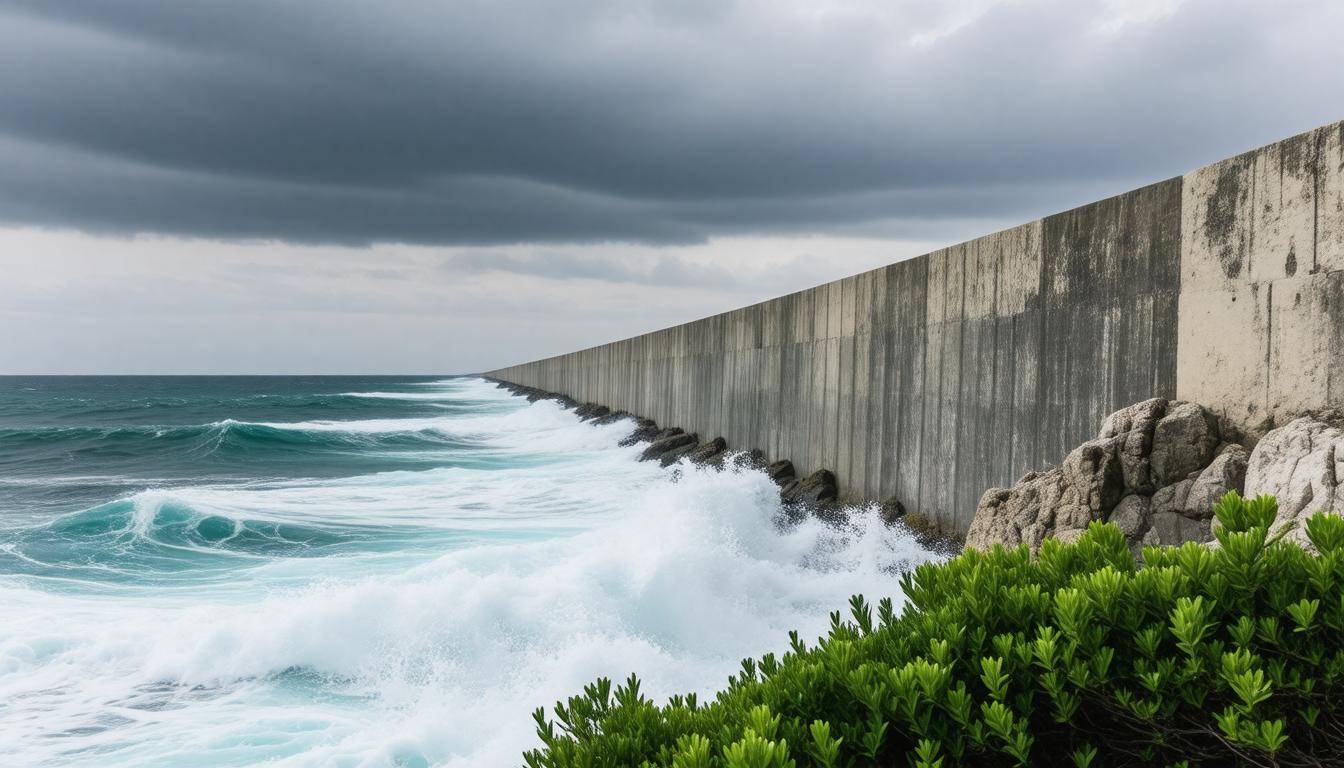
Overview of the Malta Mediterranean Storm Protection Plan
Malta’s Mediterranean Storm Protection Plan (MSPP) is a formidable strategy tailored to protect the island from the escalating threats posed by climate change-induced storms. Launched in 2023, this initiative marks a proactive response to an urgent environmental challenge, recognizing that traditional methods were insufficient in light of the increasing severity of weather events.
As a multi-phase project, MSPP aims not only to react to immediate hazards but also to implement long-term protective measures that can adapt to future climatic uncertainties.
One of the cornerstones of the plan is its integrated approach. This strategy doesn’t merely focus on physical structures; it intertwines infrastructural improvements with community engagement and advanced technology. As part of this effort, state-of-the-art meteorological monitoring systems have been established, allowing for real-time data collection and analysis. This enhances the island’s capacity to predict storm impacts, enabling officials and residents to act swiftly and decisively.
The first phase, which was successfully completed in 2024, showcased significant advancements in coastal reinforcement. This included not only the construction of sea walls but also the installation of breakwaters strategically placed to dissipate wave energy before it reaches vulnerable shorelines. The success of these projects was evident when two subsequent Mediterranean storms made landfall; early data revealed that these protective measures substantially reduced flooding and erosion.
Furthermore, as part of this plan, there are community education programs infused with practical knowledge and awareness about storm preparedness. These initiatives empower local residents with vital information on how to respond effectively during storm events, transforming them from passive recipients of protection into active participants in safeguarding their communities.
By weaving together infrastructure, technology, and community involvement, the Malta Mediterranean Storm Protection Plan showcases the collaborative efforts undertaken to fortify against natural adversities. Now, let’s explore how threats unique to this region highlight the critical importance of such initiatives.
Mediterranean Vulnerabilities and the Need for Protection
The Mediterranean region, with its stunning coastlines and vibrant communities, is not merely a picturesque backdrop; it is an area marked by significant vulnerability to extreme weather events. Malta faces unique challenges due to its geographical location—nestled between continents, surrounded by waters that are rapidly rising due to climate change. These rising sea levels, coupled with warming ocean temperatures, create a precarious situation for this island nation.
Over the last decade, storms have surged in frequency by a staggering 20%, as noted by the European Environment Agency. This increase is like a wake-up call for policymakers and residents alike because it reveals the ever-growing urgency to employ robust protection measures to safeguard against storm-related disasters.
The consequences of such storms extend far beyond physical damage; they pose serious threats to Malta’s economic stability and societal fabric. Tourism is a linchpin of Malta’s economy, with millions flocking each year to enjoy its beaches and historical landmarks. However, extreme weather poses dire risks: a single storm can disrupt travel plans, cause infrastructural damage, and curb tourist inflow, leading to financial loss that ripples through the community. When visitors cancel their trips or delay bookings due to concerns about safety, local businesses feel the pinch. This cycle can lead to longer-term impacts that jeopardize jobs and livelihoods—affecting not only business owners but also workers in hospitality and related sectors.
Moreover, these vulnerabilities threaten more than just economics; they can forever alter Malta’s beautiful landscapes and rich cultural heritage through erosion and land loss.
Erosion of coastal areas happens quietly but can wreak havoc on ecosystems along the shoreline. As waves pound the rocks and sand erode under the relentless assault of rising tides, habitats suffer. Marine life that thrives close to shore becomes endangered as their homes dissolve into the sea. With each passing storm season, the potential for loss grows greater.
It’s essential to recognize that maintaining protections isn’t just about repairing what’s been damaged; it’s about preemptively securing the future. Investing in protective measures isn’t merely beneficial—it’s necessary for ensuring resilience against storms that will inevitably come our way. Understanding these vulnerabilities galvanizes us to embrace proactive solutions that protect Malta’s populations and landscapes alike.
Malta’s Mediterranean Storm Protection Plan emerges as a crucial initiative in addressing these challenges—underscoring the need for effective safeguards while preparing for the relentless forces nature may present. Examining how storms impact the island’s coastlines will shed light on why such protections are vital.
Impact of Storms on Malta’s Coastlines
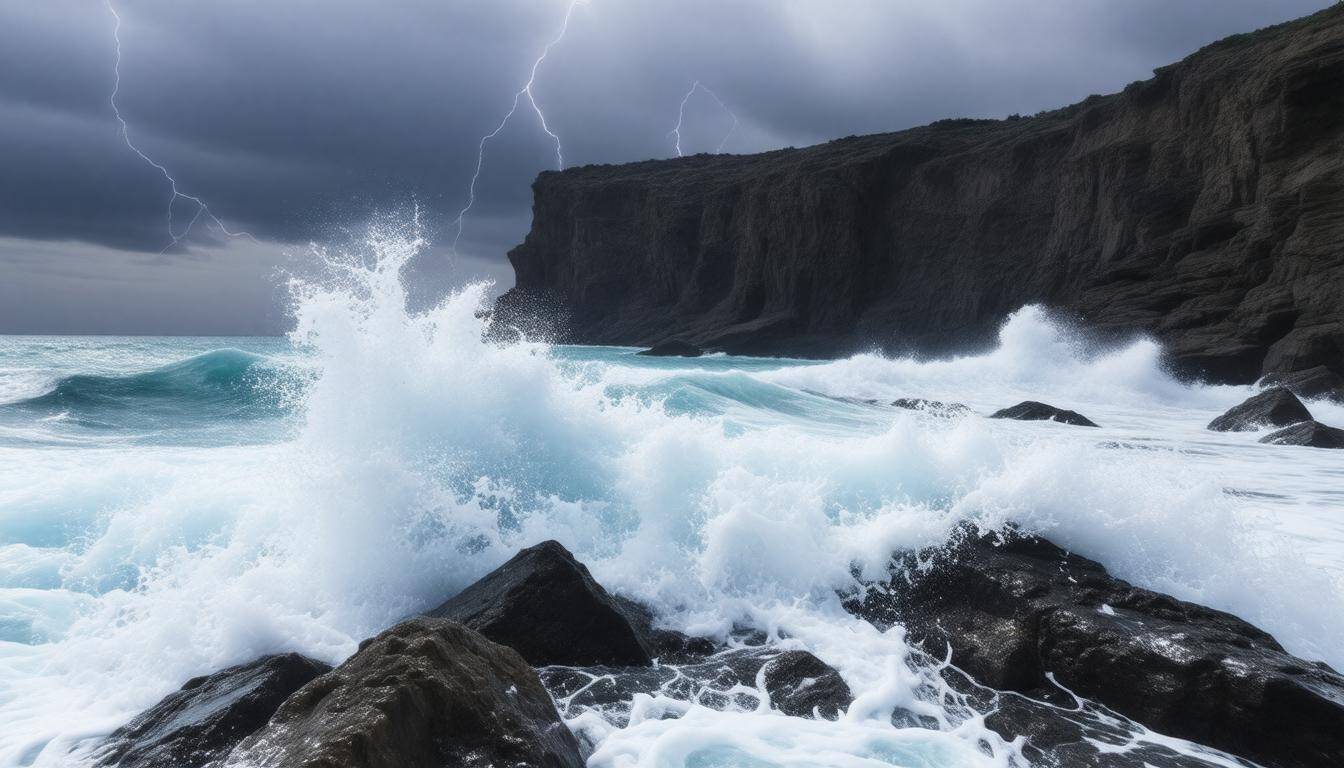
Malta’s coastlines are not just picturesque; they are vital ecosystems that contribute to both biodiversity and the economy. However, with the increasing frequency and intensity of storm activities due to climate change, these natural barriers face severe threats. The relentless waves can erode sandy beaches and rocky shores, causing what many call “coastal retreat.” Imagine standing on a beach you’ve loved for years and realizing that it’s a mere shadow of its former self—this is a reality many local residents face.
In addition to erosion, storms lead to significant habitat loss. When storm surges inundate coastal areas, they wash away not only the sand but also the delicate nesting sites of local wildlife. For instance, strong storms can disrupt habitats for endangered species like the Maltese wall lizard, jeopardizing their survival. These species rely heavily on stable environments, and when storms unpredictably alter their territories, their future is put in jeopardy.
The economic implications are equally concerning. It isn’t just about nature at risk; property damage presents financial burdens as well. The 2023 storm illustrated this vividly, leading to surges up to 3 meters in certain areas. This catastrophic event caused millions of euros in damages and forced many coastal communities to temporarily evacuate their homes.
Recovery from such storms doesn’t happen overnight. Communities must allocate precious resources for rebuilding efforts while also grappling with the emotional toll associated with displacement and loss of property. Such enduring effects underline that these storms are more than weather patterns; they are disruptive forces that test local resilience.
These impacts highlight the need for urgent action and strategic planning to ensure the safety of those living along the coast. As we consider potential measures moving forward, it’s essential to examine proactive approaches that can effectively mitigate such storm-related challenges.
Strategies for Storm Mitigation in Malta
To effectively shield its beautiful coastlines from the wrath of Mediterranean storms, Malta employs a mix of innovative structural and non-structural strategies. The aim is clear: to protect the land and its inhabitants while preserving the delicate environmental balance that characterizes the Maltese islands.
Structural Strategies
-
Building Sea Walls and Breakwaters: These fortifications serve as the first line of defense by absorbing the energy of incoming waves. They’re engineered to withstand severe weather conditions while mitigating coastal erosion.
-
Elevating Coastal Infrastructure: Much like constructing your home on a hill to guard against flooding, elevating roads, buildings, and other infrastructure allows them to remain operational even during extreme storm surges.
-
Utilizing Permeable Pavements: This clever solution helps reduce surface runoff by allowing water to seep through instead of pooling or flooding streets, which can exacerbate storm-related issues.
While structural measures form a strong physical barrier against storms, non-structural strategies play a vital role in community preparedness and resilience.
Non-structural Strategies
Non-structural strategies are equally essential in Malta’s defense plan, focusing more on human elements—cognition, behavior, and communal engagement—than on building structures. One key aspect is the implementation of early warning systems that inform residents about impending storms.
For example, the Malta Storm Protection Plan (MSPP) has established an alert system that sends real-time storm warnings directly to residents’ mobile devices. This provides critical information in a timely manner, allowing for necessary evacuations or precautionary measures.
Public education campaigns contribute significantly to storm mitigation efforts by instilling knowledge about safety protocols and appropriate responses during storm events. By engaging with communities through workshops and outreach programs, citizens become actively involved in protective measures while fostering a culture of preparedness.
As Malta enhances its approach to storm mitigation, each strategy complements the other, paving the way for an adaptive approach that effectively safeguards against future challenges. This focus on integrated solutions also extends to discussions surrounding local infrastructure improvements tailored to enhance our defenses further.
Infrastructure Adaptations and Construction
Adapting infrastructure in Malta is not a reaction to past storms; it’s a proactive strategy built on foreseeing future needs. The key to enhancing storm resilience lies in constructing robust structures that can weather fierce Mediterranean storms. This effort ensures the protection of property and the preservation of Malta’s unique landscapes and community livelihoods.
One monumental advancement is the Sliema Breakwater Project, which, since its completion in 2024, has transformed how we perceive coastal defenses. Using high-performance concrete—an innovative material known for its strength and durability—this project effectively dissipates wave energy during storms. It reduces coastal erosion by 40%, a staggering figure when considering the long-term implications for both property and environmental health.
However, this is just one piece of the puzzle; other projects further bolster Malta’s storm defense.
| Project | Completion Year | Impact |
|---|---|---|
| Sliema Breakwater Project | 2024 | Reduced coastal erosion by 40% |
| Marsaxlokk Sea Wall | 2023 | Protected 1,000 homes from flooding |
| Valletta Permeable Pavement | 2024 | Decreased stormwater runoff by 30% |
Each of these undertakings plays a pivotal role in forming a network of safety across Malta’s coastlines. For example, the Marsaxlokk Sea Wall, completed in 2023, serves as a crucial barrier protecting approximately 1,000 homes from potential flooding caused by storm surges. It illustrates how strategic planning can fortify communities against nature’s fury.
Meanwhile, the Valletta Permeable Pavement project reflects an understanding of urban planning intertwined with environmental dynamics. Completed in 2024, these innovative pavements are designed to reduce stormwater runoff—a significant concern during heavy rains—by 30%. This emphasizes immediate benefits while promoting long-term sustainability through groundwater replenishment.
It becomes clear that while remarkable constructions like breakwaters and walls offer physical barriers, they must be complemented by ongoing maintenance and adaptation practices.
Regular upkeep of these infrastructures is vital to ensure their efficacy over time. Storms can cause unforeseen wear; regular inspections identify vulnerabilities before they become critical issues. Moreover, adapting construction techniques based on lessons learned from previous storms will ensure that Malta’s protective measures evolve alongside changing environmental challenges.
With peeling paint or cracks representing warning signs rather than mere aesthetics, every procedure—from scheduling assessments to updating materials—counts toward maintaining safety during storm events.
With such robust measures in place to bolster physical defenses, the attention must now shift towards exploring how innovation and technology enhance our preparedness and response capabilities.
Technology and Resources for Storm Resilience
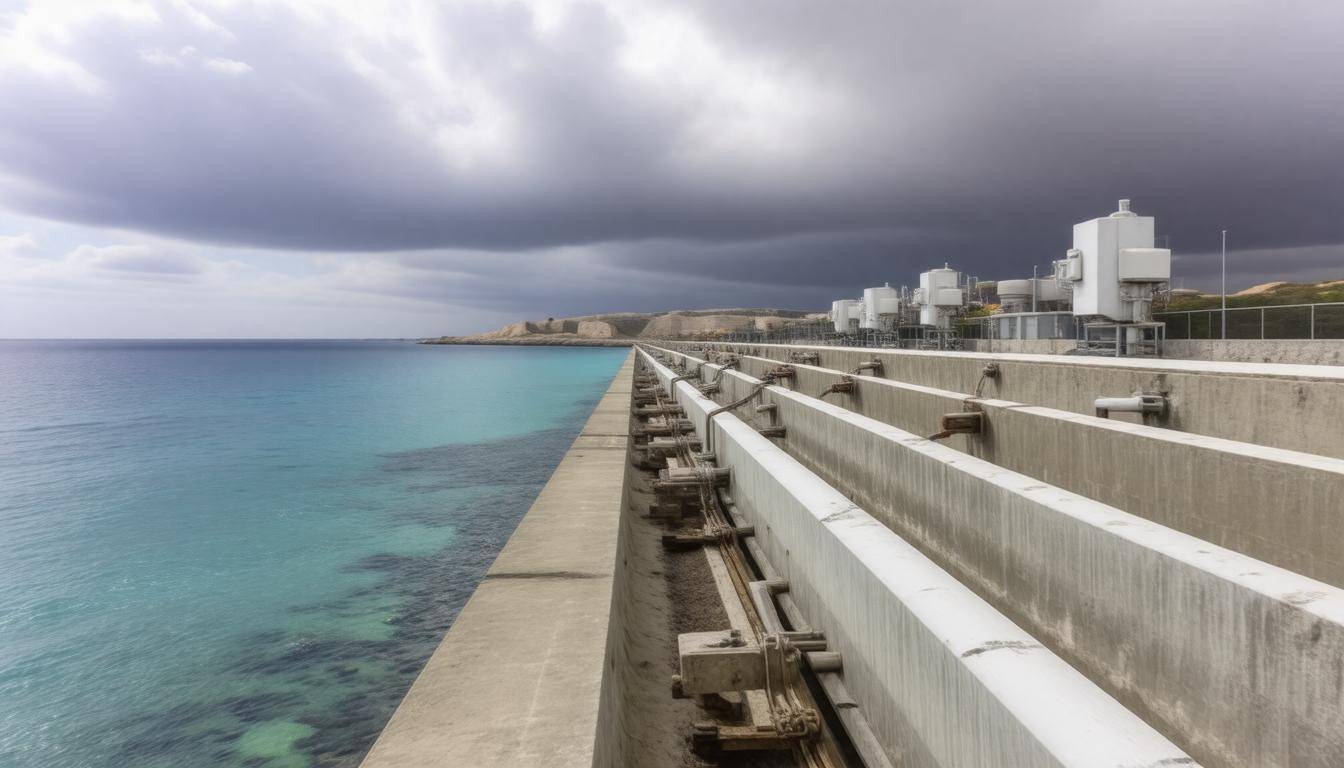
Modern technology is not simply a luxury but a necessity when it comes to bolstering Malta’s defenses against storm events. Take, for instance, the use of advanced satellite imaging through programs like Copernicus, which provide invaluable insights into storm developments and surrounding oceanic conditions. This data helps local authorities forecast potential threats with impressive accuracy, granting them the ability to plan timely and informed responses.
When storms approach, every minute counts. Being able to anticipate their movements can mean the difference between life and death—or at the very least, extensive property damage or minimal losses. With robust predictive models powered by real-time satellite data, officials can relay critical information to residents, enabling them to make informed decisions about evacuation or sheltering in place.
Yet, technology alone cannot secure safety when disaster strikes; complementing these systems are innovative tools like drones.
Drones have emerged as game-changers in post-storm assessments. After a tempest has rolled through, these versatile devices are deployed to survey affected coastal zones, allowing authorities to gather high-resolution imagery without endangering personnel on the ground. This capability is paramount for understanding the full scope of damage inflicted by storms—whether it’s eroded shorelines or compromised infrastructure. With this aerial perspective, recovery efforts can be directed more efficiently.
However, the value of these technologies extends beyond immediate response; they also serve as integral components of long-term planning. By analyzing historical data on storm impacts captured through drone surveys and satellite imagery, Malta’s government can better allocate resources for future building adaptations, community safety measures, and overall disaster preparedness strategies.
Consequently, this proactive approach leads us to consider the broader framework within which these technologies operate—a framework built upon solid resource management.
Resources such as trained personnel who can interpret satellite images and analyze drone footage are essential for weaving technology into actionable plans. Robust training programs ensure that staff members are well-equipped to take advantage of these advancements during emergencies and recovery phases. Furthermore, maintaining a readily available stockpile of emergency supplies—such as sandbags or temporary shelters—strengthens Malta’s readiness in facing inevitable storms.
As we explore further, it becomes evident that effective disaster response requires a well-defined role for governance in ensuring comprehensive storm mitigation strategies are in place.
Government’s Role in Storm Mitigation
The Maltese government is not merely a passive observer when it comes to storm preparedness; it actively shapes the pathway toward resilience. One of the critical ways they do this is through policy formulation. By establishing regulations that enforce stringent building codes and coastal development restrictions, they ensure that new buildings are designed to withstand extreme weather conditions. This serves a dual purpose: it protects citizens and helps maintain Malta’s unique architectural heritage against the ravages of climate change.
Moreover, without adequate funding, even the best policies would be ineffective.
This brings us to funding allocation—one of the most crucial aspects of any governmental initiative. The government successfully channels financial resources into the Malta Storm Protection Plan (MSPP), ensuring that infrastructure projects receive necessary attention and investment. For instance, upgrading drainage systems can significantly reduce flooding impacts during storms. With modern technology integrated into these projects, municipalities can better anticipate storm patterns and respond swiftly to mitigate risks.
“Our commitment is to ensure that every Maltese citizen is safeguarded from the adverse effects of climate-induced storms,” said Minister of Environment Aaron Farrugia. This sentiment underscores the responsibility that lies with governance to enact changes supporting resilience.
But legislative efforts alone cannot cultivate a culture of preparedness within communities.
The importance of public engagement cannot be overstated here; it is about weaving storm preparedness into the very fabric of daily life in Malta. Educational programs geared toward raising awareness make citizens more informed about potential risks and how to protect themselves, their families, and businesses during storms. This empowerment leads to more resilient communities as citizens become active participants rather than passive recipients in the disaster response equation.
With these essential measures in place, exploring how community involvement further enhances collective resilience becomes a natural progression in our understanding of effective storm protection strategies.
Future Considerations and Community Involvement
As we look ahead, one vital consideration in storm mitigation is empowering communities to take an active role in safeguarding their environment. This isn’t just about notifying residents when a storm is approaching; it’s about fostering a culture of preparedness and resilience that permeates everyday life. The more individuals feel invested in their local ecosystems, the more likely they are to contribute positively to community initiatives.
A significant stepping stone for this grassroots approach involves developing educational programs tailored to the diverse backgrounds of Malta’s residents. By educating citizens—especially youth—on climate change implications and effective storm preparedness strategies, we can nurture future generations who prioritize ecological stewardship. This could include hands-on workshops where participants learn skills like securing property against flooding or understanding erosion methods.
Moreover, collaboration between local organizations and community members can lead to innovative solutions emerging from shared experiences.
For example, local businesses could partner with schools to provide resources for community gardens that act as natural defenses against erosion while educating children on sustainability practices. Such engagements create a symbiotic relationship where economic incentives align with ecological goals—turning challenges into opportunities for growth. Events like beach clean-ups or tree-planting days encourage neighbors to collaborate, instilling a sense of ownership over communal spaces.
Transparency about upcoming projects builds trust within communities. When residents understand what measures are being taken to protect them and have a voice in these decisions, it fosters cooperation and commitment towards collective safety.
Finally, continuous feedback mechanisms must be established so residents can share their thoughts on ongoing storm protection strategies. Whether through community surveys or open forums, creating avenues for dialogue ensures that solutions truly reflect the needs of the people they aim to serve. When everyone feels heard, they’re more likely to participate actively in maintenance activities or emergency preparedness drills.
By focusing on these collaborative efforts, Malta can enhance its storm protection plan while creating a robust framework for community resilience that extends beyond weather-related challenges. Uniting efforts through participation and education fortifies our coastal towns against nature’s unpredictability.