
Being prepared for natural disasters can sometimes feel like an overwhelming task, especially in a region like Managua where earthquakes and volcanic activities are part of daily life. It’s not just about having supplies; it’s about knowing your risks and understanding how to protect yourself and your loved ones. As someone who has navigated the challenges of living in disaster-prone areas, I know firsthand that establishing a solid emergency plan can make all the difference. With recent geological changes reminding us that Mother Nature can be unpredictable, now is the right time to take action. Let’s dive into what essentials you should have in your emergency kit to stay safe during an earthquake or volcanic event.
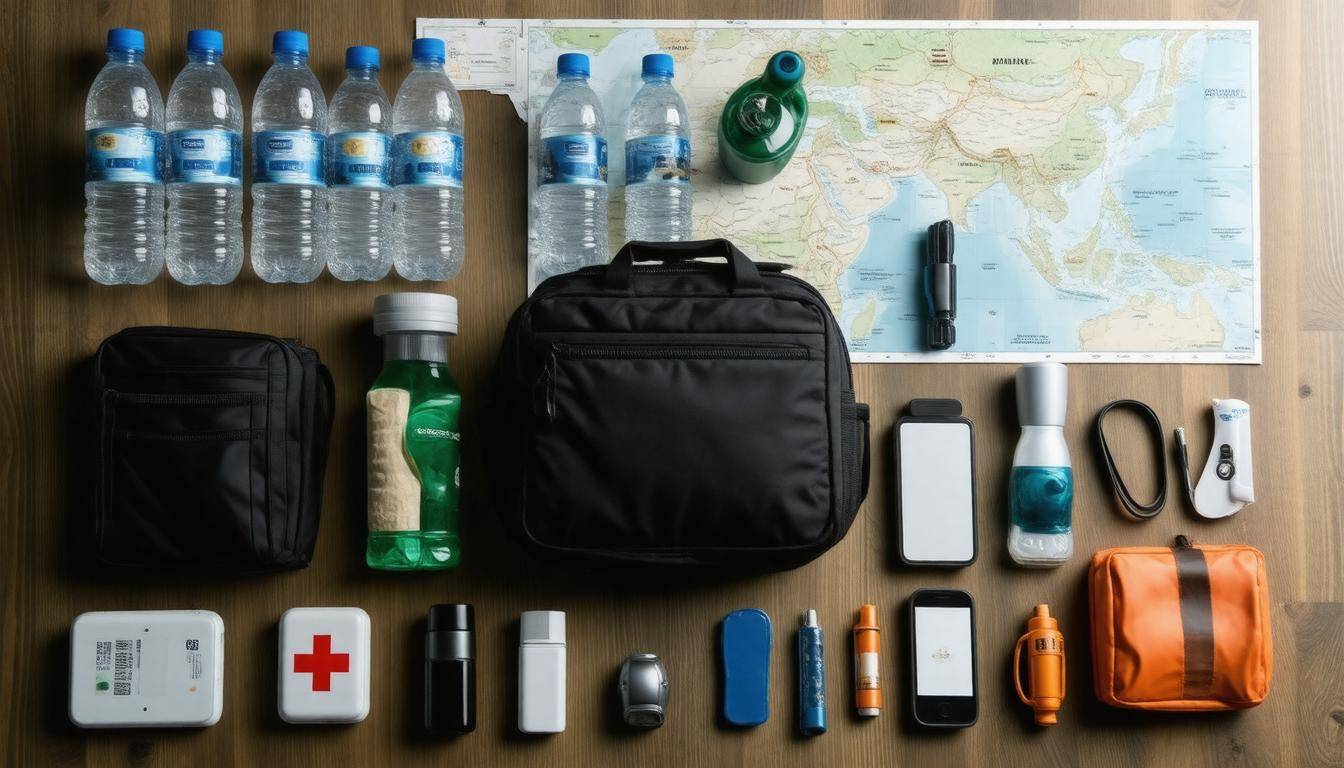
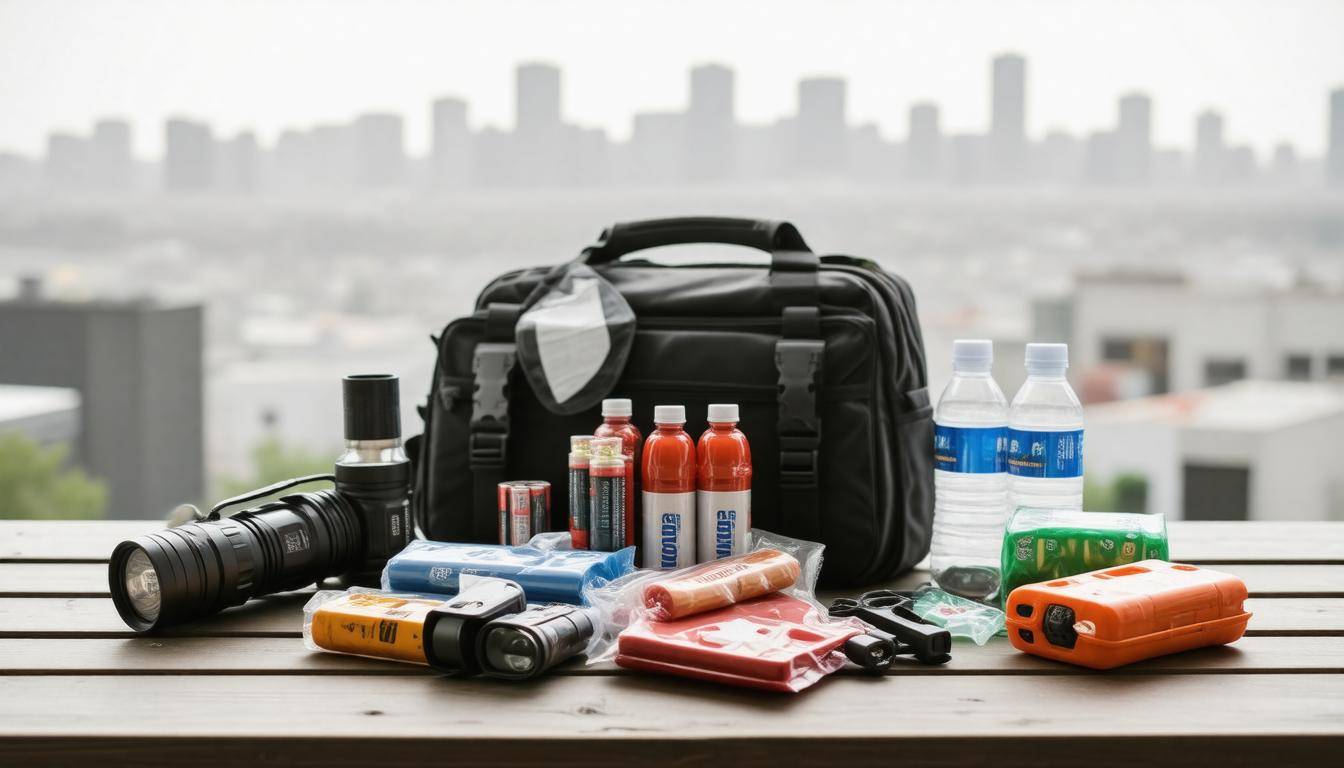
A comprehensive Managua Earthquake & Volcanic Emergency Kit should include essentials such as non-perishable food, water (at least one gallon per person per day), a first aid kit, flashlights with extra batteries, a multi-tool or Swiss army knife, dust masks to filter contaminated air, sturdy shoes, and important documents stored in a waterproof container. Additionally, consider including items specific to volcanic emergencies, like goggles and a whistle for signaling help.

Overview of Managua’s Seismic and Volcanic Risks
Managua’s location within the Pacific Ring of Fire makes it a prime target for both seismic shifts and volcanic activity. This geographical position results in a landscape that’s constantly shaped by powerful forces beneath the Earth’s crust. Nicaragua experiences hundreds of tremors annually, with varying magnitudes. While many of these quakes may go unnoticed, others can disrupt daily life significantly. The earthquake of 1972 serves as a stark reminder, demonstrating the destructive power of such natural events and the importance of having preparedness measures in place.
As we expand on this geological risk, we must consider Managua’s proximity to active volcanoes and their potential dangers.
Volcanic Threats
Neighboring volcanoes like Momotombo and Masaya contribute notably to the risks faced by locals. Momotombo is known for its sudden eruptions, with the most recent notable incident occurring in 2015. During this event, ash clouds disrupted air quality, leading to evacuations in nearby areas. Such scenarios are alarming reminders that even long periods of dormancy—like those experienced before its significant eruption in 1905—can’t guarantee safety. Residents should stay informed about ongoing monitoring efforts; many agencies provide updates on volcanic activity to warn communities before an eruption.
Conversely, Masaya presents a different kind of threat; it’s not just that Masaya erupts occasionally, but rather that it’s continually active. The volcano regularly produces gas emissions that can pose health hazards when inhaled, especially for vulnerable populations such as children and those with pre-existing health conditions. The surrounding communities often report high levels of sulfur dioxide, prompting health advisories during episodes of increased volcanic activity.
Considering these hazards establishes why having an emergency plan is crucial for anyone living in or near Managua.
By understanding the exceptional seismic and volcanic threats that define Managua’s geography, residents can take proactive measures, such as maintaining an updated emergency kit and staying informed through local news channels about seismic activities. Participating in community awareness programs can collectively enhance individual and neighborhood safety when disaster strikes. Awareness isn’t just about preparation; it also instills confidence in being ready to face nature’s challenges head-on.
With a clear understanding of these risks, let’s now shift focus to essential items that enhance your immediate safety during emergencies.
Must-Have Items for Immediate Safety
In any earthquake or volcanic event, a well-stocked emergency kit can be a lifesaver. Prioritizing essential items is crucial; these are not just conveniences—they’re necessities that can help you navigate an emergency situation with greater confidence. Take a moment to visualize your family, gathered with basic provisions at hand, each person knowing they have the tools necessary to face unpredictable circumstances.
Essential Items
-
First-Aid Kit: A comprehensive first-aid kit is critical. It should include bandages of various sizes, antiseptic wipes for cleaning wounds, pain relievers to ease discomfort, scissors for cutting materials safely, and any prescription medications that you or your family members may need. Having a well-organized kit—perhaps in an easy-to-carry backpack—ensures that you can access vital medical supplies quickly when time is of the essence.
-
Water and Food: Water is an absolute priority; aim to store at least a three-day supply of bottled water, calculating about one gallon per person per day. Equally essential is food—opt for non-perishable items like canned goods, energy bars, and dried fruits. Imagine each member of your family having nutritious sustenance ready at their fingertips during an emergency. This alone can ease anxiety and bring comfort amid chaos.
-
Flashlight and Batteries: Power outages are common during natural disasters like earthquakes or eruptions. A reliable flashlight paired with extra batteries ensures you have light when you need it most. Look for LED flashlights which tend to last longer and shine brighter; nothing beats being able to illuminate a space filled with uncertainty.
-
Whistle: A whistle can be a small yet powerful tool during distressful moments. If trapped under debris or unable to call out loudly, a whistle signals for help much more effectively than yelling, which can leave you hoarse and exhausted. Including one in your kit is an easy way to enhance your safety.
-
Dust Masks: In the event of volcanic eruptions, protecting your respiratory health becomes paramount. Dust masks prevent inhalation of ash that could disrupt breathing and cause serious harm. It’s wise to keep several handy so everyone in your household has access to this essential protective gear.
-
Multi-Tool: The versatility of a multi-tool cannot be overstated. With functions ranging from cutting rope to opening cans or making minor repairs, this compact item serves numerous purposes while taking up very little space in your emergency kit. It becomes especially valuable if you must make quick adjustments or repairs in the aftermath of an event.
-
Emergency Blanket: An emergency blanket can be a true asset for warmth and comfort if you find yourself displaced from home. Compact and lightweight, these mylar blankets reflect body heat, keeping you warm even in cold conditions without adding bulk to your kit.
Each of these items plays a pivotal role in fostering immediate safety during emergencies; however, creating a plan that incorporates these essentials prepares you for longer durations of uncertainty ahead.
Long-Term Survival Supplies for Your Kit
Planning for extended survival after a disaster isn’t just about having food and water; it’s about ensuring you can sustain yourself and your loved ones. One essential item to consider is water purification tablets. Water is life, and having a reliable way to transform questionable sources into clean drinking water can make all the difference. These tablets are compact and easy to use; simply adding them to water ensures that even those murky puddles become safe to drink.
Equally valuable is a portable stove with fuel. If you’re faced with an outage of utility services, being able to cook food and boil water will be crucial. It allows you to prepare warm meals, which not only provides comfort but also nutrition, keeping energy levels up during stressful times. Portable stoves don’t take up much space in your kit and can often handle various cooking methods. Plus, boiling water is one of the most effective methods for purifying it, giving you extra peace of mind.
To power your devices during an emergency, consider including solar-powered chargers in your kit. These handy items allow you to harness solar energy to keep your phone or radio functional, meaning you can stay connected or informed through updates on the situation around you. In a world reliant on technology, maintaining power sources for critical devices becomes essential; being able to recharge without electricity can alleviate significant stress during an already uncertain time.
Long-Term Survival Items
| Item | Purpose |
|---|---|
| Water Purification Tablets | Clean water supply |
| Portable Stove | Cooking and boiling water |
| Solar-Powered Chargers | Keeping electronics functional |
| Sleeping Bags and Mats | Warmth and comfort while sleeping |
| Extra Batteries | Powering devices |
| Manual Can Opener | Opening food cans |
| Hygiene Items | Maintaining cleanliness |
Don’t overlook the importance of sleeping bags and mats. They provide warmth and comfort while you rest, which is essential for maintaining morale and energy levels during lengthy emergencies. Being comfortable enough to sleep soundly can have a profound impact on how well you manage stress.
Additionally, gathering extra batteries ensures that all battery-operated devices remain usable as most disasters often render power supplies unreliable. Consider the type of devices you’ll rely on, and stock up accordingly.
A simple manual can opener may seem mundane but could prove invaluable when it comes time to access canned goods. Many people forget this crucial tool until they find themselves staring at cans with no way to open them.
Hygiene items shouldn’t be neglected either — they are fundamental for maintaining cleanliness during tough situations. Effective hygiene practices can prevent illness when medical resources may be scarce.
Ensuring that your emergency kit is well-stocked with these long-term survival supplies can significantly enhance your preparedness for unforeseen circumstances. As we shift our focus now, it’s equally important to discuss how to bolster your living environment against potential threats from nature.
Securing Your Home Against Disasters
Your home can be both a refuge and a hazard during natural disasters, especially in areas prone to earthquakes and volcanic activity like Managua. Securing heavy furniture and appliances to walls is an essential first step; this not only prevents tipping during quakes but also keeps pathways clear for escape if needed. I always recommend anchoring bookshelves and cabinets to the wall using brackets or straps, which provides that added layer of security.
Another key measure is installing flexible gas connections rather than rigid ones. Why? Because in the event of an earthquake, flexible connectors can absorb jolts without snapping and causing gas leaks—one of the primary causes for house fires post-disaster. It’s a relatively simple installation that can provide significant peace of mind.
Now let’s talk about windows—often overlooked, yet they’re crucial points of weakness in your home’s structure. Reinforcing them with shatterproof film is an excellent idea because it holds glass shards together in the event of breakage, reducing the risk of injury. Think about how terrifying it would be to have glass flying around when you’re trying to take cover. Additionally, if you’re in an older building, retrofitting structures to meet current seismic standards will contribute to greater stability during an earthquake. This could involve bracing walls or strengthening foundations, actions that may not seem immediate but are worthwhile investments for safety.
Remember, taking these precautions doesn’t just safeguard your physical space; they also instill confidence in you and your loved ones.
Regularly reviewing and updating these safety measures can make all the difference when disaster strikes. Perhaps consider holding a family emergency drill where everyone knows their escape routes and designated meeting spots outside the home. Practicing these protocols means you’ll react instinctively under pressure, ensuring everyone stays calm and collected when faced with uncertainty.
As we tighten our focus on safety preparations, it is equally important to understand the aftermath of such events and their impact on communities.
How Earthquakes and Eruptions Impact Residents
Earthquakes often strike without warning, shaking the ground beneath our feet and causing destruction in seconds. Buildings can crumble, trees can fall, and vulnerable infrastructure can fail—leading to physical injuries and loss of life. The aftermath leaves a trail of devastation that doesn’t just affect the physical landscape; it alters lives in fundamental ways.
The emotional toll is equally significant. Survivors may deal with trauma, anxiety, and the stress of recovery, which often takes years. Families displaced by collapsed homes face not only the challenge of finding shelter but also navigating insurance claims, community resources, and rebuilding efforts while managing everyday responsibilities.
Imagine losing your home overnight and having to stay in temporary accommodations with minimal stability. This disruption can strain relationships and create feelings of helplessness among affected residents.
Volcanic eruptions bring their own set of challenges as they can coat the area in thick ash and make air travel impossible. Not only does this ash contaminate water supplies—making it unsafe to drink—but it can also create respiratory issues for residents who must breathe in fine particles suspended in the air. Schools may remain closed for extended periods, disrupting education for children and creating logistical nightmares for working parents who rely on consistent routines.
For instance, during the 1972 earthquake in Managua, many were left homeless after buildings crumbled like sandcastles against the tide. Such catastrophes can redefine communities overnight. Similarly, when Momotombo erupted in 2015, thousands were forced to evacuate. Daily life was disrupted not merely for days but for months, impacting commerce and livelihoods in profound ways. Families faced lost income and struggling businesses amidst an environment rife with uncertainty.
The economic ramifications extend beyond immediate disaster response costs; they ripple through local markets and ecosystems as commerce collapses under pressure from natural chaos. Essential services might falter, leaving residents to fend for themselves until recovery is achieved—a process that can be agonizingly slow.
Recognizing how earthquakes and eruptions impact residents sets the stage for understanding what steps individuals can take to better equip themselves for such situations. In doing so, we pave the way for discussions on methods to enhance safety and preparedness during these critical moments.
Safety Tips During Earthquakes
Knowing what actions to take when an earthquake strikes is essential for minimizing injury and panic. First and foremost, remember the mantra: “Drop, Cover, and Hold On.” The moment you feel the ground shaking, drop down to your hands and knees. This position protects you from being knocked over while also allowing you to move if necessary.
Then, quickly cover your head and neck with your arms or seek refuge under a sturdy piece of furniture—like a table or desk. This shelter can help guard against falling debris, which is a significant cause of injury during earthquakes.
It’s worth repeating this simple yet effective method: Drop, Cover, and Hold On. Staying put until the shaking subsides is crucial as many injuries occur when individuals rush outside or try to flee during tremors. If you’re indoors when an earthquake shakes your surroundings, hold on firmly to that piece of furniture until the trembling stops—this stability can make all the difference.
What if you’re outdoors? A change of scenery brings a different set of precautions. In that scenario, steer clear of buildings since they might collapse, streetlights that could fall unexpectedly, and utility wires that may snap during an earthquake. Find an open space, away from anything that could potentially fall or cause harm; after all, finding safety should be your top priority.
For those behind the wheel when the quake occurs, staying calm and safe is key. Your best course of action is to pull over safely to the side of the road, away from bridges or overpasses where objects above could pose a risk. Stay inside your vehicle with your seatbelt fastened until the shaking ceases. Remember that it’s common for roads to become damaged suddenly—quickly assessing your surroundings helps ensure you stay safe.
A staggering statistic to consider is that approximately 60% of injuries during earthquakes result from people being caught by collapsing walls or debris. This underlines why taking cover and securing yourself under strong furniture is not just good advice—it’s crucial.
Following these steps will not only keep you safe but could very well save your life or the lives of those around you in times of uncertainty.
With these safety tips in mind, it becomes vital to understand more specific measures you can take in situations involving volcanic events and their potential dangers.
Volcanic Eruption Safety Measures
Precautionary measures during a volcanic eruption are vital for survival. One of the primary rules is to remain indoors. This might seem restrictive, but staying inside protects you from harmful ashfall and the debris that can accompany an eruption.
Close all windows and doors securely—this is non-negotiable—as it helps block ash from infiltrating your home. A home filled with ash not only becomes a mess but can also pose serious health risks.
In such tense scenarios, simple items like dust masks or even improvised cloth coverings for your nose and mouth become essential tools. You might think of this as akin to warding off a thick fog of micro-particles; however, unlike ordinary fog, these particles are toxic and can cause respiratory complications.
Another practical tip to prepare is to regularly clean roof gutters before an eruption occurs. Ash accumulation can lead to significant structural damage, especially if water collects in clogged gutters and weighs them down. It’s about being proactive rather than reactive; maintaining clear gutters will ease the burden when ash fall is expected and prevent potential disasters.
Additionally, keep your emergency kit well-stocked with necessities not just for ash-related issues but for general preparedness during natural disasters. Supplies like bottled water, non-perishable food, and first-aid kits should be staples in your household inventory. Don’t forget about necessary medications, especially those needed for respiratory issues—having extras on hand can make all the difference.
Familiarize yourself with your local evacuation routes as well; knowing how to swiftly exit an area under threat can save valuable time. Equipped with this knowledge and preparation, you’ll be better positioned to face any challenges that arise.
Community Resources and Support Networks
Leveraging community resources enhances your personal preparedness and strengthens the overall resilience of your neighborhood. In Managua, connecting with local organizations and being part of support networks is critical during and after emergencies like earthquakes or volcanic eruptions. These interactions build a safety net around you, allowing for faster response and aid when disaster strikes.
Local Organizations
Start by engaging with local organizations such as SINAPRED, which plays a vital role in disaster preparedness at the national level. Additionally, seek out community groups that focus on training and awareness around disaster situations. Often, these groups organize training sessions and drills that help everyone become more familiar with emergency protocols.
Many neighborhoods have volunteer networks designed to disseminate information quickly during crises or organize evacuation plans. For instance, our local group once held a meeting where we developed communication plans to ensure everyone knew how to reach each other if phone services went down. These initiatives not only prepare individuals but also foster community spirit.
It’s especially essential for vulnerable populations—like the elderly or disabled—who might need additional assistance during emergencies. By actively participating in these groups, you can ensure that no one is left behind. Moreover, connections made through these organizations often result in lasting relationships that extend beyond emergencies, creating a tight-knit supportive environment.
As you engage further in community involvement, remember that preparation isn’t just about individual readiness; it’s about collective strength forged through collaboration and shared knowledge.
In conclusion, embracing local resources can enhance both personal and community preparedness, enabling swift responses in the face of adversity. Prepare today so that you are ready tomorrow.
How often should I review and update my emergency kit to ensure its effectiveness?
You should review and update your emergency kit at least twice a year, ideally during the change of seasons. This ensures that all items are in good condition, food and water supplies are not expired, and you can reassess any new risks or changes in your household needs. According to FEMA, nearly 60% of Americans do not have an emergency kit, so regularly updating yours can significantly enhance your preparedness and response capability in the face of potential earthquakes or volcanic events.
How can I effectively prepare my family for an earthquake or volcanic eruption in Managua?
To effectively prepare your family for an earthquake or volcanic eruption in Managua, create a comprehensive emergency kit that includes water, non-perishable food, first aid supplies, flashlights, batteries, and important documents. Additionally, ensure all family members are aware of evacuation routes and practice earthquake drills regularly; studies show that communities with preparedness training can reduce injury rates by up to 50%. It’s also critical to stay informed about local geological activity through government updates and alerts. Engaging in community preparedness programs can further enhance your family’s safety during such events.
What are the first steps I should take immediately following an earthquake or volcanic event?
After experiencing an earthquake or volcanic event, the first steps you should take include ensuring your immediate safety by moving away from any potential hazards like falling debris or lava flows and finding a safe location. Assess yourself and others for injuries, administering first aid if necessary. According to FEMA, in the aftermath of an earthquake, about 90% of injuries occur due to falling objects, so being aware of your surroundings is crucial. Additionally, monitor local news and emergency services for updates and follow their instructions to stay informed and safe during any aftershocks or further volcanic activity.
What specific items should be included in a Managua earthquake and volcanic emergency kit?
A comprehensive emergency kit for Managua, which is prone to earthquakes and volcanic activity, should include essential items such as non-perishable food, water (at least one gallon per person per day for three days), a first-aid kit, flashlight with extra batteries, whistle to signal for help, dust masks to filter harmful air pollutants, sturdy gloves, blankets or sleeping bags, a multi-tool or knife, and important documents in a waterproof container. According to disaster preparedness statistics, having these items can significantly increase survival chances during emergencies, especially in regions like Managua where seismic and volcanic activity is common.
Are there local resources in Managua for assembling emergency kits or training on disaster preparedness?
Yes, Managua offers several local resources for assembling emergency kits and training on disaster preparedness. Organizations such as the Nicaraguan Red Cross provide workshops and materials related to earthquake and volcanic event readiness. Additionally, government agencies often conduct training sessions to equip residents with essential skills. According to data from the National System for Disaster Prevention, Mitigation, and Response (SINAPRED), approximately 70% of households in high-risk areas are encouraged to prepare emergency kits, highlighting the importance of local initiatives in fostering community resilience.