
Typhoons are a reality for many living in Manila, and preparing for them is about more than just smacking together some supplies. It’s about protecting yourself and your loved ones when the storm clouds gather. With heavy rains and fierce winds, having a dependable emergency kit can be the difference between chaos and calm. Creating this kit may sound daunting, but it’s all about knowing what you need and getting organized ahead of time. In this guide, we’ll walk you through the essential items to include in your typhoon preparation kit—because staying safe shouldn’t feel like pulling teeth!
A Manila Typhoon Preparation Kit should include essential non-perishable food items, clean drinking water, first aid supplies, flashlights with extra batteries, hygiene products, and important documents stored in waterproof bags. Additionally, consider including a battery-operated or hand-crank radio to stay informed about weather updates and any necessary evacuation procedures.
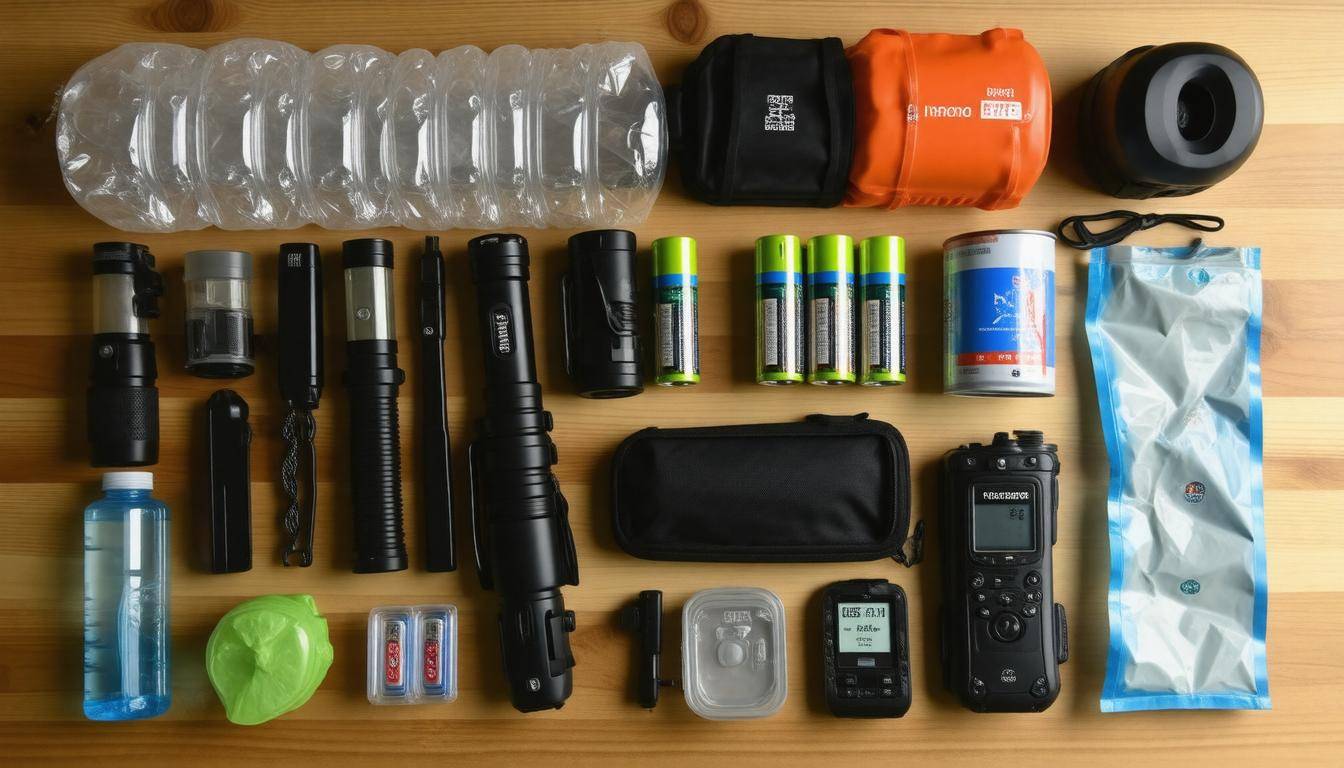
Manila Typhoon Preparation Kit Overview
Preparing a typhoon kit is more than just ticking off boxes; it’s about ensuring you and your loved ones can withstand the challenges posed by severe weather. In an environment where heavy rains and strong winds are common, having a well-stocked emergency kit can make all the difference. Your kit should include various essential elements that cater to both immediate and longer-term needs.
Key Elements of a Typhoon Kit
At the core of your typhoon preparation kit lies a few crucial components: food, water, shelter, and medical supplies. Each one serves its unique purpose in keeping you safe during an emergency. These basics become even more effective when complemented by additional items focused on communication, hygiene, and safety. For instance, bacteria thrive in damp environments; therefore, sanitation items such as moist towelettes and hand sanitizers are vital.
Remember: A well-prepared kit should sustain you through at least 72 hours of potential isolation.
To build an effective food supply, aim for non-perishable products that are high in energy yet require minimal preparation. Consider including canned goods like beans or vegetables, ready-to-eat meals, energy bars, and even dried fruits for quick nutrition. Hydration is critical under stress—stock up with at least one gallon (3.8 liters) of water per person per day.
Beyond the essentials we typically think about, safety tools and equipment are just as important; they ensure you’re prepared for any circumstance.
Safety items in your kit can range from a reliable flashlight with extra batteries to local maps that help navigate unfamiliar areas if evacuation becomes necessary. Including a multi-tool or Swiss Army knife is also advisable; it’s surprisingly handy for various tasks. Basic hygiene necessities become priceless when resources are limited.
Additional Recommendations
- First Aid Kit: Pack it with essential items like bandages, antiseptic wipes, pain relievers, and any personal medications.
- Whistle: An often-overlooked item that can be invaluable if you need to signal for help.
- Dust Masks: These provide protection against contaminated air, especially in urban areas post-typhoon where debris may litter the landscape.
Finally, ensure to keep everything organized; packing items in airtight containers or bags will help maintain freshness while rotating stored foods regularly prevents loss.
Rounding out your preparation involves not just collecting items but adopting a proactive mindset. Regularly review and update your kit based on seasonal changes and past experiences to better prepare for future emergencies. Next, we will focus on exploring the optimal supplies you’ll want to have readily available in your kit.
Essential Supplies for Your Kit
When preparing your typhoon survival kit, it’s important to be deliberate about each item you include. Think of it as crafting a safety net that will sustain you through difficult times. Start by ensuring you have enough high-energy non-perishable foods like canned goods, protein bars, and dried fruits, which are crucial when fresh food isn’t available. These items are easy to store and require minimal preparation; they can supply vital nutrients when you’re most in need.
Some recommended staples include:
- Canned beans, which are high in protein and fiber,
- Soup for warmth and hydration,
- Canned meats like tuna or chicken that provide protein and can be used in various meals,
- Granola or protein bars that are compact and easy to consume without any prep.
In addition to food, hydration is another critical element of your emergency kit that cannot be overlooked.
Water is essential; experts recommend at least one gallon (3.8 liters) per person per day for at least three days. It’s wise to store water in sturdy containers that won’t leak. Don’t forget about other hydration options, like electrolyte drinks; these can help replenish lost nutrients and keep energy levels stable during stressful situations. If you’re worried about running out, consider investing in a portable water filtration system for long-term sustainability.
Remember: Staying hydrated helps maintain your overall health and boosts mental clarity during emergencies.
Next on our checklist are tools—those little essentials that make a big difference when you’re cut off from the outside world.
A well-stocked survival kit should include fundamental tools like a multi-tool or Swiss Army knife. This handy gadget can serve multiple purposes from opening cans to repairing things around your home. You should also pack a powerful flashlight; look for LED lights with extra batteries—at least two sets—to ensure you have reliable visibility if the power goes out. Don’t underestimate the importance of waterproof matches or lighters; reliable fire sources can greatly improve your comfort level by allowing you to cook food, boil water, or just stay warm.
To round off your kit, add these crucial items:
- Personal hygiene products: These help maintain cleanliness and morale.
- First aid supplies: A well-stocked first aid kit should contain adhesive bandages, antiseptic wipes, and over-the-counter pain relief.
Finally, consider personalizing your emergency kit with items specific to your family’s needs and situation.
Carefully think about what additional supplies could make life easier. Extra blankets can be vital during cooler temperatures while local maps could help navigate if roads become blocked during a typhoon. Store important documents like identification and insurance information in waterproof containers so they’re safe even amidst chaos.
Having these thoughtfully chosen essentials on hand makes facing an emergency less daunting, transforming uncertainty into preparedness.
This preparation lays the groundwork for ensuring access to necessary resources when facing extreme weather events. Expanding our focus now, let’s explore how best to secure adequate nourishment and hydration during challenging times ahead.
Water, Food, and Hydration
Having a sufficient supply of clean water is critical during emergencies, especially in places prone to natural disasters like typhoons. The CDC’s recommendation of one gallon per person per day serves as a solid guideline. For a typical household of four, that’s 12 gallons just to cover three days. This figure may seem excessive, but considering the unpredictability of emergencies, it’s better to err on the side of caution. If space permits, aim for even more than this minimum. Adding water purification tablets or a portable filter can also be a lifesaver if those stored bottles start running low.
Calculating Water Needs
At this point, you might wonder how much water you’ll actually need. It’s not only about drinking but also about cooking and hygiene; therefore, being prepared with an adequate water supply will alleviate stress during crises. Every member of your family needs their fair share.
Consider this: if you’re stuck without access to clean drinking water for days, having that 12-gallon supply could make all the difference between health and illness.
But what about food? Focus on non-perishable items that offer balanced nutrition to keep energy levels up. Packets of peanut butter or jars of jelly paired with shelf-stable crackers not only make for quick meals but also serve as comfort foods that maintain morale during tough times. Canned vegetables are also great options; they hold vitamins and minerals essential for maintaining health when fresh produce is unavailable.
Furthermore, incorporating dried fruits and nuts into your kit provides key nutrients such as essential fatty acids and proteins. These snack items are versatile; they’re easy to eat on-the-go and require no preparation, making them perfect assets in an emergency food stash.
Hydration Tips
Remember to never overlook hydration! It’s important to include electrolyte packets or sports drinks in your kit. They help replenish lost nutrients if anyone becomes dehydrated or has experienced stress-related fatigue. Think of these as insurance against unforeseen circumstances. The right hydration choices can make a world of difference when everyone is counting on you during a disaster.
Building a robust supply of water and food is just one part of your preparation journey. Next, we’ll explore how to equip yourself with crucial medical supplies that can further safeguard you during challenging times.
First Aid and Medical Supplies
In any emergency situation, having a well-stocked first aid kit can make all the difference between managing an issue or facing serious consequences. Your first aid kit should be readily accessible and tailored to address common injuries and illnesses that may arise during a typhoon or other natural disaster. After all, nobody wants to scramble for a band-aid when they really need one.
Standard First Aid Kit Contents
A comprehensive first aid kit must include the following essentials:
-
Adhesive bandages of various sizes: Necessary for dressing minor cuts and abrasions; these come in handy for both adults and children.
-
Antiseptic wipes and hand sanitizer: Maintaining cleanliness is crucial; these help prevent infections in wound care.
-
Sterile gauze pads: Ideal for covering larger wounds and stopping bleeding before professional help can be reached.
-
Tweezers and scissors: Versatile tools that are essential for removing splinters or cutting tape, gauze, or clothing if necessary.
-
Over-the-counter medications like pain relievers and antihistamines: Common medications can significantly help with fever, pain relief, or allergy symptoms during stressful times.
As you stock your kit with these basics, don’t forget the people who rely on you for care. If you have specific health conditions or take daily medication, include a 30-day supply of necessary prescriptions along with a photocopy of medical records. This ensures that you have access to crucial information during an emergency.
When preparing to evacuate, every inch of space in your emergency bag counts. So it’s not just about filling your kit but also choosing wisely what goes inside. You might find it beneficial to pack items like instant cold packs for sprains or burns, hydration salts for dehydration, or even a digital thermometer to monitor health conditions if needed.
“Remember that emergencies don’t always happen conveniently during daylight hours; preparation makes all the difference!”
In addition to the core items already mentioned, consider incorporating specialized medical supplies or tools that cater to individual needs. This strategic packing will help ensure readiness in challenging situations and elevate your safety plans significantly. Up next, let’s explore how to efficiently organize your gear for optimal preparedness.
Pack and Prepare Your Emergency Bag
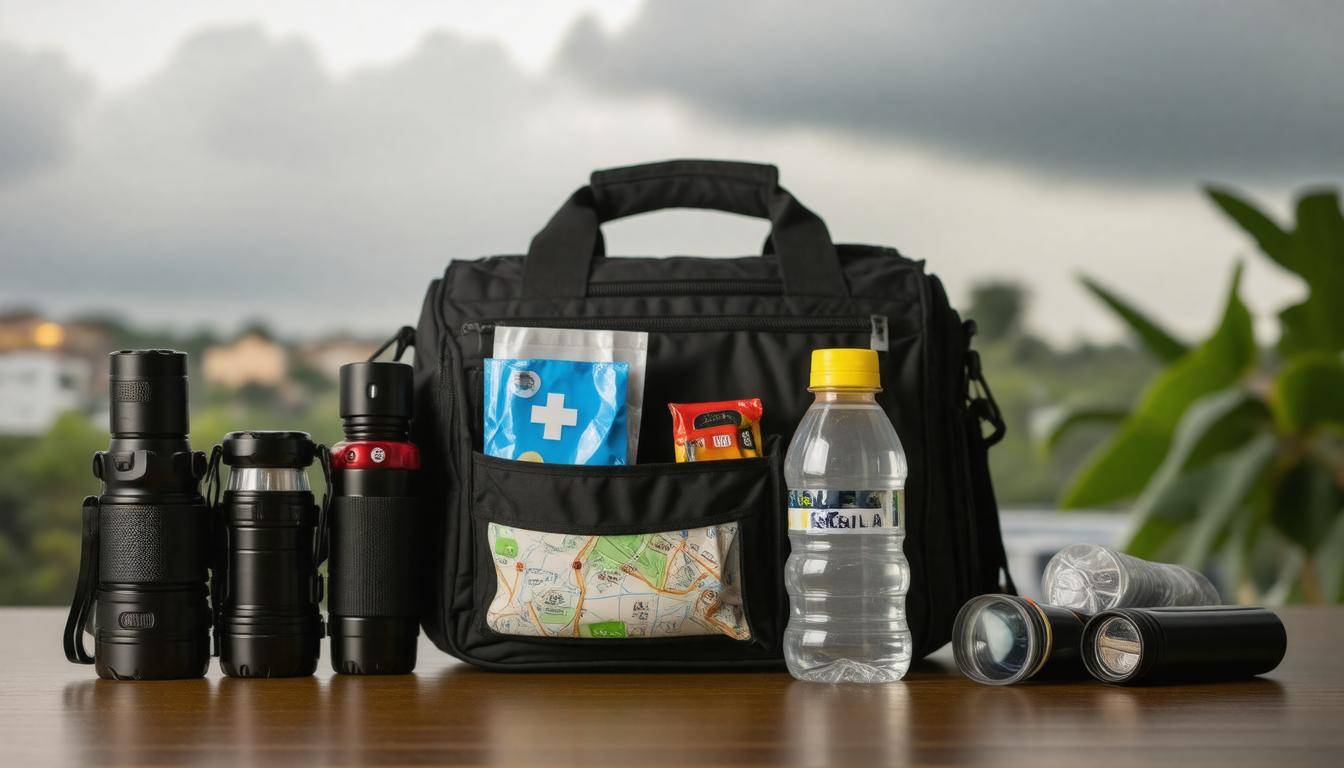
Organization is key when getting ready for a potential evacuation, especially in a place like Manila where sudden typhoons can disrupt life. But it’s not enough to simply throw things into the bag; efficient packing can make all the difference when stress levels are high. Think of this process as preparing for an adventure—you’re assembling the essentials you’ll need to navigate through uncertain times.
Step-by-Step Packing Guide
Step I – Select a Sturdy Bag
Start with a waterproof backpack or duffel bag; rugged materials are essential because you’ll want your belongings to stay dry, regardless of what the weather throws at you. A structured backpack tends to distribute weight better, easing the burden during a hurried exit. Avoid using multiple smaller bags since they can be cumbersome and tricky to manage when time is of the essence.
Step II – Prioritize Items
Once you’ve selected the right bag, think strategically about how to load it. Pack heavier essentials at the bottom; this creates a solid base that won’t topple over during movement. Your immediate needs, like medications and first aid supplies, should sit right on top or near an easily accessible side pocket so you can reach them quickly if needed. If you have little ones, consider packing their favorite comfort items close at hand too. Kids may need extra emotional support during chaotic times.
Step III – Stick to Essentials
While it might be tempting to stockpile items “just in case,” remember that clutter can weigh you down both physically and mentally. Focus on necessary items like non-perishable food, water, and hygiene products like hand sanitizer and wet wipes. Important documents shouldn’t be overlooked either—copies of passports and health insurance cards should go in a waterproof sleeve and be easily retrievable.
Planning ahead allows you to feel more in control during emergencies, which helps alleviate some of the stress associated with evacuations.
Once your pack is ready, it’s crucial to ensure that you’re equipped with adequate shelter and basic necessities to face any challenges that may arise.
Portable Shelter and Necessities
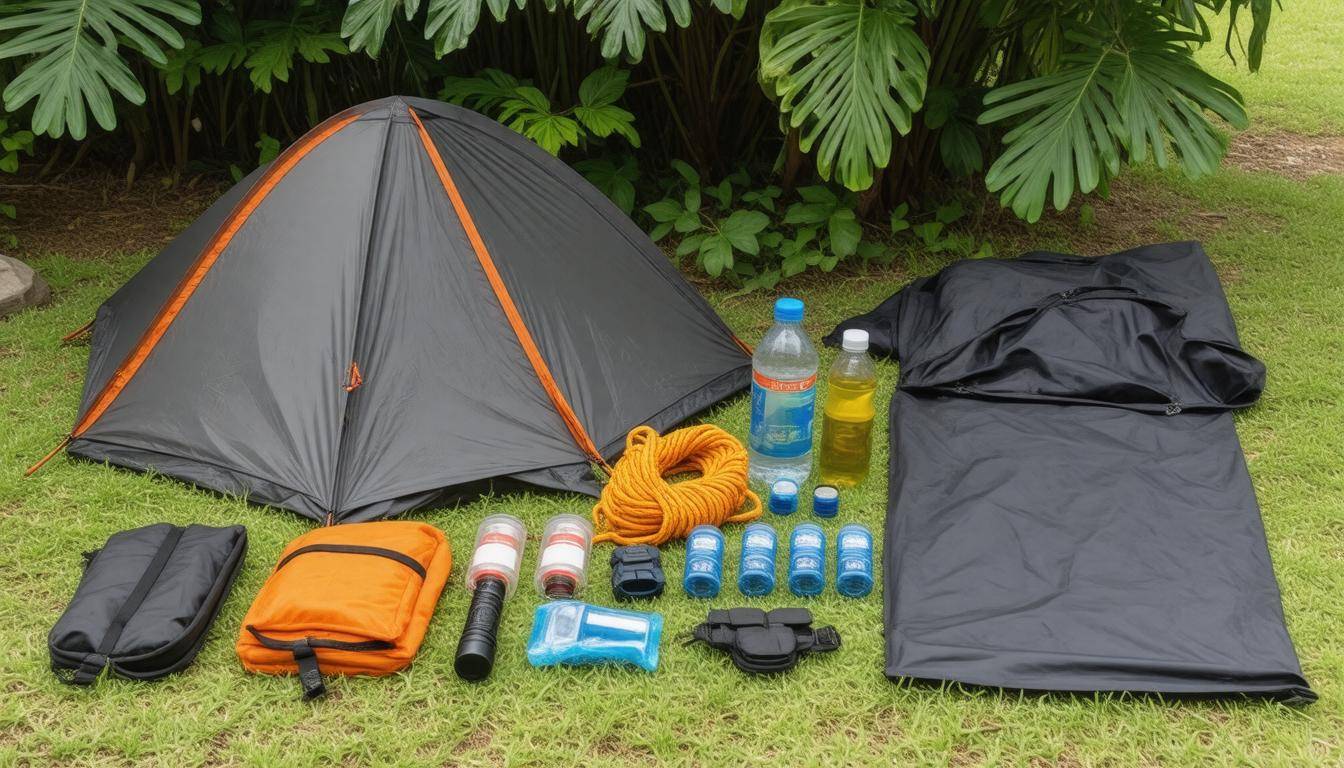
When preparing for a potential typhoon or other emergencies, having a reliable portable shelter can truly be life-saving if your home becomes uninhabitable. The options range from simple tarps to better-structured tents and pop-up shelters.
Each type has its own benefits and considerations; for instance, while pop-up shelters can provide quick cover against rain and wind, tarps are lightweight and versatile enough to serve multiple purposes. It’s important to choose something that can be easily transported. Always consider the weight and space each option occupies in your emergency kit. After all, in a time of crisis, every pound counts.
Essential Shelter Accessories
Beyond the shelters themselves, there are important accessories that will greatly enhance your experience. Ground stakes play a crucial role in securing tents or tarps against strong winds, so having around 6 to 10 on hand is advisable. Pairing these with sturdy rope or paracord—at least 50 to 100 feet—allows you to create additional supports or lines if needed. Plus, emergency blankets are compact yet effective in retaining warmth, making them ideal companions when temperatures drop unexpectedly.
While shelter is vital for physical safety, it’s also essential to have basic necessities ready for comfort and survival as well.
Basic Necessities for Shelter
A first aid kit is a non-negotiable item. It should include bandages, antiseptic wipes, pain relievers—even a pair of scissors for emergencies can come in handy. A flashlight with extra batteries is indispensable too; you want something reliable if you find yourself navigating through the dark due to power outages. Also keep a multi-tool in your kit—it often includes essentials like a knife, screwdriver, and even a can opener.
- First Aid Kit: Band-aids, antiseptics, pain relievers.
- Flashlight: LED with at least two sets of extra batteries.
- Multi-tool: Knife and screwdriver among others.
Water and food supplies are just as critical for sustaining energy during emergencies.
Water and Food Supplies
Always pack at least one gallon of water per person per day; consider bringing enough for three days minimum. Non-perishable food items should also be included—energy bars or canned goods work well here—but don’t forget dried fruits which can provide both nutrition and morale. It’s easy to overlook meals during times of stress but remember that sustenance not only feeds your body but also helps maintain one’s emotional wellbeing during tough times.
Lastly, don’t forget those personal items which often carry significant weight in emergencies but can easily be overlooked when packing.
Personal Items
Identification documents such as copies of IDs and insurance papers are crucial if you find yourself needing assistance after a disaster strikes. Hygiene supplies like biodegradable soap and toothbrushes might seem minor but maintaining personal hygiene can uplift spirits dramatically during stressful situations. These small comforts enhance what could otherwise feel like an overwhelming ordeal.
By ensuring you have these essential items at hand, you’re laying the groundwork not just for survival but also for maintaining peace of mind during challenging circumstances. Let’s now turn our attention toward strategies that enhance your overall readiness in the face of adversity.
Safety and Security Plan
Crafting a safety and security plan should be as detailed as it is strategic. First and foremost, it’s critical to assess your home for potential hazards. Look for anything that could become a projectile during high winds or flooding, such as loose garden furniture, potted plants, or even hazardous materials stored outside. By securing these items, you’re preventing further risks to your home and your family.
Elements of a Safety Plan
After securing the surroundings, it’s necessary to focus on fortifying windows and doors. This may involve placing plywood over windows or using storm shutters that can withstand strong winds. Not only does this minimize damage to your home, but it also protects everyone inside by reducing the chances of shattered glass flying around.
Collaborating with your neighbors should be at the forefront of your strategy. A neighborhood-wide agreement can prove invaluable in times of crisis. Perhaps you agree to check on each other’s homes or assist one another with emergency packs. Additionally, stay informed about local support infrastructures like emergency shelters. Knowing where these shelters are can provide an escape route for you and your family if things take a dire turn.
“When communities come together, they create strength that no natural disaster can tear apart.”
It’s important to have communication channels established before a storm hits, too. Make sure each family member knows how to get in touch via text or alternative messaging apps, especially if phone networks go down. Consider assigning designated meeting places both at home and within the community for everyone to regroup if separated.
An organized approach leads naturally into preparing an effective list of essential items that will serve you well when emergencies arise.
Comprehensive Checklist
To finalize your preparation, it’s essential to have a well-rounded checklist that ensures you’re not missing any vital items. The list below covers various categories critical during emergencies, especially in the face of a typhoon, where you need to be ready both physically and mentally. Having these items on hand can make all the difference when unexpected situations arise.
| Category | Essential Items |
|---|---|
| Food & Water | Canned goods like vegetables and meats; water bottles (at least 1 gallon per person per day); purification tablets for safe drinking water. |
| Medical | Comprehensive first aid kit including antiseptics, band-aids, prescription medications; keep medical records handy in a waterproof container. |
| Tools & Gear | Reliable flashlights with extra batteries; multi-tools for various needs; duct tape for quick fixes or securing items. |
| Sheltering | Tents for outdoor emergencies; sleeping bags or blankets for warmth; emergency blanket for protection against the elements; tarps for sheltering. |
| Documents | Store passports, insurance cards, and emergency contact lists in a waterproof bag to protect them from damage. |
| Communication | Battery-powered radio to receive updates; don’t forget phone chargers and a portable power bank to keep devices operational during outages. |
| Hygiene | Sanitation wipes and hand sanitizer for cleanliness; include a personal hygiene kit with essentials like toothbrushes and toothpaste. |
By cross-referencing this checklist before typhoon season hits, you lay down a solid foundation for managing unexpected emergencies confidently and effectively.
It’s crucial to remember that preparation doesn’t stop at gathering items; it involves organizing them wisely too. Whether it’s ensuring food is stored in airtight containers or having an easily accessible first aid kit, each detail significantly contributes toward your readiness. Regularly inspecting all supplies will help ensure nothing goes out of date or becomes inadequate over time.
Finally, after completing your checklist, consider discussing your plan with family members. Effective communication about safety protocols helps everyone understand their role and makes emergency responses much smoother. In moments of chaos, being prepared can empower you and those around you, transforming uncertainty into urgency while maintaining calmness in the face of storms ahead.
We live in unpredictable times, but with careful planning and organization, you can navigate typhoons with confidence. Stay informed, stay prepared!
How can families assess their individual needs when preparing their typhoon kit?
Families can assess their individual needs by considering the size of their household, the ages and health conditions of family members, and local climate patterns. For example, households with young children or elderly members may require specific supplies like baby food or medications. It’s essential to review past typhoons’ impact in their area; statistics show that over 60% of families affected by typhoons in Manila lacked adequate emergency supplies, highlighting the need for personalized preparation. By evaluating these factors, families can create a comprehensive typhoon kit that addresses their unique requirements.
What steps should be taken to maintain and update a typhoon preparation kit regularly?
To maintain and update a typhoon preparation kit regularly, first conduct a thorough inventory every six months to check expiration dates on food, medications, and batteries. Replace any expired items immediately to ensure effectiveness during an emergency. Additionally, keep an eye on seasonal weather forecasts; statistically, 60% of typhoons in the Philippines occur between May and October, making it crucial to reassess your kit before and during typhoon season. Finally, stay informed about new recommendations from local authorities on emergency supplies to adapt your kit as needed.
How can communities in Manila collaborate to improve overall preparedness for typhoons?
Communities in Manila can enhance their typhoon preparedness by establishing localized emergency response teams that facilitate regular drills, share resources, and educate residents on safety measures. Collaborative initiatives, such as creating community communication networks to disseminate timely weather updates, can significantly reduce response times during emergencies. According to data from the Philippine Atmospheric, Geophysical and Astronomical Services Administration (PAGASA), effective community engagement and preparedness programs can lower typhoon-related casualties by up to 30%. By fostering strong relationships among neighbors and local organizations, communities can build resilience against the impacts of typhoons.
What resources are available for finding reliable information on emergency preparedness specific to Manila?
Reliable information on emergency preparedness specific to Manila can be found through various resources such as the Philippine Atmospheric, Geophysical and Astronomical Services Administration (PAGASA), which offers real-time weather updates and safety guidelines. Additionally, the Local Government Units (LGUs) provide tailored disaster preparedness programs and materials for communities. The National Disaster Risk Reduction and Management Council (NDRRMC) also publishes comprehensive disaster preparedness manuals. According to a 2022 report, only 20% of households in Metro Manila are adequately prepared for typhoons, highlighting the need for improved access to reliable information and resources.
What essential items should be included in a typhoon preparation kit for residents in Manila?
Essential items for a typhoon preparation kit for Manila residents include water (at least one gallon per person per day for three days), non-perishable food, a flashlight, batteries, a first aid kit, and important documents secured in waterproof bags. Given that the Philippines experiences an average of 20 typhoons annually, being prepared can significantly increase safety and survival chances during emergencies. Moreover, having access to communication devices like a battery-powered radio can keep you informed about weather updates and evacuation orders.