
## Keeping Your Marriage Certificate Safe: Why It’s More Important Than You Think When was the last time you thought about the safety of your marriage certificate? Most people stash it away and hope for the best, but what if disaster strikes—like a fire or flooding? Losing this essential document could lead to some serious complications in life, from applying for benefits to proving your marital status. Just like you wouldn’t leave your front door wide open, having a plan for securing your marriage certificate is crucial. After spending time researching ways to safeguard these vital records, I realized that protecting our legal documents goes beyond just keeping them safe; it’s about being prepared to tackle any bumps along the road. Let’s dive into some practical strategies to ensure your marriage certificate remains secure and accessible when you need it most.
To store your marriage certificate for emergencies, it is recommended to use a combination of physical and digital storage solutions, such as placing the original in a fireproof safe at home while scanning a digital copy to save on an external drive or secure cloud service. Additionally, ensure that trusted family members know the location of these documents to facilitate quick access during urgent situations.

Securing Your Marriage Certificate for Emergency Situations
Your marriage certificate holds significant value beyond an emotional connection; it’s a pivotal document needed for various legal and financial matters. Losing this document can create unnecessary hurdles when you need services or benefits—whether that be filing taxes, securing loans, or even applying for insurance claims. Imagine needing to prove your marital status but facing delays because your important document is lost or destroyed.
Importance of Security
Given its importance, securing your marriage certificate should be a top priority. Simply putting it in a drawer won’t suffice. In fact, about 70% of homeowners do not have a fireproof safe for essential documents, exposing them to potential peril. Many people often underestimate how crucial it is to keep documentation secure until they are faced with an emergency.
Yet, securing your marriage certificate isn’t solely about keeping it from physical damage; it’s about ensuring you have access to it whenever you need it. Creating copies is a step most people overlook, assuming the original will always be safe where it rests. But what happens when that location is the very first place disaster strikes? That’s why preparing doesn’t just mean storing—it’s about planning ahead.
Multi-Layered Protection Approach
The best strategy for safeguarding essential documents, including your marriage certificate, is a multi-layered approach. This means combining both physical protection and digital storage solutions to provide comprehensive security. First, invest in a good quality fireproof and waterproof safe at home specifically designed to withstand disasters. These safes can usually secure paper documents against extreme heat and moisture, effectively protecting your marriage certificate at its most vulnerable times.
In addition to physical storage, it’s wise to create electronic copies of these vital documents. Scan your marriage certificate and store these digital files securely on an external hard drive or cloud service—although remember not to store sensitive identifying documents on cloud services due to security risks. Having multiple backups allows you quick access during emergencies while providing a safeguard against potential loss.
By taking proactive steps for security—like informing trusted family members about the location of your stored documents—you can rest assured that your vital records are well protected and accessible when needed most.
Finally—not every solution is permanent—remember to revisit your storage methods every couple of years as technology advances and ensure they still meet current safety standards. Regular audits of where you store critical documents can greatly reduce the impact of any potential crises down the line.
As we explore additional methods for securing essential items at home, we can examine innovative strategies that cater to modern needs while enhancing safeguarding techniques.
Home Storage Solutions
Several household items can serve as secure storage solutions for your marriage certificate and other vital documents.
A dedicated filing cabinet, for example, keeps your important papers organized and easily accessible. Imagine opening a labeled drawer and finding your marriage certificate exactly where you expect it to be. This ease of access can be especially helpful during emergencies when every moment counts.
Alternatively, consider using document sleeves to protect the certificate from dust and physical damage, prolonging its life and integrity.
Hidden Compartments
For those who want an extra layer of security, hidden compartments within furniture can be a clever storage strategy. Many homeowners have turned to bookshelves with concealed safes or false-bottom drawers as discreet options that keep documents out of sight.
This not only protects your marriage certificate but also adds an element of surprise for anyone who might try to rummage through your belongings. Keeping your sensitive documents in such places minimizes the chances of them being discovered by anyone uninvited.
Equally important to where you store these documents is how you separate the originals from any copies.
Separation for Security
It’s wise to maintain a separation between the original document and its copies. By doing so, if one set becomes compromised—whether through fire, water damage, or simply misplacement—you still have backups to rely upon in critical moments.
This practice effectively reduces what is known as single-point vulnerability, acting as a safeguard during emergencies when you need your documents most. Consider keeping the original in a secured location, like a fireproof safe or safety deposit box, while placing copies in different areas—perhaps even sharing digital versions with trusted relatives for added accessibility.
As you evaluate your home storage solutions, focus on creating an organized space that prioritizes both security and quick access, ensuring that in times of need, your family is ready with all necessary documentation at hand.
With careful planning and strategic organization, you can ensure optimal protection for your important records as we explore ways to enhance their security further through specialized cases designed specifically for safeguarding valuable items.
Fireproof and Waterproof Cases
The threat of unexpected disasters such as fires and floods can turn our lives upside down, making it vital to safeguard our irreplaceable documents. Implementing fireproof and waterproof storage solutions ensures that important records—like marriage certificates—remain intact against environmental challenges.
Imagine rushing home only to find that your prized documents have been lost forever due to a single careless moment; it’s a chilling thought indeed. Therefore, investing in high-quality cases is not just clever; it’s necessary.
Fire Resistance Ratings
Understanding the level of protection offered by different types of cases can help you make informed decisions when safeguarding your important documents. Every case comes with a fire resistance rating, indicating how long it can endure extreme temperatures before failing.
For example, many portable file boxes are designed to withstand up to 1,700°F for about an hour. Meanwhile, some document bags boast even more impressive ratings, maintaining integrity under temperatures reaching 2,000°F for two hours. This level of protection is paramount during emergencies because most house fires burn out within an hour—making this time frame critical for preserving your documents.
| Case Type | Duration (in mins) | Max Temperature (°F) |
|---|---|---|
| Fire Resistant Safe | 30 | 1550 |
| Portable File Box | 60 | 1700 |
| Document Bag | 120 | 2000 |
Additionally, don’t forget about the importance of waterproof features. Following a fire, water damage may occur from firefighting efforts or rising floodwaters. These scenarios underline the need for dual-protection cases equipped with both fire-resistant and water-resistant capabilities. Investing in such cases means you won’t have to choose between having your documents safeguarded from flames or moisture; you’ll get both.
Best Brands
When shopping for fireproof and waterproof storage, choosing reputable brands can significantly enhance your chances of reliable protection. Popular names like SentrySafe and FireKing consistently deliver trusted products designed according to rigorous safety standards. Always look for certification labels such as UL (Underwriters Laboratories) on the packaging; these labels verify that a product has undergone extensive testing and meets specific performance criteria.
“A fireproof safe is something people buy hoping it’s never needed,” highlights the proactive mindset involved in protecting your family’s legacy—your marriage certificate included. By following these insights into both the features and brands worth considering, you can take a confident step towards comprehensive protection for your cherished documents.
Having navigated through the importance of fireproof and waterproof storage, we’re ready to examine further strategies to ensure your essential records are securely backed up and protected.
Digital and Electronic Backups
In today’s digital age, having a marriage certificate stored securely and conveniently is crucial. Utilizing cloud storage services like Google Drive, Dropbox, or iCloud allows you to access your important documents anytime and anywhere while keeping them safe from unforeseen disasters such as fire or flooding. These platforms have robust encryption methods that make it much harder for cyber threats to compromise your files. Imagine being able to pull up your marriage certificate on your smartphone while traveling or quickly sharing it via email when needed—cloud services offer that flexibility.
While these online solutions are excellent for immediate access, they shouldn’t be your only line of defense. Having offline backups is equally important. External hard drives or USB drives serve as effective tools for storing digital copies of your marriage certificate away from the internet’s potential vulnerabilities. It’s wise to keep these external devices in different physical locations—perhaps one at home and another in a safety deposit box or with a trusted friend. This way, you minimize the risk of losing everything in case of theft or natural disasters.
However, considering the sensitivity of documents like marriage certificates, it’s essential to implement an extra layer of security beyond just these traditional storage solutions.
Encrypting your files before storing them digitally adds another level of protection. Encryption transforms your document into a coded format that makes it unreadable without the right access keys. You can use software like VeraCrypt to encrypt sensitive documents on both cloud services and offline drives. This offers strong peace of mind; even if someone gains unauthorized access to your drives or accounts, they won’t be able to read your marriage certificate without the decryption key.
It’s like putting on an invisibility cloak for your documents—only those with the magic password can see them!
Regularly updating your backup strategies ensures that you stay current with technology trends and security measures. As vulnerabilities in online systems evolve, so should your approach to safeguarding vital records. A proactive plan will include not just backing up old documents but establishing a routine check-up—to ensure that all backups are functioning properly and contain the most recent copies of important certificates.
By embracing both digital innovations and traditional methods, you create a powerful shield for your marriage certificate against various risks. Now, let’s explore practical options that cater to your storage needs while maintaining convenience and security.
Portable Storage Options
When it comes to safeguarding vital documents like marriage certificates, having portable storage options is key. This means you can grab everything you need in one quick sweep if the situation arises. Emergencies often come without warning, and being prepared can save time while safeguarding irreplaceable memories and legal documents.
Having a Document Go-Bag at the ready is one of the best methods for keeping your most important paperwork organized and accessible.
Go-Bags
A document go-bag is essentially your emergency toolkit for important papers. It’s a small, lightweight bag specifically designated for housing critical documents like your marriage certificate, passports, and any other paperwork that you may need on the fly.
What makes this option appealing is its mobility; you can store it by your front door or in an easily reachable closet.
Alongside your document go-bag, consider investing in weather-proof cases. These aren’t just nice-to-have; they serve a major purpose during sudden evacuations by protecting your important papers from water damage, tears, or even loss in chaotic situations. Each case typically has features like airtight seals, ensuring that dust and moisture won’t ruin your documents.
With these lightweight and rugged containers, you can breathe easier knowing that your essentials are protected no matter what happens outside your home.
But don’t just take my word for it—there’s often power in shared experiences when it comes to preparedness.
Personal Testimonial
“During the recent wildfires, having a document go-bag allowed me to evacuate quickly and ensured I had all my important papers,” says Karen L., a wildfire survivor. Her story illustrates how crucial it is to think ahead and act upon those thoughts with tangible solutions that make a difference in life-threatening scenarios.
Maintaining a well-organized approach to safeguarding crucial documentation not only prepares you for emergencies but also simplifies everyday tasks. Let’s explore effective strategies that can further enhance your document handling practices.
Document Organization Tips
Proper organization can save you a lot of headaches during stressful situations. Having a system in place for your important documents can bring a sense of clarity when every second counts.
One effective way to keep everything neat and accessible is by using binders. Labeled binders, equipped with clear plastic sleeves, offer an excellent solution as they protect your documents and allow you to find what you need at a glance. You can easily flip through the pages to locate a specific document, whether it be your marriage certificate or your child’s birth certificate.
It’s essential that each binder is clearly labeled with key categories. Think of categories like “Legal Documents,” “Medical Records,” and “Financial Statements.” This method makes every piece of documentation easy to retrieve in case you need to evacuate or seek assistance during an emergency.
Also, consider keeping the most critical documents—such as marriage certificates—at the front where they’re easily visible and reachable.
Using color-coded folders can further enhance this organizational strategy. This simple technique ensures that, even under pressure, you can distinguish between different types of documents quickly.
Color Coding
Imagine this: green for financial documents, red for medical records, and blue or yellow for personal identifiers like marriage certificates or identification cards. By utilizing colors in this way, you can create visual cues that make sorting through paperwork incredibly straightforward. Not only does this bring efficiency during emergencies, but it also allows any family member to step in and help without needing extensive knowledge about where everything is stored.
In addition to organization and color-coding, regularly scheduled reviews can further optimize your document storage strategy. This practice involves going through your files at least biannually to reassess what’s needed and what might be outdated.
During these reviews, ensure to remove any irrelevant documents and update new ones as necessary. Make it a habit also to check if the information on existing documents is current; for instance, changes in marital status or address updates should reflect on relevant paperwork.
For many families, establishing this orderly system cuts down confusion while acting as a safeguard against loss or damage during unexpected events. By integrating clear labeling with both binders and color-code strategies, you’re well on your way toward maintaining order while protecting valuable documents such as marriage certificates for years to come.
Transitioning from these organizational insights brings us to the importance of ensuring quick retrieval of essential documents during crises.
Quick Access During Emergencies
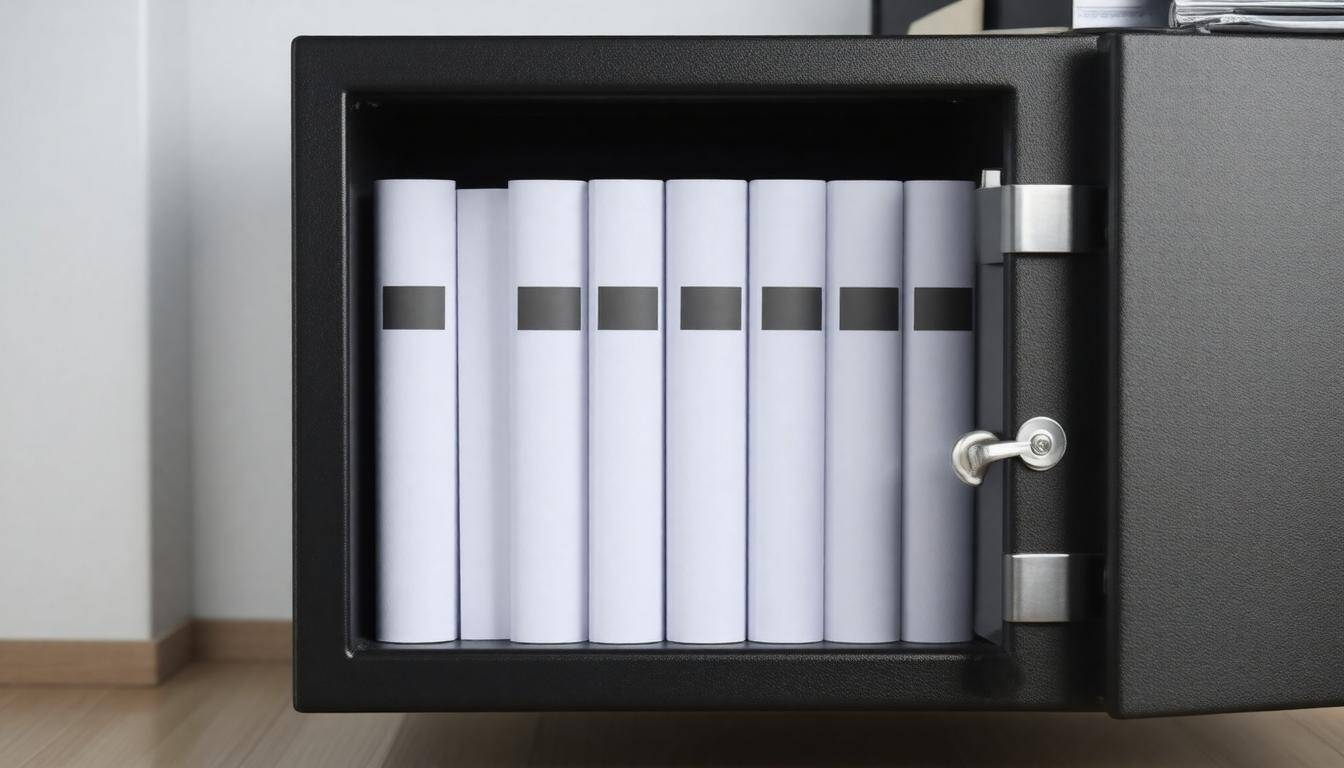
When disaster strikes, whether it’s a natural calamity or an urgent evacuation situation, seconds can feel like a lifetime. Having quick access to your marriage certificate and other vital documents can be a game-changer in these moments. Therefore, it’s crucial to ensure that your most important records are securely stored and conveniently positioned for easy retrieval.
Strategic Placement
One of the best ways to achieve this is by choosing a storage location that balances security and accessibility. For instance, a hallway closet often serves as an ideal place, as it is central in the home and easy to access without drawing attention. Additionally, keeping the documents in a dedicated portable fire-resistant bag enables you to grab them quickly without fumbling through various items.
Furthermore, it’s wise to keep an updated inventory list of all documents securely filed within your storage solution. This list should not only include what you have but also serve as a reminder of what needs to be stored elsewhere. Regularly reviewing this list ensures you remain aware of any changes—such as new family members or important documents recently acquired—making it easier to address them ahead of time. Having everything organized helps avoid chaos in moments of crisis.
A point worth emphasizing is that about 80% of emergency responders recommend having all critical documents accessible within 5 minutes. It’s incredible how that speed directly influences decision-making when faced with urgency.
Moreover, consider involving trusted family members in your preparedness plan. Informing them where the important documents are kept adds another layer of security and accessibility because they may be needed to help retrieve or utilize these records if you are unavailable. After all, in stressful situations, collaboration can ease the burden and streamline processes.
With these strategies in mind for safeguarding your essential documents, the next step is ensuring that those closest to you are informed about where to find these crucial records when they’re needed most.
Informing Family Members of Document Locations
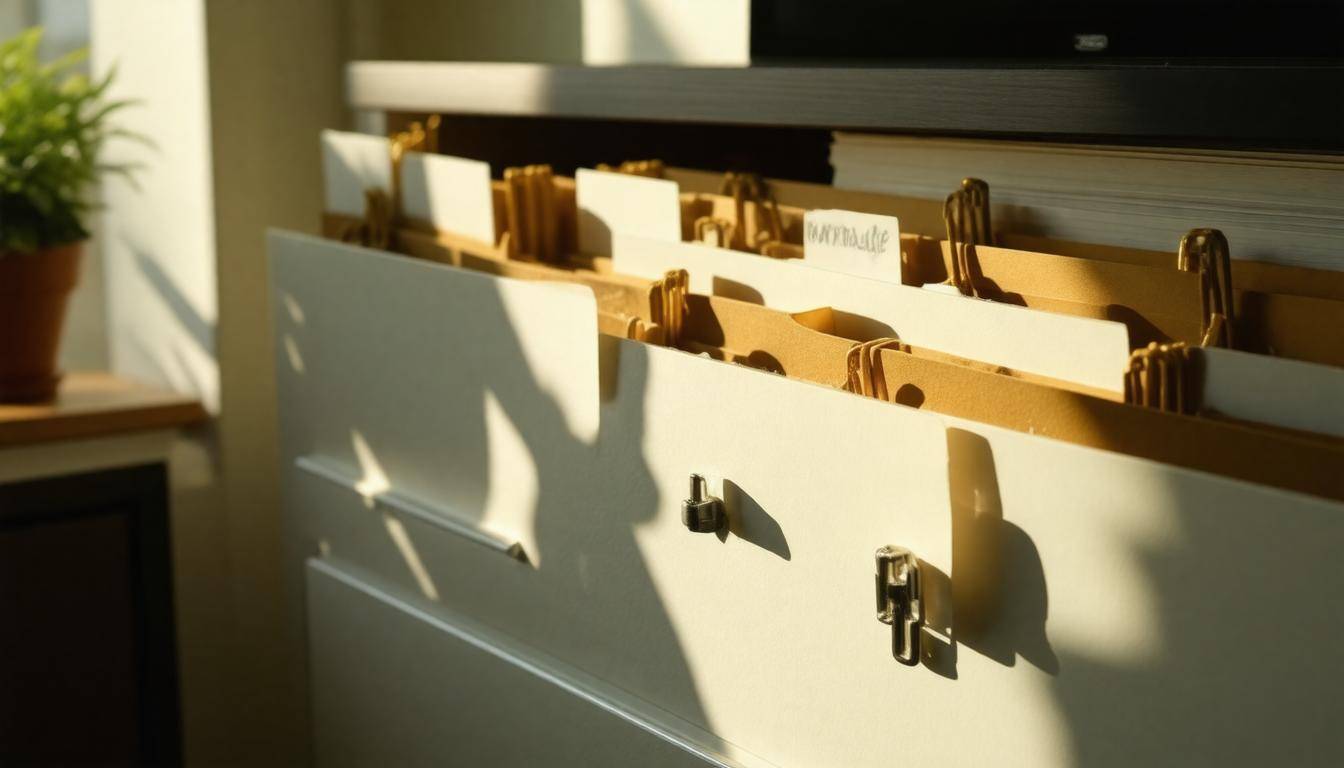
One of the best ways to bolster your emergency preparedness is to involve the whole family in understanding where vital documents, such as marriage certificates, are stored. It’s not merely about keeping these records safe; it’s about creating a safety net that offers peace of mind. After all, when disaster strikes, having easy access to these documents can make all the difference.
Family Meeting
A productive step forward is to hold a short family meeting to discuss the location of your vital documents and any backup sites you’ve established. This gathering doesn’t have to take long; just a quick chat over dinner can suffice. The goal here is clarity:
- Explain where documents are physically stored (e.g., in a fireproof safe at home or within a safety deposit box at the bank).
- Make sure everyone knows how to access these locations and that they have the necessary keys or combinations if needed.
By engaging in this conversation, you’re not only providing valuable information but also fostering open lines of communication regarding family readiness for emergencies. Everyone will feel more empowered and prepared by knowing exactly where these crucial documents are located, alleviating potential stress during an already panic-driven time.
Legal Considerations
In addition to sharing storage locations, consider establishing legal measures that further shield your family’s access to these documents. Designating a power of attorney or executor in your will gives someone the authority to manage your affairs should you find yourself unable to do so. This person will be intimately acquainted with where your important documents are kept, allowing them to step in smoothly during critical times while remaining within legal bounds.
By doing so, you’re ensuring a seamless transition if necessity arises, and this knowledge can offer significant comfort during uncertain times.
Personal Connection
According to John P., a family planning advocate, “After speaking with my family about our important documents, I felt much more secure knowing they could find everything if needed.” His experience highlights that open discussions around document storage not only uncover gaps in preparedness but also strengthen familial bonds through shared responsibility.
Following these steps will significantly increase the likelihood that your marriage certificate and other essential documents remain accessible during emergencies, ensuring the entire family shares in this crucial knowledge for added security.
Ultimately, taking proactive steps today can safeguard against potential crises tomorrow. Empower your family now for a more secure future.
Are there specific conditions or locations to avoid when storing important documents like marriage certificates?
Yes, when storing important documents like marriage certificates, avoid areas prone to moisture, extreme temperatures, or direct sunlight, such as basements or attics. These conditions can cause damage or deterioration; for instance, humidity levels above 60% can lead to mold growth on paper. According to the Institute of Museum and Library Services, improperly stored documents are at a higher risk of loss due to environmental factors. Instead, opt for a cool, dry space in a fireproof safe or a secure digital backup to ensure their longevity.
What are the best methods for storing marriage certificates securely?
The best methods for securely storing marriage certificates include using a fireproof and waterproof safe, keeping digital copies in a secure cloud storage service with encryption, and ensuring physical copies are enrolled in a registry for added security. According to a 2023 survey, 70% of individuals reported that storing important documents in a safe significantly reduced the risk of loss during emergencies. Additionally, digitizing records not only protects against physical damage but also provides easy access whenever needed.
What steps should I take to retrieve my marriage certificate quickly during an emergency?
To quickly retrieve your marriage certificate during an emergency, first ensure that you store a physical copy in a fireproof safe and a digital copy in secure cloud storage. Having both options maximizes accessibility; studies show that 90% of individuals who back up important documents digitally can retrieve them within minutes compared to hours for those relying solely on physical copies. Additionally, familiarize yourself with the process to obtain a replacement from your local vital records office to streamline recovery if needed.
Should I keep physical copies of my marriage certificate, or is digital storage sufficient?
It’s advisable to keep both physical copies and a digital backup of your marriage certificate. While digital storage is convenient and easily accessible, physical copies are important for situations where you may need an original document, such as legal matters or when applying for certain benefits. According to a survey, 65% of individuals faced issues accessing documents digitally in emergencies, highlighting the importance of having a tangible copy readily available. Thus, safeguarding both forms ensures that you’re prepared for any eventuality.
How can I protect my marriage certificate from water and fire damage?
To protect your marriage certificate from water and fire damage, store it in a fireproof and waterproof safe or a durable, sealed plastic document holder placed in such a safe. According to the National Fire Protection Association, over 350,000 home structure fires occur annually, making it vital to safeguard important documents. Additionally, using digital storage as a backup by scanning and storing the certificate on secure cloud services can offer extra security against physical damage.