
”
# Understanding Tropical Storms in Mauritius: A Call to Action
Tropical storms in Mauritius are not just weather events; they’re powerful forces that can disrupt our lives and threaten our safety. Imagine waking up to heavy rains, howling winds, and the uncertainty of whether your home will withstand nature’s fury. Preparing for these storms is crucial—it’s about safeguarding your family and your peace of mind. Over the years, I’ve witnessed how preparation can transform panic into resilience. That’s why compiling an emergency kit tailored to the specific challenges we face during storms is essential. Let’s dive into how you can create a comprehensive emergency kit to ensure you’re ready when the storm clouds gather.
“
A comprehensive Mauritius Tropical Storm Emergency Kit should include non-perishable food, bottled water, a first aid kit, flashlights with extra batteries, a battery-operated radio, personal hygiene items, important documents in waterproof bags, and any necessary medications. Having these supplies ready can significantly enhance your safety and preparedness during severe weather events.

Assembling Your Tropical Storm Emergency Kit
The first step towards assembling an effective emergency kit is understanding the specific risks associated with tropical storms in Mauritius. These storms can bring heavy rains, strong winds, and flooding. Consequently, it’s essential to think about items that will serve you well in these conditions. For instance, waterproof gear should be an integral part of your supplies to stay dry during torrential downpours. Items like waterproof tarps or sandbags can help mitigate potential flooding within your home.
Step I – Understand the Risks
Being aware of the challenges tropical storms pose means you’re better prepared to tackle them through your kit. First, ensure you have enough non-perishable food and fresh water—plan for at least three days’ worth per person in your household. Secondly, consider the impact of strong winds; securing objects around your home becomes crucial as loose items can become dangerous projectiles during a storm.
Now that we have our risks defined, let’s discuss how to choose the right container for storing these vital supplies.
Step II – Choose a Sturdy Container
Selecting a strategic container for your emergency kit is essential. A waterproof and durable container keeps all your valuable items safe from the elements. A heavy-duty plastic bin with a secure lid is an optimal choice, offering protection against moisture and dust while being easier to transport if you need to evacuate quickly.
Keep in mind size matters! Ensure it can hold all of your supplies while still being easy to lift or carry, especially when filled.
As we continue, categorizing your items efficiently will make accessing them much simpler when an emergency strikes.
Step III – Categorize Items
Begin categorizing your supplies into vital areas such as:
- Food: Non-perishable snacks, like canned goods or energy bars.
- Water: Enough bottled water for three days per person.
- Tools: A reliable multi-tool or basic repair essentials.
- Hygiene: Wipes, sanitizer, and other personal care products.
- Communication Devices: Battery-powered or hand-crank radios.
- First-Aid: Supplies including band-aids, antiseptics, and medications.
Organizing your kit this way helps not just with quick access during emergencies but ensures that nothing important is overlooked when you’re under pressure. Imagine reaching for a flashlight because the power went out only to realize you couldn’t locate it amid disorganized chaos—it’s a feeling best avoided!
With these steps addressed, preparing yourself for turbulent weather now seems much simpler. Next, we will explore additional necessary resources that contribute significantly to ensuring safety during challenging times.
Essential Survival Supplies
When it comes to surviving a tropical storm, understanding your needs can mean the difference between comfort and chaos. The cornerstone of any emergency kit is undoubtedly water. Experts recommend storing at least one gallon of water per person per day for a minimum of three days. If possible, stashing away more is essential. In an emergency, consider that pets need water too! Having water purification tablets or filters on hand can transform potentially unsafe water sources into lifesaving sustenance.
The sufficiency of your water supply may be the most critical factor in your family’s overall well-being during an emergency.
As for food, the mantra here should be “non-perishable.” Canned goods, dried fruits, nuts, and granola bars are ideal because they boast long shelf lives and require no cooking. For those with dietary restrictions or preferences, you should set aside foods that meet these needs. You don’t want to be stuck with a supply of canned beans if someone in your family is allergic. It’s also wise to calculate how much food you will need based on the number of people and duration—extra food can be shared or traded with neighbors as necessary.
Moreover, don’t forget about a basic first-aid kit. This should include essential items such as bandages, antiseptics, pain relievers, and prescription medications tailored specifically for your family’s needs. While you might not anticipate injuries during a storm, accidents can occur when preparing or during cleanup afterward. Keeping a well-stocked first-aid kit provides peace of mind knowing you’re equipped to handle the unexpected.
And while it may not be at the forefront of your mind during an emergency overhaul, hygiene products are just as critical for health and morale. Let’s explore some vital items that will help maintain cleanliness even amidst chaos.
Water, Food, and Hygiene Items
Maintaining hydration is crucial during any emergency, particularly when access to clean water could become compromised from a tropical storm. It’s vital to store sufficient water for you and your family, but simply having water isn’t enough; it also needs to be safe to consume. This means investing in water purification solutions such as iodine tablets or a portable water filter, which allow you to turn potentially contaminated sources into life-saving hydration. Moreover, I’ve found that adding a UV purifier can be incredibly effective; they’re compact devices that quickly ensure that the water you collect is free from harmful pathogens.
Water Storage and Purification
For daily usage, aim for at least 1 gallon of water per person per day. To sustain yourself during a potential crisis, stocking up for at least three days—ideally even more—will help alleviate concerns. Consider using large, sturdy containers to store your water supply, and don’t forget to mark dates on stored bottles so you’re rotating them out regularly for freshness. Emphasizing cleanliness not only protects health but improves overall effectiveness should an emergency occur.
Once you have your hydration sorted, it’s time to think about nutrition—the second pillar of your survival kit.
Nutritionally Balanced Food
The right food choices are indispensable during emergencies. In stressful situations, our bodies require fuel, and that fuel must come in forms that provide both sustenance and energy. Opt for a mix of ready-to-eat meals, such as canned goods or pre-packaged military rations—they are easy to consume with no cooking involved. Additionally, don’t overlook protein sources like jerky or energy bars that can sustain physical exertion without taking up much room in your pack.
When choosing items for long-term storage, consider freeze-dried meals. They are lightweight yet nutrient-rich options; just remember to check expiration dates when purchasing them! Aim for high-energy foods that will keep everyone feeling full and energized during such critical times.
Hygiene and Sanitation
Cleanliness is paramount in crisis moments since sanitation conditions can deteriorate rapidly following a storm. Without proper hygiene supplies, you risk disease spread among your family or group. Therefore, packing moist towelettes, hand sanitizer, and garbage bags should be top priorities—these essentials help keep surfaces clean when running water may not be available.
Don’t forget personal hygiene products such as soap, toothpaste, and diapers if you have young children; maintaining basics helps tremendously in keeping spirits high under challenging circumstances. Prepare for your sanitation needs by including enough supplies for at least 3-7 days, ensuring that these necessities are easily accessible anytime during an emergency.
| Item | Recommended Amount | Notes |
|---|---|---|
| Water | 1 gallon per person/day | Include purification tablets |
| Non-perishable food | 3-day supply per person | Opt for high-energy foods |
| Sanitation supplies | Enough for 3-7 days | Include a portable toilet if possible |
With these critical daily needs addressed, the next step is to gather essential tools and equipment that can greatly enhance your preparedness in face of a tropical storm.
Necessary Tools and Equipment
In addition to survival supplies, certain tools and equipment offer invaluable support during a tropical storm. One of the must-haves in your kit is a good-quality multi-tool. This handy gadget can serve multiple purposes, from cutting ropes to making quick repairs around your shelter. Imagine needing to fix a broken chair or trim some branches; having a multi-tool within reach provides peace of mind in challenging situations.
Alongside the multi-tool, don’t overlook the importance of a manual can opener. When the power goes out, you don’t want to be left scrambling for a way to access your canned food; this simple tool ensures you have easy access to your stored provisions without any fuss. It’s small but mighty—a true lifesaver when you need it most.
Next on our list is a portable battery pack. Having a reliable source to charge essential devices like phones and radios during a power outage is critical for communication. Not only does this keep you connected with emergency services or loved ones, but it also allows you to access crucial weather updates when natural disasters occur. If possible, consider investing in solar-powered chargers as they can provide an additional layer of security by harnessing energy from the sun—a great resource when electricity is scarce.
Adding to your preparedness plan are waterproof matches and fire starters. These items might not seem significant at first glance, but they can be life-saving for cooking or warmth if the electricity is out for an extended period. When everything else fails, being able to start a fire can drastically improve your situation by providing heat and enabling you to cook food safely.
With these necessary tools and equipment packed into your emergency kit, we can now transition to exploring how to effectively manage lighting and power needs during unexpected outages.
Lighting, Power, and Communication Devices
When you’re facing the uncertainty of a tropical storm, having reliable lighting is not just a luxury—it’s a necessity. Flashlights might seem like an obvious choice, but it’s critical to think outside the box. In addition to sturdy flashlights, consider investing in high-quality battery-powered lanterns and even headlamps. These provide versatile illumination that can keep your hands free while you tend to tasks around the house. Moreover, stock up on extra batteries! High-capacity batteries can be lifesavers when the power goes out for an extended period.
Pro Tip: Select LED lights when choosing flashlights and lanterns. They last longer and consume less energy compared to traditional bulbs.
In today’s world, staying updated is essential during severe weather conditions. A battery-powered or hand-crank radio becomes one of your best friends in such scenarios. These devices don’t rely on external power sources and allow you to tune in for weather updates and emergency alerts when all else fails. It’s quite unsettling to be cut off from information; thus, having this radio capability provides peace of mind that you are not missing critical announcements from local officials.
Portable power banks have also become indispensable companions. High-capacity power banks charge multiple devices, keeping your smartphones or tablets operational while you wait for power restoration. Some models even boast solar charging options, offering an added layer of assurance during outages that extend over days. Just imagine being able to use your phone not only for emergencies but also to stay connected with loved ones through messages during those uncertain times.
Equipping yourself with these tools ensures you’re ready for any eventuality when a storm hits. As we explore what’s next, it’s vital to understand how the right apparel can protect you against the elements in these challenging situations.
Clothing and Protective Gear
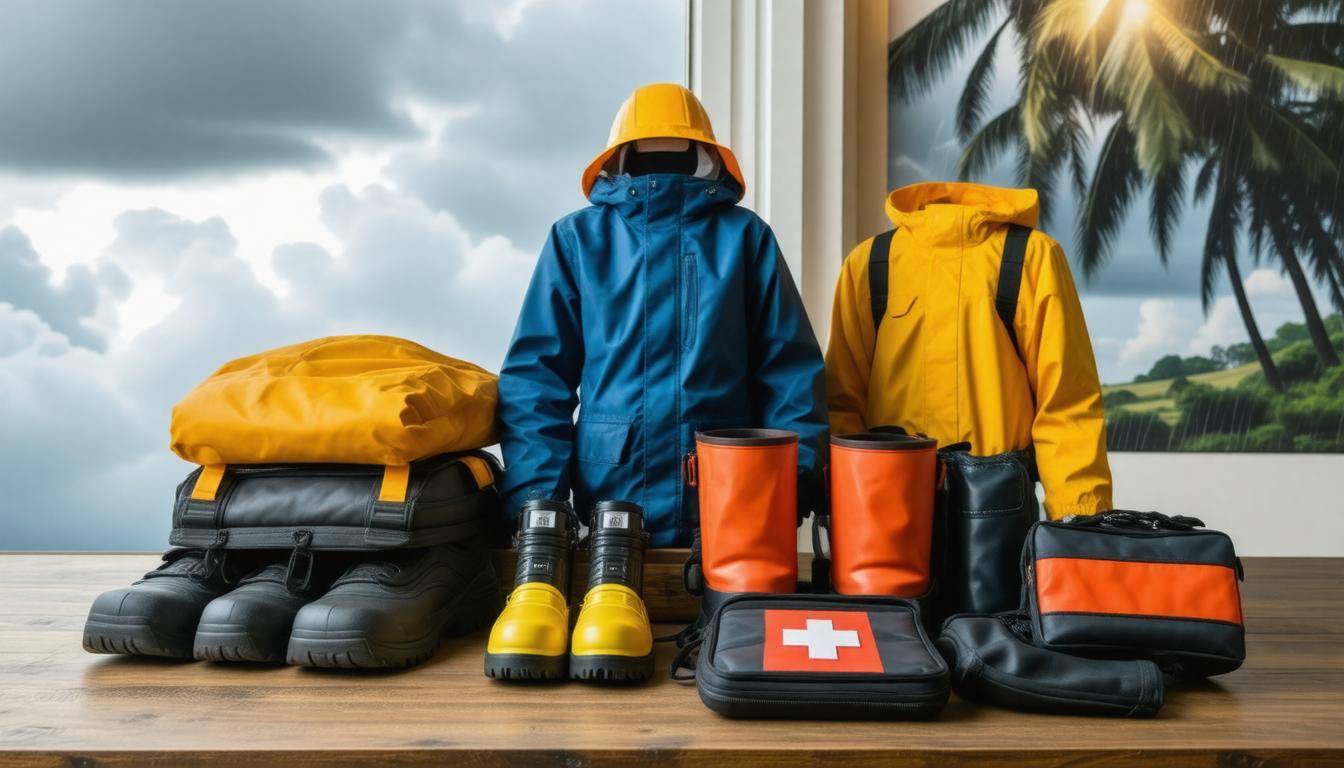
Staying dry but warm is absolutely crucial during a tropical storm. Prolonged exposure to wet conditions can lead to sickness, so ensuring you are adequately dressed is more important than it may seem. Your clothing serves as the first line of defense against the elements, acting not just as a barrier against water but also offering warmth when temperatures drop. To strike the right balance between practicality and comfort, consider the weather conditions you’ll likely encounter, and pack accordingly.
Weather-Appropriate Clothing
Opt for waterproof jackets and pants that can withstand heavy rainfall. Waterproof fabrics are specifically designed to repel water, keeping you dry inside while allowing for breathability. Sturdy boots are a must; they should be both waterproof and provide good traction to prevent slipping on wet surfaces. Quick-drying clothes become invaluable during extended exposure to moisture, reducing discomfort while minimizing the risk of hypothermia.
When putting together your kit, always test your gear beforehand to ensure it fits correctly and functions as expected.
Protective Gear
It’s not just about what you wear on your body; adding protective gear is essential for overall safety during tropical storms. Items like waterproof gloves are vital in preventing both wet hands and abrasion from rough debris that might be blown around. Masks can help filter out dust and allergens stirred up by strong winds, providing a means of breathing clean air even in adverse conditions. Protective eyewear can shield your eyes from sideways rain and flying debris—two common hazards during storms. And don’t forget a wide-brimmed hat; it shields you against both sun exposure before the storm hits and harsh rain once it arrives.
By selecting the right clothing and protective gear, you’re making a proactive investment in your well-being during a tropical storm. Each item in your kit enhances your resilience against the unpredictable elements of nature, helping ensure that you’re not just surviving but maintaining comfort as well.
As we transition to the next key aspect of preparedness, it’s equally important to consider how to keep your critical documents safe amidst all potential chaos.
Safeguarding Vital Documents
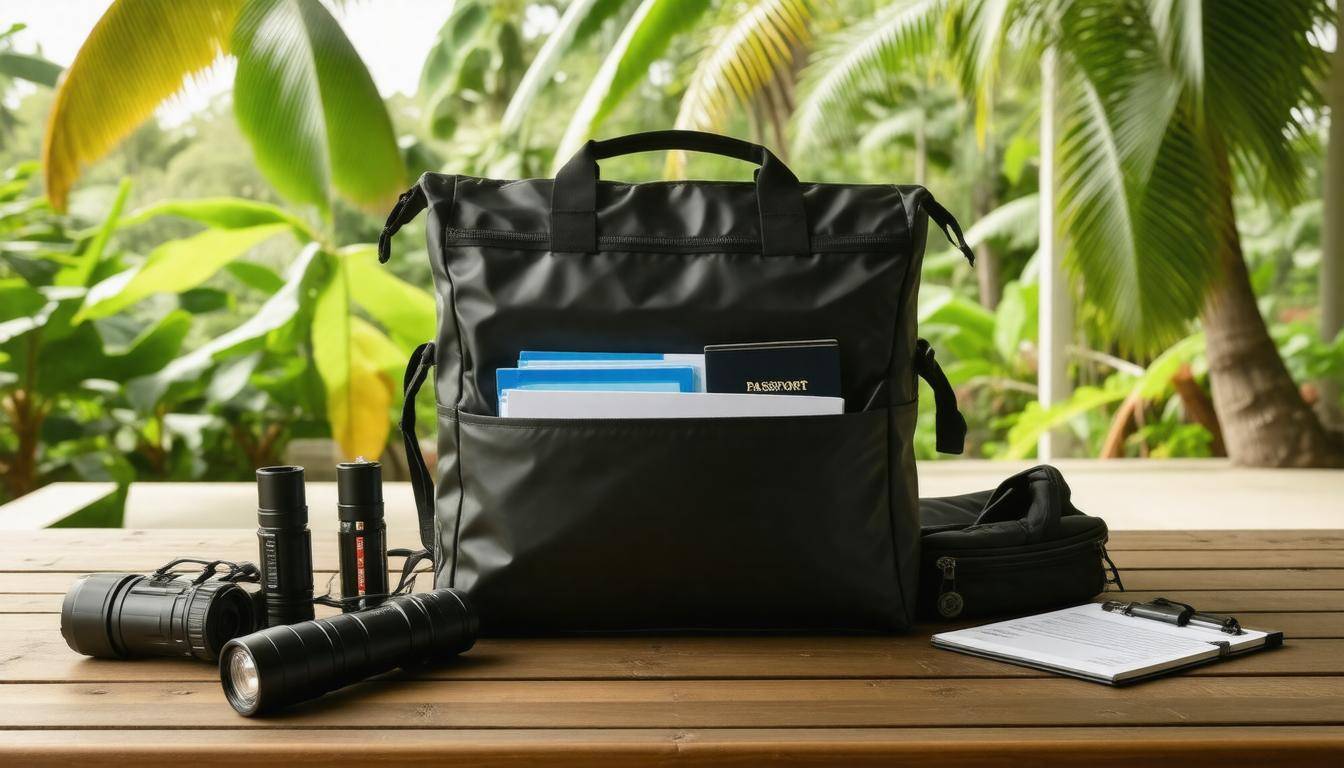
When facing potential tropical storms, it’s essential to protect important documents from water damage, which can render them unreadable and unusable. You may not realize just how vital these papers are until you need them amid an emergency. Crucial records include identification cards, insurance documents, medical records, and even property deeds. These items serve as your lifeline during crises, helping to facilitate communication with authorities and recovery services.
Digital Backup
To ensure safety, one of the best practices is to create digital copies of your crucial documents. Scan or take high-resolution photos of important paperwork such as IDs, insurance papers, and medical records. Store these copies on a secure USB drive that is both portable and waterproof. By keeping this USB in a designated area within your emergency kit, you can easily access these records when needed without risking their loss to flooding or moisture damage. Remember to label the drive properly; being organized saves precious time when tension runs high.
A wise precaution is to also upload these digital copies to a secure cloud storage service. This way, even if you lose your USB drive during an emergency, your important documents are still safeguarded in another location.
Waterproof Enclosures
In addition to digital backups, it’s wise to maintain physical copies of important documents in waterproof enclosures. Invest in sturdy waterproof envelopes or containers that keep the contents dry and are clearly labeled for easy identification. Store these containers in an accessible part of your emergency kit.
The goal is simple: make sure you can quickly reach what you need without fumbling through multiple items. For instance, you might designate different colors for various categories—such as blue for medical records and red for insurance papers—to make them easier to locate at a moment’s notice.
These practical steps not only protect your vital documents but also provide comfort as you ready yourself for any unpredictable circumstances that may come during storm season. Let’s now consider how to develop a robust plan to navigate the challenges posed by severe weather events.
Storm Preparedness Planning in Mauritius
In the face of tropical storms, effective planning is your best ally. Given Mauritius’s unique geographical position in the Indian Ocean, understanding the island’s climatic conditions and potential threats becomes paramount for safeguarding your home and loved ones. Localized planning allows families to tailor their preparedness efforts to account for unpredictable weather patterns that could pose a risk during storm season.
Community Resources
Familiarizing yourself with community shelters and local government resources is a vital step in storm preparedness. Mauritius has an established national disaster framework, which means your local authorities will have protocols for various emergencies. Identifying community shelters ahead of time reduces confusion during an actual event and provides peace of mind knowing where to seek safety when necessary. It’s wise to mark your map or save contacts for these local resources, enabling quicker response times when storms loom.
Equally important are the practices that can solidify the readiness of your household during emergencies.
Practice Drills
Regularly practicing evacuation plans and storm protocols with your family should be an integral part of your preparedness strategy. These drills ensure that everyone knows their role when a real emergency occurs, eliminating panic and confusion. Gather your family together with your emergency kit and rehearse a quick evacuation scenario—it’s amazing how much clarity can come from stepping through each step methodically. This not only instills confidence among family members but also highlights areas for improvement. For instance, if you find some members aren’t clear on what supplies need to be gathered, this is the moment to refine those details.
To aid in this process, you can find detailed local guidelines and checklists tailored specifically for Mauritian households on our site, enhancing your storm preparedness knowledge further.
By continually updating your plans based on the latest advice and engaging in regular practice sessions, you won’t just be prepared; you’ll feel empowered by your own preparations.
Understanding the essentials and taking proactive steps will greatly enhance your family’s safety during tropical storms in Mauritius.