
Flooding may seem like something you only read about in the news, but for many Melbourne residents, it’s an all-too-familiar reality. With flash floods striking with little warning, understanding how to prepare is crucial for ensuring safety and minimizing damage to homes and communities. In this article, we’ll explore essential guidelines from emergency preparedness plans to infrastructure investments aimed at safeguarding our city against the unpredictable nature of flash floods. By arming ourselves with knowledge and resources, we can face these water surges head-on and foster a culture of readiness within Melbourne. Whether you’re new to flooding concerns or looking to refresh your preparedness strategy, let’s dive into these lifesaving insights together!
The Melbourne, Victoria Flash Flood Preparedness Plan includes detailed guidelines and resources for residents to assess their flood risk, create an emergency kit, develop a family communication plan, and stay informed about weather updates. This plan also emphasizes the importance of understanding local flood zones, accessing community resources, and participating in training sessions to ensure effective preparedness for unexpected flooding events.
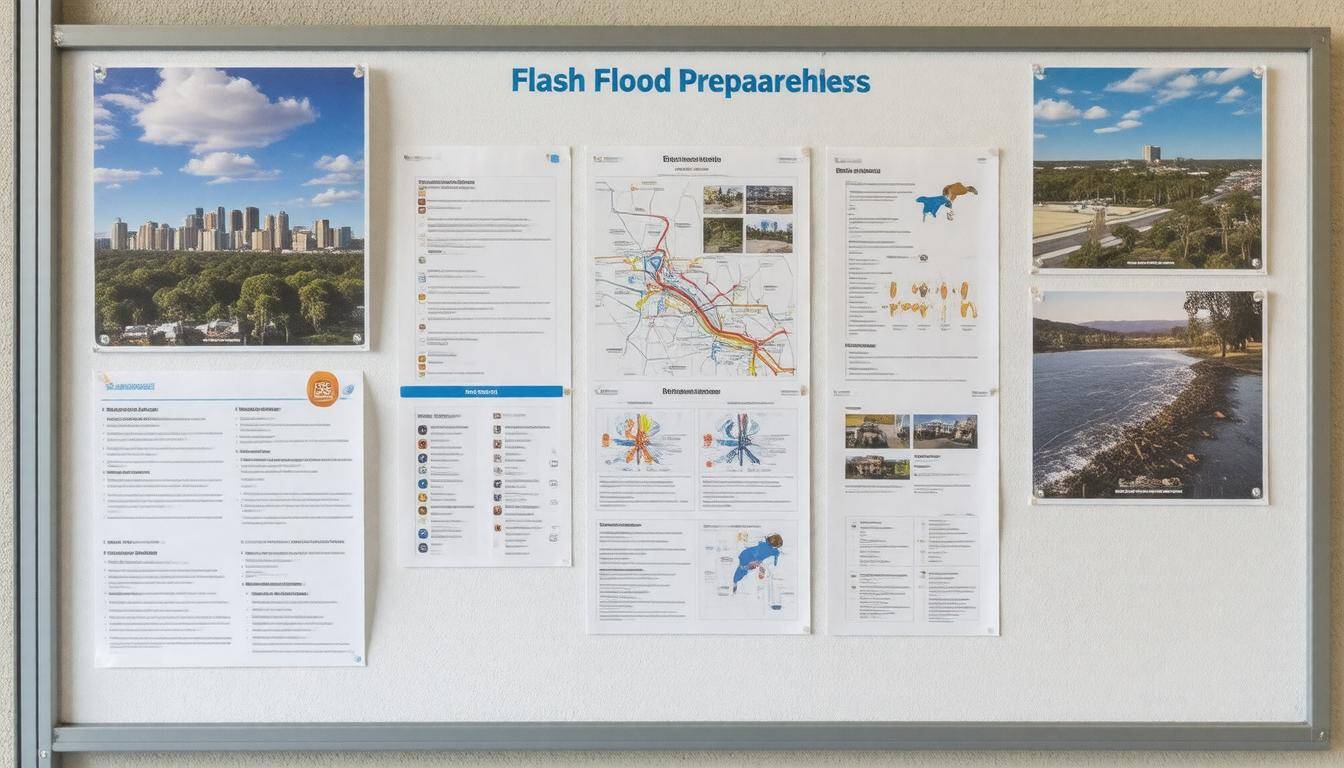
Understanding Flash Flooding in Melbourne
Flash floods in Melbourne are not just an occasional inconvenience; they are sudden and often overwhelming events driven by intense weather patterns. Typically observed during the warmer months, these floods arise from short bursts of heavy rainfall—storms so fierce that they can quickly surpass the capacity of our drainage systems.
It’s important to realize that this swift accumulation of water predominantly affects low-lying regions, making some neighborhoods more vulnerable than others.
In fact, the past decade has seen an average of 3 to 4 significant flash flood events each year in Melbourne, bringing with them economic impacts that can reach upwards of $100 million annually. These figures highlight not only how common these events can be but also the potential damage they can inflict on homes and infrastructure, making it vital for residents to stay informed and prepared.
One striking example that illustrates the rapid onset of such flooding occurred in 2020 when Melbourne’s northern suburbs were inundated almost instantly. Heavy rainfall transformed streets into rivers within minutes, leaving many bewildered by the speed and intensity of the disaster.
Notably, emergency services found themselves stretched thin, emphasizing how crucial timely preparation and response plans are for residents.
Navigating through these floods requires understanding their triggers. The overwhelming rainfall was not just a natural phenomenon but a signpost for changing climate patterns, revealing how we must adapt to increasingly unpredictable weather events.
Consequently, regular monitoring of weather forecasts becomes essential for anyone residing in flood-prone areas. Homeowners should actively engage with their local councils, taking note of statistics on flood risks and the history of flooding events specific to their neighborhoods.
Being prepared means knowing whether your property lies within a 1% Average Exceedance Probability (AEP) flood zone—a classification indicating a high chance of flooding over 30 years.
This knowledge fosters awareness and encourages proactive strategies like developing an emergency preparedness plan tailored to individual risk levels. Next, we will examine advanced measures to ensure safety before disasters strike.
Early Warning Systems
An effective early warning system can indeed be a game-changer in flood management, as it gives communities the crucial time needed to prepare and respond effectively to severe weather.
Melbourne employs advanced meteorological technologies, leveraging radar systems and satellite data to predict flash floods. These predictions become even more precise thanks to machine learning algorithms that analyze weather patterns and historical flood events. The blending of technology with meteorology creates a predictive framework that empowers communities with life-saving information.
Real-Time Alerts
The Bureau of Meteorology (BoM) plays a pivotal role in this process by providing real-time warnings through various platforms such as their website, mobile apps, and SMS services. For instance, during recent adverse weather situations, individuals who subscribed to BoM’s SMS alerts received notifications about impending storms and potential flash flooding. This level of communication allows families to better plan their day, move their vehicles to higher ground, or even stock up on essential supplies ahead of time.
A notable moment occurred in 2022 when a flash flood alert sent via SMS helped residents in the Docklands area evacuate hours before rising waters inundated the streets. This instance illustrates how timely information can mean the difference between safety and danger. Imagine waking up at dawn, receiving a text message alert about a flash flood heading your way, and acting swiftly to secure your home while ensuring your loved ones’ safety. That ability to act decisively lies at the heart of effective flood preparedness.
Moreover, it’s essential for residents to remain vigilant about signing up for these alerts. Not only does it keep you informed, but it cultivates a proactive mindset toward potential emergencies. Coupled with public awareness campaigns that encourage communities to engage with this technology, we can foster an environment where individuals feel empowered rather than overwhelmed by nature’s unpredictability.
Making the most of early warning systems requires participation from both authorities and the community to ensure everyone receives vital updates promptly. This collaborative approach sets the groundwork for understanding how vital communication methods shape our responses to urgent weather alerts.
City Communication and Alerts
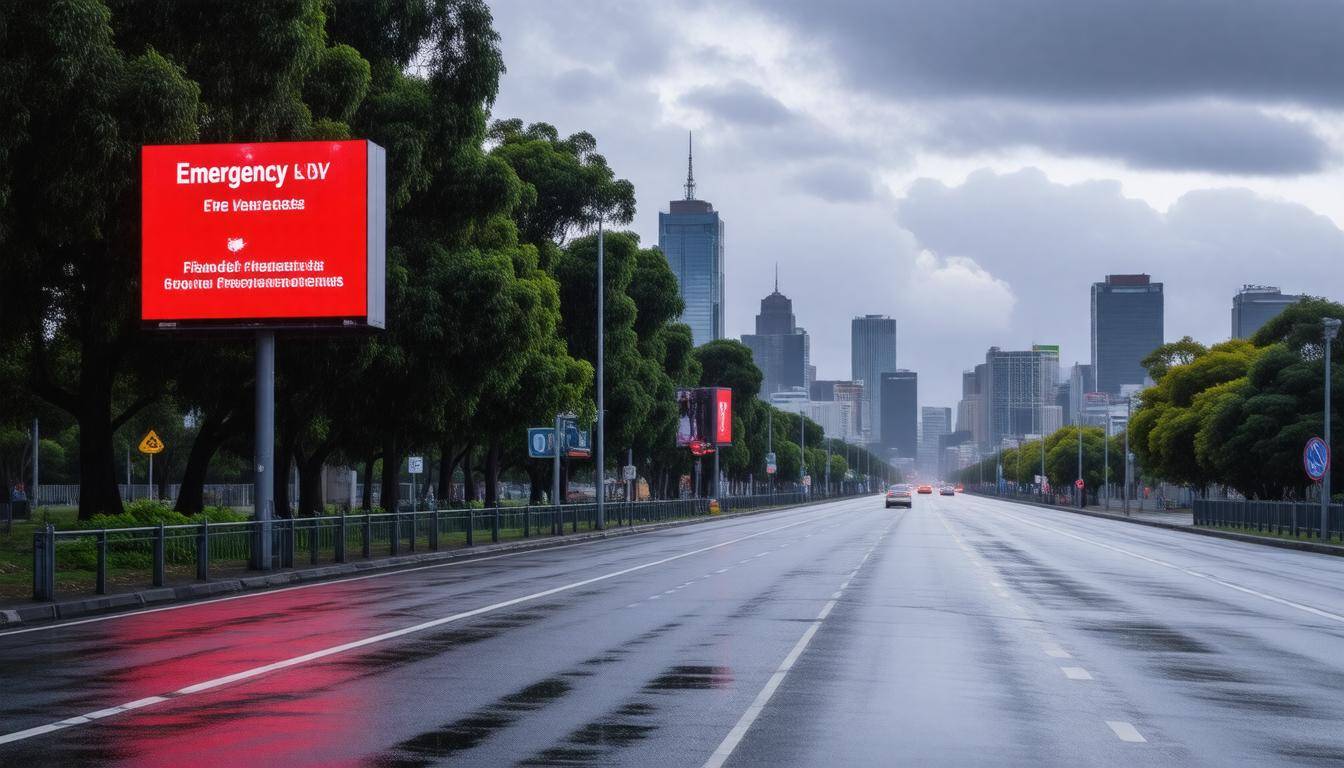
In Melbourne, the importance of timely alerts cannot be overstated, especially during peak rainy seasons when flash floods pose a significant threat. The Melbourne City Council has implemented a multi-channel approach to disseminate crucial flood alerts. This means you won’t just find information on one platform; notifications might come through social media feeds, local news broadcasts, or even public address systems throughout the city. It’s this blend of channels that allows for a broader reach, ensuring that more people receive important updates quickly.
One standout strategy within this communication framework is regular engagement with the public. The City Council organizes community meetings to discuss flood preparedness and share critical evacuation routes and safety measures. In addition to these sessions, drill exercises are conducted where residents can practice evacuating safely and efficiently. This hands-on experience builds trust in the local emergency response system.
Public engagement isn’t merely about information but is also about instilling confidence in your community’s ability to respond effectively to crises.
Many residents have shared that participating in drills has significantly reduced their anxiety during storm seasons. By familiarizing themselves with emergency procedures and understanding how various channels communicate alerts, they feel empowered rather than helpless when adverse weather approaches. Such sentiments echo the broader goal of these outreach programs—preparation leads to peace of mind.
A critical aspect of this effort is subscribing to real-time weather updates and alerts. Keeping yourself informed goes beyond just waiting for a notification; it involves remaining proactive in checking official channels regularly. Local authorities provide alerts about changes in weather conditions or imminent flood risks via text messages, emails, and dedicated apps—a few clicks could keep you well-prepared.
Checklist for Staying Connected to Communication Updates
- Social Media: Follow local authority accounts on platforms like Twitter and Facebook for real-time notifications.
- News Outlets: Tune into local radio or TV stations for live coverage during severe weather events.
- Emergency Alerts: Sign up for government notifications related to emergencies or weather updates.
- Community Resources: Attend public workshops or town hall meetings focused on emergency preparedness.
Integrating these elements into your flood preparedness strategy not only enhances your safety but also establishes a sense of readiness within your community, creating a strong foundation for responding effectively when challenges arise. With that groundwork laid, we can now turn our attention to the necessary steps taken to fortify our infrastructure against such threats.
Infrastructure Preparations
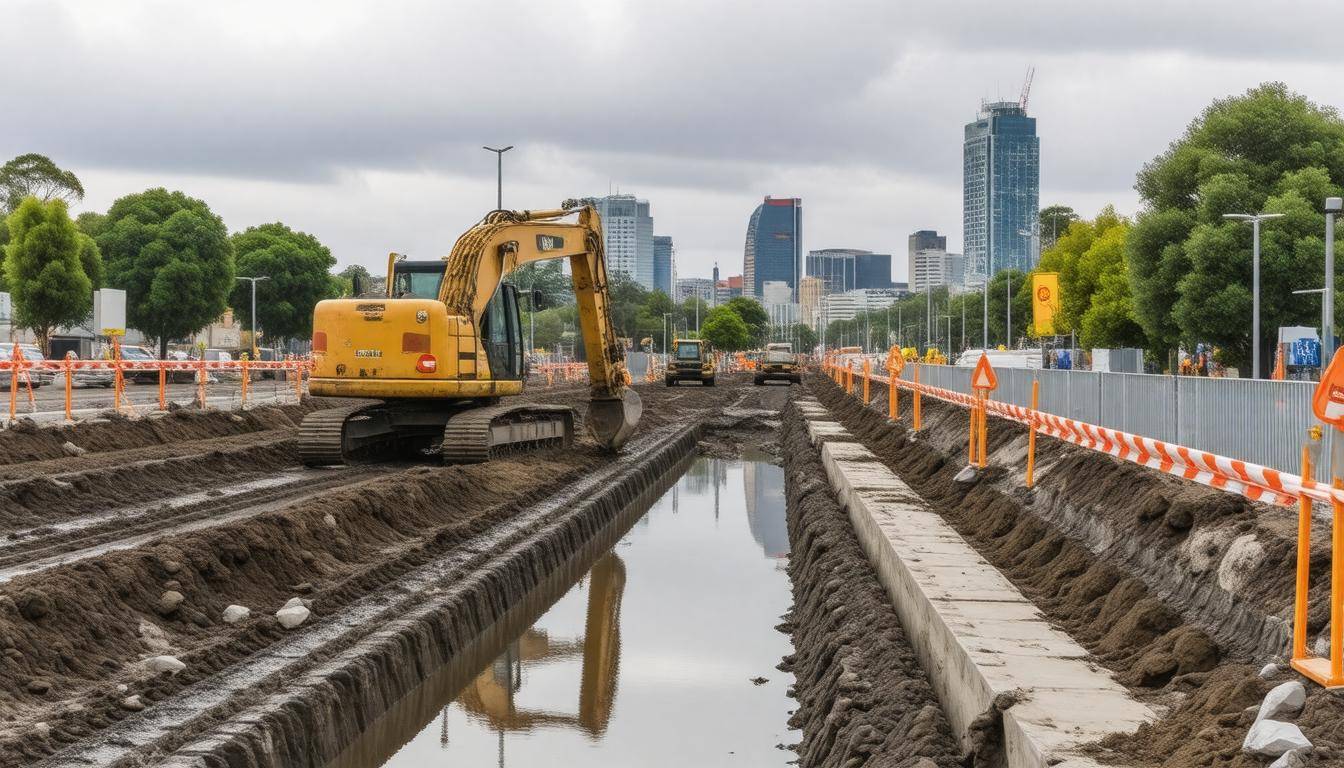
Strengthening infrastructure is not just a measure; it’s a lifeline for Melbourne residents when facing the threat of flash floods. By investing in robust systems and innovative designs, the city aims to minimize damage and protect its citizens from the unforeseen wrath of nature. Melbourne is investing heavily in upgrading its drainage systems and constructing flood barriers in vulnerable areas, gearing up for storms that seem more frequent than ever before.
Drainage Upgrades
A crucial component of this effort is seen through drainage upgrades. The city has allocated a substantial $100 million over the next five years specifically aimed at expanding and improving stormwater drains. This investment translates to tangible benefits. Enhanced drainage systems can significantly reduce the risk of flash floods by allowing stormwater to flow efficiently away from populated areas, thereby protecting homes and infrastructure.
Consider this: when heavy rains unleash their fury, inadequate drainage leads to water pooling in streets, causing disruptions and dangers. With upgraded drains, that excess water can be swiftly guided away, ensuring that normalcy returns more quickly after a deluge. Local authorities recommend residents keep an eye out for construction updates to stay informed about when and where these improvements will take place, embedding within the community a sense of proactive preparedness.
Green Infrastructure
Beyond traditional engineering measures, Melbourne is also incorporating green infrastructure into its flood management strategies. Green solutions like rain gardens and permeable pavements provide practical approaches to absorbing rainwater and reducing runoff. Imagine a beautiful rain garden blooming with plants—its purpose extends beyond aesthetics; it serves as a natural sponge that captures rainfall and allows it to seep into the ground rather than overwhelm storm sewers.
Incorporating green infrastructure not only helps manage water during a storm but also enhances urban environments with greenery, improving air quality and promoting biodiversity.
The results can be staggering; studies show that well-designed green infrastructure can collectively absorb hundreds of gallons of water during heavy downpours which can otherwise lead to flooding. As you walk through your neighborhood, consider how much safer and more enjoyable these improvements make your surrounding environment.
As we examine these proactive approaches to safeguarding our community, it’s important to explore further measures designed to strengthen personal property against potential threats.
Property Protection Measures
One of the most crucial steps to protecting your home is elevating electrical systems. This involves placing electrical panels, switches, sockets, and wiring at least one meter above predicted flood levels. Elevation not only reduces the risk of damage but also ensures safety by preventing electrical hazards during unexpected flooding episodes. Imagine waking up to find water invading your basement; if your electrical systems are located higher up, you would have mitigated potentially dangerous situations. A little preventive action can go a long way in protecting both lives and investments.
Now, moving from electrical safety to structural integrity, another essential measure is sealing basements. By applying waterproofing compounds to your basement walls, you significantly lower the chances of water seepage during heavy rains or flooding events. Think of it as creating a barrier that shields your home’s foundation from moisture infiltration and resulting mold growth. Employing professional-grade sealants available on the market not only enhances your basement’s resilience against water intrusion but can also extend its lifespan considerably.
In addition to elevating systems and sealing off unwanted moisture, consider the added protection that sandbagging offers during emergencies. Sandbags have proven to be an effective short-term solution for minimizing flood damage; studies indicate that their usage can reduce damage by as much as 40% in affected homes. Placing them strategically around vulnerable areas of your property creates a fortified barricade against rising waters. You might even want to stockpile these bags year-round—having them ready for when disaster strikes can save you time and headaches later.
Given the unpredictable nature of climate change, implementing these various protective measures becomes increasingly vital. Not only do they help manage immediate risks, but they also contribute to the overall value and longevity of your property—especially in a flood-prone area like Melbourne. With estimated statistics reflecting that properties at least one meter above potential flood levels are significantly less likely to sustain damage, it’s clear that proactive choices lead to safer environments for you and your family.
As we consider these protective strategies, we can transition our focus onto key community strategies designed to enhance safety and readiness across Melbourne.
Public Safety Measures
Public safety is paramount during a flash flood event. Being prepared and knowing how to react can literally save lives. Authorities play a vital role in providing guidance through various channels, including local news outlets, social media updates, and text alerts. Staying informed is the first line of defense. Residents should regularly check weather reports and flood warnings and heed official advisories as they come in; this awareness lays the groundwork for effective action.
Evacuation Routes
Understanding local evacuation routes is crucial. Every resident should familiarize themselves with these routes well before an emergency hits. This knowledge empowers individuals to act swiftly when time is of the essence. Create a plan with your household that identifies at least two routes leading to safe areas away from potential flooding. Additionally, consider having an emergency kit ready—this might include essentials like water, snacks, medications, important documents, and a flashlight. The idea is straightforward: during a crisis, having these plans pre-established alleviates panic and confusion.
A well-prepared household can mean the difference between chaos and calm during a storm.
Shelters
Melbourne has designated emergency shelters equipped to provide safe havens during flash floods. These spaces can be crucial for those unable to evacuate in time or who feel safer in community settings. Emergency shelters are generally stocked with food, water, medical supplies, and power generators to ensure that residents remain safe and supported during their stay. Furthermore, it’s worth noting that these facilities often have trained professionals on-site who can offer guidance and assistance—including mental health support for those affected by the trauma of flooding.
In addition to knowing about shelters, it’s wise to ensure family members know where the nearest shelter is located, along with any relevant contact numbers. Have a family discussion about what happens if someone gets separated; designate meeting points that are easy for everyone to remember.
As you prepare yourself and your family for impending challenges, it’s equally important to understand the steps to take during such emergencies. This knowledge will further enhance safety and well-being in critical moments.
What to Do During a Flash Flood
Immediate actions can save lives during a flash flood, and staying informed is your first line of defense. Once you receive weather alerts, make sure to constantly monitor emergency broadcasts, including local news or weather radio stations that provide real-time updates. Authorities often share crucial information about evacuation routes, safety tips, and areas affected by flooding.
Keep a battery-powered radio handy, just in case power outages occur; this ensures you stay connected during critical moments.
Evacuate early if advised to do so. Waiting too long may lead to being stuck in potentially dangerous situations. Floodwaters can rise rapidly—what looks like harmless rainwater can transform into a fast-moving current in minutes. Never attempt to drive through floodwaters; conditions can be deceptively dangerous as little as six inches of moving water can sweep away a vehicle. Instead, move to higher ground immediately upon receiving evacuation orders.
The best strategy is to have an evacuation plan practiced in advance.
As you prepare to evacuate, always prioritize safety by finding routes that avoid low-lying areas prone to flash floods, such as riverbanks or underpasses where water accumulates quickly. If possible, use established roadways that have been less prone to flooding historically. Identify safe zones in your neighborhood ahead of time so that you know where to go when an emergency arises.
Another significant step involves gathering emergency supplies before it’s too late. In moments of panic, valuable time is often wasted searching for essentials later on. Equip yourself with an emergency kit containing items such as water, non-perishable food, a flashlight, batteries, and basic first-aid supplies—all readily accessible should the need arise. Having these items prepared ahead of time not only reduces stress but also enables quick action during an emergency.
Move to Safety
If you find yourself trapped in a structure, head upstairs or to a higher level immediately. Attics or rooftops may be necessary refuge points until help arrives. Signal for assistance using brightly colored clothing or objects that could catch the eyes of rescuers. Stay calm; panicking may waste energy when every moment counts.
Understanding local flood risks alongside preparedness measures naturally leads us into exploring the essential steps you should take after the waters recede.
Post-Flood Recovery Steps
Assessing Damage
The first step in the recovery process, once safety is assured, is to assess the damage. This involves meticulously walking through your property and observing everything affected by the flood.
Keep a close eye out for structural damages such as:
- Cracks in the walls or foundation
- Sagging floors
- Signs of water intrusion around windows and doors
It’s essential to document everything thoroughly—with photographs being critical for insurance claims. Take clear pictures of damaged areas, furniture that should be replaced, and any other relevant items while making notes of their condition.
Your insurance company may require detailed evidence of what was lost or damaged, so having a comprehensive record can help streamline the claims process.
Cleaning Up
As you begin to clean up, it’s crucial to prioritize your safety. Wear protective gear such as gloves, long-sleeved clothing, and boots when handling debris or contaminated items. Floodwaters can carry harmful bacteria and chemicals which pose serious health risks.
Start by removing any standing water with pumps or buckets if safe to do so; the longer water lingers, the more potential it has to cause damage and promote mold growth.
Once you’ve eliminated standing water, focus on cleaning items that can be salvaged. Use hot water and detergent to scrub surfaces and disinfect wherever possible. However, some items like carpets and upholstered furniture may retain too much moisture or contamination and should be disposed of promptly.
In addition to physically cleaning your space, ensure proper ventilation by opening windows and using fans to help dry out rooms.
Remember that mold can begin to grow within 24-48 hours of water exposure, so every minute counts after the flood.
Seek Assistance
During this challenging time, do not hesitate to seek assistance from various resources available in your community. Local councils often have programs dedicated to disaster recovery that provide both financial aid and practical support for those impacted by floods. Engaging with non-profit organizations like the Australian Red Cross Emergency Services can also be immensely beneficial; they offer not only financial assistance but also vital emotional support services for affected families.
Furthermore, consider entering community connection workshops; these gatherings allow residents who have faced similar experiences to share their stories and coping strategies. This community spirit can foster resilience during hard times and provide valuable networks of support.
Remember that recovering from a flood isn’t solely about fixing physical damage; emotional well-being is just as important during this period of transition.
In summary, navigating post-flood recovery involves a series of steps that prioritize safety, thorough documentation, effective cleanup, and seeking support from the community. Each action taken not only aids in physical restoration but also contributes significantly to emotional resilience during challenging times.